

Illustration: The Touch & Go
Danbury Municipal Airport Secures $4.2 Million FAA Grant for Secondary Runway Rehab
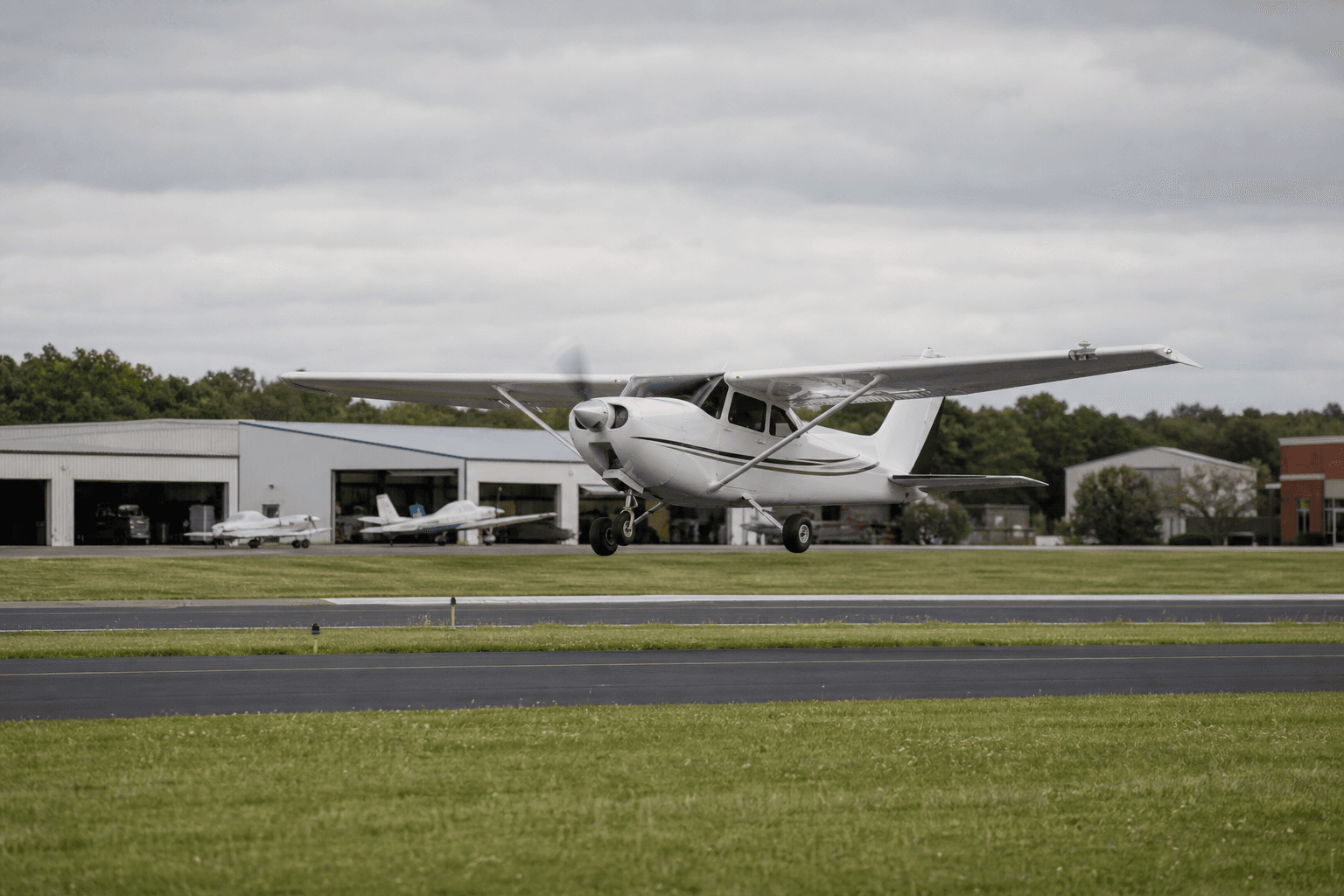
Old noise-abatement records enabled Danbury Municipal Airport to obtain FAA funds to rehabilitate its secondary runway and keep it operational.
The gist
Historic noise-abatement records helped Danbury Municipal Airport get $4.2M FAA funding to preserve its secondary runway.
Danbury Municipal Airport in Connecticut has secured a $4.2 million grant from the Federal Aviation Administration (FAA) to rehabilitate its secondary runway, a crucial infrastructure project that will prevent the runway's closure. The funding was awarded after airport officials uncovered decades-old records revealing the runway's designation as a noise-abatement surface rather than merely a crosswind runway, a distinction that qualified the project for FAA Airport Improvement Program funds. Prior to this discovery, past grant applications had been denied, which had left the runway's deteriorating condition unaddressed and raised concerns about its potential shutdown.
Airport Administrator Mike Safranek spearheaded the discovery process, reviewing the airport's archived documents dating back to the 1990s. This paperwork clarified the runway's purpose within the airport's operations and was pivotal in changing the FAA's assessment of the funding eligibility. The Danbury City Council has since accepted the FAA grant, marking a significant financial boost for the $4 million reconstruction effort that would have otherwise been unaffordable for the city. Safranek expressed the importance of this breakthrough in maintaining the airport’s operational capabilities.
The secondary runway does not serve as the primary landing surface but plays an important operational role during certain weather conditions, particularly when crosswinds render the main runway less safe or impractical for aircraft operations. Preserving this alternate runway ensures the airport can maintain reliable service and safety standards under varying environmental conditions. Airport officials stressed that keeping this option open is vital for both safety and operational flexibility.
Danbury Municipal Airport is notable as one of the busiest general aviation facilities in Connecticut. It supports approximately 70,000 annual flight operations and hosts around 220 based aircraft. The airport operates as an important hub for the local aviation community, providing facilities for flight training schools, charter services, aircraft maintenance businesses, and storage accommodations. The rehabilitation of the secondary runway is expected to sustain and possibly enhance the airport’s role in serving these multiple aviation activities.
The FAA's Airport Improvement Program is a federal grant program aimed at funding airport infrastructure projects that enhance safety, capacity, and environmental concerns. By classifying the runway under its noise-abatement designation, the program recognized the necessity and justification for investing in its rehabilitation. This case underscores how historical records and proper classification can critically influence funding opportunities for infrastructure projects.
Construction on the runway rehabilitation is slated to begin in the coming months, with airport officials planning a comprehensive overhaul of the aging pavement. The project will focus on restoring the surface integrity and ensuring compliance with current safety and operational standards. This rehabilitation will not only extend the runway’s service life but also reinforce the airport’s overall operational resilience in the face of evolving aviation demands.
Read more
All MRO/Maintenance →
Honeywell Aerospace spins off as independent company to sharpen market focus
Executives say the split will allow Honeywell Aerospace to focus more intently on its core markets. Honeywell International has completed its planned spin off of Honeywell Aerospace into a publicly traded independent firm, a move the aerospace company says leaves it better positioned to expand, invest and generate long-term profits. Charlotte-based Honeywell divested the former…

Tail Strikes Ground 787 and A350 Composite Jets for Weeks While 777 Returns to Service Quicker
Here is why the composite materials used in the Boeing 787 and Airbus A350 make repairs more complex following impact incidents.

McFarlane Aviation Launches New Replacement Parts for Aging Cessna and Beechcraft Aircraft
McFarlane Aviation offers replacement and repair parts aimed at addressing both mechanical and structural concerns for several popular Cessna and Beechcraft models.
United's First 'Elevated' 787-9 Faces Persistent Maintenance Issues and Returns to Boeing
It remains unclear how long the flagship 787-9 will remain out of service and has been ferried to Moses Lake, a Boeing maintenance facility.
The Daily Touch & Go
The day's best aviation news in your inbox. Free, no spam.