


Illustration: The Touch & Go
Experienced Pilot Disoriented in Night IFR Approach Crashes Short of Raleigh-Durham Runway
An experienced pilot flying a 1989 Piper Saratoga crashed near Raleigh-Durham airport during a night instrument approach, highlighting risks of lost proficiency and challenging conditions.
The gist
An experienced pilot's loss of instrument and night currency contributed to a fatal crash short of Raleigh-Durham runway during a cloud-covered night approach.
On the night of October 20, 2019, a 1989 Piper Saratoga registered as N534Z crashed into a wooded area just one mile short of runway 32 at Raleigh-Durham International Airport during an instrument approach. The pilot was undertaking an IFR flight from Columbus, Georgia, to North Carolina with his wife as a passenger. Conditions in Raleigh were marginal VFR with low clouds posing challenges for the approach. The pilot, although instrument-rated, faced unexpected weather and an unplanned runway change in the final moments of the flight.
The pilot’s total logged flight time was just under 3,000 hours, indicating substantial flying experience. However, his last logged instrument approach occurred nearly ten months prior, and he had not flown at night for almost a year. Importantly, he was not current or legal to conduct IFR or night flight operations at the time, nor was he authorized to carry passengers, which meant he was operating outside FAA currency requirements.
Mike Ginter, senior vice president of the Air Safety Institute (ASI), emphasized that the pilot’s lack of currency and proficiency played a crucial role in the accident. He noted that the 370-nautical-mile journey and the weather challenges encountered during the final approach phase created a highly demanding situation. A runway change during the approach compounded the pilot’s workload, requiring rapid avionics adjustments and situational reassessment in difficult conditions.
The NTSB’s final report attributed the crash to the pilot’s failure to maintain a safe glidepath on final approach. It suggested that stress and fatigue likely degraded the pilot’s decision-making and performance. The disparity between the dark terrain and the brightly lit runway may have induced a visual illusion, causing the pilot to believe he was higher on approach than he actually was, leading to premature descent into terrain.
This accident highlights the critical importance of maintaining IFR and night currency for pilots operating in such conditions. The pilot’s experience did not compensate for the long gap in proficiency, particularly under challenging weather and unexpected operational changes. The combination of fatigue, stress, and anxiety can impair even experienced aviators' ability to execute precise instrument approaches safely.
The Air Safety Institute's accident case studies reconstruct such incidents using FAA and NTSB records combined with animated sequences to illustrate the chain of events and the contributing factors. These tools provide vital learning for the pilot community to better recognize and mitigate risks associated with lost proficiency, complex approaches, and high workload scenarios.
Night Falls on Final, the latest video from ASI sponsored by Sporty’s, presents this accident case study for pilot education. It serves as a stark reminder of the consequences of inadequate currency and the challenges posed by night IFR flight in marginal weather. Ensuring compliance with currency requirements is essential to prevent recurrence of similar tragedies.
This event reinforces that regulatory adherence and recurrent training are not mere bureaucratic hurdles but critical safety measures that can be life-saving. Pilots should rigorously maintain currency, especially for IFR and night conditions, and exercise caution with operational changes during critical flight phases.
The crash of N534Z underlines how operational pressures and poor currency can converge into fatal outcomes. It reaffirms the NTSB and ASI's positions on promoting safe glidepath awareness, stress management, and currency maintenance as pillars of aviation safety.
Frequently asked questions
- Was the pilot current and legal to fly IFR and at night during the accident flight?
- The pilot was not current or legal to fly IFR or at night at the time of the accident, having not logged an instrument approach in nearly 10 months nor a night flight in about a year.
- What caused the crash according to the NTSB?
- The NTSB determined the cause of the crash was the pilot’s failure to maintain a safe glidepath during final approach to the runway.
- What factors increased the difficulty of the approach for the pilot?
- Challenging weather with low clouds, an unexpected runway change requiring avionics reprogramming, and night conditions with dark terrain and bright runway lights created a difficult and confusing environment for the pilot.
Read more
All Aviation Safety →
Boeing Plaza Hosts Historic and Modern Aircraft at Oshkosh AirVenture 2026
Boeing Plaza, the large aircraft ramp of the EAA AirVenture showgrounds, becomes the center of the aviation universe in less than two weeks when Oshkosh 2026 gets underway. The fly-in convention runs from July 20-26, and the aircraft on display on the central grounds will likely change day by day. According to the Experimental Aircraft Association, the 2026 lineup features an eclectic mix of modern military aircraft, the latest innovations, cultural favorites, and historic aircraft both civilian and military. Decades of aviation will be on display and it's a bit of a thrill to see a modern Boeing B-29 parked a few feet away from a Boeing C-17 and a B-52, or a modern airline a few feet from a DC-3 that your grandparents might have flown in. EAA said the lineup will change through the week as some airplanes are visiting for only one day, while others will remain for several. The theme of the Boeing Plaza display is AirVenture's salute to America's 250th birthday.. READ MORE: NASA's Super Guppy Will Miss AirVenture Due to Storm Damage READ MORE: Wingfoot One Returns to AirVenture "There is no place else in the world where one can see a combination of noteworthy aircraft and people as you can on Boeing Plaza during EAA AirVenture," said Rick Larsen, EAA's vice president of communities and member programs, who coordinates the annual event's features and attractions. "Nearly every notable type of airplane of the past 35 years has appeared in that area at some point." Aerial view of Boeing Plaza at EAA AirVenture in 2025 in Oshkosh, Wisconsin [Credit: EAA] Larsen gives a nod to the folks tasked with getting those airplanes in and out of the plaza—AirVenture's dedicated (and skilled) volunteers. You will see them in the safety vests working as a team to maneuver and place those often-rare aircraft. "[These are people] who have probably pulled and tugged more aircraft types than any ramp crew in the world," Larsen said. Aircraft scheduled to be displayed on Boeing Plaza: • U.S. Air Force B-52 • C-5 and C-17 • F-16, F-35, and F-15 • Airliners in special livery designs from Southwest Airlines and Delta Air Lines. Aerial view of Boeing Plaza at EAA AirVenture in 2025 in Oshkosh, Wisconsin [Credit: EAA] Boeing Plaza was created in the late 1980s as a taxiway with four aircraft parking "fingers." As the AirVenture show grew in attendance, there was a need for more space, and it was expanded into the full ramp in 1993. Boeing Plaza also provides a popular photo-taking platform, as large group portraits, such as the annual Women In Aviation gathering, are done on the ramp.

Student Pilot Safely Lands Cessna 150 After Instructor's Mid-Air Jump in Argentina
A trainee pilot was left on his own to land an aircraft after his pilot instructor , Leandro Andrés Bertazzo , decided to jump out of a moving plane high in the air in the skies of Argentina on Saturday, July 4. This forced the student, known as Rosario, to safely land the aircraft on his own. Bertazzo, who was the age of 42, was later found dead following the incident.
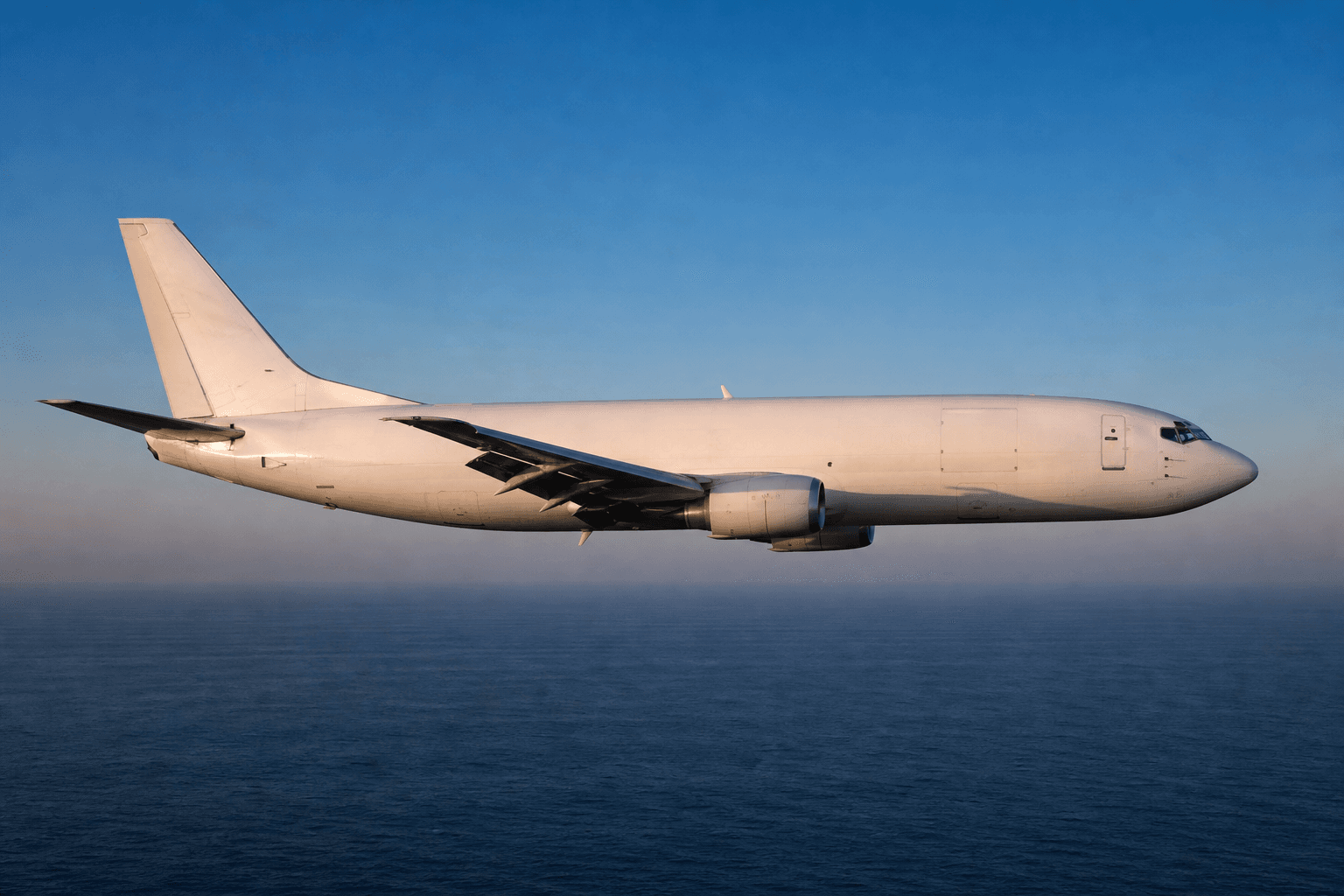
K2 Airways cargo flight presumed crashed near Karachi after sudden altitude loss
K2 Airways flight KTA1732 was a scheduled overnight cargo service from Sharjah to Karachi on July 7, 2026, operated by the airline's sole aircraft, a 27‑year‑old Boeing 737‑4M0 (BDSF) registered AP‑BOI. The aircraft departed Sharjah shortly after 1500 UTC and initially experienced GNSS interference affecting ADS‑B reception, a problem also affecting other aircraft in the […]
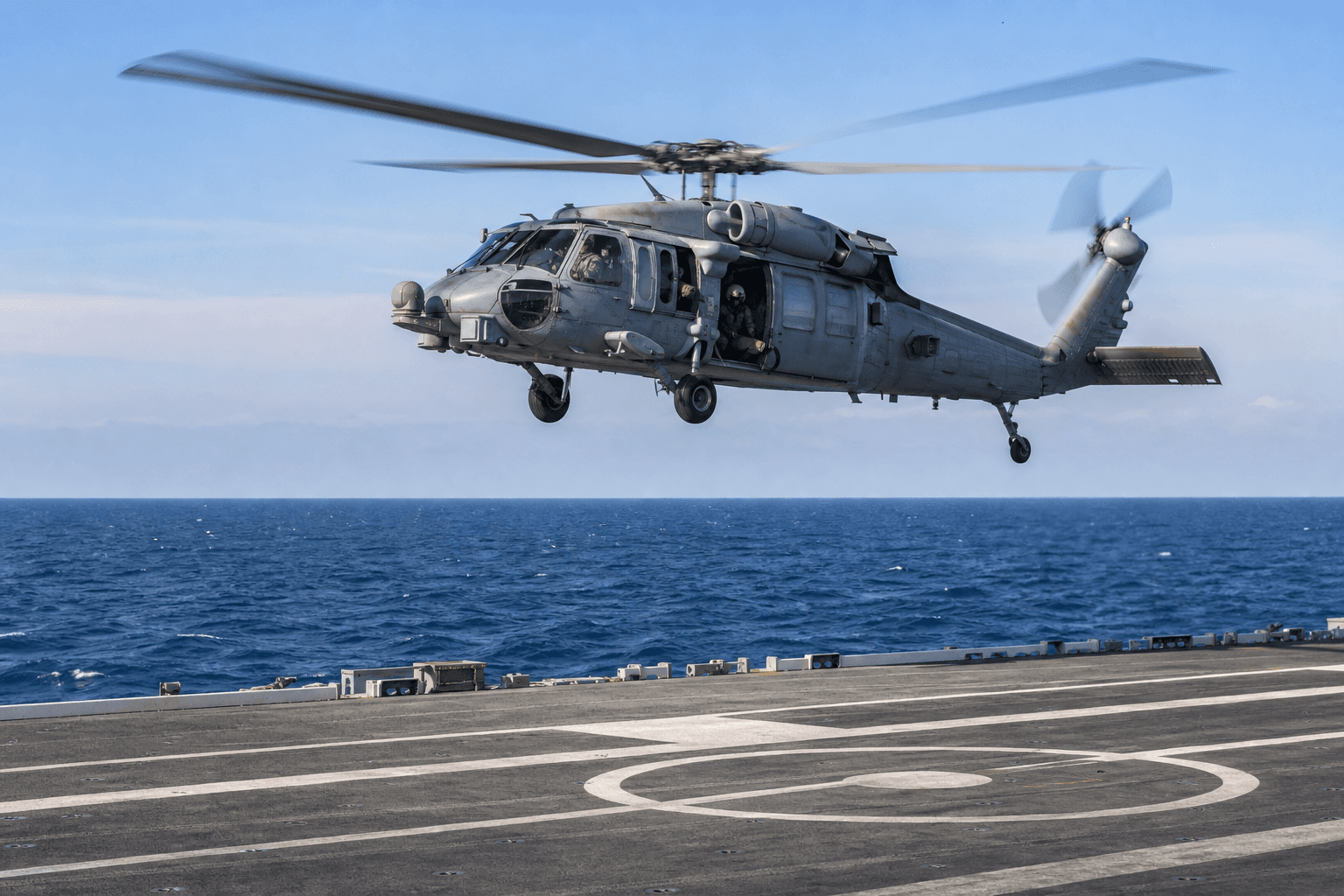
US Navy Helicopter Squadron Leader Killed After MH-60S Crash in Arabian Sea
The officer had been missing since the 1 July incident in which the Seahawk utility helicopter made an emergency water landing. The commander of a US Navy helicopter squadron has been declared killed in action in the Middle East. Commander Gabriel Edwards was a rotary-wing pilot and the commanding officer of Helicopter Sea Combat Squadron (HSC) 5, embarked with the aircraft carrier USS George HW Bush . Edwards had been missing since 1 July, when his Sikorsky MH-60S Sea Hawk made an emergency landing in the Arabian Sea. Three other US Navy personnel aboard the helicopter were rescued shortly after the ditching. The effort to locate and recover Edwards was called off after more than four days of searching, the navy now says. The cause of the emergency is not yet known and remains under investigation. Edwards had accumulated more than 2,000 flight hours over his naval aviation career, according to the navy. HSC 5 is part of the navy’s Carrier Air Wing 7, which is currently operating from the Bush in the Arabian Sea. The carrier departed its homeport of Norfolk, Virginia, in March for the regularly scheduled deployment. The MH-60S is a utility and fleet support helicopter that is distinct from Sikorsky’s MH-60R variant, which is equipped for anti-submarine warfare.
The Daily Touch & Go
The day's best aviation news in your inbox. Free, no spam.