

Inside The World's Most Iconic Airport Attractions Beyond Boarding Flights
From indoor waterfalls at Changi to aviation museums by major hubs, airports are redefining themselves as destinations with unique cultural and entertainment experiences.
The gist
Airports worldwide now offer iconic attractions—from Changi’s Rain Vortex to Delta’s Flight Museum—drawing visitors beyond travel alone.
Airports traditionally have been transit points designed primarily for efficient passenger movement. However, several global airports have transformed to offer iconic attractions that make them destinations in their own right. These features often serve to entertain layover passengers, attract tourists and locals, and strengthen an airport’s brand identity beyond the usual air travel function. A variety of cultural, architectural, and aviation-centric attractions now draw visitors who may not even be boarding a flight.
Singapore Changi Airport exemplifies this evolution with its Jewel complex, a multi-use facility adjoining its terminals. Jewel’s centerpiece, the Rain Vortex, stands 130 feet tall as the world’s tallest indoor waterfall, surrounded by lush gardens, retail spaces, and restaurants. The surrounding Shiseido Forest Valley provides a serene tropical forest environment indoors, making Jewel appealing not only to travelers but also to residents and tourists seeking leisure or entertainment within the airport precinct.
Other hubs have taken more culturally oriented approaches. Doha Hamad International Airport has developed one of the largest public art collections in any airport. Its renowned Lamp Bear sculpture by Urs Fischer offers a unique, museum-like ambiance that characterizes the terminal as a curated cultural space. This initiative aligns with Qatar’s strategic efforts to position Doha as a premium global connecting hub distinguished by art and culture.
Munich Airport brings local flavor into the terminal environment with its Airbräu brewery and beer garden, immersing travelers in Bavarian beer culture before they even step outside. Seasonal events such as the Christmas and winter market transform the airport into a festive gathering spot, combining food stalls, music, and ice skating. Munich effectively exports a regional cultural identity within its terminal, creating a sense of place rarely found in international airport design.
For aviation enthusiasts interested in historic aircraft and airline heritage, several airports feature acclaimed aviation museums adjacent to their terminals. The Delta Flight Museum at Atlanta Hartsfield-Jackson Airport showcases the history of one of the world’s largest airlines, with exhibits including the first Boeing 747-400 ever built and a Boeing 767 dubbed The Spirit of Delta. Located in historic maintenance hangars, the museum connects Delta’s illustrious past with current operations.
Europe’s aerospace manufacturing hub at Toulouse-Blagnac Airport is home to Aeroscopia, a museum dedicated to Airbus and French aviation history. Exhibits include the iconic Concorde supersonic airliner, the Airbus A300B4, the Super Guppy, and other historic aircraft significant to commercial aviation’s development. Aeroscopia provides visitors a deep look into industrial aircraft production, engineering, and design in a city synonymous with aviation innovation.
In eastern Europe, the Oleg Antonov State Aviation Museum near Kiev Zhuliany Airport holds a collection emphasizing Soviet-era and Ukrainian aviation heritage. Aircraft such as the Antonov An-22, Tupolev Tu-104, and Mil Mi-26 helicopter offer insight into a distinct aeronautical lineage. This museum serves both as a repository of aeronautical engineering achievements and as a cultural landmark reflecting regional aerospace history.
These varied attractions demonstrate how airports around the world have redefined themselves beyond purely functional spaces. They not only improve passenger experience during layovers but also serve broader goals such as boosting tourism, preserving aviation heritage, and reinforcing local culture. The continued development of such attractions is reshaping airport terminals into destinations that passengers and visitors seek out, sometimes independently of air travel itself.
Read more
All Airports →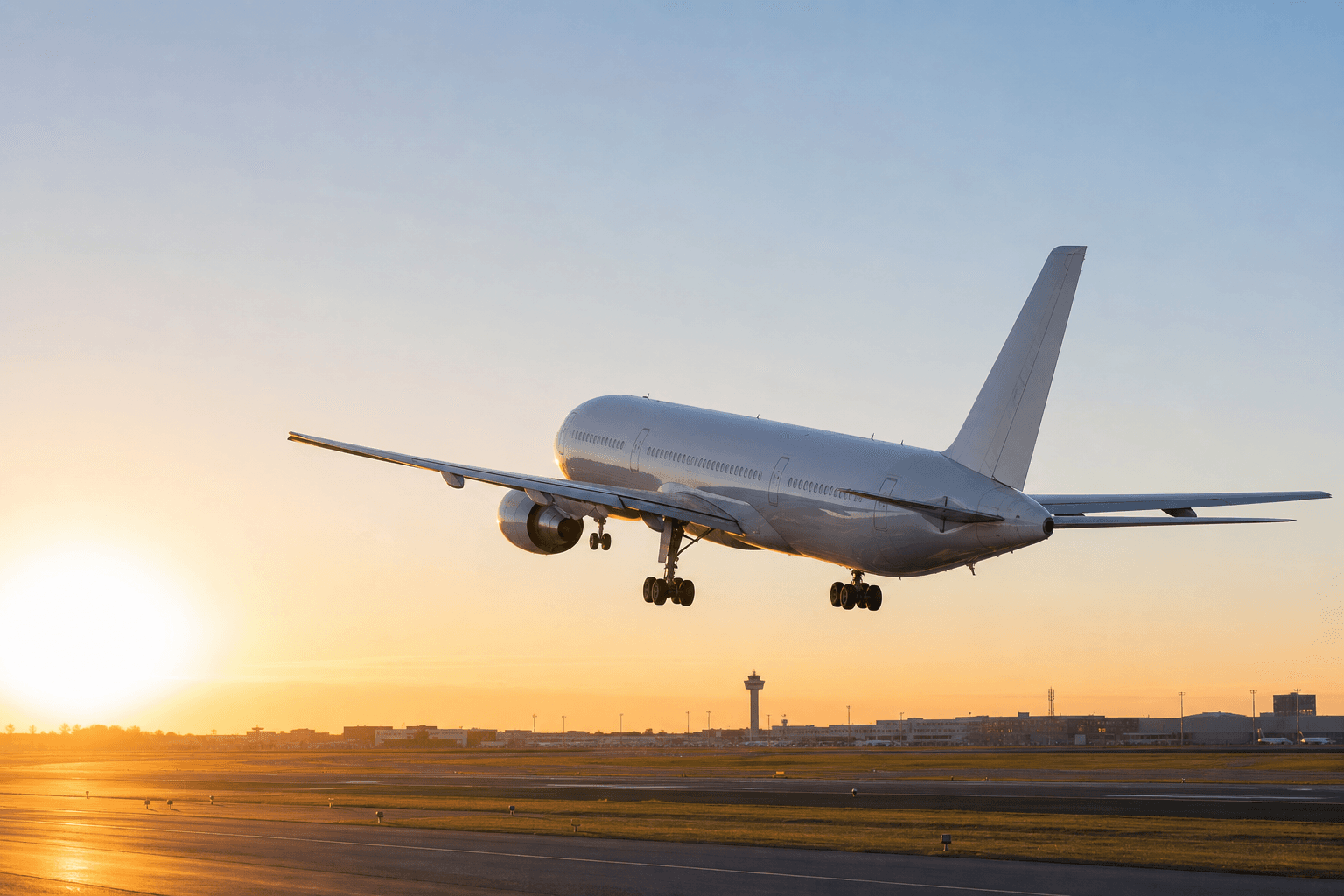
Why Commercial Jets Reduce Engine Thrust Immediately After Takeoff
Anyone who regularly flies on commercial aircraft has likely noticed the same curious sensation shortly after take-off. The engines roar at full intensity during the take-off roll, the aircraft rotates, and within moments of becoming airborne, the sound suddenly softens as the thrust appears to decrease. For nervous passengers, that brief reduction in power can feel unsettling, especially because it happens at a stage of flight when the aircraft is still climbing away from the runway and remains relatively close to the ground. So in this video, we take a look at why pilots deliberately pull back thrust shortly after lifting off the runway, how modern aircraft rarely need maximum power in the first place, and why this procedure actually improves efficiency, reduces engine wear, and helps keep flights safe.

Traveler Scores Free Airport Chauffeur Service Using Blacklane and Citi Credit Card Credits
With kids, bags and no desire to trek through Austin airport's parking garage to the Uber lot, I booked a chauffeur to meet us at baggage claim. Stacking GHA Discovery's Blacklane benefit with Citi's credit brought my out-of-pocket cost to $0.
Ethiopian Airlines offers free 8–24 hour transit hotel stays at Addis Ababa hub
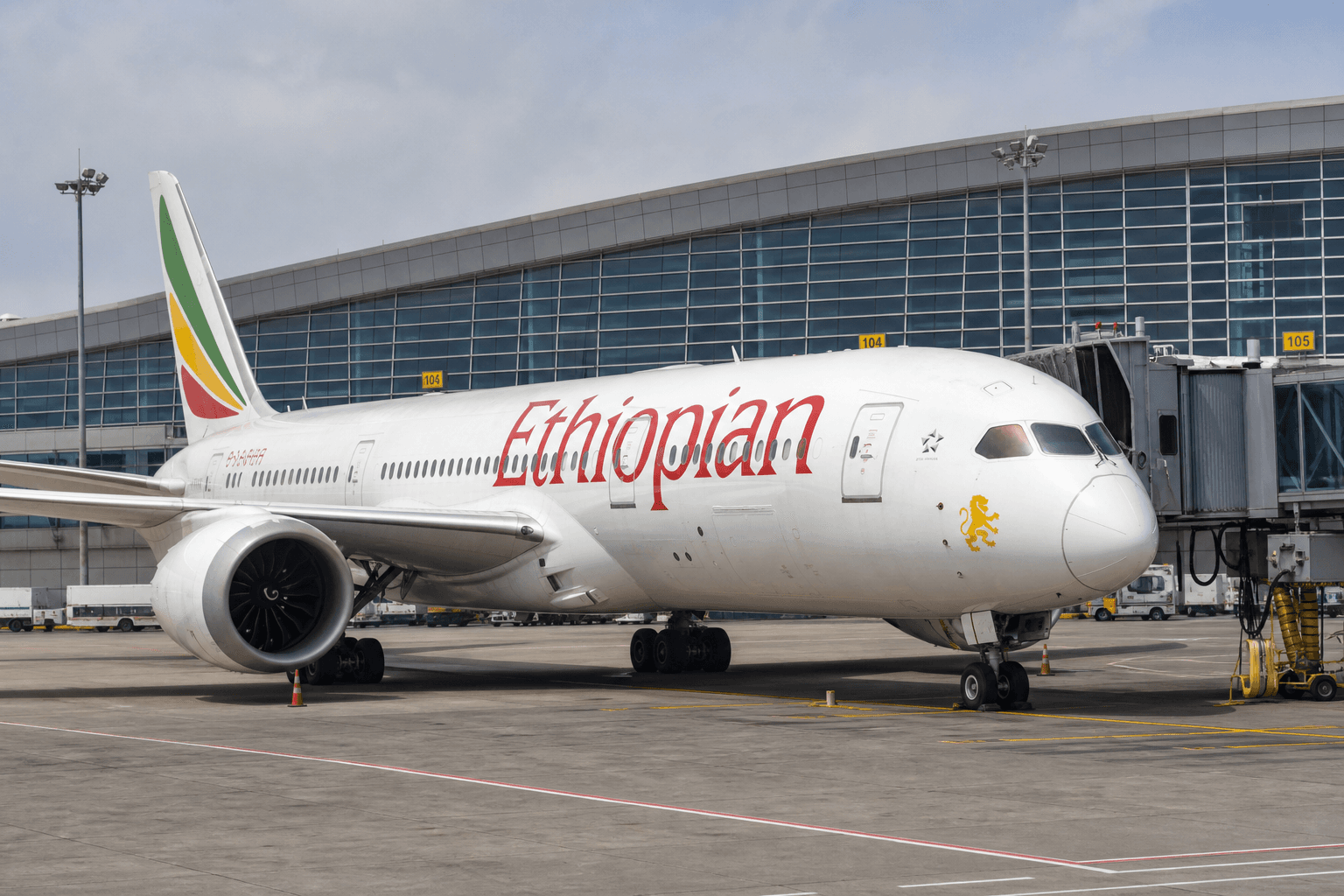
Ethiopian Airlines has a large global route network through its Addis Ababa (ADD) hub, as the airline flies to four continents from there. The airline offers a fairly pleasant onboard experience, including in business class , even if there are a bunch of different seat types . Given the carrier's complex network, in some cases, passengers might find themselves with an extended layover in Addis Ababa. The good news is that if your layover is long enough, you may be entitled to a free hotel room , which can make your travel experience much more pleasant. In this post, I'd like to take a closer look at how exactly the program works. Separately, I've written about similar programs offered by Emirates in Dubai (DXB) , by Qatar Airways in Doha (DOH) , and by Turkish Airlines in Istanbul (IST) . Basics of Ethiopian Airlines' stopover hotel program Ethiopian Airlines offers passengers with extended transit periods a complimentary hotel stay. On top of that, eligible travelers receive a complimentary transit visa, free meals, and transport to and from the hotel, as needed. As you'd expect, there are some terms to be aware of when it comes to the free hotel program, so let's go over all of those details (and thanks to this valuable FlyerTalk thread for clarifying many of the common questions). How long does your connection have to be? In order to get a free transit hotel from Ethiopian Airlines in Addis Ababa, you need to have a layover of 8-24 hours. You wouldn't be eligible if you're spending less or more time in Addis Ababa than that. Unlike with some other airline stopover programs, there's no need to take the next flight in order to be eligible for this. In other words, you could intentionally book a connection for a later flight to receive a stopover hotel. Interestingly when paying cash you'll notice that Ethiopian ordinarily charges $70 (or so) extra for a longer connection, but that doesn't apply when redeeming miles. Get a free stopover hotel with an 8-24 hour connection Who is eligible for a free stopover hotel? Ethiopian Airlines has fairly few restrictions beyond the above regarding who is eligible for a transit hotel. It doesn't matter if your ticket was issued by Ethiopian Airlines or a partner airline. Furthermore, award tickets qualify, regardless of which program you book through. The only major restriction is that you must be both arriving and departing on Ethiopian Airlines on a single ticket to be eligible for a stopover hotel. So you can't be arriving on one airline and departing on another airline. How do you book your free stopover hotel? There's no need to book your stopover hotel in advance. Instead, when you check-in for your Ethiopian Airlines flight, you should be given all the vouchers that you'll need. This includes the vouchers for the hotel, meals, transportation (if applicable), a transit visa, and more. In the event that you don't get these vouchers at check-in (for whatever reason), you can proceed to the transit desk in Addis Ababa, and they can help you there. Ethiopian Airlines customer service desk Addis Ababa Do you need a visa for entering Ethiopia? This stopover hotel program automatically comes with a transit visa, so you'll be given the documentation required for that. This applies regardless of your nationality. If you plan on staying in Ethiopia for longer than 24 hours (not in conjunction with this program), then standard visa policies apply. What stopover hotels does Ethiopian Airlines use? Ethiopian Airlines doesn't guarantee which hotel you'll be given with your stopover package. However, the most common option seems to be the Ethiopian Skylight Hotel, which is owned by the airline. The Ethiopian Skylight Hotel is the largest hotel in Africa, and has both an in-terminal location , and a location past immigration. So while it's no guarantee, hopefully you're accommodated at one of those, and they're both pretty well regarded. The location in the terminal is probably ideal if you have a shorter connection (closer to eight hours), where you just want to maximize rest, while with a longer connection (closer to 24 hours), you might like to get into town, see some sights, etc. Ethiopian Airlines Skylight Hotel in terminal room What kind of meals does Ethiopian Airlines include? If you take advantage of the complimentary stopover program, you can generally expect that the airline will include breakfast and dinner. While the exact details will vary based on which hotel you end up in, you can expect that you'll get access to an extensive buffet, plus soft drinks, with alcohol and some special desserts costing extra. When I stayed at the in-terminal hotel, I found the spread to be relatively good. Ethiopian Airlines Skylight Hotel dining area Bottom line Ethiopian Airlines offers an excellent complimentary hotel program for those with long layovers in Addis Ababa. You can take advantage of this with a layover of 8-24 hours, regardless of the cabin you're traveling in. You'll also receive meals, transportation, and a transit visa. This can be a great way to get some rest between flights. This is definitely a program worth understanding if you find yourself with a long layover in Addis Ababa. If you've used Ethiopian Airlines' free stopover hotel program, what was your experience like?
American Airlines serves first-class meals Chicago-Denver due to outdated airport mileage
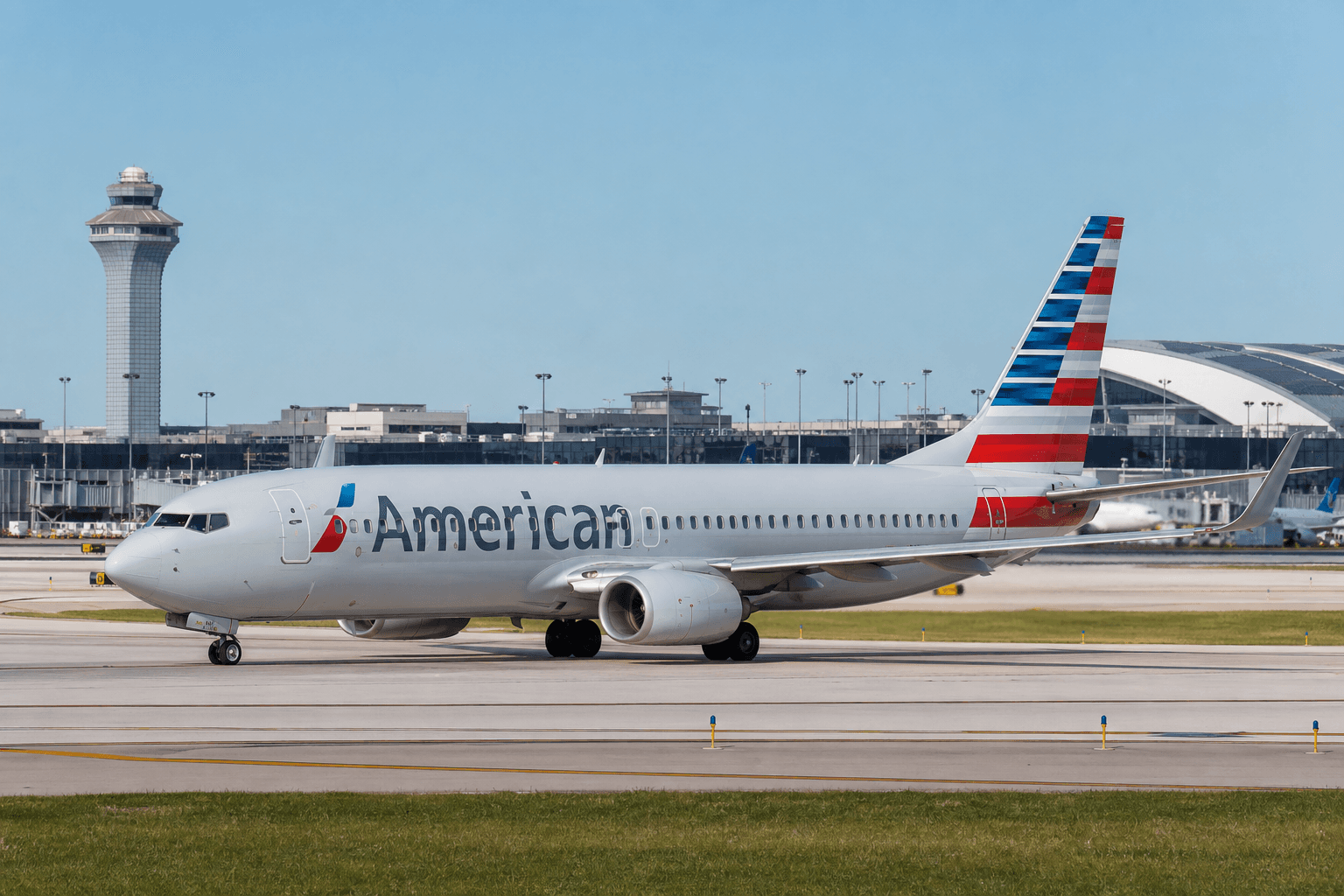
American Airlines says its first class meal rule has no exception markets, yet Chicago–Denver still gets meals despite being under 900 miles. The reason: American still measures Denver using Stapleton, the airport that closed in 1995.
The Daily Touch & Go
The day's best aviation news in your inbox. Free, no spam.