

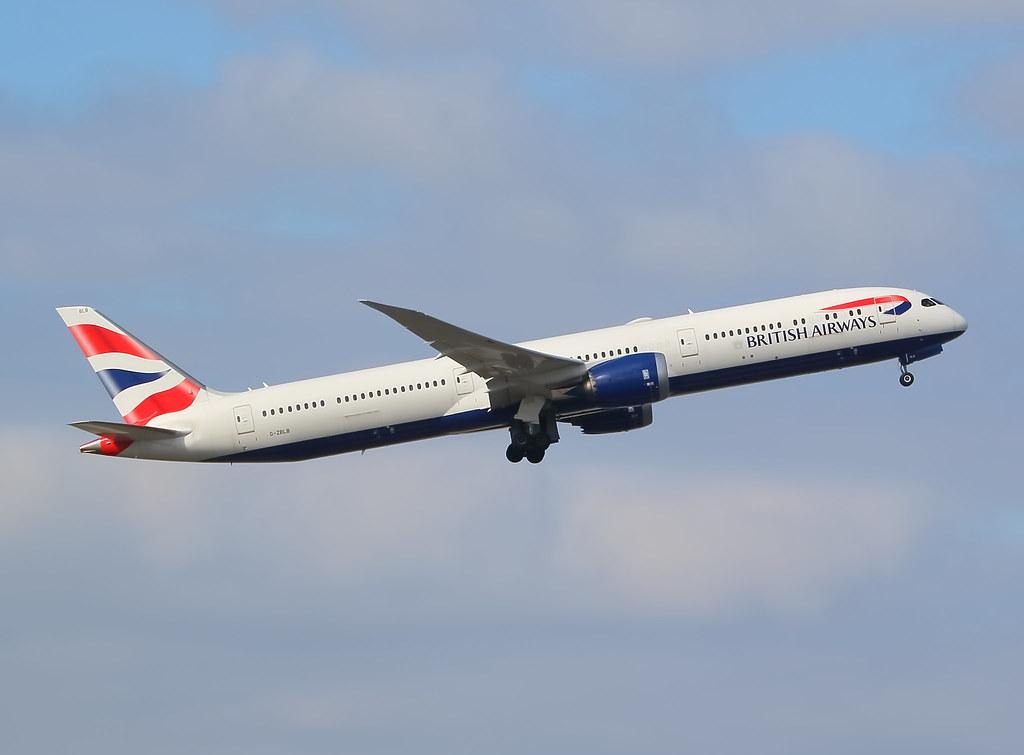
Image: simonbutler2 · CC BY 2.0 · via Wikimedia Commons
British Airways 787-10 Declares Emergency Over Greenland on First Flight Back After Athens Engine Diversion
Flight BA239 from Heathrow to Boston squawked 7700 after a Trent 1000 began losing oil, ten days after the same Dreamliner diverted to Athens with a right-engine problem.
The gist
A BA 787-10 hit engine oil loss over Greenland on its first passenger flight after an Athens engine diversion and is now grounded in Boston.
Continuing coverage
All British Airways →A British Airways Boeing 787-10 Dreamliner declared an emergency high over Greenland on November 24, on what was its first passenger service since an engine problem forced it to divert to Athens ten days earlier. Flight BA239 from London Heathrow to Boston Logan was about four and a half hours into the Atlantic crossing, cruising at around 38,000 feet, when the pilots set their transponder to 7700, the code for a general emergency. The aircraft, registered G-ZBLC, is powered by two Rolls-Royce Trent 1000 engines.
The crew worked through the problem in the air, and reports indicate one of the engines was losing oil. After consulting British Airways' operations control centre in London, the pilots found that the oil loss worsened when the engine ran at high power. They reduced thrust and descended to around 28,000 feet, flying the remainder of the route at a slower speed. Flying lower and slower left the jet more exposed to headwinds, and it landed safely in Boston more than an hour behind schedule.
The six-year-old Dreamliner had only just come back from an earlier engine event. On November 14, pilots operating the aircraft from Heathrow to Dubai reported a problem with the right-hand engine and diverted to Athens. The jet stayed on the ground in Greece until November 20, when it was ferried back to London with no passengers aboard. It then sat in London for several days before returning to service on Tuesday to fly to Boston.
The sequence drew criticism online from Dr. Alok Anand, who said on social media that the right engine had been shut down on the Dubai flight. Drawing on what he described as his experience in maintenance control, he said that a repeat defect on the first sector after a repair usually means the original fix did not find the root cause. He added that twin-engine aircraft flying under ETOPS rules are supposed to have engine work proven before they return to long-range flying over water, and said the airline's return-to-service decision on G-ZBLC deserved scrutiny.
British Airways described the problem aboard BA239 as a minor technical issue. A spokesperson said the aircraft arrived safely in Boston, that customers disembarked as normal, and that safety is always the airline's highest priority. The return flight from Boston was cancelled, and the aircraft remains grounded at Logan.
The latest grounding adds to an aircraft availability shortfall at the airline after a run of incidents in recent months. A Boeing 777-200, G-YMMC, is stuck in Colombo, Sri Lanka, after an escape slide deployed inadvertently during catering and tore off the aircraft door. A Boeing 787-8, G-ZBJF, has been in the United States for several months after a catering truck struck the side of the fuselage. That jet was recently flown to Cincinnati for engineering work, and repairs to the 787's composite fuselage structure are expected to take a long time.
Other widebodies are also out of the rotation. An Airbus A350, G-XWBI, has been in maintenance in Abu Dhabi since November 10, while three Airbus A380s, G-XLEC, G-XLEH and G-XLEG, are in Manila for heavy maintenance. A fourth A380, G-XLEF, has been moved to an aircraft storage airport in Teruel, and two more widebodies, G-STBM and G-XWBH, are undergoing heavy maintenance in Cardiff, Wales.
The Trent 1000 has suffered reliability and durability problems for years, with aircraft pulled from service for extended periods so fan blades can be inspected and, where needed, replaced. British Airways has ordered all of its new Boeing 787s with engines from rival manufacturer GE instead, and took delivery of the first of those GE-powered 787-10s last month.
Originally reported by Paddle Your Own Kanoo
Read more
All Aviation Safety →
Router Swap at Arkansas Radio Site Suspected in Nationwide US Air Traffic Ground Stop
Investigators reportedly reproduced the failure in a lab and traced it to a new router at an El Dorado, Arkansas, site that flooded the FAA network with data during contractor maintenance.
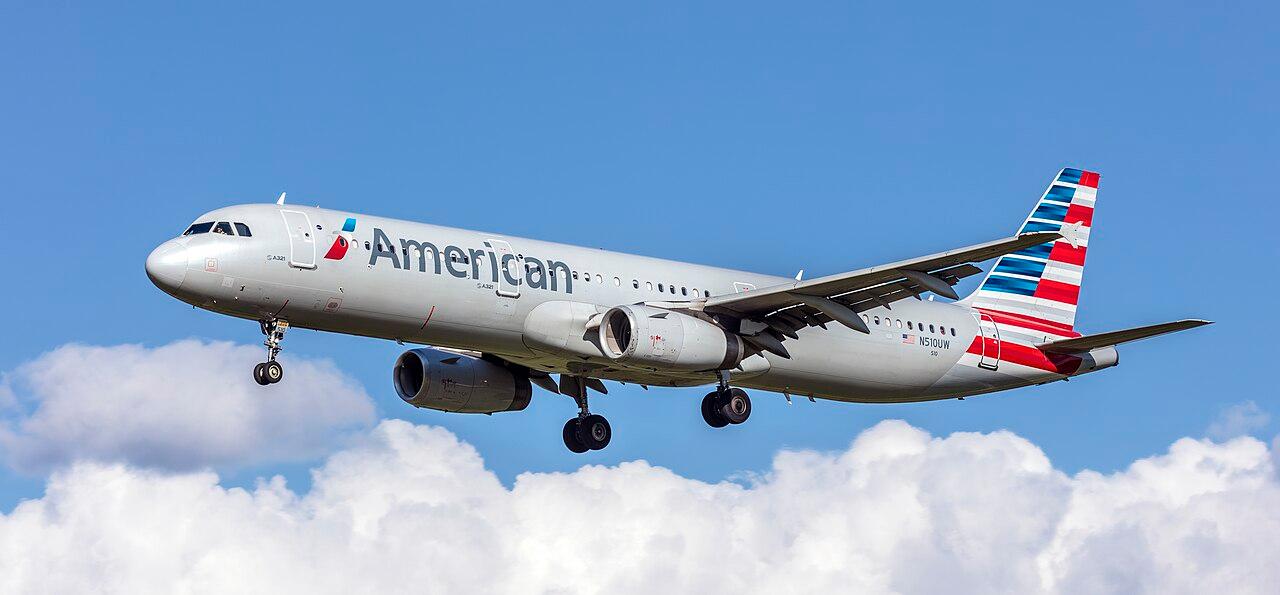
American Airlines San Diego to Chicago Flight Diverts to Phoenix After Passenger Tries to Manipulate Door
Crew and passengers restrained a man aboard American Airlines Flight 1494 before the A321 landed safely in Phoenix around 1 a.m. on November 25, with controllers reportedly logging a Level 3 threat.
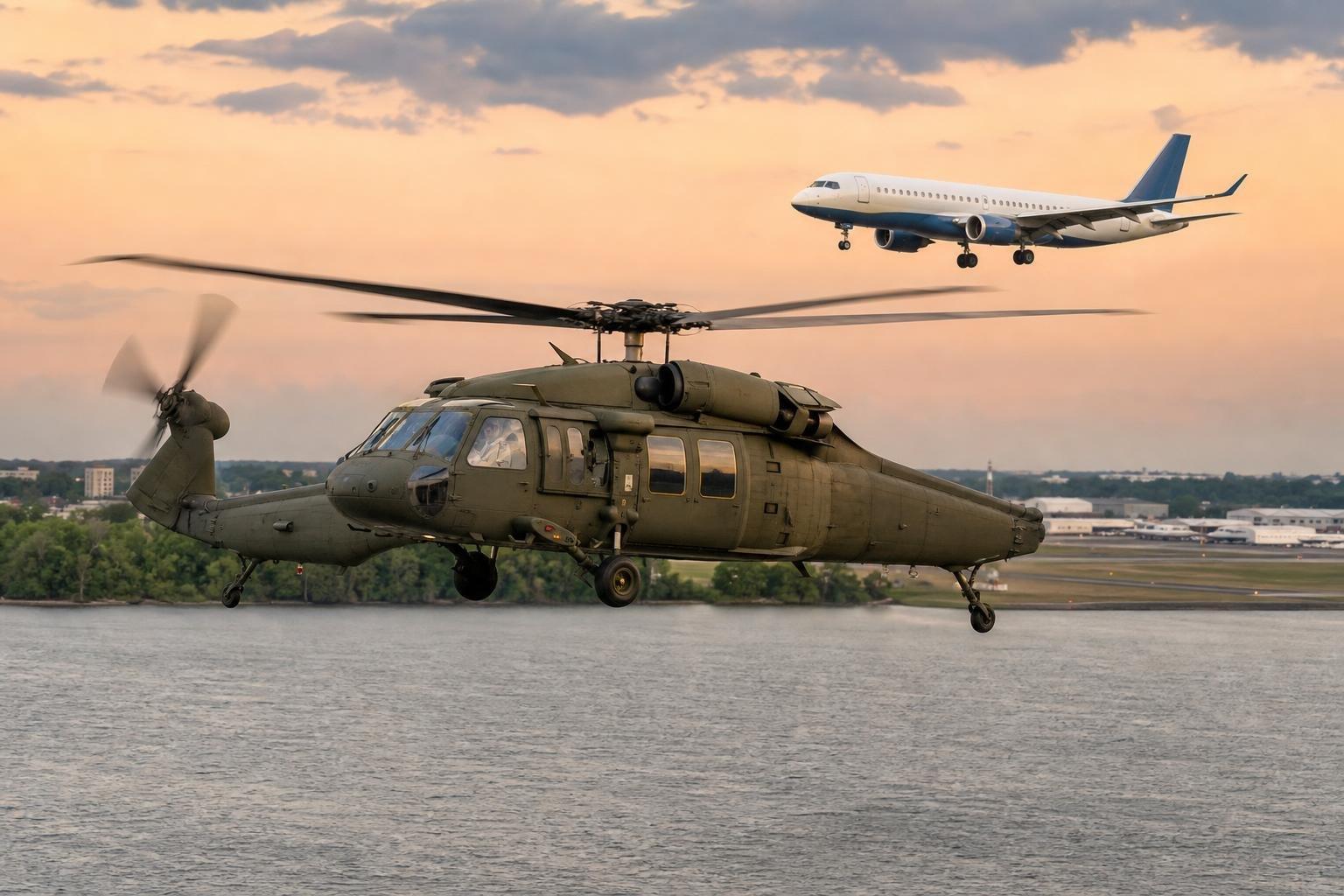
Academy Report Says FAA Skipped Required Risk Assessment Before Closing DC Helicopter Route 4
A National Academy of Sciences review finds the FAA shut the helicopter route involved in the January 2025 midair collision without the safety analysis its own rules require, squeezing other helicopter traffic near Washington National.
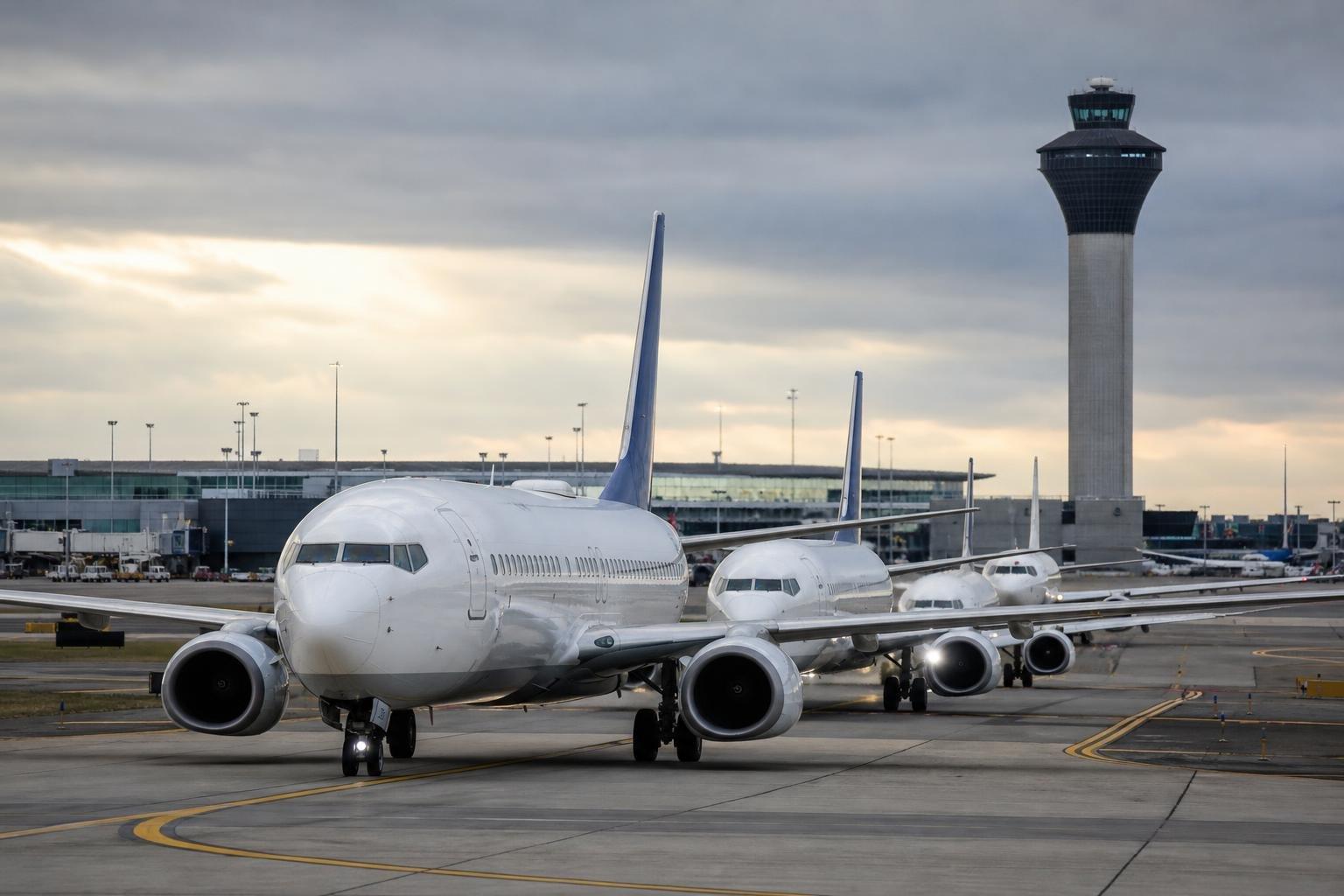
FAA Ground Stops Hit O'Hare and Atlanta on Three Straight Days of Thanksgiving Week
Radar, airline software and staffing problems halted flights at the two busiest US hubs, less than two weeks after the November 13 nationwide air traffic control breakdown.
The Daily Touch & Go
Launching soon: the day's best aviation news in your inbox. Join the list, free.