

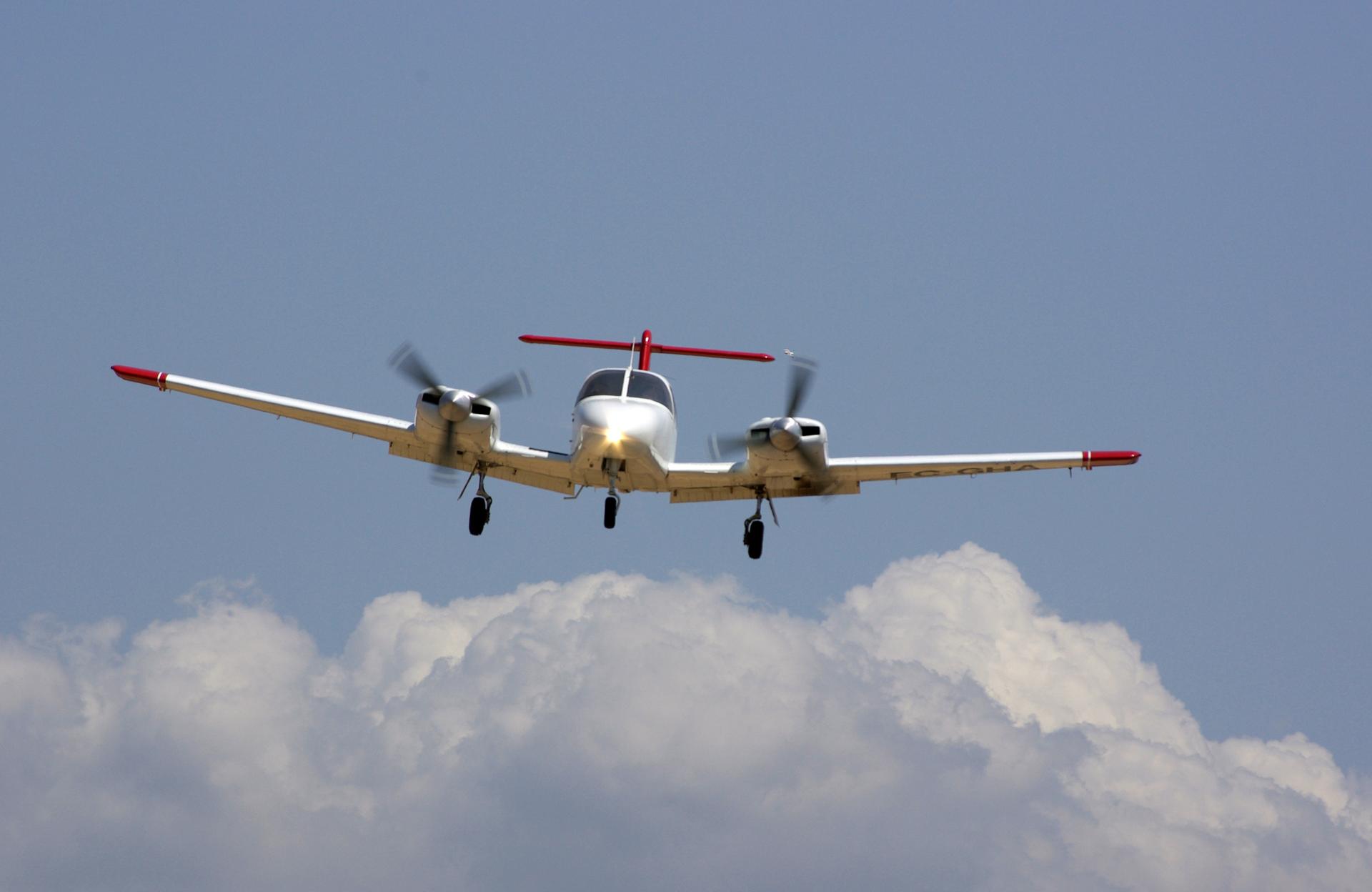
Image: Gons · CC BY-SA 4.0 · via Wikimedia Commons
FAA Collects Reports After Piper Seminole Rolls 60 Degrees in Wings-Level Stall
An Airworthiness Concerns Sheet issued Nov. 24 asks PA-44 owners, operators and mechanics for details of abnormal stall behavior and wing damage within 30 days.
The gist
The FAA wants Piper Seminole stall reports after one PA-44 rolled at least 60 degrees in a wings-level stall, four times the normal 15-degree limit.
Continuing coverage
All Faa →- FAA Makes Permanent Ban on Visual Separation for Helicopters Crossing Busy Terminal Traffic
- Router Swap at Arkansas Radio Site Suspected in Nationwide US Air Traffic Ground Stop
- American Airlines San Diego to Chicago Flight Diverts to Phoenix After Passenger Tries to Manipulate Door
- FAA Orders Pre-Flight Inspections of Boeing 757 Fuselage Repairs After Crack Reports
- Academy Report Says FAA Skipped Required Risk Assessment Before Closing DC Helicopter Route 4
The Federal Aviation Administration is gathering reports from Piper PA-44 Seminole owners, operators and maintenance personnel after learning of an airplane that rolled 60 degrees or more as it stalled during a maneuver meant to be flown with the wings level. The agency described the event in an Airworthiness Concerns Sheet dated Nov. 24. The FAA said the aircraft experienced a large roll at the stall, and that the roll came together with a pitch-down and a yaw. The agency has not yet determined whether any corrective action is necessary.
The reported roll is at least four times what the FAA considers normal for this kind of maneuver. Under normal conditions, the agency said, an airplane should roll no more than 15 degrees during the onset of a wings-level stall and the recovery from it. The behavior in the Seminole was also not tied to a single flap position. The FAA said similar characteristics were observed with flap settings ranging from zero to 40 degrees.
Loading may play a part. Three people were aboard the airplane when the event occurred, and the FAA said the stall behavior may be more likely to show up in that configuration. The concern sheet applies to all PA-44 variants, a group that includes both the PA-44-180 Seminole and the PA-44-180T Turbo Seminole. That means owners and operators of every model in the line are being asked to look at their own experience with the type.
The FAA said it wants information about any similar events to help it determine the scope of the issue. Beyond rolls at the stall, the agency is asking for reports of abnormal stall behavior in general and of directional-control problems. It is also seeking word of wing or control-surface abnormalities that have already been observed on PA-44 aircraft. The FAA listed dents, flat spots and cracks as examples, along with any other change to the contour or profile of a wing.
The agency spelled out what it wants in each submission. Respondents are asked to provide the aircraft registration and serial number, its total flight hours, the purpose of the flight and a description of what happened. The FAA is also requesting the aircraft's weight and center of gravity at the time, its seating configuration, and the flap and landing gear settings. Engine settings, airspeed and altitude round out the list of requested details.
An Airworthiness Concerns Sheet is an information-gathering step rather than a mandate, and the FAA said its eventual response could take several forms. If the data supports action, the agency could issue an Airworthiness Directive, which would set out required measures for affected aircraft. It could instead publish a Special Airworthiness Information Bulletin. The FAA also said it could take no further action, depending on what the investigation finds.
For now, no fix or inspection has been ordered for the PA-44 fleet. The agency's decision will rest on the reports it receives from people who fly and maintain the type, including any accounts of stalls that departed from the expected wings-level behavior. The FAA is requesting that responses be submitted within 30 days to support its investigation.
Originally reported by AVweb
Read more
All Aviation Safety →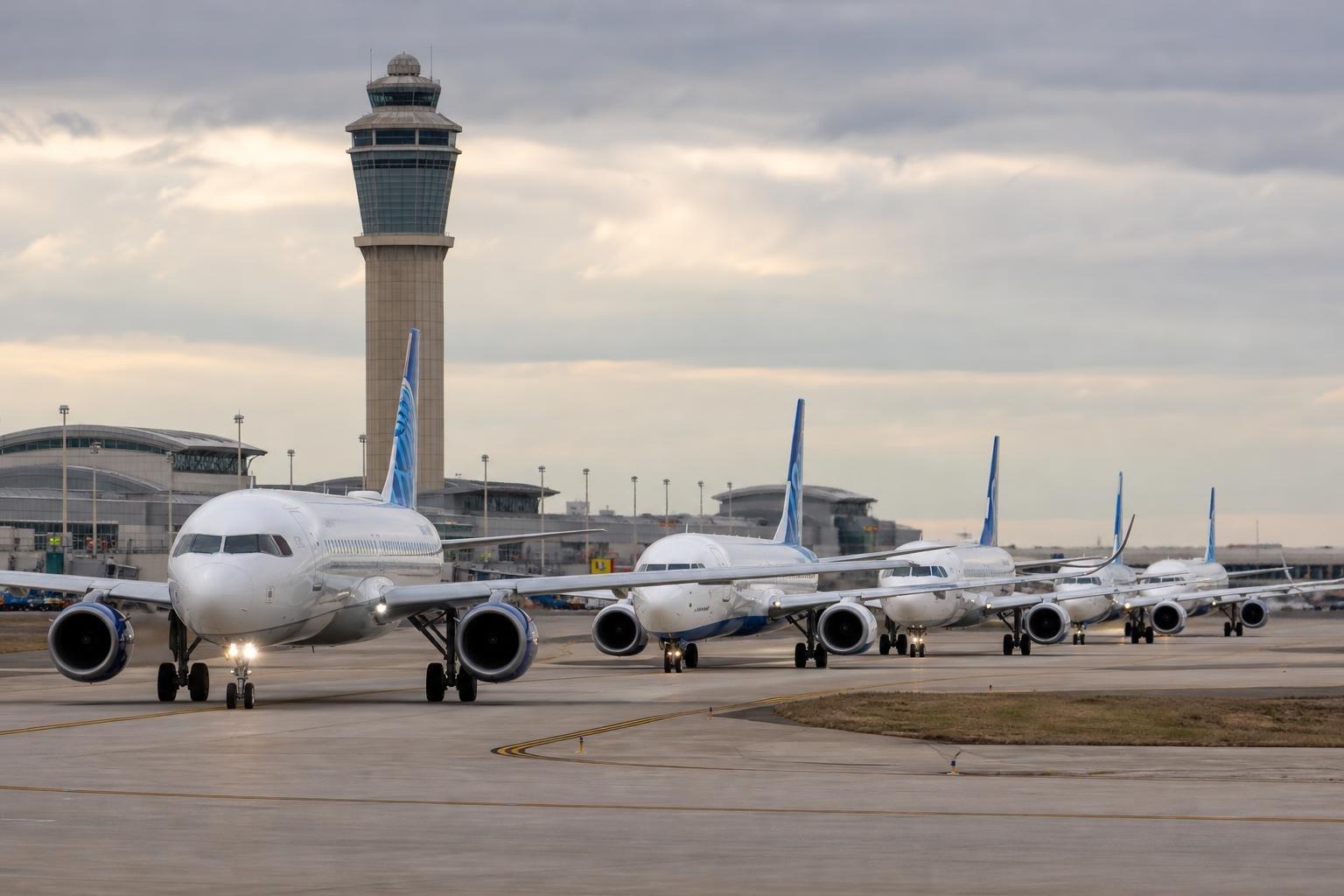
Surface Radar Outage Forces Second Ground Stop in Two Days at Chicago O'Hare During Thanksgiving Rush
The FAA halted some O'Hare-bound flights after a failure of the ASDE-X ground surveillance system, then replaced the stop with a delay program running to midnight on the busiest day of Thanksgiving travel.
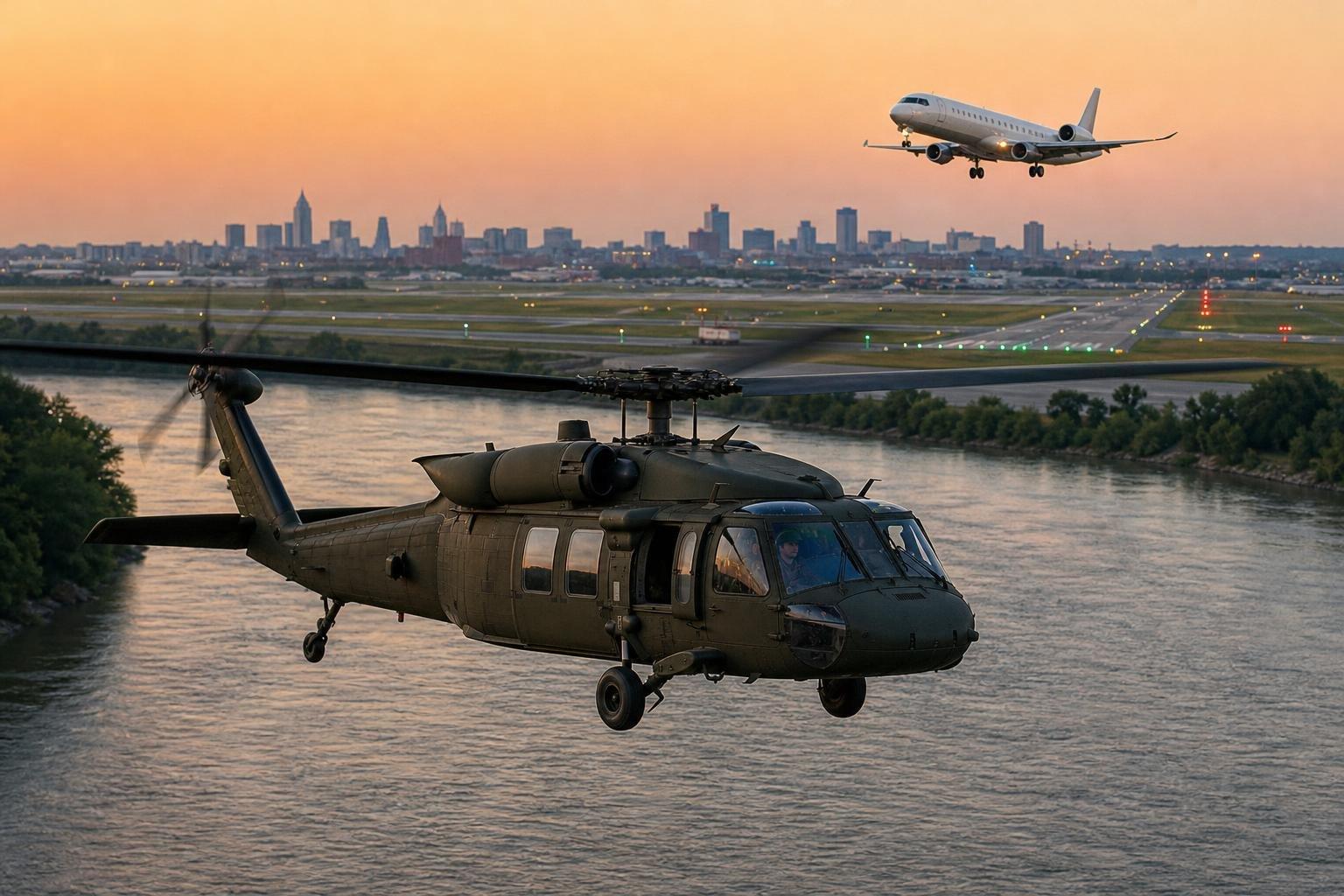
Army Seeks to Restart Helicopter Training Flights Near Reagan National as FAA Approval Remains Pending
The Army has contacted the FAA about resuming helicopter training near Washington's Reagan National Airport, a step Rep. Don Beyer opposes until NTSB safety recommendations are fully in place.
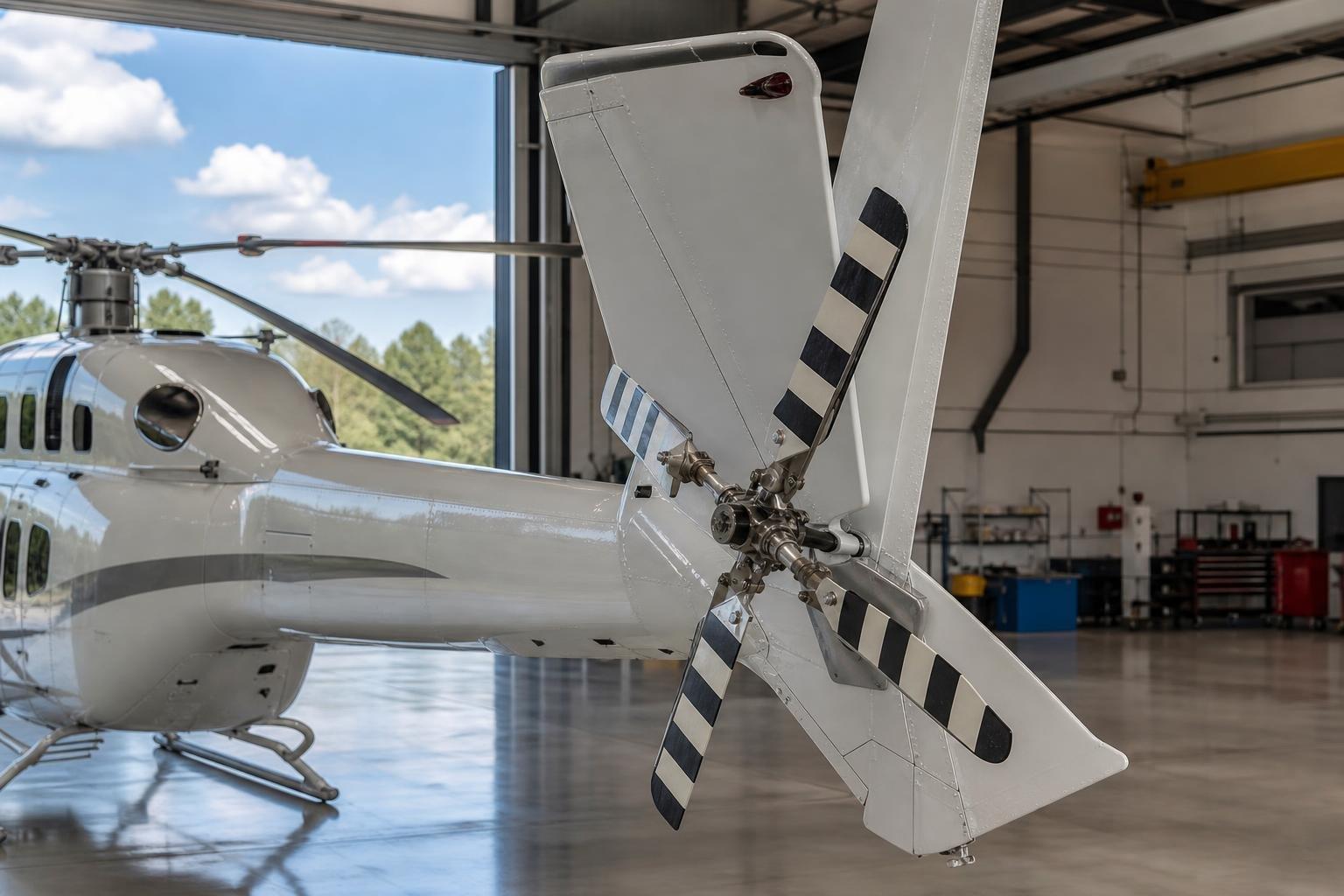
FAA Follows Canada in Ordering Bell 429 Tail Rotor Checks Over Uncoated Bearings
A supplier quality escape left some Bell 429 tail rotor pitch-link bearings without a required hard coating, prompting US and Canadian regulators to mandate repeat inspections.
FAA Halts O'Hare Arrivals for Over an Hour as Chicago TRACON Runs Short of Controllers
A staffing shortfall at the radar facility that handles Chicago arrivals triggered a ground stop for O'Hare-bound flights on Monday, at the start of the Thanksgiving travel period.
The Daily Touch & Go
Launching soon: the day's best aviation news in your inbox. Join the list, free.