

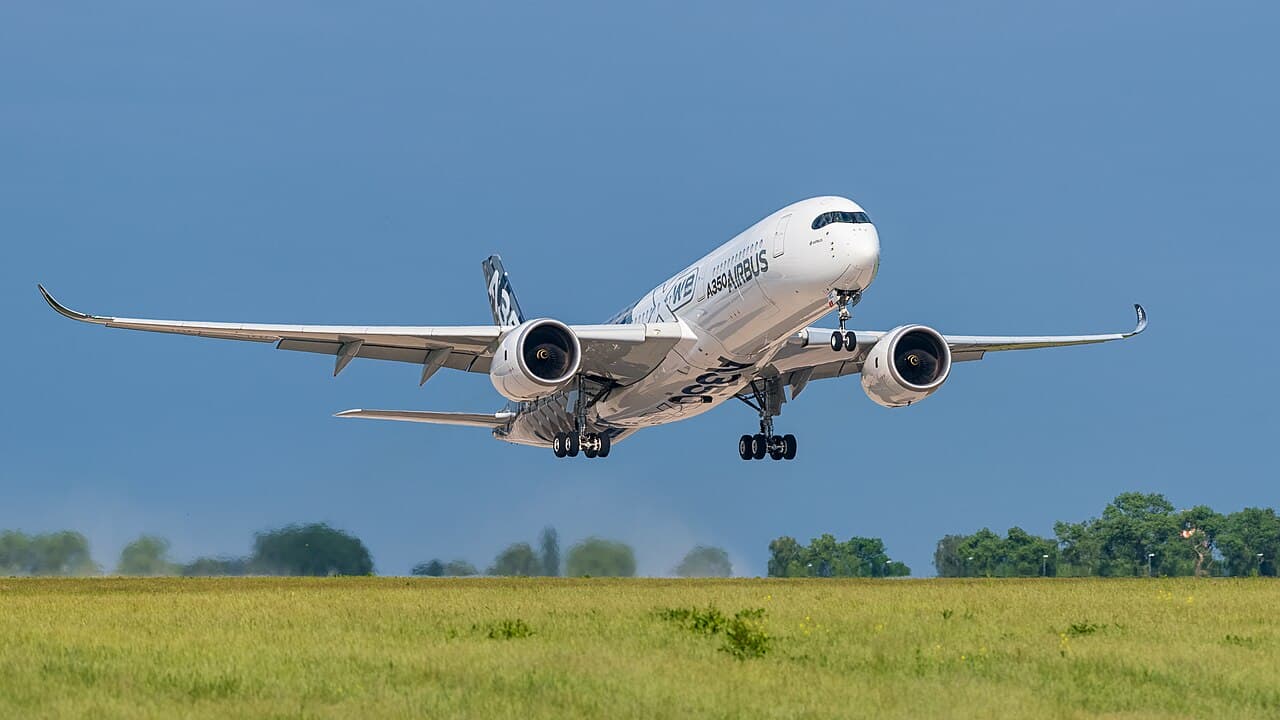
Image: Julian Herzog ( Website ) · CC BY 4.0 · via Wikimedia Commons
Qatar Airways Reactivates Retired Widebodies After Airbus A350 Grounding Crisis
Facing extensive A350 groundings due to fuselage issues, Qatar Airways reinstated stored A380 and A330 aircraft to sustain long-haul capacity from Doha hub.
The gist
Qatar Airways brought back stored Airbus A380s and A330s to replace grounded A350s and preserve vital long-haul routes through Doha.
Continuing coverage
All Qatar Airways →- Qatar Airways Shifts New Zealand Flights From Adelaide to Melbourne Starting December
- Qatar Airways Sued After Teen Dies from Allergic Reaction on Doha-New York Flight
- 16-Year-Old Dies Midflight After Qatar Airways Crew Assured Allergen-Free Sandwich
- Qatar Airways Delays Launch of New 21-Hour Triangular Route to South America
- Qatar Airways Cuts Airbus A380 Flights by Over Half Amid Iran Conflict
In mid-2021, Qatar Airways confronted a severe operational challenge when local aviation authorities ordered the grounding of nearly 30 Airbus A350 aircraft from the carrier’s flagship fleet. The directive followed findings of accelerating paint cracking and exposure of critical composite fuselage layers, raising safety and airworthiness concerns amid Qatar's desert climate. Losing such a large portion of the airline’s widebody fleet jeopardized the airline’s extensive long-haul network and its Doha hub operations, which depend heavily on connecting passenger flows and belly cargo capacity.
The scale of the grounding forced Qatar Airways to urgently seek a high-capacity solution that would fill the huge seat-mile deficit left by the A350s. Narrowbody aircraft, such as the Airbus A320 family, lacked the range and premium cabin space necessary for nonstop long-haul routes to major global financial centers in North America, Europe, East Asia, and Australasia. At the same time, acquiring new widebody jets was impossible due to global production backlogs and delivery delays, leaving the carrier with limited exit options.
Qatar Airways opted for an aggressive fleet strategy that involved reactivating legacy widebody aircraft the airline had previously stored or retired. This approach included the surprising return of the Airbus A380 superjumbo to commercial service in December 2021. Previously parked amid the COVID-19 pandemic and criticized as financially unviable, the A380 reactivation brought back 10 aircraft to serve slot-limited high-demand routes like Doha to London Heathrow and Paris Charles de Gaulle.
The reintroduced A380 fleet required substantial maintenance effort, including comprehensive C-checks, landing gear overhauls, and engine preservation reversals. Flight crews underwent retraining to safely operate the iconic quadjets once again. Despite the aircraft’s higher fuel consumption, the 517-seat configuration allowed Qatar Airways to efficiently restore capacity on congested routes using fewer flight slots, preserving revenue streams for passenger traffic and cargo contracts.
Alongside the A380s, Qatar Airways reinstated portions of its previously retired Airbus A330-200 and A330-300 fleet. These twin-engine widebodies, slated for phase-out in favor of newer Boeing 787 and Airbus A350 aircraft, were repurposed for shorter regional sectors across the Middle East, South Asia, and North Africa. This repositioning freed up the more capable 777-300ERs and 787s to cover the crucial ultra-long-haul routes formerly served by the grounded A350s.
While these legacy widebodies lacked the latest in passenger comfort, including the award-winning Qsuite business class presented on the A350s and 777s, Qatar Airways prioritized maintaining operational continuity over product consistency. The airline managed customer experience actively by offering rebookings and upgrades to offset potential dissatisfaction, ensuring passenger volumes and network connectivity through Hamad International Airport remained stable.
Qatar Airways’ decision to rely on owned stored aircraft rather than costly ACMI wet-leasing reflected a calculative financial strategy. ACMI providers command premiums exceeding $8,000 per block hour, which would severely impact margins given the large scale of intercontinental flights to cover. Reactivating owned A330s and A380s necessitated upfront investment in heavy maintenance and crew training but avoided recurring lease costs and strengthened the airline’s strategic asset utilization.
The saga underscores the operational and regulatory risks faced by airline fleets operating advanced composite airframes in extreme climates. Qatar Airways’ turnaround including restoring older widebodies highlights tactical adaptability and the value of fleet diversity in crisis management. It also emphasizes that legacy aircraft, though retired, remain critical strategic assets able to mitigate sudden capacity disruptions on short notice.
Frequently asked questions
- Why did Qatar Airways ground its Airbus A350 fleet?
- The Qatari Civil Aviation Authority grounded the A350s after inspections found severe fuselage surface degradation including paint cracking and exposed composite materials posing airworthiness risks.
- How did Qatar Airways replace the lost capacity from the grounded A350s?
- The airline reactivated stored Airbus A380 superjumbos and retired A330 widebodies to restore passenger and cargo capacity on long-haul and regional routes.
- Why did Qatar Airways choose to bring back older aircraft instead of leasing new ones?
- Due to tight manufacturer delivery backlogs and high ACMI leasing costs, Qatar Airways invested in maintenance and crew training to return owned legacy widebodies to service as a financially strategic solution.
Read more
All Airports →![17-Hour Flights: Cathay Pacific's 11 New Ultra-Long Airbus A350 Routes Revealed [Map]](/_next/image?url=https%3A%2F%2Favoibnodqwjxlpbhunuu.supabase.co%2Fstorage%2Fv1%2Fobject%2Fpublic%2Fstory-images%2Fwikimedia%2F17-hour-flights-cathay-pacific-s-11-new-ultra-long-airbus-a350-routes-revealed-m-e30bad67.jpg&w=3840&q=75)
Cathay Pacific to Operate 11 Ultra-Long Airbus A350 Routes of 14+ Hours in 2026
Hong Kong flag carrier Cathay Pacific operates the world's third-largest Airbus A350 fleet, with 48 A350s in its fleet split between 30 A350-900s and 18 of the larger A350-1000 model. The widebody twinjet is a crucial part of the carrier's ultra-long-haul network out of Hong Kong International Airport (HKG).
Hawaiian Airlines Bids Farewell to Complimentary Hot Pockets on LAX-HNL A330 Flight
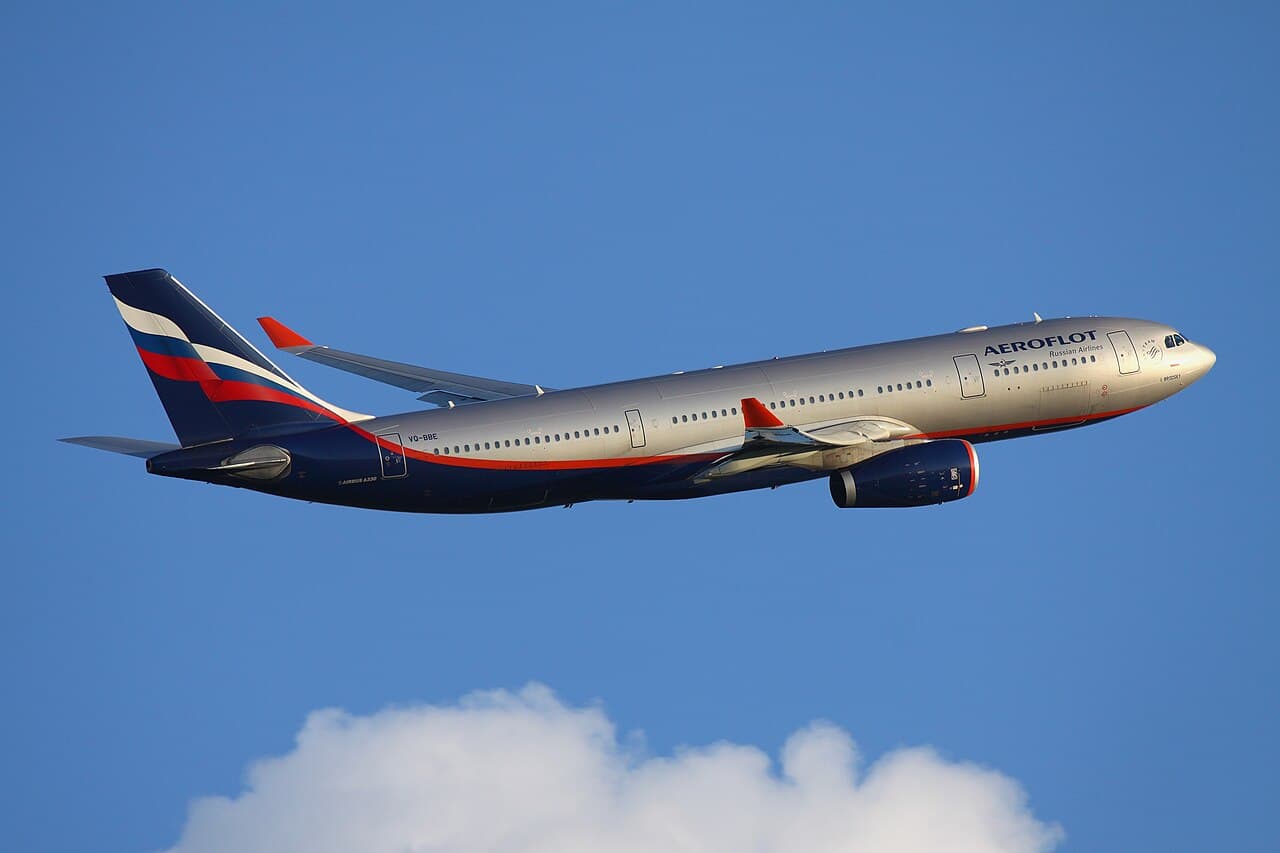
To celebrate Hawaiian’s official entry into oneworld, the airline decided to have a media event in Honolulu to unveil its new oneworld-liveried airplane, showcase some food, and set up some interviews. It’s been awhile since I last did an event with the airline so I decided to take them up on the quick two-day trip. Not only did I find my time on the ground useful, but the flights were as well. Today, let’s talk about the way out when an era came to an end. [Hawaiian provided my travel at no cost to me] I decided to sleep in a little and take the 10:05am from LAX to Honolulu for the flight out. Sure, I could have flown from Long Beach, but… and I know this sound ridiculous… I really wanted one last hot pocket. See, Hawaiian would officially switch from the free hot pocket to paid options two days later, on July 1. Hot pockets were only served on flights after 10am, so I got a little sentimental and made the choice. Besides, an A330 over an A321neo? Yes, please. Since it wasn’t too early, I decided to take public transit for my first run through the LAX Metro Transit Center. I left home at about 7:30am and walked 20 minutes to the closest metro stop. I took the A (blue) line up to the C (green) line and found myself at the LAX Metro Transit Center only a little over an hour after I left home. This wasn’t bad at all. But then… I had to go down to the buses since the people mover still isn’t open. The transit plaza is nice and open, even with a giant blow-up soccer ball temporarily in the middle. But then after waiting several minutes, we got on the bus and it took forever. By the time we crawled through back streets and the horseshoe, it was about half an hour. Had the train been open, it would have been less than 10 minutes with an easy walk from the first stop to Terminal 6. On the bright side, I sat next to some very nice ladies who were flying Air Canada for their first trip to Europe but were going to the Bradley Terminal since that’s where they figured all international flights were. I was able to save them a whole lot of wasted time by pointing them to Terminal 6. Inside, the terminal was busy, but TSA Precheck was nearly empty. I then walked all the way back to gate 69A where it was a madhouse. There are a lot of widebodies rolling through this terminal, and there is nowhere near enough seating. The addition of Hawaiian into Alaska’s operation has definitely squeezed things, and it does make me wonder if Alaska might prefer a split operation between the new, roomier T5 when it opens and some of T6. Just something to think about. We had an eight minute delay posted, which I thought was oddly specific. But we started boarding when they said, and even though there was one line for Priority and groups A/B plus another for the rest, they told everyone to board using both lines to speed things up, I assume. As a very fancy and important Atmos Silver, I was able to board in group B. I know, you are all impressed. After they scanned my boarding pass, I had to turn into the hallway where they isolate international arrivals and wait in an impossibly long line to board, so this didn’t actually speed up anything. Eventually, I made it on the airplane. Hawaiian 803 June 29, 2026 From Los Angeles ➤ Scheduled Departure: 1005a ➤ Actual Departure: 1023a ➤ From Gate: 69A ➤ Wheels Up: 1041a ➤ From Runway: 25R To Honolulu ➤ Wheels Down: 107p ➤ On Runway: 8L ➤ Scheduled Arrival: 1258p ➤ Actual Arrival: 115p ➤ At Gate: A6 Aircraft ➤ Type: Airbus A330-243 ➤ Delivered: April 27, 2012 ➤ Registered: N386HA, msn 1302 ➤ Livery: Maile Lei colors, “Heiheionākeiki” Flight ➤ Cabin: Coach in Seat 18J ➤ Load: ~99% Full ➤ Flight Time: 5h26m Our A330 was full of pinks and turquoises as always but yes, it looks a little tired. I really can’t wait until Alaska is able to put these airplanes through the announced retrofit. I still like flying them as a passenger, but they do need some love. I went back to my seat which it turns out was in the Extra Comfort (or as Alaska calls it, Premium) section. I didn’t realize that before, but I don’t have long legs anyway. Still, always happy for a little extra room. And no, my upgrade to First did not come through. At last check I was something like number 25 or 27 on the list, so I never bothered to pay attention again. We were all boarded up and ready to go, but we weren’t moving. The captain came on after a few minutes to tell us that we’d been ready for awhile, but due to taxiway construction just to the west of us causing congestion, we hadn’t been able to get pushback clearance. It took about another 10 minutes before we could finally start moving. The good news is that taxi was short and we were airborne into the marine layer quickly after passing quite a colorful assortment of airlines at the Bradley Terminal. I had started browsing the movie selection on the ground and had already fired up Young Frankenstein to start me off. At the same time, I pulled out my laptop and phone and connected to Starlink. I kind of hate Starlink, because now I can never go back to other airborne wifi options again. It’s just so fast. The flight attendants came through with the snack cart, drinks, and yes, the hot pocket. This time, it was the turkey focaccia one, and it was very tasty if not a little salty… since my tears kept flowing down on to the sandwich. I get why these are going away, but I will miss them. I washed it down with the customary and complimentary-for-all Koloa rum punch, and then I sat back. The flight attendants asked everyone to lower their windowshades, but as usual, I was defiant. I did lower it somewhat but not all the way. Yes I know it’s open ocean, but I can watch cloud formations all day long. Then, I broke the rules again. I briefly got on a Google Meet with someone at work who needed to talk. I mostly just listened and whispered when I had to speak, but I realized this was certainly no more disruptive than talking to a seatmate. Still, I know it’s not allowed, and this makes me a true rebel. I was going to watch another movie, but instead I decided to catch up on some reading. They may not play Territorial Airwaves on the inflight entertainment system anymore, but I had the entire internet at my disposal. I put on some Hawaiian music (Kealiʻi Reichel, if you’re curious) to get into an aloha mindset and then cranked through some long articles I’d been meaning to read. The flight attendants had walked through with water regularly, but then they stopped. Within an hour of landing, they handed out cookies from Honolulu Cookie Co and I asked if more water was coming. She said no, but she would bring me some. Sure enough, she did, and I was content. We started our descent into Honolulu when a call went out for a doctor or nurse. Gulp. That’s never good news, but there would be no diversions at this point. We circled around and landed to the east with a quick taxi to the gate. That’s when the flight attendant asked us all to be seated because paramedics would meet the ill party at the gate… and it was a child. Surprisingly, everyone listened and nobody moved into the aisle. The family got off first, and I could see a rash on the kid’s neck as he walked past us, sobbing. Poor kid. Once they were off, it was time for us to follow. I headed to the hotel where I had this view from the Outrigger Reef for a couple of nights. I’ll cover the return where I tasted the new pre-order meals for the first time and had excellent service in a future post.
Delta Air Lines Launches First US Nonstop Flights Between Los Angeles and Manila in 2027
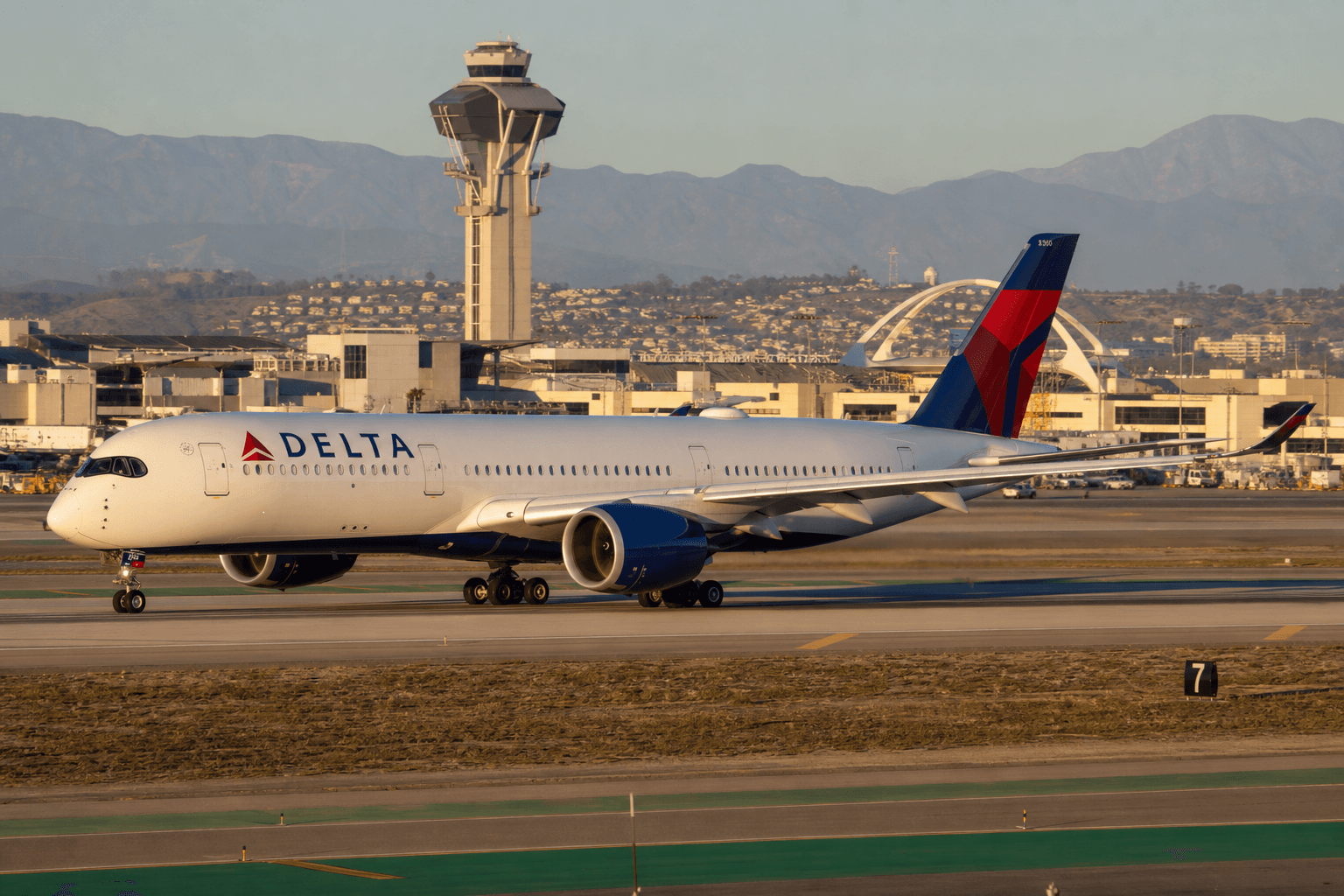
Atlanta-based Delta Air Lines is doubling down on its Los Angeles stronghold even further with a new long-haul route. The legacy airline announced on Friday that it will launch new nonstop flights to the Philippines next year – a journey that has never before been operated by a US-based carrier.
Small US Airports Invest Heavily to Compete as Regional Aviation Hubs
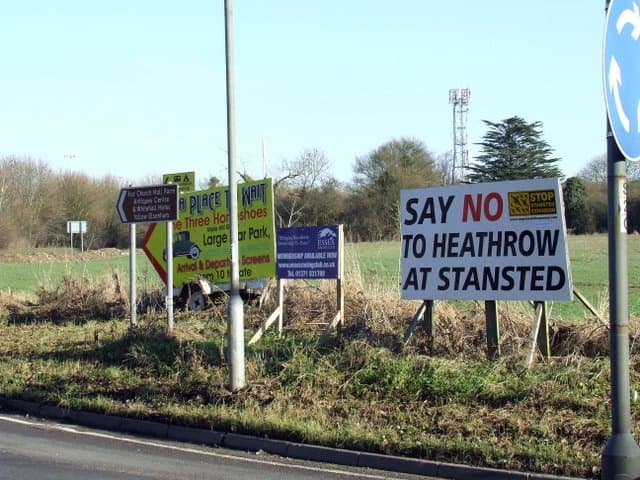
For years, the biggest headlines in US airport development have focused on sprawling projects at major international gateways such as New York John F. Kennedy International Airport (JFK), Los Angeles International Airport (LAX), and Chicago O'Hare International Airport (ORD), where multi-billion-dollar investments have become almost routine.
The Daily Touch & Go
The day's best aviation news in your inbox. Free, no spam.