

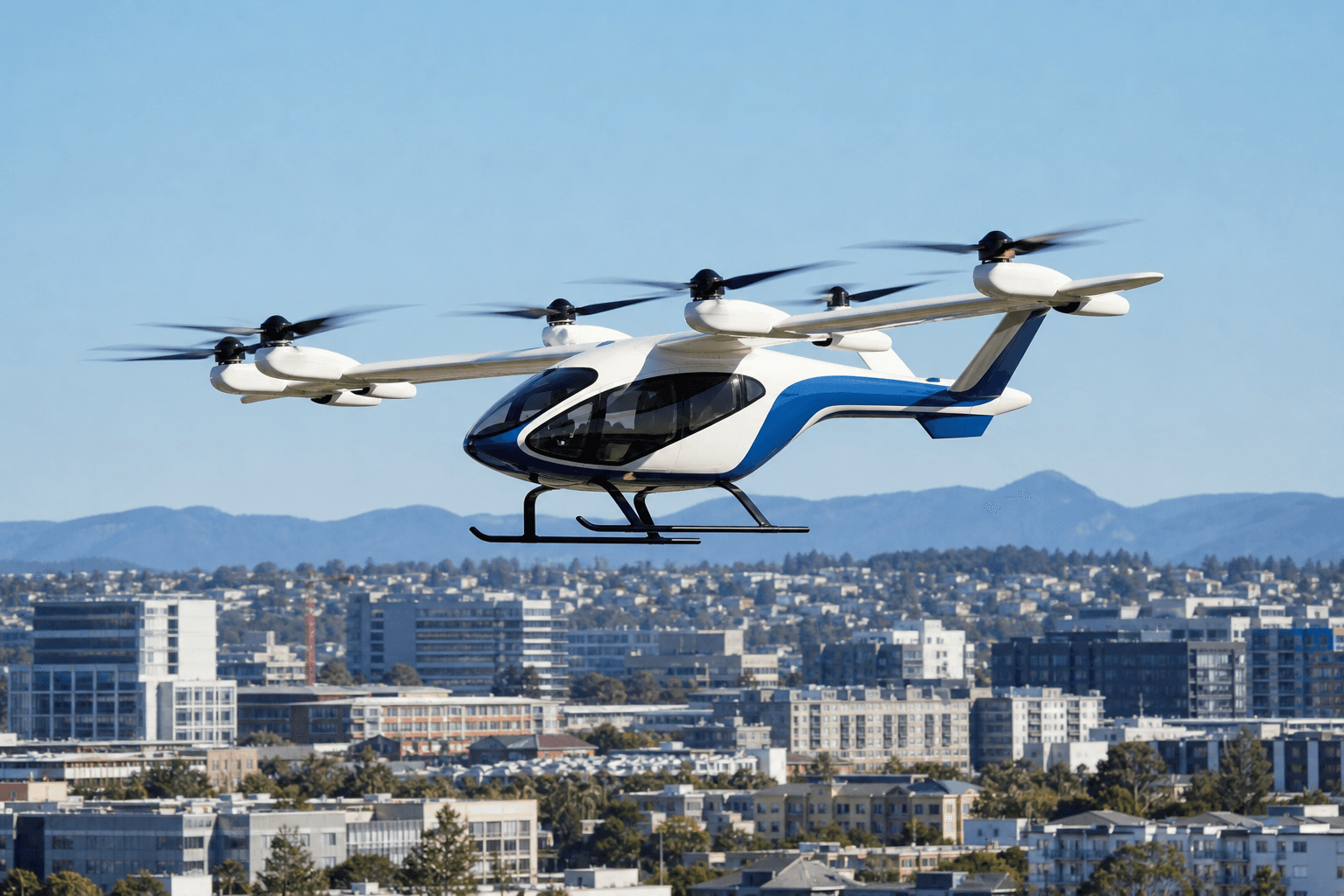
Illustration: The Touch & Go
Archer Aviation Acquires Boeing's Wisk, Insitu, and SkyGrid to Expand Aerospace AI Platform
Archer Aviation is set to integrate Boeing's Wisk Aero, Insitu, and SkyGrid subsidiaries, combining decades of autonomous flight technology and profitable defense operations under one platform.
The gist
Archer Aviation acquires Boeing’s key autonomy and drone units to accelerate advanced aerospace AI across commercial and defense sectors.
Continuing coverage
All Boeing →- Boeing's July Orders Highlight Significant Deals with Uganda and AerCap
- Boeing Delivers 53 Jets in July Amid Airbus Lead in 2026 Production Race
- Boeing's VC-25B Air Force One Replacements Delayed to 2028-29 Completion
- FAA mandates inspections on 737 Max door straps and proposes 787 Trent 1000 engine fix
- Boeing 737 MAX 7 Secures FAA Certification After Lengthy Development Delay
Archer Aviation has entered into a definitive agreement to acquire three of Boeing’s subsidiaries: Wisk Aero, Insitu, and SkyGrid. This strategic move aims to create a comprehensive physical artificial intelligence (AI) platform that spans aerospace and defense applications. The transaction brings together decades of pioneering work in autonomous flight, electric vertical takeoff and landing (eVTOL) aircraft, and unmanned aerial systems (UAS). Boeing will also invest in Archer and establish a strategic partnership, deepening their collaborative ties in advanced aviation technologies.
The three Boeing units contribute significant operational and technological assets to Archer. Insitu, a leader in uncrewed aircraft systems for intelligence, surveillance, and reconnaissance, generates over $200 million in annual revenue and serves clients across 35 countries. Its portfolio includes high-performance UAS featuring vertical takeoff and landing capabilities, supported by AI-based software. Insitu has developed and deployed more than 3,500 unmanned systems, maintaining offices and support networks in the United States, Australia, the United Kingdom, and the United Arab Emirates.
Wisk Aero stands out as the only company to have designed, built, and successfully flown six generations of eVTOL aircraft, completing upwards of 1,700 flight tests during its 16 years of operation. It has developed critical autonomy technologies including a next-generation flight-control computer, sophisticated sensor suites, and radar systems designed to meet certification standards for civil and potential military applications. SkyGrid complements these capabilities by providing a ground-based, aircraft-agnostic air traffic management system that establishes a digital framework for automated airspace integration. This system supports the scalable automation and coordinated traffic management essential for broader commercialization of advanced air mobility.
Archer’s own AI foundation, known as ZEE, will integrate the autonomy technologies from Wisk, SkyGrid, and Insitu. This fusion of expertise positions Archer to deliver advanced solutions across commercial aerospace, defense, and air traffic management domains. The combination effectively brings together nearly two million flight hours of autonomous operation experience, accelerating innovation with a solid base of proven technologies and operational data.
Leadership at both companies has emphasized the strategic benefits of the deal. Archer CEO Adam Goldstein described the acquisition as a pivotal step toward becoming a diversified platform and scaling revenue streams rapidly. Meanwhile, Boeing’s Vice President of Commercial Airplanes Product Development, Brian Yutko, highlighted that the transaction allows the acquired units to accelerate capability development and time to market, while Boeing remains focused on its core business and retains access to the technologies for its current and upcoming commercial and defense platforms.
The agreement includes Boeing taking a stake in Archer, maintaining a strategic position in the company’s growth trajectory. Shared technology between Boeing and Archer will enable ongoing collaboration in aerospace innovation, particularly in autonomy and defense solutions. Boeing’s participation also ensures that its investments in these cutting-edge technologies continue to yield benefits, while Archer assumes operational leadership of the businesses.
This combination extends Archer’s portfolio beyond its existing eVTOL aircraft programs to include profitable defense business segments, significantly increasing revenue diversification. It also marks a convergence of physical AI applications, encompassing autonomous vehicles, drone operations, and air traffic management under one coordinated platform. The transaction remains subject to customary closing conditions, including regulatory approvals, with completion anticipated by the end of 2026.
Financial advisory roles were fulfilled by Moelis & Company LLC for Archer and J.P. Morgan Securities LLC for Boeing, with respective legal counsels Fenwick & West LLP and Mayer Brown LLP involved. Detailed disclosures were included in Archer’s SEC Form 8-K, providing transparency around the terms and implications of the deal.
The acquisition signals a growing trend in the aerospace industry toward integrating autonomy, AI, and unmanned systems expertise into unified platforms. By assimilating these proven technologies and established defense operations, Archer is positioned to capitalize on both commercial air mobility markets and expanding defense sector opportunities within the evolving aviation ecosystem.
Frequently asked questions
- What companies is Archer Aviation acquiring from Boeing?
- Archer Aviation is acquiring Boeing’s Wisk Aero, Insitu, and SkyGrid subsidiaries, which specialize in autonomous flight, eVTOL aircraft, and unmanned aerial systems.
- How does the acquisition affect Boeing’s involvement with Wisk, Insitu, and SkyGrid technologies?
- Boeing retains access to core autonomous flight technologies for its commercial and defense aircraft and will invest in Archer to maintain strategic collaboration while focusing on its core business.
Read more
All Military/Defense →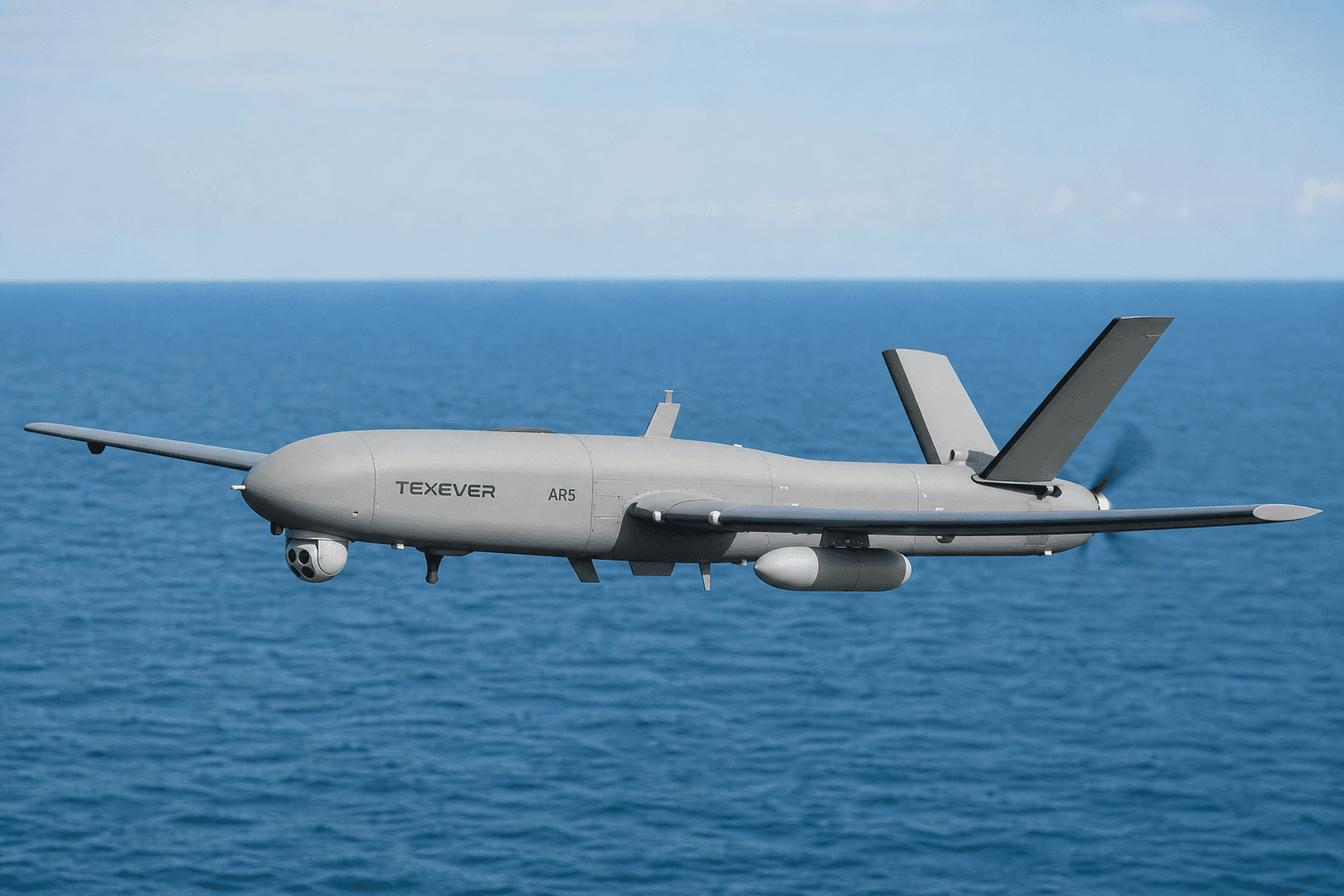
Portuguese Air Force to Launch Operations with Tekever AR5 MALE Drones in September
The long-endurance platform can remain airborne for up to 20h with a 50kg sensor payload. The Portuguese air force will begin operations with Tekever AR5 medium-altitude, long-endurance (MALE) uncrewed aerial systems (UAS) from next month, under a contract announced on 11 August. "Delivery of the systems and the achievement of initial operational capability [is] scheduled for this coming September," the company says. That will coincide with the completion of its delivery of an initial package of personnel training, it adds. The number of UAS covered by the deal has not been disclosed, but Tekever says it also includes the delivery of ground control station equipment and its Atlas mission system. The twin-engined AR5 can carry a mission and sensor payload weighing up to 50kg (110lb). "A second phase of training will take place in October, consolidating full operational readiness and the development of new skills among the operational teams," the Portuguese company says. Tekever cites expected operational tasks for the up-to-20h-endurance platform as including "maritime surveillance, security and defence missions", along with coastal and exclusive economic zone monitoring, and "public interest missions", such as providing support for firefighting and environmental protection operations. "This contract puts an autonomous capability developed and produced in Portugal to work in protecting our airspace and maritime capability," says Tekever director of strategic development Pedro Petiz. The Portuguese customer, meanwhile, notes that the new capability will "contribute to an air force that is better prepared to respond to present and future challenges". Lisbon's selection of the AR5 comes just weeks after the UK Ministry of Defence also picked the model to replace the Watchkeeper UAS operated by the British Army. Aircraft to be operated by the UK service will be produced at a Tekever factory in Swindon, Wiltshire, with the company expecting to make first deliveries before year-end.
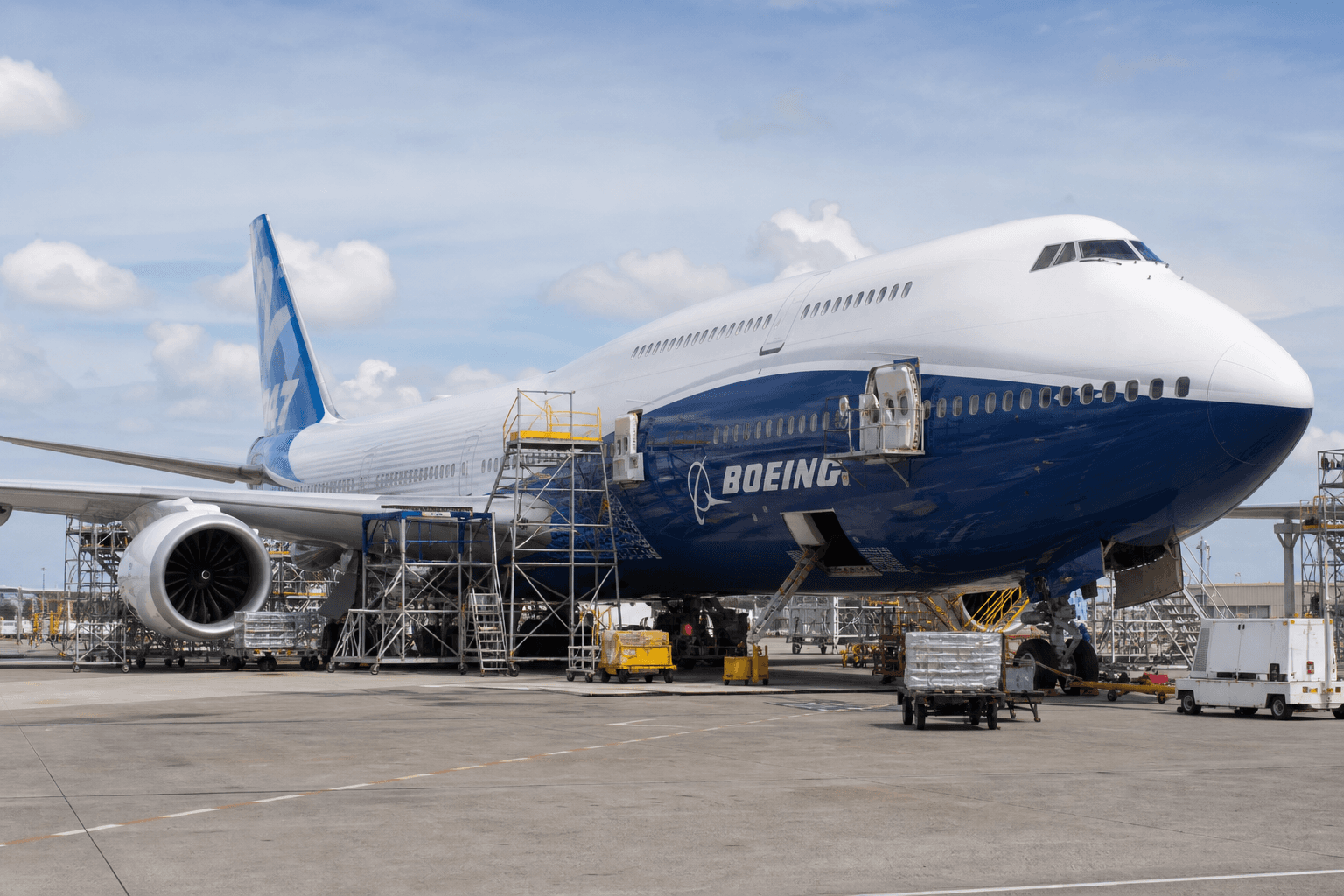
Boeing's VC-25B Air Force One Replacements Delayed to 2028-29 Completion
The Boeing 747 may have ended its commercial production run, but two of the most consequential examples ever built remain deep inside a modification program that has stretched years beyond its original timetable. Boeing 's two purpose-built VC-25B presidential aircraft, which are the long-awaited replacements for the US Air Force's aging VC-25As, were originally expected to be delivered by the end of 2024. Instead, the first aircraft is now scheduled for roughly mid-2028, while the second is expected around mid-2029, according to the latest program reporting summarized by Yahoo Finance .
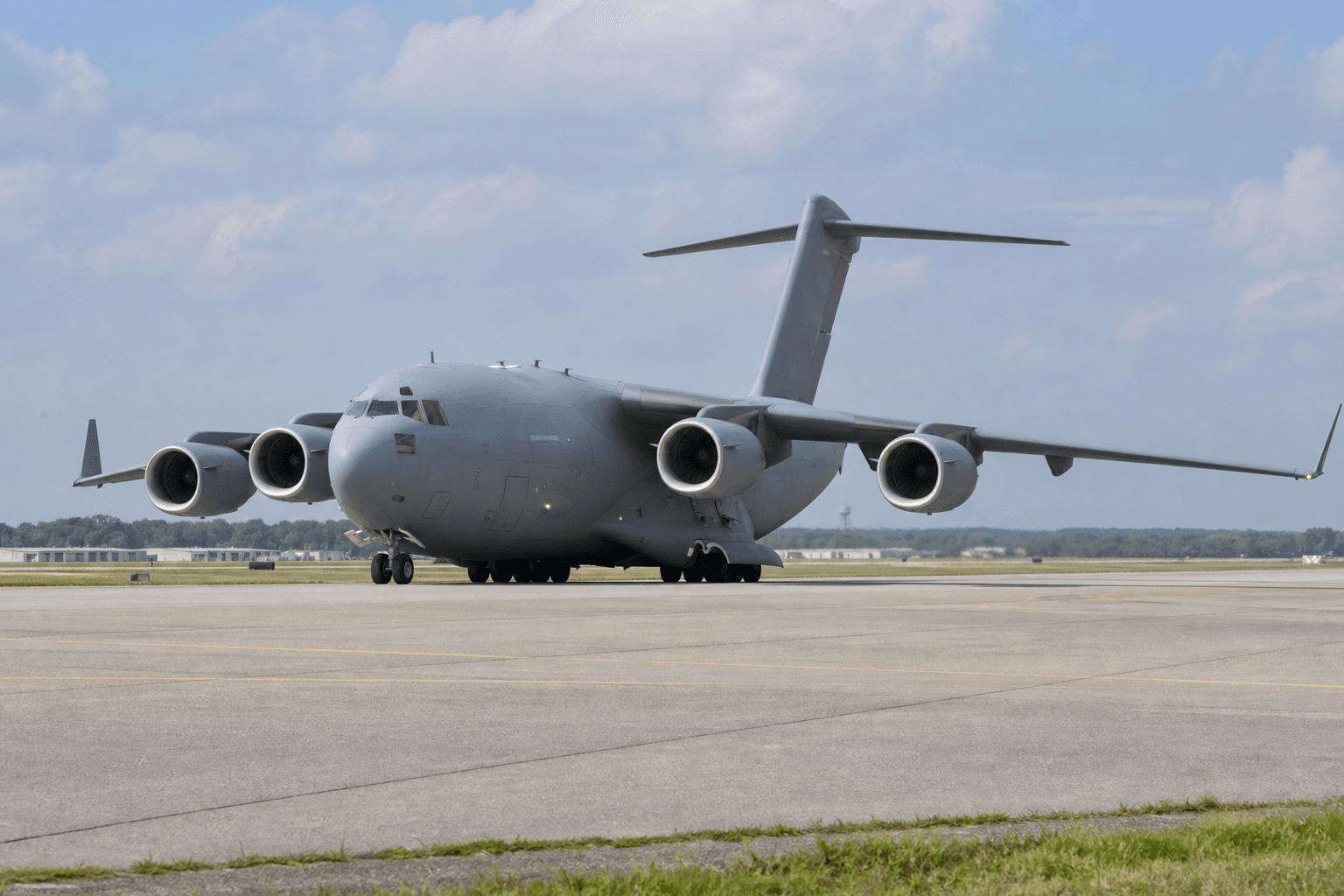
Boeing's Data-Driven Upgrade Set to Extend C-17 Globemaster Service Through 2075
The last McDonnell Douglas C-17 Globemaster III left the assembly line in 2015, and it is expected to remain a vital airlift platform of the US Air Force for decades to come. The last C-17 rolled out the doors just as Boeing absorbed the storied planemaker in one of the largest aerospace mergers in history. Now, as the caretaker of the Globemaster, Boeing is preparing to deliver a major upgrade through its new Aircraft Data Reasoner.
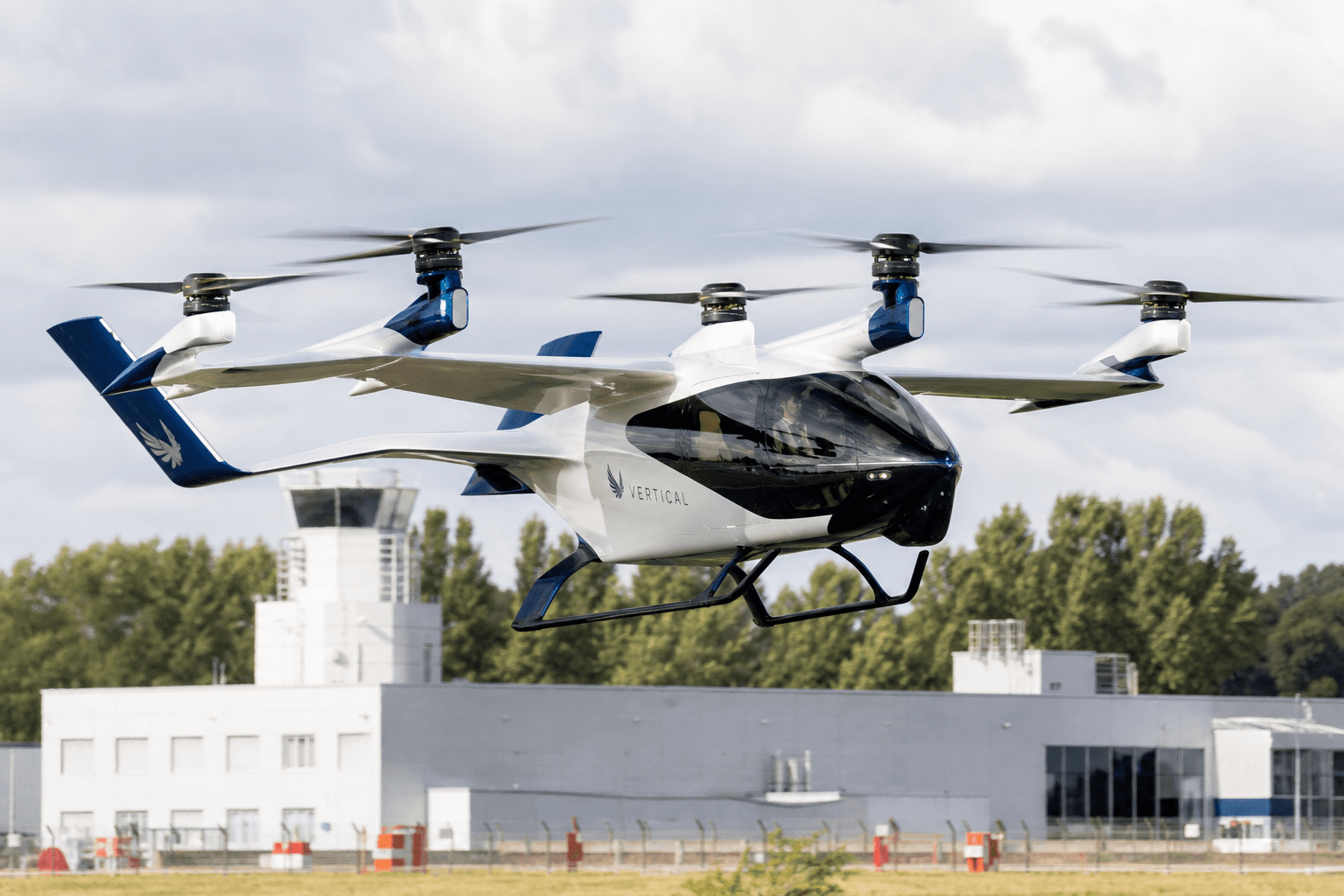
Vertical Aerospace secures tentative $100m funding to advance Valo eVTOL certification and production
Aerospace firm’s eVTOL heads for critical design review as rival Archer unveils consolidation with Boeing. Current and new investors in UK eVTOL developer Vertical Aerospace are prepared to provide some $100 million in further funding to support development of its Valo aircraft. Vertical's largest shareholder, Mudrick Capital, is proposing a $40 million contribution, drawn from an existing convertible note facility, while another $25 million would come from an equity facility with Yorkville Advisors Global. It states, however, that Mudrick's agreement to participate is non-binding and "remains subject to negotiation and execution". Vertical says the balance of $35 million would be sourced through an equity investment. This involves offering a "limited number" of new and current investors a single share, plus a warrant for a further share, at a combined price of $1.05. The company expects the offering will generate net proceeds of around $32.5 million. Vertical Aerospace says the funding commitment is intended to support the certification of the Valo, and the programme's commercialisation. Having successfully achieved crucial technical landmarks, such as piloted transition, the aircraft is progressing towards critical design review. Vertical is also preparing for Valo production as well as work to explore variants – including the development a hybrid-electric version in the first half of next year, as it pursues interest from potential military customers. The company carried out several demonstration flights of the aircraft during the Farnborough air show in July. Vertical says it is riding "significant operational and commercial momentum" for the Valo, and it disclosed the funding just as fierce US rival Archer, designer of the Midnight eVTOL, unveiled a significant industrial consolidation agreement – picking up several Boeing-owned technology firms . "We are focused on converting operational progress and partner engagement into continued advancement of our certification and commercialisation strategy," says Vertical chief executive Stuart Simpson. He adds that the new funding commitments – particularly the entry of new investors – are evidence of "strong confidence" in the company's position and progress. The financing will provide financial resilience and "near-term flexibility" for the next phase of its plans, Simpson says. Critical design review of the Valo will set the certification baseline for the aircraft, and the company is increasingly turning its attention to production requirements including the ramp-up of battery manufacturing capacity.
The Daily Touch & Go
The day's best aviation news in your inbox. Free, no spam.