

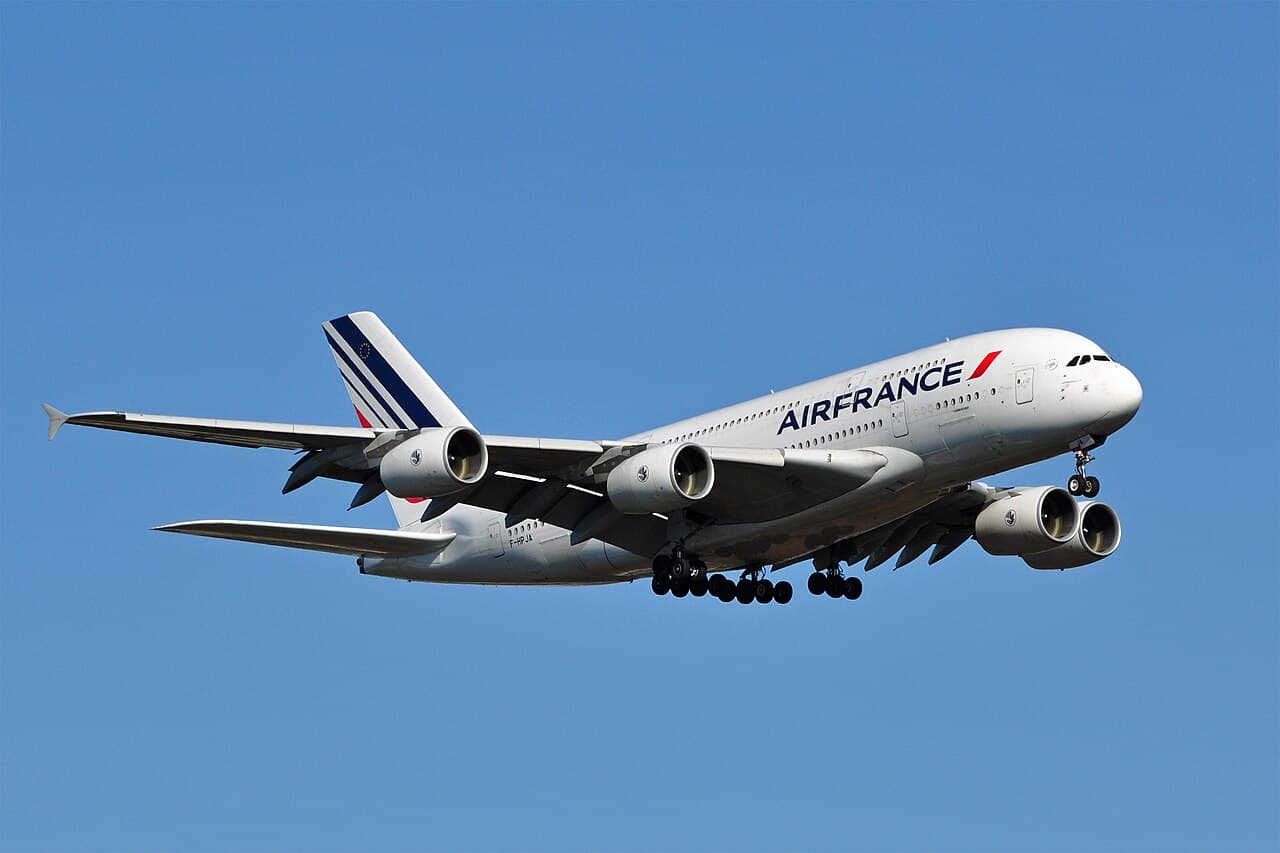
Image: Joe Ravi · CC BY-SA 3.0 · via Wikimedia Commons
Singapore Airlines schedules Airbus A380 service to Dubai starting March 2027
Singapore Airlines plans to launch regular A380 flights between Singapore Changi and Dubai International in March 2027, marking a significant redeployment amid regional disruptions.
The gist
Singapore Airlines will operate daily Airbus A380 flights between Singapore and Dubai from March 2027, expanding its superjumbo use on this key Middle East route.
Continuing coverage
All Dubai →Singapore Airlines has confirmed plans to deploy its flagship Airbus A380 aircraft on a daily service between Singapore Changi Airport (SIN) and Dubai International Airport (DXB), set to commence on March 28, 2027. This marks a notable return of the double-decker superjumbo on the Southeast Asia to Middle East route after previous delays linked to regional geopolitical tensions.
The planned service will operate once daily, with the outbound flight leaving Singapore at 2:40 PM local time, arriving in Dubai at 6:00 PM. The return leg departs Dubai at 7:45 PM, landing back in Singapore at 7:30 AM the next day. This scheduling aligns with the start of the 2027 northern hemisphere summer season, a strategic period for airlines adjusting capacity and routes for peak travel demand.
The decision to schedule the A380 to Dubai follows a series of operational adjustments for Singapore Airlines owing to the ongoing conflict in Iran, which affected initial planning for the superjumbo's deployment. Earlier intentions to start A380 flights as early as summer 2026 were postponed multiple times. The new timeline reflects cautious optimism and improved regional stability that supports reinstatement of high-capacity services.
Historically, Singapore Airlines has maintained a strong presence on the SIN-DXB route, utilizing a variety of aircraft including the A330-300, A350-900, 747-400, 777 variants, and briefly the A380 in 2024. Emirates commands a dominant share on the route with multiple daily A380 flights, and the introduction of Singapore Airlines' A380 daily service will enhance competition and choice for passengers.
Passenger data shows the Singapore-Dubai route captures significant direct travel demand, with nearly 300,000 round-trip non-transit passengers in the 12 months leading up to May 2026. Singapore Airlines captured approximately 18% of this market, operating its first-class-equipped 777-300ER until recently. The deployment of the larger A380 reflects an intent to capture more of the lucrative premium segment and manage increased demand.
The SIN-DXB air corridor is the second most trafficked route from Asia to Dubai after Manila-Dubai, underlining Dubai's importance as a global hub and destination. Singapore Airlines' renewed A380 service is indicative of evolving market dynamics and its strategy to leverage the Airbus superjumbo's capacity for high-yield international routes.
Other Gulf carriers have been adjusting their A380 operations at Singapore amid these shifts. Emirates plans to maintain only one daily A380 service to SIN in September before expanding again, while Etihad Airways will resume its A380 flights to Singapore from October 2026. Qatar Airways suspended A380 flights to SIN after March 2026.
Looking at the wider operational landscape, Singapore Airlines currently operates the smaller A350-900 on its Dubai route starting October 2026, prior to introducing the A380 service. The A380 addition consolidates the airline's long-haul premium capacity offerings within a competitive Middle Eastern aviation market that is recovering from geopolitical uncertainties.
Frequently asked questions
- When will Singapore Airlines start Airbus A380 flights to Dubai?
- Singapore Airlines plans to begin daily Airbus A380 flights between Singapore Changi and Dubai International on March 28, 2027.
- What is the flight schedule for the new Singapore Airlines A380 service to Dubai?
- The A380 service will depart Singapore at 2:40 PM, arriving in Dubai at 6:00 PM, with return flights leaving Dubai at 7:45 PM and arriving in Singapore at 7:30 AM the following day.
- Why were Singapore Airlines' plans to deploy the A380 to Dubai delayed?
- The onset of the war in Iran disrupted initial plans due to safety concerns and reduced demand, leading to multiple postponements before settling on the March 2027 start date.
Read more
All Airports →
London Gatwick Handles 43.2 Million Passengers Annually Using Just One Runway
When people think about the world's busiest airports, sprawling hubs with multiple runways usually come to mind. Facilities such as Hartsfield-Jackson Atlanta International Airport (ATL), Dallas/Fort Worth International Airport (DFW), and Amsterdam Schiphol Airport (AMS) rely on complex runway systems to accommodate hundreds of thousands of flights every year. London Gatwick Airport (LGW), however, has built its reputation in a very different way. Despite operating with just one active runway for normal commercial operations, it consistently ranks among Europe's busiest airports and welcomes more passengers annually than many airports equipped with three or even four runways.
Qantas A350-1000ULR completes 19-hour nonstop maiden flight from Toulouse to Melbourne
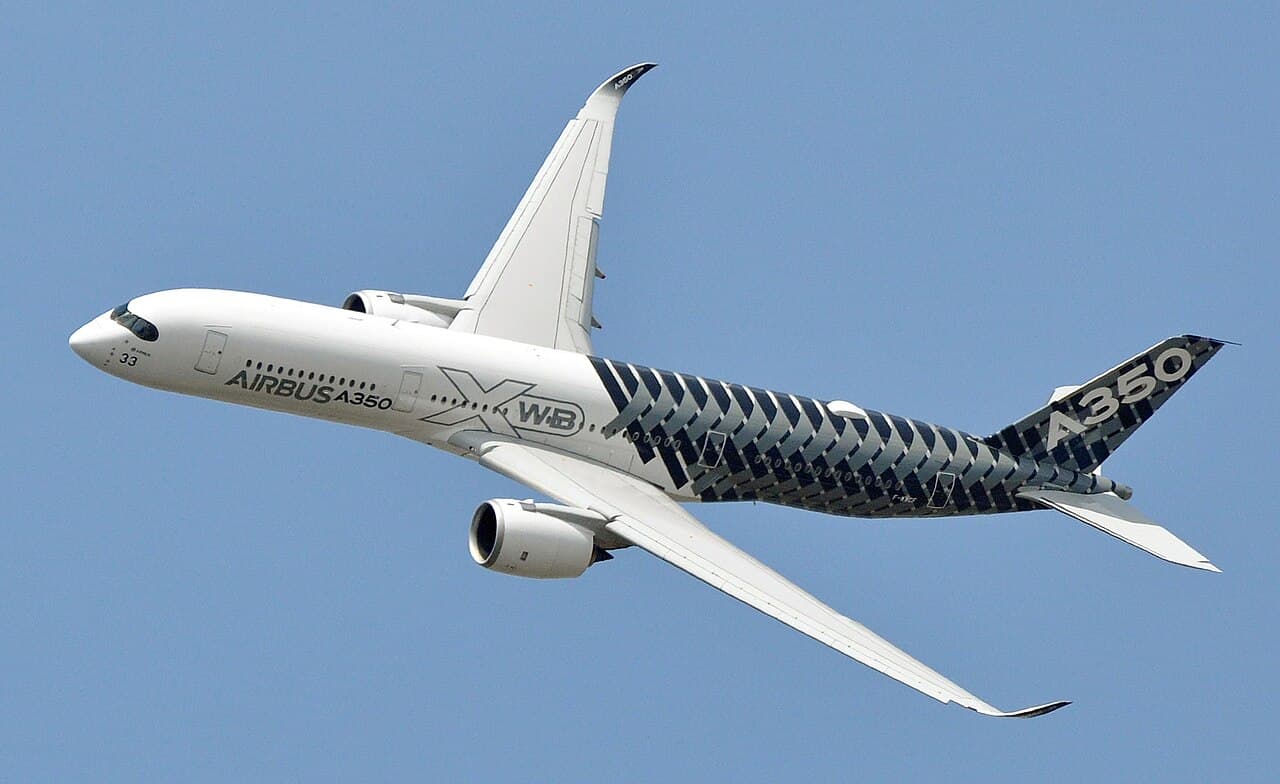
Qantas' first ultra-long-range Airbus A350-1000ULR has landed in Melbourne, Australia, after flying nonstop from Toulouse, France, in a journey that took more than 19 hours and drew thousands of aviation enthusiasts tracking its progress in real time. The aircraft, registered F-WULR, departed Airbus' assembly facility in Toulouse at 07:33 local time Thursday, July 23, 2026, and touched down at Melbourne Airport the following morning at 10:46 local time. Covering roughly 17,000 kilometers, the flight climbed to the top of Flightradar24's list of most-watched flights, with tens of thousands of people following the aircraft as it crossed from summer in the Northern Hemisphere into winter in the Southern Hemisphere. Ahead of departure, Airbus posted on social media, "From summer to winter in a single hop! As part of our flight test campaign, our test crew is taking the #A350-1000ULR from Toulouse to Melbourne NON-STOP for the first time." Qantas responded with a simple message welcoming the aircraft's arrival, adding a waving hand emoji. From summer to winter in a single hop! As part of our flight test campaign, our test crew is taking the #A350 -1000ULR from Toulouse to Melbourne NON STOP for the first time. Follow this major milestone live on @FlightRadar24 ! https://t.co/J5nObjN1n3 Next stop: Australia!… pic.twitter.com/QrAvgBMos4 — Airbus (@Airbus) July 23, 2026 Two Qantas pilots and an Airbus flight test crew were on board for the journey. The aircraft is scheduled to depart Melbourne on Monday to return to Airbus headquarters in Toulouse as part of its ongoing test program, with analysts and engineers using the flight to gather data across a wide range of aircraft systems. Built for Qantas' Project Sunrise The A350-1000ULR is the first of 12 specially built aircraft Qantas ordered in May 2022 to power Project Sunrise, the airline's initiative to connect Australia directly with destinations on the other side of the world without a fuel stop. The aircraft is fitted with an additional 20,000-liter rear center fuel tank, extending its range by around 1,000 nautical miles and allowing it to remain airborne for close to 20 hours. Qantas plans to begin nonstop service between Sydney and London using the aircraft from October 2027, a route expected to shave around four hours off the current one-stop journey between the two cities. A Sydney-to-New York route is expected to follow within months, with additional routes proposed from Melbourne and Brisbane to London, New York, Paris, and Chicago. Bookings for the new services are set to open in February 2027. Fares for the ultra-long-haul flights are projected to run about 20% higher than comparable one-stop routes. The first aircraft, named Vega, was originally scheduled for delivery in late 2026 but has been pushed back to April 2027 due to supply chain issues, with the next four expected to follow in quick succession. At least three aircraft are needed to support a daily nonstop schedule on the routes. A cabin designed around passenger comfort The A350-1000ULR carries just 238 seats, which Qantas describes as the lowest seat density of any A350 flying anywhere in the world, a deliberate choice meant to give passengers more room on ultra-long-haul flights. The aircraft's Economy cabin, configured in a 3-3-3 layout, is part of a design process Qantas says has been a decade in the making, developed with the University of Sydney's Charles Perkins Centre and Caon Design Office, along with other technology partners. Qantas has said the guiding goal behind the cabin's design is to have passengers arrive at their destination feeling refreshed, a philosophy the airline says shaped every part of the aircraft's layout and onboard systems. The Melbourne test flight followed the aircraft's maiden flight on June 3, 2026 when it flew for roughly three hours and 43 minutes over France and the French Atlantic coast, operated by two Airbus flight test pilots, three flight test engineers, and one ground test engineer. Since then, the aircraft has continued through Airbus' test program ahead of its eventual delivery to Qantas. RELATED Airbus begins first long-endurance test flight of Qantas' A350-1000ULR aircraft
JetBlue Secures 22 Former Spirit Slots at LaGuardia for $58.5M, Plans Expansion
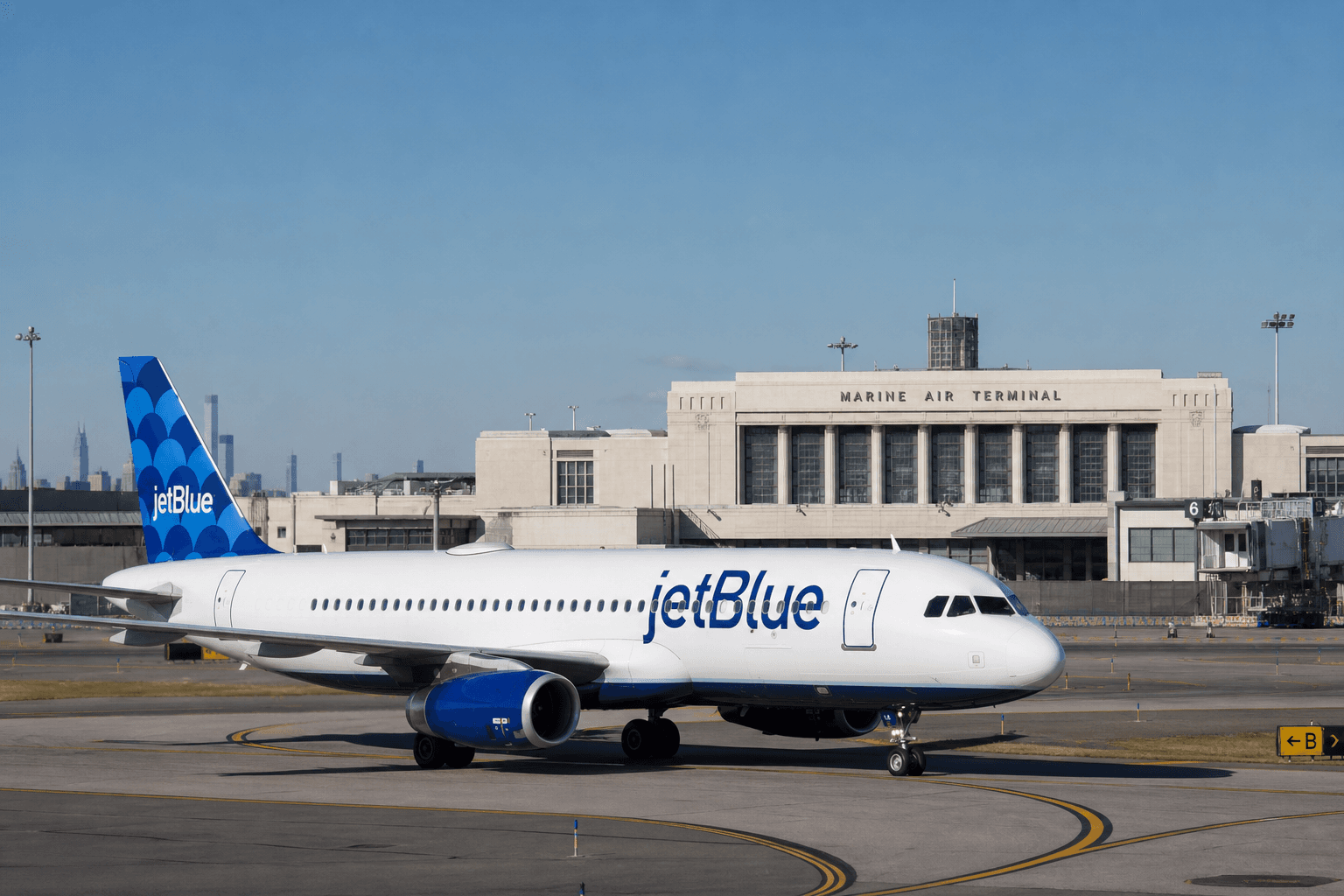
New York hometown airline JetBlue is celebrating the winning bid of $58.5 million to gain 22 ex-Spirit Airlines slots at LaGuardia Airport (LGA). Spirit, which ceased operations in May, held a strong portfolio at one of the country's most congested airports . This recent win for JetBlue will see an additional 12 daily round-trip flights.
Airbus A320 Pilots Routinely Shut Down One Engine During Taxi to Cut Fuel Use
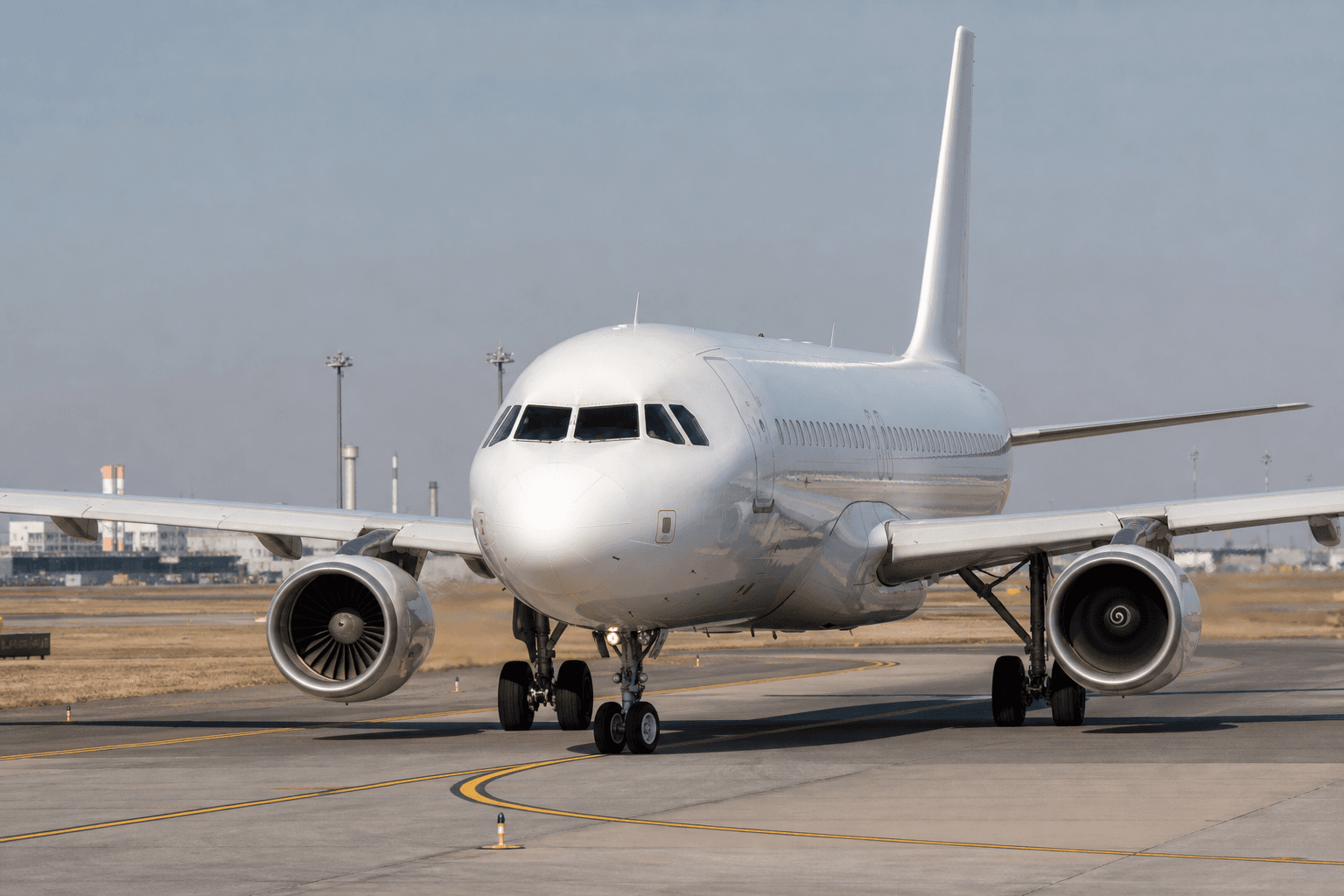
Passengers looking out of a terminal window or the cabin window of a modern Airbus A320 might occasionally notice a quiet, unexpected sight as the aircraft maneuvers toward the terminal or pushes back from the gate. A completely stationary fan blade can often be seen, while the opposite engine hums with operational power. This guide explores the engineering, operational logic, and hidden systems behind single-engine taxi procedures on the A320 family and why this even happens in the first place.
The Daily Touch & Go
The day's best aviation news in your inbox. Free, no spam.