
Image: Joe Ravi · CC BY-SA 3.0 · via Wikimedia Commons
Concorde's Speed Outshone Cabin Comfort on Transatlantic Flights
Concorde operated from 1976 to 2003 offering Mach 2 trips across the Atlantic in just 3.5 hours, with a narrow cabin and minimal amenities but unparalleled speed and exclusivity.
The gist
Concorde’s cabin lacked space and features but passengers prized its unmatched speed and unique supersonic experience.
Continuing coverage
All Transatlantic →- Lufthansa's A350 Premium Economy Becomes Top Choice for US-Europe Travelers
- Lufthansa Debuts 787-9 Allegris Business Class with Mixed Results on Soft Product
- Airbus Enhances A220 Cabin Comfort for Transatlantic Flights with New 3M Insulation Deal
- Europe-US routes reveal surprisingly low load factors despite strong carriers
- WestJet Expands Transatlantic Reach with 2026 European Route Additions
Concorde, the iconic supersonic airliner, revolutionized transatlantic travel by flying from London to New York in approximately 3 hours and 30 minutes, about half the time on a conventional jet. It operated for nearly 28 years, from 1976 until its retirement in 2003, carrying up to 100 passengers at Mach 2, cruising at 60,000 feet. While famed for its speed and exclusivity, the Concorde’s cabin comfort paints a more nuanced picture when compared to subsonic aircraft of its era.
The cabin was notably narrow, measuring just 9 feet, 6 inches wide — roughly two thirds the width of a Boeing 737's cabin. Seating was arranged in a 2-2 configuration across a single aisle, with British Airways and Air France both adopting a 100-seat layout. Passengers experienced 34 inches of seat pitch, providing slightly more legroom than typical international economy seats from the 1990s. However, the seats offered limited recline, were narrow, without personal entertainment systems, and cramped overhead storage.
Unlike the growing premium offerings on subsonic airliners in the 1990s, Concorde had no dedicated first-class section or premium seating options. All passengers enjoyed a uniform cabin experience without distinctions in seating aside from location relative to the galleys. This single-class format simplified service but offered no luxury seating upgrades despite fares that could exceed typical first-class prices by 20%.
The small windows, about 6 inches square, were a result of engineering requirements to manage the high pressure differential at 60,000 feet, where Concorde cruised. These smaller windows contributed to the fuselage’s structural integrity at supersonic speeds. Yet the views from Concorde were extraordinary, with a visible Earth curvature and a dark sky approaching near space, providing a rare vantage unavailable on conventional jets cruising at half that altitude.
Despite the minimal cabin comfort, the supersonic cruise itself was smooth and turbulence-free, as virtually all weather occurs below Concorde’s cruising altitude. The aircraft’s skin heated to around 250 degrees Fahrenheit at Mach 2 speeds due to air compression, and temperature gradients existed along the cabin, warmer at the front. Passengers experienced a subtle acceleration through the sound barrier, often announced by the crew.
The onboard service was a highlight that offset the austere cabin. Shortly after takeoff, canapés and aperitifs were served, followed by a gourmet five-course meal prepared by specialist chefs and served on fine bone china with silver cutlery. Vintage champagnes and changing monthly wine selections enhanced the dining experience, all delivered efficiently within the brief flight duration. The overall service was a logistical feat given the short 3.5-hour crossing.
Ground facilities complemented the inflight luxury, with British Airways operating dedicated Concorde lounges at Heathrow and JFK. Designed by renowned architects and featuring high-end furnishings and artwork, these lounges provided passengers with continental breakfasts, espresso, champagne, and direct boarding access. Such attention to ground service amplified Concorde’s exclusive premium brand and passenger experience.
By its final operational year, a round-trip fare from London to New York exceeded £6,600, a price reflecting speed and exclusivity rather than cabin comfort. Passengers gained significant time advantages, arriving in New York before their London departure time by local clocks, allowing them to make full use of their business day after arrival. The seat was functional but secondary to Concorde’s temporal benefit and unique cruise environment.
The Concorde’s passenger experience underscores a tradeoff between physical cabin comfort and revolutionary speed. Its narrow seats and limited amenities were offset by cutting transatlantic flight times in half and offering unparalleled views at the edge of space. For many passengers, the extraordinary speed and exclusivity redefined luxury air travel beyond the confines of seat dimensions or onboard entertainment.
Frequently asked questions
- How comfortable were the seats on Concorde compared to other aircraft?
- Concorde seats were narrow with limited recline and no personal entertainment, offering slightly more legroom than typical economy seats but less comfort than 1990s subsonic first-class cabins.
- What made flying Concorde unique despite its modest cabin comfort?
- Passengers valued Concorde's unmatched speed, flying at Mach 2 and 60,000 feet with views of Earth's curvature, plus exclusive gourmet meals and premium ground services.
- Why were Concorde’s windows smaller than on other airliners?
- Smaller cabin windows were a structural necessity to handle the higher pressure differential at 60,000 feet, maintaining fuselage integrity during supersonic flight.
Read more
All Airlines →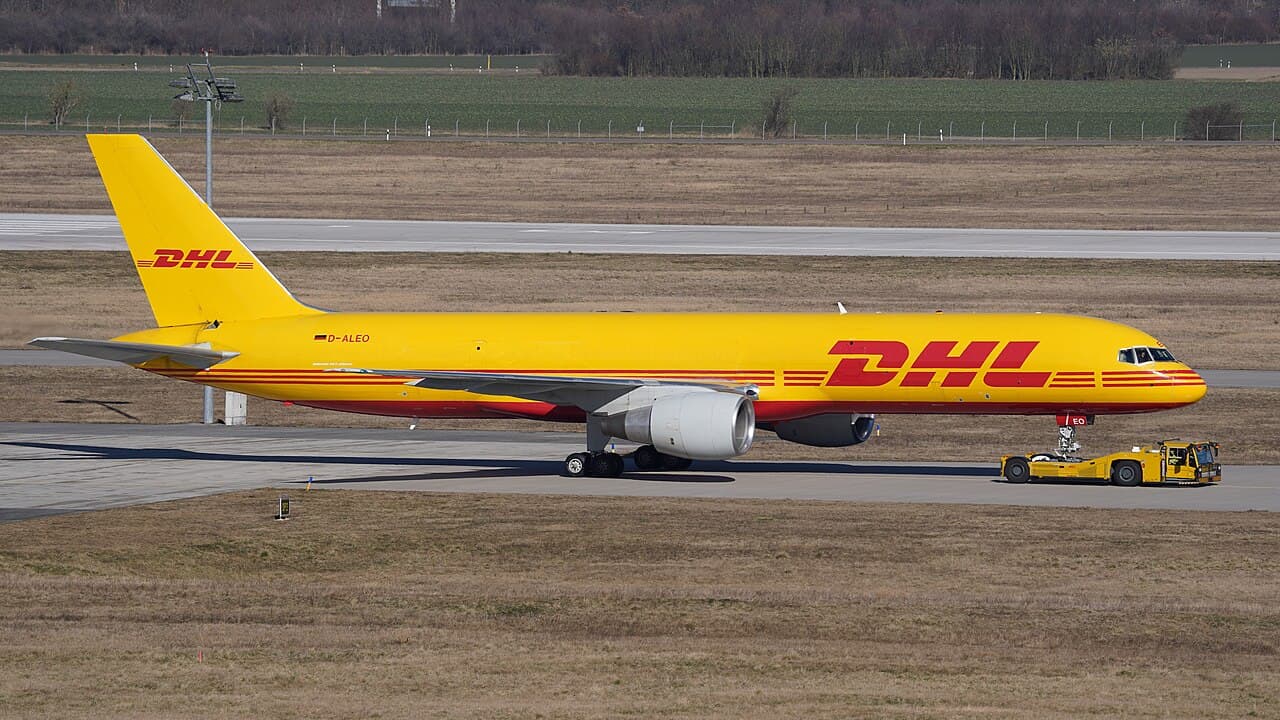
Delta Flight 2204 Returns to Atlanta After Cockpit Fumes, Evacuates Passengers Safely
A Delta 757 returned to Atlanta shortly after takeoff after pilots reported smoke and fumes in the cockpit, donned oxygen masks, and told passengers to brace for landing. The plane landed safely, but after smoke was reported in the back of the aircraft, nearly 200 passengers evacuated by slides on a taxiway before continuing to Orlando on a replacement aircraft.
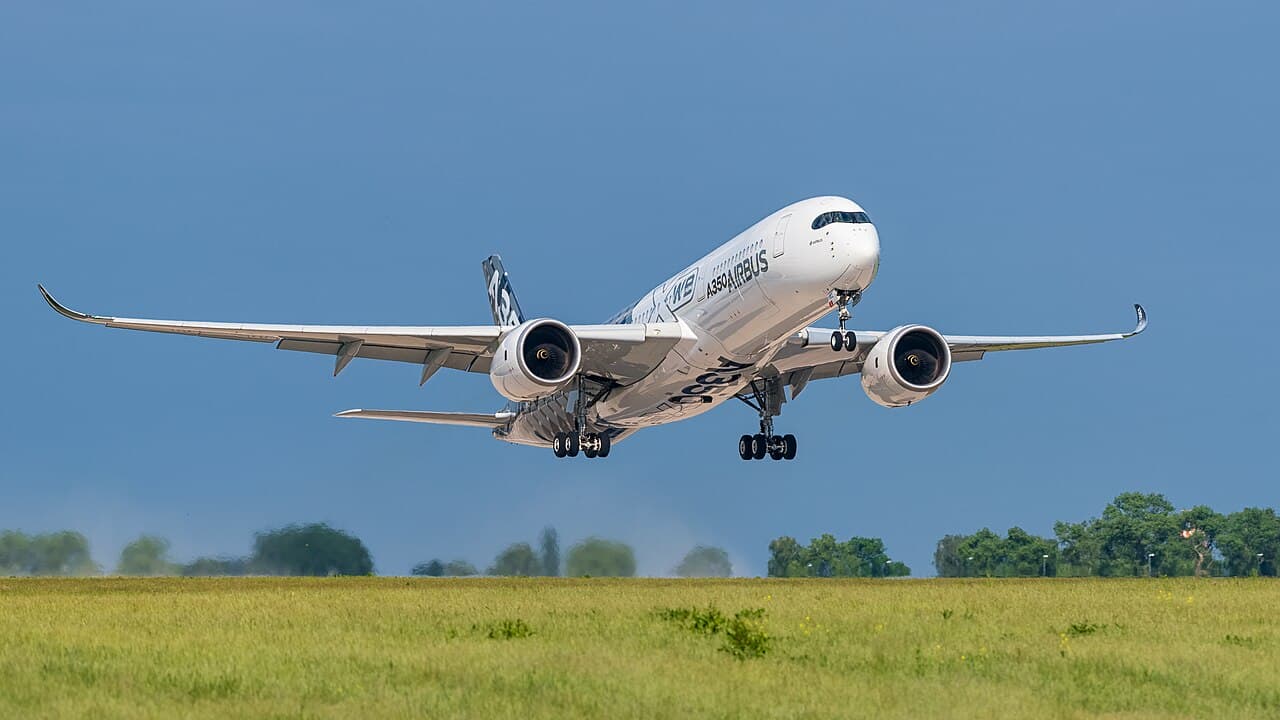
Airbus A350 Business Class Narrows Gap on First Class Value Despite Price Premium
The Airbus A350 has become one of the world's premier long-haul airliners, serving flagship routes for airlines across Europe, Asia, the Middle East, and North America. Alongside its quieter cabin, lower cabin altitude, higher humidity levels, and wider fuselage, the aircraft has also become a showcase for some of the aviation industry's most advanced premium cabins.
Allegiant Reports Strong Q2 with Sun Country Boost and Record Revenue Per Seat Mile
Allegiant Travel Company reported solid second-quarter 2026 financial results on August 4. The numbers show the strength of its leisure-focused model. They also reflect the early impact of its Sun Country Airlines acquisition, which closed on May 13. ezstandalone.cmd.push(function () { ezstandalone.showAds(119); }); Key Financial Highlights GAAP results showed a loss of $0.21 per share. This included one-time costs tied to the Sun Country deal . On an adjusted basis, diluted earnings per share reached $2.19. That marked a 78 percent increase from the year-ago period. Consolidated operating revenue hit $943.5 million. This was up 36.9 percent from the prior year. The total includes Sun Country results for roughly seven weeks. Standalone Allegiant revenue set a quarterly record at $776.2 million. It rose 16.1 percent even as the company flew 6.8 percent fewer available seat miles. ezstandalone.cmd.push(function () { ezstandalone.showAds(127); }); Unit revenue proved especially strong. Allegiant’s total revenue per available seat mile climbed 24.6 percent year over year to a record 14.42 cents. Adjusted operating margin for Allegiant alone expanded 0.4 percentage points to 9.0 percent. This improvement came despite a sharp rise in fuel costs. Image Credit: Sun Country Airlines Leadership Comments and Integration Progress CEO Greg Anderson highlighted the resilience of the business. “Our record quarterly revenue and strong second-quarter operating margin, achieved despite materially higher fuel costs, demonstrate the strength and resiliency of Allegiant’s business model,” he said. ezstandalone.cmd.push(function () { ezstandalone.showAds(128); }); He noted that adjusted earnings per share of $2.19 beat guidance. Strong operations and the partial-quarter contribution from Sun Country drove the upside. Anderson also expressed confidence in the combination. The company expects to deliver at least $140 million in annual run-rate synergies within three years of the deal’s close. Integration is progressing well, he added. ezstandalone.cmd.push(function () { ezstandalone.showAds(129); }); Commercial Initiatives Commercial initiatives supported the results. Cobrand credit card remuneration rose 23.6 percent to $41.2 million. In July, Allegiant signed a 12-month exclusive distribution deal with Expedia Group. This marks its first authorized online travel agency partnership. The company also announced plans for Allegiant First, a premium seating option set to debut on select aircraft in spring 2027. Complimentary inflight beverages began on August 1. Photo Credit: Allegiant Outlook and Guidance Looking ahead, leisure demand remains solid. Management expects third-quarter unit revenue growth for the combined company to roughly match the 24.6 percent gain seen by standalone Allegiant in the second quarter. The company plans to trim off-peak flying while protecting peak schedules amid fuel volatility. ezstandalone.cmd.push(function () { ezstandalone.showAds(130); }); Full-year 2026 adjusted earnings per share guidance stands at more than $6.00. This outlook includes Sun Country and reflects current fuel prices. For the third quarter, the company guided to adjusted earnings per share between a $1.00 loss and break-even. System capacity is expected to decline about 6.5 percent year over year on a pro forma combined basis. Conclusion Liquidity remains healthy. Consolidated available liquidity totaled $1.3 billion at quarter-end. This included $1.1 billion in cash and investments plus undrawn credit facilities. Net debt stood at $1.7 billion. ezstandalone.cmd.push(function () { ezstandalone.showAds(131); }); Allegiant continues to position itself as a leading leisure airline. The addition of Sun Country expands its reach across passenger, charter, and cargo operations. With strong demand, commercial momentum, and synergy potential, the company enters the second half of the year on solid footing.
Frequent Flyer Award Loopholes Close as Airlines Tighten Elite Perks
The frequent flyer ecosystem has operated on a silent contract between airlines and their most loyal customers, but now that contract seems to be ending. There was once a period defined by the exploitation of fixed award charts, complex routing rules, and the mathematical beauty of carrier-imposed surcharges. Travelers spent years reverse-engineering award flight availability, viewing the loyalty landscape as a puzzle where deep knowledge of program intricacies provided access to premium cabins for a fraction of their cash value.
The Daily Touch & Go
The day's best aviation news in your inbox. Free, no spam.