

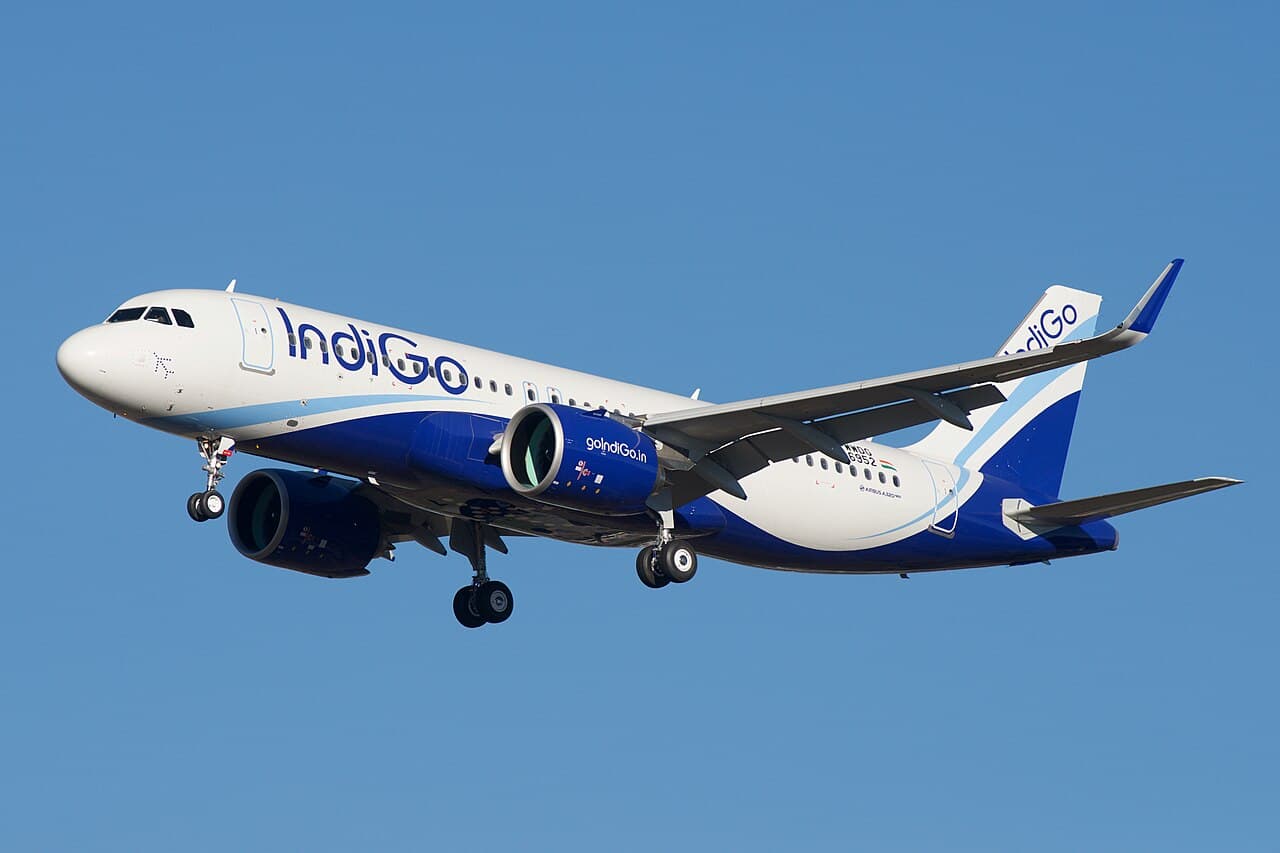
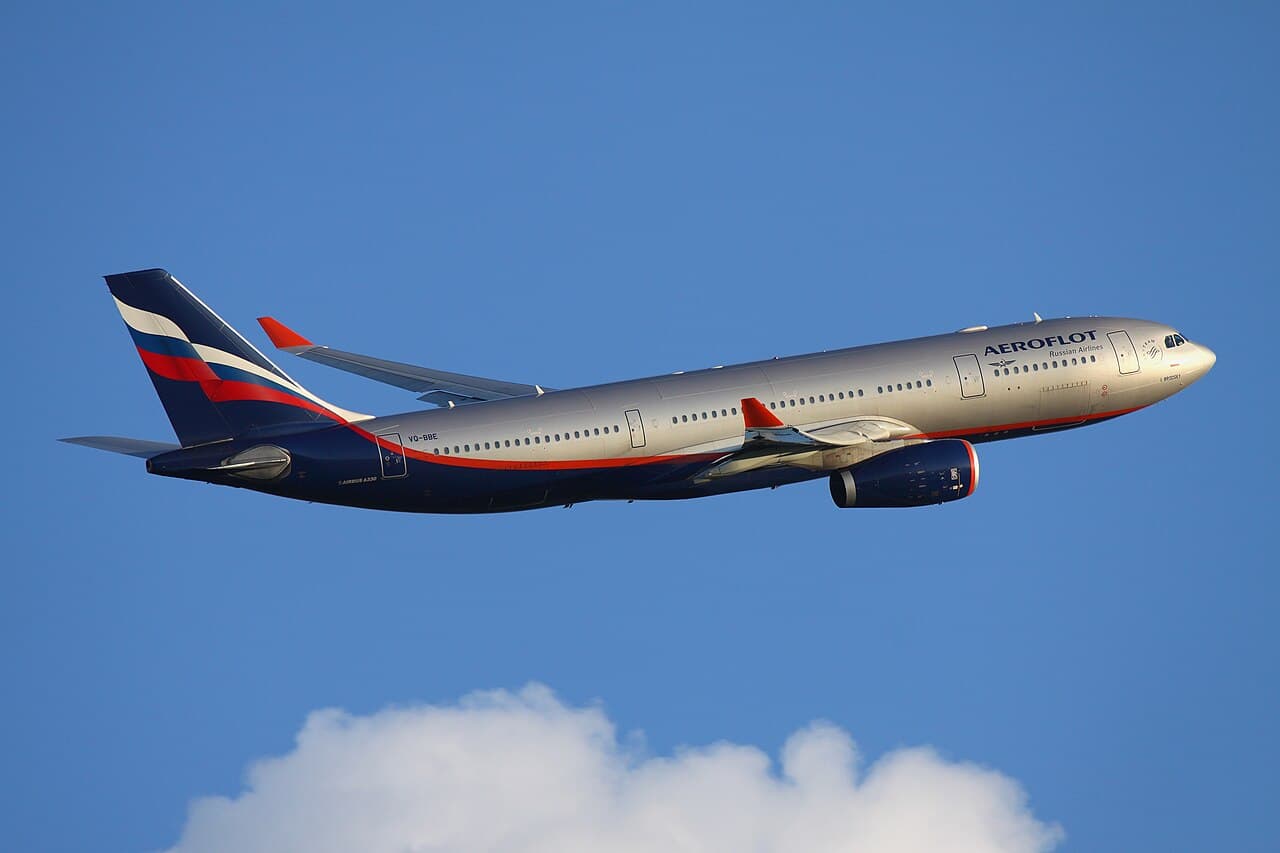
Image: BriYYZ from Toronto, Canada · CC BY-SA 2.0 · via Wikimedia Commons
Airbus Surpasses 1,000 Net Orders in 2026 Following Strong July Demand
Airbus's net orders in 2026 exceeded 1,000 after key contracts from Chinese and Middle Eastern carriers were added in July, alongside robust deliveries.
The gist
Airbus surpasses 1,000 net orders in 2026, boosted by major deals from China Eastern, Hainan Airlines, and Middle Eastern carriers in July.
Continuing coverage
All Airbus →- Airbus delivers 67 jets in July 2026, sales momentum cools but stays strong
- Airbus A321XLR Challenges Hub-and-Spoke Model with Long-Range Narrowbody Flights
- Airbus Posts Strong H1 2026 with 351 Aircraft Deliveries and Record Order Backlog
- Rolls-Royce Estimates Up to Seven Years to Develop Engine for Stretched Airbus A350-2000
- Legacy 1960s Boeing 737 Design Caps Economy Seat Width at 17 Inches
Airbus reached a key milestone in 2026 by surpassing 1,000 net aircraft orders, buoyed by significant contract signings in July. The airframer’s latest backlog figures confirm new commitments from multiple global airlines, including Chinese carriers like China Eastern Airlines and Hainan Airlines, alongside deals from Middle Eastern operators unveiled at the Farnborough air show.
China Eastern Airlines confirmed an order for 25 A330-900 widebodies, reinforcing Airbus’s position in the long-haul segment with this modern, fuel-efficient aircraft. At the same time, Hainan Airlines placed an agreement for 40 narrowbodies within the A320neo family, consisting of 13 A321neos and 27 A320neos. This bolsters Airbus’s footprint in the competitive single-aisle market, which remains a key driver of commercial aviation growth.
Further strengthening Airbus’s order book are fleet commitments announced at Farnborough, including deals by SMBC Aviation Capital for 100 aircraft—comprising 65 A321neos and 35 A320neos. Saudi Arabian airlines Riyadh Air and Flynas also contributed to the surge in net orders with a combined total of 31 aircraft: Riyadh Air ordered six A350-1000s, while Flynas placed orders for five A330-900s and 20 A321neos. These additions embody Airbus’s success across both widebody and narrowbody segments.
The July backlog also includes two agreements with undisclosed customers. One contract is for six A321neos, and the other covers a unique pairing of a single A320neo plus an A319neo—the latter marking Airbus’s first A319neo order seen since March 2024. This mix of orders illustrates steady demand for a range of aircraft sizes tailored to diverse market needs.
To date in 2026, Airbus has delivered 418 aircraft globally, including 32 A350s, 10 A330s, 326 A320neo-family jets, and 50 A220s. This represents nearly half of the company’s full-year delivery target of 870 aircraft. The strong delivery pace highlights Airbus’s production capabilities amidst sustained airline demand as the industry rebuilds.
Reaching over 1,000 net orders halfway through the year signifies Airbus’s robust sales momentum and underscores the ongoing recovery and expansion of the commercial aviation sector. The sizable contracts from Chinese and Middle Eastern markets reflect regional growth trajectories and strategic fleet renewals.
Airbus’s performance in July—marked by a combination of large lease company orders, airline fleet expansions, and diversification of the narrowbody portfolio—cements its competitive position in a market still emerging from pandemic-era constraints. The inclusion of the A319neo order signals interest in smaller capacity jets adapted for specific route structures.
Looking at the broader context, these orders will contribute to Airbus’s long-term production and delivery plans through the remainder of 2026. As airlines optimize their fleets for efficiency and capacity, Airbus’s diverse product lineup spanning A220s to A350s remains a key asset.
The net order total of 1,024 by the end of July places Airbus well on track to meet or exceed its annual sales goals, suggesting sustained airline confidence and industry stability. This momentum is critical for maintaining supply chain performance and delivering on customer expectations into next year.
Frequently asked questions
- Which airlines contributed to Airbus’s net orders exceeding 1,000 in 2026?
- Chinese carriers China Eastern Airlines and Hainan Airlines, along with Saudi Arabian carriers Riyadh Air and Flynas, contributed significant orders in July 2026.
- What types of aircraft did Airbus deliver in 2026 up to July?
- Airbus delivered 418 aircraft including 32 A350s, 10 A330s, 326 A320neo-family jets, and 50 A220s through July 2026.
- What notable order was placed for the A319neo in 2026?
- An undisclosed customer placed an order for a single A319neo in July 2026, marking the first A319neo order since March 2024.
Read more
All Airlines →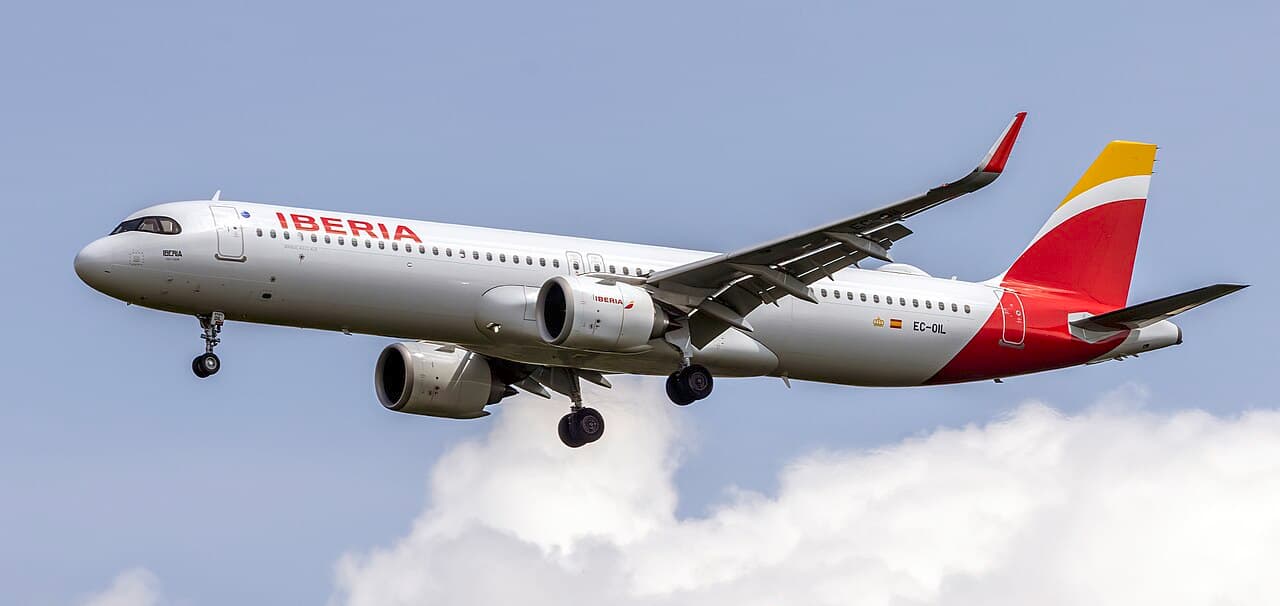
Airbus A321XLR Challenges Hub-and-Spoke Model with Long-Range Narrowbody Flights
Long-haul international travel has, for many of the largest airlines of the modern age, operated using a simple economic formula. The goal is to gather passengers from regional spoke airports, funnel them through mega-hubs like London Heathrow , Frankfurt , or Atlanta , and consolidate them onto twin-engine or four-engine widebody jets. Connecting traffic was the only way airlines could consistently guarantee high load factors on 250-to-300-seat aircraft when crossing oceans. However, the arrival of the Airbus A321XLR has changed this thinking by introducing a single-aisle jet capable of flying 4,700 nautical miles (8,704 km).
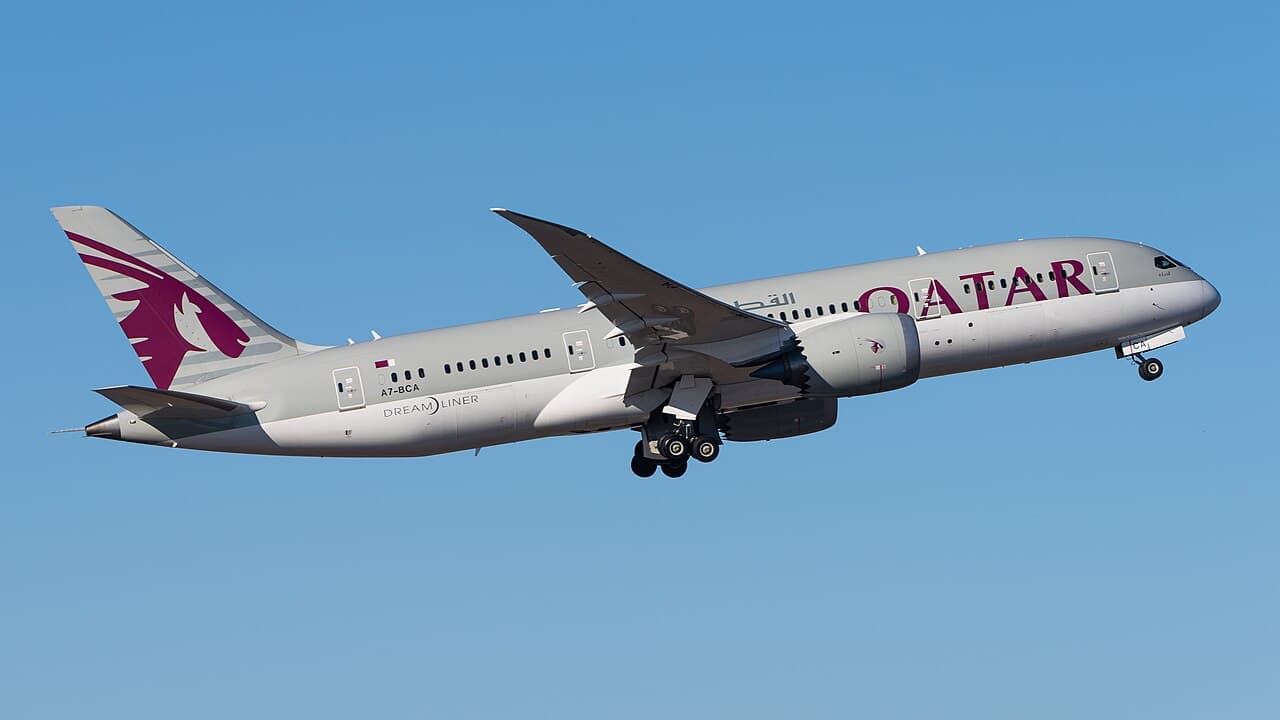
Rolls-Royce Applies A330neo Engine Tech to Fix Boeing 787's Trent 1000 Issues
In an ironic twist of fate, the Boeing 787 Dreamliner foiled the market debut of the Airbus A330neo, yet in 2022, new turbine parts made for the European widebody finally resolved long-running engine trouble in the 787. The American-made next-gen jetliner caught Airbus off guard when it officially launched in 2004. But the engines on the facelifted Airbus have proven to be more reliable over the years. The Rolls-Royce Trent 7000 engines on the A330neo have logged over 1 million continuous engine flying hours with zero in-flight disruptions and nearly 100% dispatch reliability.
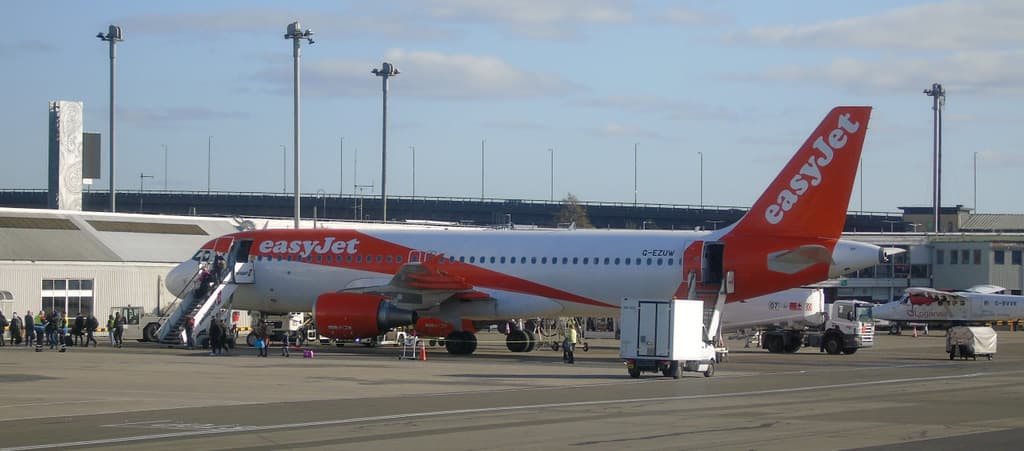
Apollo Global Management Secures £5.7B Takeover of easyJet with No Immediate Job Cuts
easyJet has formally agreed to a £5.7 billion ($7.7 billion) takeover by US private equity giant Apollo Global Management , setting the stage for one of Europe's largest low-cost airlines to return to private ownership. Apollo's firm offer values easyJet at £7.15 ($9.63) per share, an 81% premium to the airline's £3.94 closing price on May 28, immediately before the takeover interest became public. The deal remains subject to shareholder, court, aviation, merger-control and foreign-investment approvals.
Riyadh Air and GOL spearhead 2026 long-haul network expansions amid established carriers' route growth
Flying has come a long way since the first scheduled passenger flight. That service carried just one passenger and flew the short distance of around 21 miles, but it marked the beginning of an industry that would eventually transform the way people travel around the world. Today, we can travel from one corner of the world to another with relative ease.
The Daily Touch & Go
The day's best aviation news in your inbox. Free, no spam.