

Image: BriYYZ from Toronto, Canada · CC BY-SA 2.0 · via Wikimedia Commons
LATAM Airlines posts $227 million Q2 profit amid strong premium demand
Robust sales of premium and loyalty seats enabled LATAM to offset rising fuel costs and report solid profit in Q2 2026.
The gist
Strong premium class and loyalty program demand helped LATAM offset higher fuel expenses, delivering $227 million adjusted operating profit in Q2.
Continuing coverage
All Fleet Expansion →- Cathay Pacific Group Posts 27% Operating Profit Rise and Stays on Track for 10% Capacity Growth
- US-Bangla Airlines to Double Fleet with $1.5B Boeing Order
- ANA expands Embraer E190-E2 order with eight additional jets for flexible domestic service
- flynas expands Airbus fleet with 25 new A330-900 and A321neo jets
- IndiGo selects Honeywell avionics and power units for 810 A320neo jets
LATAM Airlines Group delivered a robust financial performance in the second quarter of 2026, reporting an adjusted operating profit of $227 million with a 5.4% operating margin. The carrier managed to contend effectively with a substantial increase in fuel prices by passing most of the costs to customers, leveraging resilient demand particularly for premium cabin seats and among members of its loyalty programme. LATAM's revenue in the quarter surged 28% year over year, reaching $4.2 billion, driven significantly by an 18% increase in revenue per available seat kilometre (RASK).
Despite a 39% year-on-year increase in operating expenses to $4.0 billion, LATAM's ability to expand revenues meant it recovered much of the $700 million added fuel cost it absorbed during the quarter. The company's diversified business model and commercial flexibility were instrumental in mitigating the financial impact of elevated fuel prices, as highlighted by LATAM's chief financial officer Ricardo Dourado. The increased spending on operations was offset by strategic revenue management and sustained customer willingness to pay fares reflecting the higher cost base.
Demand for premium travel options demonstrated notable resilience relative to broader market trends. LATAM continues investing in enhancing its premium product offerings, including new business-class suites and expanded premium economy seating across its long-haul Boeing 787 fleet. These enhancements started rolling out in 2025, with ongoing installations aimed at elevating the customer's experience and driving revenue yields on international routes.
On its narrowbody fleet, LATAM is increasing premium economy seats on Airbus A320-family aircraft and plans to introduce premium economy configurations on the incoming Embraer 195-E2 jets scheduled for entry into service in November 2026. The addition of the more fuel-efficient E195-E2 regional jets will support network expansion with flights to four new destinations and operation of eight new routes within Brazil, marking a strategic move to tailor capacity more precisely to demand fluctuations throughout the day.
The regional jets also offer LATAM enhanced operational flexibility, allowing it to replace older aircraft and better align supply with latent demand on various routes. CEO Roberto Alvo emphasized the benefits of the E195-E2 aircraft for scaling domestic feeder services and augmenting route breadth, while maintaining an eye on efficiency and sustainability goals. The planned fleet renewal complements LATAM’s ongoing strategy to modernize its aircraft and optimize its route network.
LATAM's fleet expansion remains on track for 2026 with expected deliveries of 15 A320neo-family aircraft, one Boeing 787-9, and 12 Embraer 195-E2 jets in the second half of the year. The airline forecasts growing its fleet by 27 aircraft year-on-year to a total of 410 aircraft by the end of 2026. This substantial injection of new-generation, fuel-efficient jets will contribute to capacity growth and lower unit costs over time.
Capacity is projected to increase by 8-9% in 2026 as measured in available seat kilometres. LATAM reaffirmed its full-year outlook targeting an adjusted operating margin between 12-13%, reflecting confidence in demand resilience despite what Alvo described as a highly dynamic market environment. The airline has retained flexibility to retire older Airbus A319 aircraft if demand softens, underscoring prudent capacity management in response to evolving market conditions.
With solid demand trends in premium cabins and continued loyalty program engagement, LATAM appears positioned to sustain revenue momentum and navigate ongoing cost pressures. Its fleet renewal and network expansion plans are aligned with market opportunities for domestic and international growth. The company’s financial discipline and commercial agility in Q2 2026 set a foundation for potential margin improvements and further operational optimization.
Frequently asked questions
- How did LATAM manage to maintain profitability despite rising fuel costs in Q2 2026?
- LATAM passed most of the approximately $700 million fuel cost increase onto customers, driven by strong demand for premium seats and loyalty programme members, which helped offset the higher expenses.
- What fleet changes is LATAM implementing to support its growth?
- LATAM is expanding premium economy seats on Airbus A320-family aircraft, introducing premium economy in Embraer 195-E2 jets entering service in November, and plans to add 27 aircraft including A320neos, 787-9, and E195-E2s in 2026.
- What are LATAM's capacity and margin forecasts for 2026?
- LATAM expects to grow capacity by 8-9% measured in available seat kilometres and targets an adjusted operating margin of 12-13% for the full year 2026 despite a dynamic market environment.
Read more
All Airlines →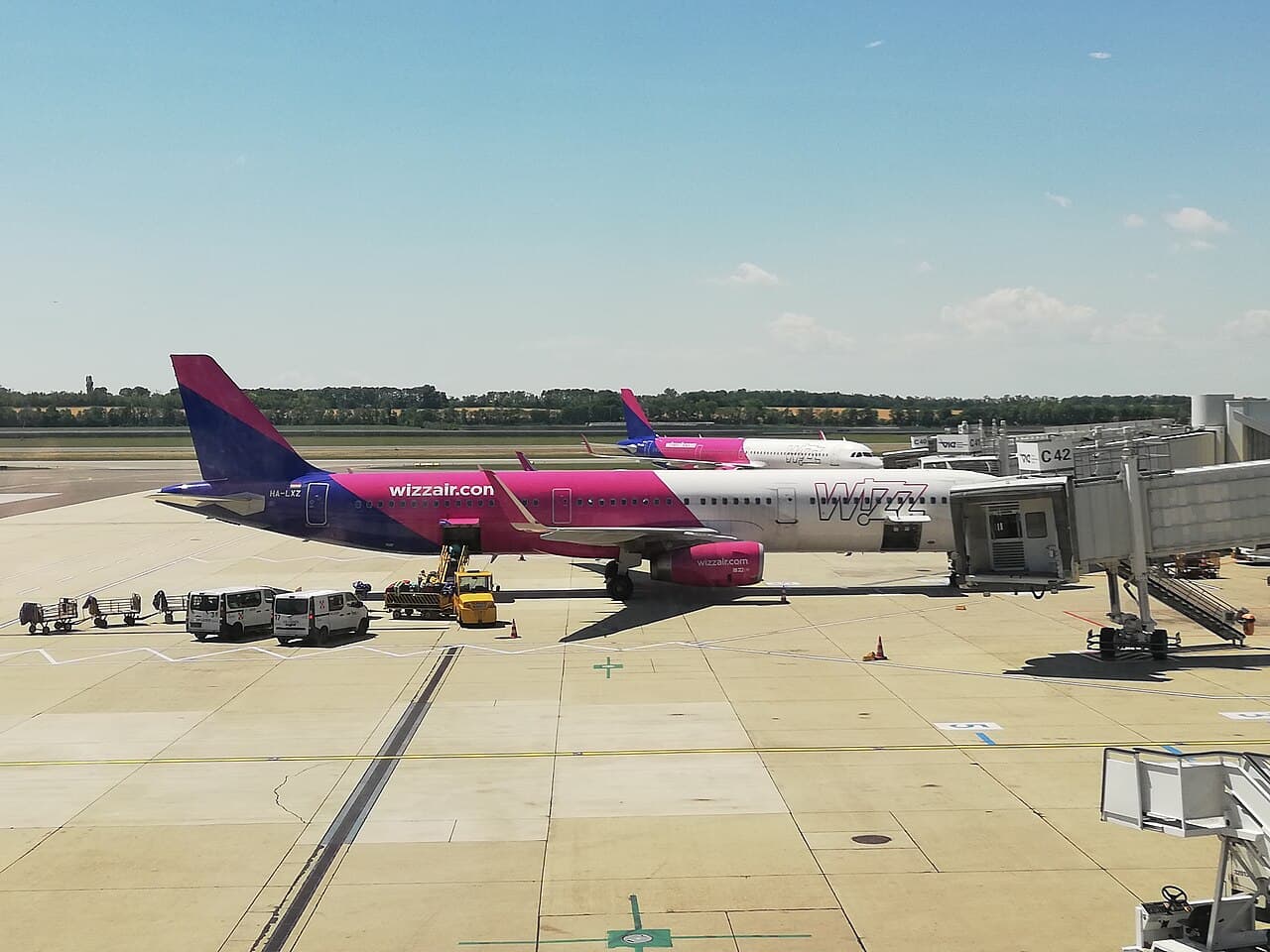
Wizz Air posts €183m operating loss in Q1 amid 39% fuel cost surge
Central European budget operator lifts passenger numbers by a quarter during April-June period. Wizz Air fell to an operating loss of €183.3 million ($211.6 million) in the three months to June 2026 on fuel costs up 39% for the period. The Central European budget carrier increased revenues 6% to €1.5 billion in the first quarter of its financial year, which runs to March 2027. However, fuel costs over the same period jumped to €610 million, driving a 21% rise in the carrier's overall costs. As a result, Wizz slipped from an operating profit €27.5 million for its first quarter in 2025 to a loss of €183.3 million. Likewise, it posted a net loss of €198.2 million in the April-June period, compared with a €38.4 million profit a year ago. "The industry has been extremely volatile over the June quarter due to conflict in the Middle East, elevated fuel prices and changes in booking patterns," says Wizz Air chief executive Jozsef Varadi. He though flags "some notable success" in the quarter, including a 25% increase in passenger numbers to 21.2 million. Wizz last year refocused its network strategy to put more emphasis its core Central European and UK markets, reducing its stage lengths to improve aircraft utilisation and slowing its long-term capacity growth. That has been accentuated by the carrier redeploying capacity from the Middle East, primarily Israel, because of the Iran conflict. "We are focused on strengthening the core network, improving density and reallocating flying from longer-haul Middle Eastern operations into shorter European sectors," says Varadi. "This supports higher sector productivity, creates more attractive schedules for customers, improves network integrity and delivers incremental growth at a lower cost." The carrier offered little by way of full-year profit guidance, but Varadi says: “While we continue to see the build-up of forward bookings, the rest of the year is expected to present both industry challenges and strategic opportunities. "We will continue to manage the business for profitability while remaining ready to take advantage of market opportunities that may arise as supply and demand rebalance across Europe. support the long-term growth of Wizz Air."
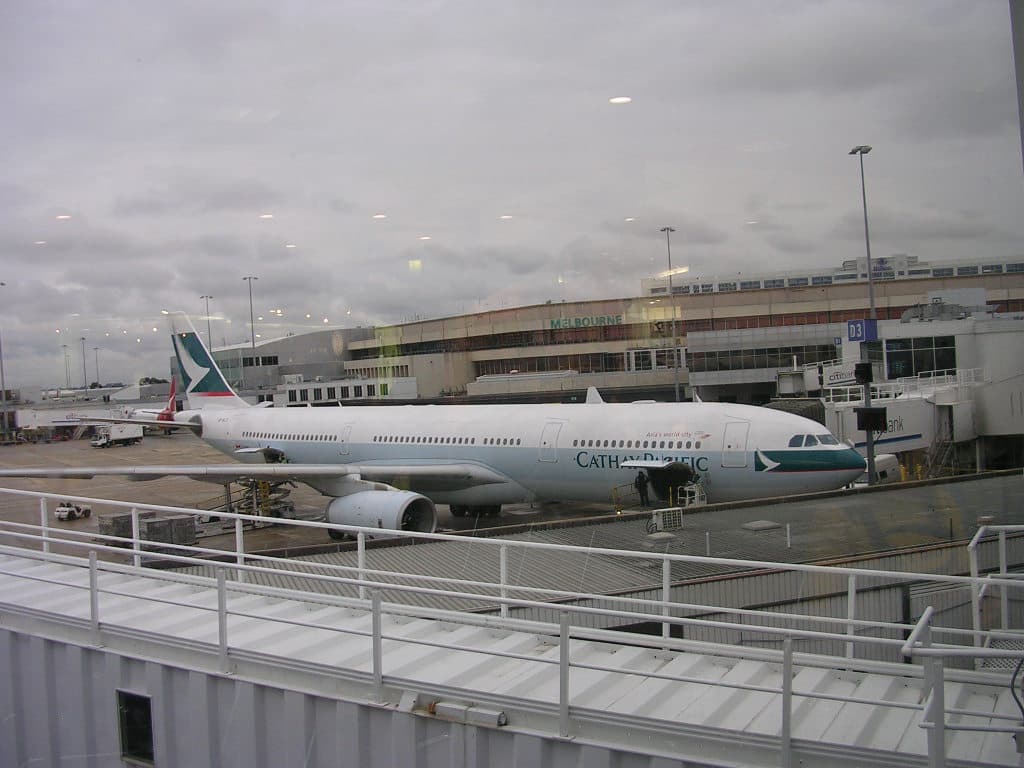
Cathay Pacific Group Posts 27% Operating Profit Rise and Stays on Track for 10% Capacity Growth
The group saw a 27% increase in its half-year operating profit, while net profit was up 71% year on year. Cathay Pacific Group is maintaining its full-year capacity growth guidance, with near-term demand "looking strong", and as its half-year profit improves. The Hong Kong-based airline group "remains on track" to reach its passenger capacity growth target of 10%, says Cathay chair Guy Bradley. "We remain cautiously optimistic for the rest of the year, subject to developments in the Middle East situation and other macroeconomic factors," Bradley, who was appointed airline chair in May, adds. The group, comprising mainline operator Cathay and low-cost unit HK Express, expects the "impact of elevated fuel prices" to continue for the rest of the year. Nonetheless – and if "market conditions are favourable" – the airline group is targeting to operate to 150 international points in 10 years, with 150 new aircraft set to join its fleet. For the six months ended 30 June, Cathay Group saw a 27% jump in its operating profit to HK$7.5 billion ($961 million). This was despite half-year expenses climbing 27% to HK$61.4 billion, led by a spike in fuel-related costs. Bradley notes that the group's fuel expenses close to doubled between the January-March and April-June quarters, underscoring the impact of the Middle East conflict on fuel costs. Group revenue was up 25% to HK$68 billion, on the back of strong travel demand on mainline operations, as well as significant operational improvements from HK Express. "Having got off to a strong start in the first quarter, we faced a more challenging second quarter due to the situation in the Middle East and the resulting significant increase in jet fuel prices," states Bradley. The group posted a net profit of HK$6.2 billion, a 71% jump from the year-ago period. During the period, Cathay took on non-recurring gains of around HK$1 billion, from the reduction of its shareholding in Air China in June this year.
Airlines Abandon Middle Tier as Premium and Ultra-Budget Classes Dominate Market
Across the airline industry, it seems that the traditional middle tier of commercial air travel is on its way to the history books. It has always been common to see legacy carriers and low-cost airlines alike depend on a standardized main cabin product to generate steady baseline revenue. Today, that undifferentiated middle is rapidly disappearing as commercial aviation splits into two profitable extremes: high-yield premium cabins at one end and unbundled ultra-budget fares at the other.
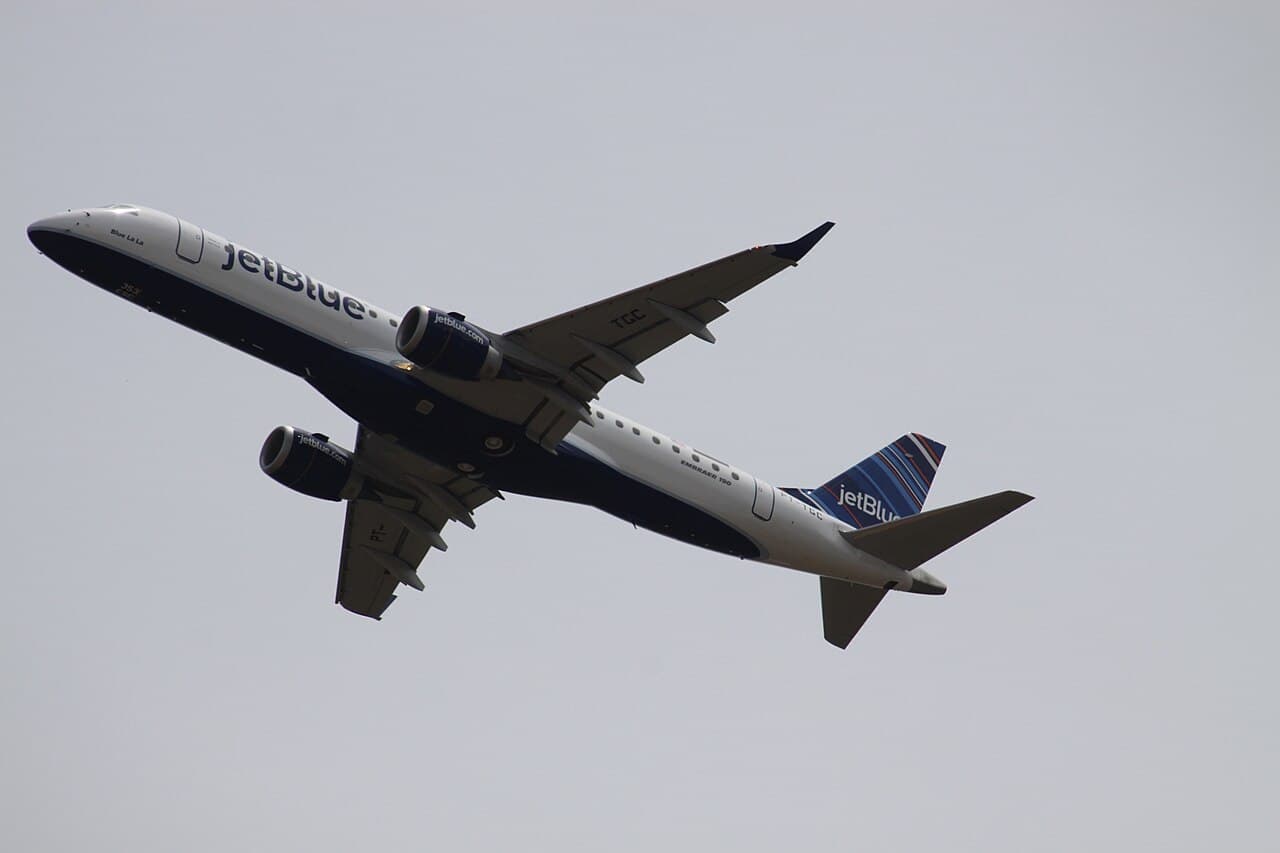
JetBlue Posts 14.5% Revenue Growth in Q2 2026, Reinstates Full-Year Outlook
JetBlue Airways reported robust second-quarter 2026 results on July 28, highlighting the early success of its JetForward transformation strategy despite elevated fuel prices. ezstandalone.cmd.push(function () { ezstandalone.showAds(119); }); The airline posted operating revenue of $2.7 billion, marking a 14.5% increase from the prior year, driven by strong customer demand and targeted commercial initiatives. Revenue per available seat mile (RASM) rose 10.9% year-over-year, landing near the upper end of the company’s revised guidance. ezstandalone.cmd.push(function () { ezstandalone.showAds(127); }); This performance reflects broad-based strength across premium and main cabin products. Premium RASM was up approximately 13% with main cabin RASM growing 11%. Capacity increased a modest 3.2% year-over-year, aligning with expectations. Fuel Costs Create Short-Term Pressure, But Recovery Exceeds Expectations Higher fuel prices significantly impacted profitability. JetBlue’s average fuel cost reached $4.23 per gallon in Q2, a 76% jump from the previous year. ezstandalone.cmd.push(function () { ezstandalone.showAds(128); }); This drove operating expenses higher, resulting in an operating loss of $141 million and a net loss of $247 million, or $0.66 per share. Despite the surge, the airline recaptured nearly 50% of the higher fuel costs—well above initial expectations of 30-40%. ezstandalone.cmd.push(function () { ezstandalone.showAds(129); }); Cost per available seat mile excluding fuel (CASM ex-fuel) rose only 2.4% year-over-year, beating the midpoint of guidance by 1.6 points. This disciplined cost management underscores JetBlue’s operational focus. Photo Credit: JetBlue JetForward Strategy Showing Tangible Progress Two years into JetForward, JetBlue has generated $470 million in cumulative incremental EBIT through June 2026. The company remains on track to deliver $850–$950 million in annual incremental EBIT benefits by the end of 2027, with expectations building to approximately $1.2 billion by 2028. ezstandalone.cmd.push(function () { ezstandalone.showAds(130); }); Key highlights include improved operational reliability, with A14 performance up about one point and Net Promoter Score rising five points year-over-year. In Fort Lauderdale, JetBlue achieved 11% RASM growth despite nearly 40% capacity expansion, capitalizing on market opportunities. Loyalty revenue grew 13%, fueled by strong co-brand card performance and new initiatives like ClarityPay for flexible payments. Premium experiences continue to win acclaim. Mint ranked highest in customer satisfaction among first/business passengers in the J.D. Power 2026 North America Airline Satisfaction Study for the second year running. ezstandalone.cmd.push(function () { ezstandalone.showAds(131); }); The BlueHouse lounge at JFK earned “Best Airport Lounge of 2026” honors, with Boston’s location opening soon. Upcoming enhancements include BlueFirst, the new domestic first-class product launching sales this fall, and expanded Blue Sky reciprocal loyalty benefits. Long-Term Confidence Reflecting momentum, JetBlue introduced a 2028 earnings per share target of at least $1.00, assuming sustained demand and average jet fuel prices of $3.00 per gallon. CEO Joanna Geraghty emphasized the strategy’s role in building a more profitable future. ezstandalone.cmd.push(function () { ezstandalone.showAds(132); }); “We’re encouraged by the progress we’re making,” Geraghty said. “Strong customer demand and decisive actions enabled us to recover fuel costs more quickly than anticipated.” Photo Credit: JetBlue Reinstated 2026 Outlook JetBlue reinstated its full-year 2026 guidance, supported by better visibility into the second half: Capacity (ASMs): 1.5%–3.5% year-over-year for FY; 3.0%–6.0% for Q3 RASM: 10.0%–12.5% for FY; 12.5%–16.5% for Q3 CASM ex-Fuel: 2.0%–4.0% for FY; 2.5%–4.5% for Q3 Adjusted Operating Margin: (2.0%)–(5.0%) for the full year Fuel Price: Approximately $3.49 per gallon Capital Expenditures: ~$850 million for the year ezstandalone.cmd.push(function () { ezstandalone.showAds(133); }); CFO Ursula Hurley noted expectations for second-half operating margin improvement of about 3.5 points year-over-year, supporting the path to sustained profitability. Strategic Positioning for Future Growth JetBlue continues investing in its East Coast leisure network, technology modernization, fuel efficiency, and AI-driven operations. President Marty St. George highlighted traction in commercial initiatives and network enhancements, including additional slots in New York. ezstandalone.cmd.push(function () { ezstandalone.showAds(134); }); As the airline advances JetForward, it aims to deliver greater value to customers and shareholders through reliable service, valued products, and a stronger financial foundation. With demand remaining resilient, JetBlue appears well-positioned to navigate near-term challenges and drive long-term earnings growth.
The Daily Touch & Go
The day's best aviation news in your inbox. Free, no spam.