

AI-generated illustration
Airlines
Emirates Introduces Airbus A350 to Boost Nairobi Route Efficiency
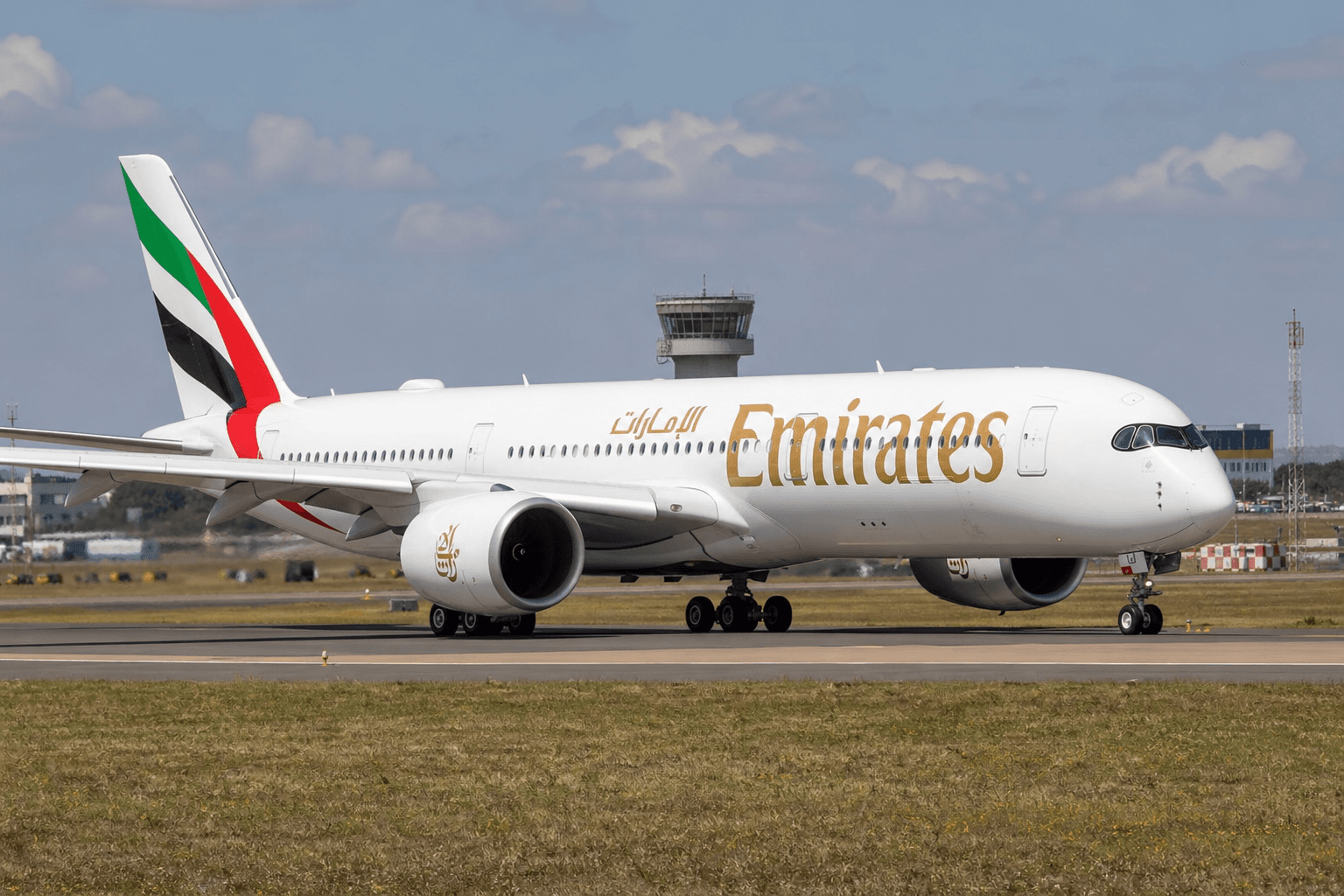
Emirates has deployed the fuel-efficient Airbus A350 on Nairobi-Dubai flights to increase capacity and reduce operating costs amid rising fuel prices.
The gist
Emirates adds Airbus A350 to Nairobi route for better fuel efficiency and more daily flights without raising ticket prices.
Continuing coverage
All Airbus A350 →- Delta Air Lines Drops Boeing 767 From 12 Routes, Shifts to Newer Widebodies and Narrowbodies
- Pilots on Ultra-Long-Haul A350 Flights Must Rest Two Hours Before Landing
- Emirates Orders Over 200 Boeing 777X Jets but Limits Airbus A350 Fleet Growth
- Delta Air Lines Phases Out Boeing 777-200LRs for More Efficient Airbus A350s
Emirates has started flying its new Airbus A350 aircraft on the route between Nairobi and Dubai as part of efforts to contain rising operating costs and meet growing passenger demand. The introduction of the A350 marks the addition of a modern, fuel-efficient aircraft type to Emirates' Kenyan operations. Alongside deploying the A350, Emirates has increased its Nairobi service to three daily flights to accommodate more travelers.
The decision to shift towards the A350 on this route comes amid escalating global fuel prices that have squeezed airline profit margins worldwide. Emirates Vice President for Commercial Operations in Sub-Saharan Africa, Rashid Al Arda, explained that while the A350 carries fewer passengers than the larger Boeing 777 aircraft previously used, it offers increased fuel efficiency and lower unit costs, which helps the airline manage expenses.
Currently, Emirates continues to operate two Boeing 777s on the Nairobi route alongside the newly introduced A350. The 777s maintain first-class cabins, and they are part of Emirates’ aircraft refurbishment program that includes interior upgrades and the addition of premium economy seating. The A350 introduces the airline’s latest premium economy product to Kenya, while also featuring updated business and economy cabins.
Kenya ranks as Emirates’ second-largest market in Sub-Saharan Africa by capacity after South Africa, and among the top five markets in the region. The added frequency and deployment of the modern aircraft aim to strengthen connections for passengers traveling from Kenya to Europe, the United States, and beyond through Dubai, emphasizing Nairobi's role in Emirates’ global network.
Despite the new aircraft and increased flights, Emirates does not plan any changes to ticket prices on the Nairobi route. Instead, the airline is relying on fuel hedging and other cost-management strategies to mitigate the impact of volatile fuel prices. Al Arda noted that fuel price pressures affect the wider aviation industry and that Emirates continually adapts with financial tools like hedging.
The deployment of the A350 also aligns with Emirates’ broader $5 billion fleet modernization initiative. This program is upgrading over 200 Boeing 777 and Airbus A380 aircraft with refreshed interiors and improved features, having refurbished more than 100 aircraft so far, with a target of approximately 115 upgrades by the end of the year.
However, the modernization program has encountered delays linked to global supply chain challenges. Additionally, the delayed deliveries of Boeing’s 777X jets have impacted Emirates’ fleet expansion and renewal plans. Nonetheless, Emirates continues to receive new A350s on a monthly basis and is gradually integrating them into routes that can accommodate the type.
Besides Nairobi, Emirates is expanding A350 operations across other African markets, including Ethiopia, Uganda, and Cape Town in South Africa. The airline’s focus for now is to ensure the commercial success of the increased Nairobi frequency while continuing to explore opportunities for further expansion within the African continent.
The combination of newer aircraft, improved fuel efficiency, and upgraded cabins position Emirates to remain competitive in the Kenyan market, addressing demand growth and cost pressures through operational adjustments and fleet renewal.
Originally reported by The Star, Kenya
Read more
All Airlines →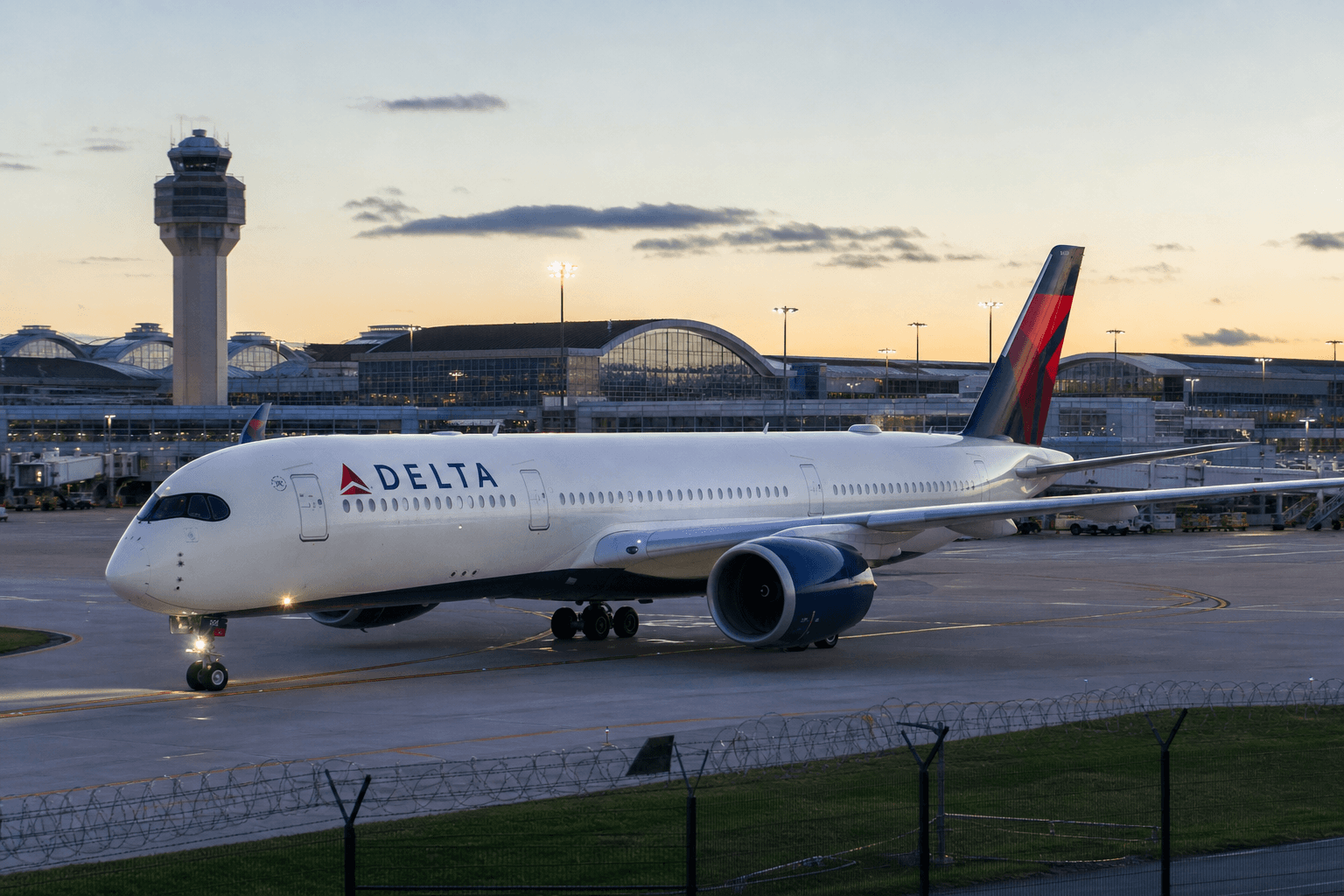
Delta Air Lines Phases Out Boeing 777-200LRs for More Efficient Airbus A350s
Delta retired its 18 Boeing 777 aircraft, including ten 777-200LRs, by end of 2020 to reduce operating costs and shift to Airbus A350s with better fuel efficiency.
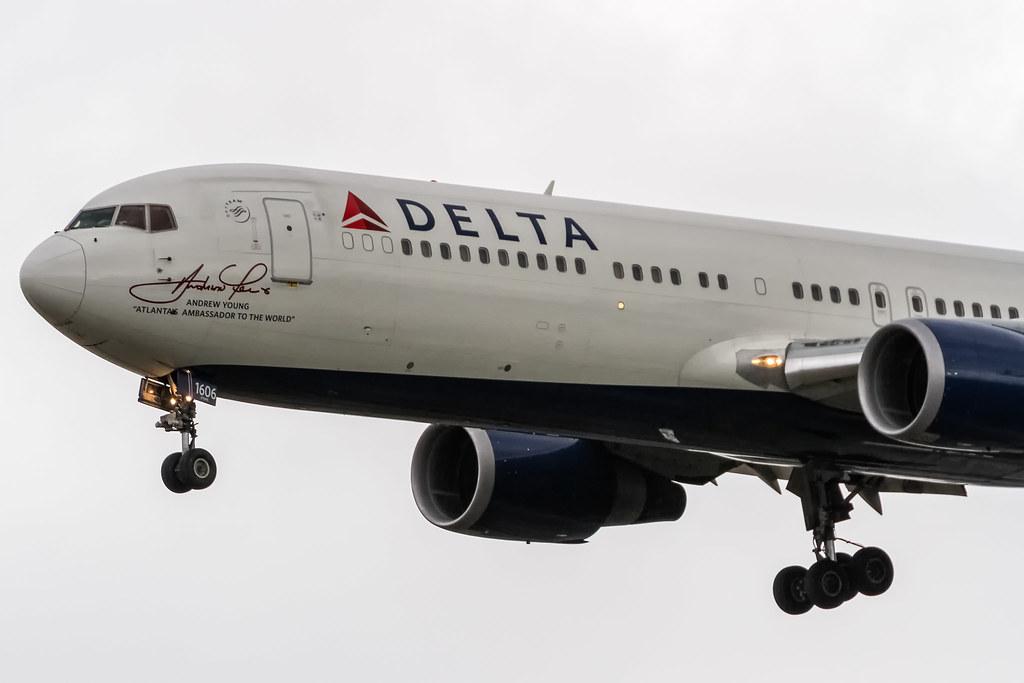
Delta Air Lines Drops Boeing 767 From 12 Routes, Shifts to Newer Widebodies and Narrowbodies
Delta Air Lines has removed Boeing 767 aircraft from four international and eight domestic routes, replacing them with Airbus widebodies and narrowbody jets throughout 2026.
Israeli Officials Meet Emirati Counterparts in Dubai to Discuss Resuming Tel Aviv Flights After Terror Plot
Israeli transport officials flew to Dubai to negotiate the restart of flights to Tel Aviv following a foiled plan by a flydubai pilot to crash into Ben Gurion Airport's terminal.
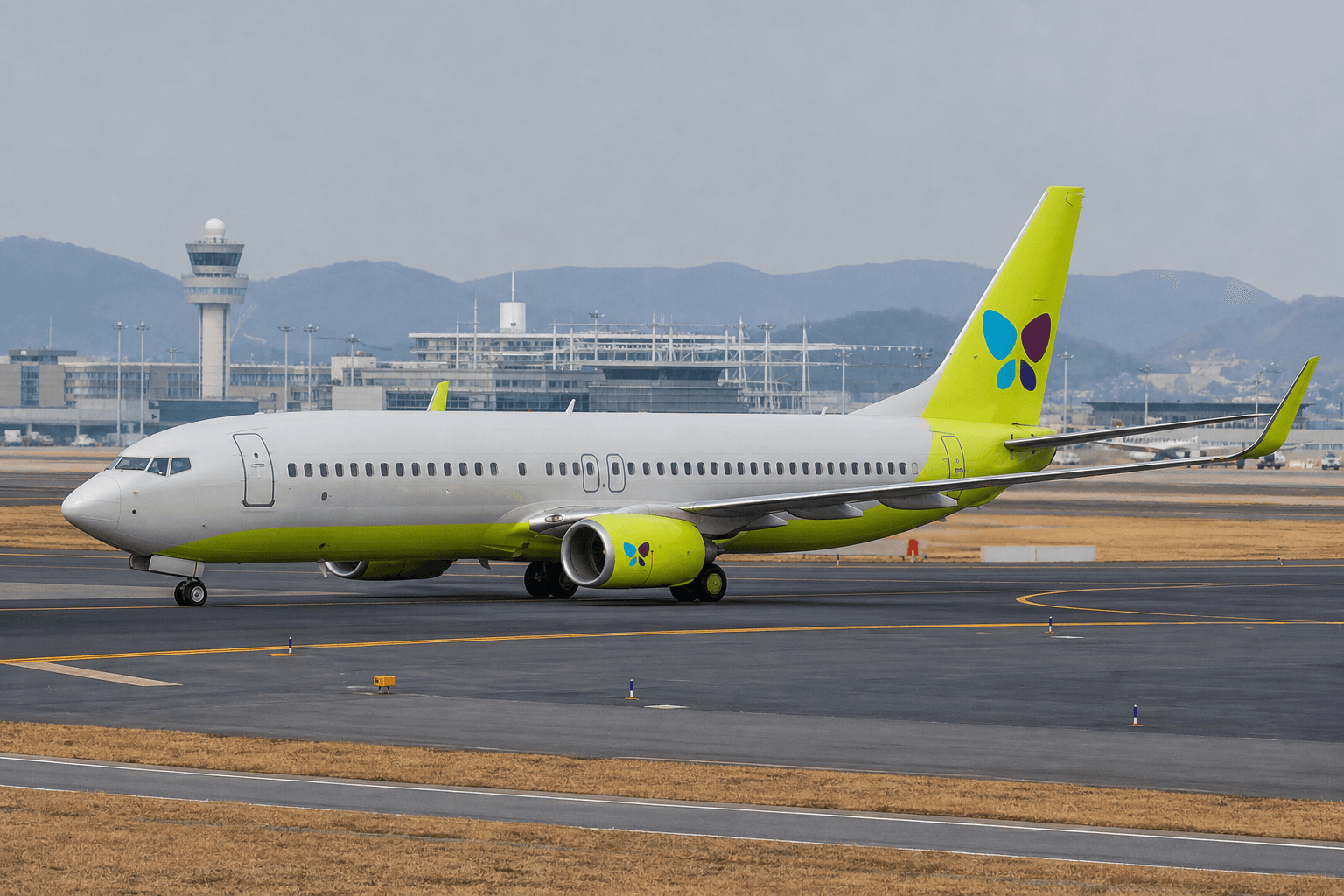
South Korea clears merger of Air Seoul, Air Busan, and Jin Air under Jin Air brand
South Korea's Ministry of Land, Infrastructure and Transport approves the merger of three low-cost carriers following Korean Air's Asiana acquisition, with operations combined under Jin Air from March 2027.
The Daily Touch & Go
The day's best aviation news in your inbox. Free, no spam.