

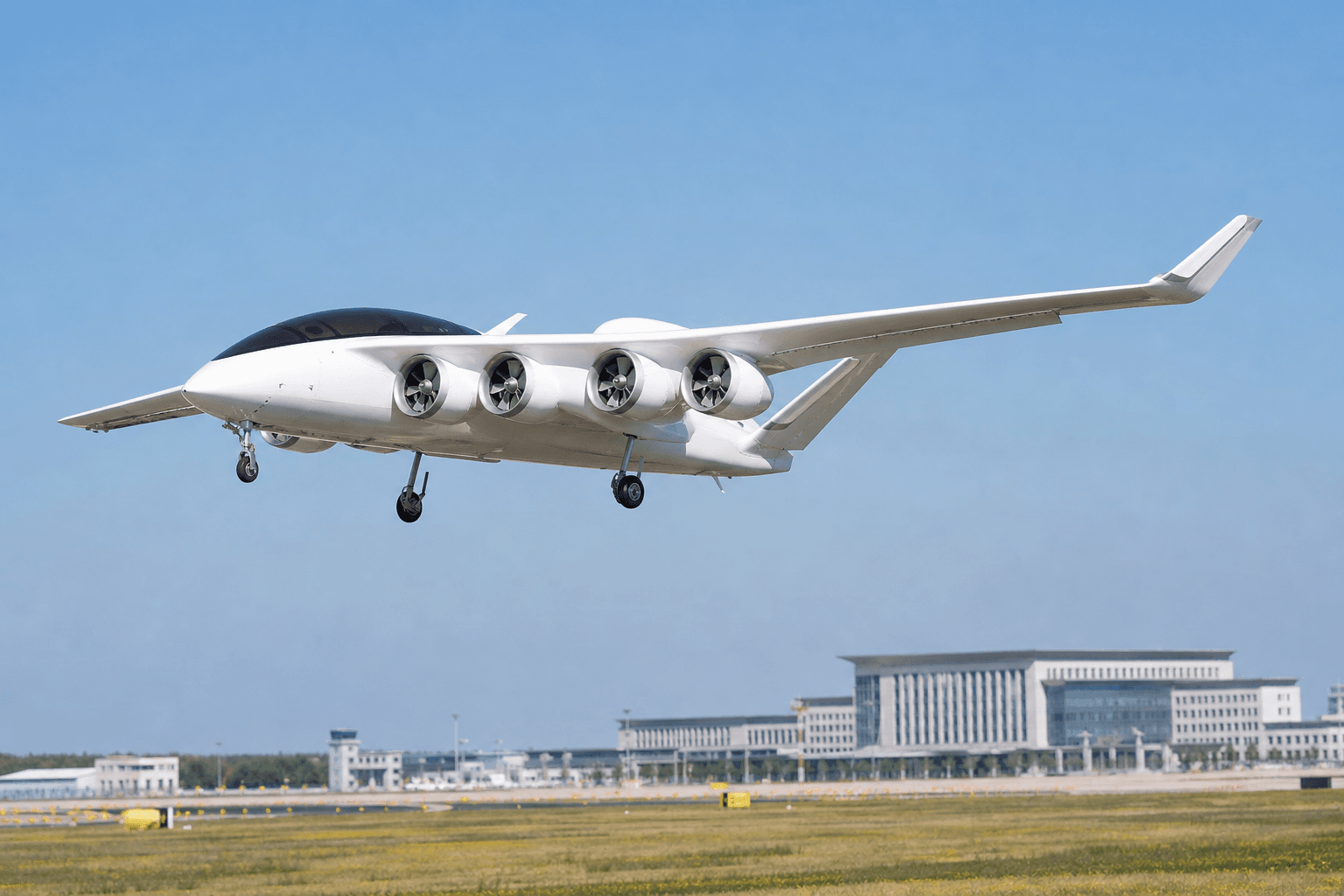
AI-generated illustration
COMAC completes first piloted flight of CE-25A electric regional aircraft
China's COMAC flew its domestically developed CE-25A electric aircraft with pilots aboard for the first time, demonstrating key progress in fixed-wing electric commercial aviation.
The gist
COMAC's CE-25A made its first piloted flight, validating China's push into fixed-wing electric commercial aircraft development.
The Commercial Aircraft Corporation of China (COMAC) achieved a notable step in electric aviation with the first piloted test flight of its CE-25A electric fixed-wing aircraft on November 14, 2026. The flight took place in Binzhou, Shandong province, southeast of Beijing, and lasted 16 minutes and 38 seconds, covering a distance of 37.5 miles (60.4 km). The aircraft carried two pilots and a flight test engineer.
This initial test flight was part of a 57-minute and 46-second operation that included both ground and flight activities. A video of the flight was released by China News Service, providing visual evidence of the milestone. The CE-25A represents China's first domestically developed electric commercial fixed-wing aircraft.
COMAC designed the CE-25A with a maximum takeoff weight of 10 metric tons and configured it to accommodate up to 19 passengers along with crew. The propulsion system consists of ten electric ducted fans arranged five abreast on each wing. The aircraft is intended to achieve a cruise speed of approximately 186 mph (300 km/h) and a range near 250 miles (400 km).
The program was first revealed in 2023, but images of a full-size CE-25A only appeared publicly in October 2026, leading to speculation about its development progress. Reports from Chinese state media indicate the aircraft had undertaken 19 unmanned flights since early February 2026, showing a progression through autonomous testing prior to manned flights.
COMAC's effort is supported primarily by Chinese battery manufacturer CATL, a company with a significant presence in the electric vehicle battery market. CATL has expanded into aviation battery technology, developing high energy-density cells that it is qualifying for aircraft use. The CE-25A's specific battery system has not been disclosed by manufacturers.
Besides COMAC and CATL, Shanghai Jiao Tong University is also involved in the CE-25A project, reflecting a collaborative approach combining aerospace manufacturing and advanced battery research. The integration of high-performance batteries is crucial for viable electric aircraft operations, particularly for regional airliners like the CE-25A.
Globally, the CE-25A joins a limited group of electric fixed-wing aircraft that have undergone flight tests. Heart Aerospace’s X1, a smaller electric demonstrator that flew for the first time in August 2026, serves primarily as a prototype for a future larger hybrid-electric airliner, placing COMAC’s CE-25A as a rare example focusing on a fully electric regional aircraft concept.
COMAC has reportedly filed an application for type certification of the CE-25A with the China Civil Aviation Administration (CAAC), an important regulatory step toward potential commercial operations. This places the aircraft on a path toward entering service, pending further testing and approval.
The CE-25A test flight marks a rare public debut of fixed-wing electric regional aircraft in China and signals continued advancement in electrification efforts within the commercial aviation sector domestically.
Originally reported by AeroTime
Read more
All Technology/eVTOL →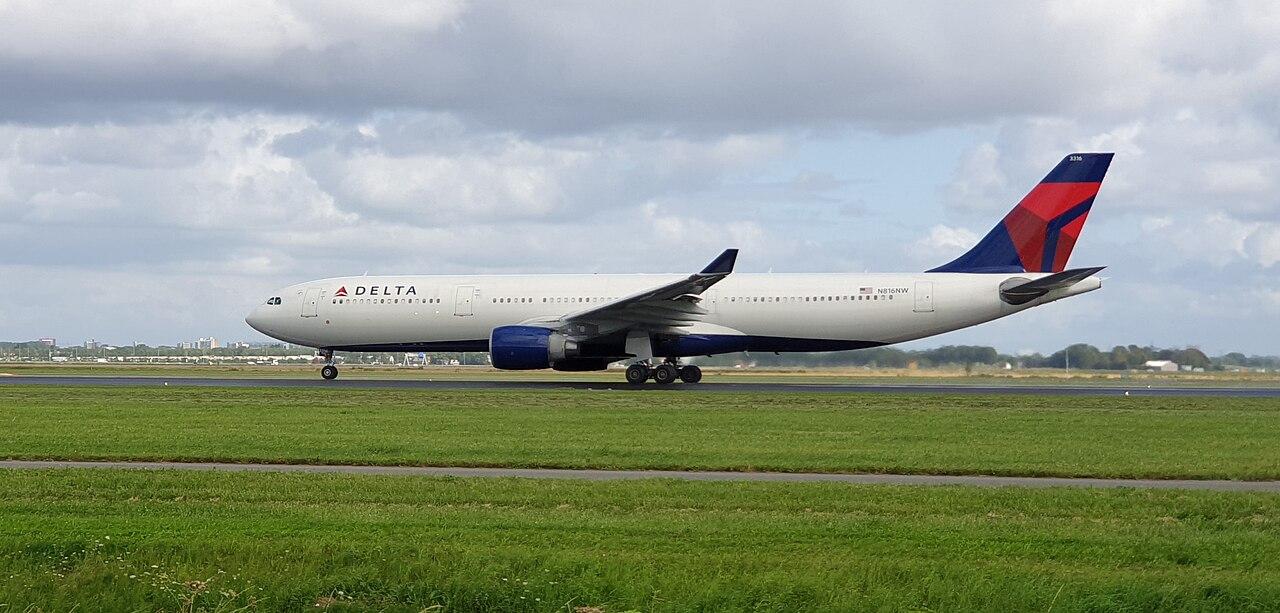
Delta Air Lines launches seasonal nonstop flights from Minneapolis to Maui
Delta began seasonal service connecting Minneapolis-St. Paul and Kahului, Maui, offering five weekly flights with Airbus A330-300 through mid-April.

United Airlines Doubles Flights on Seven Denver Routes for Summer 2027
United Airlines will increase frequencies on seven domestic routes from Denver International Airport, doubling daily flights to several mid-sized cities for summer 2027.
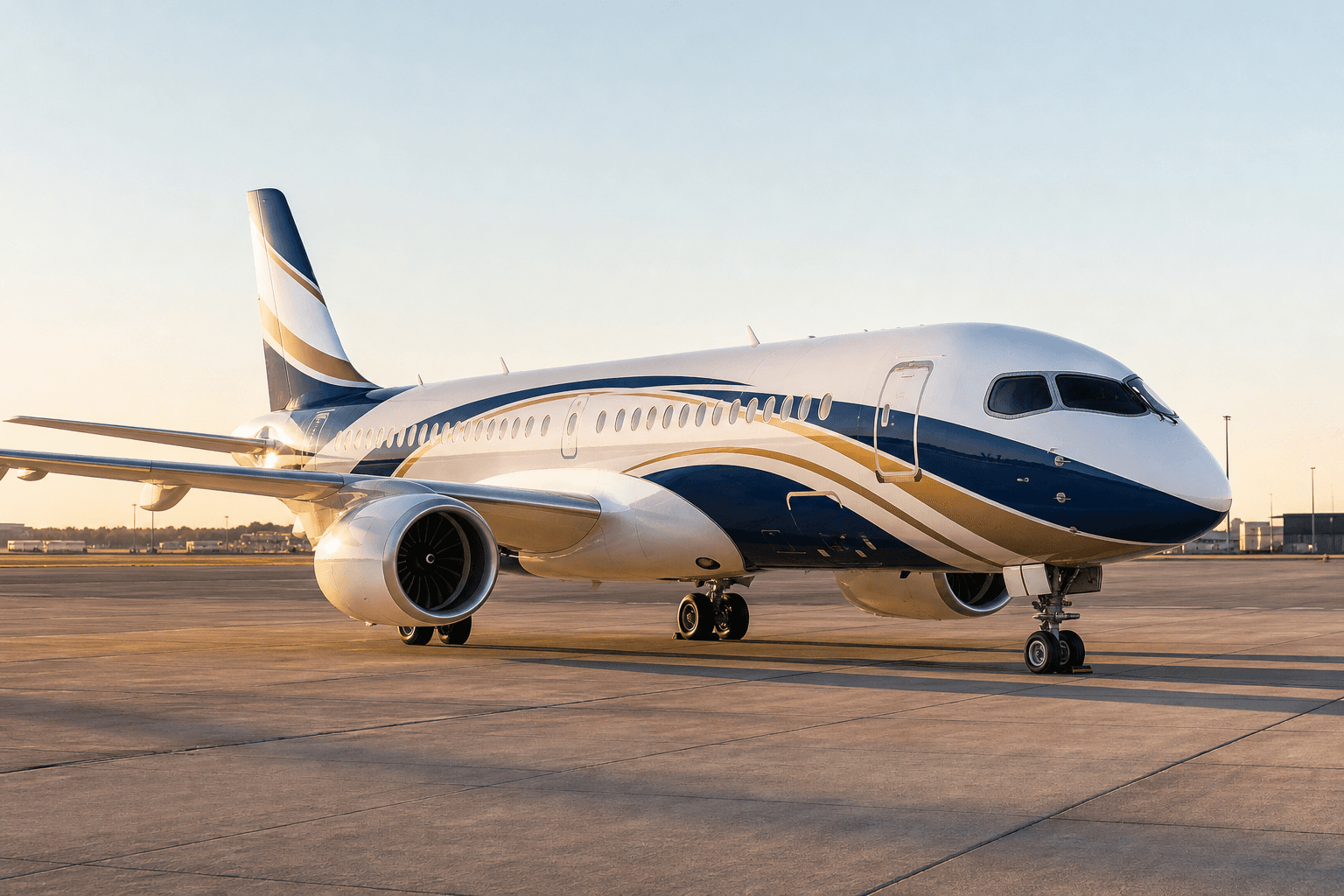
Magnifica Air Orders 10 Airbus ACJ220-300s Featuring Private Suite and 54 Seats
Florida-based Magnifica Air confirms purchase of ten ACJ220-300 corporate jets, expanding its fleet and offering a private suite in a 54-seat luxury layout.
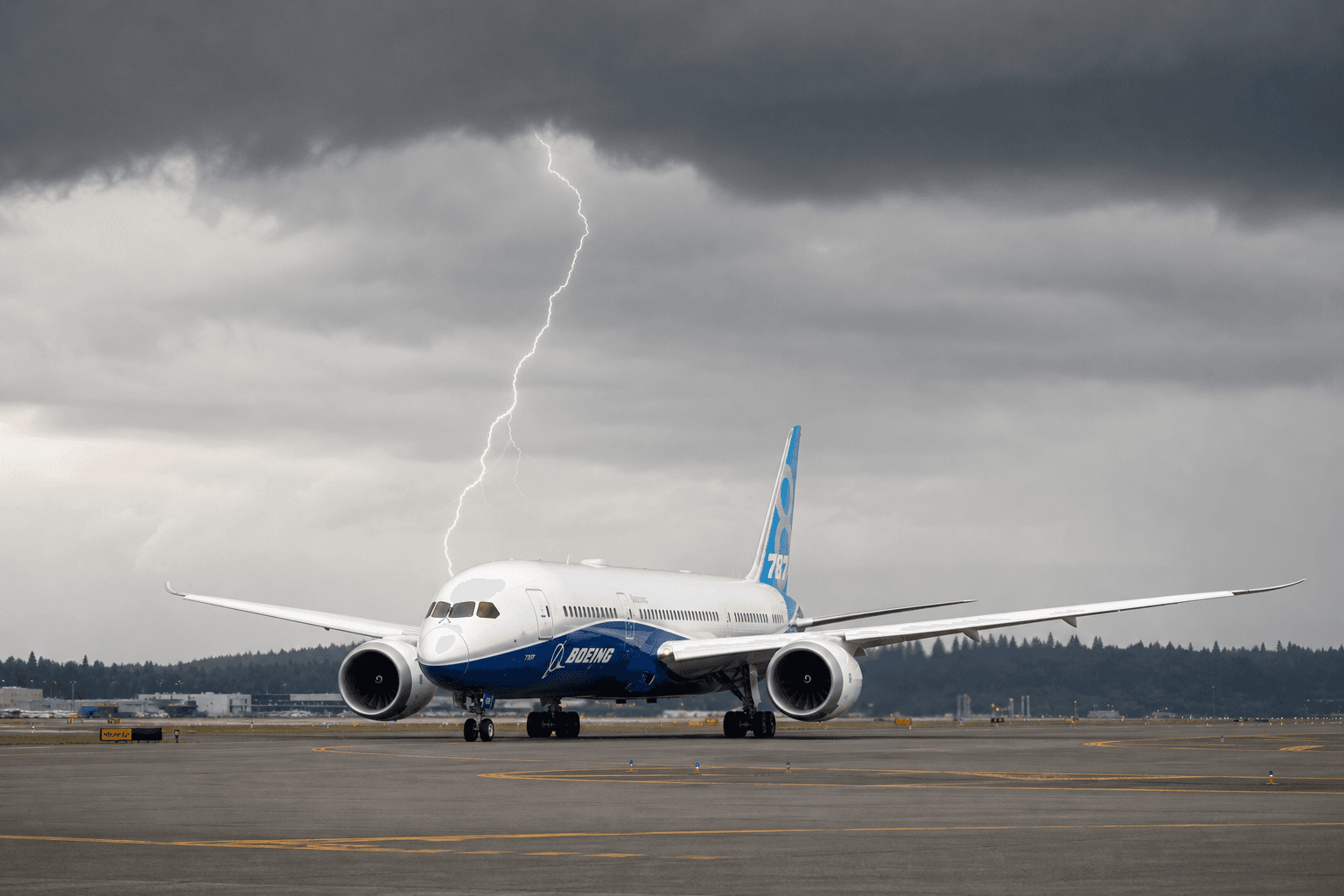
FAA Mandates Inspections on Select Boeing 787s for Potential Fuel Tank Lightning Risk
The FAA will implement inspections next month on certain Boeing 787 variants due to sealant issues that could spark explosions during lightning strikes.
The Daily Touch & Go
The day's best aviation news in your inbox. Free, no spam.