

AI-generated illustration
Boeing's 737 MAX, 747-8, and 787 Use Chevrons That Cut Noise but Hurt Efficiency
Boeing's serrated engine exhaust nozzles reduce airport noise but create drag that decreases engine thrust and fuel efficiency throughout flights.
The gist
Boeing aircraft chevrons lower noise but impose a continuous thrust and efficiency penalty no other major jet accepts.
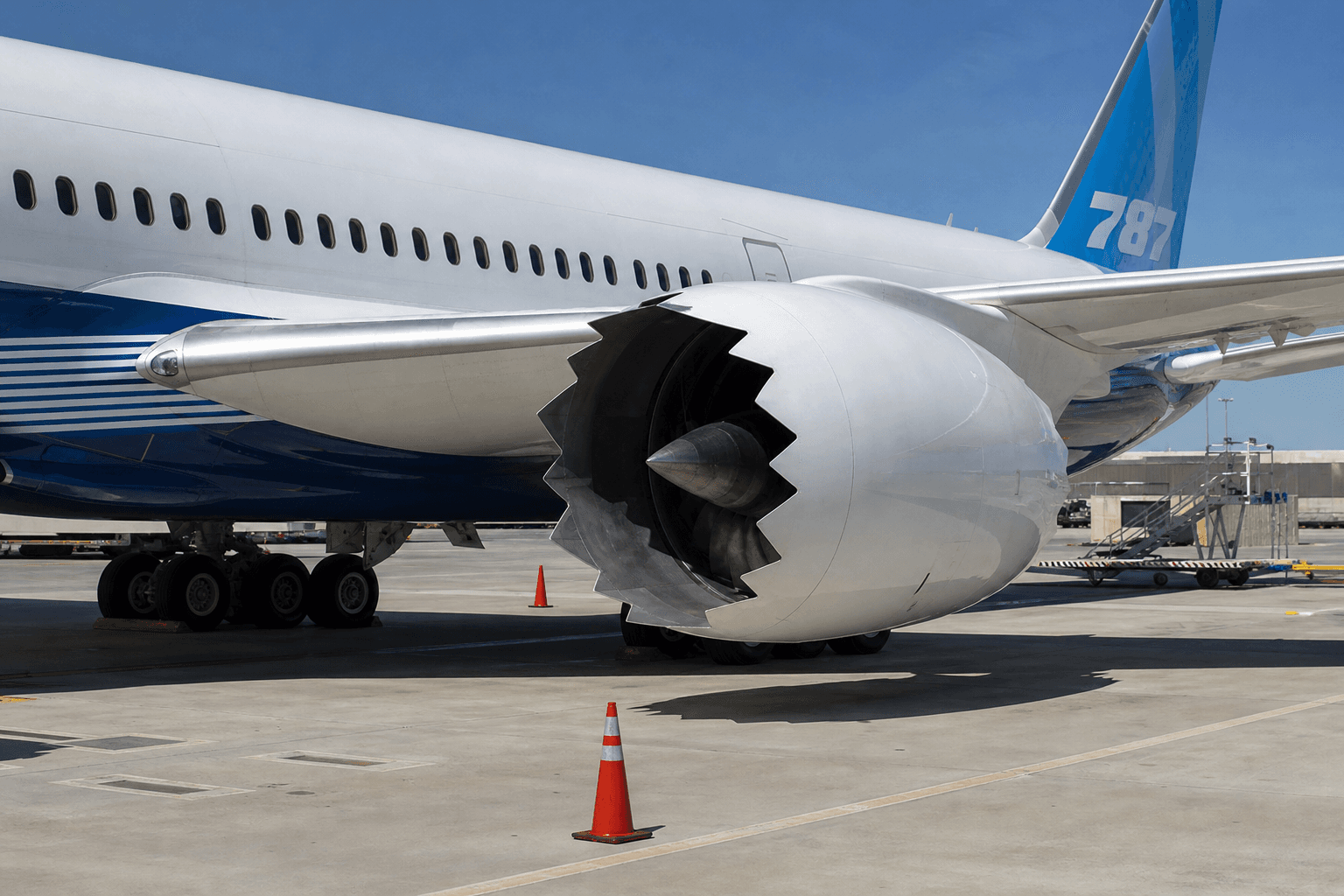
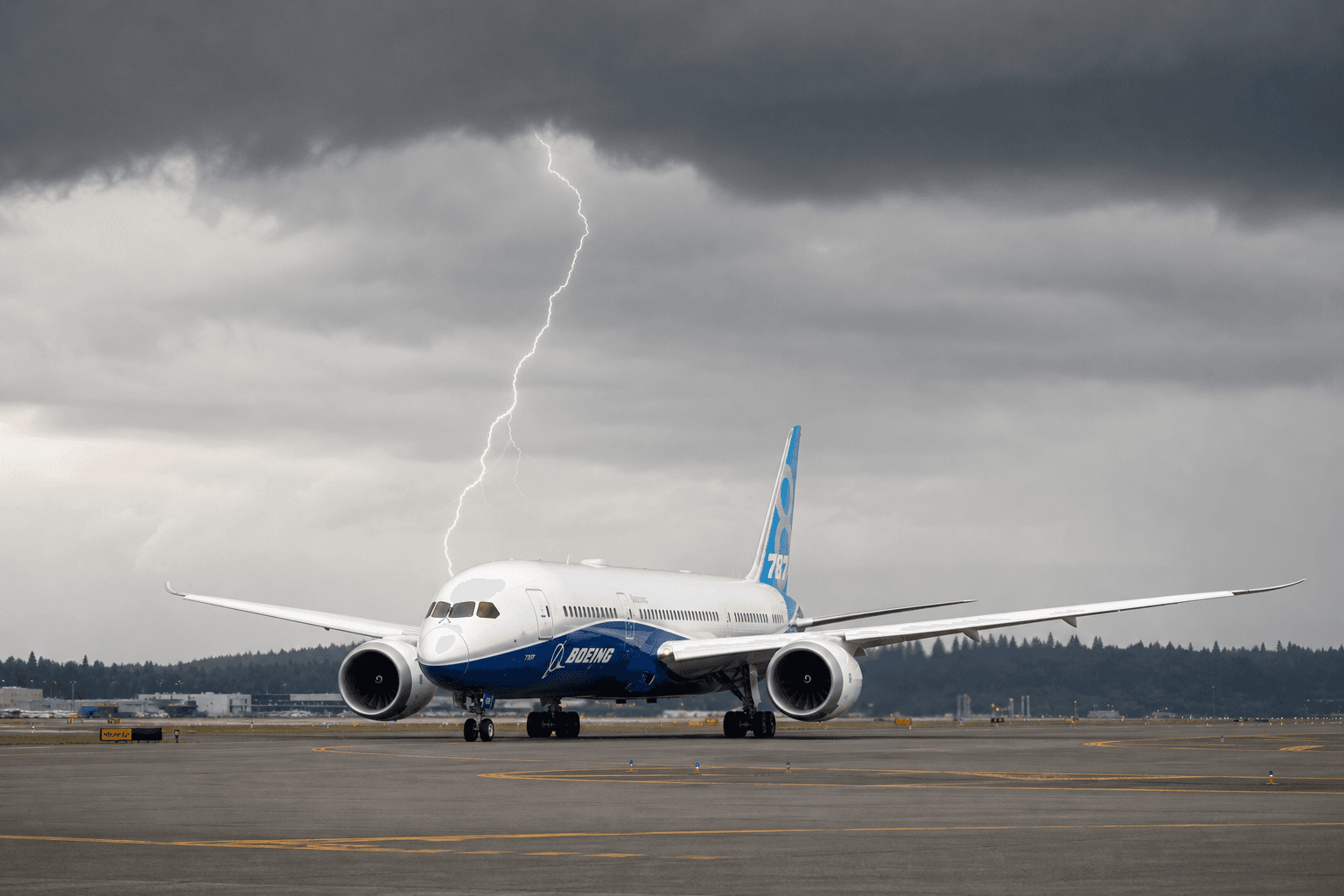
Boeing incorporated serrated trailing edges called chevrons on the engine exhaust nozzles of its 737 MAX, 747-8, and 787 Dreamliner models to address airport noise challenges. These distinctive sawtooth patterns on the nacelle rear edges were developed with General Electric and NASA as noise regulations tightened and communities pressured airlines near airports. The chevrons mix exhaust flows to reduce noise during takeoff and landing, making the aircraft notably quieter.
Chevrons work by smoothing the turbulent mixing of hot core exhaust and cooler bypass air streaming out of modern turbofan engines. Without chevrons, the interaction of these flows generates noisy turbulence. Boeing’s research and NASA studies confirmed the noise reduction effect, which led to the chevron design being applied universally on all 787 variants, as well as 747-8 and 737 MAX engines.
Despite their noise-abatement success, chevrons introduce a continuous aerodynamic drag penalty during all flight phases. The vortices created to reduce noise persist into cruise flight, where noise restrictions are less stringent but engine efficiency is critical. This drag reduces thrust output and increases fuel burn slightly, an effect estimated at roughly 0.5% thrust loss by aviation analysts. Though small, this margin impacts airline operating costs over an aircraft’s lifespan, particularly on high-utilization, short-haul narrowbodies like the 737 MAX.
Boeing faced a trade-off between meeting stringent airport noise limits with chevrons and the ongoing fuel efficiency penalty incurred during cruise. The fixed nature of chevrons means they are always active, unlike deployable aerodynamic devices that engage selectively. This trade-off drove Boeing to eventually explore alternatives and phase out chevrons on newer aircraft programs.
Airbus chose a different approach to noise reduction. It never applied chevrons on its competing aircraft families such as the A320neo or A350. Instead, Airbus relies on acoustic nacelle linings, highly efficient fan designs, and increased engine bypass ratios to manage noise without adding drag-producing chevron edges. Airbus officials have stated that chevrons did not offer sufficient noise reduction benefits to justify their impact on specific fuel consumption, even after Boeing’s patent expired in 2021.
This contrast reveals a divergent engineering and commercial approach between the two major manufacturers. While Boeing initially patented and deployed chevrons to meet noise rules, Airbus prioritized uninterrupted aerodynamic efficiency. Over time, as noise regulations and engine technologies evolved, Boeing has abandoned chevrons on newer programs, indicating a shift in design priorities.
Originally reported by Simple Flying
Read more
All Technology/eVTOL →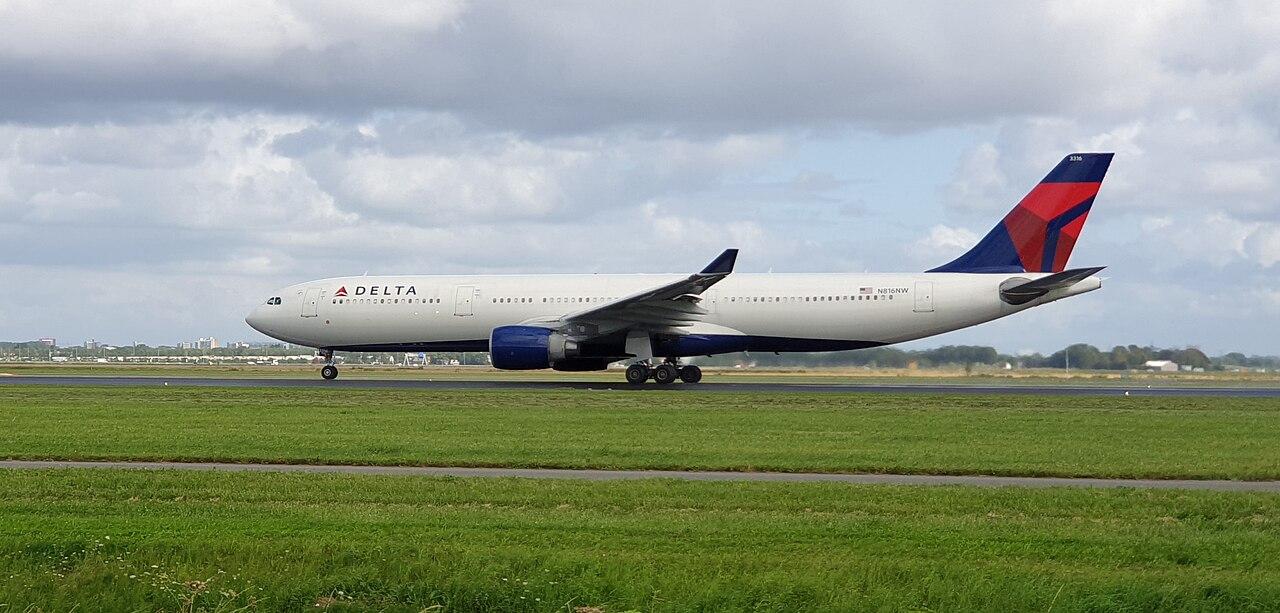
Delta Air Lines launches seasonal nonstop flights from Minneapolis to Maui
Delta began seasonal service connecting Minneapolis-St. Paul and Kahului, Maui, offering five weekly flights with Airbus A330-300 through mid-April.
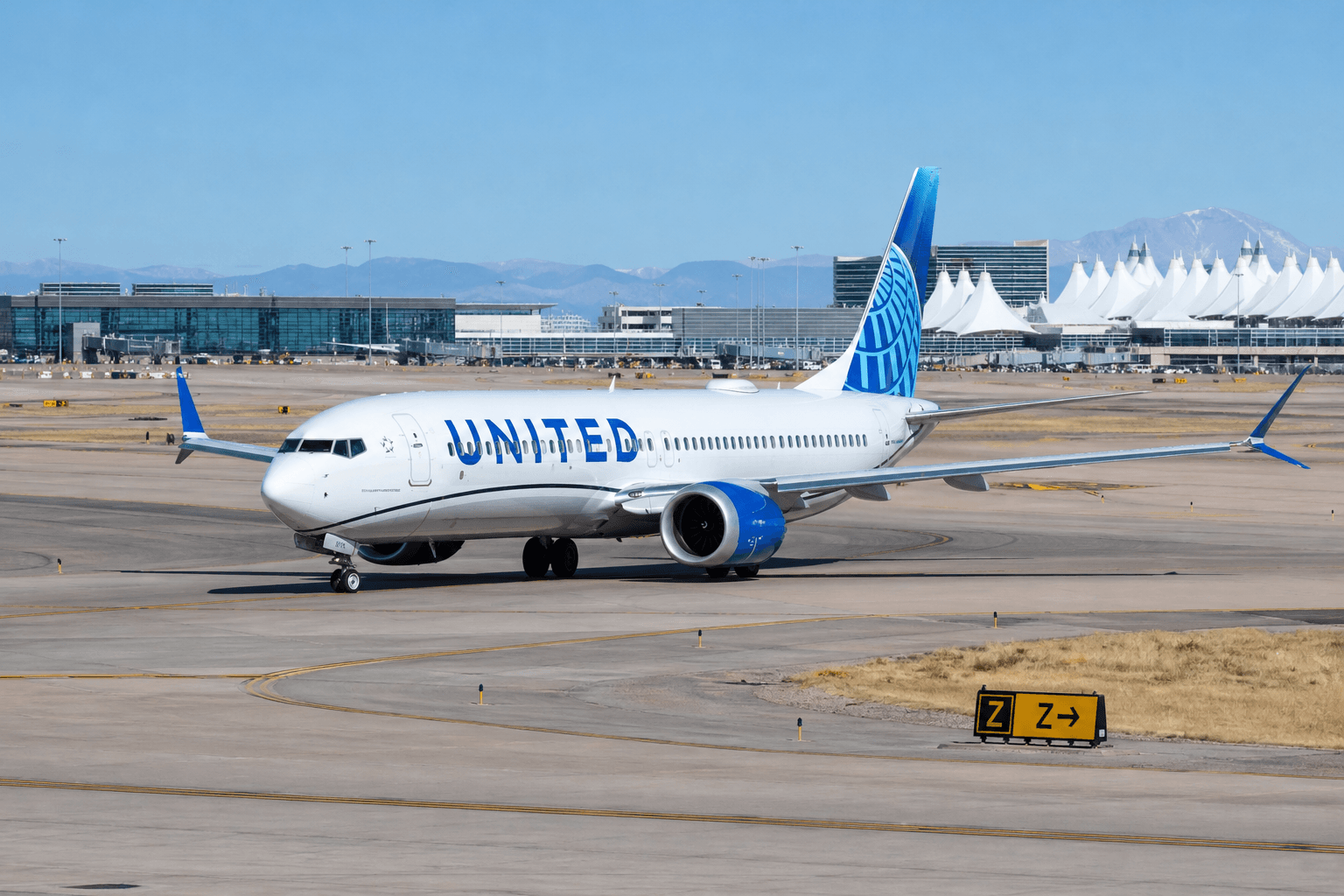
United Airlines Doubles Flights on Seven Denver Routes for Summer 2027
United Airlines will increase frequencies on seven domestic routes from Denver International Airport, doubling daily flights to several mid-sized cities for summer 2027.
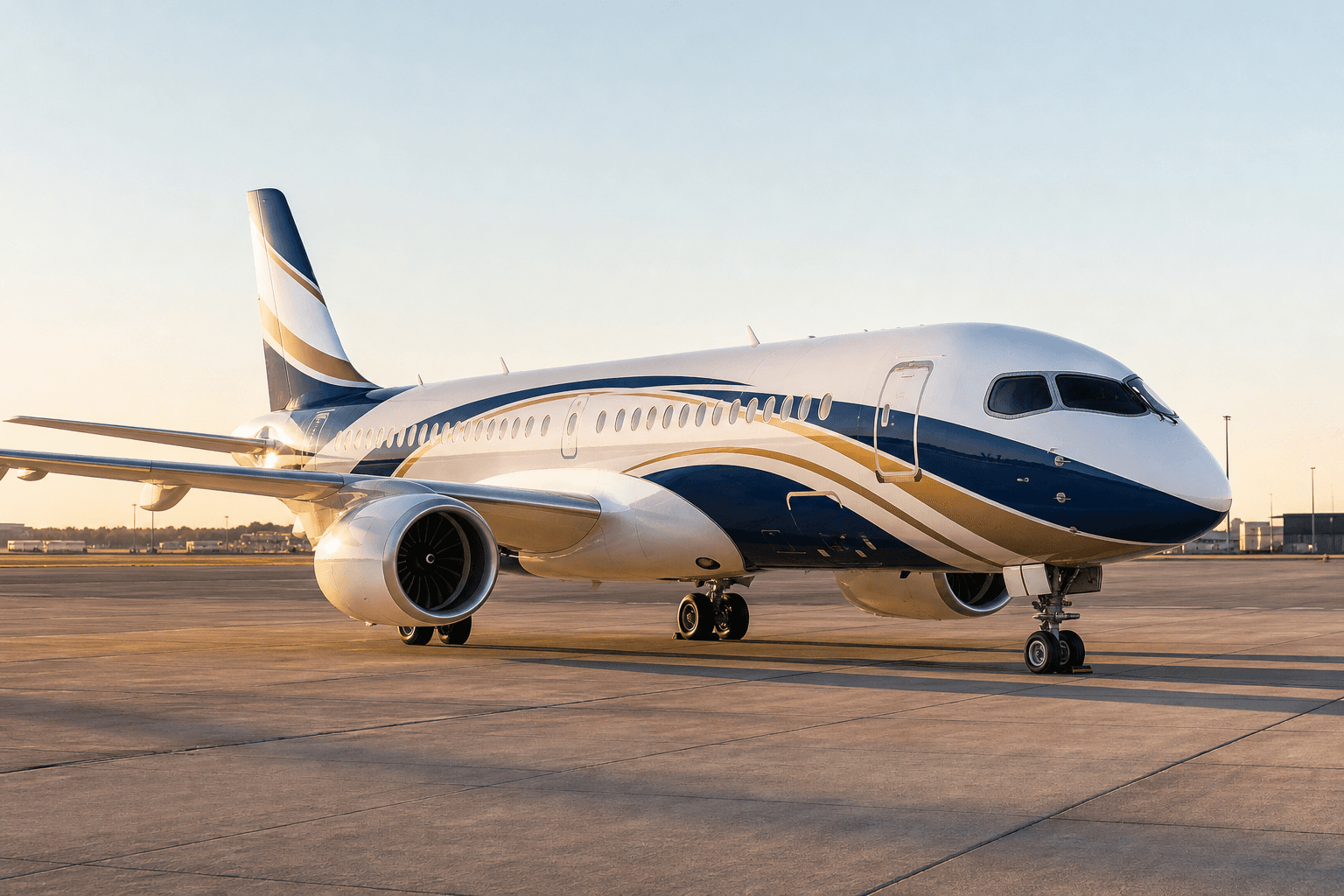
Magnifica Air Orders 10 Airbus ACJ220-300s Featuring Private Suite and 54 Seats
Florida-based Magnifica Air confirms purchase of ten ACJ220-300 corporate jets, expanding its fleet and offering a private suite in a 54-seat luxury layout.
FAA Mandates Inspections on Select Boeing 787s for Potential Fuel Tank Lightning Risk
The FAA will implement inspections next month on certain Boeing 787 variants due to sealant issues that could spark explosions during lightning strikes.
The Daily Touch & Go
The day's best aviation news in your inbox. Free, no spam.