

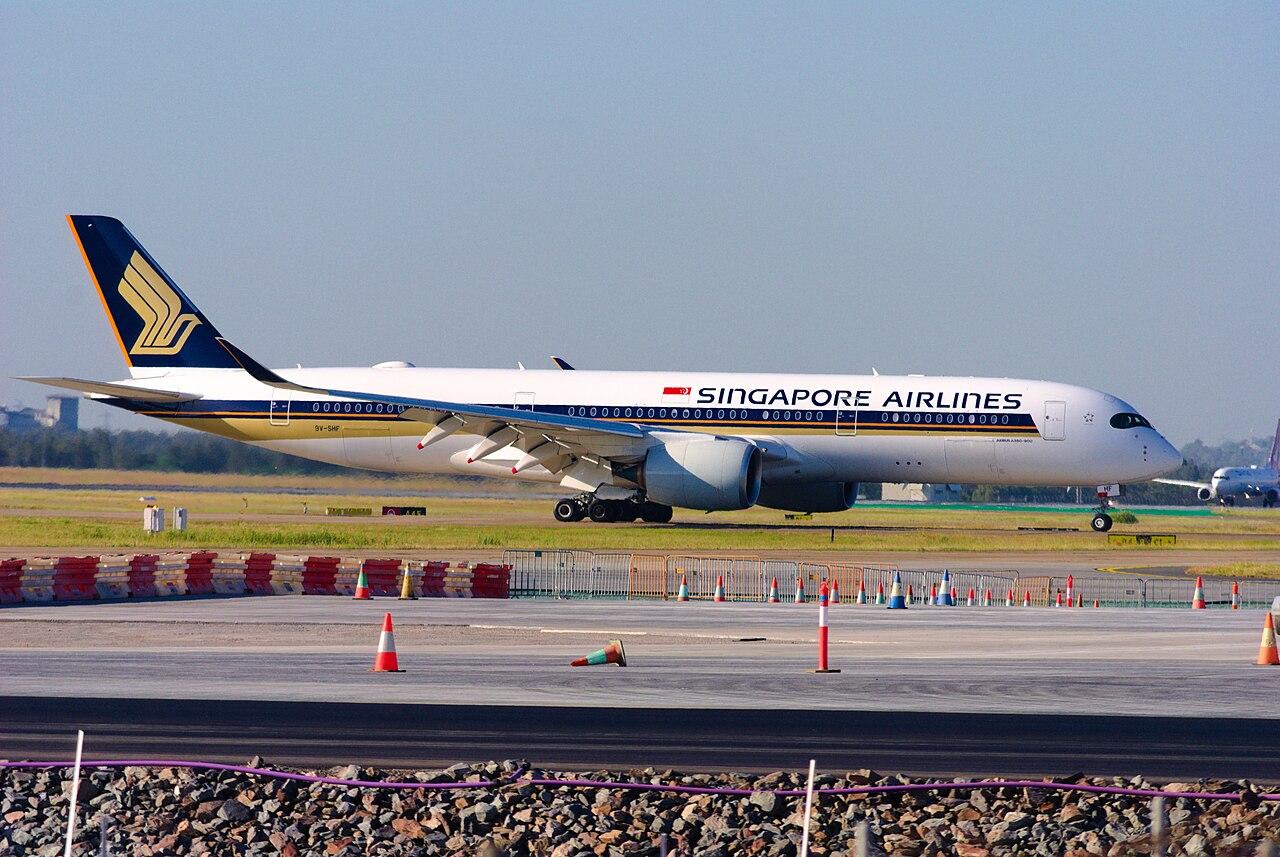
Image: DS28 · CC BY-SA 4.0 · via Wikimedia Commons
Pilots on Ultra-Long-Haul A350 Flights Must Rest Two Hours Before Landing
Federal rules require the pilot flying the Airbus A350 during landing to have two consecutive hours of in-flight rest in the second half of the flight duty period.
The gist
A350 ultra-long-haul pilots resting two continuous hours before landing is mandated to ensure alertness at touchdown.
Continuing coverage
All Airbus A350 →Federal aviation regulations specify a key rest requirement for pilots operating augmented flights, such as those on ultra-long-haul Airbus A350 services. Specifically, the pilot who is scheduled to fly the aircraft during landing must receive at least two consecutive hours of in-flight rest during the second half of the flight duty period. This rule governs not simply the total rest but precisely which pilot must rest and when, closely linked to their responsibilities at the end of the flight.
This regulation is embedded within broader rules that apply to augmented flight crews—those with more pilots than the aircraft's minimum certification requirement. The presence of additional pilots allows for inflight relief and rest periods. FAA rules also mandate a minimum of ten consecutive pre-duty hours of rest, including eight hours suitable for sleep, before a flight duty period begins. The inflight two-hour rest requirement ensures additional in-flight recovery beyond this pre-flight standard, focusing on readiness for the critical landing phase.
Singapore Airlines, operating the Singapore-New York ultra-long-haul route on the A350, employs four pilots for a roughly 20-hour duty period, double the minimum crew complement. The crew divides into two pairs, rotating control and rest periods. One documented rest split involves an equal division of about eight hours each. An alternative rotation breaks the duty into three segments with a 6/8/2 hour split, where the operating crew resumes control roughly three hours before landing. This structure allows pilots returning from rest to manage final descent preparations and updates ahead of the approach, trimming relief crew sleep to permit this early re-engagement.
The Airbus A350's crew rest facility supports these rest requirements and classifications. Located above the forward galley, accessed via a ceiling hatch unnoticed by most passengers, it contains two bunks along with reclining seats and entertainment amenities, isolated for privacy and comfort with temperature controls. This setup meets the FAA's Class 1 rest facility standards, which specify dimensions and isolation criteria for flat sleeping surfaces separate from the cabin and cockpit, allowing the longest allowed duty periods for augmented crews.
FAA guidelines define three classes of rest facilities, with Class 1 the most comprehensive, providing flat bunks in a sound-isolated, temperature-controlled environment. Classifications affect allowable flight duty periods, with Class 1 enabling the longest duty limits. The A350’s two-bunk compartment matches Class 1 criteria, supporting safe rest for multiple pilots on extended flights and enabling compliance with regulatory rest requirements during ultra-long-haul sectors.
In addition to bunk rest, pilots may employ controlled rest, which involves brief naps in the cockpit seat while another crew member remains at the controls. Controlled rest follows distinct rules: naps are limited to 40 minutes, with a mandatory 20-minute recovery period before resuming duties to address sleep inertia. Regulatory acceptance of controlled rest varies; the FAA does not currently authorize in-seat naps for Part 121 operations, whereas European authorities permit it under defined conditions.
The two-hour uninterrupted rest rule for the pilot flying at landing and the controlled rest limits serve a common purpose: to ensure pilots remain alert and capable of safely managing the approach and touchdown after ultra-long-haul operations. These detailed regulatory provisions tie directly to the safety and operational control of flights with extended durations, such as those undertaken by the A350 on routes like Singapore to New York.
Crew changeovers during flight follow formal protocols involving comprehensive briefings covering fuel status, weather updates, and air traffic, ensuring pilots returning to the controls are fully informed of current conditions. This handover procedure aligns with the structured rest periods, supporting continuous situational awareness through the long operation.
Originally reported by Simple Flying
Read more
All Flight Training →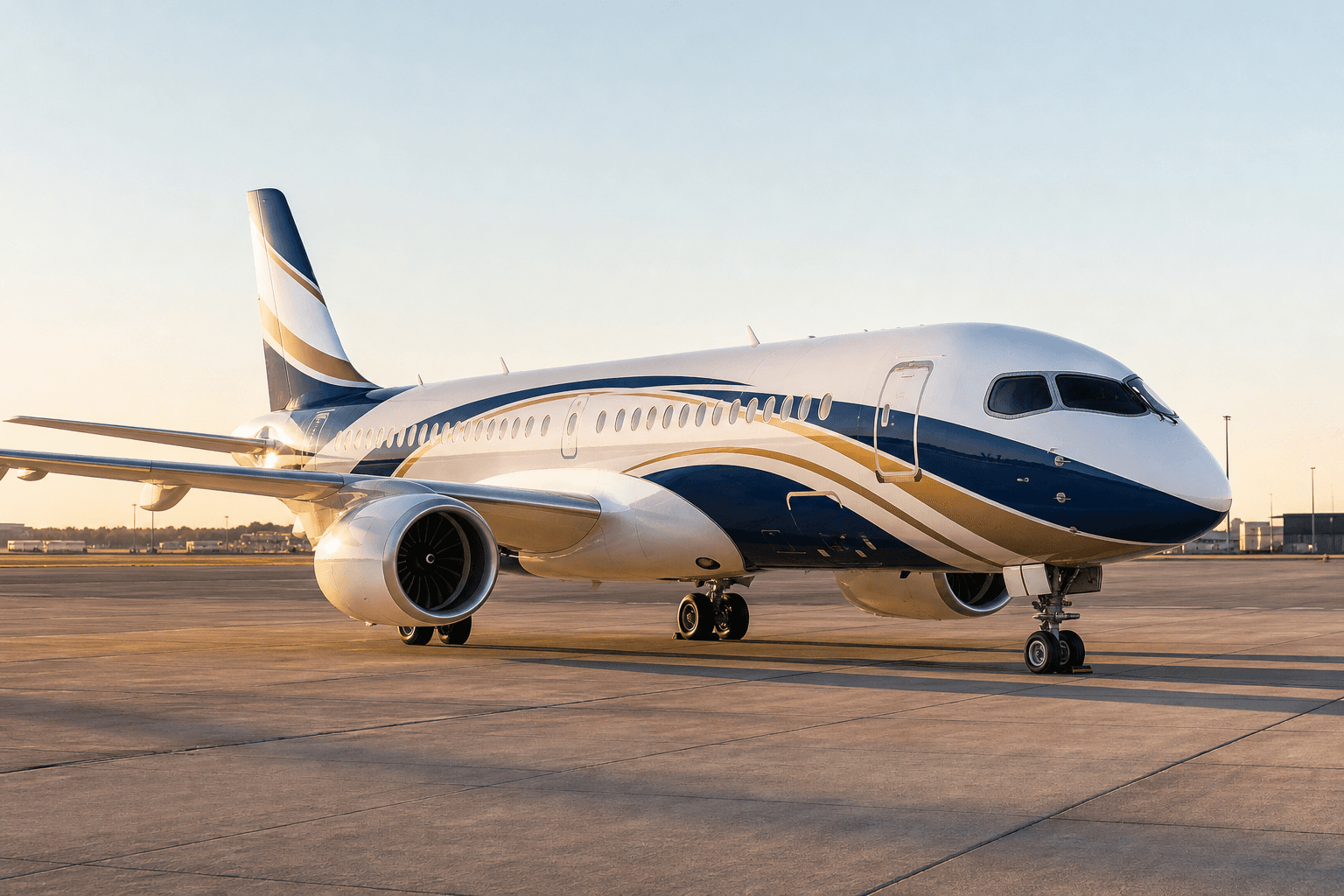
Magnifica Air Orders 10 Airbus ACJ220-300s Featuring Private Suite and 54 Seats
Florida-based Magnifica Air confirms purchase of ten ACJ220-300 corporate jets, expanding its fleet and offering a private suite in a 54-seat luxury layout.
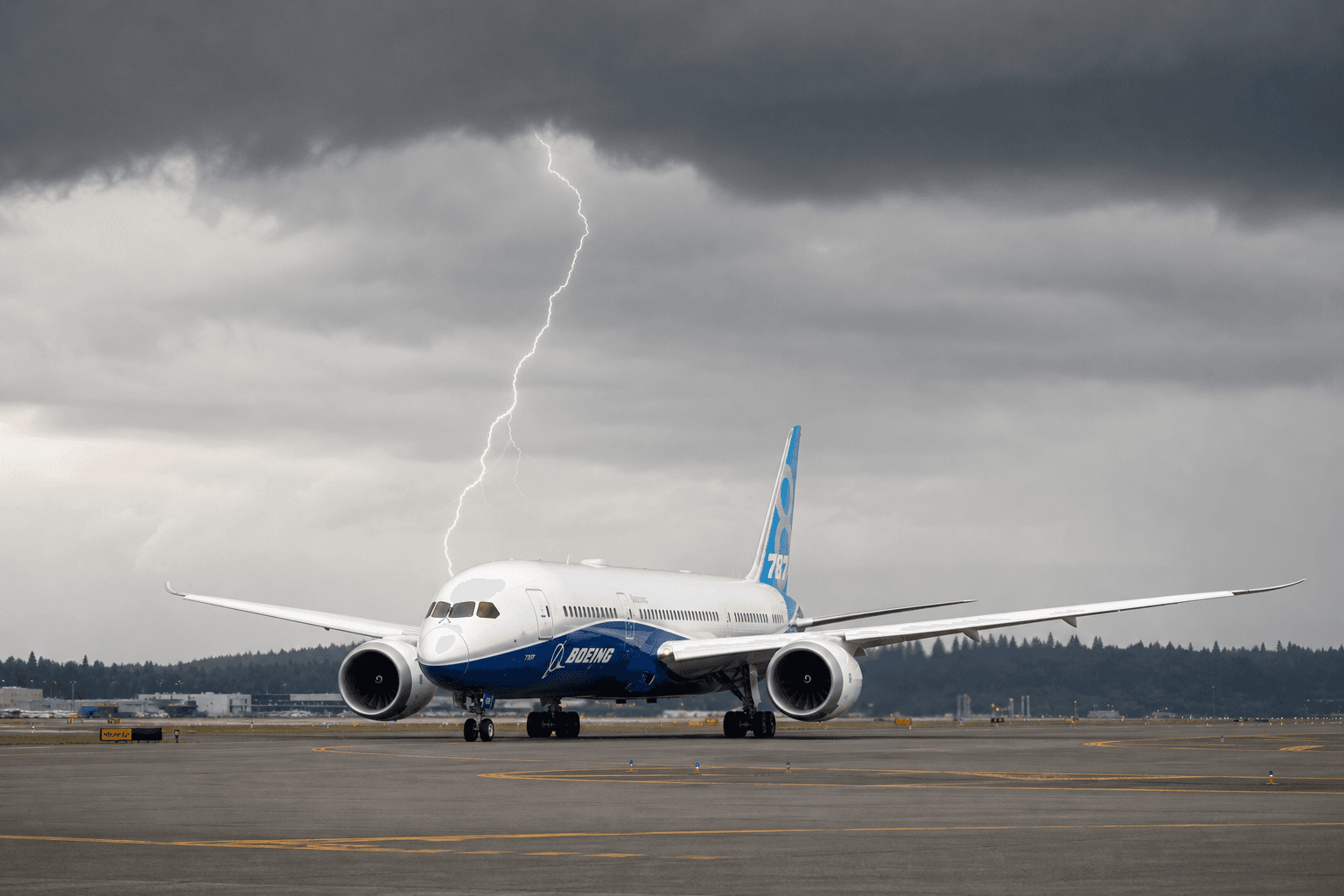
FAA Mandates Inspections on Select Boeing 787s for Potential Fuel Tank Lightning Risk
The FAA will implement inspections next month on certain Boeing 787 variants due to sealant issues that could spark explosions during lightning strikes.
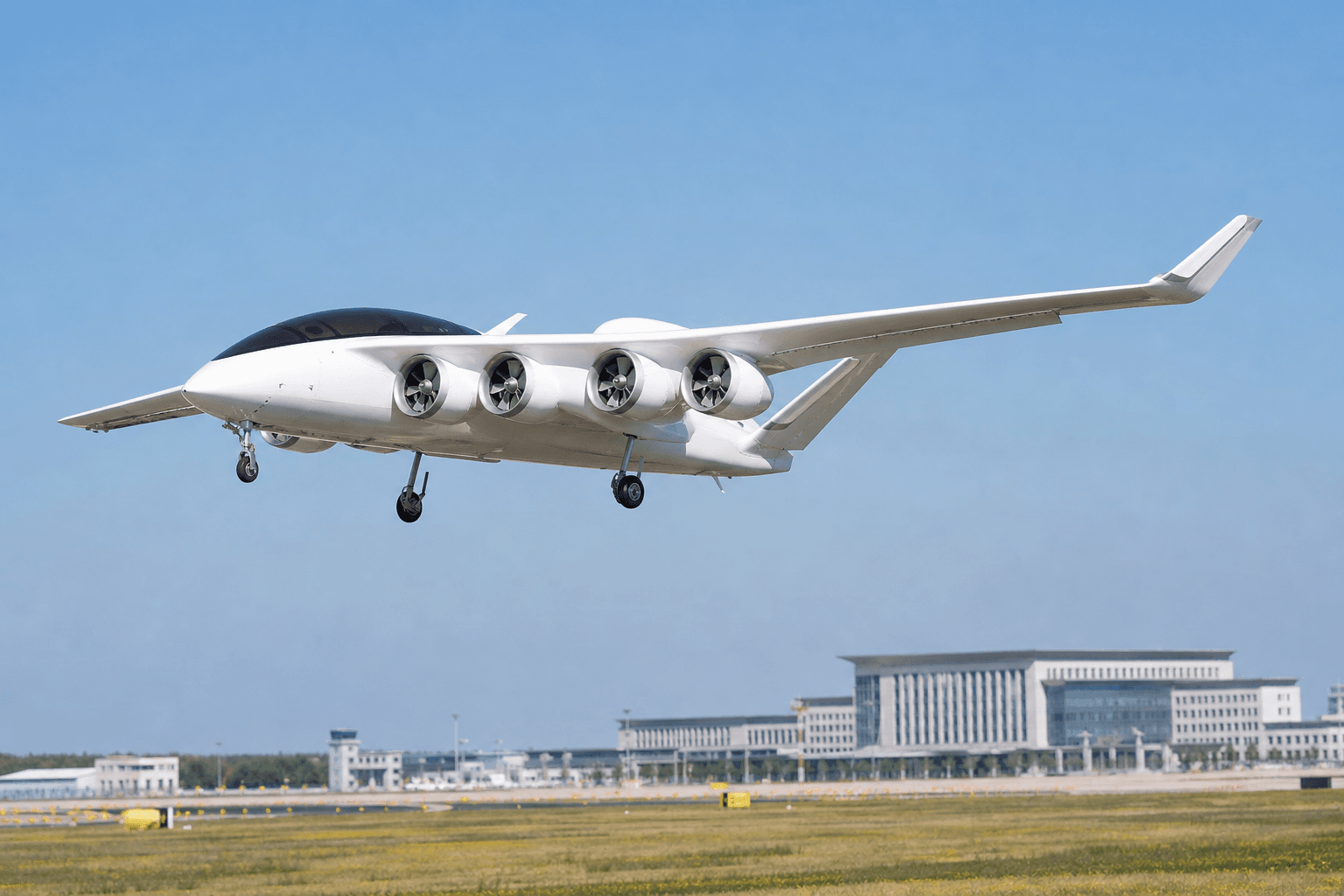
COMAC completes first piloted flight of CE-25A electric regional aircraft
China's COMAC flew its domestically developed CE-25A electric aircraft with pilots aboard for the first time, demonstrating key progress in fixed-wing electric commercial aviation.
Delta Air Lines Uniquely Operates Mainline Jets with Under 110 Seats in U.S.
Delta's mainline fleet includes the 109-seat Airbus A220-100 and 110-seat Boeing 717, making it the only major U.S. airline with mainline jets under 110 seats, influenced by pilot agreements and operational strategy.
The Daily Touch & Go
The day's best aviation news in your inbox. Free, no spam.