
Illustration: The Touch & Go
Cirrus Launches TRAC10, a Three-Seat Turboprop Trainer Focused on Flight School Needs
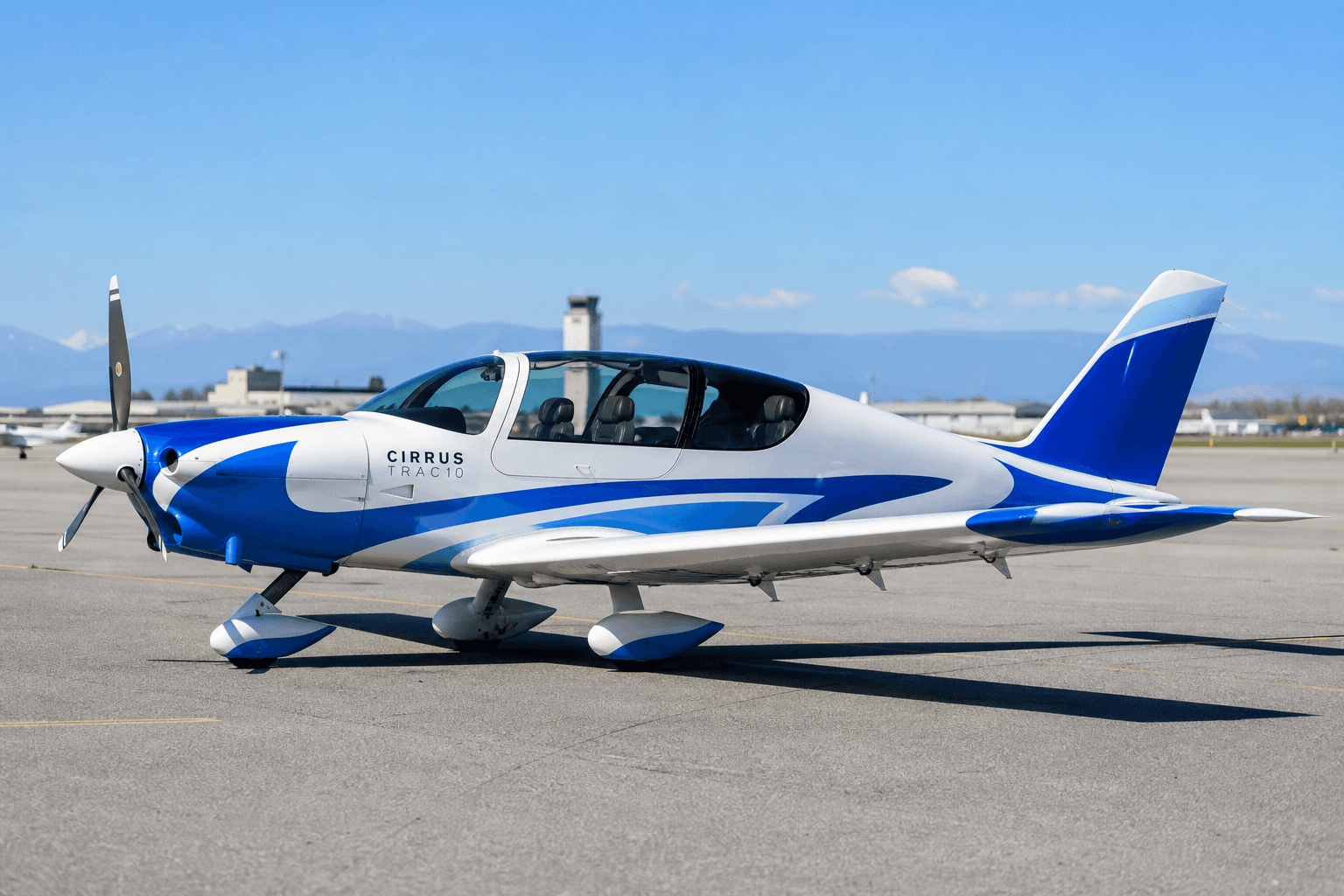
Cirrus announced the TRAC10, a three-seat trainer powered by a turbocharged Rotax 912 iSc engine, designed to enhance professional pilot training with safety and efficiency in mind.
The gist
Cirrus introduces the TRAC10, a first-of-its-kind three-seat trainer with advanced safety and efficiency features, targeting flight schools worldwide.
Cirrus Aircraft unveiled the TRAC10 on July 6, a clean-sheet-designed training aircraft built specifically for the demands of professional flight schools. Featuring a three-seat configuration and powered by a turbocharged Rotax 912 iSc engine producing 160 horsepower, the TRAC10 aims to redefine modern pilot training with a focus on safety, economy, and operational efficiency. Cirrus president of innovation and operations Pat Waddick described the model as a complete reimagination of the trainer class, developed through the company's extensive industry experience over three decades.
The TRAC10’s powerplant choice is notable for its combination of performance and fuel flexibility. Employing a full authority digital engine control (FADEC) system, the Rotax 912 iSc consumes about 5.9 gallons per hour when operated at 65 percent power, offering cost savings for high-utilization training fleets. The engine is compatible with unleaded automotive fuels such as 91/94 octane and certain mogas blends, in addition to traditional avgas, giving flight schools fuel sourcing flexibility and potentially reducing operating expenses.
Safety is a top priority in the TRAC10 design. The aircraft is equipped with the trademark Cirrus Airframe Parachute System, providing a whole-airframe ballistic parachute for emergency situations. Additionally, it integrates Garmin avionics equipped with Electronic Stability and Protection and a one-button leveling feature, enhancing situational awareness and flight envelope protection. The trainer includes stick-shakers to simulate the stall behavior of turbine aircraft, a critical training aspect for pilots progressing toward complex, multi-engine operations.
The TRAC10’s three-seat cockpit arrangement underlines its training mission. In addition to the instructor and trainee seats, the third seat is strategically positioned for an observer or additional instructor, facilitating optimized learning through observation and dual-instructor instruction. Adjustable seating and rudder pedals accommodate a range of pilot statures, while the interior materials are chosen for durability to withstand the rigors of frequent use in high-volume training environments. Optional air conditioning further elevates the in-cockpit comfort, important during long hours of training.
The aircraft’s wing design incorporates a cuffed wing to improve spin resistance, adding a layer of safety by reducing the likelihood of inadvertent spins. This aerodynamic refinement supports slower stall speeds, giving instructors and students more manageable handling characteristics at the low speeds common to training operations. These features align with Cirrus’s strategy to provide purpose-built aircraft that serve pilot training needs from initial instruction through to airline preparatory phases.
Cirrus CEO Zean Nielsen emphasized the company’s intention with the TRAC10 to meet the full spectrum of needs faced by flight schools today. With an emphasis on connectivity and reliability alongside safety and efficiency, the TRAC10 targets increasing the effectiveness and reach of professional pilot training programs worldwide. The $499,900 starting price point situates it competitively within the trainer market, capturing operators focused on total cost of ownership and operational robustness.
Production of the TRAC10 is planned at Cirrus’ Duluth, Minnesota facility, leveraging the company’s manufacturing capabilities and workforce expertise. Cirrus expects deliveries to begin in the United States in 2027, followed by international shipments starting in 2028. Already, the aircraft has garnered significant interest, with 100 firm orders secured from thirteen flight schools across different global regions, indicating strong market demand for a trainer with these combined characteristics.
The TRAC10 introduction arrives amid increasing pilot demand worldwide, especially for airline-ready training aircraft that can bridge student pilots into turbine operations efficiently. By blending modern avionics, innovative safety systems, and an engine optimized for low operating costs and fuel flexibility, Cirrus seeks to address operator challenges while elevating pilot proficiency. This aircraft adds a distinctive option to the training fleet landscape, positioned between traditional piston trainers and more costly turboprop trainers currently dominating airline pilot pipeline preparation.
Read more
All Flight Training →
Pilots urged to review aircraft renters insurance to avoid costly liability gaps
Many pilots who rent or borrow aircraft assume that the FBO, flight school, or aircraft owner's insurance will protect them if something goes wrong. Unfortunately, that is not always the case.

US Aviation Academy's Air Force Contract Boosts Pilot Career Pipeline for Civilians
Landmark Air Force contract creates employment pipeline most flight schools can't match.

Aviation Groups Warn Flight Training Cap on GI Bill Threatens Veteran Pilot Careers
The groups argue that proposed limits on GI Bill flight training benefits would restrict veterans' access to aviation careers.
Embry-Riddle's Proposed Flight Training Facility at Deep Woods Ranch Faces Local Opposition
Residents have voiced concerns about noise, traffic, and environmental impact as the proposal moves through local review.
The Daily Touch & Go
The day's best aviation news in your inbox. Free, no spam.