

Illustration: The Touch & Go
Embry-Riddle's Proposed Flight Training Facility at Deep Woods Ranch Faces Local Opposition
Embry-Riddle Aeronautical University aims to upgrade Deep Woods Ranch Airport into a satellite training center, but nearby residents object over noise and environmental impacts.
The gist
Embry-Riddle plans a new flight training site in rural Florida, but locals resist over concerns about noise and community disruption.
Continuing coverage
All Flight Training →- Ohio Pilot Mike McCoy Turns Passion Into Ownership and Aviation Career
- 1966 Cessna 150G Offers Affordable Time-Building with Modern Avionics Upgrade
- 2007 Diamond DA40-FP Offers Reliable Composite Flight Training and Cross-Country Capability
- Part 141 Flight Schools Require Approved Airports for Cross-Country Flights to Count
- Texas Cadet Sebastian Vargas Becomes 200th Private Pilot Funded by Ray Foundation Through CAP
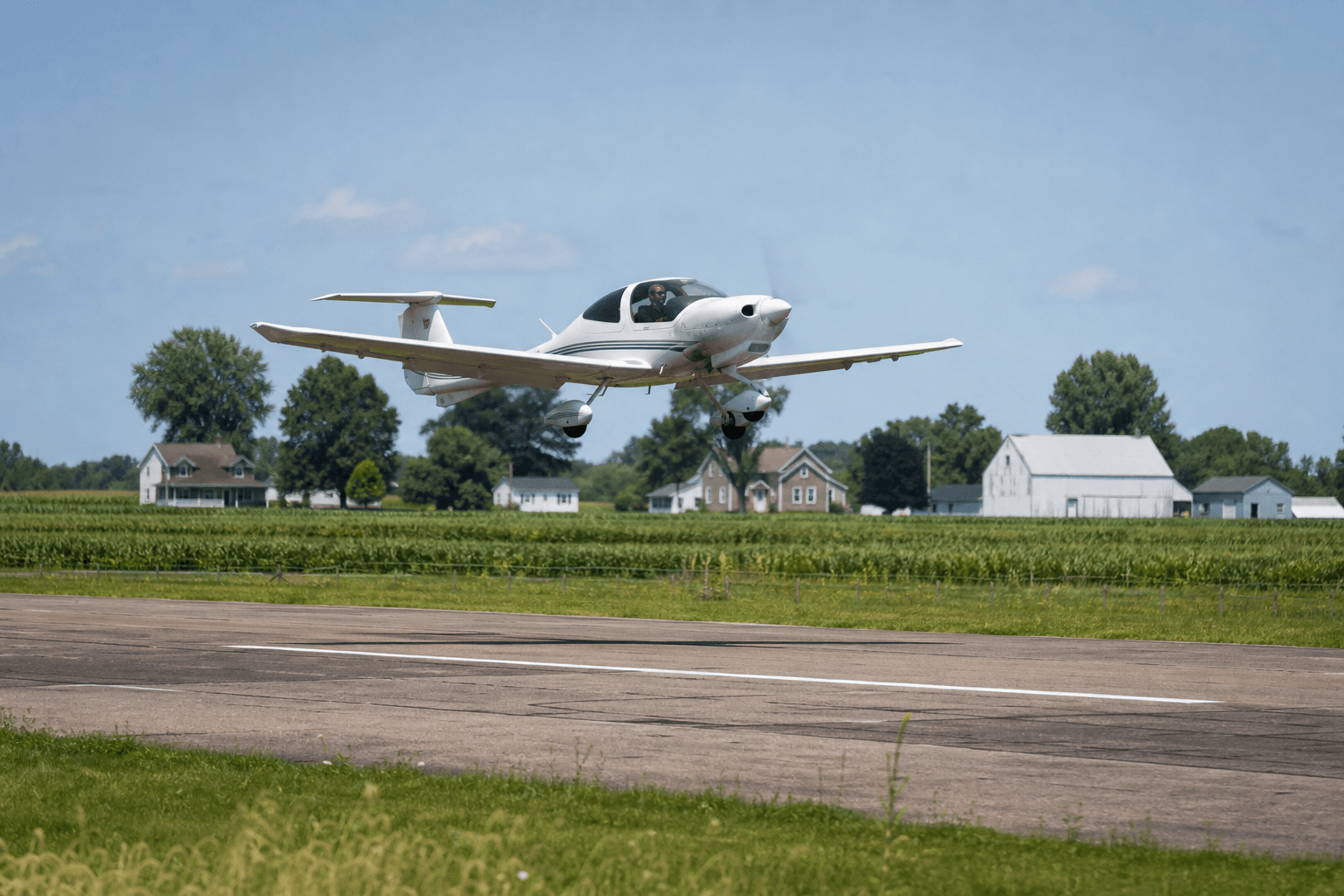
Embry-Riddle Aeronautical University has proposed transforming Deep Woods Ranch Airport, a small private grass airstrip near Paisley, Florida, into a paved runway and associated aviation infrastructure. The university envisions this upgrade as a satellite facility to support its expanding pilot training programs. The plan includes constructing hangars and security fencing to facilitate intensive flight instructional activities, meeting the increased demand for trained pilots industry-wide.
The airstrip currently exists in a predominantly rural and low-density residential setting within Lake County, where the quiet character of the surrounding area is highly valued by residents. Local community members have voiced persistent concerns over the anticipated increase in aircraft movements, which they fear will generate excessive noise pollution and affect the peacefulness of their neighborhood. These concerns were prominent during public forums where residents articulated skepticism about the project's fit with local land use and lifestyle.
Environmental implications also surfaced as a key issue with the proposal. Many residents are worried that the planned enhancements—particularly the conversion from grass to paved surfaces and expanded operations—could disrupt nearby natural habitats and put strain on local roads that are already lightly trafficked. The potential for increased vehicular and aircraft traffic prompted questions about the adequacy of infrastructure to handle the activity spike without degrading environmental quality or road safety.
Embry-Riddle frames the development as vital to expanding its distributed flight training network, designed to address a persistent pilot shortage affecting the aviation sector. By utilizing a rural, less congested site, the university intends to relieve capacity constraints at its main campuses and provide student pilots with diverse operational experience. This strategy aligns with broader trends in flight training that emphasize satellite locations to maximize resource availability and optimize scheduling flexibility.
County officials are currently engaged in evaluating the project as it navigates the necessary permitting and land use approval processes. The review encompasses assessments of economic benefits including job creation, increased regional activity, and educational advancement opportunities presented by the facility. However, these factors must be balanced against community quality of life considerations and environmental stewardship requirements articulated by planning authorities.
As the proposal advances through regulatory channels, additional hearings and impact studies are expected. Embry-Riddle remains committed to working through these processes while maintaining the vision of expanding its training footprint. The university’s efforts illustrate the challenges of integrating growing aviation education demands with the preservation interests of rural communities.
The Deep Woods Ranch project highlights a notable tension between the aviation sector’s workforce development imperatives and local residents’ desire to maintain their community’s character. Similar conflicts are emerging nationwide where flight schools seek out affordable, less congested sites for training expansion. How these competing priorities are reconciled will influence the future patterns of pilot education facility siting.
In terms of next steps, deepening engagement with stakeholders and potentially modifying aspects of the plan to mitigate noise and environmental concerns could play a role in reaching a resolution. Continued public participation and rigorous environmental review will shape the scope and timing of any construction or operational rollout. For now, the proposal remains under active consideration by Lake County officials, underscoring the complex interplay of aviation growth and rural community values.
Read more
All Flight Training →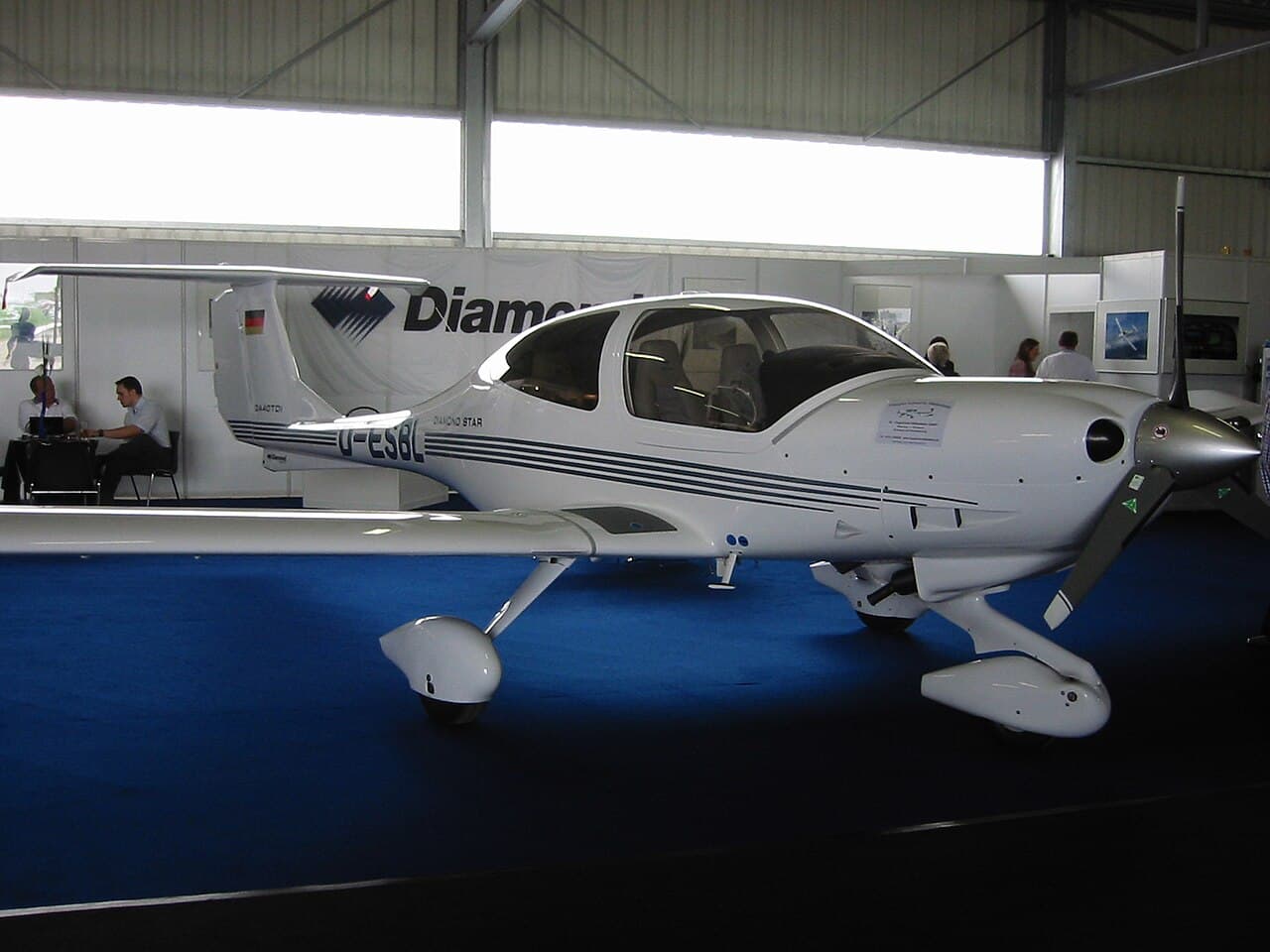
2007 Diamond DA40-FP Offers Reliable Composite Flight Training and Cross-Country Capability
Every day, the team at Aircraft For Sale chooses an airplane that catches our attention because it is unique, a good deal, or has other qualities we find interesting. You can read Aircraft For Sale: Today's Top Pick at FLYINGMag.com daily. Today's Top Pick is a 2007 Diamond DA40. Standing out in the aviation landscape with its aerodynamically efficient composite construction, the Diamond DA40 has cultivated a stellar reputation as a highly capable and forgiving platform. This 2007 Diamond DA40-FP Diamond Star presents an exceptional opportunity for first-time aircraft owners or flight schools looking to acquire a reliable, economical cross-country machine. The airframe boasts 5,870 hours total time since new (TTSN) and a clean pedigree with no known damage history and completely intact logbooks. Sitting in the pilot's seat reveals an advanced instrument layout centered around a fully integrated Garmin G1000 flight deck, offering phenomenal situational awareness for IFR operations. The dual 10-inch primary and multi-function displays are supported by dual Garmin GIA 63 integrated radio modules, a GRS 77 solid-state AHRS, and a GTX 335R transponder. While configured as a non-WAAS setup without an autopilot, the panel provides an exceptional environment for building genuine stick-and-rudder instrument proficiency. The cockpit is outfitted with several thoughtful utilitarian touches designed for comfort and practicality. The installation of a larger factory-style bubble canopy provides significantly increased headroom, making it ideal for taller pilots or demanding flight school operations. Further cabin refinements include a four-way baggage compartment system, canopy vent window scoops, dual USB power ports, and a convenience package featuring integral cupholders and large-capacity side pockets. 2007 Diamond DA40 [Credit: Aerista] Moving beyond the sleek composite lines, the nose section houses a proven and dependable Lycoming IO-360 powerplant that consistently delivers economical operation and predictable performance. Providing a respectable 829-pound useful load, this aircraft is further enhanced by several valuable upgrades, including a Power Flow tuned exhaust system that maximizes efficiency and a Plane-Power heavy-duty alternator. A pre-installed EZ Heat engine pre-heater ensures the powerplant is protected during cold-weather operations. Underscoring its readiness for immediate flightline duty, the aircraft is backed by a fresh annual inspection recently completed in January 2026. This thorough checkup guarantees mechanical integrity and dispatch reliability right out of the gate, with the ELT inspection not due until May 2027. Listed at $224,900 , this Colorado-based 2007 Diamond DA40-FP Diamond Star provides an affordable and highly attractive pathway into modern composite aircraft ownership. If you're exploring ownership options, FLYING Finance can help get you airborne. Use our airplane loan calculator to estimate your monthly payments, or connect with an aviation finance expert at flyingfinance.com . FLYING Magazine: Diamond's DA40 NG Just Might Be What the General Aviation Market Is Clamoring For FLYING Magazine: Diamond Offers a Year's 'Free Flying' for DA40 Buyers FLYING Magazine: UNSW School of Aviation Expands Diamond Fleet Plane + Pilot : Rediscovering the Diamond DA40 Plane + Pilot : Diamond DA40 XL: Polishing the Diamond Star Plane + Pilot : Diamond Aircraft to Build Electric DA40 Model The Aviation Consumer: Used Aircraft Guide: Diamond DA40 Star The Aviation Consumer : Diamond DA40 Star
Cirrus Launches TRAC10, a Three-Seat Turboprop Trainer Focused on Flight School Needs
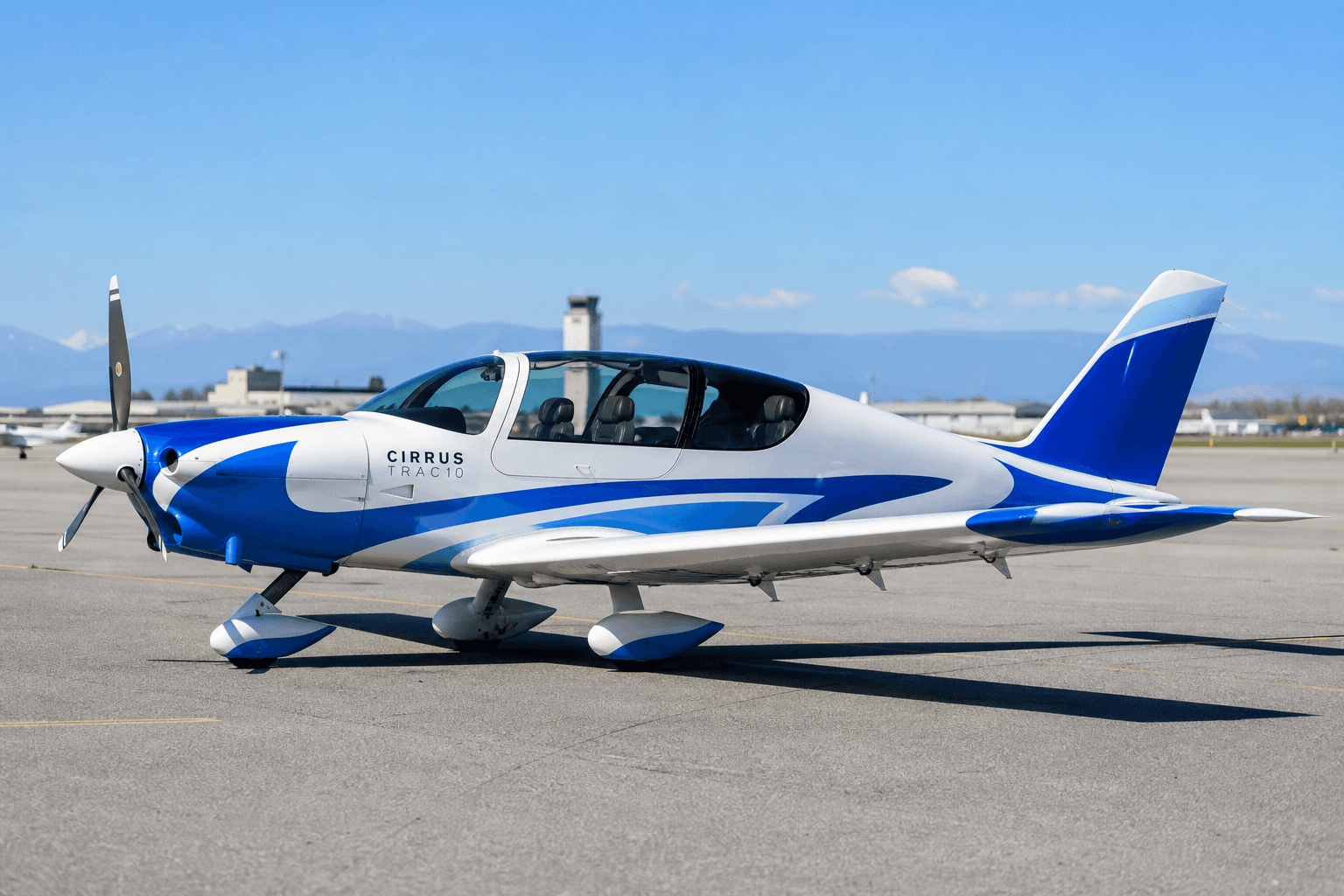
Cirrus announced July 6 the forthcoming arrival of a three-seat trainer with a Rotax engine and a mission to fill flight school lines with what Pat Waddick, president of innovation and operations, called a "complete reimagining of the modern training aircraft."

From Build Nights to Solo Flight: Cadet Carter Froehlich's Aviation Journey
By Josh Manring, EAA 1387901 For Cadet 2nd Lt. Carter Froehlich, Civil Air Patrol, aviation started with a trip to EAA AirVenture Oshkosh. In 2015, Carter attended AirVenture with his father at just 5 years old. They camped for the entire week, surrounded by airplanes, air shows, and aviation enthusiasts from around the world. "It […]
Pilots urged to secure renters insurance amid limited owner policy coverage
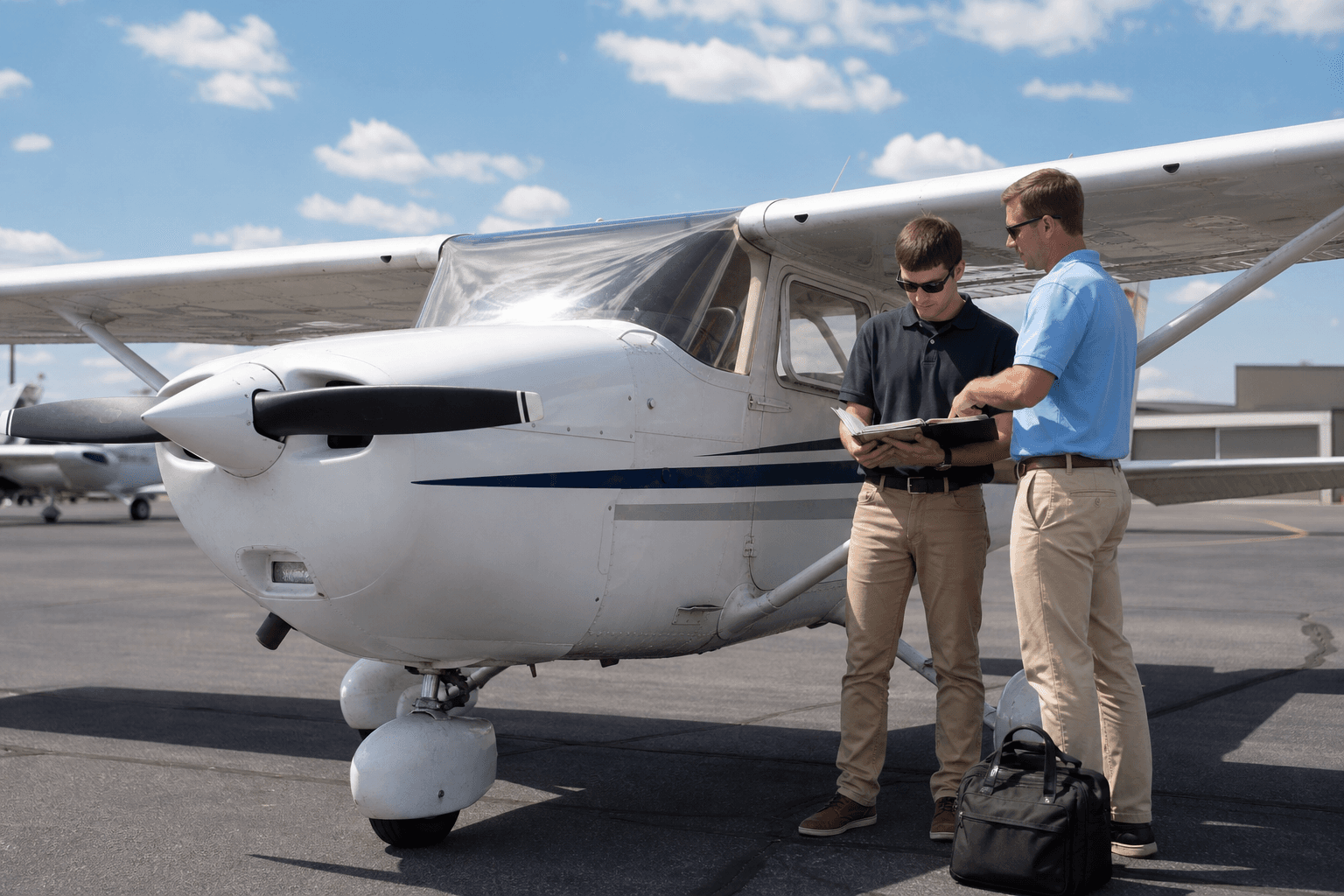
Many pilots who rent or borrow aircraft assume that the FBO, flight school, or aircraft owner's insurance will protect them if something goes wrong. Unfortunately, that is not always the case.
The Daily Touch & Go
The day's best aviation news in your inbox. Free, no spam.