

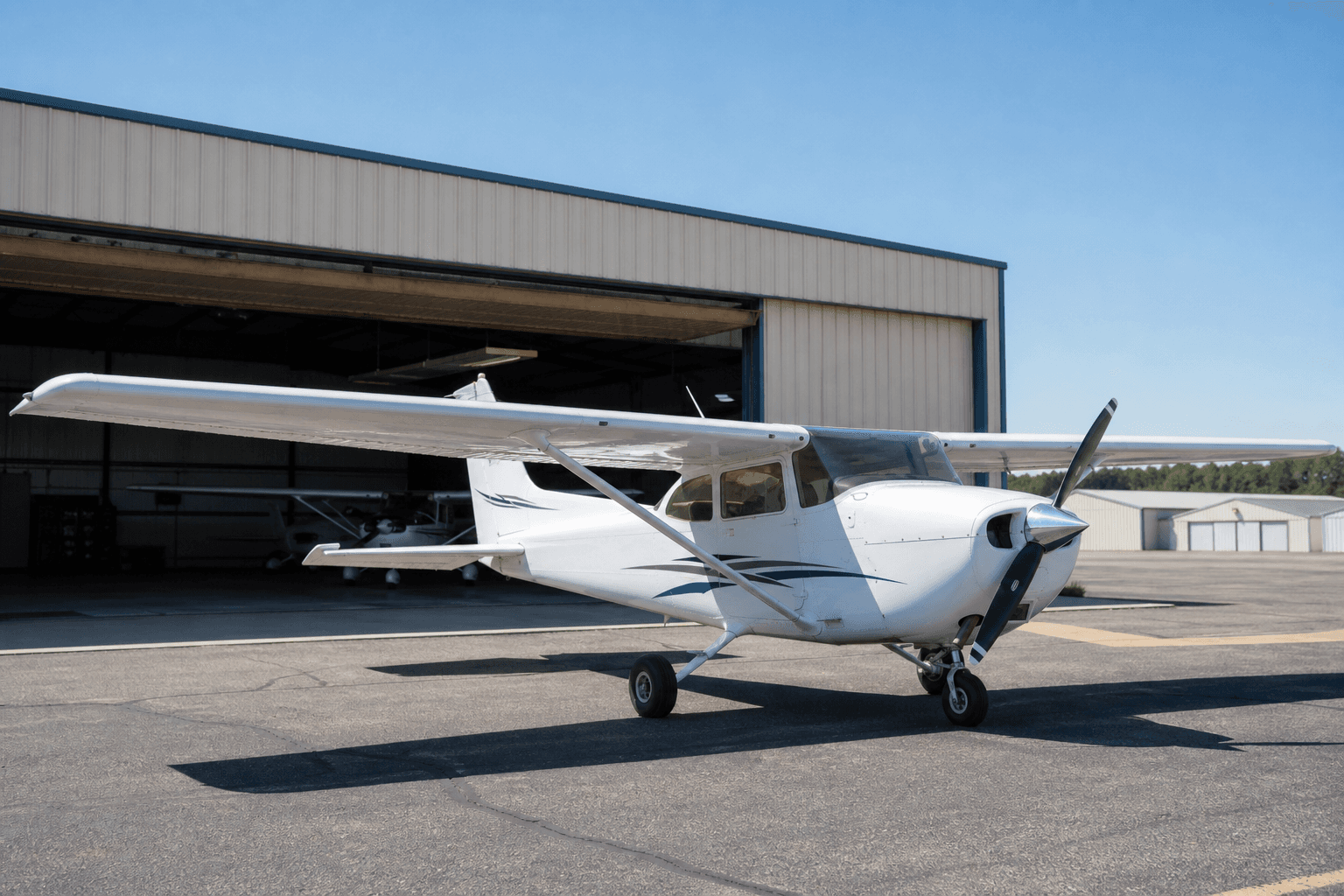
Illustration: The Touch & Go
Pilots urged to review aircraft renters insurance to avoid costly liability gaps
Renters insurance can protect pilots from significant out-of-pocket expenses often not covered by aircraft owners' policies, experts warn.
The gist
Pilots renting aircraft face financial risk if relying solely on owner insurance; renters insurance offers crucial liability protection.
Many pilots who rent or borrow aircraft operate under the assumption that the insurance held by the flight school, fixed base operator (FBO), or aircraft owner will shield them from financial liability in case of an accident. However, this is often not the case—owners' policies may provide no or only limited coverage for the pilot flying the aircraft. This gap can leave pilots personally responsible for costly damages if they are found legally liable for an incident or accident.
Aircraft renters insurance is designed specifically to safeguard these pilots, offering liability and physical damage coverage tailored to their individual activities and experience. Purchasing this insurance helps mitigate financial exposure, providing peace of mind for pilots who do not own the aircraft they fly but want protection beyond that afforded by the owner's policy.
Not all renters insurance policies are alike, and pilots should be cautious when selecting coverage. Lower premiums can be tempting but may come with reduced coverage limits or restrictive provisions that jeopardize adequate protection. A thorough comparison and understanding of policy details is essential to ensure the coverage aligns with the pilot’s operational profile and financial security goals.
Key factors in purchasing renters insurance include selecting appropriate liability limits and physical damage coverage. Underwriters typically require information about the pilot's flight experience, types of aircraft flown, and flying activities. This data ensures the policy reflects the actual risks, providing tailored coverage that matches the pilot's flying habits and expertise level.
Gallagher Aerospace serves as the Aircraft Owners and Pilots Association (AOPA)'s preferred provider for renters insurance, assisting pilots through this process. Their aviation insurance specialists help clarify coverage options with real-world examples and guide pilots toward policies that meet both protection needs and budget constraints, simplifying what can be a complex decision.
Given the financial risks involved, pilots are encouraged to review and update their renters insurance before each rental flight. Ensuring the right coverage is in place avoids surprises and costly liabilities that can arise unexpectedly in the event of damage or accidents. The proactive approach to insurance safeguards both the pilot and the aircraft owner’s interests.
The process to secure renters insurance is streamlined. Pilots interested in obtaining coverage can quickly evaluate options and set up policies online at Gallagher Aerospace's portal or by contacting their aviation specialists directly via phone. This accessibility supports pilots in maintaining continuous, appropriate insurance coverage aligned with their flying schedule.
In short, renters insurance is a crucial tool for non-owner pilots who seek to protect themselves financially when flying rented or borrowed aircraft. With insurance gaps prevalent in owner policies, pilots bear a risk of significant personal liability. Careful policy selection guided by aviation insurance experts can reduce this risk substantially and enhance safety nets in general aviation operations.
Read more
All Flight Training →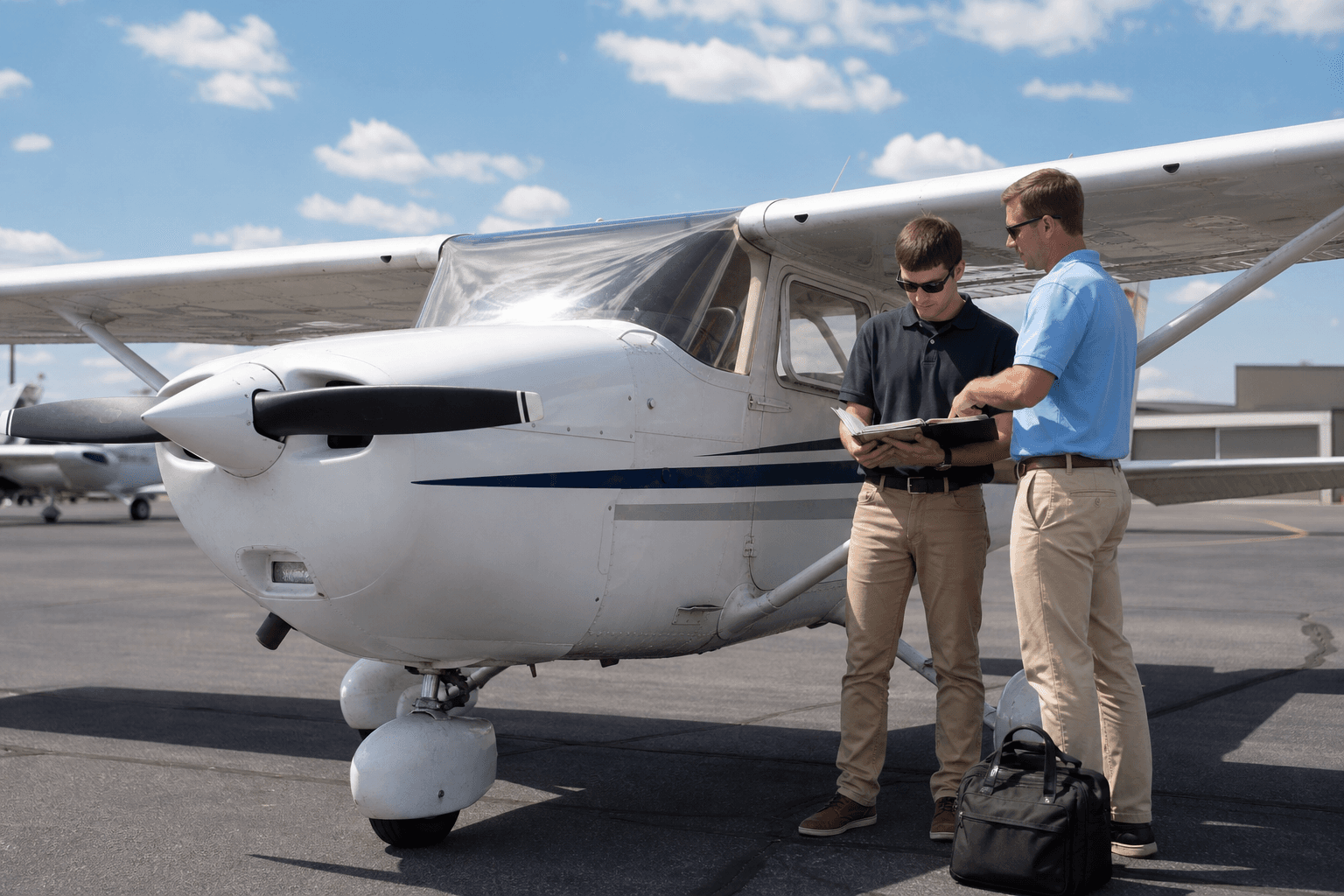
Pilots urged to secure renters insurance amid limited owner policy coverage
Many pilots who rent or borrow aircraft assume that the FBO, flight school, or aircraft owner's insurance will protect them if something goes wrong. Unfortunately, that is not always the case.
US Regional Pilot Shortage Eases As Cadet Programs Adjust to New Realities
Members of the PSA Airlines Cadet Program received a disappointing email in late July 2026, when the company advised pilot cadets that it would no longer sponsor the ATP/CTP course that all new hires are required to complete before officially joining the airline. Traditionally, this is paid for by the company, but for those in the PSA program, it's now on the cadet's shoulders to take the course and pay for it.
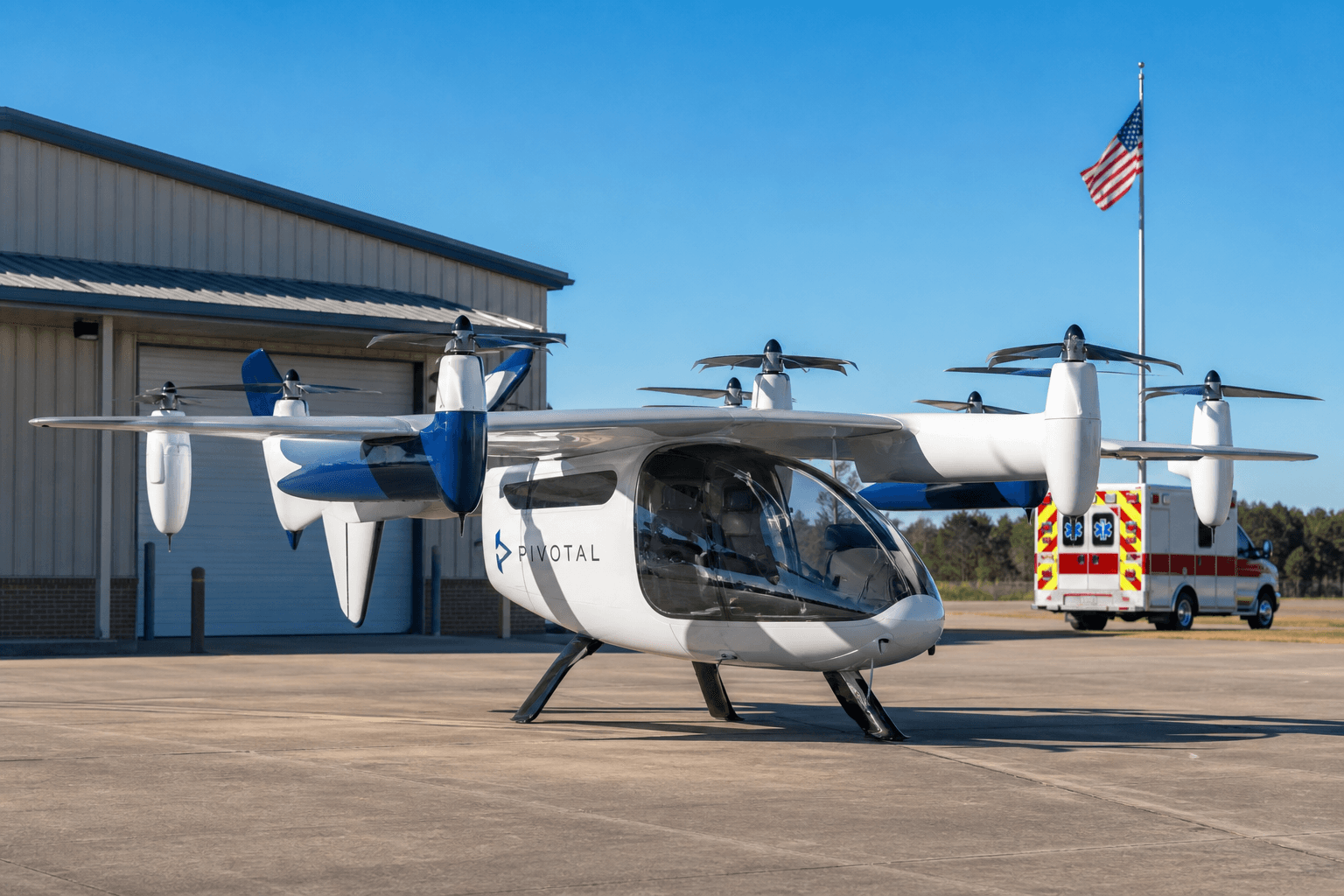
North Carolina Launches First US ALS Emergency Response Using eVTOL Aircraft
After months of preparation and training, North Carolina paramedic Quinn Reece was ready on June 27 when a 911 call summoned her to fly the first advanced life support (ALS) response in the United States using an electric vertical takeoff and landing aircraft.
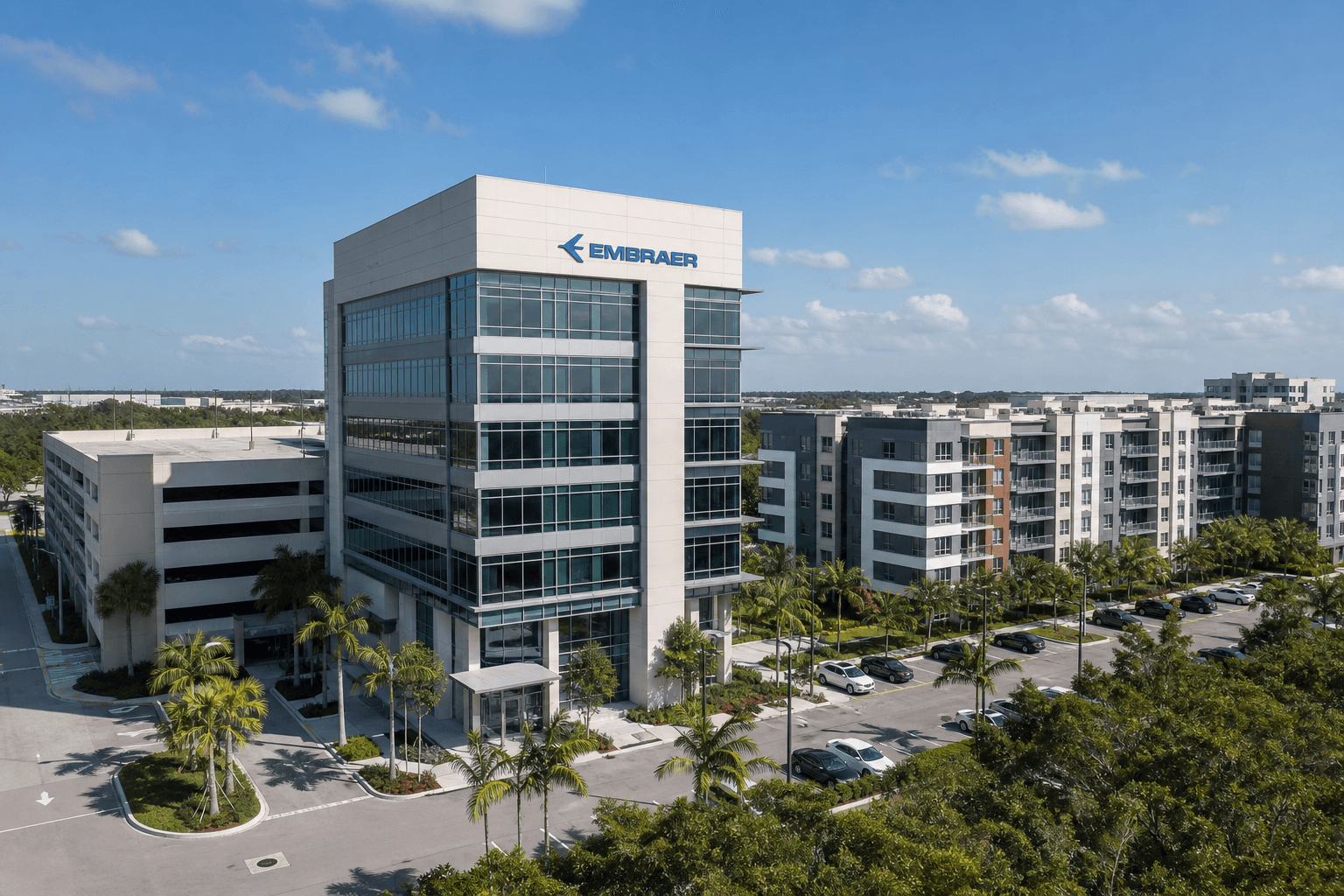
Spirit Airlines' $250M Dania Beach Campus Faces $88M Bankruptcy Bid
Spirit opened its new $250 million "Spirit Central" corporate campus in 2024, complete with training facilities, employee housing, and space for more than 1,000 workers. Now, in bankruptcy, a stalking horse bidder is offering just $88 million for much of the nearly brand-new headquarters complex — an extraordinary markdown for a project that symbolized how far the airline had drifted from its ultra-low-cost roots.
The Daily Touch & Go
The day's best aviation news in your inbox. Free, no spam.