


Image: Peter Haas · CC BY-SA 3.0 · via Wikimedia Commons
WestJet Flight Attendants Strike Halts All Boeing 737 and 787 Flights in Canada
WestJet's cabin crew launched a strike after contract talks failed, cancelling all 737 and 787 flights amid peak summer travel disruptions.
The gist
WestJet's 4,400 flight attendants struck over pay disputes, leading to cancellation of all Boeing 737 and 787 flights during busy summer travel.
WestJet flight attendants initiated a strike on August 2, resulting in the cancellation of all scheduled Boeing 737 and Boeing 787 flights operated by the airline. This action comes after last-minute contract negotiations between the airline and the Canadian Union of Public Employees (CUPE) Local 8125 failed to produce an agreement. Approximately 4,400 cabin crew members participated in the labor action, forcing Canada's second-largest airline to ground its mainline jet operations at a critical period of peak summer travel.
In anticipation of the strike, WestJet began cancelling flights early to mitigate disruption and prevent aircraft and crews from being stranded. Before the official strike commencement, more than 300 flights were cancelled as the airline sought to wind down Boeing 737 and 787 services gracefully. This preemptive cancellation extended across most domestic and international routes served by these aircraft, causing significant inconvenience to tens of thousands of passengers.
The labor dispute centers primarily on compensation related to ground duties performed by flight attendants. Historically, WestJet has compensated cabin crew predominantly for 'block time'—the period from aircraft door closure before departure to arrival at the destination gate—while duties such as boarding assistance, safety checks, and passenger care on the ground are paid either minimally or not at all. Flight attendants argue for fairer pay encompassing all hours worked, particularly for pre-flight and post-flight responsibilities.
WestJet contends that it made an industry-leading proposal featuring a new hourly pay structure covering all working hours alongside a double-digit wage increase during the first year of the contract. Despite this, the union maintains the offer falls short in adequately compensating employees for comprehensive duties and fails to address broader working condition concerns. This influx of ground-hours compensation disputes aligns with similar unrest faced by other North American airlines in recent years.
While the strike has caused widespread cancellations of Boeing 737 and 787 flights, not all WestJet operations are affected. Services operated by WestJet Encore using De Havilland Dash 8 Q400 aircraft, as well as flights run by partner carriers, continue to operate as scheduled. Nonetheless, the grounding of mainline fleet aircraft significantly disrupts both domestic connectivity and the airline’s international services at a vital travel time.
In response to the strike, WestJet is offering affected customers refunds or alternative travel arrangements where feasible. However, the sheer volume of cancellations and passenger demand has constrained rebooking options, leading to potential extended delays for travelers. The airline advises customers to check their flight status closely before traveling to airports to avoid unnecessary inconvenience.
Despite the initiation of the strike, both the airline and CUPE have expressed willingness to resume negotiations. Canadian federal government mediators remain involved in efforts to broker a settlement and end the work stoppage. WestJet’s CEO Alexander von Hoensbroech emphasized the company’s commitment to finding a negotiated resolution while maintaining a balance between fair employee compensation and the airline’s long-term financial sustainability.
This strike follows several similar disputes in the region, including a notable Air Canada flight attendant strike focused largely on ground duty pay issues. Such labor conflicts highlight an ongoing industry trend where flight attendants push for compensation models that more accurately reflect the breadth of their duties during turnaround periods. The outcome of this strike will likely influence future collective bargaining dynamics across Canadian and North American airlines.
For now, WestJet passengers reliant on Boeing 737 and 787 flights face uncertainty as the strike continues amid peak holiday travel. With no immediate resolution, network-wide disruptions are expected to persist, affecting millions of travelers within Canada and on international routes serviced by the carrier’s mainline jets.
Frequently asked questions
- Why did WestJet flight attendants go on strike in August 2026?
- The strike was triggered by failed contract negotiations over compensation, particularly pay for duties performed before departure and after arrival, which flight attendants argued were inadequately compensated under WestJet's proposal.
- Which WestJet flights were canceled due to the flight attendants' strike?
- All scheduled flights operated with WestJet's Boeing 737 and Boeing 787 aircraft were canceled, while flights operated by WestJet Encore's Dash 8 Q400 and partner airlines continued to operate normally.
- Is WestJet still negotiating with flight attendants during the strike?
- Yes, both WestJet and the Canadian Union of Public Employees have expressed willingness to return to the bargaining table, with Canadian federal mediators involved to help reach a settlement.
Read more
All Airlines →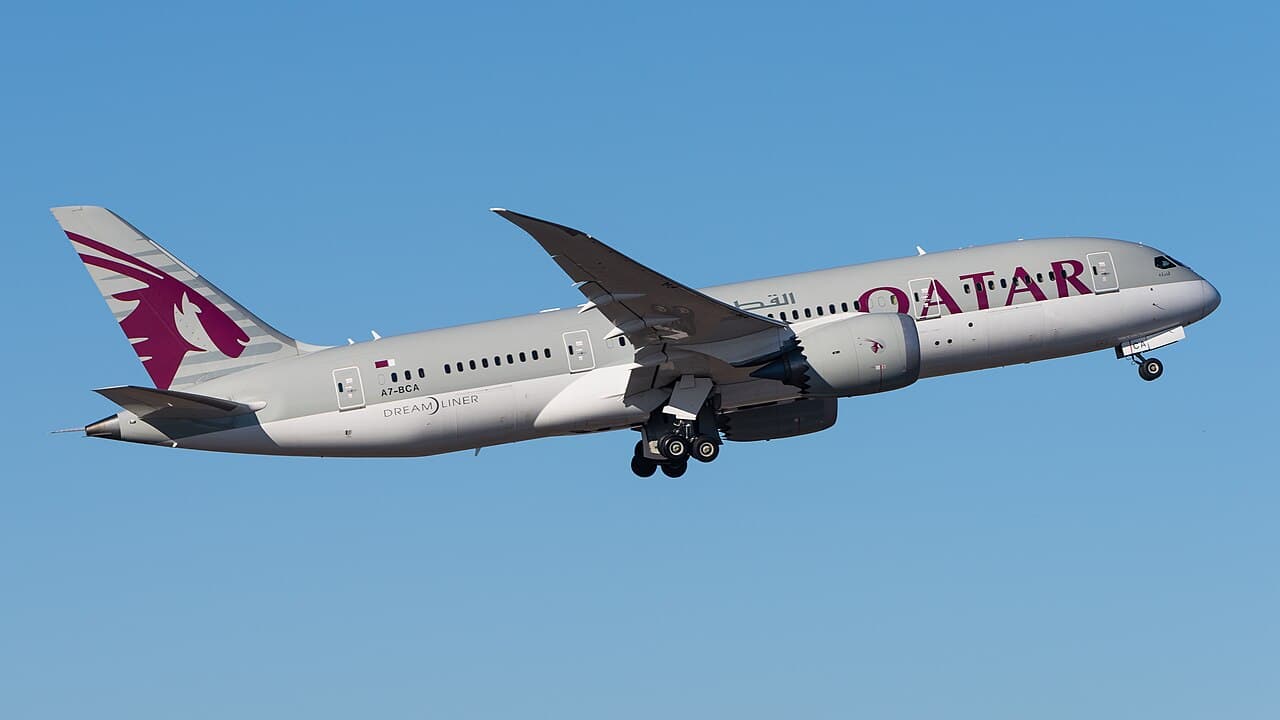
Norse Atlantic and IndiGo end 787 damp-lease amid India-Europe route challenges
Indian budget carrier was using six Norse twinjets but had already opted to return one of them. Long-haul airline Norse Atlantic's entire damp-lease operation with IndiGo is being terminated after the Indian carrier encountered difficulties with its services to Europe. The partnership will end on 1 November. IndiGo had damp-leased six Boeing 787-9s from Norse Atlantic, but had already agreed to return one of the twinjets after axing its route to Manchester in the UK. Geopolitical issues in the Middle East had caused IndiGo to rethink the Manchester service, and Norse says the situation is still affecting India-Europe connections. "There is no doubt that the elevated fuel prices, airspace disruptions and longer flight routes resulting from the Middle East conflict have affected the commercial viability of the arrangement for both parties," states Norse chief executive Eivind Roald. Norse says the two airlines have "mutually agreed" to discontinue the lease arrangement. "We have…jointly concluded that alternative deployment of the aircraft will be more commercially beneficial to both parties," says Roald. Norse is holding talks with several airlines regarding lease opportunities for up to five 787s. It adds that it plans to use part of the fleet returned by IndiGo on its own network, in order to increase capacity on "selected profitable routes" – such as New York and Orlando – during the winter 2026-27 season. The end of the IndiGo partnership is nevertheless a setback for Norse, which has been struggling to become profitable, and had adopted the capacity leasing strategy to counter seasonal fluctuations on its own network. While IndiGo had leased half of Norse's 787 fleet, Roald insists there are positive aspects to the termination. "Return of these six aircraft opens up strategic opportunities that were not available to us before," he says. "We are seeing strong demand for modern, fuel-efficient long-haul aircraft, and we also see attractive opportunities to deploy additional capacity within our own network. "Our priority is to use this increased flexibility to improve profitability and create long-term value for our shareholders." Norse has been undertaking a strategic review of its business and says it will embark on a formal process – which could involve a sale, merger or other partnership – "given the level of interest received to date". IndiGo senior vice-president for planning Abhijit Dasgupta expresses "appreciation" for Norse's "valued partnership". Termination of the lease arrangement comes just as IndiGo is undergoing a management transition, with chief executive-designate Willie Walsh about to take up the top post and a newly-appointed chief financial officer in place.
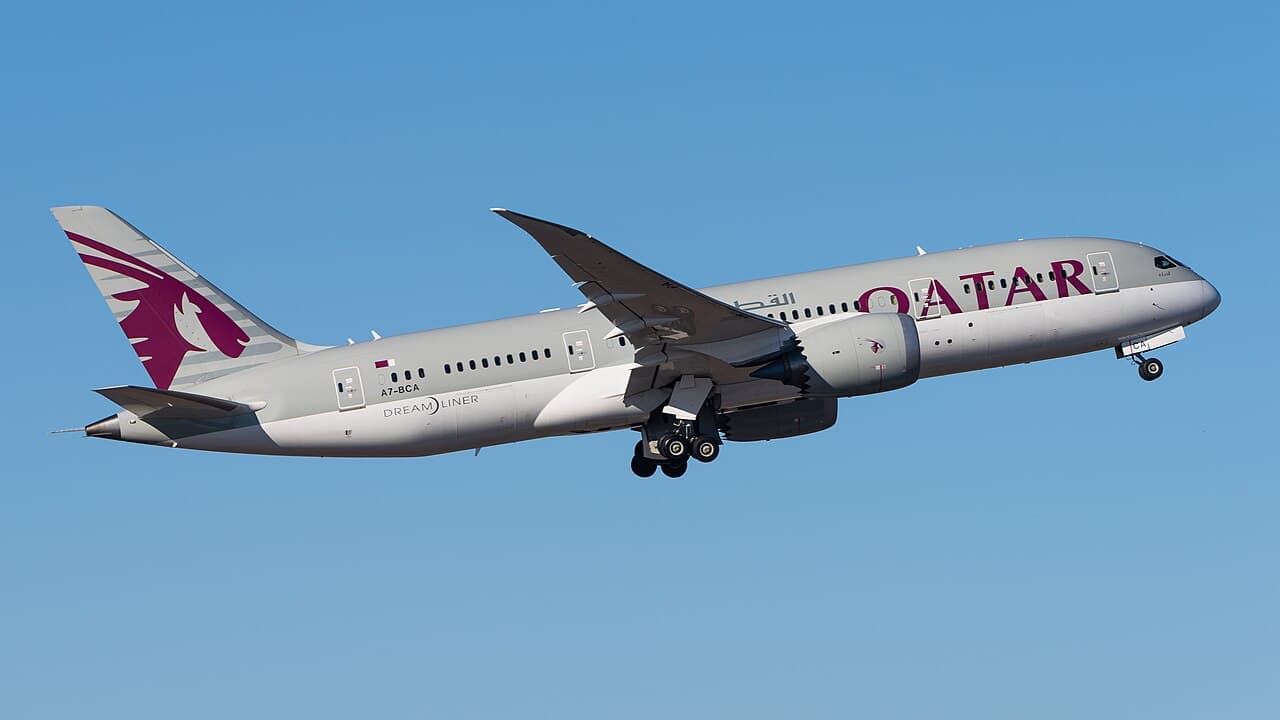
Rolls-Royce Applies A330neo Engine Tech to Fix Boeing 787's Trent 1000 Issues
In an ironic twist of fate, the Boeing 787 Dreamliner foiled the market debut of the Airbus A330neo, yet in 2022, new turbine parts made for the European widebody finally resolved long-running engine trouble in the 787. The American-made next-gen jetliner caught Airbus off guard when it officially launched in 2004. But the engines on the facelifted Airbus have proven to be more reliable over the years. The Rolls-Royce Trent 7000 engines on the A330neo have logged over 1 million continuous engine flying hours with zero in-flight disruptions and nearly 100% dispatch reliability.
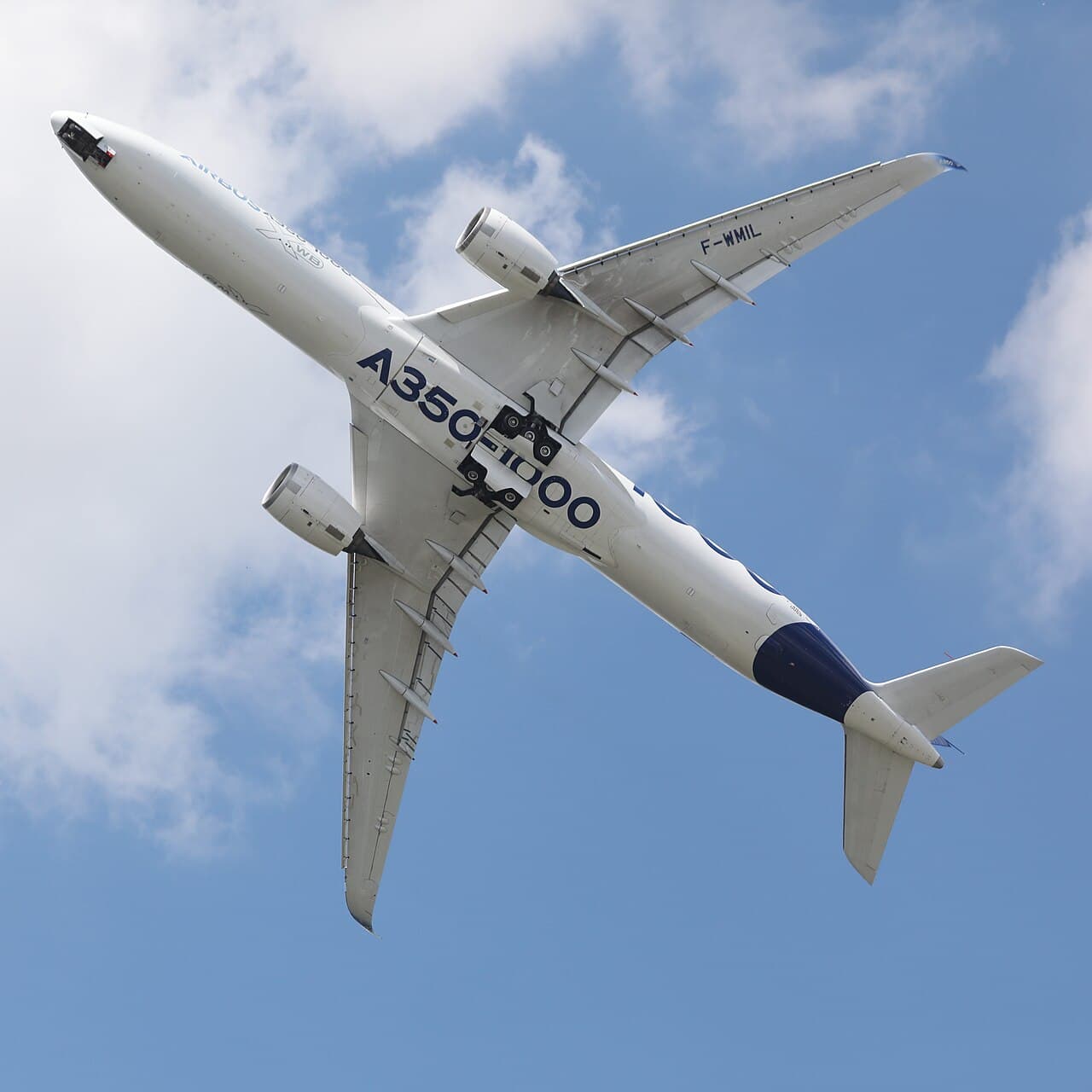
Boeing 777-9 challenges Airbus A350-1000 dominance in long-haul widebody market
When the Boeing 777-9 finally enters commercial service, it will become the largest twin-engine airliner ever built. By then, however, its main rival will already have spent nearly a decade carrying passengers, building a global customer base, and proving itself on some of the world's longest routes. That unusual timing means the contest between the 777-9 and Airbus A350-1000 is not about which widebody aircraft is better on paper. It is about whether Boeing's larger, higher-capacity design can overcome Airbus' years-long operational head start.
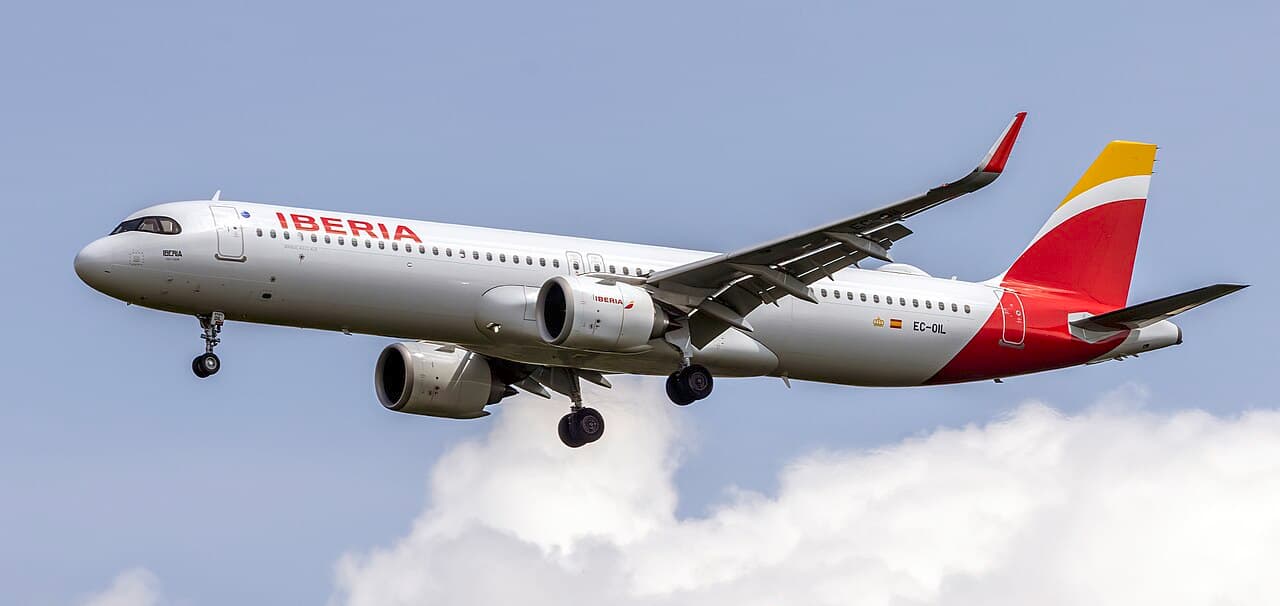
Airbus A321XLR Challenges Hub-and-Spoke Model with Long-Range Narrowbody Flights
Long-haul international travel has, for many of the largest airlines of the modern age, operated using a simple economic formula. The goal is to gather passengers from regional spoke airports, funnel them through mega-hubs like London Heathrow , Frankfurt , or Atlanta , and consolidate them onto twin-engine or four-engine widebody jets. Connecting traffic was the only way airlines could consistently guarantee high load factors on 250-to-300-seat aircraft when crossing oceans. However, the arrival of the Airbus A321XLR has changed this thinking by introducing a single-aisle jet capable of flying 4,700 nautical miles (8,704 km).
The Daily Touch & Go
The day's best aviation news in your inbox. Free, no spam.