

Image: New York-air · CC BY-SA 4.0 · via Wikimedia Commons
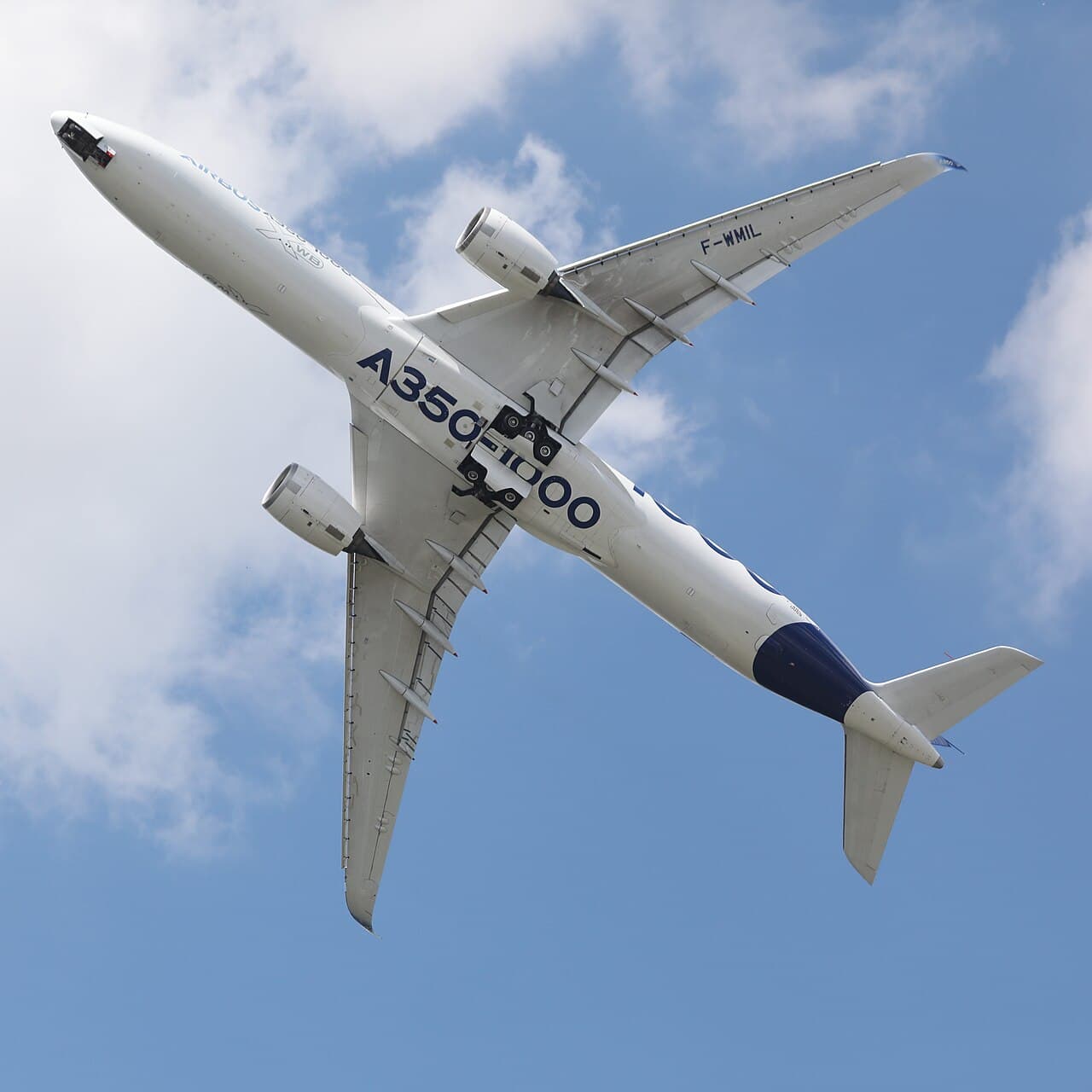
Boeing 777-9 challenges Airbus A350-1000 dominance in long-haul widebody market
Boeing's 777-9 aims to overtake Airbus's established A350-1000 with higher capacity and advanced technology despite delayed entry to service.
The gist
The 777-9’s larger size and updated tech set a new widebody benchmark while Airbus’s A350-1000 holds a strong operational lead.
Continuing coverage
All Long-Haul Routes →- IndiGo Halts Leased Widebody Flights, Awaits Airbus A350 to Restart Long-Haul Service
- IndiGo suspends London Heathrow and shifts Amsterdam to A321XLR as it awaits Airbus A350 widebodies
- Singapore Airlines to Drop 16 Long-Haul Routes in Network Reshuffle
- STARLUX Airlines Unveils AIRSORAYAMA Airbus A350-1000 at Phoenix Sky Harbor
- British Airways Ends 36 Long-Haul Routes From London Over Past Two Decades
Boeing's upcoming 777-9 twin-engine widebody is set to be the largest of its kind when it debuts, challenging the Airbus A350-1000, which has already been for nearly a decade the backbone on many long-haul routes. Despite the 777-9’s potential higher capacity and technological advances, Boeing’s ongoing certification delays have allowed Airbus to entrench its A350-1000 in airline fleets globally, shaping the long-haul market dynamics through the 2030s.
The 777-9 offers a two-class seating capacity ranging roughly from 375 to 450 seats depending on airline configuration, outpacing the A350-1000’s typical 350 to 410 seats in a three-class layout. Boeing recently updated the 777-9’s maximum range to about 8,000 nautical miles, still short of the A350-1000’s advertised 8,700 nautical miles. Such differences underscore functional trade-offs: the 777-9’s larger cabin improves seat-mile economics under full loads, while the A350-1000’s lighter composite-heavy airframe delivers fuel savings and potentially lower maintenance.
A unique feature of the 777-9 is its record-breaking wingspan of nearly 72 meters in flight, which exceeds standard Code E gate limits. Boeing's innovative folding wingtips reduce the span on the ground to fit existing gates designed for previous widebodies, enabling airports to accommodate the aircraft without costly infrastructure changes. Airbus’s A350-1000 wingspan fits Code E standards without modifications, illustrating a design balance favoring airport compatibility over maximum aerodynamic span.
The timeline divergence between the two aircraft is significant. The A350-1000 entered service in early 2018, establishing a solid customer base with over 114 deliveries and 367 orders by mid-2026. Meanwhile, the 777-9, which first flew in early 2020, remains uncertified as of mid-2026. Boeing now targets a 2027 delivery to launch customer Lufthansa. This gap has altered market dynamics, with airlines already committed to the A350-1000 expanding their fleets while Boeing works to catch up.
Powering these jets are very different engines reflecting contrasting design philosophies. The 777-9 relies exclusively on the General Electric GE9X, the most powerful commercial jet engine ever, delivering 134,300 pounds of thrust. However, this new engine has faced technical challenges during certification, impacting the timeline. Meanwhile, the Airbus A350-1000 is equipped with Rolls-Royce Trent XWB-97 engines, rated at 97,000 pounds of thrust and sharing lineage and maintenance networks with the A350-900, which benefits operators through established supply chains and operational familiarity.
Operationally, the aircraft serve distinct niches influenced by route profiles. The 777-9’s advantage emerges on high-density, medium to long-haul routes where seat capacity and cost per seat mile are critical, for example, routes like Dubai to London or New York. In contrast, the A350-1000’s superior range and fuel efficiency make it more suitable for ultra-long-haul flights where payload flexibility and range are prioritized, as seen in Qantas’s choice of the A350-1000ULR for its Sydney to New York service.
The competitive landscape between the 777-9 and A350-1000 is thus shaped by a combination of physical design, technological innovation, and market timing. The 777-9’s delayed service entry has allowed Airbus to cement its aircraft's operational track record and customer commitment, but Boeing’s larger capacity and advanced engine technology represent a notable advancement poised to influence airline fleet strategies as the 2030s unfold.
Boeing’s extensive testing campaign for the 777-9 has accumulated over 4,800 flight hours across approximately 1,700 test flights, progressing through certification phases including rigorous function, reliability, and extreme-weather testing in collaboration with regulatory authorities. Despite these efforts, final certification remains pending, highlighting challenges in bringing next-generation widebody airliners into commercial service.
As airlines evaluate their long-haul fleet needs, the trade-offs between capacity, range, operating costs, and airport compatibility will be decisive. The 777-9 and A350-1000 rivalry embodies these considerations, with Boeing aiming to leverage its larger twin-engine aircraft to capture traffic growth on premium routes, while Airbus capitalizes on efficiency and operational experience to maintain a competitive edge across diverse global markets.
Frequently asked questions
- What are the seating capacities of the Boeing 777-9 and Airbus A350-1000?
- The 777-9 seats between 375 and 450 passengers in a two-class configuration, while the A350-1000 typically seats 350 to 410 passengers in three classes.
- Why has the Boeing 777-9 service entry been delayed compared to the A350-1000?
- The 777-9 has faced technical and certification challenges, including engine issues, resulting in a first delivery target of 2027, seven years after Airbus began A350-1000 service.
- How do the 777-9 and A350-1000 compare in operational range?
- The Airbus A350-1000 offers a longer range of up to 8,700 nautical miles, compared to the Boeing 777-9’s updated range of roughly 8,000 nautical miles.
Read more
All Airlines →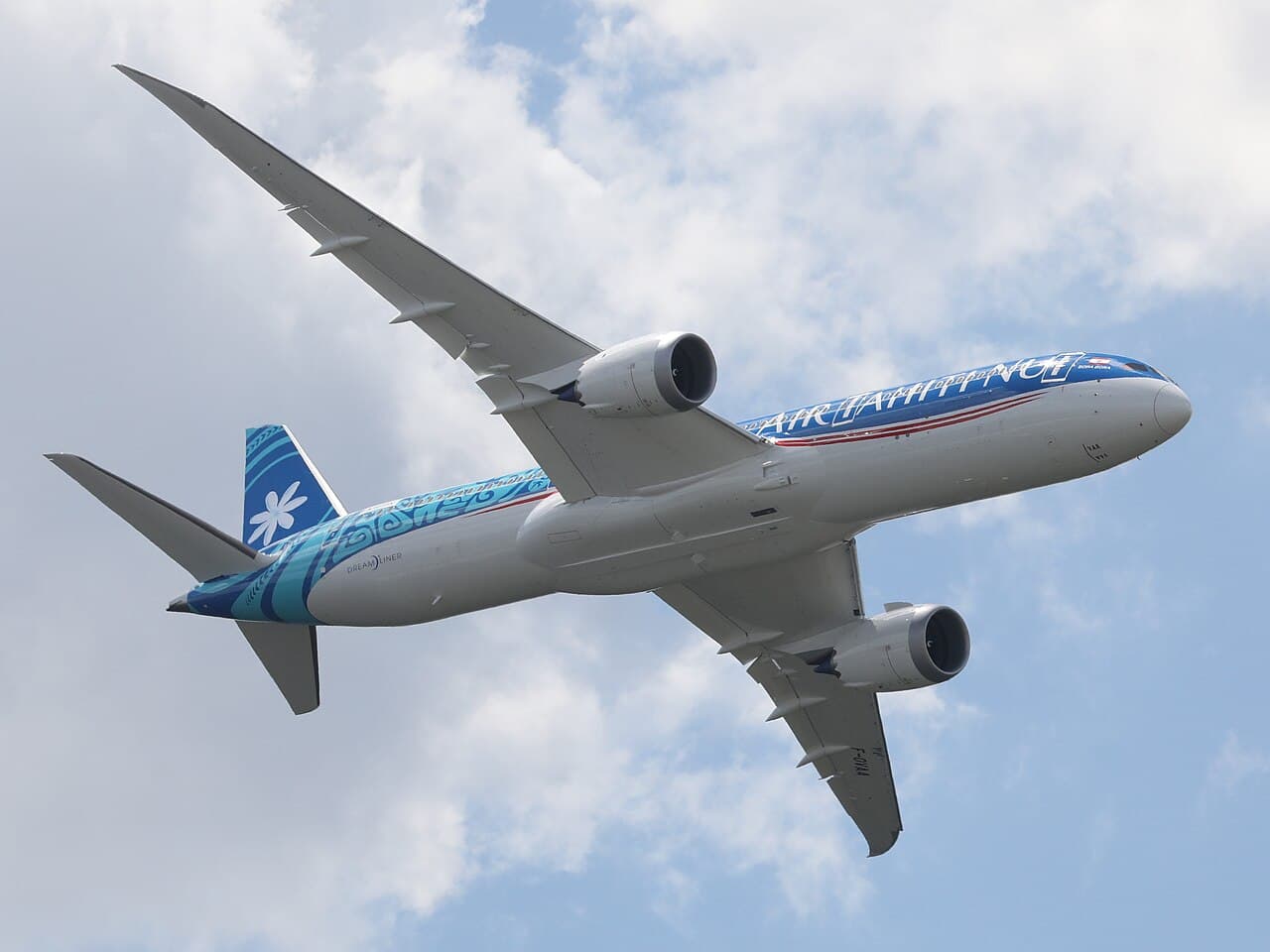
Boeing 787-9 Leads 2026 Widebody Deliveries as Airlines Replace Older Aircraft
Air travel demand continues to rise. The International Air Transport Association (IATA) recently forecast global passenger demand to double by 2050. Airlines are actively responding to the growing demand by adding capacity and opening new routes, while manufacturers are working through substantial order backlogs to deliver the aircraft needed to support that growth. In fact, manufacturers are finally beginning to catch up on aircraft deliveries that were delayed during the pandemic.

WestJet Flight Attendants Strike Halts All Boeing 737 and 787 Flights in Canada
WestJet flight attendants have officially gone on strike after last-minute contract negotiations failed, forcing Canada's second-largest airline to cancel all scheduled Boeing 737 and Boeing 787 operations. The strike began on Sunday, August 2, at the height of the country's busy summer holiday period, immediately disrupting travel plans for tens of thousands of passengers across Canada and on international routes. More than 300 flights were canceled before the strike even officially started as the airline attempted to wind down operations in an orderly manner.
Airbus A321XLR Challenges Hub-and-Spoke Model with Long-Range Narrowbody Flights
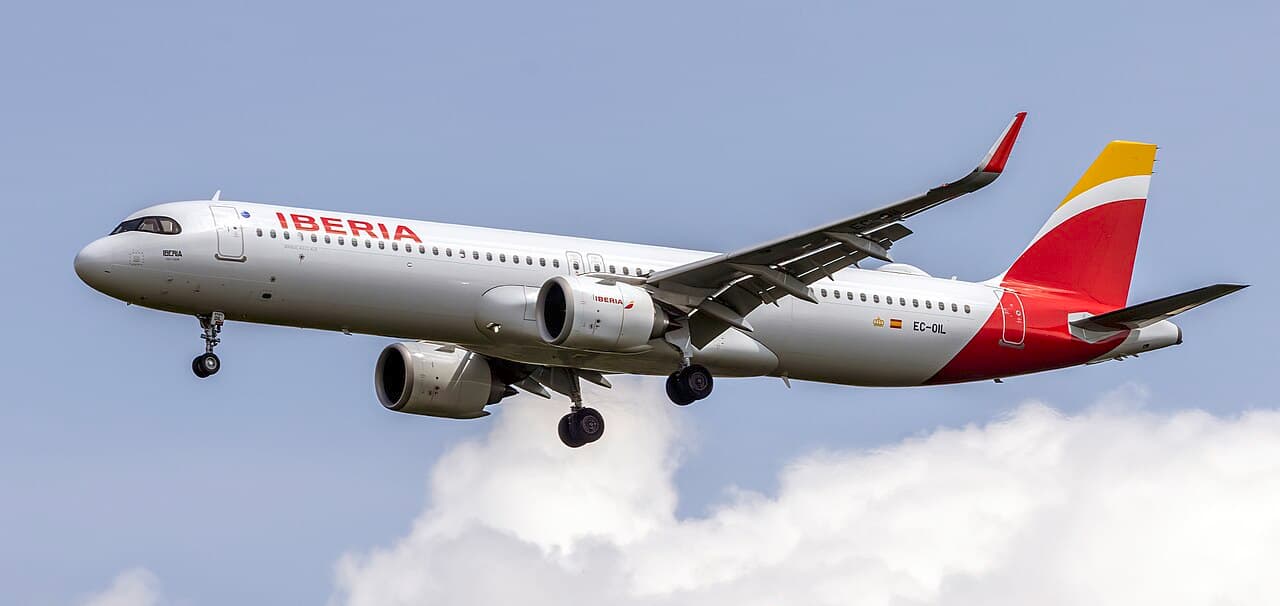
Long-haul international travel has, for many of the largest airlines of the modern age, operated using a simple economic formula. The goal is to gather passengers from regional spoke airports, funnel them through mega-hubs like London Heathrow , Frankfurt , or Atlanta , and consolidate them onto twin-engine or four-engine widebody jets. Connecting traffic was the only way airlines could consistently guarantee high load factors on 250-to-300-seat aircraft when crossing oceans. However, the arrival of the Airbus A321XLR has changed this thinking by introducing a single-aisle jet capable of flying 4,700 nautical miles (8,704 km).
Norse Atlantic Eyes Sale or Merger After IndiGo Leasing Deal Ends
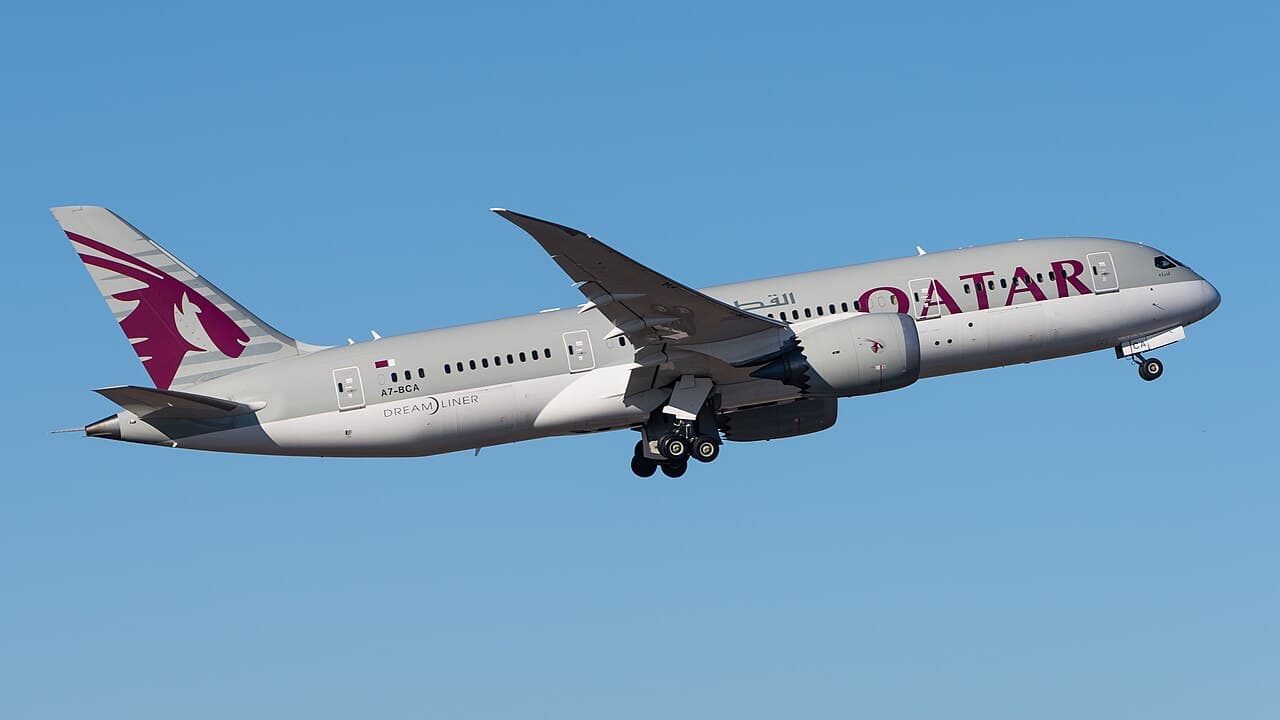
All-Boeing 787 airline Norse Atlantic Airways is pursuing a sale, merger, or partnership, as the airline has otherwise run out of viable options, after India's IndiGo pulled the plug on its aircraft leasing agreement. To Norse Atlantic's credit, the airline sure is putting a positive spin on this . Is there any chance this will work out well for the airline, or is this overoptimism? Norse Atlantic gets back 787s, has nowhere to fly them The airline industry can be a funny business, and there's no clearer example of that than Norse Atlantic Airways. The airline launched in 2022 , with the goal of operating long haul, low cost flights, particularly across the Atlantic. That wasn't exactly a unique business model, because this was exactly what Norwegian did, before it discontinued long haul flights in 2021 . Not only was the idea sort of copied, but Norse Atlantic had some executives from Norwegian, and even picked up the planes that Norwegian previously flew. But as is all too common in the airline industry, clearly they thought it would be different this time around… it wasn't. So in 2024 we saw the airline update its business model , making the focus less about operating regularly scheduled commercial flights, and more about leasing out aircraft, all while reducing its fleet. The company got a lifeline when IndiGo decided to lease some Norse Atlantic 787s to dabble in long haul flying, ahead of the airline taking delivery of its own Airbus A350s . However, between all the airspace closures, high oil costs, and generally declining performance at IndiGo as the airline increasingly moves away from its core strengths, the airline has now decided to scrap that experiment. These planes will be returning to Norse Atlantic as of November 1, 2026. This means Norse Atlantic will be getting back five Dreamliners (beyond the one that has already been returned), just in time for the winter season… which isn't exactly the ideal time of year for a long haul, low cost airline to get more planes! So what's the plan? Norse Atlantic's IndiGo leases are coming to an end Norse Atlantic now open to basically any opportunity What does Norse Atlantic plan to do with these planes that are being returned? Well, let me just quote the airline. Here's what it had to say about fleet deployment: Norse is already engaged in discussions with several airlines regarding ACMI opportunities for up to five aircraft and expects to provide further updates in due course. Moreover, the Company intends to deploy part of the returning fleet within its own network for increased production on selected profitable routes during the upcoming winter season, such as flights from Europe to Orlando and New York. And here's the more interesting point, about a strategic update: The transition provides Norse Atlantic with greater fleet flexibility as the Company advances its strategic review. Given the level of interest received to date as part of the strategic review, the Board has decided to move forward with a formal process, which may result in a sale, merger or partnership. Further information will be provided as and when appropriate. I also can't help but point out this quote from Norse Atlantic CEO Eivind Roald: "The return of these six aircraft opens up strategic opportunities that were not available to us before. We are seeing strong demand for modern, fuel-efficient long-haul aircraft, and we also see attractive opportunities to deploy additional capacity within our own network. Our priority is to use this increased flexibility to improve profitability and create long-term value for our shareholders." Correct, when you run out of business opportunities, that does indeed open up strategic opportunities that were not available before! Now, I'm struggling to see where there's much upside here. Norse Atlantic leases its fleet of planes, so it's not like an "acquisition" of a company that barely has scheduled flights and that is struggling to lease out aircraft adds much value. If Norse Atlantic's own scheduled operations were anywhere close to profitable on a year-round basis, the airline wouldn't be in this situation. If someone wanted the planes, well… they could just do what Norse Atlantic did to Norwegian. Wait until the company goes out of business and the planes are returned to the leasing company, and then pick them up there. I'm not trying to be so flippant, I feel bad for the people who would be losing their jobs here. But we also have to be realistic that basically replicating a failed business model with the same planes and similar routes isn't a recipe for success. We've seen this over and over… just look at what we saw in Iceland with WOW Air and then PLAY Airlines. Norse Atlantic's top cabin is premium economy Bottom line Norse Atlantic is once again finding itself in a tough situation — well, even tougher situation, since I don't think it was ever in a good situation. For the past 18 months or so, the airline has been leasing out a majority of its active fleet to IndiGo, but those planes will be returned as of late 2026. While the airline claims it will try to redeploy the planes on profitable routes, that's easier said than done. It's also reportedly in talks to lease the planes to other airlines. The company is pursuing "strategic opportunities," which could include a sale, merger, or partnership, but the upside seems pretty limited when your planes are leased in the first place. How do you see this situation playing out for Norse Atlantic?
The Daily Touch & Go
The day's best aviation news in your inbox. Free, no spam.