

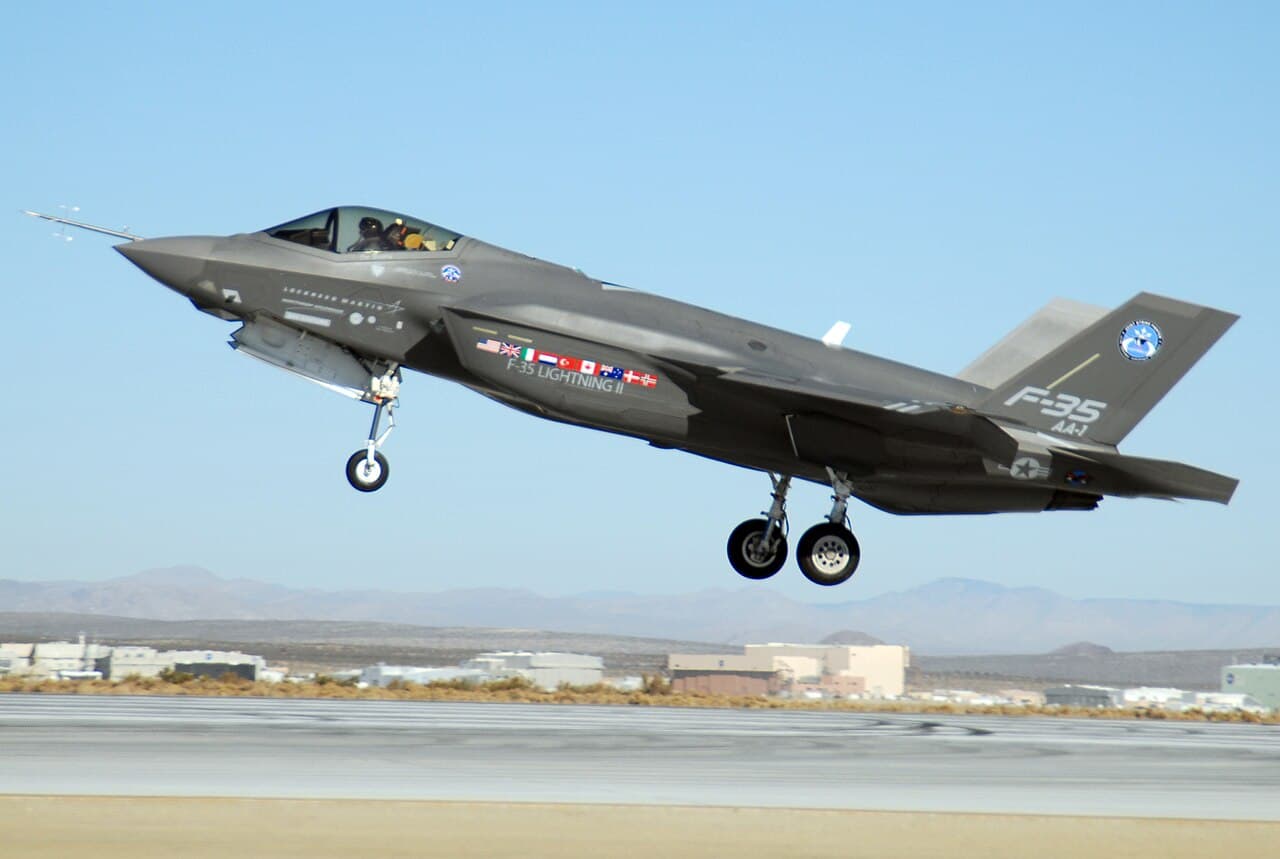
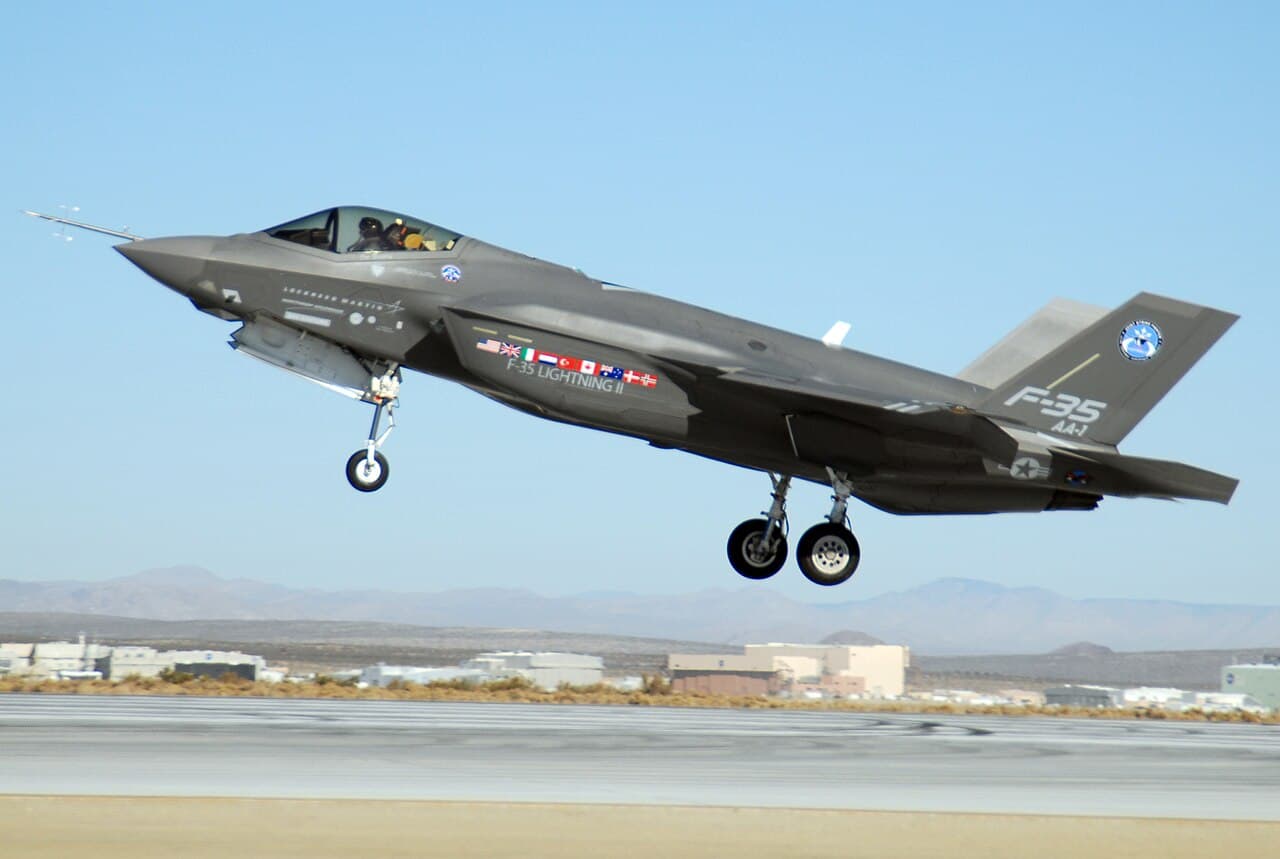
Image: U.S. Air Force photo/Senior Airman Julius Delos Reyes · Public domain · via Wikimedia Commons
UK delays delivery of expanded F-35 fleet until early 2030s amid strategic and logistical challenges
The UK will not receive its next batch of 27 F-35 jets, including the first F-35A nuclear-capable variants, until the early 2030s due to global program backlogs and operational priorities.
The gist
The UK's augmented F-35 fleet, including new nuclear-capable F-35As, won't arrive until the early 2030s because of strategic delays and program challenges.
Continuing coverage
All F-35 →- US Controls All F-35 Mission Data Updates, Grounding Allied Squadron Autonomy
- Japan's GCAP Fighter Offers Sovereign Control Beyond F-35's Limits
- Lockheed Martin Q2 2026 earnings surge on eased prior contract losses and strong missile sales
- At Least 15 F-35s Delivered Without Required Equipment Since May 2025
- USAF Plans 267 F-15EX Fighters to Complement Growing F-35 Fleet as 'Missile Trucks'
The United Kingdom has confirmed that its expanded F-35 fleet, which includes a new shipment containing both conventional F-35A and jump jet F-35B variants, will see no new deliveries until the early 2030s. This delay results from severe backlog pressures within the global F-35 Joint Program Office coupled with strategic procurement decisions made by the UK Ministry of Defense. The upcoming batch comprises 27 aircraft—12 F-35As and 15 F-35Bs—with the A-model representing the UK's first introduction of this conventional variant into its fleet specifically to fulfill NATO’s Airborne Nuclear-Sharing Mission.
This procurement pause is a calculated strategic measure that provides the Royal Air Force (RAF) crucial time and budgetary relief needed to refresh the UK's nuclear deterrence capabilities, notably rebuilding the second pillar of its nuclear defense. Since retiring the WE.177 nuclear bomb in 1998 and the accompanying V-Force bombers, the UK’s airborne nuclear posture has been diminished. The integration of British weaponry such as Meteor and SPEAR-3 missiles into the F-35 relies on stable future software versions, anticipated to mature by 2027 or beyond. Delaying deliveries avoids costly retrofits and ensures aircraft entering service will feature fully mature systems aligned with operational needs.
The decision to rejoin NATO’s Airborne Nuclear-Sharing Mission signifies the UK’s intent to strengthen ties with the US and NATO allies amid ongoing Russian aggression concerns. By acquiring twelve F-35A aircraft certified to carry the B61-12 nuclear gravity bomb—unlike the F-35B variant designed primarily for short takeoff and vertical landing—the RAF positions itself to fulfill the dual-capable aircraft (DCA) mission. This move also aligns with similar NATO members operating the F-35A for nuclear deterrence, creating a visible, localized counterbalance to regional threats.
The arrival of these nuclear-capable jets is timed to coincide with completion of significant infrastructure upgrades at RAF Marham, meeting stringent US and NATO security protocols for hosting or operating nuclear-armed aircraft. The £64 billion refurbishment of the UK's Dreadnought-class nuclear submarines and the adoption of the F-35A for the DCA role reflects a shift toward sharing the strategic nuclear burden more equitably within NATO, addressing US requests for increased European involvement in defense.
Despite the expanded fleet order, the UK’s total planned F-35 numbers have effectively been capped at 75 aircraft, far below the initial ambition of 138 jets. This limitation constrains the Carrier Strike Group’s capability, considering that the Royal Navy’s carriers, HMS Queen Elizabeth and HMS Prince of Wales, are designed to operate up to 36 F-35Bs each during deployments. Compounding the impact of fewer jets is the low availability rate of existing aircraft—frequently below 60% due to personnel and spare part shortages—resulting in only approximately 21 front-line deployable jets out of 63 planned F-35Bs at any time.
One major contributor to the delivery delay and capability gap is the severe software and hardware development issues affecting the F-35’s Technology Refresh Three (TR-3) upgrade integral to the Block Four modernization program. Originally intended to enable advanced weapons and sensor capabilities, TR-3 has faced ongoing stability glitches and developmental backlogs. Consequently, full Block Four operational certification is not expected until after 2027, pushing a complete fleet modernization into the early 2030s and limiting current jets to training roles with incomplete software.
The financial sustainability challenges of the F-35 program further exacerbate delays and procurement decisions. Operating costs per flight hour have risen to $34,000–$44,000, significantly above initial targets and legacy aircraft. Lockheed Martin’s shipment of jets with incomplete TR-3 capabilities requires future costly retrofits, influencing the UK’s choice to postpone deliveries to 2030 and beyond until fully combat-capable jets can be supplied, thereby optimizing defense budgets and operational readiness.
Delaying deliveries also facilitates a phased approach to pilot training and nuclear mission readiness. Vice-Marshal Jim Beck highlighted that the initial batch of F-35As will focus on pilot conversion and conventional training before assuming nuclear alert status. This measured pace protects the RAF’s operational integrity while integrating a complex and demanding new mission into the force structure.
Beyond current fleet considerations, the UK remains actively engaged in future combat air initiatives, including the Global Combat Air Program (GCAP). This collaborative effort aims to develop next-generation air superiority platforms. By managing near-term fleet capabilities prudently and building toward future air power technologies, the UK positions itself to sustain strategic and tactical relevancy in the evolving global defense environment.
Frequently asked questions
- Why is the UK delaying the delivery of new F-35 jets until the early 2030s?
- The delay is due to global backlog pressures in the F-35 program, strategic procurement choices by the UK Ministry of Defense, and the need to wait for mature software and block upgrades before accepting new aircraft.
- What is the significance of the UK's F-35A acquisition?
- The F-35A variant enables the UK to rejoin NATO's Airborne Nuclear-Sharing Mission by fielding dual capable aircraft certified to carry nuclear weapons, restoring a key element of the UK's nuclear deterrence.
- How does the F-35 delivery delay impact the UK's fleet and military capability?
- The delay caps the UK’s fleet at 75 jets, limiting carrier strike group size, while low aircraft availability and postponed deliveries create capability gaps in frontline deployable aircraft and nuclear mission readiness.
Read more
All Military/Defense →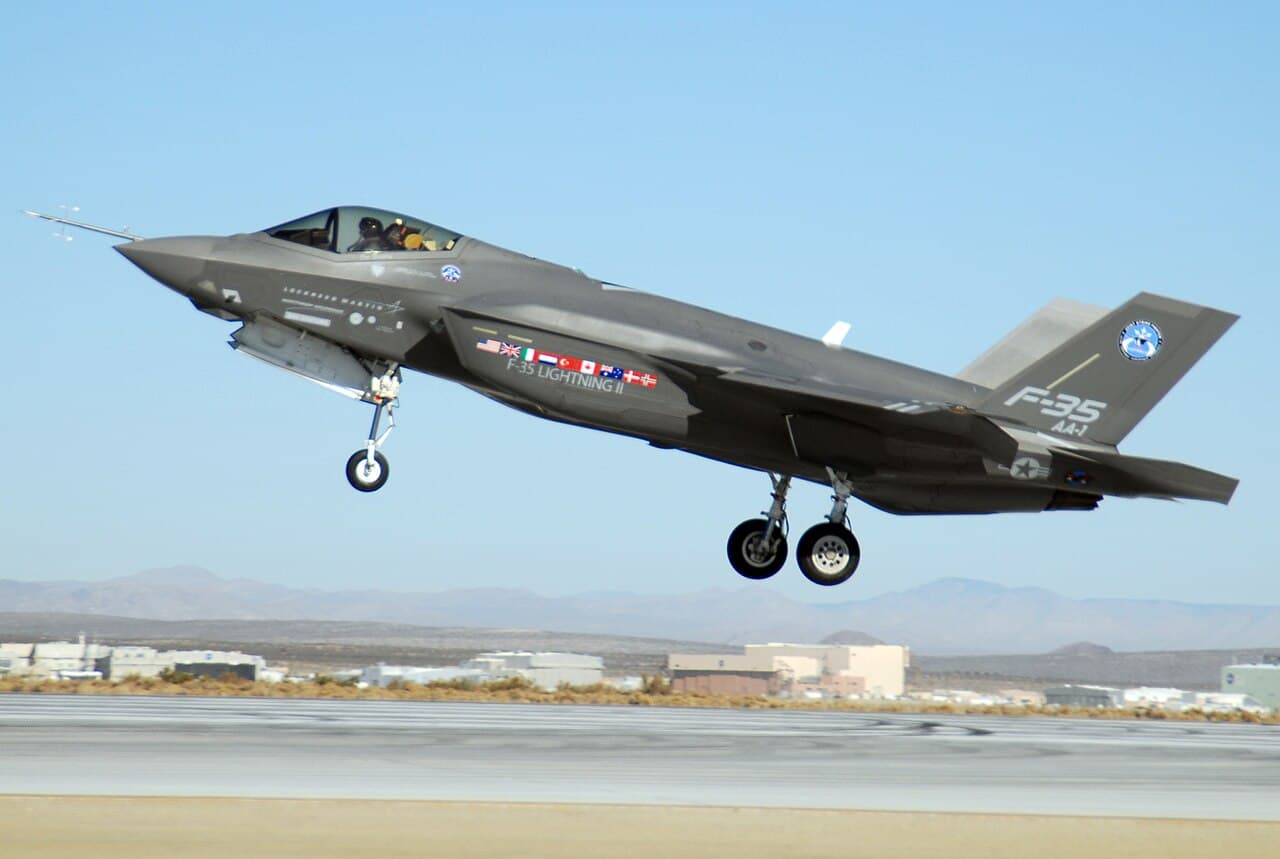
US Controls All F-35 Mission Data Updates, Grounding Allied Squadron Autonomy
The Lockheed Martin F-35 Lightning II is one of the most important weapon systems developed in the 21st century. It represents a major paradigm shift for air power not only in the US Air Force, but the Navy and Marines as well as 19 other US Allied partner nations around the world that are part of the global fleet. In addition to being the most expensive defense industrial project in history, it is also one of the most closely guarded classified projects to ever become a multinational defense program.
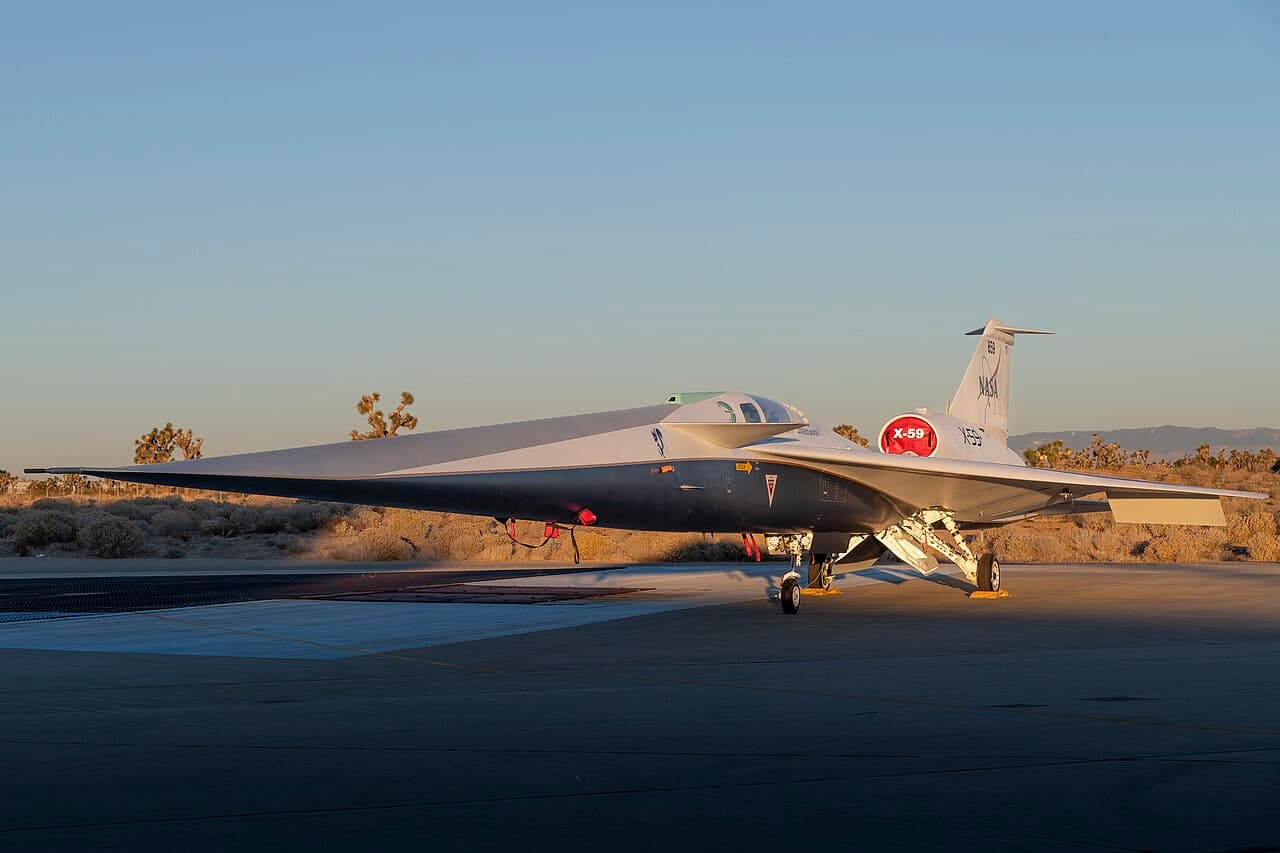
NASA X-59 Quesst Breaks Sound Barrier After Nearly Seven Months of Careful Test Flights
The NASA X-59 Quesst aircraft, built by Lockheed Martin Skunk Works, took roughly seven months from its first flight on October 28, 2025, to safely cross the sound barrier for the first time on June 5, 2026. Rather than immediately flying at full speed, experimental aircraft must undergo a careful process called envelope expansion. Even though the X-59 is intended to pioneer quiet supersonic flight for commercial airliners, engineers must slowly push the aircraft's limits to ensure it remains safe and controllable.
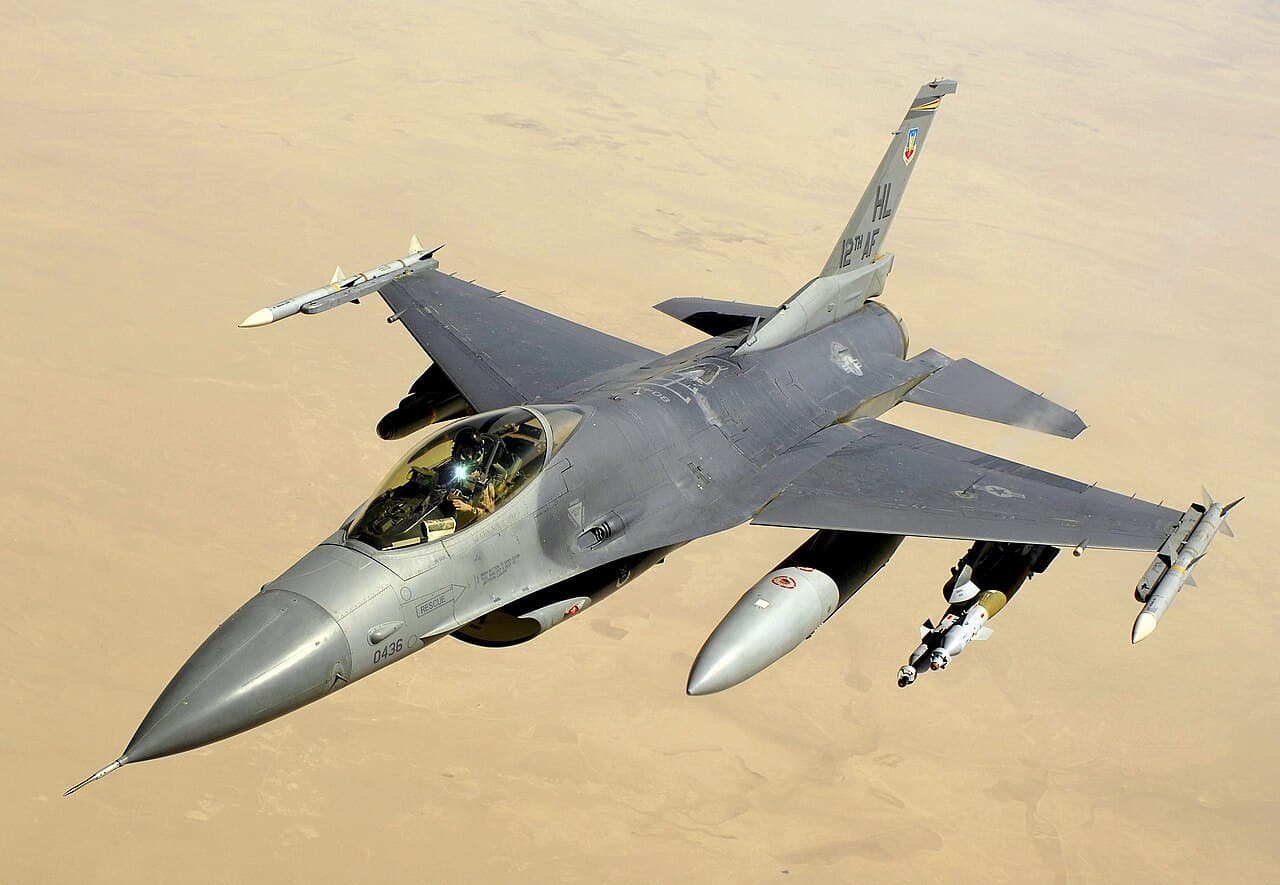
F-16 Viper Gets Major Combat Boost with New AN/APG-83 AESA Radar Upgrade
The Lockheed Martin F-16 Fighting Falcon, also known as the Viper, is no longer the premier lightweight fighter jet of the US Air Force, but it is far from irrelevant. As a much less expensive airframe than the more exquisite F-35 Lightning II, the Viper continues to roll off the assembly line. It is the most mass-produced supersonic fighter jet still in production today, with more than 4,500 examples having been delivered. Now, the existing fleet is also getting a major lethality upgrade in the form of the Northrop Grumman AN/APG-83 Scalable Agile Beam Radar.
Japan's GCAP Fighter Offers Sovereign Control Beyond F-35's Limits
The Japanese Self-Defense Forces are one of the founding partners under the trilateral Global Combat Air Program. Managed collectively through the EdgeWing Consortium, Japan has partnered with the United Kingdom and Italy to build a sixth-generation stealth fighter jet based on the template of the BAE Systems 'Tempest.' This aircraft will be the first fighter jet airframe in the nation's history developed independently of any of the aerospace manufacturers of the United States.
The Daily Touch & Go
The day's best aviation news in your inbox. Free, no spam.