

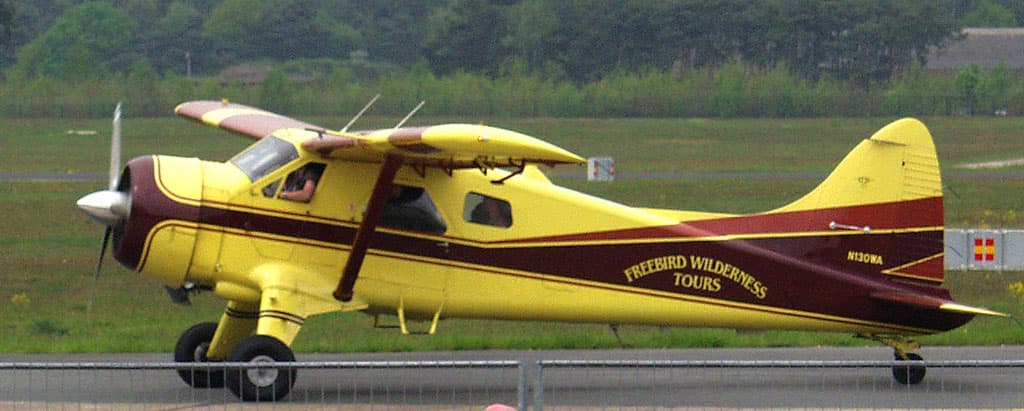
Image: Raimond Spekking · CC BY-SA 4.0 · via Wikimedia Commons
De Havilland to begin final assembly of DHC-515 water bomber with 2028 delivery target
De Havilland Canada is set to start final assembly of the DHC-515, a modernized version of the CL-415, aiming to deliver the first aircraft in 2028.
The gist
De Havilland advances on DHC-515 production, targeting 2028 delivery for the new water bomber.
De Havilland Canada is moving forward with the production of its DHC-515 water bomber, a modernized variant of the well-known CL-415. The company plans to begin final assembly of the aircraft later this year at its Calgary facility, with an anticipated first delivery slated for 2028. Key airframe components have already been manufactured and are currently being integrated.
Key sections of the aircraft such as the mid and forward fuselage have been assembled, with the cockpit now joined to the hull forming the forward fuselage. The mid-fuselage is undergoing integration with this completed section, signaling steady progress toward final assembly. Moreover, the wing box, measuring 28.6 meters in span, has been completed and will be moved to the assembly line by year's end to facilitate upcoming test flights next year.
The DHC-515 is powered by Pratt & Whitney Canada PW100 engines and represents an evolution from the earlier CL-415, itself part of the CL-series that dates back to the 1960s. Originally developed by Canadair and later produced by Bombardier until 2015, the design was acquired by Viking Aircraft in 2016. Viking, a subsidiary of Longview Aviation Capital which also owns De Havilland, transferred the program to De Havilland, which established a production site in Calgary for the new model.
While the DHC-515’s production timeline has slipped from initial schedules, efforts since 2024 have focused on meeting the 2028 delivery target. Around 80 CL-415s remain operational globally, underscoring enduring demand for amphibious firefighting aircraft. The DHC-515 introduces several enhancements over its predecessor, including updated Garmin G300 avionics, a new water-drop control system, improved corrosion resistance, and a revamped air conditioning system.
Performance improvements include a cruising speed up to 187 knots (346 km/h) and the capacity to carry 6,140 liters (1,620 gallons) of water. The aircraft can rapidly scoop water during flight within 12 seconds from lakes or reservoirs, critical for firefighting missions. Alternatively, it has the option to transport 680 liters of firefighting foam for versatile suppression tactics.
Beyond aerial firefighting, De Havilland promotes the DHC-515’s adaptability for operations like surveillance, maritime patrol, and medical evacuation. This broadens the aircraft’s utility across civil and governmental roles, enhancing market appeal. The company has reported a firm backlog of 38 orders, nearly doubling the count from two years prior, with customers spanning Croatia, Greece, France, Indonesia, Italy, Portugal, and Spain.
This renewed production effort reflects ongoing investment to sustain and modernize important firefighting aircraft capabilities amid rising wildfire challenges worldwide. De Havilland’s commitment to building the DHC-515 at Calgary continues a Canadian legacy in amphibious aircraft design and manufacturing, ensuring continuity of operations for firefighting agencies needing reliable, state-of-the-art platforms.
Frequently asked questions
- What is the expected delivery timeline for the first DHC-515 aircraft?
- De Havilland Canada aims to deliver the first DHC-515 water bomber in 2028, with final assembly starting in 2026 and test flights planned for 2027.
- How does the DHC-515 differ from the earlier CL-415 water bomber?
- The DHC-515 features updated Garmin G300 avionics, a new water-drop control system, improved corrosion protection, and a new air conditioning system, while maintaining firefighting capabilities like fast in-flight scooping.
- Who are some of the customers that have ordered the DHC-515?
- Government and state authorities in Croatia, Greece, France, Indonesia, Italy, Portugal, and Spain have placed orders for the DHC-515, totaling 38 aircraft as of now.
Read more
All Business Aviation →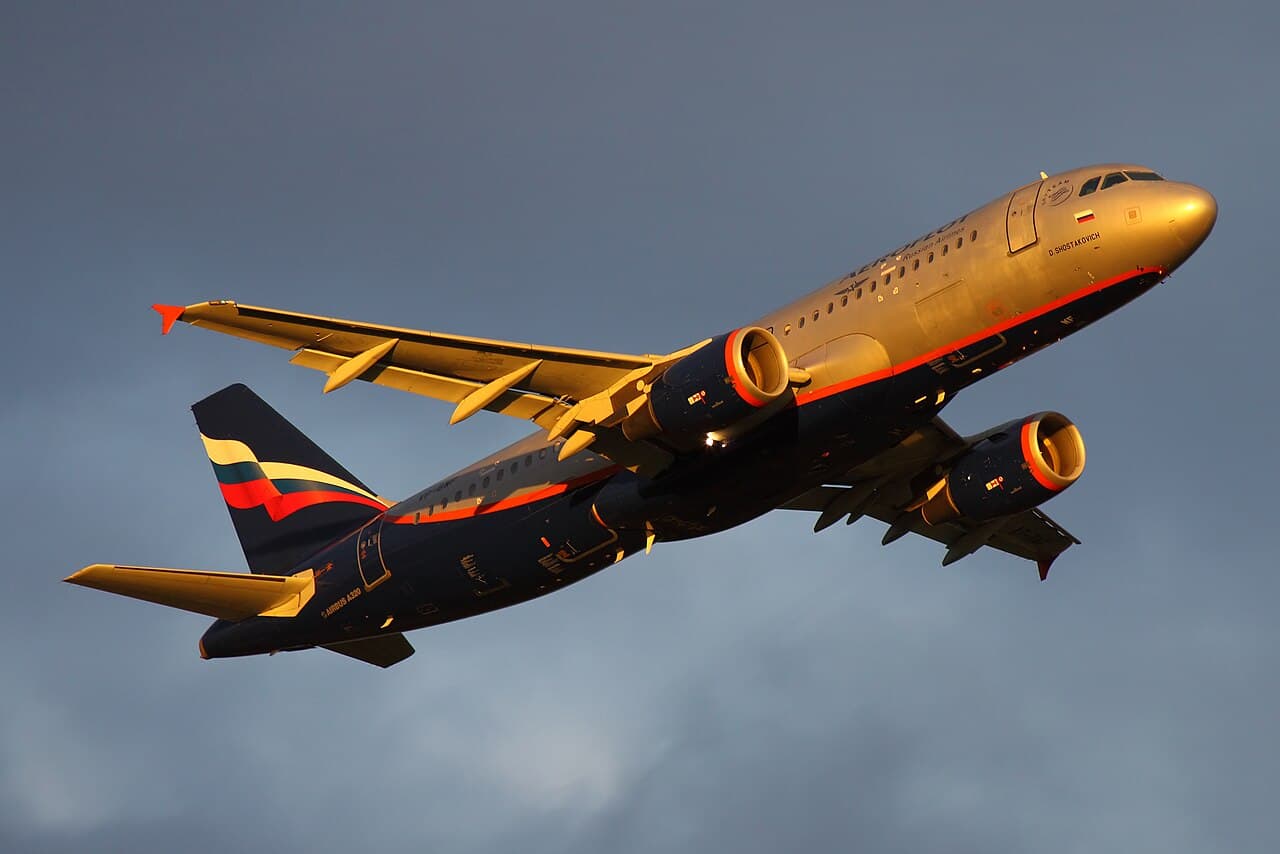
Boeing 737 vs Airbus A320: Which Narrowbody Costs Less Per Seat for Airlines?
Selecting a narrowbody fleet to carry an airline through its plans tends to always end up focusing on fractional cost extraction. Airlines routinely analyze operational data points down to thousandths of a cent to determine whether the Boeing 737 or the Airbus A320 family yields the most favorable bottom-line performance. Marketing materials claim clear structural supremacy, but real-world line operations demonstrate an incredibly balanced competitive environment.
Chartering a Boeing 747 Costs $25K-$40K Per Hour in 2026 for Large Passenger and Cargo Needs
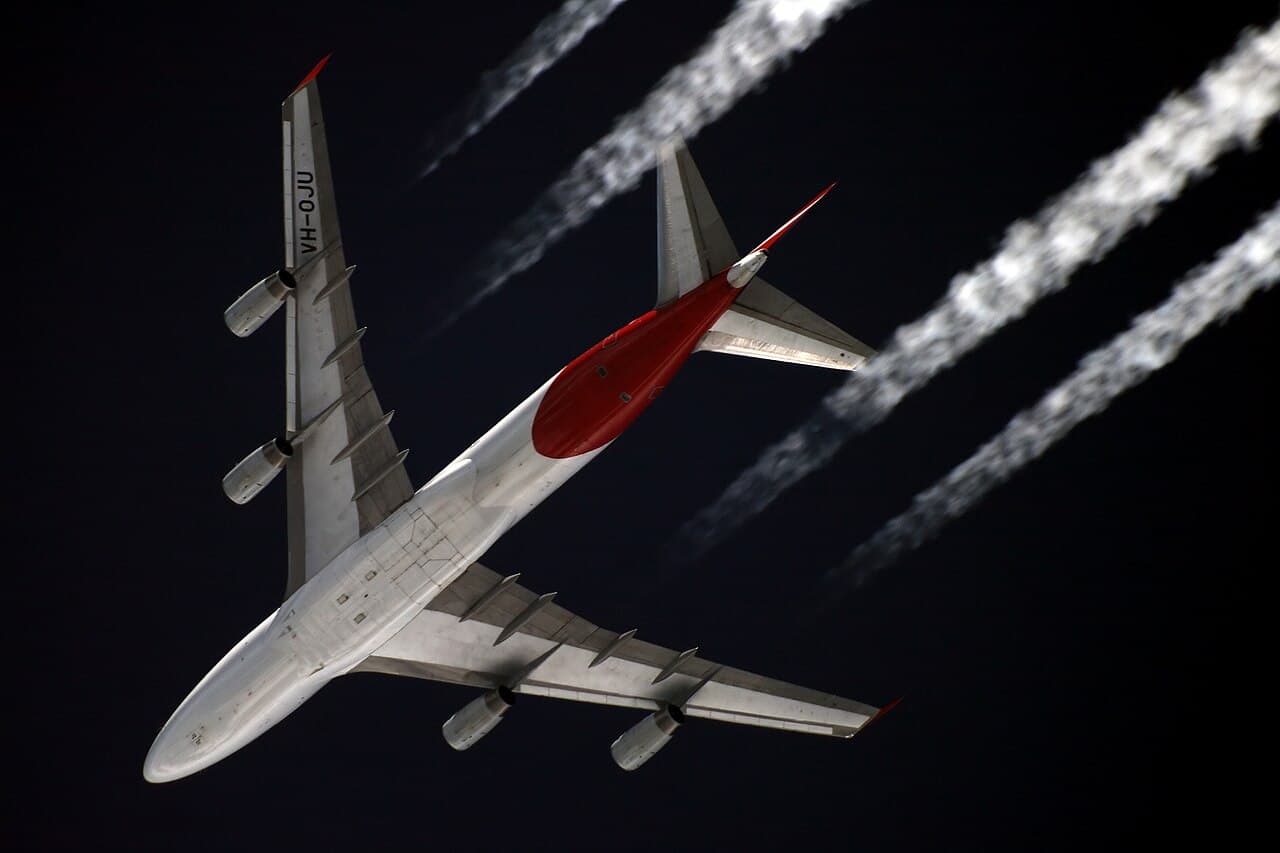
Chartering aircraft has been a popular alternative to commercial air travel since the end of World War II, according to Business Aircraft Center. The introduction of the Learjet 23 in 1963 further cemented charter aircraft operations as a mainstay in the corporate aviation landscape. Several manufacturers from the 1960s onward began to produce their own variants, to grow the business aviation landscape as it stands today. Companies such as Bombardier, Dassault Falcon , Gulfstream, Embraer , and Textron are some of the most common corporate jet manufacturers in the industry today.
Frontier Airlines to Install Starlink Wi-Fi Across Entire Fleet by Early 2027
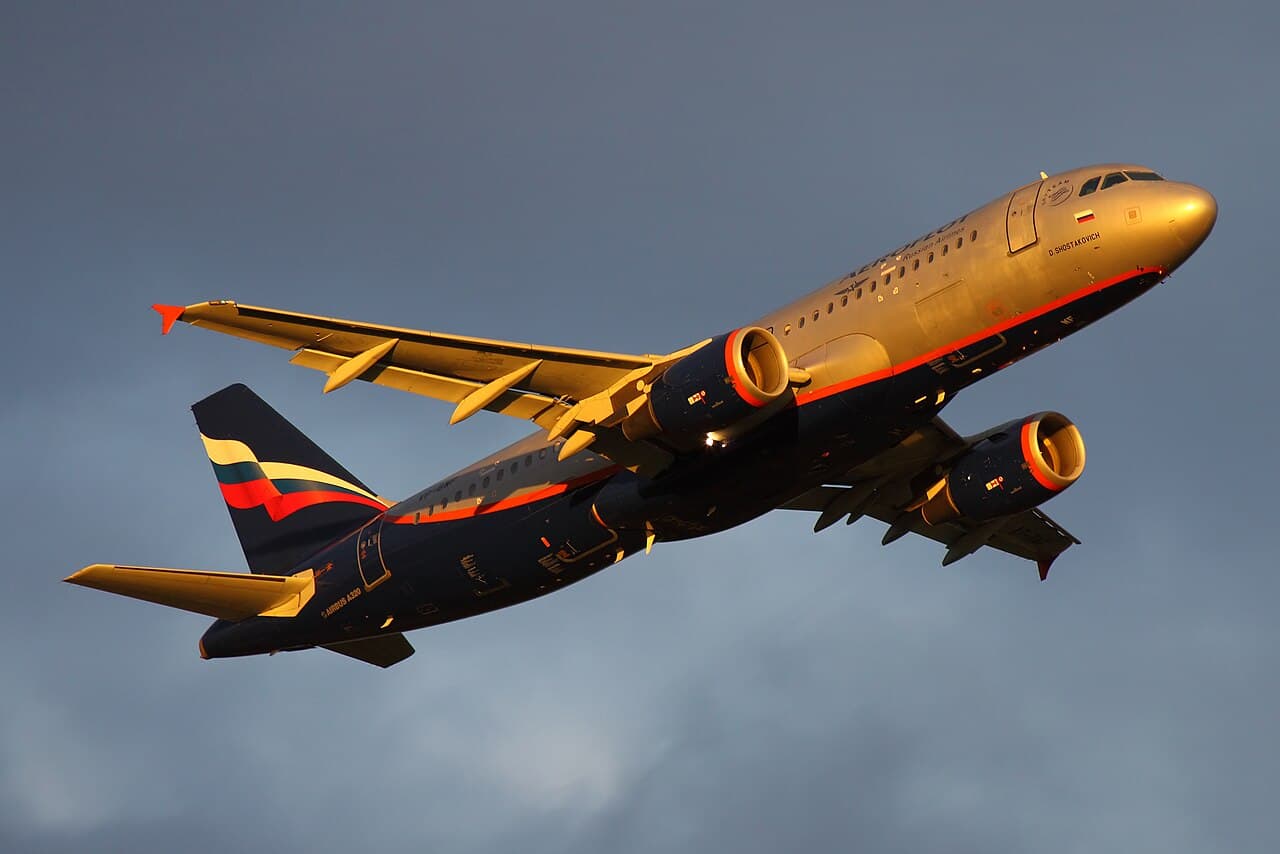
Denver-based carrier joins growing list of North American airlines to opt for the SpaceX service. Frontier Airlines is to install SpaceX's Starlink in-flight Wi-Fi service on its entire fleet as part of a programme that will see five Indigo Partners-backed carriers equip more than 1,000 aircraft with the system. European budget carrier Wizz Air, Mexico's Volaris, Latin America's JetSmart and Philippines-based Cebu Pacific will also install Starlink on their aircraft. "Starlink will provide our portfolio airlines with reliable, high-speed connectivity," says Indigo Partners managing partner Bill Franke. A Frontier spokesperson confirms to FlightGlobal that all 183 of the carrier's Airbus A320s and A321s will be equipped with Starlink. The first Starlink-equipped aircraft is scheduled to launch in early 2027. Further details on how long the full roll-out will take are still "to come", adds the spokesperson. Frontier becomes the latest in a string of North American carriers to select SpaceX's low-Earth orbit (LEO) satellite-based in-flight connectivity service . Air Canada, Alaska Airlines, American Airlines, Hawaiian Airlines, Southwest Airlines, United Airlines, WestJet and charter carrier JSX have all opted to install Starlink across their fleets. Delta Air Lines and JetBlue Airways, meanwhile, have both selected Amazon's competing Leo service. Frontier says it will be the first US carrier to offer passengers access to Starlink through "a new service managed directly by Starlink". FlightGlobal has approached SpaceX for more information about this service. Starlink uses a network of LEO satellites to provide low-latency global coverage, including across polar regions. Both Starlink and Amazon Leo have been taking market share from incumbent satellite providers , which have traditionally focused on satellites in geostationary orbit. Those providers are increasingly offering multi-orbit solutions to airlines in response.
Delta Medallion Loyalty Faces New Challenges as CRJ200 Fleet Retires and MQD Rules Tighten
For years, small communities occupied a unique place in Delta Air Lines' network. Travelers from cities served by the 50-seat Bombardier CRJ200 often accepted cramped cabins, limited amenities, and frequent connections because loyalty delivered tangible rewards. Frequent regional flyers accumulated Medallion status through repeated trips, received complimentary upgrades on connecting flights, and benefited from priority treatment during disruptions. That long-standing tradeoff has now been disrupted by two major changes that arrived almost simultaneously. Delta retired its CRJ200 fleet in late 2023, replacing the aircraft with larger dual-class regional jets such as the CRJ700, CRJ900, Embraer E175, and eventually the CRJ550. Although several CRJ200s briefly returned during the summer of 2024 to cover temporary fleet shortages, the airline's long-term strategy remains centered on fewer, fuller aircraft that offer a more premium onboard experience. At nearly the same time, Delta overhauled its SkyMiles Medallion program by making Medallion Qualification Dollars (MQDs) the primary path to elite status, shifting the emphasis from how often customers fly to how much they spend.
The Daily Touch & Go
The day's best aviation news in your inbox. Free, no spam.