

Image: Adrian Pingstone · Public domain · via Wikimedia Commons
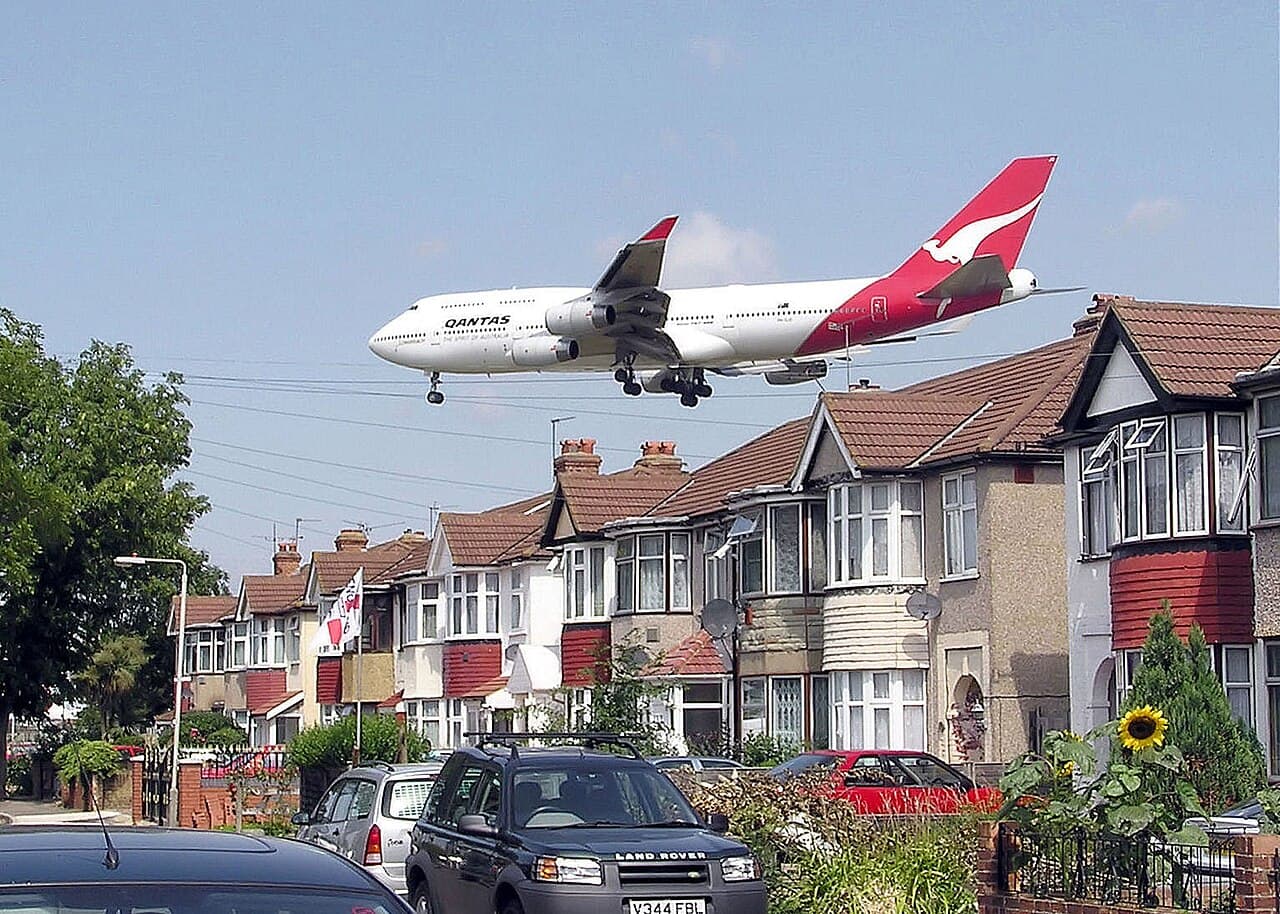
Former Qantas CEO Alan Joyce Offers Regrets but Defends Pandemic-Era Decisions
Alan Joyce reflects on his controversial tenure amid Qantas scandals over customer refunds, cancelled flights, illegal layoffs, and stock sales during the pandemic.
The gist
Alan Joyce admits mistakes at Qantas but maintains most pandemic-era decisions were necessary for survival despite customer and legal fallout.
Continuing coverage
All Qantas →- Airbus fixed A380 wing cracks by replacing carbon composite parts with aluminum to avoid fleet grounding
- Qantas A350-1000ULR completes 19-hour nonstop maiden flight from Toulouse to Melbourne
- Airbus A350-1000ULR embarks on nonstop Toulouse to Melbourne test flight
- Qantas A321 Freighter First Cargo Plane to Land at Western Sydney International
- Airbus to perform ultra-long 22-hour test flight of A350-1000ULR to Australia
Alan Joyce, who led Qantas for nearly 15 years before stepping down three years ago, has returned to the public stage with a memoir and media campaign addressing the airline's turbulent pandemic period and his controversial leadership. While confessing regret over several missteps, Joyce also defends many actions taken during the unprecedented crisis that severely tested global aviation.
Emerging from the COVID-19 pandemic, Qantas faced widespread operational turmoil including pervasive flight cancellations, lost baggage, gutted call centers, and a surge of customer dissatisfaction. Joyce notably apologized for a now-infamous comment that blamed travelers for being unprepared for airport security, acknowledging it as insensitive and a mistake. This comment highlighted a broader pattern during the crisis where management appeared to fault customers rather than its own operational shortcomings.
Central to the controversy was Qantas's approach to passenger refunds and ticketing during the pandemic. The airline was found to have inadequately honored refund requests for cancelled flights, instead steering customers toward flight credits, a practice that led to a A$105 million settlement compensating affected passengers. Furthermore, Qantas admitted to selling tickets for thousands of flights it knew would not operate, effectively misleading customers by maintaining cancelled flights in schedules and failing to inform ticket holders promptly. Senior management was aware of these ongoing sales, which maintained revenue streams but compromised consumer transparency.
In parallel, Qantas's labor practices drew heavy criticism. The airline illegally outsourced approximately 1,820 ground staff including baggage handlers and cleaners during the pandemic. Although Joyce expressed retrospective regret over these layoffs, the airline initially contested the rulings in courts up to Australia’s High Court. Eventually, Qantas agreed to pay over A$200 million in penalties and compensation—a record sanction stemming from this labor dispute. Federal Court Justice Michael Lee characterized the airline's apology as insincere, describing it as ‘performative remorse.’
Joyce also faces scrutiny over the timing of his personal financial decisions. In mid-2023, shortly before regulatory investigations against Qantas became public and the share price fell, he sold about A$17 million worth of Qantas stock. The board subsequently reduced his compensation by A$9.26 million, including forfeiting a significant portion of stock incentives. This move was seen as partly related to the airline’s legal and reputational troubles during his exit phase.
Beyond crisis management, Joyce's wider tenure drew criticism for policies perceived to restrict customer benefits and choice. His efforts contributed to protecting Qantas from competitive pressures, limiting market expansion by international carriers like Qatar Airways. Under his leadership, aging aircraft were not timely replaced, contributing to inferior cabin experiences, greater mechanical issues, and operational disruptions, factors even Qantas's chairman acknowledged in 2025.
The loyalty program also underwent devaluation with reduced points earning, removal of premium class redemptions, increased surcharges, and improved revenue extraction from frequent flyers, particularly just before the pandemic hit. Joyce's appointment of former American Airlines CEO Doug Parker to Qantas’s board shortly before leaving sparked further speculation around future passenger-unfriendly strategies including more cramped cabins.
Despite strong personal earnings exceeding A$100 million over his tenure and a moderate 7.5% annualized shareholder return, Joyce’s leadership leaves a complex legacy characterized by customer dissatisfaction, contentious labor relations, and aggressive corporate strategy. His memoir and media outreach appear aimed at reframing this narrative by acknowledging some errors while attributing many failures to extraordinary external circumstances.
Frequently asked questions
- What mistakes did Alan Joyce acknowledge from his time as Qantas CEO?
- He acknowledged mistakes handling flight credits and refunds, making insensitive comments blaming customers, illegally outsourcing ground workers, and selling company stock before investigations became public.
- How did Qantas mishandle customer refunds during the pandemic?
- Qantas made refunds difficult and misled customers into accepting credits for cancelled flights, leading to a A$105 million settlement for improperly withheld funds.
- What labor controversy did Qantas face under Joyce's leadership?
- The airline illegally outsourced 1,820 ground employees during the pandemic, resulting in over A$200 million in penalties and compensation after prolonged court battles.
Read more
All Airlines →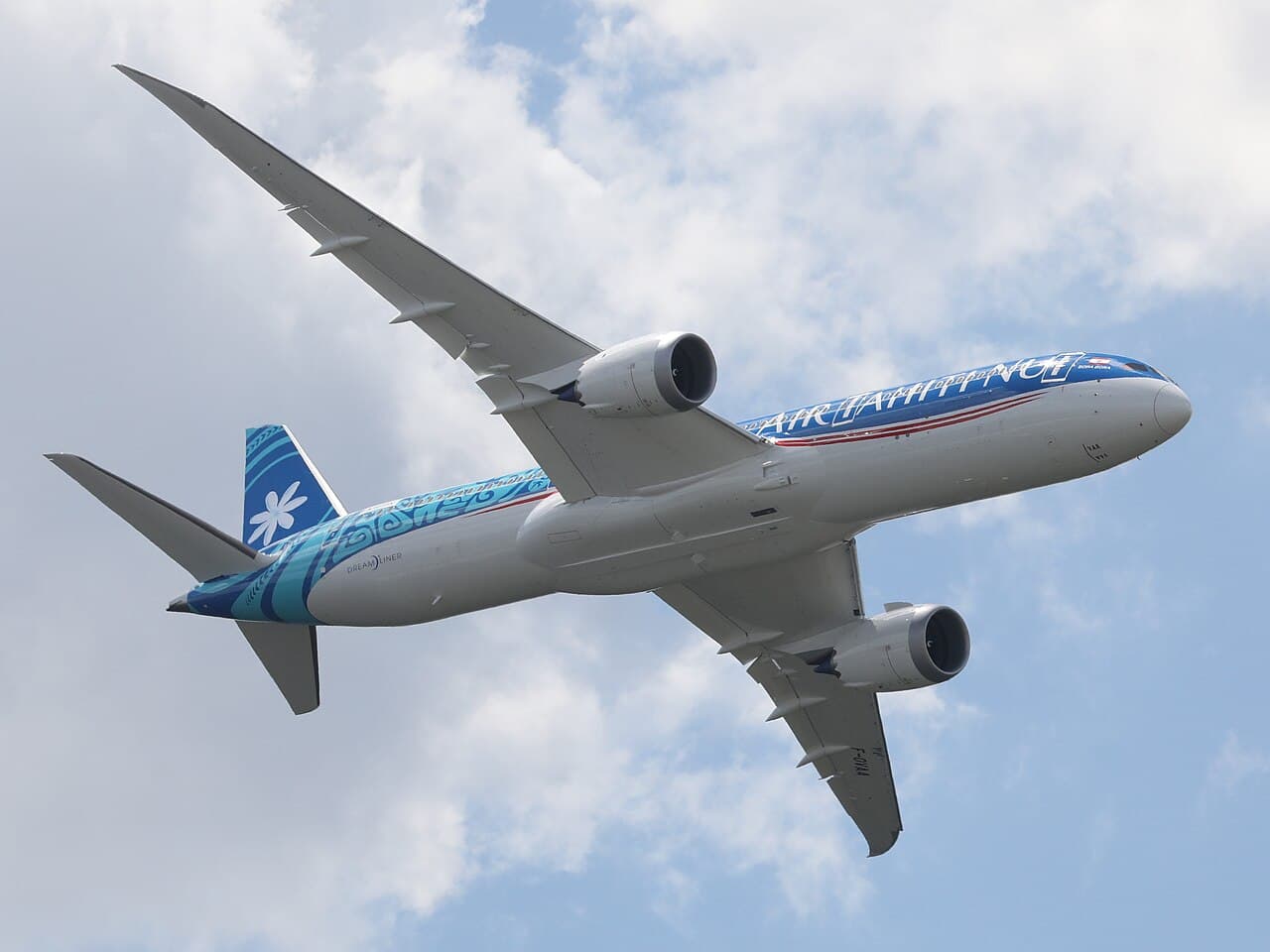
Boeing 787-9 Leads 2026 Widebody Deliveries as Airlines Replace Older Aircraft
Air travel demand continues to rise. The International Air Transport Association (IATA) recently forecast global passenger demand to double by 2050. Airlines are actively responding to the growing demand by adding capacity and opening new routes, while manufacturers are working through substantial order backlogs to deliver the aircraft needed to support that growth. In fact, manufacturers are finally beginning to catch up on aircraft deliveries that were delayed during the pandemic.
Garuda Indonesia named head of new state-owned airline holding company
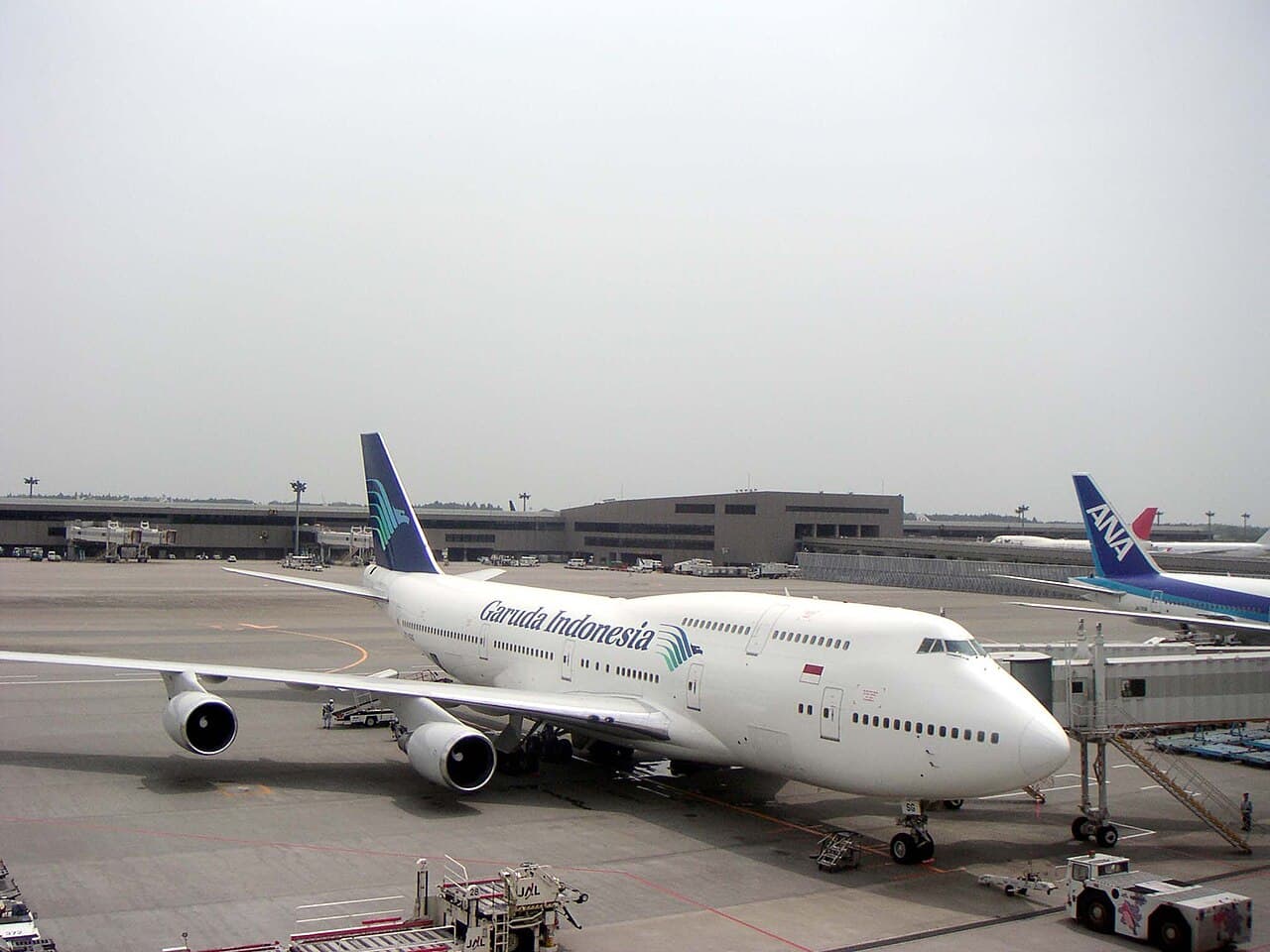
Indonesia’s government is advancing a major consolidation of its state-owned airlines, naming flag carrier Garuda Indonesia as the parent company of a new aviation holding group. ezstandalone.cmd.push(function () { ezstandalone.showAds(119); }); Pelita Air Service will integrate into the Garuda Group under this restructuring, driven by sovereign wealth fund Danantara and the State-Owned Enterprises Agency (BP BUMN). Announced on July 24, 2026, the move follows earlier plans to form the holding by mid-2026. It brings together Garuda Indonesia, its low-cost subsidiary Citilink, and Pelita Air—previously under Pertamina—into a unified structure. ezstandalone.cmd.push(function () { ezstandalone.showAds(127); }); Danantara COO and BP BUMN head Dony Oskaria confirmed the strategy after meeting with Pelita Air’s leadership. Why Consolidation Matters Indonesia’s aviation sector faces intense competition and operational challenges. Garuda has dealt with financial losses, grounded aircraft, and the need for fleet reactivation despite capital injections from Danantara. ezstandalone.cmd.push(function () { ezstandalone.showAds(128); }); By creating a single holding company, the government aims to eliminate internal rivalry, optimize resources, and build a stronger national champion. Key benefits include improved operational efficiency, better network planning, and greater synergies across the group. Fleet utilization should rise as carriers share aircraft on high-demand routes. A unified booking system, shared loyalty programs, and seamless seat adjustments will enhance the passenger experience. ezstandalone.cmd.push(function () { ezstandalone.showAds(129); }); Officials expect the structure to reduce costs, capture more market share, and help address ongoing financial pressures without immediately adding new planes. This aligns with broader BUMN reforms that seek to streamline subsidiaries and focus on core sectors. Focus on Service Upgrades The restructuring extends beyond the corporate changes. BP BUMN and Danantara are pushing comprehensive service improvements across the entire passenger journey: Pre-flight: Integrated ticketing systems and upgraded airport lounges. In-flight: Enhanced cabin products, better catering, and improved crew service. Post-flight: Strengthened loyalty programs and overall customer support. Workforce: Investment in staff development and training. ezstandalone.cmd.push(function () { ezstandalone.showAds(130); }); These enhancements aim to position the Garuda Group as Indonesia’s preferred airline while boosting its regional competitiveness. The group will maintain distinct branding—full-service for Garuda, low-cost for Citilink, and specialized operations for Pelita—while sharing back-end efficiencies. Aldo Bidini (GFDL 1.2 or GFDL 1.2), via Wikimedia Commons Background and Outlook Garuda Indonesia, founded in 1949, serves as the country’s flag carrier with both domestic and international routes. Citilink targets the growing budget segment, while Pelita Air has focused on charter and regional services. Combining them under one holding addresses long-standing issues like overlapping routes and fragmented operations. ezstandalone.cmd.push(function () { ezstandalone.showAds(131); }); Industry observers see this as a positive step for Indonesia’s vast archipelago, where air travel is vital for connectivity. Successful implementation could improve profitability, modernize services, and support tourism and economic growth. However, challenges remain, including fleet reactivation, cost control, and maintaining high safety and service standards. The government targets full integration soon, building on prior capital support and transformation efforts. ezstandalone.cmd.push(function () { ezstandalone.showAds(132); }); If executed well, the Garuda-led holding could create a more resilient, customer-focused aviation powerhouse capable of competing with regional rivals. This consolidation marks a significant chapter in Indonesia’s aviation history, signalling strong commitment to a unified, efficient, and competitive state-owned airline sector.
Rolls-Royce Applies A330neo Engine Tech to Fix Boeing 787's Trent 1000 Issues
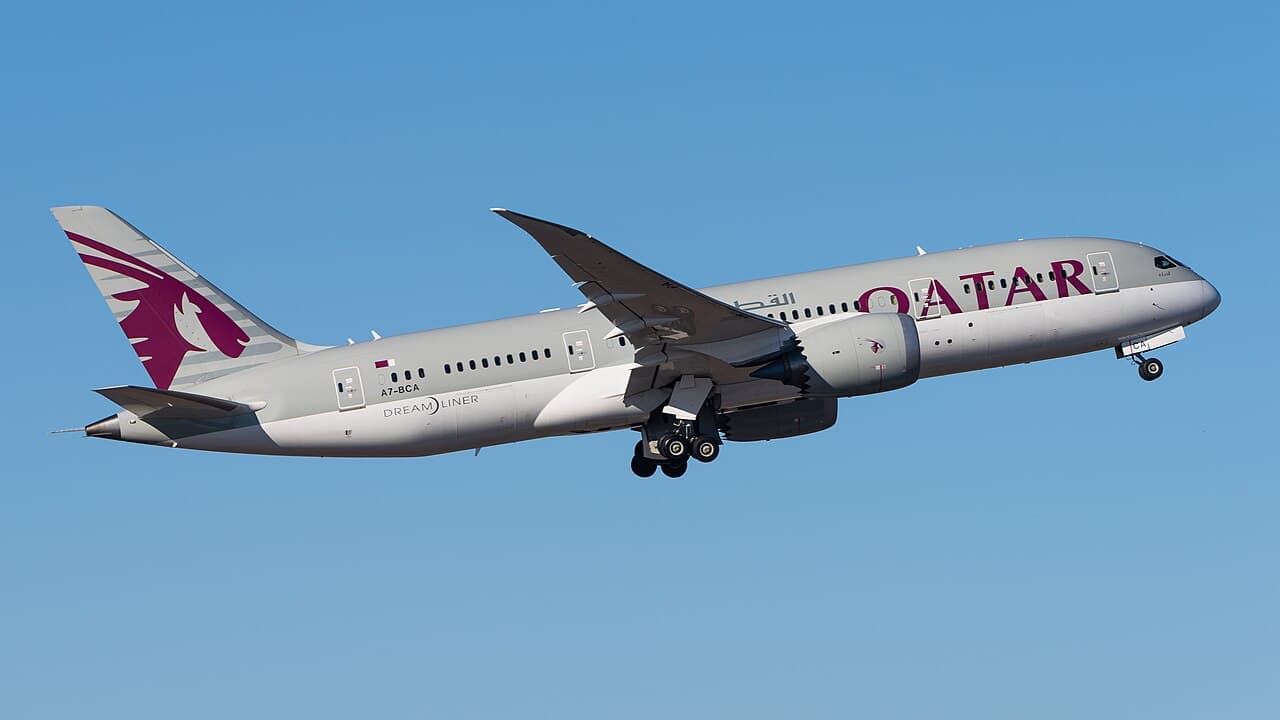
In an ironic twist of fate, the Boeing 787 Dreamliner foiled the market debut of the Airbus A330neo, yet in 2022, new turbine parts made for the European widebody finally resolved long-running engine trouble in the 787. The American-made next-gen jetliner caught Airbus off guard when it officially launched in 2004. But the engines on the facelifted Airbus have proven to be more reliable over the years. The Rolls-Royce Trent 7000 engines on the A330neo have logged over 1 million continuous engine flying hours with zero in-flight disruptions and nearly 100% dispatch reliability.
United CEO Proposed Merger With Delta Creating 35% U.S. Market Share
United CEO Scott Kirby reportedly pitched Delta CEO Ed Bastian on a merger that would have created an airline controlling roughly 35% of the U.S. domestic market. The idea went nowhere, and it is hard to see how it could survive antitrust review when the combined carrier would face objections across New York, Los Angeles, the transatlantic market, Latin America, Asia, and beyond.
The Daily Touch & Go
The day's best aviation news in your inbox. Free, no spam.