

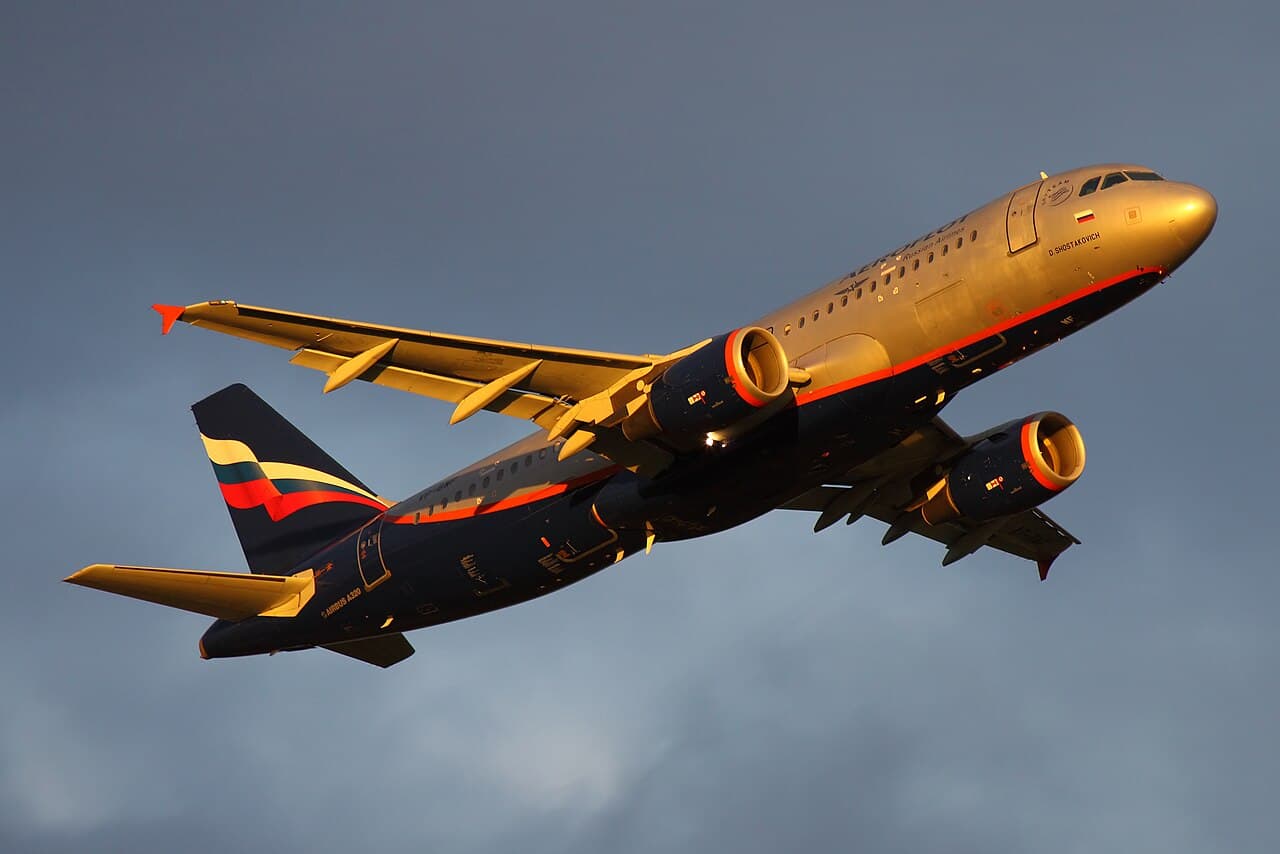
Image: Sergey Kustov · CC BY-SA 3.0 · via Wikimedia Commons
Frontier Airlines to Install Starlink Wi-Fi Across Entire Fleet by Early 2027
Frontier Airlines and four other Indigo Partners-backed carriers will equip over 1,000 aircraft with SpaceX's Starlink high-speed in-flight connectivity service.
The gist
Frontier commits to Starlink Wi-Fi on all 183 Airbus jets, joining thousands of aircraft set for SpaceX’s high-speed internet rollout by 2027.
Continuing coverage
All Airbus A320 →- Airbus A320 Pilots Routinely Shut Down One Engine During Taxi to Cut Fuel Use
- British Airways A320 Disabled on Gatwick Runway Triggers Fuel Emergencies and Diversions
- British Airways A320 Nose Gear Failure Blocks Gatwick Runway Causing 14 Flight Diversions
- Aer Lingus cuts three US routes and trims fleet amid rising transatlantic rivalry
- SpiceJet Struggles to Rebuild Amid Fleet Groundings and Financial Strains
Frontier Airlines will equip its entire fleet of 183 Airbus A320 and A321 aircraft with SpaceX's Starlink in-flight Wi-Fi service, marking a significant expansion of the satellite broadband provider's presence in commercial aviation. This initiative is part of a broader program by Indigo Partners, the private equity firm backing Frontier, which includes four other airlines set to install Starlink on their fleets. The first Starlink-enabled Frontier aircraft is expected to enter service in early 2027, with the full rollout schedule to be announced later.
Alongside Frontier, European low-cost carrier Wizz Air, Mexican airline Volaris, Latin American JetSmart, and Philippines-based Cebu Pacific will also equip their aircraft with Starlink connectivity. Collectively, these Indigo-backed airlines will bring Starlink service to over 1,000 aircraft globally, highlighting a major push towards reliable, high-speed internet across budget carriers in multiple regions. Indigo Partners managing partner Bill Franke emphasized that Starlink will enhance connectivity for their portfolio airlines, improving passenger experience with more dependable Wi-Fi.
Frontier’s adoption of Starlink adds to a growing roster of North American airlines deploying SpaceX’s low-Earth orbit (LEO) satellite broadband service. Prominent carriers such as Air Canada, Alaska Airlines, American Airlines, Hawaiian Airlines, Southwest Airlines, United Airlines, WestJet, and charter operator JSX have already selected Starlink for their fleets. This trend underscores Starlink’s rising dominance in the inflight connectivity market against legacy satellite providers.
The choice of Starlink contrasts with other major U.S. airlines like Delta Air Lines and JetBlue Airways, which have opted for Amazon's competing LEO satellite service, Amazon Leo. Both Starlink and Amazon Leo operate constellations of satellites in low-Earth orbit, offering lower latency and broader coverage including polar regions, outpacing traditional geostationary-orbit satellite systems.
Frontier will notably be the first U.S. carrier to offer Starlink service managed directly by Starlink itself, signaling a closer collaboration between the airline and SpaceX. Details about this new service management approach remain limited as Frontier and SpaceX have yet to provide comprehensive information. This arrangement could potentially streamline service delivery and maintenance for the airline's Starlink connectivity.
The rising demand for seamless, high-speed internet during flights is reshaping the business model for satellite providers, who face growing competition from LEO operators like Starlink and Amazon Leo. Traditional satellite connectivity providers, which rely primarily on geostationary satellites positioned 36,000 kilometers above Earth, are responding by developing multi-orbit solutions that combine geostationary and LEO satellites to meet evolving airline needs.
The rollout of Starlink on Frontier’s Airbus A320 family jets represents a significant investment in passenger experience for a carrier known for its ultra-low-cost model. High-speed inflight Wi-Fi can drive ancillary revenue and improve customer satisfaction, which are vital in the highly competitive low-cost segment. The deployment will also extend Starlink’s footprint into markets such as Latin America and Asia through the Indigo consortium’s other airline members.
This ambitious Starlink installation program by Indigo Partners further accelerates the transformation of inflight connectivity from a rarity to an expectation. As passenger demand for constant digital access grows, airlines are increasingly viewing LEO satellite services as essential infrastructure. Frontier’s full fleet upgrade exemplifies this shift, positioning the airline among the leaders embracing next-generation satellite internet technology.
Given the high number of aircraft involved and the complexity of retrofitting existing fleets with new satellite hardware, the full integration will represent one of the largest inflight connectivity deployments globally. The timing and process details remain forthcoming, but the early 2027 launch target sets an aggressive timeline for Indigo-packaged airlines to modernize their fleets with Starlink technology.
Frequently asked questions
- Which aircraft will Frontier equip with Starlink Wi-Fi?
- Frontier will install Starlink on all 183 of its Airbus A320 and A321 aircraft.
- When is the first Starlink-equipped Frontier aircraft expected to enter service?
- The first Frontier aircraft with Starlink installed is scheduled to launch in early 2027.
- Which other airlines backed by Indigo Partners are installing Starlink?
- Indigo Partners airlines Wizz Air, Volaris, JetSmart, and Cebu Pacific will also equip their fleets with Starlink.
Read more
All Business Aviation →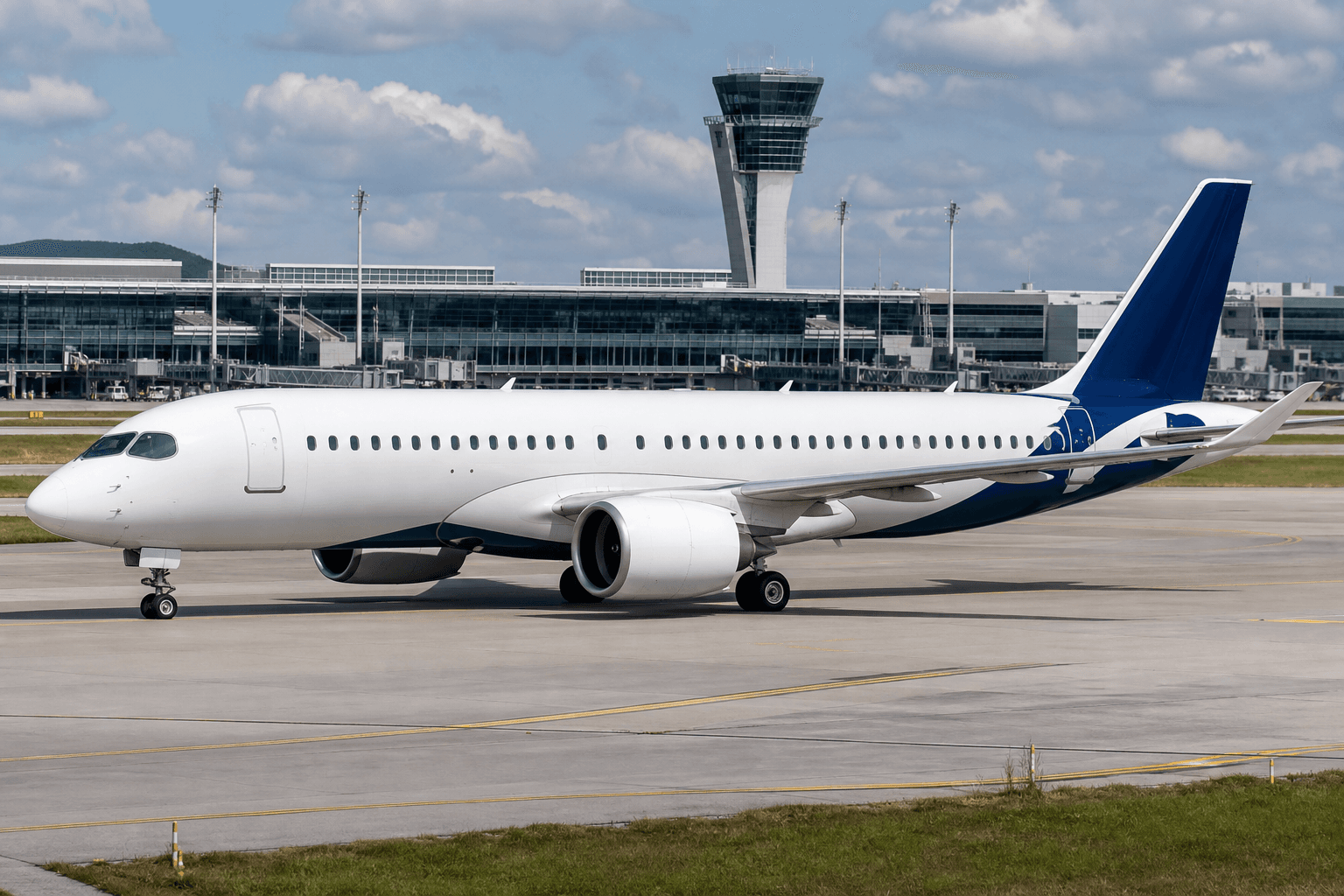
Airbus A220 Outpaces A319neo as Preferred 100-150 Seat Narrowbody
For years, the Airbus A319 occupied an important niche in the European manufacturer’s single-aisle family. It offered airlines the commonality of the larger A320 while providing fewer seats for thinner routes, making it popular with carriers such as easyJet, American Airlines, United Airlines, Lufthansa and British Airways. When Airbus launched the A320neo family in 2010, it naturally included an updated A319neo. Yet, more than a decade later, the smallest member of the family has become little more than a footnote. Instead, the Airbus A220 has emerged as the aircraft of choice in the 100-150 seat market, to the point where Airbus executives are increasingly positioning it as the company’s smallest mainstream narrowbody, leaving the A319neo with only a tiny order book. So why did this happen? The A319neo Was Never Designed for This Market The biggest challenge facing the A319neo is that it wasn’t designed from scratch. Like the A318, A319, A320 and A321 before it, the A319neo is based on a fuselage that first flew in 1987. While the addition of new engines, sharklets and aerodynamic improvements significantly reduced fuel burn, the aircraft remained a shortened version of a larger design. That brings inevitable compromises. The aircraft carries much of the same wing, landing gear and systems as its larger siblings, meaning its structural weight is relatively high for the number of passengers it carries. Those costs are spread across fewer seats than an A320neo or A321neo, making the economics less attractive. By contrast, the A220 was conceived specifically for this market. Originally developed by Bombardier as the CSeries , it was designed around modern lightweight structures, advanced aerodynamics and Pratt & Whitney geared turbofan engines from the outset. Every aspect of the aircraft was optimised for carrying between around 100 and 150 passengers efficiently. Airlines Want Efficiency Above All Else For airlines, cost per seat is everything. Although the A319neo delivers substantial fuel savings over the previous-generation A319ceo, it simply cannot match the purpose-built efficiency of the A220 on many missions. The A220 is lighter, burns less fuel per passenger on typical short- and medium-haul sectors, and offers lower operating costs in the market segment that both aircraft target. For airlines looking to replace ageing Airbus A319s, Boeing 737-700s, Embraer 190s or regional jets, the A220 increasingly became the obvious choice. Passengers Prefer the A220 The A220 hasn’t just won over airlines, it has also become a favourite with passengers. Its five-abreast cabin (2-3 seating) means there is only one middle seat in each row, while wider seats, larger windows, lower cabin noise and generous overhead bins create a noticeably more modern travelling experience. Airbus says the A220 consistently achieves some of the highest passenger satisfaction scores among airline fleets, making it attractive not only for operating economics but also for customer experience. The Market Has Moved Upwards Ironically, another factor has worked against the A319neo: airlines now want larger aircraft. As airports become busier and pilot shortages persist in many regions, airlines increasingly maximise each slot by using larger aircraft. Within Airbus’ own product line, the A321neo has become the runaway success story, attracting the majority of new orders, while the A320neo continues to dominate the middle of the market. The A319neo has effectively been squeezed from both directions. Airlines needing around 140 seats increasingly favour the A220-300, while those wanting more capacity simply move up to the A320neo or A321neo. There is very little room left in the middle for the A319neo. Orders Tell the Story Perhaps the clearest evidence comes from the sales figures. The A319neo has attracted only a handful of orders compared with its larger siblings, with several customers converting their commitments to larger A320neo-family aircraft instead. Today, only a small number are in airline service, primarily with operators in China. The A220, meanwhile, has enjoyed steadily growing success since Airbus took over the former Bombardier programme in 2018. The family has now surpassed 1,000 firm orders and is operated by airlines including Delta Air Lines, Air France, JetBlue, airBaltic, Swiss and Air Canada, with Airbus continuing to ramp up production. Could the A220 Become Even More Important? The A220’s influence may not stop here. Airbus is actively studying a stretched A220-500 , which would add around five additional rows of seating and move the aircraft closer to today’s A320neo in capacity. Airline interest has been strong, and Airbus has indicated it is evaluating what it describes as a relatively “simple” stretch once production of the existing variants reaches higher rates. If launched, the A220-500 could place even greater pressure on the lower end of the A320neo family, reinforcing the A220’s position as Airbus’ dedicated aircraft for the smaller single-aisle market. The Right Aircraft at the Right Time The A319neo isn’t a poor aircraft. In many ways, it is exactly what Airbus intended it to be: a modernised version of a proven airliner. The problem is that the market changed. Airlines no longer wanted a shortened derivative when a clean-sheet alternative existed that offered lower operating costs, a better passenger experience and performance tailored specifically to the 100-150 seat sector. For Airbus, acquiring the Bombardier CSeries programme may prove to have been one of its smartest strategic decisions. Rather than forcing the A319neo to compete in a market for which it was never truly optimised, the manufacturer now has an aircraft purpose-built for the role. As a result, the A220 hasn’t merely complemented the A319neo, it has effectively replaced it.
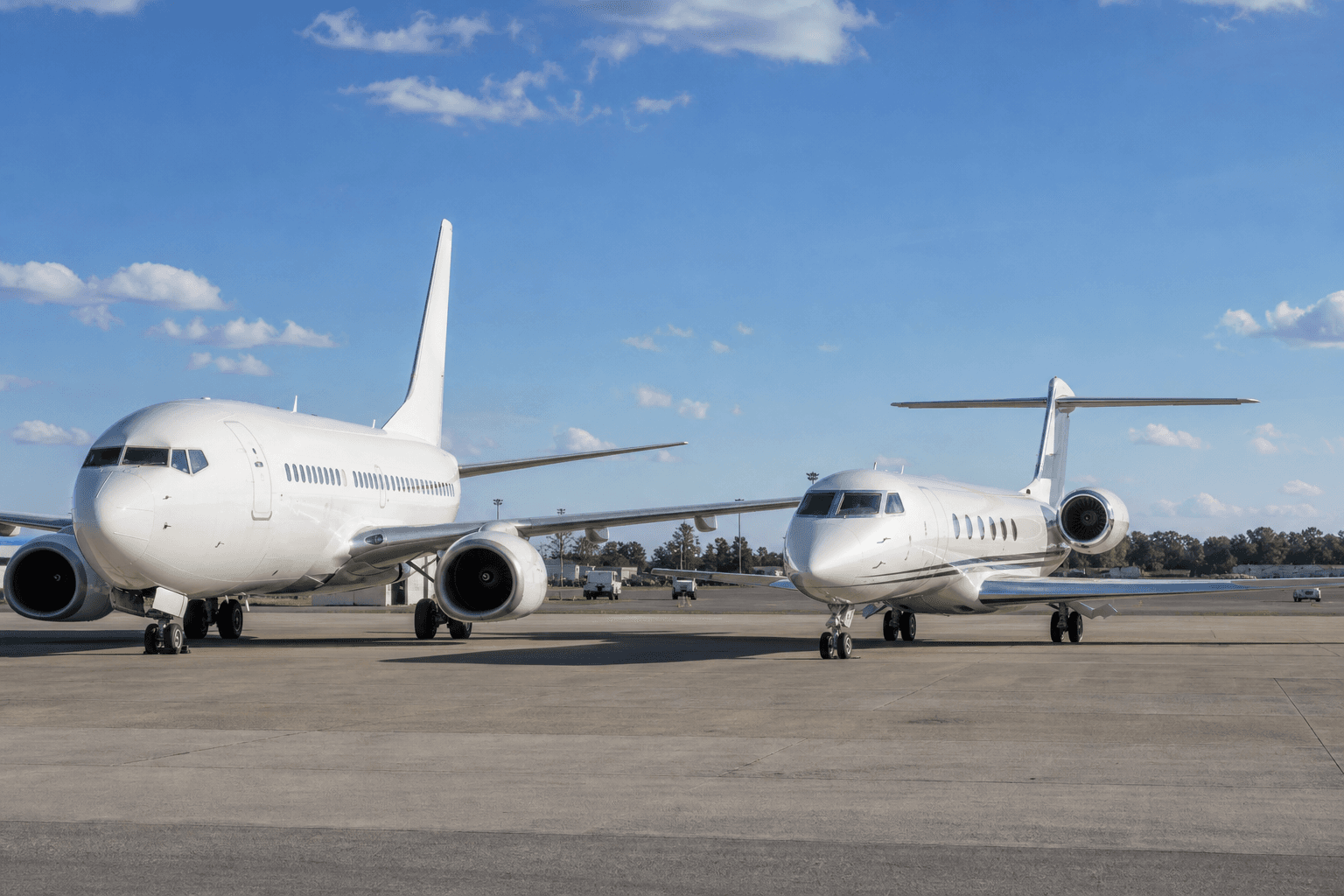
DHS Advances Plans for Its Own Deportation Airline Named ICE Air
The Department of Homeland Security (DHS) is pushing ahead with plans to create its own ‘ICE Air’ deportation airline, new filings by the federal agency have revealed. Last year, DHS said it planned to buy up to six planes to carry out deportation flights, rather than relying solely on contracted agencies like GlobalX, Omni Air International, and Avelo (the latter of which dumped its ICE deportation contract). In a notice to potential contractors who will help DHS run ICE Air, the agency said it planned to operate Boeing 737 and Gulfstream 650ERs or equivalent “to enable safe, reliable, and secure air operations in support of DHS missions.” The primary missions, however, will be deportation flights, voluntary repatriations, and high-risk charter operations, as well as the deployment of crisis response personnel, and flying senior DHS leaders like Administrator Markwayne Mullin around the country. The contractor for ICE Air will be expected to provide pilots and flight attendants, along with flight nurses and security personnel, when required. According to the document, ICE Air is expected to be operational by July 28, 2027. As it stands, the airline will launch with seven Boeing 737-700s and two C-37B aircraft. DHS says it reserves the right to expand its fleet later into the contract. While DHS has established that it wants to conduct deportation flights around-the-clock, 365 days a year, it still hasn’t worked out whether it wants to operate ICE Air from a single operating base or have the aircraft spread out across multiple airports. One idea that DHS is considering is a ‘hub and spoke’ model, much like commercial airlines fly passengers from regional airports into one of their ‘hubs’ and then back out to the passenger’s final destination. ICE Air was the brainchild of former DHS Administrator Kristi Noem, who spent $200 million of taxpayer money on a pair of "top-of-the-line" luxury Gulfstream G700 private jets. Noem justified the expense on the grounds that they could be used for deportation flights, although they were only then used to fly her around the country.
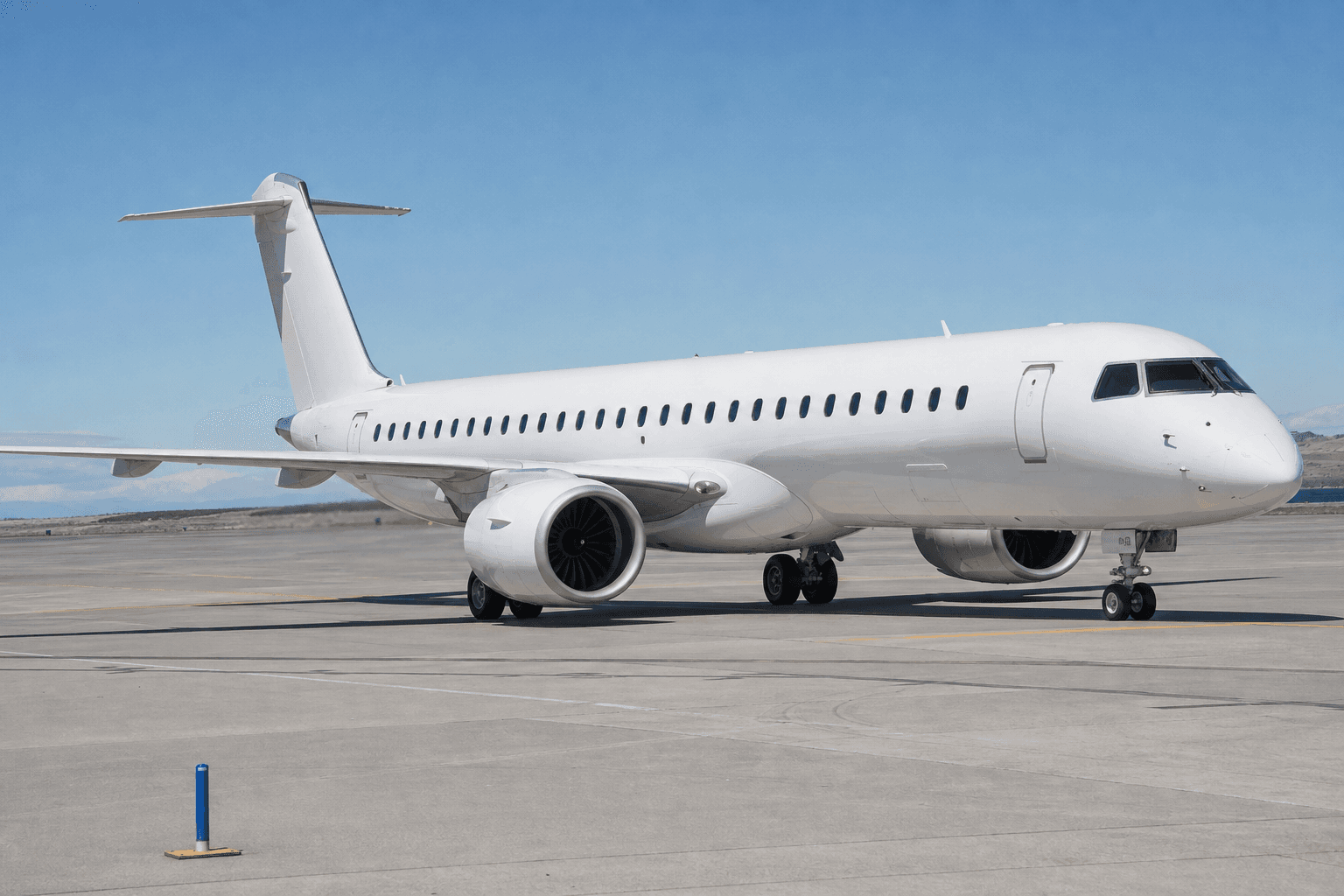
Embraer Achieves Highest Second-Quarter Aircraft Deliveries Since 2010
Embraer delivered 65 aircraft in the second quarter of 2026, its highest second-quarter delivery total in 16 years, according to a July 2 company report. The total was up from 44 aircraft in the first quarter and from 61 aircraft in the same period last year. The company said the increase was supported in part by its production leveling efforts, which are aimed at spreading deliveries more evenly through the year. Commercial Aviation accounted for 20 deliveries during the quarter, including six E195-E2s, doubling the 10 aircraft delivered in the first quarter. Executive Aviation delivered 45 aircraft, compared to 29 in the first quarter and 38 in the second quarter of 2025. Through the first half of 2026, Embraer delivered 109 aircraft, up from 91 during the same period last year. There were no Defense & Security deliveries during the quarter. Embraer said it continues to expect 80 to 85 commercial aircraft deliveries and 160 to 170 executive aircraft deliveries for the year.
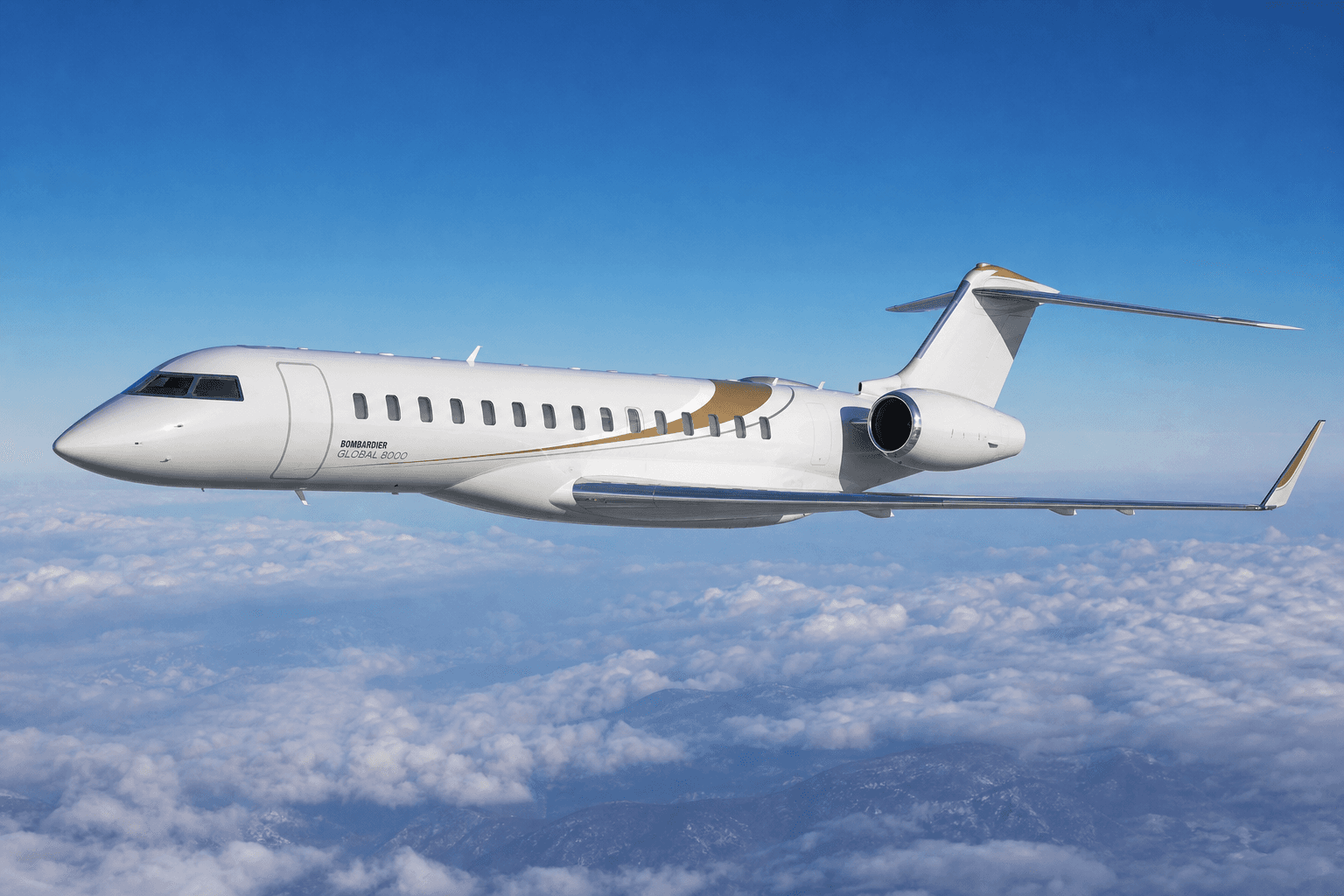
Bombardier Global 8000 Sets New Speed Benchmark as Fastest Civil Jet Since Concorde
The Bombardier Global 8000 is the fastest civil jet since Concorde, combining Mach 0.95 speed, 8,000-nm range, and record-setting performance.
The Daily Touch & Go
The day's best aviation news in your inbox. Free, no spam.