

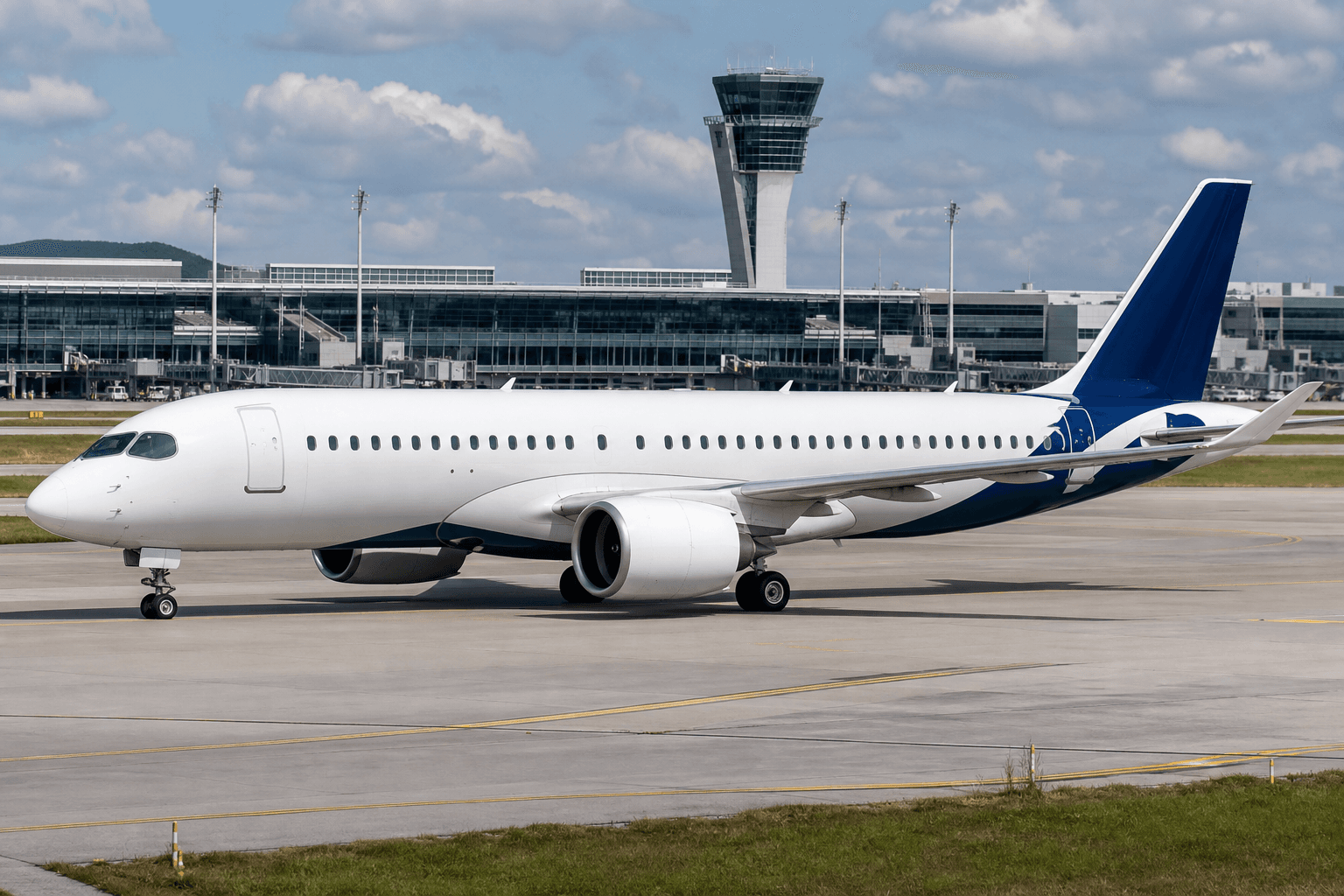
Illustration: The Touch & Go
Airbus A220 Outpaces A319neo as Preferred 100-150 Seat Narrowbody
The Airbus A220 has supplanted the A319neo in the 100-150 seat market due to its modern design, superior efficiency, and better passenger appeal, leaving the A319neo sidelined.
The gist
Airbus's A220 has overtaken the A319neo as the top choice in the small narrowbody segment, driven by efficiency and passenger comfort advantages.
Continuing coverage
All Airbus →- Europe's FCAS fighter program collapses amid industrial disputes and divergent military goals
- Airbus Builds A321XLR Wings in UK and Final Assembly in Germany Across Four Nations
- Airbus Forecasts Doubling of Air Passengers by 2045 Led by Urban Growth and Aircraft Efficiency
- Syria Plans to Buy Eight Airbus Aircraft as Macron Visits to Support Reconstruction
- Airbus and MTU to Launch Joint Venture for Hydrogen Fuel Cell Aviation Engines in 2027
For decades, the Airbus A319 was a vital piece of the European manufacturer's single-aisle lineup, favored by carriers like easyJet and Lufthansa who needed fewer seats on thinner routes but wanted commonality with larger A320 family members. Airbus originally extended this lineup in 2010 with the A319neo, a refreshed model featuring new engines and aerodynamic tweaks to improve fuel efficiency. However, in recent years the A319neo has faded into near obscurity, overshadowed by the Airbus A220, which now dominates the 100-150 seat segment as Airbus's smallest mainline narrowbody.
The fundamental reason behind the A319neo's decline lies in its design heritage. It is a derivative of an aircraft family with roots dating back to 1987, meaning the core structures—like the fuselage, wing, and landing gear—are inherited from earlier generations. While incremental improvements reduced fuel burn, the A319neo retained a higher structural weight relative to its seating capacity compared to newer designs. This inherent inefficiency presents airlines with higher per-seat operating costs compared to a purpose-built competitor.
Conversely, the Airbus A220, originally the Bombardier CSeries, was developed with a clean-sheet approach specifically targeting the small narrowbody market. It integrates advanced lightweight materials, improved aerodynamics, and Pratt & Whitney geared turbofan engines from inception. This results in a lower overall weight, enabling the aircraft to burn less fuel per passenger on short- and medium-haul routes, solidifying its economic appeal in this market segment.
Airlines prioritize operating expenses, especially cost per seat mile, as a critical factor in fleet decisions. Despite the A319neo's fuel savings over its predecessor, the A220's superior efficiency has made it the preferred choice for replacing aging A319s, 737-700s, and regional jets. In addition to economics, the A220 offers better passenger comfort, featuring a five-abreast cabin layout with just one middle seat per row, wider seats, larger windows, and quieter cabins, contributing to higher passenger satisfaction scores and making it a compelling option on customer experience grounds.
Market dynamics have further squeezed the A319neo. Increasing airport congestion and pilot shortages have pushed airlines to maximize capacity per slot by deploying larger aircraft. Within Airbus’s own portfolio, the A321neo has surged in popularity, covering higher capacity requirements while the A220 appeals to airlines needing around 140 seats. The A319neo finds itself caught in between—too small for evolving demand and less efficient than either alternative.
Sales figures quantify this shift decisively. The A319neo has attracted barely a handful of orders, mostly concentrated in China, with many airlines converting earlier commitments to larger A320neo family models. Meanwhile, since Airbus’s acquisition of the program in 2018, the A220 has amassed over 1,000 firm orders from prominent operators such as Delta, Air France, JetBlue, and Swiss. This robust demand has underpinned ongoing production rate increases at Airbus facilities.
Plans currently underway could further entrench the A220’s market position. Airbus is studying an A220-500 stretch variant that would accommodate more seating rows and approach the capacity of the A320neo. Interest from airlines has reportedly been strong, and Airbus characterizes the stretch as relatively straightforward to integrate once production ramps up. Should this variant enter service, it could encroach further into the A320neo family’s lower end and solidify the A220 as Airbus’s dedicated aircraft for the lighter narrowbody market segment.
Ultimately, the decline of the A319neo reflects fundamental shifts in aircraft design priorities and market demand. While the A319neo delivered evolutionary improvements over its predecessor, it could not match the transformative advantages of a clean-sheet aircraft optimized specifically for its market niche. Airbus’s strategic acquisition and development of the A220 program provided a modern solution tailored precisely to the 100-150 seat category, reshaping the competitive landscape and relegating the A319neo to a footnote in regional aviation history.
Frequently asked questions
- Why has the Airbus A220 become more popular than the A319neo?
- Because the A220 is a clean-sheet design optimized for 100-150 seat market, offering better fuel efficiency, lower operating costs, and improved passenger comfort compared to the A319neo, which is a derivative of an older design.
- What factors have contributed to the decline of the A319neo's market share?
- The A319neo’s inherited structural weight and smaller seating capacity lead to higher per-seat costs, while airlines have shifted toward larger aircraft or the more efficient A220; combined with pilot shortages and airport slot constraints, this squeezed the A319neo's role.
- What is Airbus’s future plan for the A220 family?
- Airbus is studying a stretched A220-500 variant that would increase seating capacity close to the A320neo range, potentially elevating the A220’s role in the small narrowbody segment and challenging the A320neo family’s lower end.
Read more
All Business Aviation →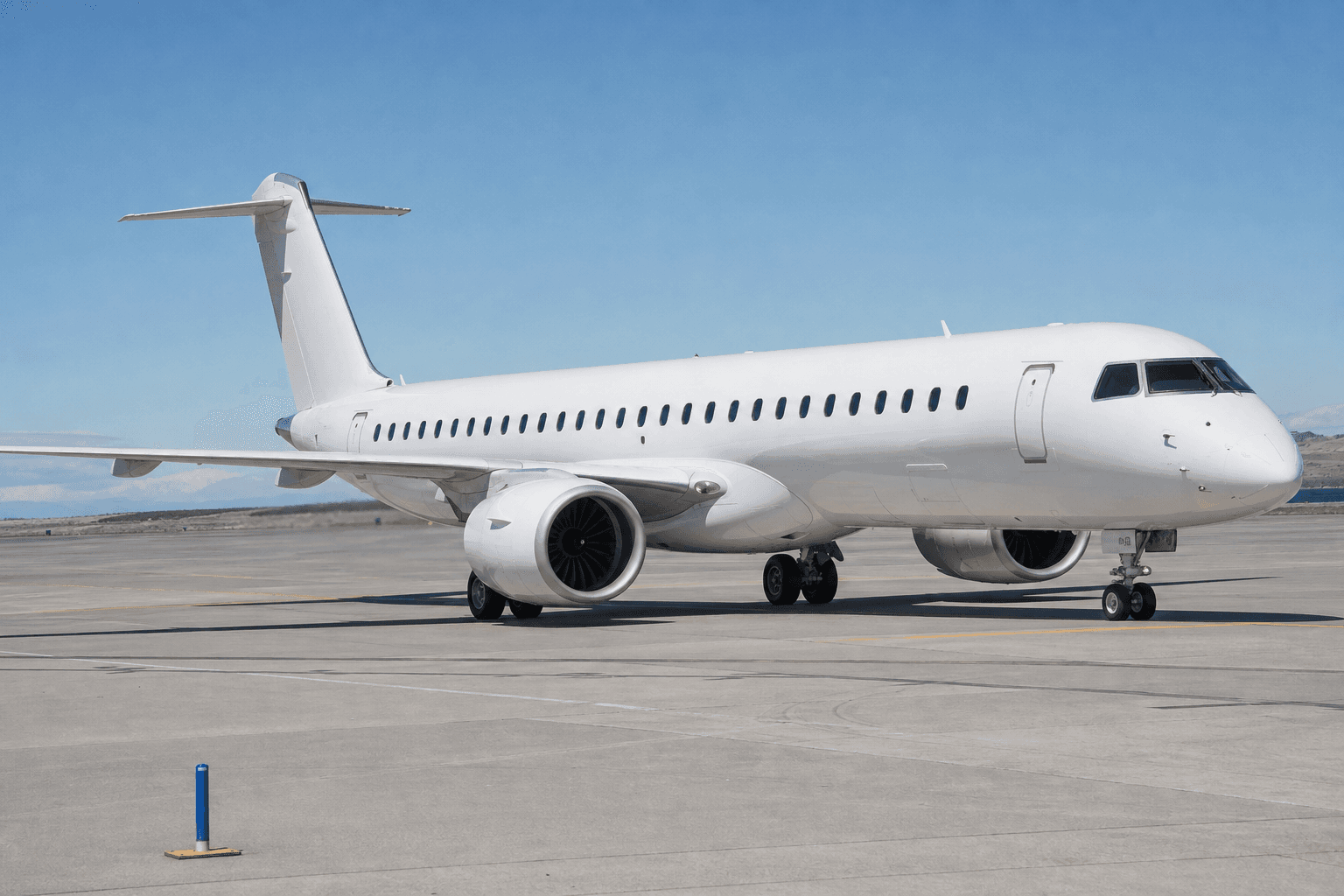
Embraer Achieves Highest Second-Quarter Aircraft Deliveries Since 2010
Embraer delivered 65 aircraft in the second quarter of 2026, its highest second-quarter delivery total in 16 years, according to a July 2 company report. The total was up from 44 aircraft in the first quarter and from 61 aircraft in the same period last year. The company said the increase was supported in part by its production leveling efforts, which are aimed at spreading deliveries more evenly through the year. Commercial Aviation accounted for 20 deliveries during the quarter, including six E195-E2s, doubling the 10 aircraft delivered in the first quarter. Executive Aviation delivered 45 aircraft, compared to 29 in the first quarter and 38 in the second quarter of 2025. Through the first half of 2026, Embraer delivered 109 aircraft, up from 91 during the same period last year. There were no Defense & Security deliveries during the quarter. Embraer said it continues to expect 80 to 85 commercial aircraft deliveries and 160 to 170 executive aircraft deliveries for the year.
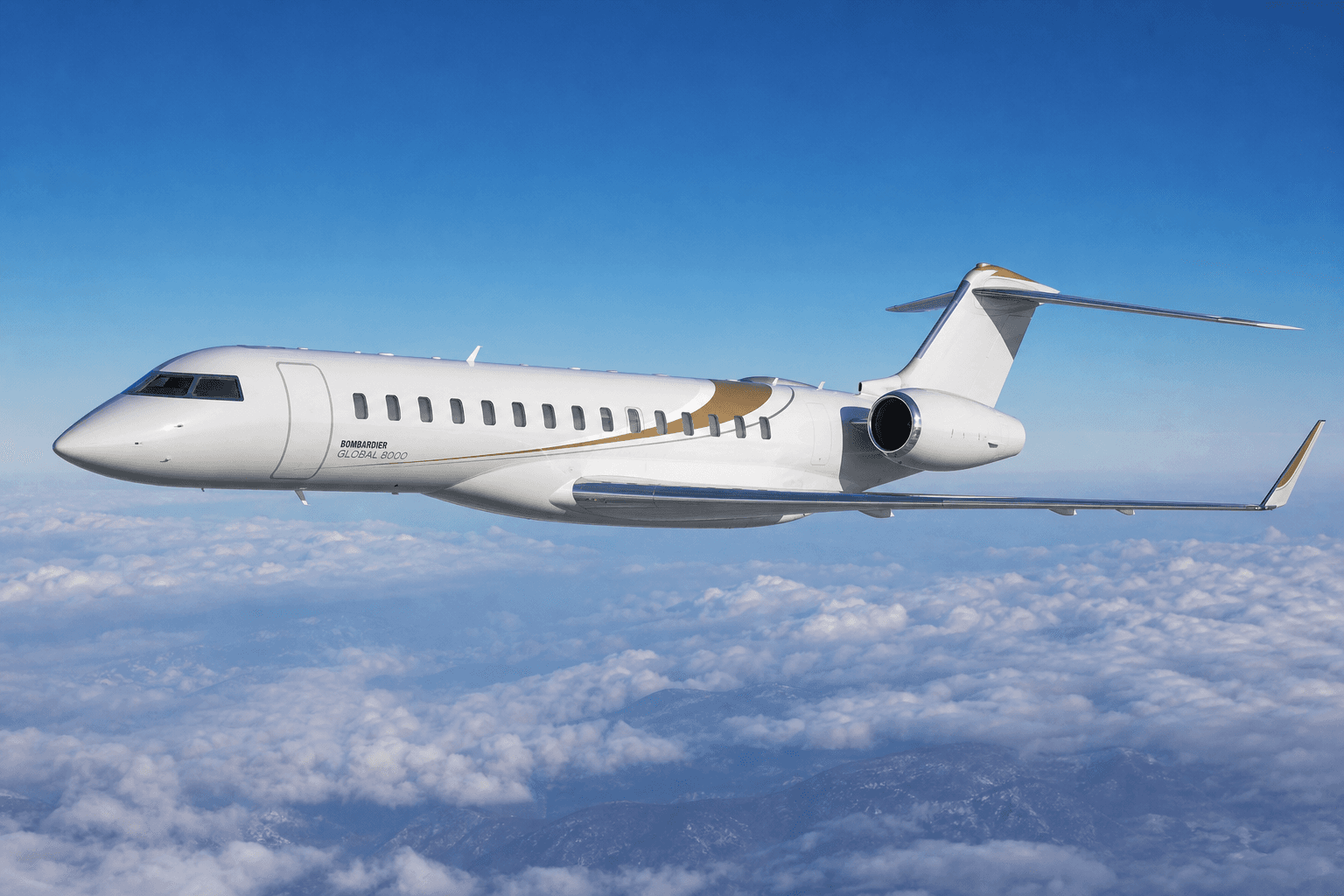
Bombardier Global 8000 Sets New Speed Benchmark as Fastest Civil Jet Since Concorde
The Bombardier Global 8000 is the fastest civil jet since Concorde, combining Mach 0.95 speed, 8,000-nm range, and record-setting performance.
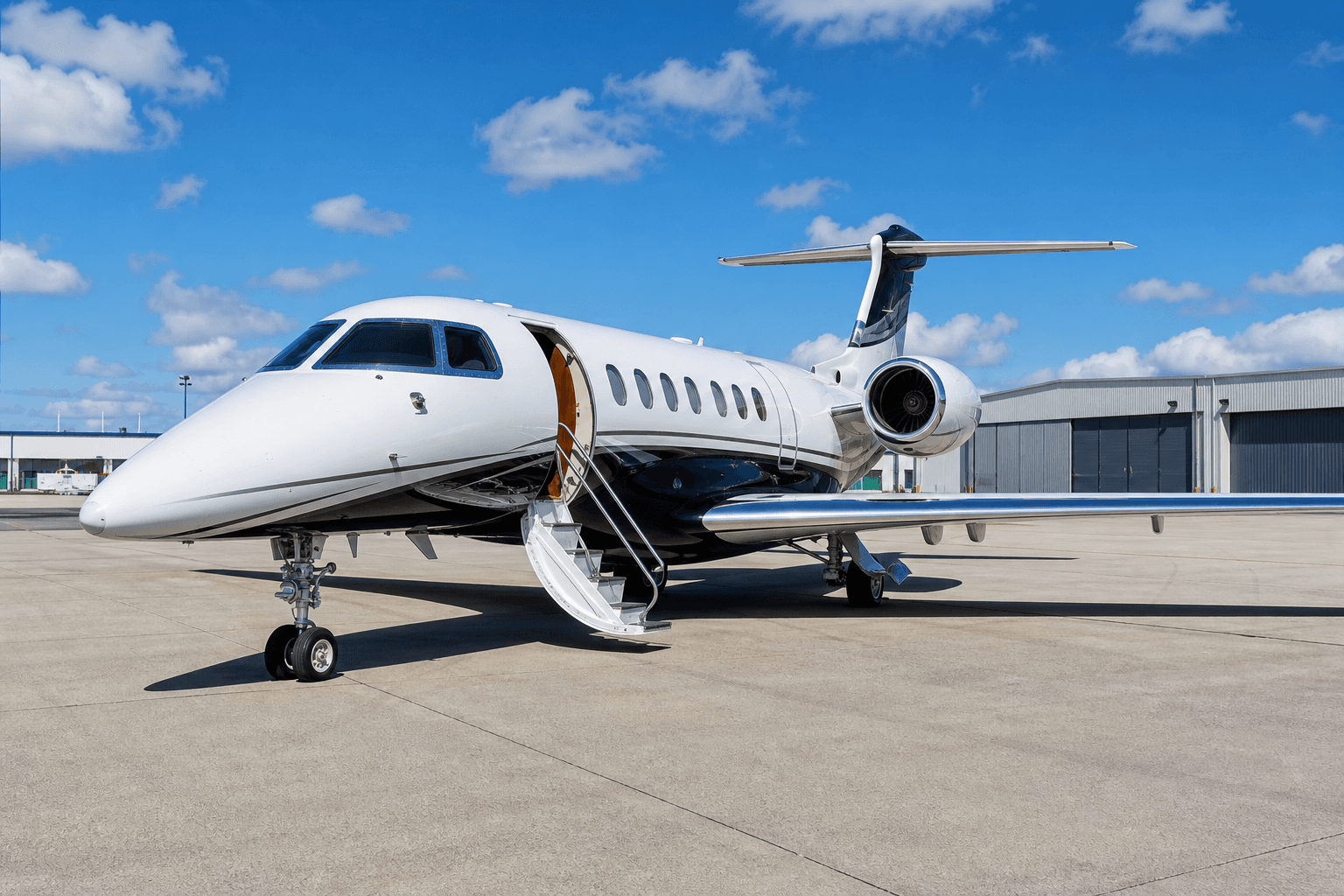
Private Jet Charter Costs in 2026 Vary Widely by Aircraft Size and Hidden Fees
Private jet charter rates range from $2,000 to more than $20,000 per hour, but taxes, fees, discounts, and passenger count determine the true costs.
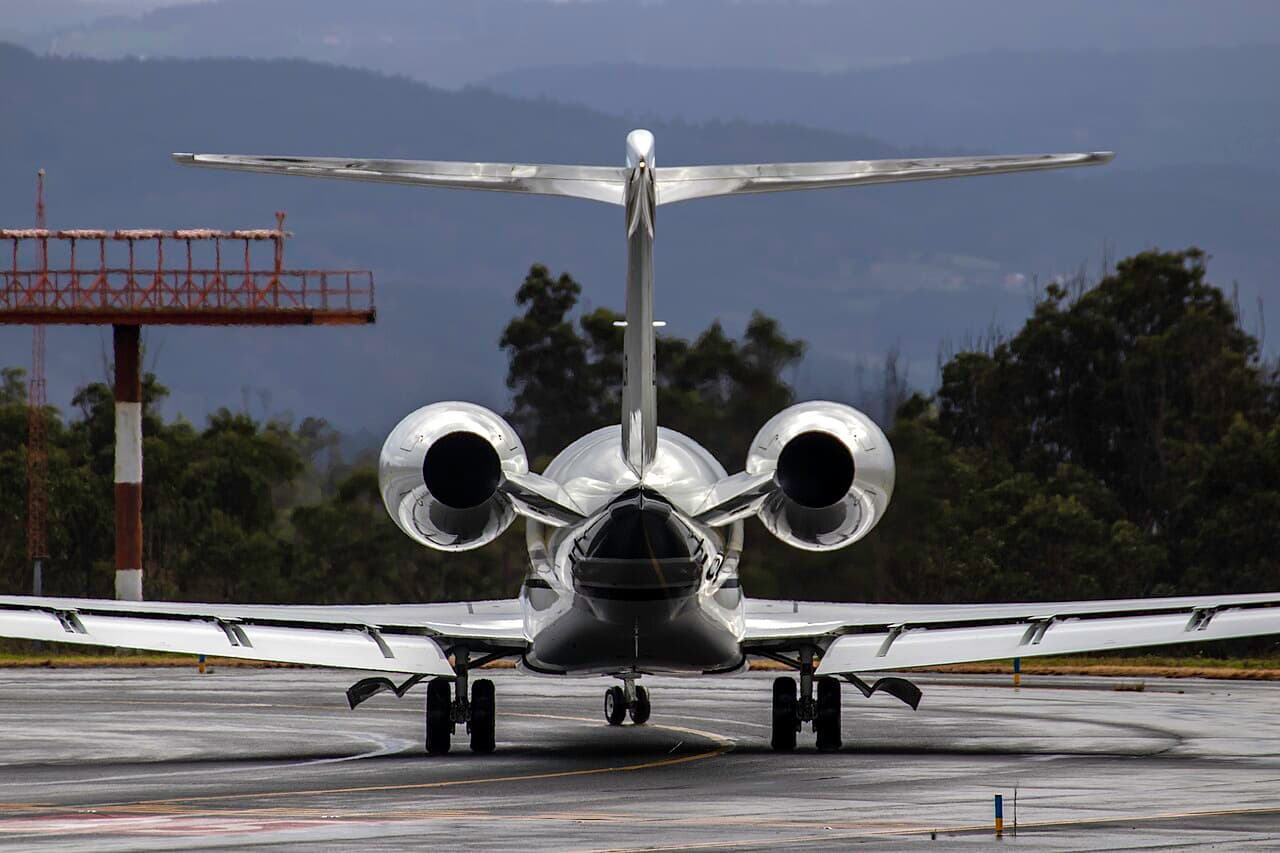
Gulfstream's G800 Sets New Speed and Distance Records in Business Jet Category
Manufacturer announced the milestone alongside its 800th city pair speed record, achieved by its new G800.
The Daily Touch & Go
The day's best aviation news in your inbox. Free, no spam.