

Illustration: The Touch & Go
Delta Cancels Tokyo to Minneapolis Flight After 5.5-Hour Delay, Hotels Offered Only to Passengers With Babies
Delta Air Lines canceled a Tokyo Haneda to Minneapolis Airbus A350 flight after a hydraulic issue led to a 5.5-hour taxiway delay, providing hotel accommodations only to passengers traveling with infants due to limited rooms.
The gist
Delta cancels Tokyo MSP flight after long hydraulic delay; hotel rooms given just to passengers with babies amid shortage.
Continuing coverage
All Delta Air Lines →- Delta Air Lines Projects Stable Airfares and Solid Revenue Amid Fuel Cost Normalization
- Delta Air Lines Expands Global Reach With Six New Nonstop International Routes
- Delta's once-stellar operational performance shows visible declines amid pilot staffing woes
- Delta plans fleet growth with Boeing 737 Max 10 and 787-10 to boost efficiency
- American Airlines and Delta Operate Record Long 7-Hour US Flights with Airbus A321neo
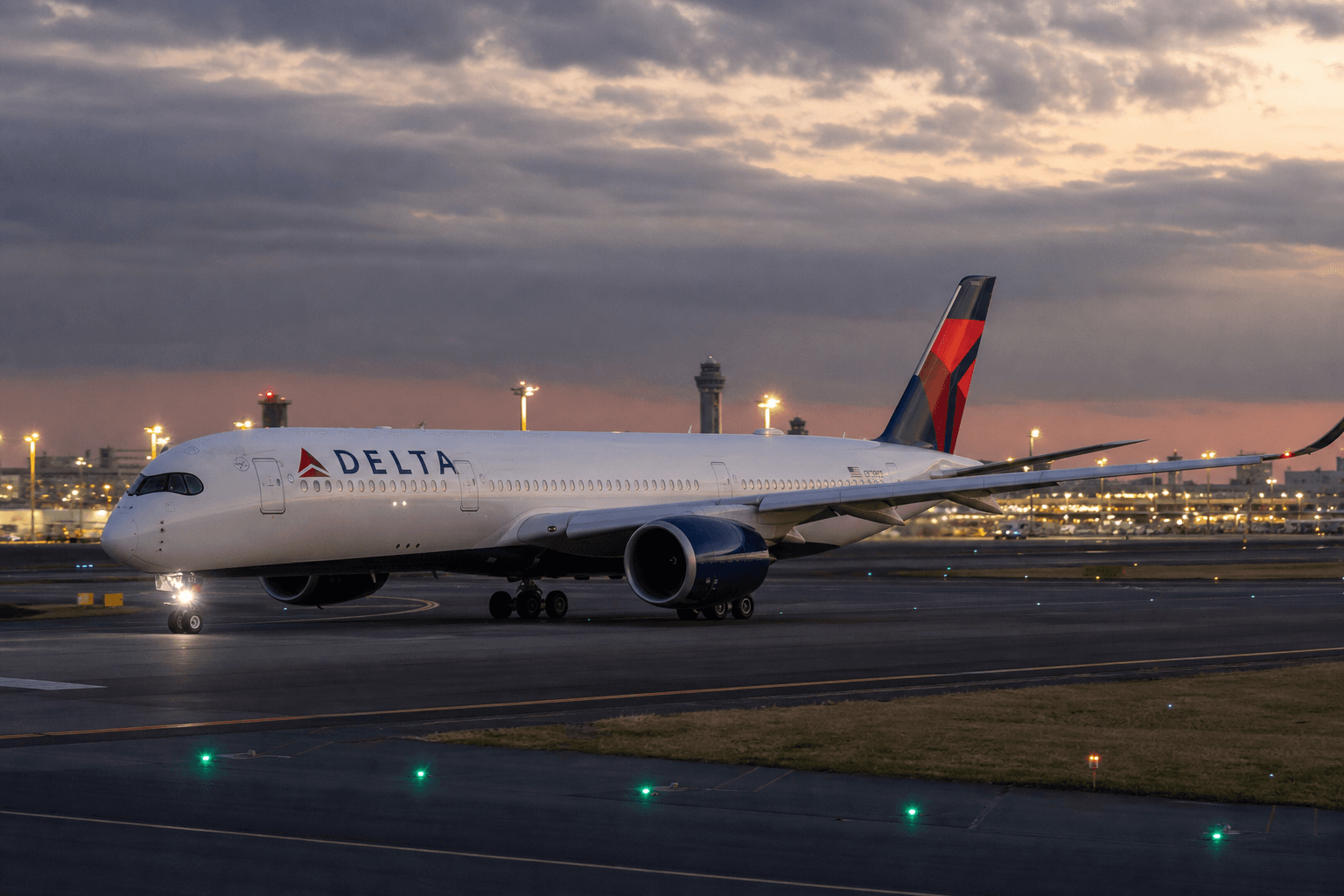
A Delta Air Lines flight from Tokyo Haneda Airport to Minneapolis-Saint Paul International Airport (MSP) was canceled following an extended 5½-hour delay on the taxiway. The aircraft, an Airbus A350, was ready for a nearly 12-hour journey, but after fueling and an initial gate delay, it sat idle on the taxiway due to a reported hydraulic system fault. The crew ultimately decided to cancel the flight late at night, around 11 p.m., after assessing the mechanical situation and crew duty time limitations.
Passengers on board recounted that what began as an expected departure stretched into hours of waiting with limited information. Initial announcements attributed delays to computer system warnings, which then evolved into reports of a malfunctioning aileron and hydraulic problems. Mechanics boarded the plane to attempt repairs, but after prolonged troubleshooting, the decision was made to cancel the flight to ensure safety and regulatory compliance.
The mechanical issues also affected the aircraft’s weight capabilities. Because the flight was expected to be weight restricted due to the malfunction, the airline considered cargo offloading before canceling completely. The crew’s duty time limitation was a crucial factor in the cancellation decision, as repairs and delay pushed beyond allowable working hours for safe flight operations.
Following cancellation, passengers were instructed to deplane and clear immigration as the flight had not departed Japan. This process added to the frustration of the night as travelers faced the prospect of overnight accommodations in Tokyo. Delta communicated that hotel rooms were scarce, and passengers without infants were advised to make their own lodging arrangements. Priority lodging vouchers were extended only to those with health concerns or traveling with babies, sparking commentary and discontent among other travelers.
This incident mirrors a similar disruption Delta experienced less than two weeks prior, also involving an extended delay and limited hotel availability. Past episodes involving US carriers have featured comparable challenges, including overcrowding during delays and questionable hotel accommodations. These situations highlight ongoing concerns over airlines’ handling of extended disruptions on long-haul international routes, particularly in Asia.
Delta has been operating Airbus A350 aircraft on its transpacific routes, but recent reports suggest recurring mechanical issues with the wide-body fleet. Passengers on these aircraft have noted an uptick in delays and cancellations attributed to technical faults. Maintenance teams reportedly face challenges resolving complex aircraft system problems within the strict operational timeframes dictated by crew and regulatory standards.
Tokyo Haneda Airport is a major hub for transpacific flights, with high passenger volumes and complex logistics management. When extended delays occur on the airside, airport resources including gate availability and passenger accommodations become strained. Airlines such as Delta must balance aircraft operational readiness with duty time rules while also managing passenger care under constrained hotel capacity in a foreign country.
This episode underscores the pressure on airlines and airports operating high-frequency international services to maintain service reliability in the face of mechanical issues and infrastructure limitations. Passengers caught in these scenarios confront uncertainties and varying degrees of support from carriers. The limited hotel room availability offered only to passengers with infants reflects prioritization protocols during capacity shortages, but also draws attention to customer service challenges in irregular operations.
For passengers flying transpacific routes with US carriers like Delta, this cancellation and delay reinforce the importance of contingency planning for overnight disruptions. The experience also revives calls for improved passenger protections and clearer policies on accommodations during irregular operations. Meanwhile, aircraft manufacturers and operators continue to work on minimizing technical faults that disrupt long-haul travel on wide-body jets such as the Airbus A350.
Frequently asked questions
- Why did Delta cancel the Tokyo Haneda to Minneapolis flight?
- The flight was canceled after a 5.5-hour delay on the taxiway due to a hydraulic fault affecting the Airbus A350, combined with crew duty time restrictions and aircraft weight restrictions.
- Who was offered hotel accommodations after the cancellation?
- Due to limited hotel room availability, Delta prioritized giving accommodations only to passengers with health concerns or traveling with infants, while others had to secure their own lodging.
- What caused the extended delay before cancellation?
- The delay began with fueling and gate hold, followed by a hydraulic system problem leading to a malfunctioning aileron and computer warnings, with mechanics attempting repairs before the flight was canceled.
Read more
All Airlines →![Delta Air Lines Launches 6 New Nonstop International Routes [Full List & Map]](/_next/image?url=https%3A%2F%2Favoibnodqwjxlpbhunuu.supabase.co%2Fstorage%2Fv1%2Fobject%2Fpublic%2Fstory-images%2Fai%2Fdelta-air-lines-launches-6-new-nonstop-international-routes-full-list-and-map-87bbc477.png&w=3840&q=75)
Delta Air Lines Expands Global Reach With Six New Nonstop International Routes
Delta Air Lines is the US's third-largest operator for international flights. Between July 2026 and March 2027, OAG data shows that the SkyTeam member plans an average of 244 daily departures. Compared to the same period in 2025-2026, international activity has jumped by 4%. Many new routes, some of which launched earlier this year , contributed.
Delta plans fleet growth with Boeing 737 Max 10 and 787-10 to boost efficiency
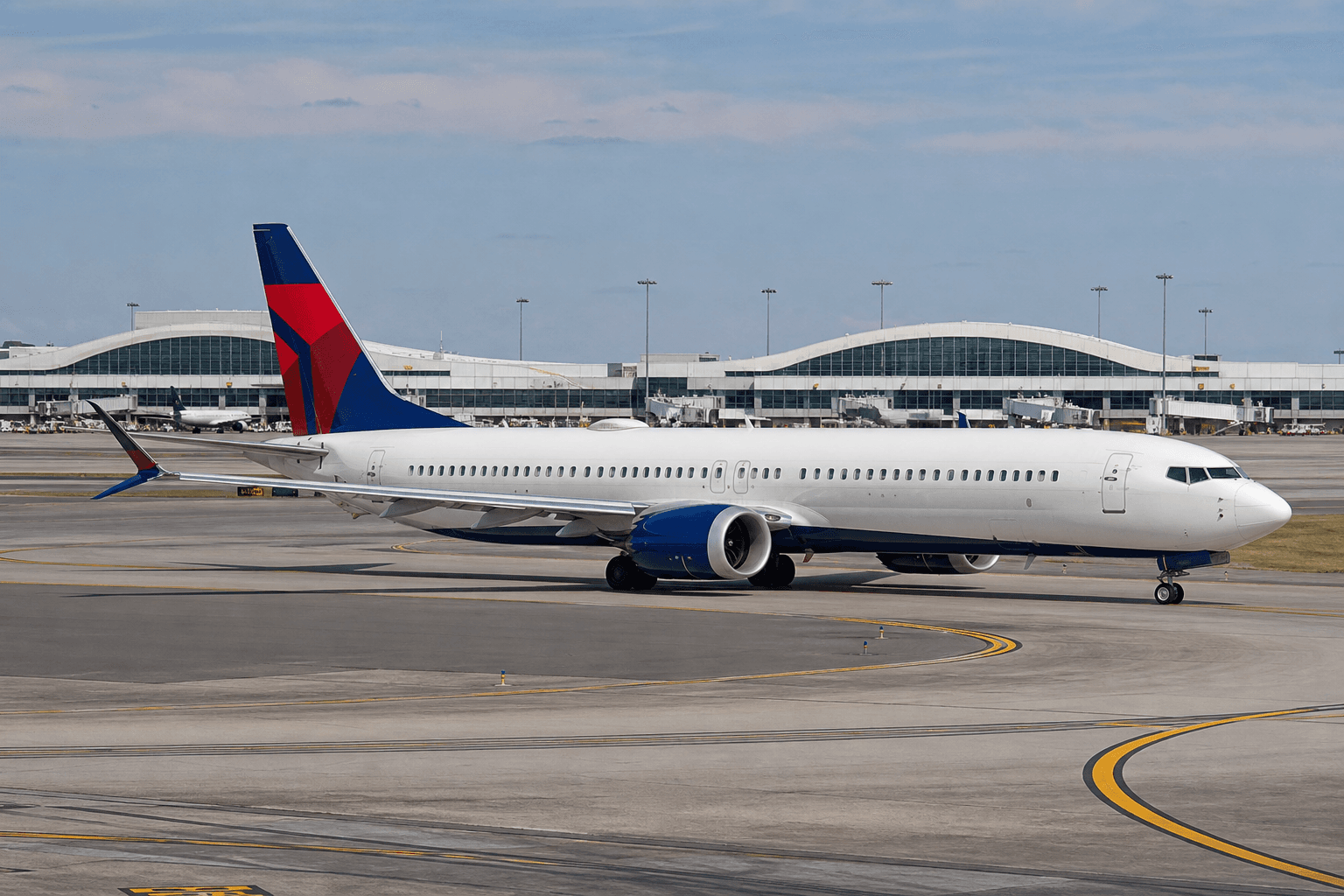
Executives plan what they call “efficient” growth with the new Boeing models. Delta Air Lines will use both the 737 Max 10 and 787-10 for “efficient” growth by replacing older, smaller aircraft with the larger, more capable models, commercial chief Joe Esposito said during a quarterly earnings call on 10 July. “Larger airplanes make us more efficient and give us that extra capacity,” he says. The plans are the latest in Delta’s decade-plus fleet upgauging programme that began with the replacement of 50-seat regional jets with the Boeing 717 in the mid-2010s. This continued into the 2020s with the replacement of ageing McDonnell Douglas MD-88s and MD-90s with new Airbus A321s and, later, A321neos. The upgauging programme has, by all measures, been a success. Delta is the margin-leading network carrier in the USA and the industry has largely followed in its footsteps. Alaska Airlines, American Airlines, JetBlue Airways and United Airlines have all moved to replace smaller aircraft with larger narrowbodies over the past decade. The first step for Delta begins in 2027 with the arrival of the long-delayed 737 Max 10. The airline ordered up to 130 aircraft at the Farnborough air show in 2022 with deliveries from 2025, however, certification delays pushed back the first delivery to next year. “We expect to see that in Delta colours next year,” Ed Bastian, the chief executive of Delta, says on the Max 10. The airline expects up to 27 aircraft in 2027. Boeing has indicated that Max 10 certification will follow closely after the Max 7, which could receive US Federal Aviation Administration sign-off as soon as this month. Once the Max 10 begins arriving, Delta will use the aircraft that seats roughly 190 passengers in a standard two-class layout to replace older 717s and 757s, says Bastian. Alaska, American and United also have orders for the Max 10, though Canada’s WestJet is expected to take delivery of the first aircraft . Delta’s first of 30 787-10s is not scheduled to arrive until 2031. When deliveries begin, the airline will use it to replace older Boeing 767s, including both -300ERs and -400ERs, particularly on transatlantic flights, Esposito says. “When you think about the 787 that replaces a 767, that's a significant amount of efficiency and margin premium,” he says. “You're going from 30% premium seating in a 767 to over 50% in a 787, and it can handle twice the cargo. The continent of Europe falls into the bucket of domestic efficiency but on the widebody side.” The 787-10 can seat up to 375 passengers in a standard two-class layout, though United configures its -10s with just 318 seats. Delta’s 767-300ERs seat up to 216 passengers and its 767-400ERs seat 238 passengers.
American Airlines and Delta Operate Record Long 7-Hour US Flights with Airbus A321neo
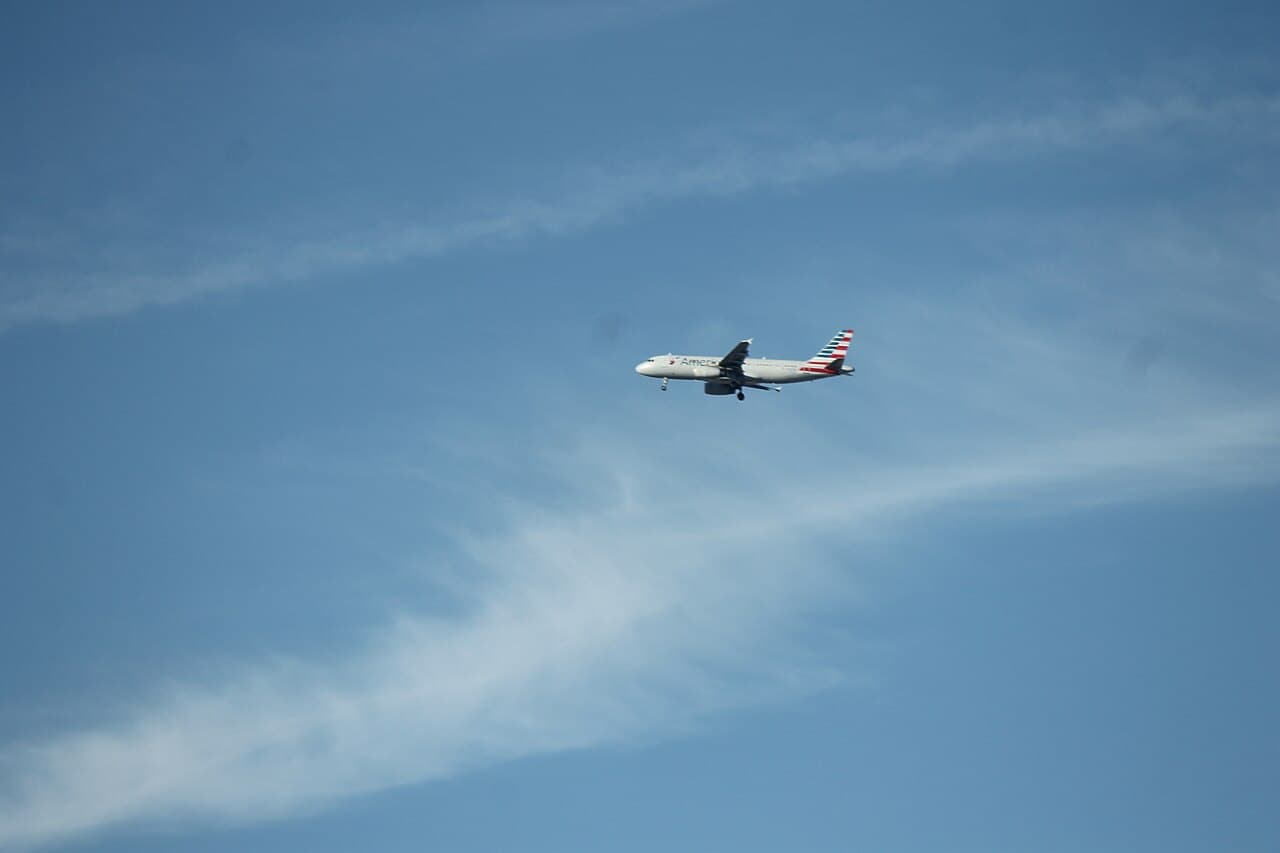
The Airbus A321neo is the most versatile narrowbody in commercial aviation, capable of serving routes from one-hour domestic hops to transatlantic crossings in its LR and XLR variants. According to Cirium data for January through December 2026, American Airlines and Delta Air Lines are operating the standard A321neo on seven US domestic routes exceeding 2,300 nautical miles (4,260 km), with the longest covering 2,643 nautical miles (4,894 km) and producing westbound block times approaching seven hours.

Marriott Hotels Use Smart Sensors with Microphones to Monitor Rooms, Raising Privacy Concerns
Some Marriott-branded hotels have installed smart sensors with microphones that can detect distress words, aggression, gunshots and occupancy. There's no evidence hotels are recording conversations, but poor disclosure, hacking risk and false smoking-fee complaints raise serious privacy concerns.
The Daily Touch & Go
The day's best aviation news in your inbox. Free, no spam.