


Marriott Hotels Use Smart Sensors with Microphones to Monitor Rooms, Raising Privacy Concerns
Some Marriott properties install HALO smart sensors equipped with microphones that detect distress keywords, aggression, and smoke-related events, stirring debate over guest privacy and undisclosed monitoring.
The gist
Marriott hotels deploying HALO sensors with microphones to detect sounds and occupancy have sparked guest privacy debates and legal questions.
Several Marriott-branded hotels have begun installing HALO smart sensors in guest rooms, devices equipped with microphones capable of recognizing specific distress keywords, instances of aggression, gunshots, and sound levels. Some iterations of these sensors also boast motion detection and occupant counting capabilities. This combination of monitoring technologies has triggered concern among travelers about potential breaches of privacy and unauthorized tracking within supposedly private hotel rooms.
The HALO 3C sensor, produced by IPVideo Corporation, a Motorola Solutions company, is a ceiling-mounted, network-connected device that monitors air quality events like vaping and cigarette smoke, analyzes audio input through dual microphones, detects room movement, and counts the number of occupants using body heat sensing. This richness of data enables hotels to respond to certain triggers, such as distress phrases or smoke, while also aiding in operational efficiencies like automatic lighting and HVAC adjustments.
Though these sensors can capture and analyze audio signals, the device design ensures audio is digitized and classified but not recorded or transmitted unless a configured alert triggers. For example, the system listens for keywords such as 'help' and '911,' aggression signs, or gunshot sounds, but it does not store full conversations. Nonetheless, the presence of microphones in place raises unresolved legal and ethical questions, especially since the installation and capabilities of these sensors have not been clearly communicated to guests.
Customer complaints have recently spotlighted these devices, especially regarding inaccurate smoke or vaping detection leading to steep penalties. Charges ranging from $250 to over $500 have been imposed by hotels such as the Sheraton Mission Valley in San Diego and the Laylow Waikiki, often attributed to false positives caused by steam, perfume, or cleaning chemicals. Distributors claim their systems can significantly increase hotel revenue from smoking fees by better enforcing no-smoking policies and reducing chargebacks.
Marriott hotel management reportedly receives daily reports generated by these sensors, as seen in responses from certain properties, confirming third-party management of monitoring systems. Various Marriott-affiliated hotels across North America and Hawaii have been named by guests in discussions and reviews citing both true and alleged penalties connected to these sensor systems. More troubling are concerns that these smart devices could be exploited as listening bugs, a vulnerability Motorola engineers patched in the past year after hackers found ways to exploit the HALO sensor’s audio components.
The legal landscape surrounding audio surveillance in private spaces like hotel rooms is complex. While it is generally illegal for government actors to record without consent, private entities like hotels operate under murkier rules, especially when recordings are not stored but analyzed in real time for public safety or operational purposes. California’s strict consent laws complicate matters further, particularly as most guests might not be explicitly informed about the use or scope of these audio and motion sensors through clear notices or agreements.
Privacy advocates argue that installing microphones in hotel rooms infringes on guests’ reasonable expectations of privacy, urging hotels either to cease audio monitoring or to provide transparent disclosure and consent mechanisms. The debate intensifies given past incidents where AI-enabled devices in hospitality settings led to financial penalties for guests due to automated detection errors, prompting calls for regulatory scrutiny and clearer standards.
In addition to privacy, the financial ramifications of false sensor alerts create consumer protection concerns. The ability of these smart sensor systems to classify environmental and acoustic data carries weighty consequences when misinterpreted, leading to disputed charges and potential class-action lawsuits. The mix of AI monitoring, guest privacy expectations, and hotel revenue models positioned at this intersection underscores a contentious issue within modern hospitality operations and surveillance technology integration.
Frequently asked questions
- What capabilities do the HALO smart sensors installed in Marriott hotel rooms have?
- The HALO smart sensors can detect air quality events like smoke and vaping, analyze sound for distress keywords and aggression, measure sound levels, detect motion, and count occupants using body heat sensing.
- Are Marriott hotels recording guest conversations through these sensors?
- No, the sensors digitize and classify audio for specific triggers but do not record or transmit conversations unless a distress keyword is detected, according to available information.
- What issues have guests reported related to these smart sensors?
- Guests have reported false positives leading to charges ranging from $250 to $500 for smoking or vaping detected by the sensors, sometimes caused by steam or perfumes, raising concerns about accuracy and consent.
Read more
All Airlines →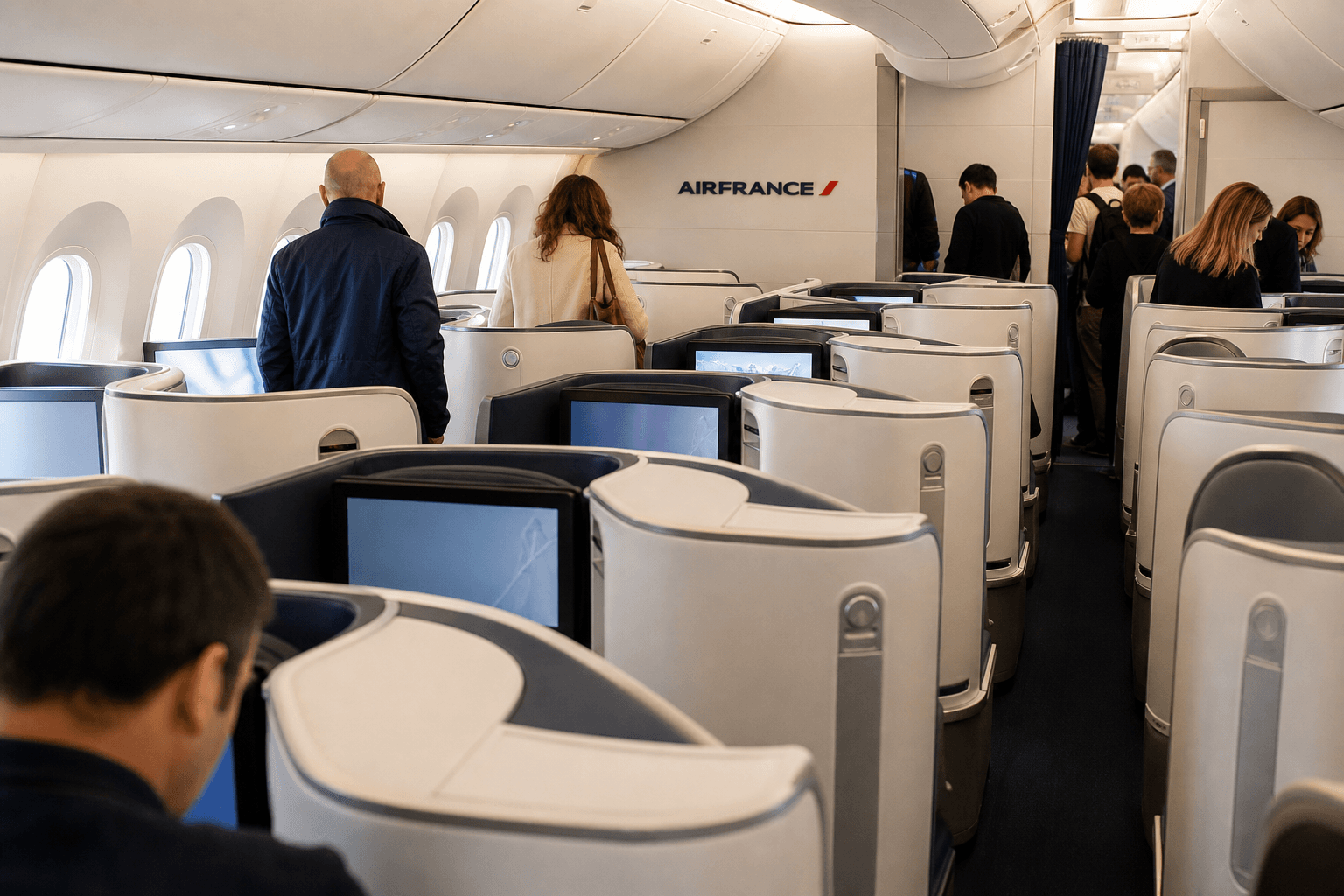
Air France and KLM Expand Business Class Seat Assignment Fees to More Markets
In the spring of 2023, we saw Air France-KLM add business class seat assignment fees for flights in many markets, which was of course a controversial move. There's now an update, as these fees have recently been expanded to more flights, including award tickets in all markets, and most routes to North America. I've received some questions about this, so let me explain what's going on. Air France & KLM expand advance seat reservation fees In April 2023, we saw Air France and KLM start charging for advance seat assignments in business class, in what's referred to as the Advance Seat Reservation (ASR) scheme. We've long seen airlines try to monetize the cost of assigning seats in economy, but we've increasingly seen this also spread to premium cabins. Recently we've seen the airline group expand this scheme to more routes , so here's the current state of things: Seat assignment fees now apply to all long haul flights globally when redeeming miles, and also all Business Light and Business Standard long haul tickets, except those originating in the United States (so they apply on tickets to the United States, but not tickets from the United States) Flying Blue Silver, Gold, and Platinum members , Business Flex passengers, and corporate customers (excluding bluebiz), are exempt from these fees Business class passengers continue to be able to select seats of their choice at no fee at the check-in window The cost to assign seats varies significantly, and it can cost $200+, in some situations; the front row business class suites on select aircraft are also more expensive than the standard seat assign fees As you can see, the one exception in long haul markets right now is for revenue tickets originating in the United States. I imagine that's simply due to the joint venture with Delta and how pricing there works, and I'd be willing to bet the fees will be added there soon as well, especially as Delta also introduces its basic business class product . Air France and KLM charge seat fees in business class in most markets How exactly do these seat fees work? For long haul routes, you'll see that during the booking process, "Free standard seat selection at check-in" is listed with Business Standard fares. Air France's warning about seat assignment fees Then when you go through the booking process, you'll be given the option to pay to assign a seat. Just as an example, for an award flight between San Francisco and Paris without elite status, the cost is $171.99, and that shows as being a discount over the "standard" cost of $228.60. You can also redeem Flying Blue miles toward seat assignment fees, though at a horrible rate, typically getting around half a cent of value per mile. Air France's business class seat assignment fees My take on business class seat assignment fees "I love paying extra for seat assignments in business class"… said no one ever. In fairness, this might divide people more than you'd think: Those who can continue to select seats in business class for free might like these changes, as they'll have access to more seat choices closer to departure Those who now have to pay for seat assignments in business class will uniformly not be in favor of this Air France and KLM are following in British Airways' footsteps here, as the airline has been charging for business class seat assignments for years. Air France and KLM have been nicely investing in their premium experience and have been going upmarket, and of course charging for seat assignment feels decidedly "unpremium." Presumably the logic here is as follows (I'm not saying I agree with it): One of the biggest competitors of Air France-KLM is doing this This is an opportunity to generate additional revenue People aren't not going to book with Air France-KLM because of seat assignment fees, if the airline otherwise has the most compelling flight (price, schedule, product) Air France and KLM are following in British Airways' footsteps The reality is that a vast majority of airlines invest in their premium products in some areas, and then try to cut costs and increase revenue in other areas. This is a pretty clear example of that. Does it leave a bad taste in a customer's mouth to be asked to shell out for a seat assignment on a $5K ticket? Of course. But among the major European airlines, who else are you going to fly with? British Airways has been doing this forever. In Lufthansa Group, as we see the rollout of Lufthansa Allegris business class and SWISS Senses business class , we're also seeing seat assignment fees for a majority of seats. At least in the case of Air France-KLM, they have reverse herringbone seats on a vast majority of planes, where there's not actually that much quality difference between seats, so paying for a seat isn't really needed to ensure you have a good flight. That's different than something like British Airways' A380 business class, where you could end up in a middle seat. It also has to be acknowledged that while premium leisure demand is strong, business travel just isn't as robust as it used to be. Leisure travelers are often willing to pay a lot for business class, but they're typically not willing to pay $10K+, as some corporate customers previously may have. So it's not surprising to see airlines using whatever strategies they can to get people to part with more of their money when flying business class. Lufthansa also has business class seat fees on new planes Bottom line In 2023, Air France and KLM started charging for seat assignments in business class in long haul markets, and that has now been expanded to more routes. You'll now pay fees for award tickets in all long haul markets globally, and for Business Standard tickets in all markets, except when originating in the United States. The fees to assign seats vary, and in some cases, can be over $200 per flight. Flying Blue elite members, as well as Business Flex passengers, are excluded from paying these fees. It goes without saying that this is a policy that many people won't like, but it is increasingly becoming the norm in the industry, sadly, at least in Europe. What do you make of Air France and KLM business class seat assignment fees?
Etihad Doubles Upgrade Fees for Exclusive A380 The Residence Suites
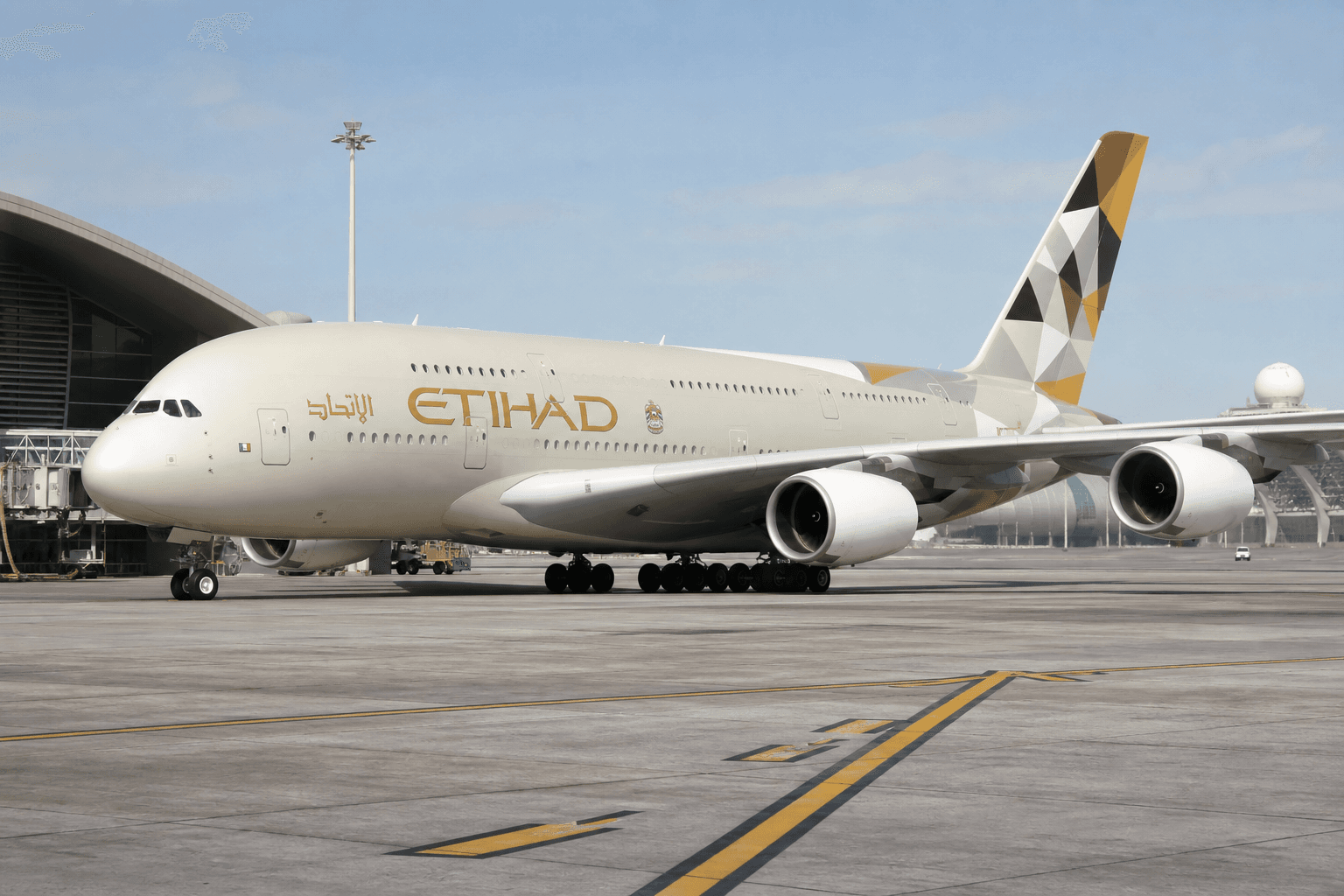
Abu Dhabi-based Etihad Airways has a small fleet of Airbus A380s, which have The Residence , arguably the most exclusive product in commercial aviation . This is a three-room suite with a living room, bedroom, and private bathroom with shower, and it's an experience I recently reviewed . Ever since these planes were reactivated in 2023, after initially being grounded during the pandemic, monetization has worked differently than before. Well, in recent weeks it looks like Etihad has hugely increased the cost to upgrade to The Residence across the board, with upgrades costing up to twice as much as before. Etihad massively increases cost of The Residence upgrades Back in the day, Etihad sold The Residence as a completely separate class of service, with no ability to upgrade. Tickets typically cost $25K+ one-way, and included butler service, and a completely differentiated soft product. Nowadays monetization works differently. If you are booked in first class (marketed as First Class Apartments on the A380 ), you can pay a fee to upgrade to The Residence. It doesn't matter if you paid cash or redeemed miles, as long as the ticket is issued by Etihad, rather than through a partner airline. Upgrades can be purchased either at the time of booking, or any time leading up to departure, pending availability. The cost to upgrade is also the same, regardless of whether you're one or two travelers. Anyway, in recent weeks, Etihad seems to have significantly increased the cost to upgrade to The Residence. Just to compare some of the before and after pricing: Between Abu Dhabi and Paris, an upgrade from first class to The Residence now costs AED 11,720 ($3,191 USD), compared to the previous cost of AED 5,840 ($1,590 USD), a 100% increase Between Abu Dhabi and London, an upgrade from first class to The Residence now costs AED 13,190 ($3,591), compared to the previous cost of AED 8,780 ($2,391), a 50% increase Between Abu Dhabi and Toronto, an upgrade from first class to The Residence now costs AED 20,170 ($5,491 USD), compared to the previous cost of AED 11,720 ($3,191 USD), a 72% increase The one thing I find kind of illogical about the pricing for The Residence is that the upgrade cost is the same for one or two passengers. You'd think that there would be a discount if you're upgrading two passengers rather than one, since you're opening up an additional first class seat that can be resold. It's not like there are many incremental costs to that second passenger. If you're traveling as a pair and want to upgrade, it almost seems like you'd be better off just upgrading one person, so that you have an extra first class suite as well. Logically, you'd think the airline would almost let two paid first class passengers simply assign The Residence, since it seems like a win-win. Etihad The Residence A380 living room Etihad The Residence A380 bedroom Etihad The Residence A380 bathroom At these prices, it's harder to justify the upgrade It goes without saying that nobody "needs" to fly The Residence. Even if you're very wealthy or a senior executive at a company, Etihad's A380 first class is already excellent, and gives you a large suite with a sliding door. Etihad First Class Apartment A380 seat Etihad First Class Apartment A380 bed As I see it, you fly The Residence for one of two reasons: For the novelty, given that this really is a very exclusive and unique product Because money is no object, and you just want the best, regardless of the cost I suppose for the latter category, nothing has changed, and perhaps the lack of price sensitivity among those customers is why Etihad has decided to increase prices by so much. However, for the person who flew The Residence for the novelty, I think the pricing has gone from being a "splurge" that can sort of be justified, to something that's legitimately very expensive. Etihad completely differentiates The Residence ground experience, and there are some minor differences to the onboard soft product. But ultimately what you're paying for is the added space. Either way, I suppose all of this is still way cheaper than The Residence was back in the day, when it was a separate cabin, and cost exponentially more than the standard first class. Either way, I'm happy I had the chance to fly The Residence last year at the old prices, because I don't think I'd spend the money with the new pricing. It'll be interesting to see if Etihad maintains this pricing, or if it sees a big drop in demand. I wouldn't be surprised to see prices decrease once again. Etihad first class cabin A380 Bottom line Etihad Airways operates a small fleet of Airbus A380s, which have The Residence, a private three-room suite with a living room, bedroom, and bathroom. For the past few years, the way to book this has been to ticket a first class reservation directly through Etihad, and then you could upgrade for a fixed cost. While that continues to be the case, the cost to upgrade has increased by 50-100%. An upgrade from Abu Dhabi to Paris used to cost $1,590, while now it costs $3,191. Meanwhile an upgrade from Abu Dhabi to Toronto used to cost $3,191, and now costs $5,491. I think it's much harder to make the math on this splurge work at the new pricing… What do you make of Etihad increase the cost of upgrades to The Residence?
United Airlines Flight Attendant Union Leader Helped Revise Canada Entry Rules for Crew with DUI
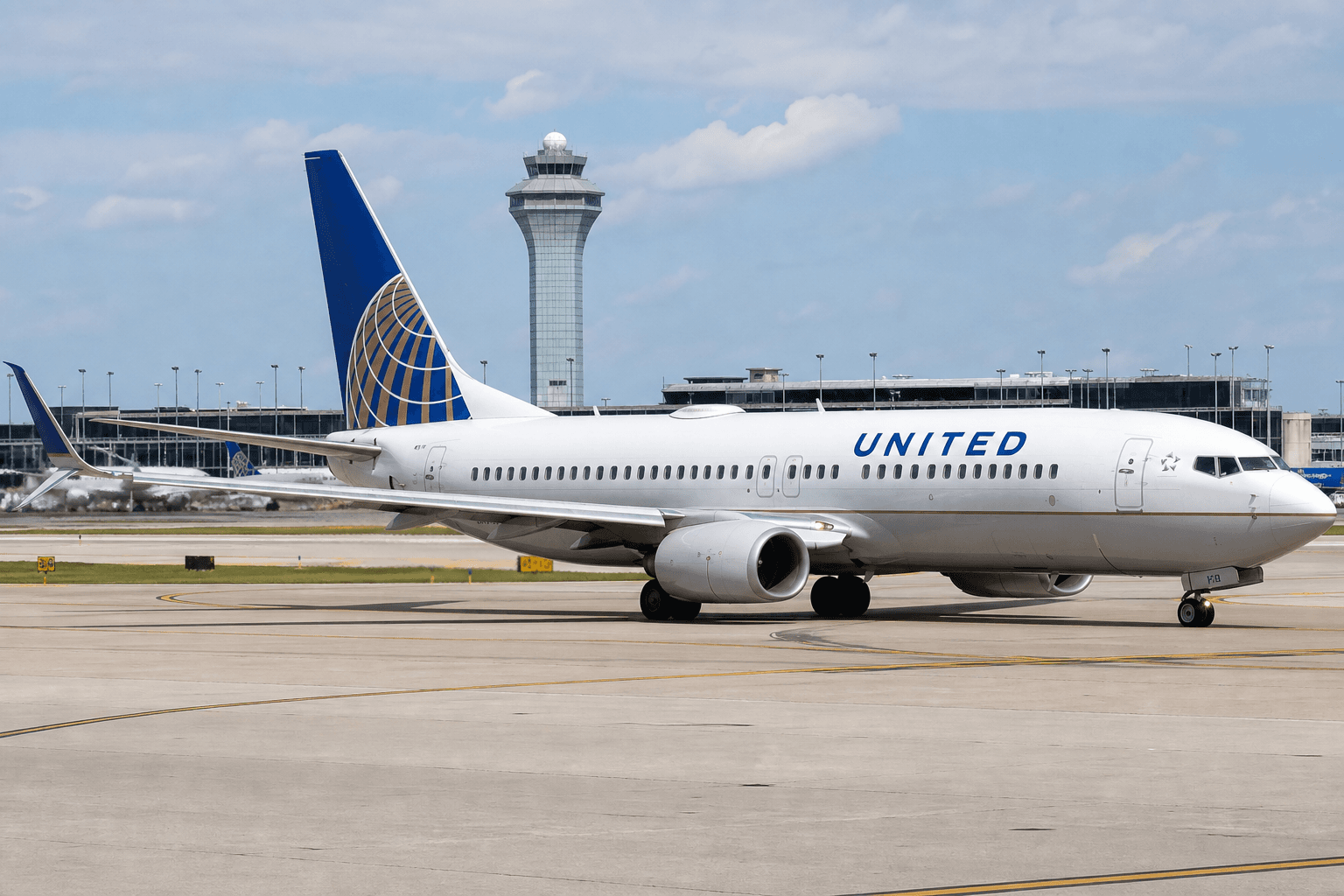
The Association of Flight Attendants (AFA-CWA) is by far the largest crew member union in the United States, representing around 55,000 flight attendants at nearly two dozen airlines across the country. The jewel in AFA’s crown, though, is United Airlines, whose flight attendants make up more than half of the union’s total membership. Leading AFA’s United membership, therefore, could definitely be considered one of the more important jobs within the union, and the baton has recently been taken over by Scott Pejas, a veteran United Airlines flight attendant who first joined the carrier back in 1996. Scott initially started working out of United’s Los Angeles base before transferring to Chicago O’Hare in 1999, where he has remained ever since. Despite taking on the mammoth task of being the representative of around 30,000 flight attendants, Scott plans to continue flying as a crew member while holding the role of Master Executive Council President. Thankfully, Scott takes on the role at a relatively good time. United’s flight attendants have only recently ratified a new five-year collective bargaining agreement that locks in pay rises over the coming years, along with a slew of other contract improvements that were hotly contested over several years. During this long bargaining process, it’s fair to say that the leaders of United’s MEC and its negotiating committee took some flak from frontline employees, but Scott and the other elected officials aren’t newbies to union work. In fact, Scott was first elected as Chicago’s local executive council leader in 2016, and it’s during this time that he was involved in what the union describes as one of his ‘most notable’ pieces of work: changing the wording of United’s Canada admissibility policy. For years, United had a policy in which flight attendants must be able to legally operate to any destination within the airline’s network. That generally means that crew members can’t have criminal convictions that would bar them from entering a country without first obtaining a visa or undergoing other background checks. This was particularly an issue for flight attendants with past DUI convictions because Canada has some of the strictest DUI laws in the world. A DUI conviction in the United States within the last five years makes someone automatically inadmissible for entry to Canada, including pilots and flight attendants. In other words, flight attendants with a DUI conviction faced the risk of being terminated because they wouldn’t be allowed to enter Canada. Scott, however, was involved in changing this policy, meaning that inadmissibility to Canada no longer means United’s flight attendants have to hang up their wings. Veteran crew members who are ‘lineholders’ simply bid for trips that avoid Canada, while the situation is slightly more complicated for newer flight attendants who are on ‘reserve.’ If they get assigned a trip that involves a stopover in Canada, they would be assigned what is referred to as a ‘missed trip.’ That might ultimately lead to disciplinary action at some point down the road, but they can, at least, continue to work for United even though they aren’t legally allowed to enter Canada. United has a similar policy for its pilots, but not all airlines allow this kind of flexibility. Inadmissibility to Canada can still lead to termination at other airlines. This is one of those lesser-known policy changes where unions would likely say they have brought about a positive outcome for their members… something that might not have happened if it wasnt for the union.
Apollo Global Management Tops Castlelake with $7.26B EasyJet Takeover Bid
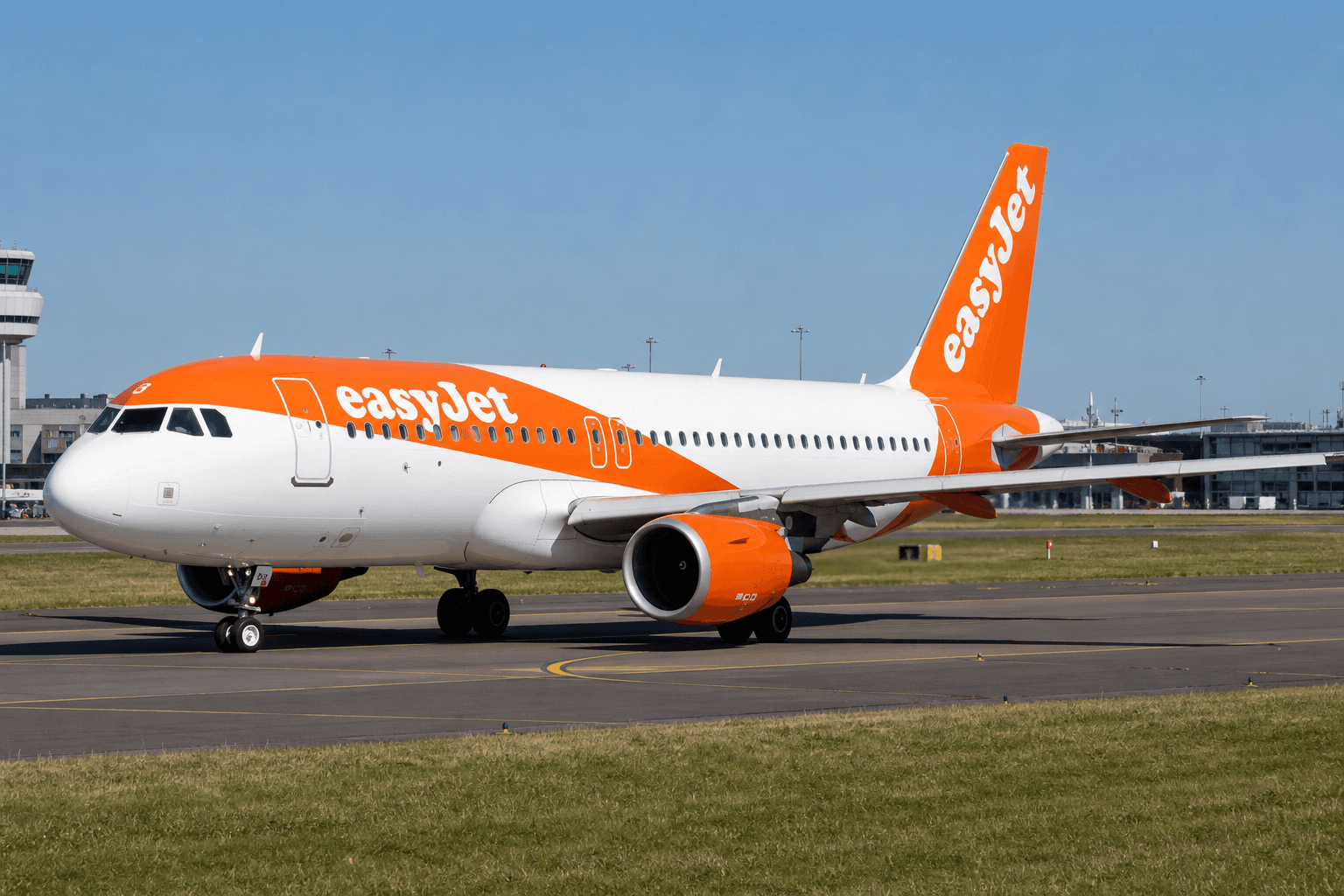
Shares in the British low-cost airline EasyJet surged on Friday morning after the Luton-based carrier’s board of directors announced that it had accepted a surprise rival takeover bid by the U.S. investment firm Apollo Global Management, which values EasyJet at £5.41 billion ($7.26 billion). The offer is worth approximately 5.2% more than the offer in principle that EasyJet’s board accepted from Minneapolis-based Castlelake on Sunday. In a statement filed on the London Stock Exchange, the airline said Apollo had offered to pay £7.15 per easyJet share. In contrast, Castlelake had previously agreed to pay £6.90 per share in order to take the airline private. “Apollo has followed easyJet for many years and continues to regard it as one of the most attractive businesses in the global aviation sector and a highly differentiated franchise with significant long-term growth potential,” the investment firm said on Friday. “Apollo believes in easyJet's existing strategy of evolving and strengthening the low-cost carrier model, most notably through upgauging the fleet, enhancing the ancillary and loyalty offering, and scaling Holidays into a structurally differentiated earnings stream,” the statement added. Like Castlelake, New York-based Apollo has previous experience in funding the aviation industry. Founded in 1990, the company has bought and traded a broad portfolio of companies, including those in the hospitality and leisure industries, as well as media and telecoms. Last November, Apollo completed a $745 million senior secured financing of Virgin Atlantic's portfolio of take-off and landing slots at London Heathrow. The firm has also provided funding to the Air France-KLM Group, including its Flying Blue frequent flyer program, and to the ultra-low-cost airline Sun Country. Apollo says that should it make a formal offer to buy EasyJet and secure rights to the company, it intends to continue operating the carrier in the form it is today. Friday’s announcement does not, however, signal a formal offer. Instead, it merely means that EasyJet’s board of directors would, in principle, recommend this offer to shareholders, who would have the final say in whether EasyJet was sold to Apollo. Founded by Greek-Cypriot entrepreneur Stelio Haji-Ioannou in 1995, EasyJet has grown into one of Europe’s largest low-cost airlines, and the Haji-Ioannou family trust remains the largest single shareholder in the company. In recent years, however, EasyJet’s financial performance has lagged that of its main rival, Ryanair. In effect, its assets, such as airplanes, airport gates, and takeoff and landing slots, are currently worth more than the value of the company’s shares. Both Castlelake and Apollo have signalled that their intent in buying EasyJet isn’t to dismantle the airline and sell these assets, but rather to improve its financial performance. This would likely be in the same way that activist investor Elliott is attempting to transform the financial performance of Southwest Airlines in the United States. Castlelake first publicly announced it was interested in EasyJet in May 2026, although at the time, it hadn’t yet even made an offer to the airline’s board of directors. On June 12, Castlelake initially proposed an offer to buy EasyJet's 758 million shares at a price of £5.60 per share. The proposal was rejected on June 16. Castlelake returned just a day later to propose an offer price of £6.00 per share. EasyJet's board rejected this proposal on June 20. Within hours, Castlelake said it would increase its offer price to £6.25 per share. The board rejected the deal but agreed to open up its books to Castlelake. Finally, on July 5, EasyJet said it had agreed in principle to an offer price of £6.90 per share from Castlelake. What seemed odd at the time was that Castlelake’s interest in EasyJet hadn’t seemingly stoked attention from a rival bidder. Analysts were quick to ask what Castlelake saw in EasyJet that no one else seemed to see. Well, we now have the answer. Behind closed doors, Apollo was preparing a rival bid, which was accepted by the EasyJet board on July 8 and publicly announced on Friday. What happens next? Apollo has yet to make a formal offer to buy EasyJet. If and when it does, it’s not up to the board of directors to clear the deal. Instead, they will recommend the deal to shareholders who will make the final decision. EasyJet shares surged 13.13% on Friday morning, reaching 665.20 pence per share, its highest share price since 2022. What to look out for? A potential bidding frenzy that could pit Apollo against Castlelake, along with the possibility of other suitors joining the race to acquire EasyJet.
The Daily Touch & Go
The day's best aviation news in your inbox. Free, no spam.