Illustration: The Touch & Go
Federal court weighs Delta-Aeromexico joint venture dispute over US-Mexico slot restrictions
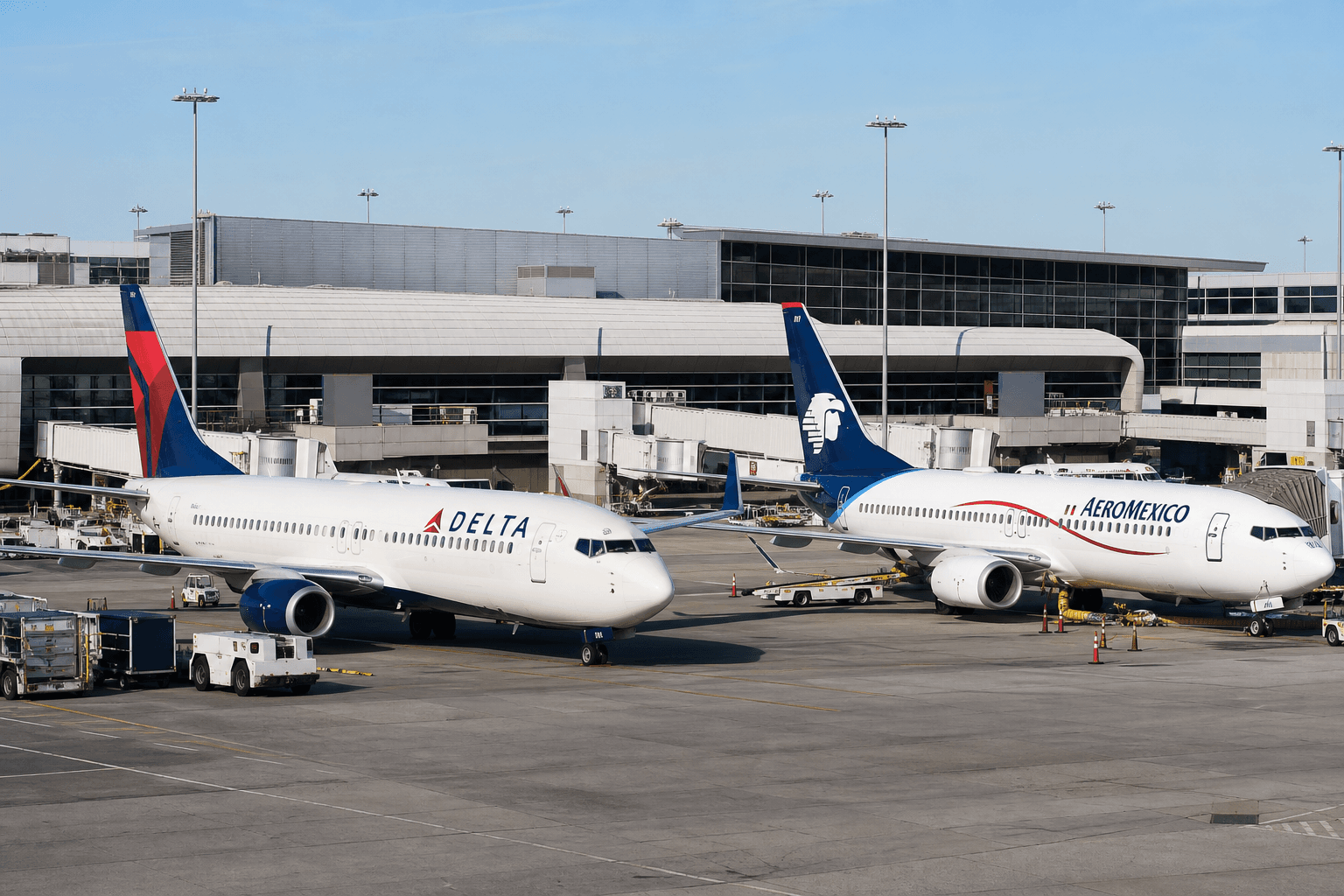
Legal arguments unfolded June 23 as a US appeals court prepares to rule on the Department of Transportation's 2025 decision to revoke antitrust immunity for Delta and Aeromexico's joint venture amid Mexico City slot cuts.
The gist
US court to rule on DOT's revocation of Delta-Aeromexico JV antitrust immunity after Mexico City slot restrictions sparked dispute.
Continuing coverage
All Delta Air Lines →- US Appeals Court Reinstates Delta-Aeromexico Joint Venture after DOT Block
- Delta CEO Sees 50% Profit Boost from AI-Powered Pricing and Operations
- Delta CEO Aims for Elite Global Status, But Operational Issues Undermine Claims
- Seven Passengers Sue Delta After Low-Speed Collision with Japan Airlines 787 at Seattle
- LATAM A320 aborts takeoff at São Paulo as American and Delta jets cross runway amid fog
A federal appeals court heard critical arguments on June 23 regarding the future of the joint venture between Delta Air Lines and Aeromexico. This proceeding follows the US Department of Transportation's 2025 decision to revoke antitrust immunity for the JV, a move that threatens the partnership and highlights complex US-Mexico aviation regulatory tensions. The court's ruling could come imminently, determining whether the DOT acted within its authority in shutting down the partnership that originally began with approval in 2016.
The Delta-Aeromexico joint venture received antitrust immunity from the DOT nearly a decade ago, allowing the airlines to coordinate routes, pricing, and operations between the US and Mexico. Such approvals typically come with conditions intended to preserve competition. In this case, a key requirement was divesting 24 slots at Mexico City International Airport to ensure market access to competitors.
However, in 2022, the Mexican government implemented a series of measures significantly restricting US carriers' operations at Mexico City International. These included reducing flight caps and rescinding US airlines’ slots, alongside policies that forced cargo carriers to relocate operations to the newly opened Felipe Angeles International Airport. The DOT viewed these moves as violations of the bilateral US-Mexico open skies agreement and grounds to end antitrust immunity because they distorted competition.
The government’s restrictions effectively entrenched Delta and Aeromexico’s JV with around 60% control of passenger slots and 70% of cargo tonnage at the primary Mexico City hub. This advantage drew DOT scrutiny and led to its 2025 decision to revoke the JV’s immunity. The DOT argued that these slot and operational limitations hindered competition by foreclosing new entry and gave the JV an unfair edge.
Delta contested the DOT’s revocation, challenging the decision in the appeals court. Delta’s counsel, Eugene Scalia, asserted the DOT’s action was improperly influenced by the broader US-Mexico political dispute rather than grounded in a full market analysis. He emphasized the Delta-Aeromexico partnership had invested millions, served hundreds of thousands of customers, and provided thousands of jobs, contending that the DOT took improper shortcuts to dissolve a viable business.
The DOT’s attorney, Steven Mintz, rebutted that the department is mandated to terminate joint ventures that harm competition, irrespective of political factors. He highlighted the concrete effects of Mexico’s restrictions at Mexico City Airport in reducing available slots and barring cargo carriers, which allowed the JV to dominate market share undeservedly. Mintz maintained that competition declined over the nine years since the JV’s initial approval, justifying the revocation.
Judges questioned both sides on procedural and substantive grounds. Judge Robin Rosenbaum asked why the DOT had not conducted a comprehensive market analysis before revoking the JV’s immunity nearly nine years after the original approval. Mintz explained the DOT found no need to redo the full market study and demonstrated worsening competitive conditions. The court also debated the role and necessity of US-Mexico open skies agreements for joint ventures, as Delta noted precedent for approved JVs at non-open-skies airports like Tokyo Haneda.
The stakes for the Delta-Aeromexico joint venture are considerable. The partnership has provided significant connectivity between the United States and Mexico, one of the busiest international market pairs. The DOT’s revocation threatens to upend route coordination and possibly disrupt service, while raising broader questions about how national policies and bilateral agreements intersect with airline joint ventures.
The hearing follows recent progress in negotiations, with Mexico agreeing to address some US concerns related to airport slot allocations and cargo operations. Despite this, the DOT remains firm in its opposition to renewing the JV’s antitrust immunity under the current operating environment. The court’s ruling will clarify how US aviation authorities balance competitive safeguards with geopolitical and regulatory developments affecting international air services.
Read more
All Regulatory →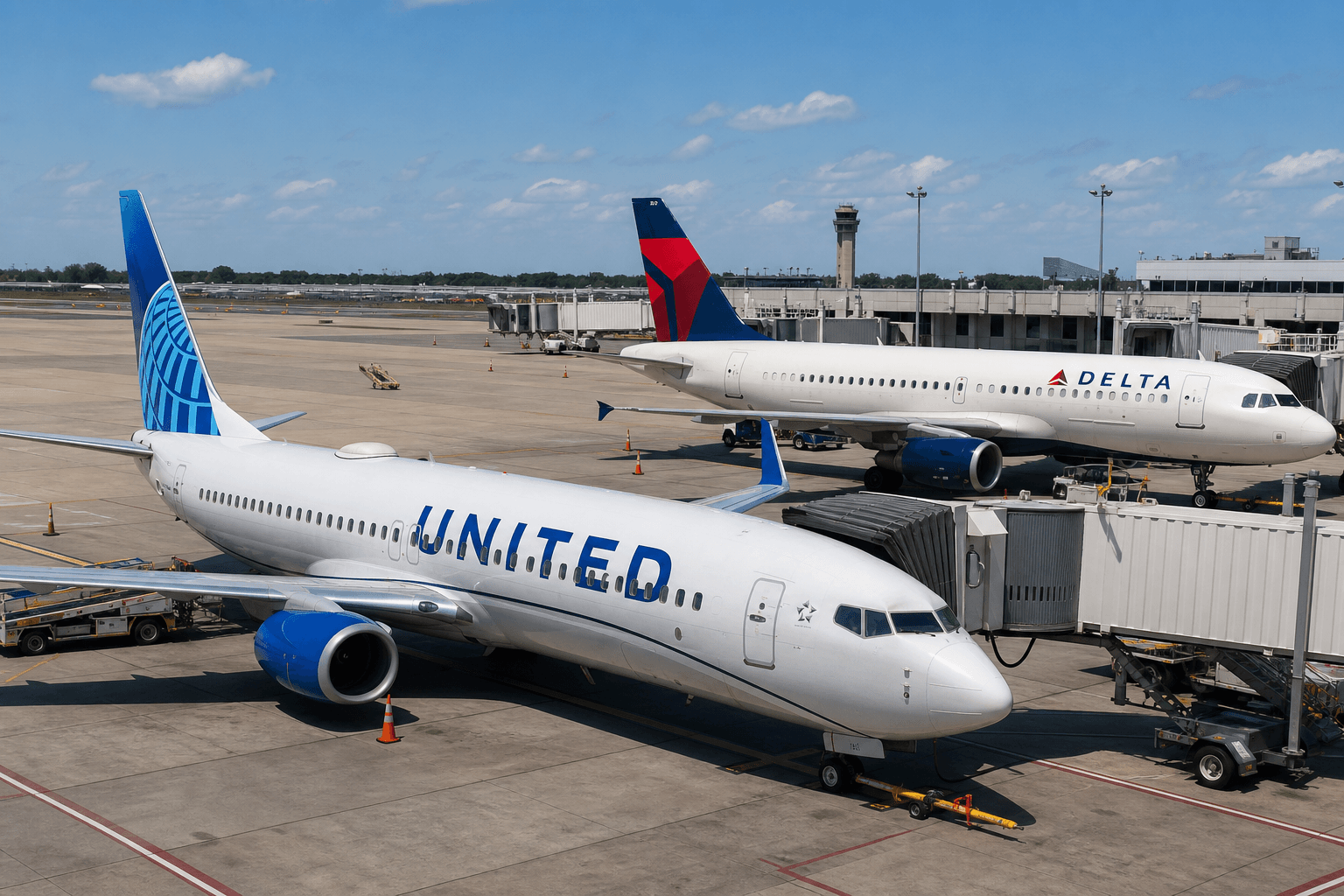
United Airlines CEO Explored Mergers With Delta and American Airlines, Both Declined
Scott Kirby, the chief executive of United Airlines, floated the idea of a merger with Delta Air Lines and even called the rival carrier’s CEO, Ed Bastian, to discuss the proposal, with the Atlanta-based airline carrying out early due diligence on the potential merger before ultimately ruling it out. The revelations came to light in a new article from the Wall Street Journal. The news comes just months after Kirby reportedly lobbied the Trump administration about a potential merger between United Airlines and American Airlines, with United being the dominant partner. The timing of events, though, is perhaps most interesting. Kirby had floated the idea of a merger with American Airlines in April of this year, but the discussions with Delta took place months before, at some point in 2025, the WSJ reports. American Airlines, Delta Air Lines, and United form the so-called US3 – The three biggest airline groups in the US aviation industry. Together, they command a combined domestic market share of around 52% based on 2025 data. While industry analysts believe further consolidation (read: mergers and acquisitions) in the U.S. airline industry is a foregone conclusion, the idea of two of the US3 merging has long been considered off the table due to antitrust concerns. Now, however, we know that Kirby has approached both of United’s biggest rivals in an attempt to create a mega-airline that would control over a third of the U.S. domestic market. Consolidation in the near future is likely to be driven by rising fuel prices, with smaller airlines either merging or allowing themselves to be acquired by a bigger rival in order to survive. Kirby, however, says he isn’t interested in buying smaller airlines in a piecemeal approach to inorganic growth. Earlier this year, Kirby rejected the idea of acquiring JetBlue because of concerns about the company’s debt levels. He had, instead, set out a public vision to merge with American Airlines to create what he described as “the very best” airline in the world. Unlike Delta, however, American Airlines didn’t even entertain the proposal and “declined to engage" United in discussions before “publicly closing the door,” in a filing to the stock market. Kirby clearly has very big ambitions. The kind of ambitions that would have been unthinkable under the Biden administration, which swiftly moved to block a merger between JetBlue and Spirit Airlines over fears it would harm competition. That court victory ultimately led to the demise of Spirit Airlines. The thinking is that the current administration would be much more amenable to a mega merger between two of the US3, although President Trump said he didn’t like the idea of United and American Airlines merging. Delta has a market capitalization of roughly $48.18 billion, leaving United Airlines trailing behind with a market cap of around $39.32 billion. That would, of course, make United the smaller player in any potential merger between the two carriers. So, what would Kirby have to personally gain from this kind of deal? After all, it certainly feels like Kirby has no plans on retiring any time soon. Perhaps, as the broker of the deal, he would hope to stay on as chief executive of the combined company, sidelining Ed Bastian from the role he has held for nearly a decade. This kind of speculation, however, can remain just that, given that Kirby’s preferred consolidation vision has been rejected by both of his suitors.
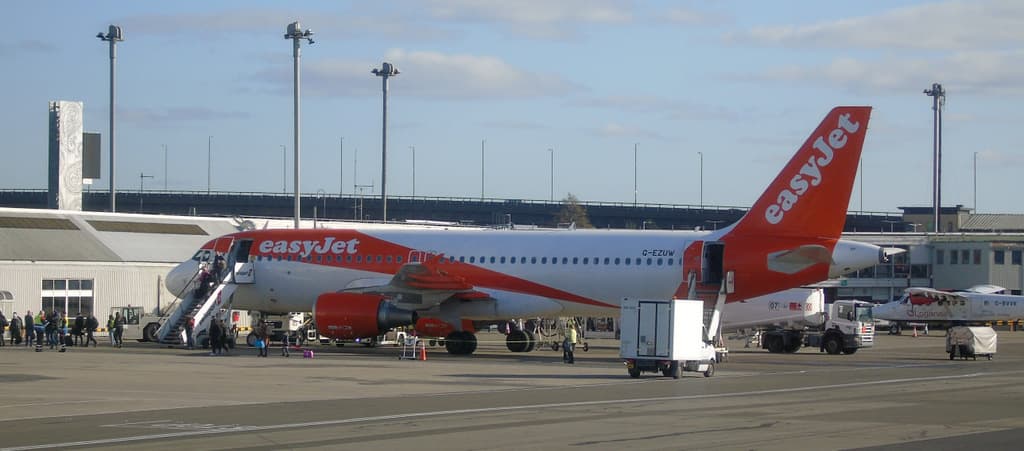
Apollo Global Management Secures Majority Stake in EasyJet While Navigating EU Ownership Rules
Apollo Global Management appeared to pull off something remarkably straightforward this week: the New York-based investment giant agreed to buy easyJet for £5.7 billion ($7.7 billion), beating out fellow US investor Castlelake to one of Europe's largest low-cost airlines. Reuters reports that Apollo's £7.15-per-share offer represented an 81% premium to easyJet's closing price before investor interest became public, while easyJet founder Sir Stelios Haji-Ioannou and the airline's board backed the transaction.
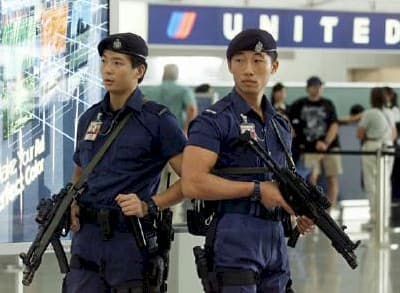
Black Comedians Settle Lawsuit Over Racially Targeted Jet Bridge Stops at Atlanta Airport
What to Know Comedians Eric André and Clayton English have settled their lawsuit against Clayton County over a jet bridge stop program at Atlanta’s airport, which disproportionately targeted Black passengers. In This Article The statistics behind the lawsuit, including odds researchers say are less than one in 100 trillion that the racial disparity happened by chance. What each comedian experienced when police intercepted them on the jet bridge before boarding. What Clayton County has agreed to change, including body cameras and constitutional rights training for officers. How much each comedian will receive, and what the county did and didn’t admit to. Show 4 more points + .pyok-callout { display: flex; border-radius: 0; background: #f7f9fc; margin: 24px 0; font-family: -apple-system, BlinkMacSystemFont, "Helvetica Neue", Arial, sans-serif; } .pyok-callout-inner { padding: 20px 24px; width: 100%; } .pyok-callout-head { margin-bottom: 12px; } .pyok-callout-tag { font-size: 20px; font-weight: 900; letter-spacing: 0.04em; text-transform: uppercase; color: #120E43; } .pyok-callout-list { margin: 0; padding: 0; list-style: none; } .pyok-callout-list li { position: relative; padding-left: 18px; margin-bottom: 12px; font-size: 17px; line-height: 1.55; color: #1a1a1a; } .pyok-callout-list li::before { content: ""; position: absolute; left: 0; top: 9px; width: 6px; height: 6px; border-radius: 50%; background: #120E43; } .pyok-callout-list-more li:last-child { margin-bottom: 0; } .pyok-callout-subhead { text-align: center; font-size: 11px; font-weight: 700; letter-spacing: 0.1em; text-transform: uppercase; color: #8a93a3; margin: 22px 0 14px; padding-top: 14px; border-top: 1px solid #e1e7ef; } .pyok-callout-more { max-height: 0; overflow: hidden; transition: max-height 0.35s ease; } .pyok-callout-toggle { display: inline-flex; align-items: center; gap: 6px; margin-top: 10px; padding: 0; border: none; background: none; color: #120E43; font-size: 14px; font-weight: 700; cursor: pointer; } .pyok-callout-toggle:hover { text-decoration: underline; } .pyok-callout-toggle-icon { display: inline-flex; align-items: center; justify-content: center; width: 16px; height: 16px; border: 1.5px solid #120E43; border-radius: 0; font-size: 12px; line-height: 1; } (function () { document.querySelectorAll('.pyok-callout-toggle').forEach(function (btn) { btn.addEventListener('click', function () { var card = btn.closest('.pyok-callout-inner'); var more = card.querySelector('[data-more]'); var isOpen = btn.getAttribute('aria-expanded') === 'true'; var textEl = btn.querySelector('.pyok-callout-toggle-text'); var iconEl = btn.querySelector('.pyok-callout-toggle-icon'); if (isOpen) { more.style.maxHeight = '0px'; btn.setAttribute('aria-expanded', 'false'); textEl.textContent = btn.dataset.moreText; iconEl.textContent = '+'; } else { more.style.maxHeight = more.scrollHeight + 'px'; btn.setAttribute('aria-expanded', 'true'); textEl.textContent = btn.dataset.lessText; iconEl.textContent = '\u2212'; } }); }); })(); Two Black actors and comedians, Eric André and Clayton English, have reached a settlement with Clayton County, which covers Atlanta-Hartsfield International Airport (ATL), over a "coercive" jet bridge stop program that subjected passengers to “racial profiling” by local law enforcement. The lawsuit dates back to October 2022 when André and English took the Clayton County Police Department to court in a bid to shut down the 'jet bridge stop program' which involved police officers standing on a jet bridge as passengers are boarding a plane and "randomly" stopping people. On April 21, 2021, Eric was flying from Atlanta to Los Angeles when he was intercepted by two police officers who were waiting on the jet bridge. The officers questioned him for five minutes, during which time they asked if he was carrying illegal drugs, all while other passengers "gawked" at him as they squeezed past. Eric was allowed to board the flight, but he says the encounter with the police officers was a "humiliating and degrading experience". Clayton had a very similar experience as he went to board a flight to Los Angeles just six months earlier in October 2020. In an eight-month period, the Clayton County Police Department had 402 "consensual encounters," of which only two resulted in passengers being charged with drug offenses. During that same time period, however, the police department seized more than $1 million in cash and money orders based on the "slightest suspicion" that the money was connected to criminal activity. An Open Records Act request revealed that 56% of the passengers stopped during the same eight-month period were Black. Researchers from the Policing Project, which supported Eric and Clayton, claim that the odds that Black passengers were randomly selected for these stops are less than one in 100 trillion. The actors have, however, now reached an out-of-court settlement with Clayton County. The settlement includes a $15,000 payout for each of the actors. “It´s a major victory that Clayton County has confirmed that it has ended this program and is now taking steps to prevent this type of abuse from happening in the future,” André said after the settlement was announced on Tuesday. In a separate statement, English said: “What happened to me was wrong, and I wasn´t willing to let it happen to other people.” Clayton County did not make any admission of guilt or liability as part of the settlement. The county has, however, committed to putting its police officers through constitutional rights training, and will require officers on duty at Atlanta-Hartsfield to wear body cameras.
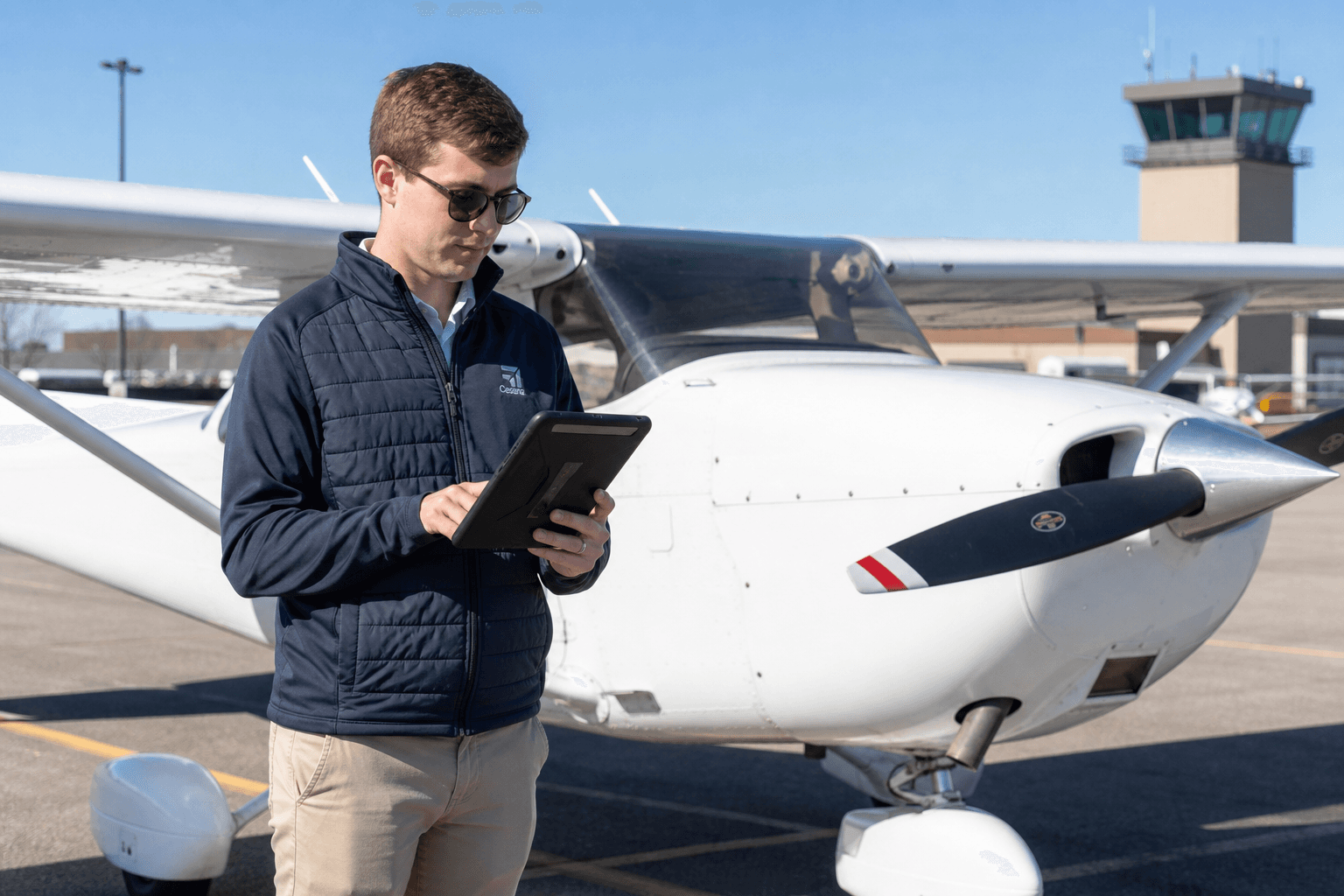
SkyBrief app streamlines preflight planning with personalized weather and training tools
Rohith Velmurugan was working toward his commercial pilot certificate when he noticed how much of his training time was being spent on the ground.
The Daily Touch & Go
The day's best aviation news in your inbox. Free, no spam.