

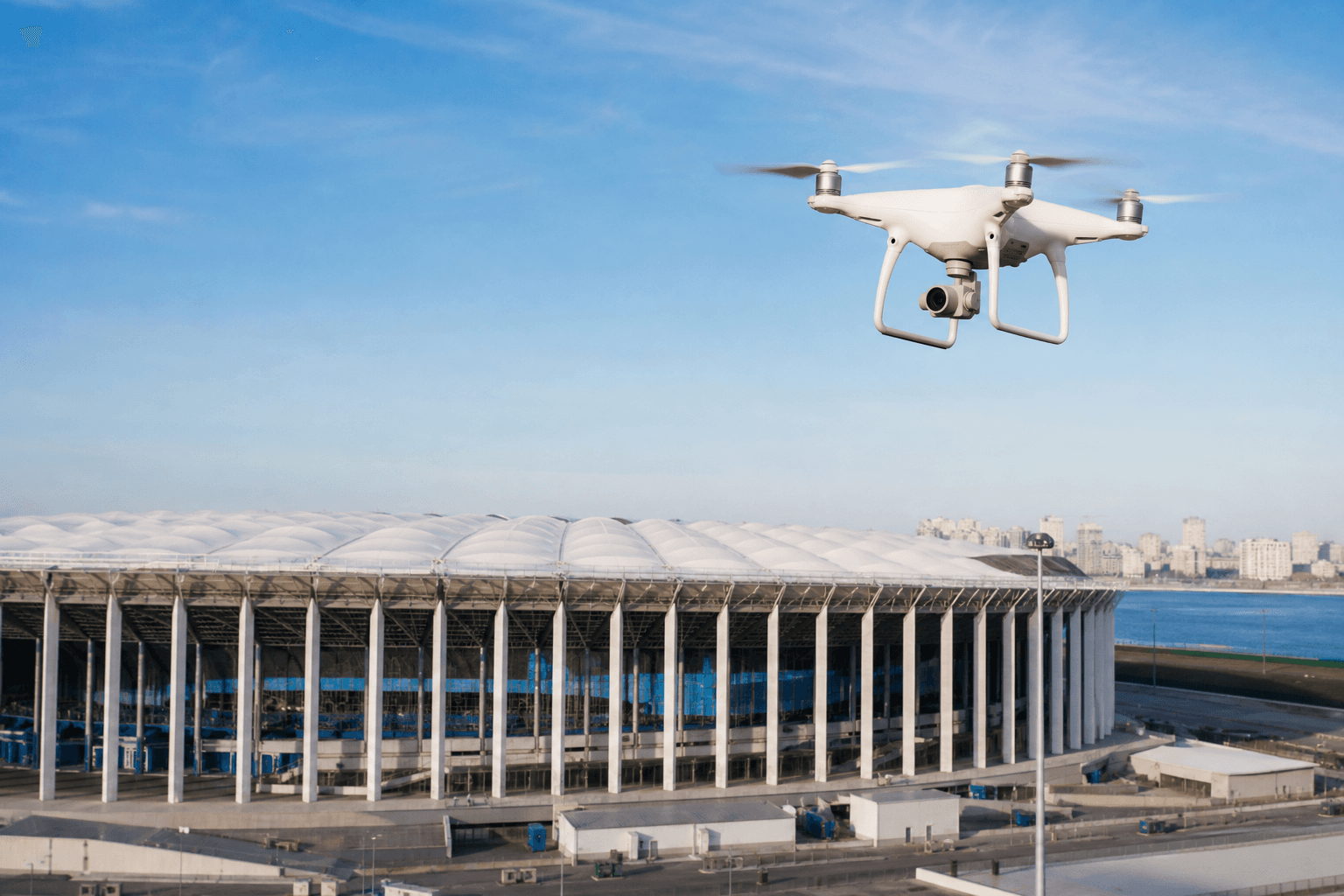
Illustration: The Touch & Go
Over 300 Drones Confiscated Near World Cup Venues Amid Strict FAA Restrictions
Authorities have seized more than 300 unauthorized drones flying near FIFA World Cup stadiums and fan zones since June 11, enforcing no-fly zones to maintain safety.
The gist
More than 300 drones confiscated near World Cup sites as authorities enforce strict no-fly zones and issue heavy penalties for violations.
Continuing coverage
All Security →- Trump Secretly Shifted from Air Force One to Boeing 757 Amid Iranian Threat in Turkey
- Ex-Flight Attendant Pleads Guilty to Using Fake Pilot ID to Fly Free on Three Major Airlines
- Trump switches from new VC-25B Air Force One mid-trip amid security concerns
- Airport Lounges Face Persistent Theft Despite High Security and Surveillance
Since the kickoff of the FIFA World Cup on June 11, U.S. authorities have confiscated over 300 drones detected operating illegally near match venues and fan gathering spots. The Transportation Security Administration (TSA) reported these seizures as part of rigorous enforcement efforts to ensure public safety and security during the high-profile tournament. Strict airspace restrictions prohibit drone flights within three nautical miles of stadiums and up to 3,000 feet in altitude during games unless operators have explicit authorization.
These no-fly zones also encompass areas around official fan festivals and public gathering zones, reflecting a comprehensive approach to airspace security amid large crowds. Federal agencies, including the FBI and FAA, have been actively monitoring multiple tournament cities with drone interdiction operations. For example, FBI units in Florida alone have confiscated over 50 drones and issued numerous citations to operators violating the restrictions. Similar enforcement actions have been reported in major cities such as Atlanta, Los Angeles, Dallas, and Seattle.
Authorities emphasize that many drone incursions stem from recreational pilots unaware of the temporary flight restrictions put in place for the tournament. Despite the relatively small size of these unmanned aircraft, officials warn that even minor drone violations carry serious risks in crowded environments. Unauthorized drones can pose hazards to event security and public safety, beyond disrupting air traffic management around the venues.
The FAA has underlined the consequences for breaching these temporary flight restrictions, including potential civil penalties up to $100,000, criminal prosecution, and mandatory seizure of prohibited drones. To counter unauthorized flights effectively, the FBI deployed specialized counter-drone teams at stadium sites. These teams utilize advanced technologies to detect, track, and respond swiftly to illegal drone operations during the event.
In response to concerns from drone industry groups about the impact of the initial restrictions on legitimate commercial drone activities, the FAA recently updated its notice to airmen (NOTAM). The revision clarifies that certain unmanned aircraft operations may be allowed within restricted airspace if operators secure prior authorization from the Department of Homeland Security. This addresses operations near team hotels, training facilities, and some fan events, which could be essential for business and logistical purposes.
The new NOTAM language creates a pathway for authorized Part 107 (commercial drone pilots) and Part 135 operators to request permission for flights inside secure zones around World Cup venues. This regulatory adjustment balances the imperative of security with the operational needs of commercial aviation drone users, enabling flexibility where acceptable and safe.
These enforcement measures and regulatory updates highlight the authorities’ commitment to maintaining rigorous airspace safety during globally significant sporting events. The scale of drone seizures across multiple urban centers demonstrates the challenge of managing unmanned aircraft amid high-density gatherings and the ongoing need for public awareness about drone restrictions.
The situation underscores the evolving role of drone policy and enforcement in major event security planning. As the FAA and law enforcement refine enforcement tools and guidelines, future tournaments will likely benefit from lessons learned in balancing technology use and crowd safety in complex airspace environments.
Read more
All Regulatory →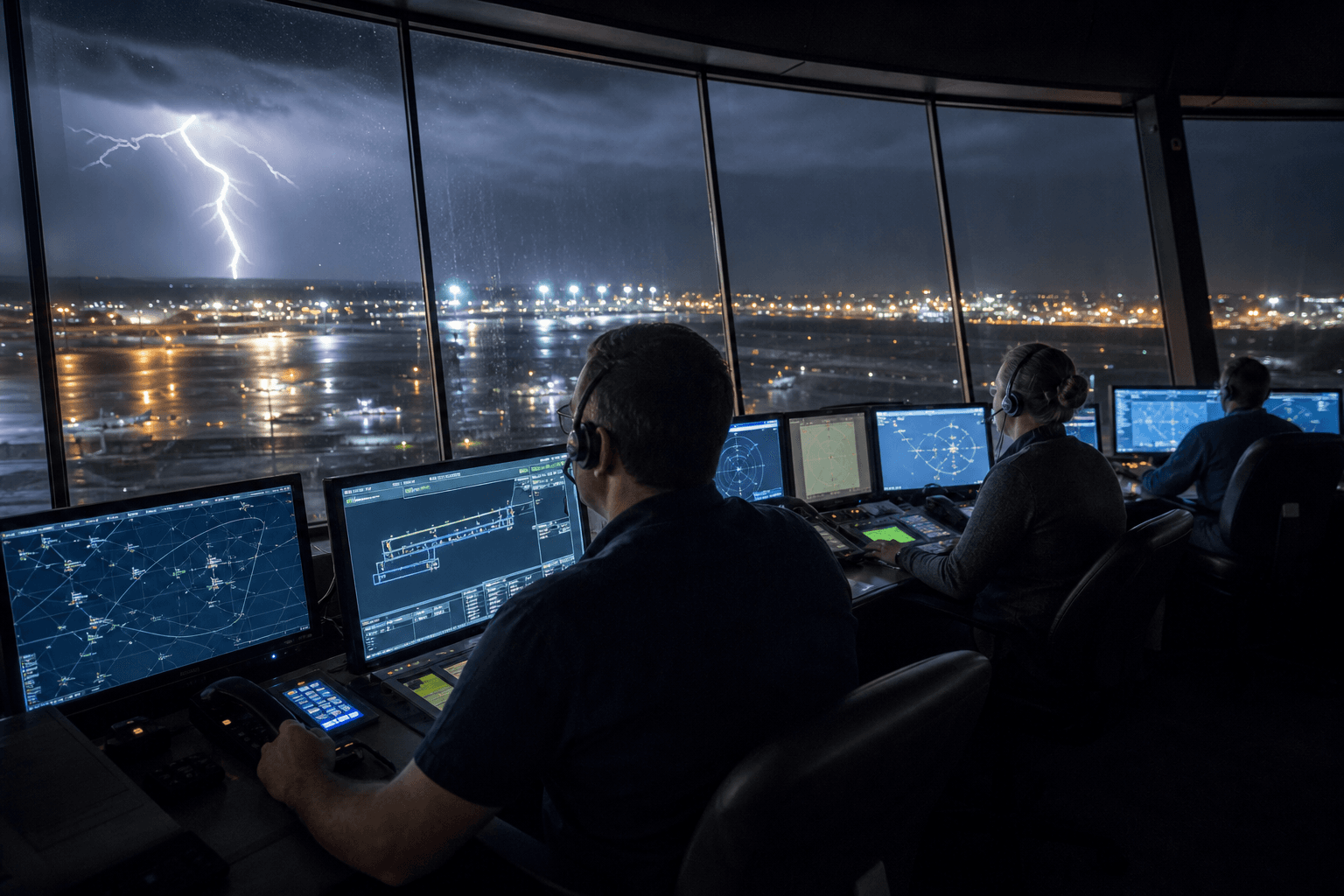
Controllers' high sick rates worsened Northeast flight disruptions amid thunderstorms
Nearly 11,000 flights were delayed or canceled Friday as thunderstorms hammered the Northeast and air traffic control staffing problems made recovery harder. Transportation Secretary Sean Duffy blamed controllers calling out sick, but FAA advisories throughout the day suggest weather was the primary driver, with staffing constraints becoming a compounding problem rather than the whole story.
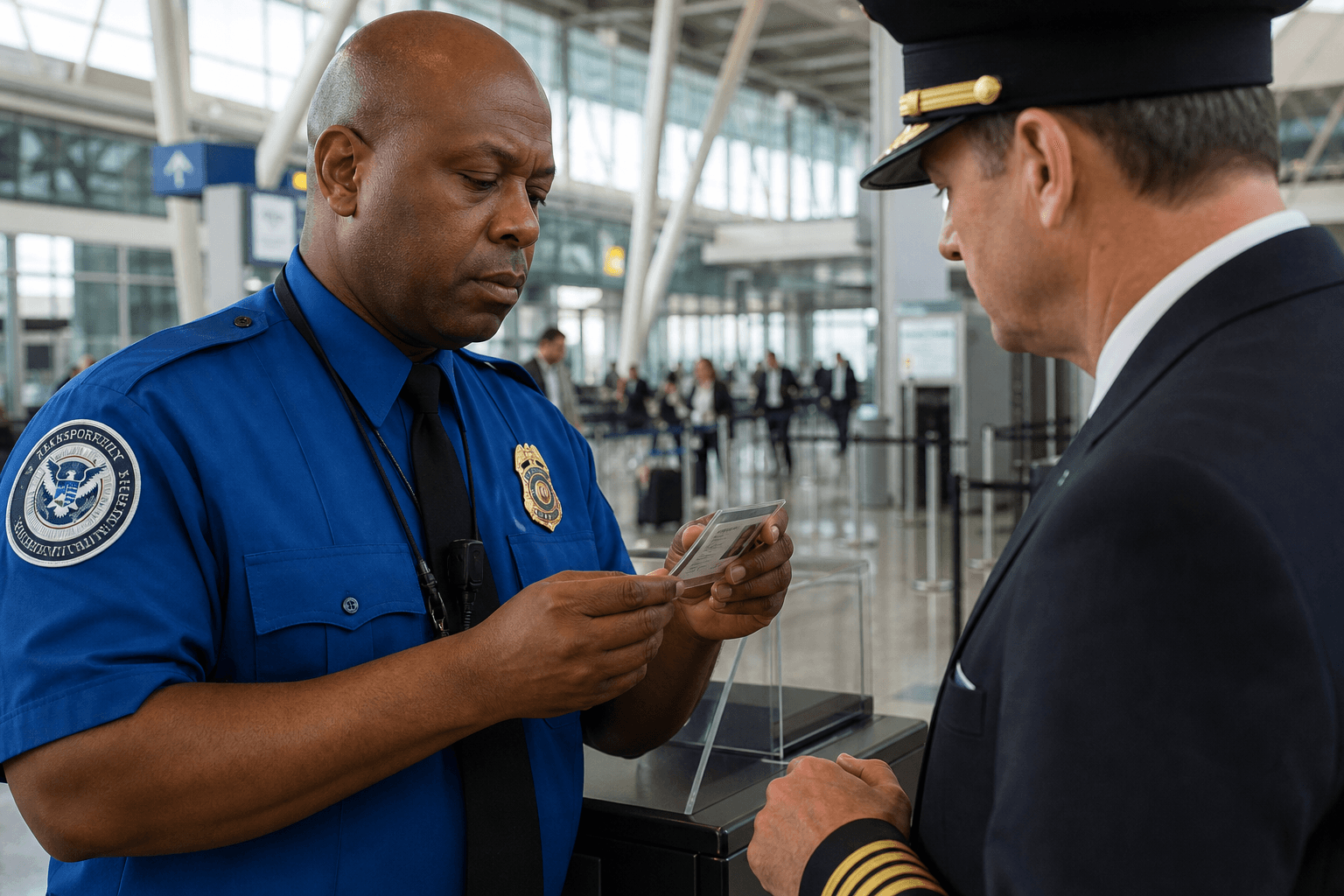
Ex-Flight Attendant Pleads Guilty to Using Fake Pilot ID to Fly Free on Three Major Airlines
The Lowdown Ex-flight attendant Dallas Pokornik has pleaded guilty to wire fraud after using a fake pilot ID badge to con three major U.S. airlines out of hundreds of free flights over nearly five years. In This Article How court filings point to which three airlines were defrauded, without prosecutors naming them directly. The 2024 encounter that finally exposed his fake pilot credentials to an airport employee. How he was tracked to Panama and extradited back to the U.S. to face charges. The prison sentence and fine he now faces, and when he’s due to be sentenced. Show 4 more points + .pyok-callout { display: flex; border-radius: 10px; background: #f7f9fc; border: 1px solid #e1e7ef; border-left: 4px solid #120E43; margin: 24px 0; font-family: -apple-system, BlinkMacSystemFont, "Helvetica Neue", Arial, sans-serif; } .pyok-callout-inner { padding: 20px 24px; width: 100%; } .pyok-callout-head { display: flex; align-items: center; gap: 8px; color: #120E43; margin-bottom: 12px; } .pyok-callout-tag { font-size: 12px; font-weight: 700; letter-spacing: 0.08em; text-transform: uppercase; } .pyok-callout-list { margin: 0; padding: 0; list-style: none; } .pyok-callout-list li { position: relative; padding-left: 18px; margin-bottom: 12px; font-size: 16px; line-height: 1.55; color: #1a1a1a; } .pyok-callout-list li::before { content: ""; position: absolute; left: 0; top: 9px; width: 6px; height: 6px; border-radius: 50%; background: #120E43; } .pyok-callout-list-more li:last-child { margin-bottom: 0; } .pyok-callout-subhead { text-align: center; font-size: 11px; font-weight: 700; letter-spacing: 0.1em; text-transform: uppercase; color: #8a93a3; margin: 4px 0 14px; padding-top: 14px; border-top: 1px solid #e1e7ef; } .pyok-callout-more { max-height: 0; overflow: hidden; transition: max-height 0.35s ease; } .pyok-callout-toggle { display: inline-flex; align-items: center; gap: 6px; margin-top: 10px; padding: 0; border: none; background: none; color: #120E43; font-size: 14px; font-weight: 700; cursor: pointer; } .pyok-callout-toggle:hover { text-decoration: underline; } .pyok-callout-toggle-icon { display: inline-flex; align-items: center; justify-content: center; width: 16px; height: 16px; border: 1.5px solid #120E43; border-radius: 50%; font-size: 12px; line-height: 1; } (function () { document.querySelectorAll('.pyok-callout-toggle').forEach(function (btn) { btn.addEventListener('click', function () { var card = btn.closest('.pyok-callout-inner'); var more = card.querySelector('[data-more]'); var isOpen = btn.getAttribute('aria-expanded') === 'true'; var textEl = btn.querySelector('.pyok-callout-toggle-text'); var iconEl = btn.querySelector('.pyok-callout-toggle-icon'); if (isOpen) { more.style.maxHeight = '0px'; btn.setAttribute('aria-expanded', 'false'); textEl.textContent = btn.dataset.moreText; iconEl.textContent = '+'; } else { more.style.maxHeight = more.scrollHeight + 'px'; btn.setAttribute('aria-expanded', 'true'); textEl.textContent = btn.dataset.lessText; iconEl.textContent = '\u2212'; } }); }); })(); An ex-flight attendant has pleaded guilty to defrauding three major U.S. airlines by using a fake pilot’s ID badge to obtain hundreds of free flights through so-called ‘non-rev’ privileges, in which airlines provide free or deeply discounted tickets to employees of other airlines as a reciprocal perk. Dallas Pokornik, 33, was indicted by a grand jury in Hawaii in January over allegations that he had been posing as a pilot in a ‘Catch Me If You Can’ ploy to travel the world for free. Dallas would request to sit in the cockpit when there weren’t any spare passenger seats available on the flights he wanted to catch. According to federal court filings, Dallas had worked for a Toronto-based airline as a flight attendant until 2019. During his time as a member of cabin crew, Dallas had legal access to free or discounted tickets, which are known within the industry as ‘non-rev’ perks, or non-revenue, as airlines aren’t making any money from these tickets. After he quit his job as a flight attendant, Dallas allegedly used his knowledge of how airline non-rev benefits worked to devise a scheme posing as a pilot to continue obtaining free flights from three major U.S. carriers. While prosecutors have deliberately withheld the names of the three airlines that Dallas defrauded, court filings do reveal where they are based. The first airline was based in Honolulu, the home base of Hawaiian Airlines. The second airline was based in Chicago, the headquarters of United Airlines. The third airline was based in Fort Worth, the headquarters of American Airlines. When obtaining free flights from these airlines, Dallas would allegedly also request a jumpseat in the cockpit, a special privilege that is only usually reserved for serving pilots. In 2024, however, Dallas presented the fake pilot’s ID badge to an airport employee of one of the airlines he defrauded, who was suspicious of its authenticity. The employee managed to take a photo of the ID badge and reported their suspicions. Once it was established that Dallas wasn’t, in fact, a pilot for the airline he claimed to work for, law enforcement was called in. Dallas was eventually tracked down to Panama, where an arrest warrant was issued, and he was extradited to the United States. Prosecutors allege that Dallas obtained “hundreds of free flights,” and while no one really knows how long the fraud was going on for, Dallas has admitted that it continued from January 2020 through October 2024. "Travel security protocols help keep our citizens and visitors safe, and anyone who breaches those protocols should expect to be brought to justice," commented U.S. Attorney Ken Sorenson after Dallas pleaded guilty to wire fraud. "We thank our law enforcement partners at Homeland Security Investigations and abroad for helping us hold this fraudster accountable,” Sorenson added. Dallas now faces a maximum sentence of up to 20 years imprisonment, plus a fine of up to $250,000. He is due to be sentenced on December 8, 2026. As part of his plea agreement , Dallas has agreed to pay restitution to the three airline victims. The amount of restitution that he will be required to pay will be determined at his sentencing hearing.
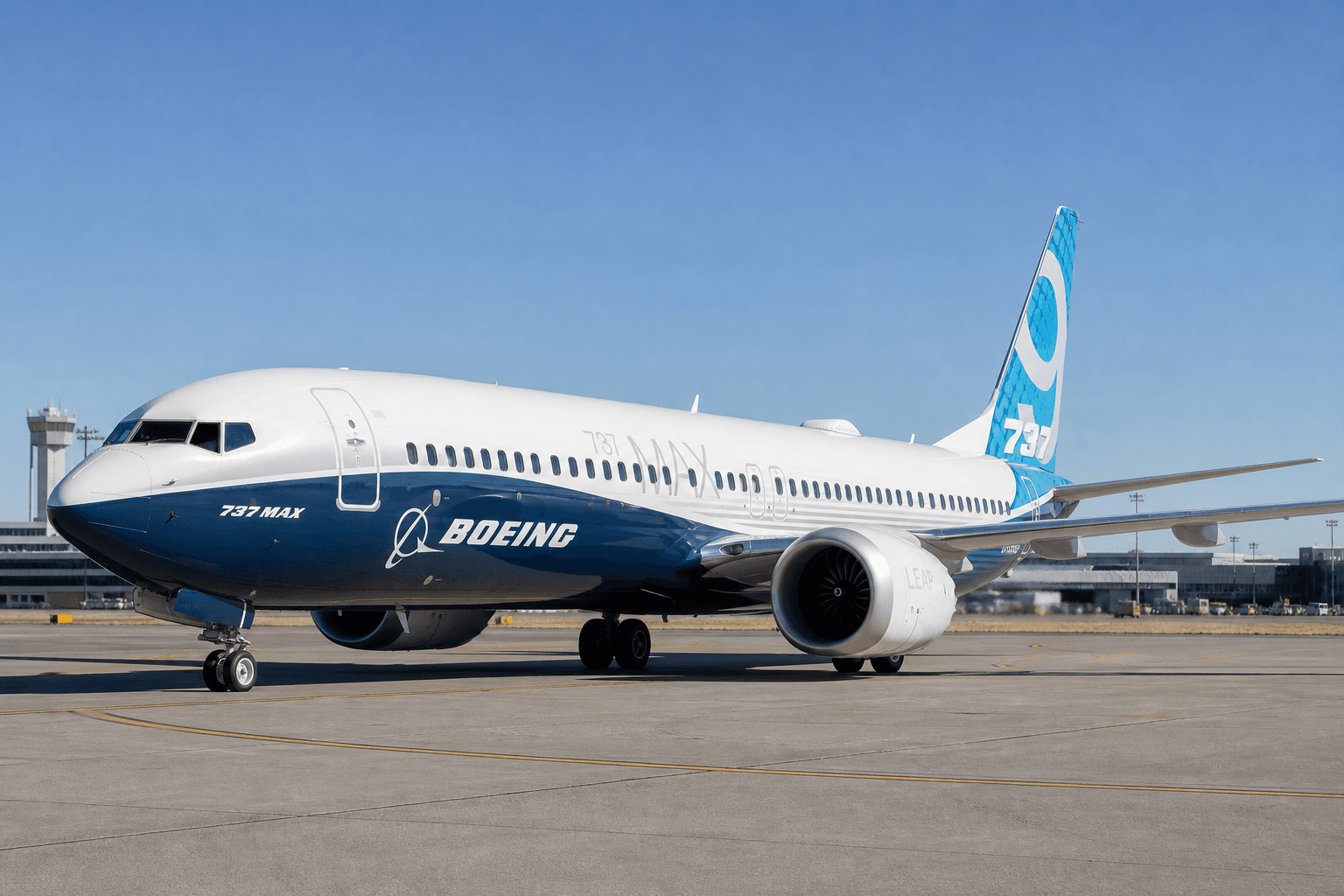
FAA prioritizes certifying Boeing 737 MAX 7 and MAX 10 before 777-9 amid extensive delays
Boeing currently has three aircraft models that have been stuck in certification hell for years: the 737 MAX 7, the MAX 10, and the 777-9. All three of these were supposed to be certified between 2019 and 2020 when initially launched, but over six years later, Boeing has not delivered a single example to an airline. Certification and entry-into-service for all three have been continuously delayed, but earlier in 2026, Boeing provided a more concise timeline. The 737 MAX 7 and MAX 10 will be certified by the end of the 2026 summer season, while the 777-9 will come in 2027.
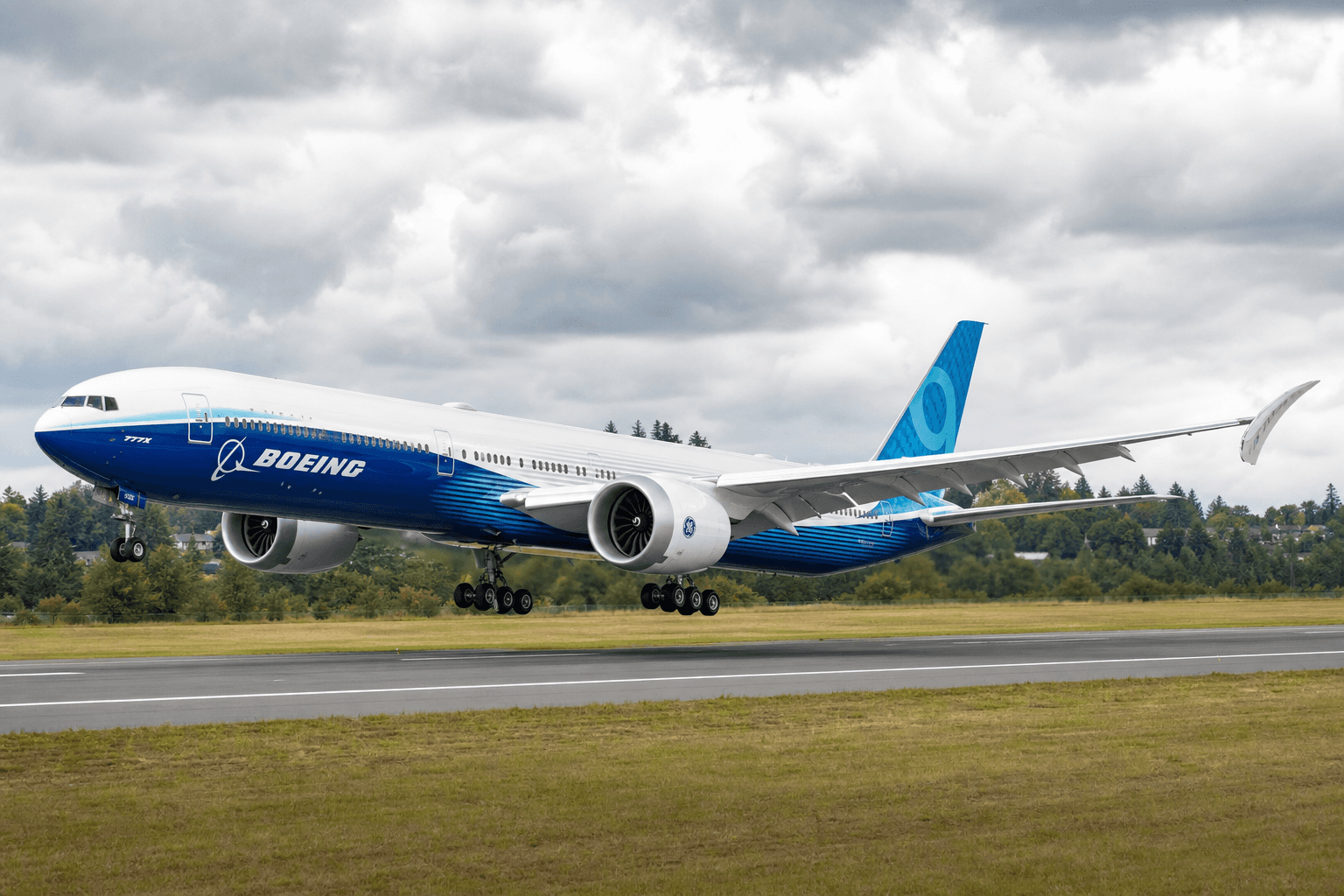
Boeing 777X Delays Cost Exceed Entire Airbus A350 Development
Few commercial aircraft programs have experienced a certification journey as prolonged as the Boeing 777X . Originally expected to enter airline service in 2020, the latest member of the 777 family is now scheduled to arrive in 2027, representing a delay of roughly seven years.
The Daily Touch & Go
The day's best aviation news in your inbox. Free, no spam.