

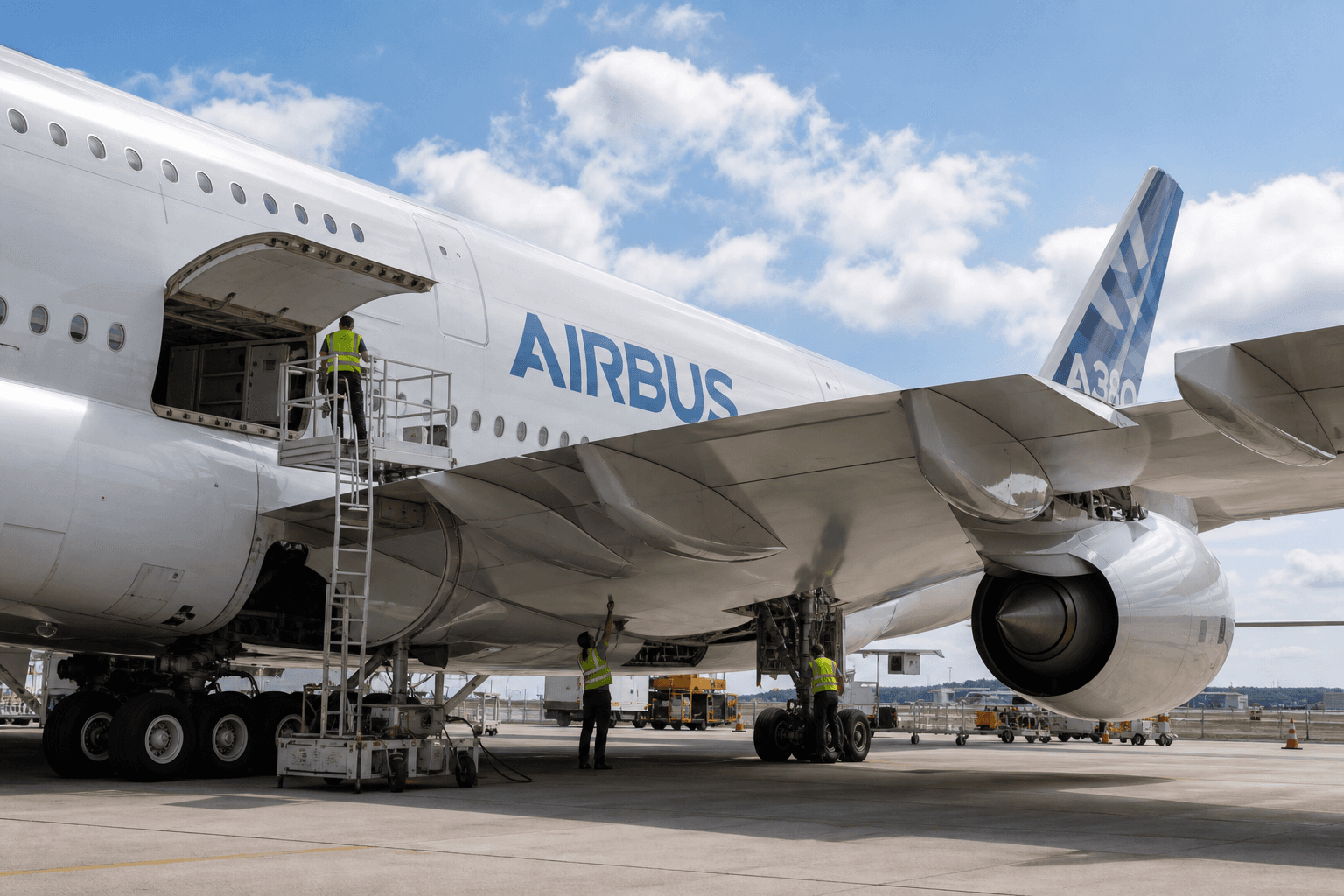
Illustration: The Touch & Go
Emergency Inspections Ordered for 16 Airbus A380s After Wing Spar Cracks Found
EASA has mandated urgent checks of mid spar wing components on 16 Airbus A380 jets, mainly operated by Emirates and Qantas, over structural crack concerns.
The gist
Sixteen Airbus A380s, mostly from Emirates and one from Qantas, face emergency wing spar inspections after cracks were detected by EASA.
Continuing coverage
All Qantas →- Singapore Airlines Faces Challenges With Largest Premium Economy Section on Ultra-Long Haul Flight
- Qantas Postpones First Airbus A321XLR International Flight to February 2027
- Qantas Operates 11 Ultra-Long Nonstop Flights with Melbourne-Dallas Route as Longest
- Melbourne Airport Set for 32% Surge in Airbus A380 Flights This Summer
- Frequent Flyer Award Loopholes Close as Airlines Tighten Elite Perks
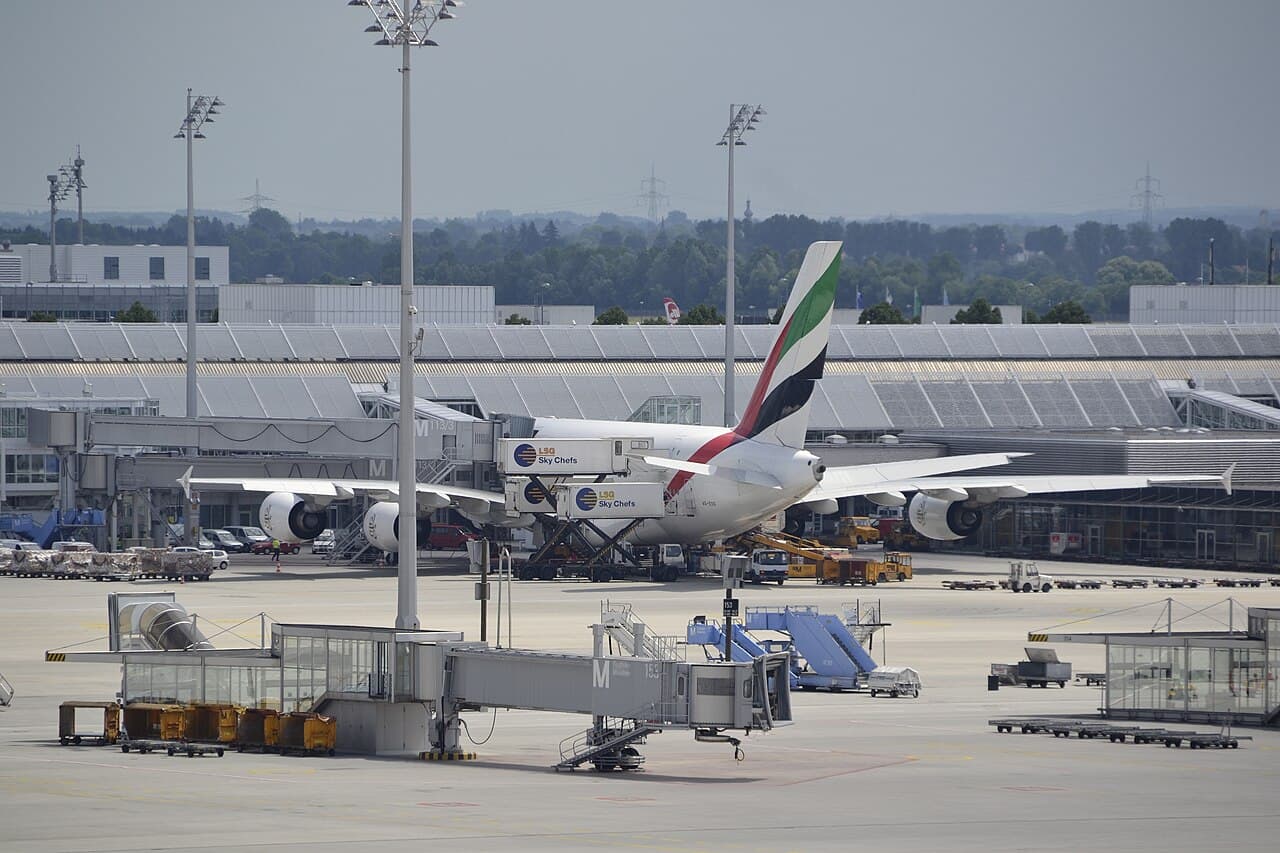
The European Union Aviation Safety Agency (EASA) has directed emergency inspections on 16 Airbus A380 aircraft after discovering cracks in a key structural component of their wings. These inspections specifically target the mid spar components, which are integral to the wings' integrity and overall aircraft safety. This directive affects 15 planes operated by Emirates and one by Qantas.
Among the 16 impacted aircraft, EASA has ordered immediate inspection before the next scheduled flight for five of Emirates’ A380s. The remaining affected planes, including Qantas’ single aircraft, must undergo inspections within their next 25 flight cycles, underlining a precautionary approach rather than recalling the whole fleet immediately. As of the directive, the five Emirates jets requiring prompt checks have been grounded pending clearance.
Despite these concerns, EASA has not mandated a global grounding of the entire Airbus A380 fleet, citing limited indications of a broader safety risk. Emergency airworthiness directives from EASA are rare and typically reserved for urgent safety threats. The current directive reflects a measured response focused on aircraft with identified structural cracks in the wing spars, rather than a systemic fleet-wide issue.
The Airbus A380 has faced wing-related structural challenges before. A significant 2012 inspection mandated by EASA covered the whole A380 fleet due to cracks in brackets attaching the wing skin to internal ribs. That earlier inspection was highly complex and costly, aiming to preserve the aircraft’s structural integrity. This latest directive similarly notes that the discovered cracks could potentially reduce the wing’s structural integrity, necessitating special detailed inspections to address the concern.
Emirates operates the largest global fleet of A380s, with over 100 units in service. The airline’s prominence in the super-jumbo sector means it is disproportionately affected by these inspections. The A380 remains vital to Emirates, which uses it across busy long-haul routes. Although the aircraft’s assembly line closed years ago, the type continues to anchor flagship services for multiple carriers worldwide, including Qantas, which operates six A380s altogether but only one is currently ordered for inspection.
Airbus continues to face multiple operational pressures, including ongoing supply chain difficulties and regulatory scrutiny. The manufacturer struggles particularly with Pratt & Whitney engine shortages, which have delayed deliveries and caused aircraft to be parked at facilities in France and Germany. Meanwhile, EASA has increased regulatory requirements for Airbus models such as the A330 and A320, tightening maintenance protocols and operational limitations, further challenging the manufacturer’s capacities.
Qantas’ single affected A380, registered VH-OQI and nicknamed after Australian scientist David Warren, was undergoing heavy maintenance after its last flight. This procedure means the aircraft’s grounding for inspection is unlikely to disrupt Qantas’ wider network substantially. VH-OQI, delivered in 2011, features a four-class cabin configured for 485 passengers, underscoring its role as a flagship long-haul aircraft in Qantas’ fleet.
The inspection order identifies affected aircraft precisely by their serial numbers and sets explicit compliance deadlines to ensure each plane’s airworthiness before returning to service. This rigorous approach indicates EASA’s commitment to safety without unnecessarily grounding aircraft that do not exhibit the concerning cracks. The directive emphasizes the critical role the mid spar wing components play and the need to preserve their structural integrity for continued safe operations.
This targeted inspection campaign highlights ongoing challenges faced by aging large aircraft and the necessity for continuous structural monitoring. It adds another layer to current pressures on Airbus, which must address these maintenance issues alongside production constraints and evolving regulatory demands. The directive for these 16 aircraft ensures heightened safety vigilance for some of the world’s largest passenger jets while avoiding blanket operational disruptions.
Read more
All Aviation Safety →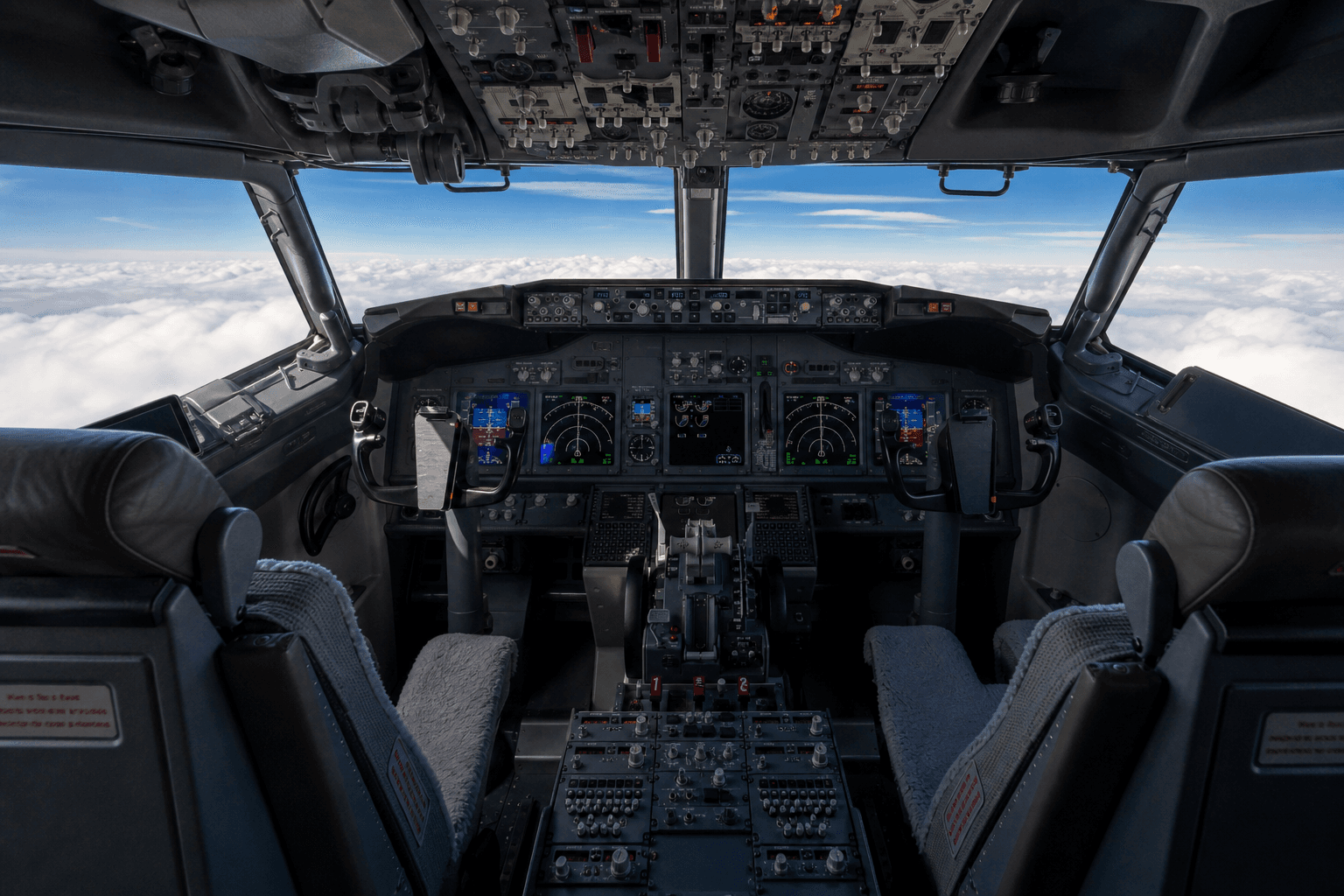
Southwest Pilot Who Reported Cockpit Misconduct Faces Union Sanctions Demand
A Southwest captain pled guilty after exposing himself and watching porn in the cockpit during a flight to Orlando while his first officer continued flying the plane. Now, years into the first officer's lawsuit claiming Southwest and its pilots union retaliated against her for reporting the incident, the union is asking a court to sanction her and make her pay its legal fees.
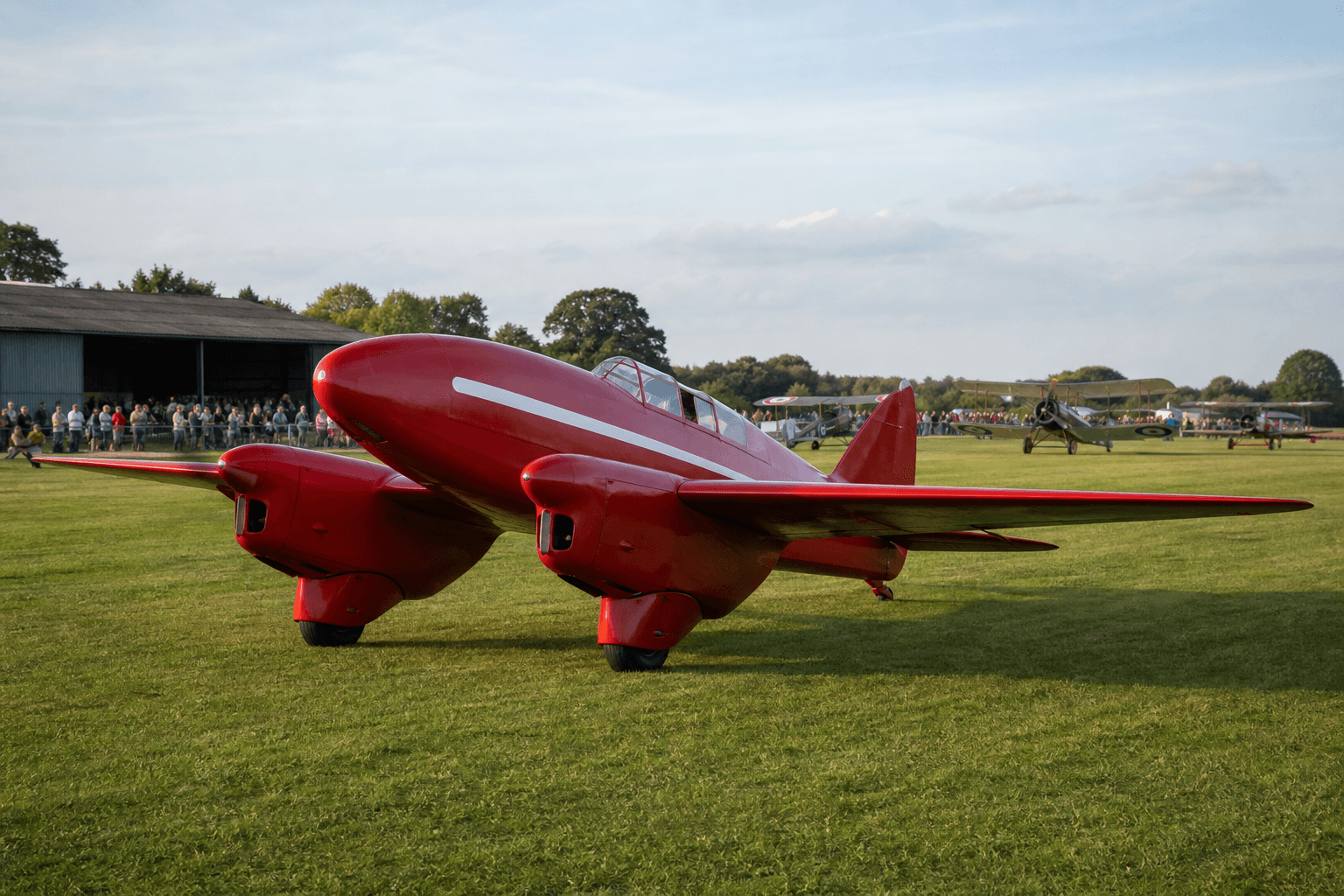
Historic 1934 DH.88 Comet 'Grosvenor House' Crashes at Shuttleworth Airshow
The de Havilland DH.88 Comet G-ACSS "Grosvenor House", the aircraft that won the 1934 MacRobertson England to Australia air race, overturned on landing at Old Warden aerodrome in Bedfordshire, United Kingdom, on August 15, 2026, sustaining extensive damage. The Shuttleworth Trust said the accident happened at approximately 19:20 local time during its Flying Proms air show, with one crew member on board. Emergency services extracted the pilot, who was responding at the scene and was taken to hospital for assessment. Shuttleworth later confirmed that the pilot was discharged from hospital. Nobody else was hurt. Bedfordshire Fire and Rescue Service sent crews from Sandy and Kempston to support the on-site fire service. The UK Air Accidents Investigation Branch, which has investigated several recent accidents involving historic aircraft in the UK , had not commented at the time of writing. An unfortunate incident occurred at the Shuttleworth evening airshow yesterday. The (notoriously tricky) DH -88 Grosvenor House crashed on landing.. Fortunately, the pilot suffered only minor injuries. pic.twitter.com/lgMV2c3nsp — Trev Clark's Obscure Aviation History (@clark_aviation) August 16, 2026 The only airworthy DH.88, and the MacRobertson winner De Havilland built five DH.88s, three of them for the 1934 race. Two survive. G-ACSP "Black Magic" has spent years under restoration, which leaves G-ACSS as the only airworthy example and the only one that actually won. Flown by Charles W. A. Scott and Tom Campbell Black, G-ACSS covered the Mildenhall to Melbourne course in 70 hours and 54 minutes. It was the first British aircraft to combine stressed-skin construction, a cantilever wing, retractable undercarriage, flaps, variable-pitch propellers and an enclosed cockpit in a single airframe, the design vocabulary de Havilland later carried into the Mosquito. The airframe has been rebuilt repeatedly since. Written off in Royal Air Force hands as K5084 and sold for scrap, it was rebuilt by Essex Aero, raced as "The Orphan" and set records as "The Burberry" before reaching the Shuttleworth Collection in 1965. A landing accident already grounded it for 12 years Restored with support from about 50 organizations, G-ACSS flew again on May 17, 1987, from Hatfield. That airfield closed in 1994 and the Comet went back to Old Warden by road, where the runway was initially too short to operate it. On October 28, 2002, after a test flight for its permit renewal, its undercarriage failed on landing. Investigators found that the legs as originally designed were liable to fail under certain conditions, and a modified structure had to be approved by the UK Civil Aviation Authority. The aircraft did not fly again until August 1, 2014. Shuttleworth has not said whether the damage is repairable. Operators of historic fleets typically suspend flying until a cause is established, as the Royal Air Force did with its Battle of Britain Memorial Flight Spitfires and Hurricanes . It is the second accident at Old Warden since May 30, 2026, when an Avro Triplane IV replica came down during the Wings and Wheels air show.
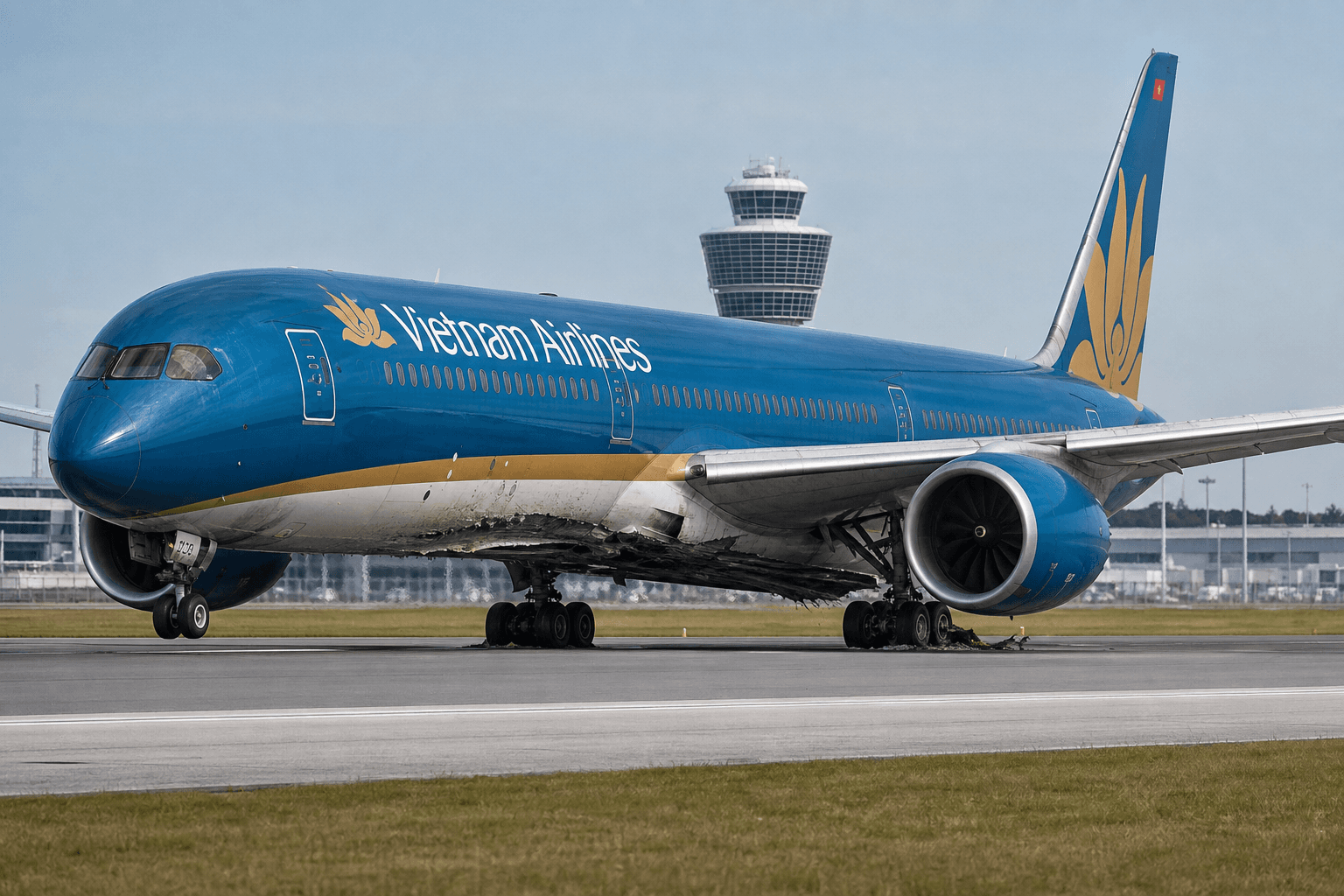
Vietnam Airlines Boeing 787-9 Skids 120 Meters Past Munich Runway End During Takeoff
An aviation catastrophe appears to have been only narrowly averted at Munich International Airport (MUC) on Saturday after a Vietnam Airlines Boeing 787 Dreamliner with as many as 274 passengers on board plowed 120 meters past the end of the runway as it attempted to take off, with the wheels smashing into the runway lights as the plane eventually became airborne. Aircraft Details Registration VN-A867 Aircraft Type Boeing 787-9 Dreamliner Engines General Electric GEnx-1B Operator Vietnam Airlines Route Munich (MUC) to Hanoi (HAN) Flight Number VN34 .pyok-callout { display: flex; border-radius: 0; background: #f7f9fc; margin: 24px 0; font-family: -apple-system, BlinkMacSystemFont, "Helvetica Neue", Arial, sans-serif; } .pyok-callout-inner { padding: 20px 24px; width: 100%; } .pyok-callout-head { margin-bottom: 12px; } .pyok-callout-tag { font-size: 20px; font-weight: 900; letter-spacing: 0.04em; text-transform: uppercase; color: #120E43; } .pyok-aircraft-list { margin: 0; padding: 0; } .pyok-aircraft-row { display: flex; justify-content: space-between; align-items: baseline; gap: 16px; padding: 10px 0; border-top: 1px solid #e1e7ef; } .pyok-aircraft-row:first-child { border-top: none; padding-top: 0; } .pyok-aircraft-row dt { font-size: 13px; font-weight: 700; text-transform: uppercase; letter-spacing: 0.04em; color: #8a93a3; margin: 0; flex-shrink: 0; } .pyok-aircraft-row dd { font-size: 16px; font-weight: 700; color: #1a1a1a; margin: 0; text-align: right; } @media (max-width: 420px) { .pyok-aircraft-row { flex-direction: column; align-items: flex-start; gap: 4px; } .pyok-aircraft-row dd { text-align: left; } } Vietnam Airlines flight VN-34 from Munich to Hanoi, operated by a 10-year-old Boeing 787-9 Dreamliner, departed at around 1:57 pm on August 15, for what should have been a routine ten-hour flight to Vietnam. The aircraft departed from Munich’s Northern Runway, officially known as 26L, a 4,000-meter-long concrete runway, which, by global standards, is considered long. This is important as the pilots appeared to have major issues in getting the aircraft airborne. Video footage captured by plane spotters at the airport showed the aircraft speeding along the runway. At the point that you would expect the aircraft to take off, it carried on accelerating along the runway. Vietnam Airlines Boeing 787-9 Dreamliner reportedly overruns the runway during take-off from Munich. The aircraft is currently on approach to the airport after holding. Video: MunichAviation pic.twitter.com/qqbWSV2jrN — Breaking Aviation News & Videos (@aviationbrk) August 15, 2026 The aircraft carried on like this for the entire length of the runway, reportedly plowing 120 meters past the end of the runway, kicking up dirt and dust, before it eventually became airborne, with the plane still so low that the tires scraped the runway approach lights, which mark the runway threshold. The pilots already knew that something was very amiss and told air traffic control that they had to make a return to Munich Airport. Due to the amount of fuel loaded on the aircraft for the long-haul flight to Vietnam, however, the aircraft had to enter a holding pattern for 90 minutes to dump some of the excess fuel and bring the plane down to a safer landing weight. The pilots didn’t, however, land the aircraft immediately after dumping the excess fuel. First, they carried out two low approaches across Runway 26R – presumably so that the air traffic control tower could observe what damage had been caused to the underside of the plane. On the third approach, the plane landed with smoke and debris seen coming from the landing gear, because the tires had been ripped to shreds. The plane came to a stop on the runway and became disabled there. Confirmed tail strike damage on VN-A867 The whole tail strike module is gone. There's a clear puncture through the lower fuselage, with torn composite and heavy scrape marks running aft. This was not light contact… they must have been pulling hard to get it airborne. This jet… pic.twitter.com/WNBqFvzMzf — Fahad Naim (@Fahadnaimb) August 15, 2026 Tail strike on VN-A867 + possible ELECTRIC BRAKE ACTUATOR ISSUES On Both MAIN GEAR. Vietnam Airlines 787-9 out of Munich today… very late rotation, almost full runway used, confirmed tail strike, then returned with multiple tires shredded. Electric Brake Actuator (EBA)… pic.twitter.com/d2t2mD52T5 — Fahad Naim (@Fahadnaimb) August 15, 2026 Munich’s Northern Runway remains closed, and airport authorities have warned of continued delays as a result of this incident. Thankfully, no one was hurt, but leaked photos showing the underside of the aircraft show just how serious the situation was. It appears that the pilots were so desperate to get the aircraft in the air that when it did finally take off, the tail struck the ground with such force that it created a gash in the underside of the fuselage. The cause of the accident has yet to be established, although one theory is that the pilots may have entered the incorrect takeoff calculations into the flight deck computer. A mechanical issue cannot, however, be ruled out at this stage. The aircraft is likely to remain grounded for some time as it will require specialist maintenance to fix the fuselage damage caused by the tailstrike.
Vietnam Airlines Boeing 787 overruns runway and suffers tail strike during Munich takeoff
A Vietnam Airlines Boeing 787 had an accident today while taking off on a long haul flight from Germany to Vietnam. Fortunately no one appears to have been injured, but I can't even begin to wrap my head around how something like this could happen… Vietnam Airlines 787 struggles to take off on very long runway This incident happened today (Saturday, August 15, 2026), and involves Vietnam Airlines flight VN34, scheduled to fly from Munich (MUC) to Hanoi (HAN). The flight was operated by a 10-year-old Boeing 787-9 with the registration code VN-A867 . At 1:57PM local time, the plane started its takeoff roll on runway 26L, which is 4,000 meters (13,123 feet) long. This is about as long as commercial runways get, so it's way longer than what even a fully loaded Dreamliner would need. However, something went seriously wrong with this takeoff. The plane accelerated down the runway… and kept accelerating, and accelerating, and accelerating. Eventually the plane seemingly overran the end of the runway, causing damage to runway lights. In the video you can see that huge clouds of dust rose around the aircraft, as the tail struck the ground. Fortunately the plane did manage to become airborne, though the crew immediately declared an emergency. The plane climbed up to 10,000 feet, and at that point the crew reported that they had an indicator that they had an issue with tire pressure. The plane circled around the area for around 90 minutes (either to burn or dump fuel), at which point the aircraft performed two low approaches over the runway, so damage could be assessed. Then the plane landed on runway 26R on the third approach, and it became disabled on the runway, closing the runway for an extended period of time. That landing was at 3:57PM, two hours after the plane first took off. The path for Vietnam Airlines flight VN34 Below is the takeoff video. Vietnam Airlines Boeing 787-9 Dreamliner reportedly overruns the runway during take-off from Munich. The aircraft is currently on approach to the airport after holding. Video: MunichAviation pic.twitter.com/qqbWSV2jrN — Breaking Aviation News & Videos (@aviationbrk) August 15, 2026 Then below is the landing video. Vietnam B787-9 appears to have shredded its tires on emergency return landing to Munich https://t.co/4ZvkFG1nXC pic.twitter.com/2Gz0ZiTLs8 — Breaking Aviation News & Videos (@aviationbrk) August 15, 2026 Below are pictures showing the tire damage and tail strike after the plane returned to Munich. Tail strike on VN-A867 + possible ELECTRIC BRAKE ACTUATOR ISSUES On Both MAIN GEAR. Vietnam Airlines 787-9 out of Munich today… very late rotation, almost full runway used, confirmed tail strike, then returned with multiple tires shredded. Electric Brake Actuator (EBA)… pic.twitter.com/d2t2mD52T5 — Fahad Naim (@Fahadnaimb) August 15, 2026 Confirmed tail strike damage on VN-A867 The whole tail strike module is gone. There's a clear puncture through the lower fuselage, with torn composite and heavy scrape marks running aft. This was not light contact… they must have been pulling hard to get it airborne. This jet… pic.twitter.com/WNBqFvzMzf — Fahad Naim (@Fahadnaimb) August 15, 2026 I think it's safe to assume that this plane will be on the ground for quite some time, and isn't going anywhere any time soon… What could possibly explain this messed up takeoff? Looking at the video of the takeoff, there's nothing that stands out to me as being particularly unusual. It looks like the plane is accelerating decently, the flaps are in use, etc. But the plane just keeps going and going. I tried to pull up the flight data through Flightradar24, which typically shows you the altitude and speed for a plane, but oddly there's a roughly five minute gap around the takeoff time. I'm not sure how we're supposed to interpret that. Flightradar24 data on this Vietnam Airlines flight Either way, it's hard to comprehend what happened here. If the pilots felt something was off during the takeoff roll, they'd logically abort the takeoff. And a 13,000+ foot runway is particularly long, so they should've had a major buffer here. Typically when we see incidents like this, it's because the takeoff performance for the plane wasn't calculated correctly (that's not to say that's the cause here, but I'm just saying that's the most common explanation for this kind of an incident). Did the crew not have the right "numbers" for this flight when determining takeoff performance? That mistake can happen sometimes, but typically pilots would catch the error, because something looks off. I mean, this was a long haul 787 flight, so pilots roughly know what kind of takeoff performance they should be expecting. Was there some technical or other glitch that prevented the plane from taking of when it was supposed to, or what? We'll have to wait for a full investigation, but everything about this incident is very strange. Bottom line A Vietnam Airlines Boeing 787 had a seriously messed up takeoff from Munich, as the plane overran the runway on takeoff, causing it to damage runway lights, strike its tail, and cause huge clouds of dust to rise. When the plane came back to land, it also had serious issues with its wheels, and the full damage of the tail strike was discovered. Particularly given how long Munich Airport's runway is, there's nothing about this that looks good… I'm curious to see what an investigation reveals. On the plus side, thank goodness no one was hurt, because it seems like this could've also had a much worse ending. What do you make of this Vietnam Airlines runway overrun in Munich?
The Daily Touch & Go
The day's best aviation news in your inbox. Free, no spam.