

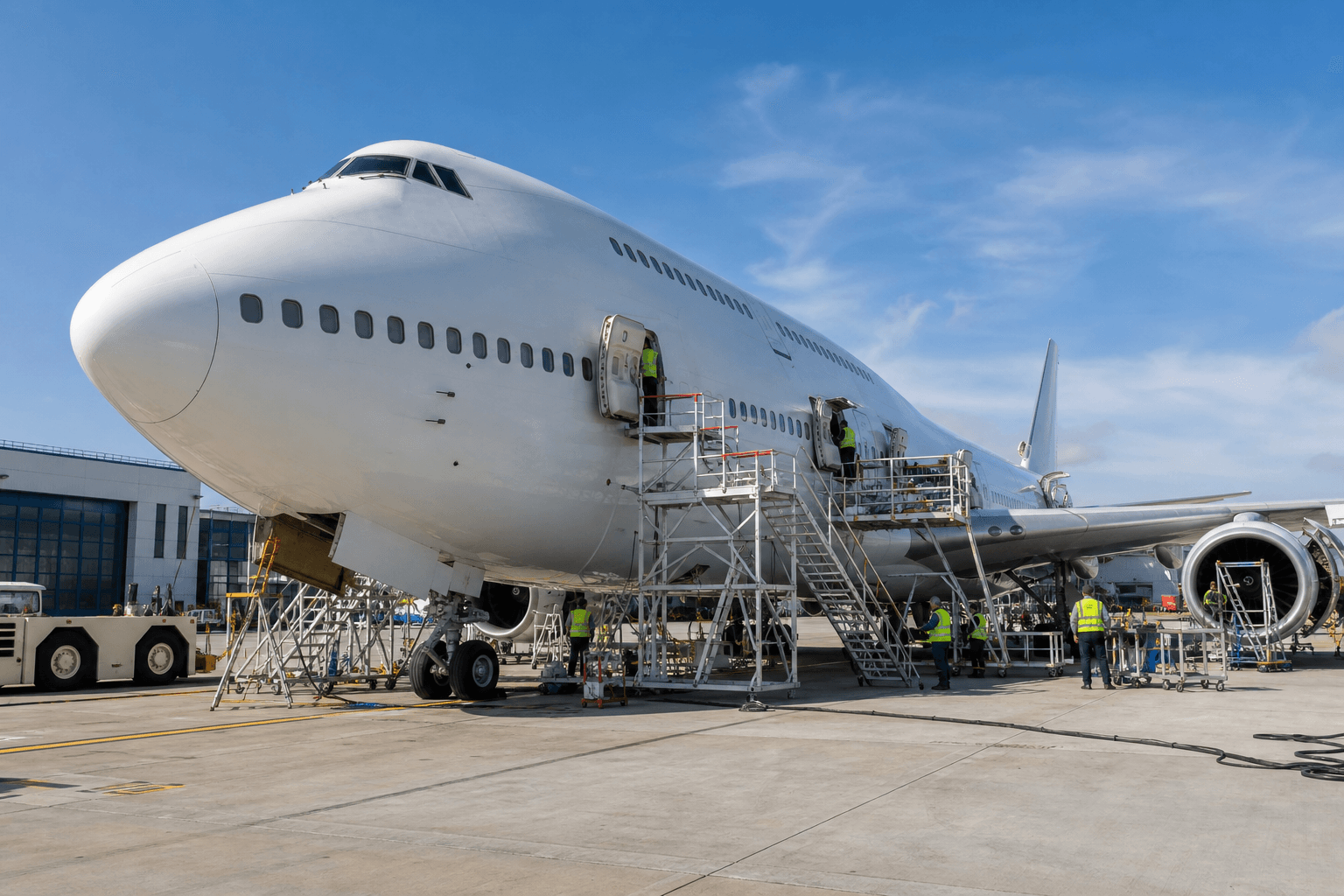
Illustration: The Touch & Go
L3Harris delivers new Air Force One from Qatar 747-8I in just 10 months
L3Harris transformed a gifted Qatar 747-8I into the VC-25 Bridge presidential jet, completing secure retrofitting and certification in a rapid 10-month sprint.
The gist
L3Harris converted a Qatari 747-8I into the new Air Force One in only 10 months, meeting tight US government deadlines with extensive upgrades.
The newest iteration of Air Force One, officially designated the VC-25 Bridge, was unveiled on 19 June following an intense 10-month conversion effort led by defense contractor L3Harris. The project involved transforming a 747-8I sourced from the Qatari government into a secure US presidential transport aircraft under a previously unacknowledged Pentagon program. The jet was gifted to the US in May 2025 as an alternative to the delayed Boeing-built VC-25Bs, reflecting an unprecedented step in presidential airlift logistics.
L3Harris dedicated roughly 400 technicians working around the clock in multiple shifts to complete the conversion, supporting a US Air Force and White House-imposed delivery deadline tied to Independence Day festivities. The former Qatar royal family business jet underwent extensive security and systems modernization, including a complete interior refurbishment and the integration of the company’s Senior Leader Command, Control, and Communications System – Airborne (SLC3S-A).
Originally customized for Qatar, the aircraft’s suitability for presidential missions required thorough scrutiny owing to its foreign origins. Protecting national security was paramount; the aircraft was dismantled and meticulously inspected to eliminate any foreign surveillance vulnerabilities. Jason Lambert, L3Harris ISR president, emphasized the exceptional electronic warfare and cybersecurity capabilities employed to ensure the jet was completely secure for US government use.
The VC-25 Bridge’s unique name signifies its bridging role amid delivery delays of the Boeing VC-25Bs, which had been planned replacements but are still years from completion. The Boeing jets, converted from former Transaero 747-8Is, have faced prolonged certification challenges, pushing original 2024 delivery estimates to about 2028. Qatar’s offer of its jet at no cost provided an unexpected but vital stopgap solution.
Retrofitting changes aimed to minimize major structural modifications, enabling the certification to proceed rapidly. While the fundamental airframe remained largely intact, L3Harris applied significant aesthetic upgrades to enhance the jet’s presidential appeal, including interior redesigns approved in coordination with the White House. The jet also sports a new livery that marks a departure from the iconic Kennedy-era blue-and-white scheme, incorporating navy blue and red tones with a gold fuselage stripe and an American flag tail flash.
Powerplant upgrades were also performed, replacing the original GEnx-2B67B engines—which had altitude restrictions—with newer variants providing improved performance. Engine swaps were executed in cooperation with Boeing, ensuring flight capabilities met the stringent requirements of presidential operations. Additionally, new exterior airstairs and a dedicated door were installed to facilitate secure boarding independent of ground equipment.
L3Harris’ prior experience equipping US executive transport aircraft with encrypted communications suites proved crucial. The company had existing contracts to supply secure communications for both legacy VC-25A aircraft and the upcoming Boeing VC-25Bs. Integrating SLC3S-A into the VC-25 Bridge fortifies the aircraft’s command and control capabilities, enabling continuous presidential communications during flight.
The decision to accept and convert a pre-owned foreign aircraft was initially met with skepticism and ethical debate within Washington circles. Nonetheless, the successful rapid conversion and comprehensive security vetting have demonstrated the viability of this approach amid fleet maintenance challenges and delivery delays.
The VC-25 Bridge's commissioning flights are currently underway, with public demonstrations scheduled for early July. This aircraft provides the US government with a capable interim presidential transport while the Boeing VC-25B replacements remain under extended development.
Read more
All Military/Defense →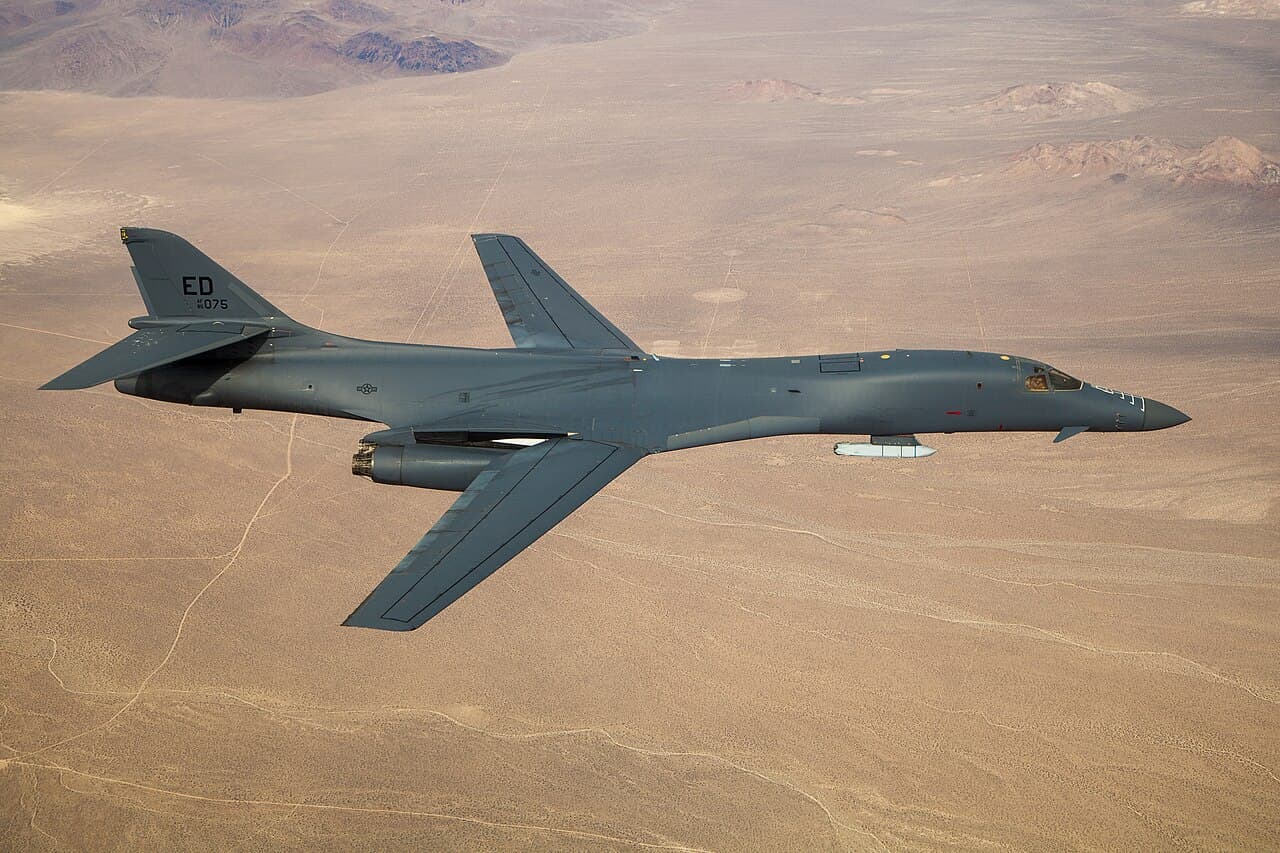
US Air Force Deploys Nearly One-Third of B-1B Bomber Fleet to RAF Fairford
At the peak of Operation Epic Fury (around late March 2026) , the US Air Force deployed around 15 B-1B Lancers and around six B-52H Stratofortresses at the UK's RAF Fairford airbase. The initial wave of B-1Bs arrived on or after March 6, with B-52s arriving soon after. As of the time of writing (late July), a large share of the Air Force's operational Rockwell B-1 Lancer fleet remains deployed at RAF Fairford.
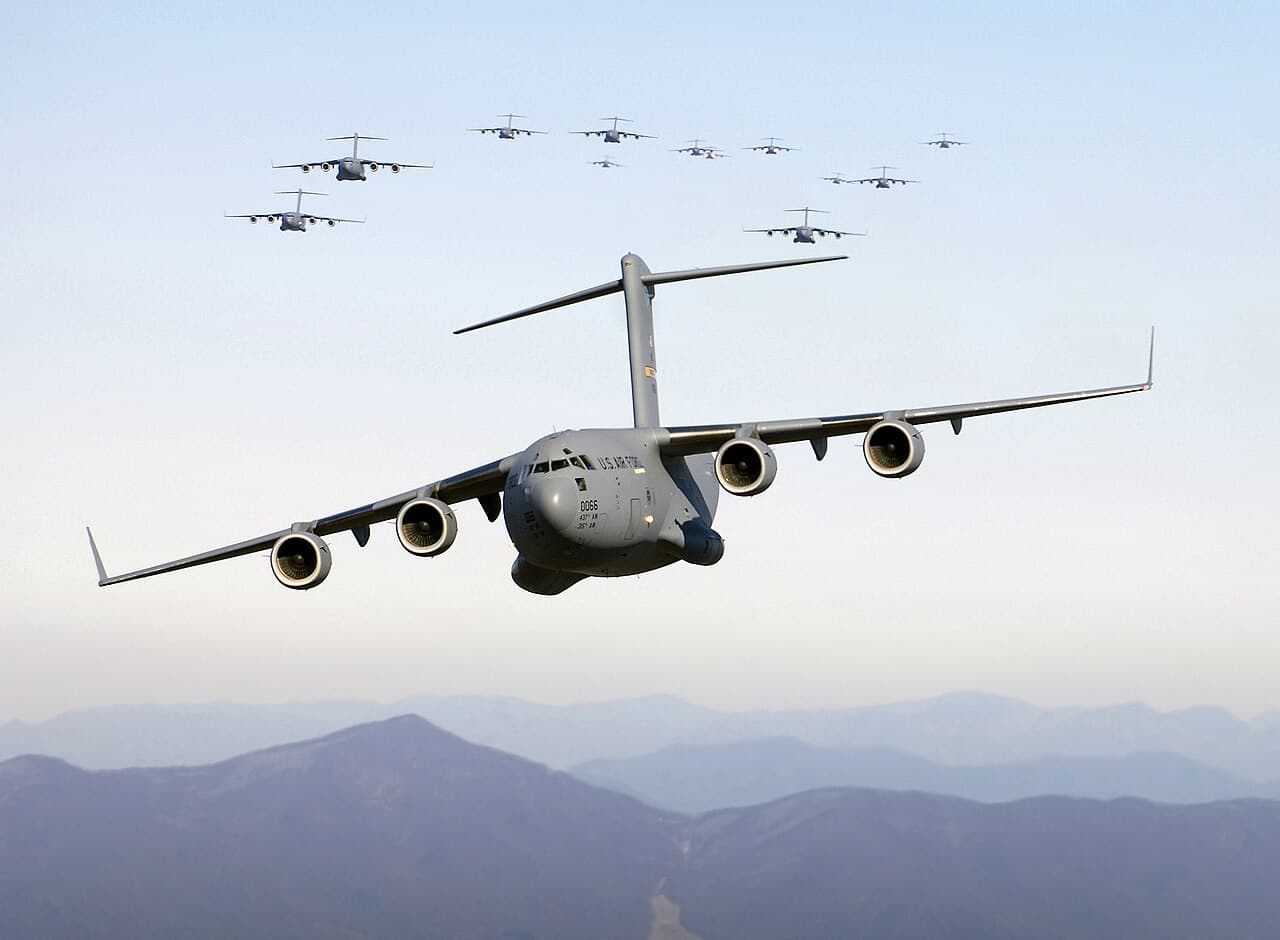
Boeing's Data-Driven Upgrade Set to Extend C-17 Globemaster Service Through 2075
The last McDonnell Douglas C-17 Globemaster III left the assembly line in 2015, and it is expected to remain a vital airlift platform of the US Air Force for decades to come. The last C-17 rolled out the doors just as Boeing absorbed the storied planemaker in one of the largest aerospace mergers in history. Now, as the caretaker of the Globemaster, Boeing is preparing to deliver a major upgrade through its new Aircraft Data Reasoner.
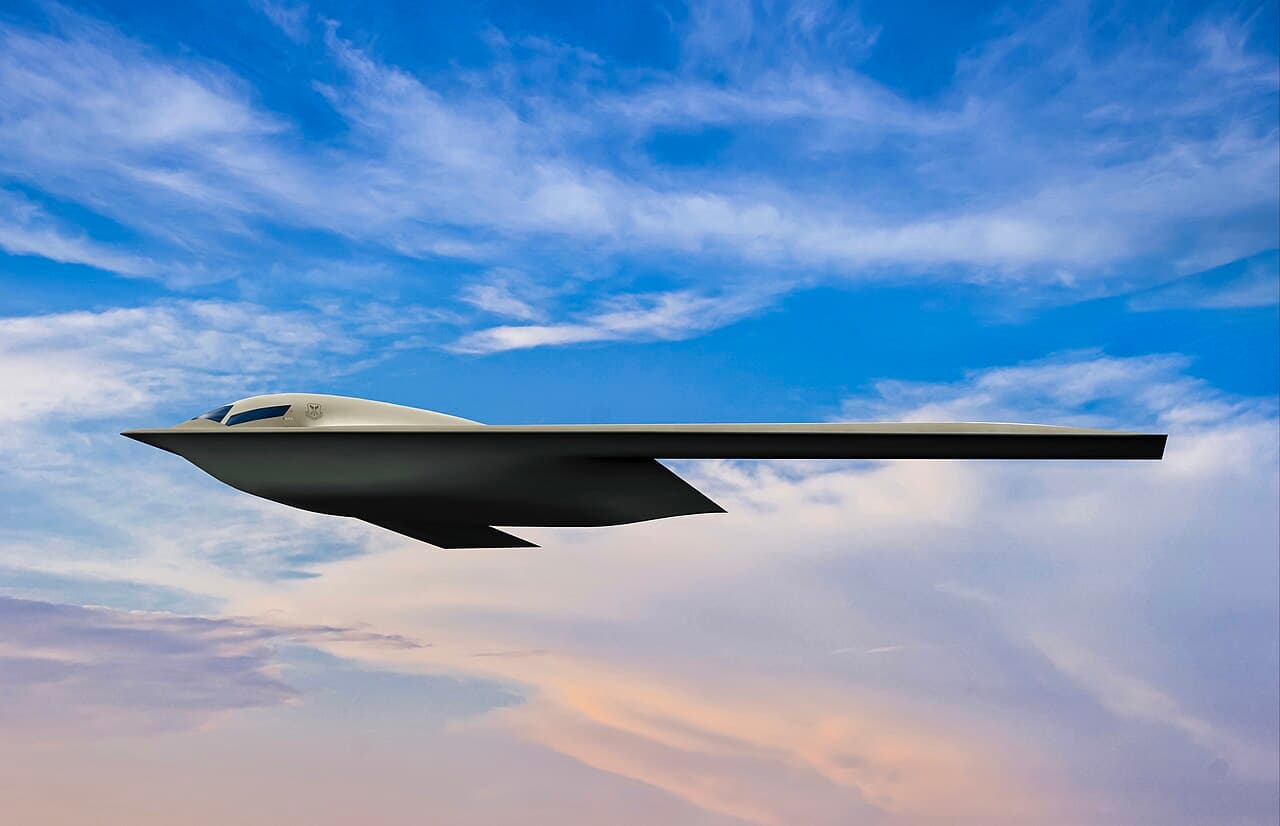
USAF to Convert B-21 Raider Test Jets Directly into Combat Bombers from 2027
The United States Air Force has a couple of test Northrop Grumman B-21 Raiders that are blurring the line between testing and fielding. The B-21 Raider is expected to enter service in 2027, making it the world's first all-new strategic bomber to enter service since the B-2 Spirit entered service in 1997. China is also working to develop its Xi'an H-20 stealthy strategic bomber, but it is unclear when it will enter service.
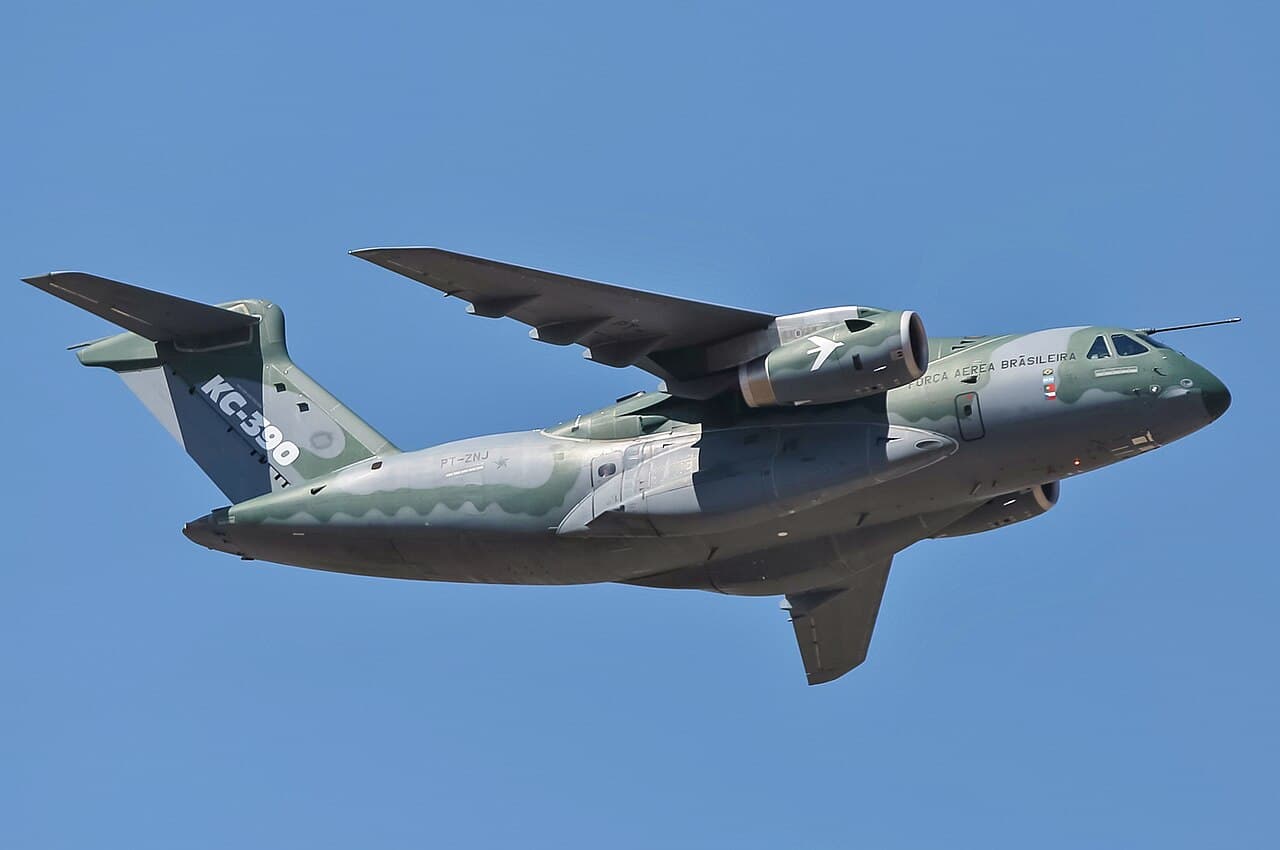
Embraer C-390 Emerges as Leading Affordable Western Military Airlifter for Smaller Nations
While Brazil is typically not considered a 'Western' country, its Embraer C-390 Millennium is part of the Western supply chain, and it is marketed to various Western countries as an alternative to the Lockheed Martin C-130J Super Hercules. It is seen as a geopolitically acceptable military aircraft for NATO allies to purchase in a way that Chinese and Russian military aircraft are not.
The Daily Touch & Go
The day's best aviation news in your inbox. Free, no spam.