

Image: U.S. Air Force · Public domain · via Wikimedia Commons
US Navy replaces C-2A Greyhound with CMV-22B Osprey despite lower payload capacity
The Navy retired its 10,000-lb payload C-2A Greyhound cargo plane in favor of the CMV-22B Osprey tiltrotor, trading payload for mission flexibility and support for the F-35C engine transport.
The gist
US Navy swaps high-capacity C-2A for versatile Osprey to carry F-35C engines and improve carrier logistics despite reduced payload.
The US Navy has phased out the Grumman C-2A Greyhound in favor of the Bell Boeing CMV-22B Osprey for carrier onboard delivery missions. While the Greyhound boasts a maximum payload of roughly 10,000 pounds, the Osprey sacrifices about 40% of that capacity, carrying around 6,000 pounds. This trade-off initially appears puzzling, given the reduction in raw cargo capability. However, the transition reflects new strategic priorities tied to the operational demands of the current carrier air wing and technological advancements enhancing mission versatility.
A primary driver for selecting the CMV-22B was its unique ability to carry and transport the Lockheed Martin F-35C Lightning II’s engine core, a crucial logistical requirement for sustaining Navy’s modern fifth-generation fighter fleet. The C-2A’s cabin dimensions could not accommodate the F135 engine module without extensive redesign, which was deemed cost prohibitive for the aging fixed-wing platform. The Osprey’s cargo bay, though smaller in payload, can physically fit the engine’s heftiest components, albeit in a tightly constrained space that demands careful loading procedures.
Besides the critical engine transport capability, the Osprey introduces considerable operational flexibility unavailable to the Greyhound. Unlike its strictly fixed-wing predecessor restricted to carrier flight decks and well-developed airfields, the CMV-22B’s tiltrotor design enables it to take off and land vertically or on short runways. This allows it to resupply smaller ships such as destroyers and cruisers directly, or to operate from austere sites including beaches, dirt fields, and makeshift forward bases. Such flexibility substantially enhances the logistics footprint of Carrier Strike Groups in dispersed maritime operations.
The Osprey also supports capabilities critical to carrier strike group operations in contested environments. For instance, it includes an air-to-air refueling probe extending its range, a capability the Greyhound never received. Moreover, it is equipped with advanced night vision and avionics systems permitting safe vertical landings on pitch-dark carrier decks during night operations. This night-ops capability is especially valuable for sustaining 24/7 logistics pipelines, supporting continuous air wing sortie generation and maintaining operational momentum across all hours.
Operational commonality with the US Marine Corps’ extensive V-22 Osprey fleet is another significant benefit. The Navy leverages shared maintenance infrastructure, training programs, and logistic support systems already established for the Marine Corps variant. This integration simplifies upkeep and crew proficiency development, reducing overall sustainment costs and streamlining transition to the new platform. The Navy’s decision aligns with broader defense efforts to standardize platforms and maximize joint service synergies.
The CMV-22B supports a shift in naval aviation logistics by decoupling carrier strike group resupply from dependence on nearby secure airfields. Previously, C-2A deliveries required long runs to established military bases with paved runways, particularly near combat areas. The Osprey’s ability to operate independently of such infrastructure reduces vulnerability in distributed maritime battle spaces, allowing supplies, personnel, and critical components to reach fleet elements regardless of shore support availability.
Transporting the F-35C engine is a challenging operational task. The engine core weighs around 3,750 pounds and must be flown without its standard shipping container due to tight cargo bay dimensions. Loading is a slow and meticulous process, with the engine secured on a specialized wheeled frame locked into the aircraft’s floor rails to prevent movement during flight. While this ‘naked’ shipment is not ideal, it is currently the best method to keep the Navy’s single-engine F-35Cs mission capable at sea.
The move to the Osprey also reflects evolving naval aviation demands driven by the F-35C’s unique characteristics. As the Navy’s stealth fighter operating from carriers, it relies heavily on prompt engine replacements to maintain sortie rates, since it is a single-engine aircraft. Compared to legacy twin-engine jets, the F-35C requires more maintenance and presents higher logistical challenges, making the CMV-22B’s role in rapid engine delivery vital for air wing readiness in high-threat environments.
In summary, the Navy’s replacement of the C-2A Greyhound with the CMV-22B Osprey represents a decisive shift toward operational flexibility and enhanced mission support over raw cargo capacity. The tiltrotor’s ability to carry the critical F-35C engine, operate from varied locations, conduct night carrier landings, and integrate with Marine Corps logistics make it a strategic asset in sustaining future carrier strike group operations.
Originally reported by Simple Flying
Read more
All Military/Defense →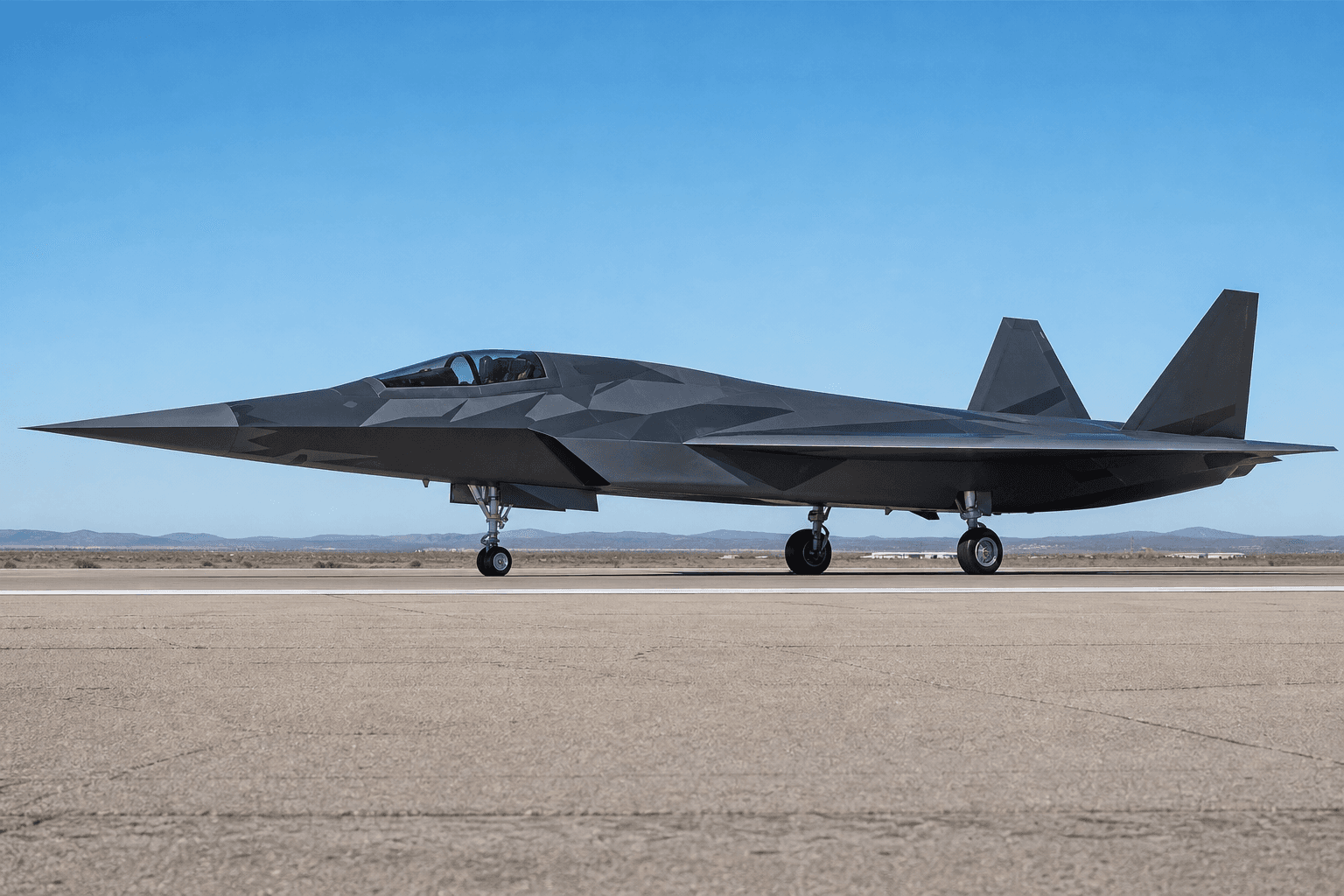
Northrop Grumman partners with Hermeus to advance supersonic autonomous military jets
Northrop Grumman is integrating its mission systems into Hermeus's high-speed Quarterhorse series to create cutting-edge uncrewed military aircraft capable of rapid deployment and supersonic speeds.
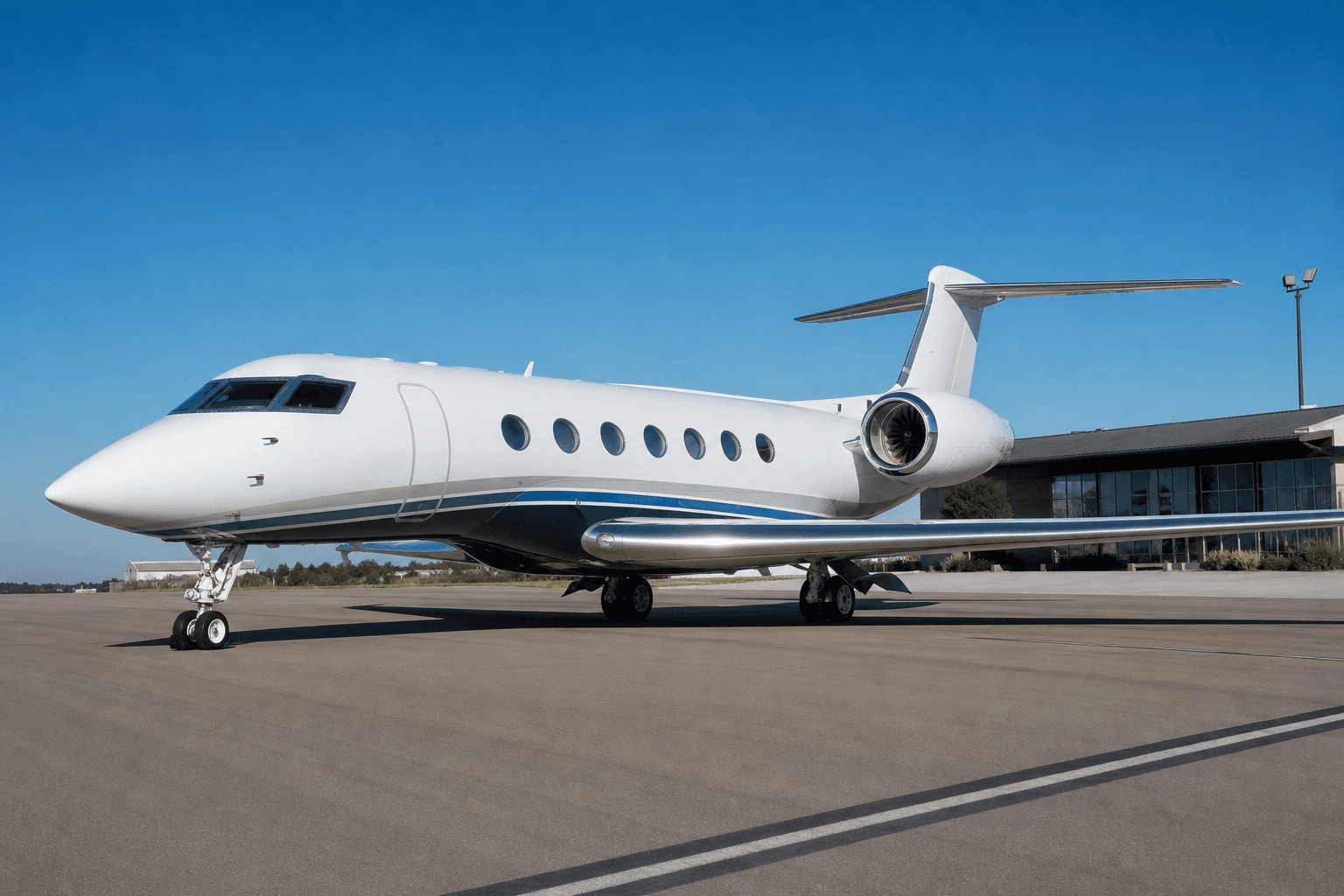
FlyExclusive Expands Fleet and Services by Integrating Fly Alliance Aircraft
FlyExclusive announces a strategic agreement to provide flight operations, management, and maintenance services for Fly Alliance's fleet, enhancing long-range and large-cabin offerings while maintaining Fly Alliance's brand identity.
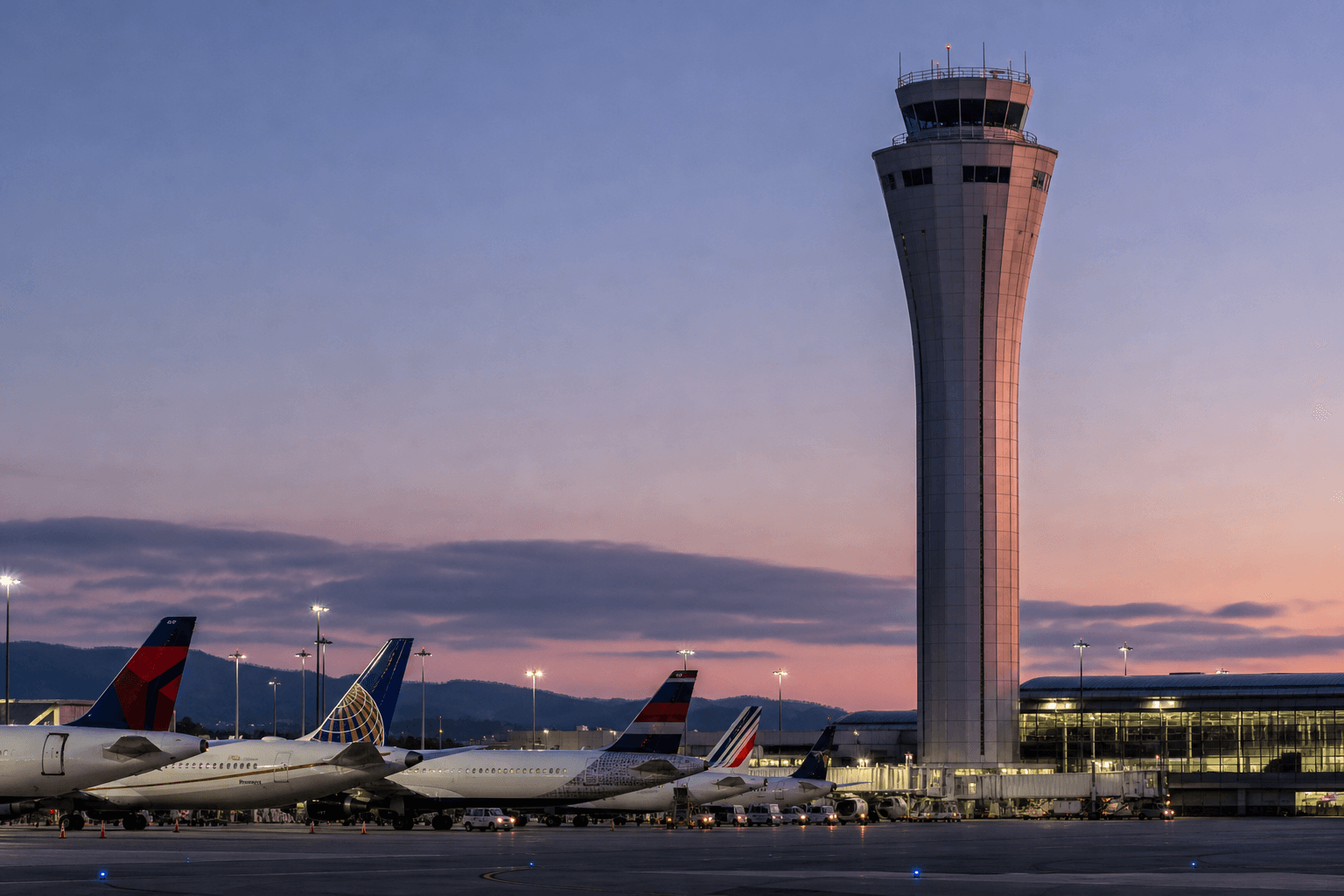
FAA Ground Stop Sparks Confusion as Leadership Seeks $50 Billion for Modernization
Transportation Secretary Duffy and Homeland Security Secretary Mullin held a press briefing after the longest nationwide flight ground stop since 9/11, citing outdated infrastructure and conflicting causes while requesting major funding.
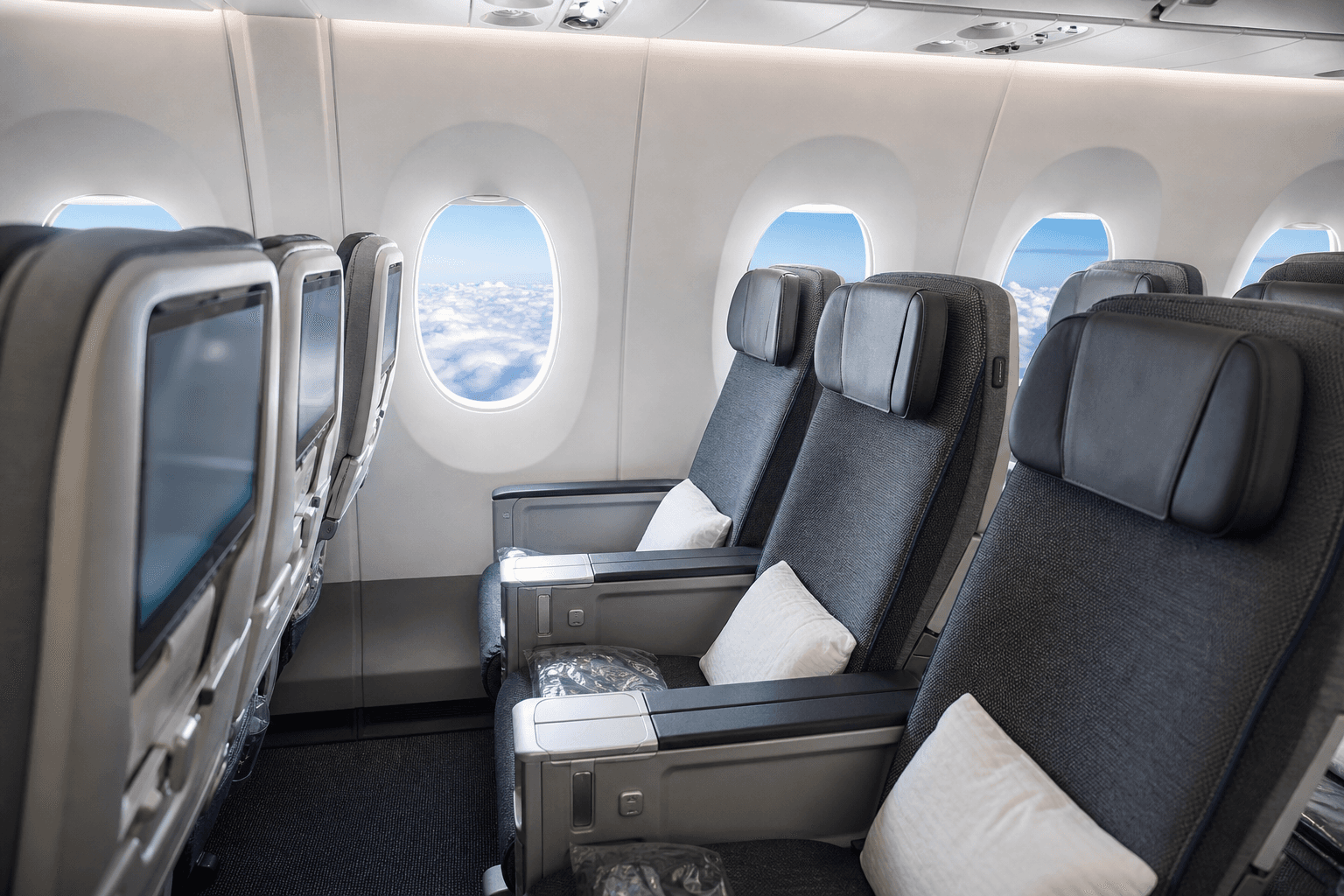
Premium Economy Seats Surging in Popularity with Enhanced Comfort and Amenities on Long-Haul Flights
Premium economy offers passengers significant upgrades over economy class including more space and better service, fueling its rapid growth on long-haul airline routes.
The Daily Touch & Go
The day's best aviation news in your inbox. Free, no spam.