

Image: Joe Ravi · CC BY-SA 3.0 · via Wikimedia Commons
Emirates and Arsenal Extend Partnership With Upcycled Aircraft Crest Sculpture
Emirates and Arsenal renew their shirt and stadium sponsorship through 2033, celebrating with a 2.4-meter Arsenal crest artwork made from Airbus A380 and Boeing 777 parts.
The gist
Emirates and Arsenal mark their extended sponsorship with a unique Arsenal crest sculpture crafted from retired aircraft parts.
Emirates and Arsenal have solidified one of football's longest-running sponsorship relationships by extending their partnership through 2033. This renewal continues Emirates' role as Arsenal's front-of-shirt, training kit, and stadium naming rights partner, maintaining the Premier League's longest-standing front-of-shirt deal. The announcement follows Arsenal's recent Premier League title, underlining the club's outstanding progress during the decades-long relationship.
The partnership, originating in 2006, goes beyond conventional sponsorship. Arsenal Chief Executive Richard Garlick emphasized the significance of the timing of the renewal, highlighting Emirates' presence throughout the club's major milestones over the past 20 years. Sir Tim Clark, President of Emirates Airline, described the collaboration as a bond focused on connecting fans to their club, transcending a typical corporate agreement.
To celebrate the renewal, Emirates and Arsenal are running several anniversary initiatives, including a short film featuring former Arsenal defender Per Mertesacker, commemorating their shared history. One of the most striking gestures is a newly unveiled illuminated sculpture titled The Aircrafted Arsenal Crest, symbolizing the fusion of aviation engineering and football heritage.
Revealed on August 9, 2026, at Emirates Stadium, the 2.4-meter sculpture is constructed entirely from upcycled components sourced from Emirates' Airbus A380 and Boeing 777 aircraft. The design centers on the iconic Arsenal cannon and shield emblem, reimagined using retired aircraft materials. For instance, a main landing gear wheel hub from an A380 forms the cannon’s central wheel, while a titanium bleed air duct has been reshaped to form its barrel.
The sculpture's three-dimensional cannon derives its form from layered composite floor panels, and the surrounding shield is crafted from Boeing 777 aluminum fuselage skin sheets, reinforced by aircraft cargo tracks. Additional features include repurposed cargo floor panels and roller components, with the Arsenal lettering composed of individually shaped aircraft windows illuminated with warm white lighting. Beneath the sculpture, lighting highlights its black tile base, enhancing the display's visual impact.
The Aircrafted Arsenal Crest was designed and manufactured over 34 days by a multidisciplinary 15-person team of engineers, designers, mechanics, technicians, and painters from Emirates Engineering’s Aircraft Material Upcycling division in Dubai. They meticulously selected robust aircraft parts, then cleaned, cut, curved, machined, riveted, and assembled them before painting the final piece in Arsenal’s official colors and adding integrated lighting.
After completion, the sculpture was transported from Dubai to London aboard an Emirates SkyCargo freighter and installed at Emirates Stadium. Emirates noted that the artwork connects Arsenal’s industrial roots and the long-standing cannon symbol that has been part of every Arsenal crest since 1905, reflecting Emirates' own aviation and engineering heritage.
The sculpture was unveiled by Sir Tim Clark and Arsenal Chief Executive Richard Garlick ahead of the Emirates Cup match against Borussia Dortmund. Clark remarked that the piece exemplifies the precision and craftsmanship shared by aviation and elite sports, simultaneously giving new purpose to retired aircraft components. The sculpture is now permanently displayed within Emirates’ hospitality area at Emirates Stadium, symbolizing the extended partnership.
Frequently asked questions
- What is the duration of the renewed Emirates and Arsenal partnership?
- The renewed agreement extends Emirates’ sponsorship of Arsenal through 2033, continuing roles including front-of-shirt and stadium naming rights partner.
- What materials were used to create the Aircrafted Arsenal Crest sculpture?
- The sculpture uses upcycled Emirates Airbus A380 and Boeing 777 aircraft parts, including an A380 landing gear wheel hub, titanium bleed air duct, composite floor panels, and Boeing 777 aluminum fuselage skin.
- Who designed and built the Arsenal crest sculpture and where was it made?
- A 15-person team from Emirates Engineering’s Aircraft Material Upcycling division in Dubai designed and built the sculpture over 34 days, assembling it from selected retired aircraft materials.
Read more
All Cargo →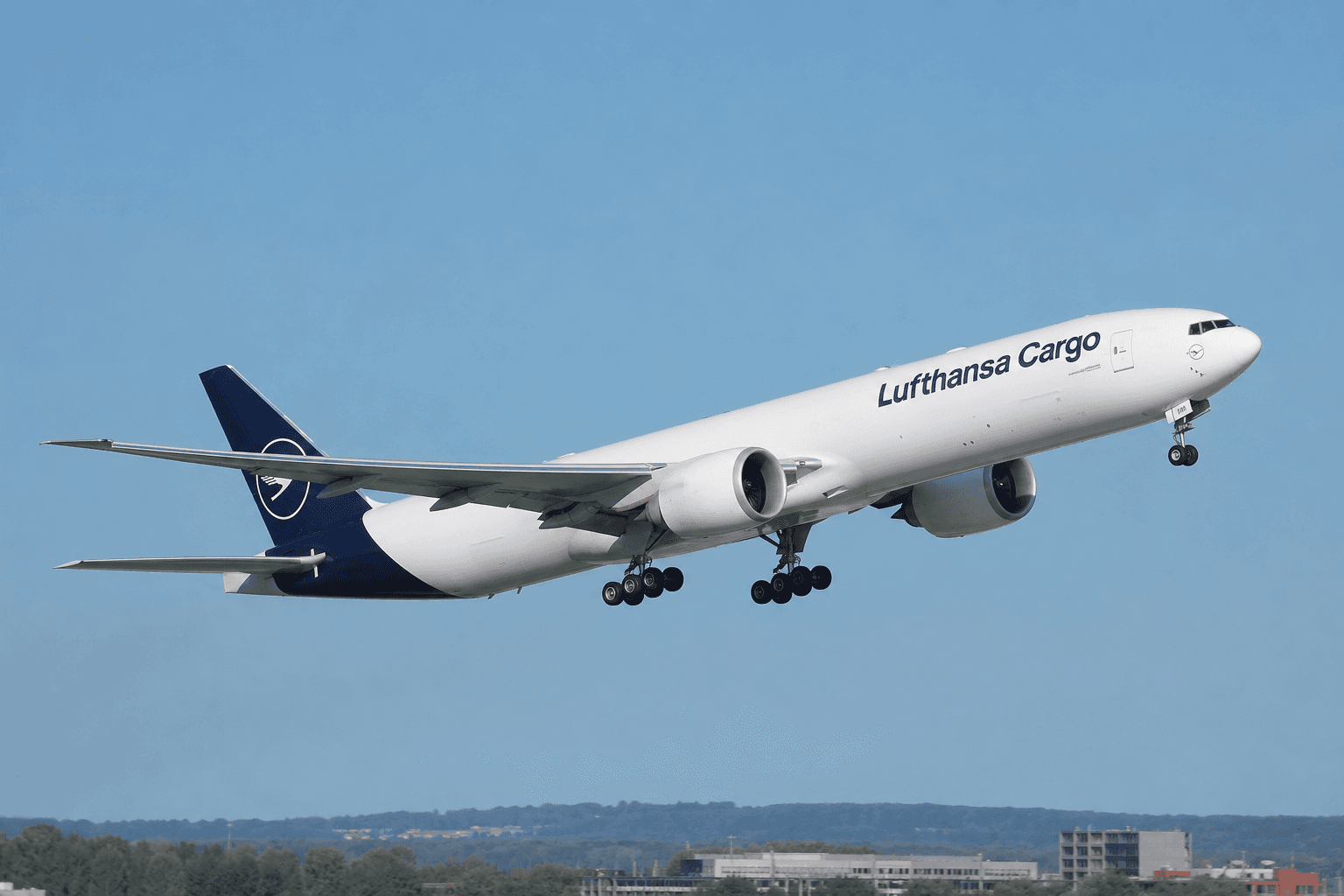
AerCap leases three Boeing 777-300ERSF freighters to China Southern Airlines Cargo
AerCap has signed lease agreements with China Southern Air Logistics Co. Ltd. (China Southern Airlines Cargo) for three Boeing 777-300ERSF converted freighter aircraft. The aircraft, also known as “The Big Twin,” represents the first passenger-to-freighter conversion program for the Boeing 777-300ER. The first aircraft is scheduled for delivery in October 2027, while the second and […]
China Southern Air Logistics to Add Three Boeing 777-300ER Converted Freighters
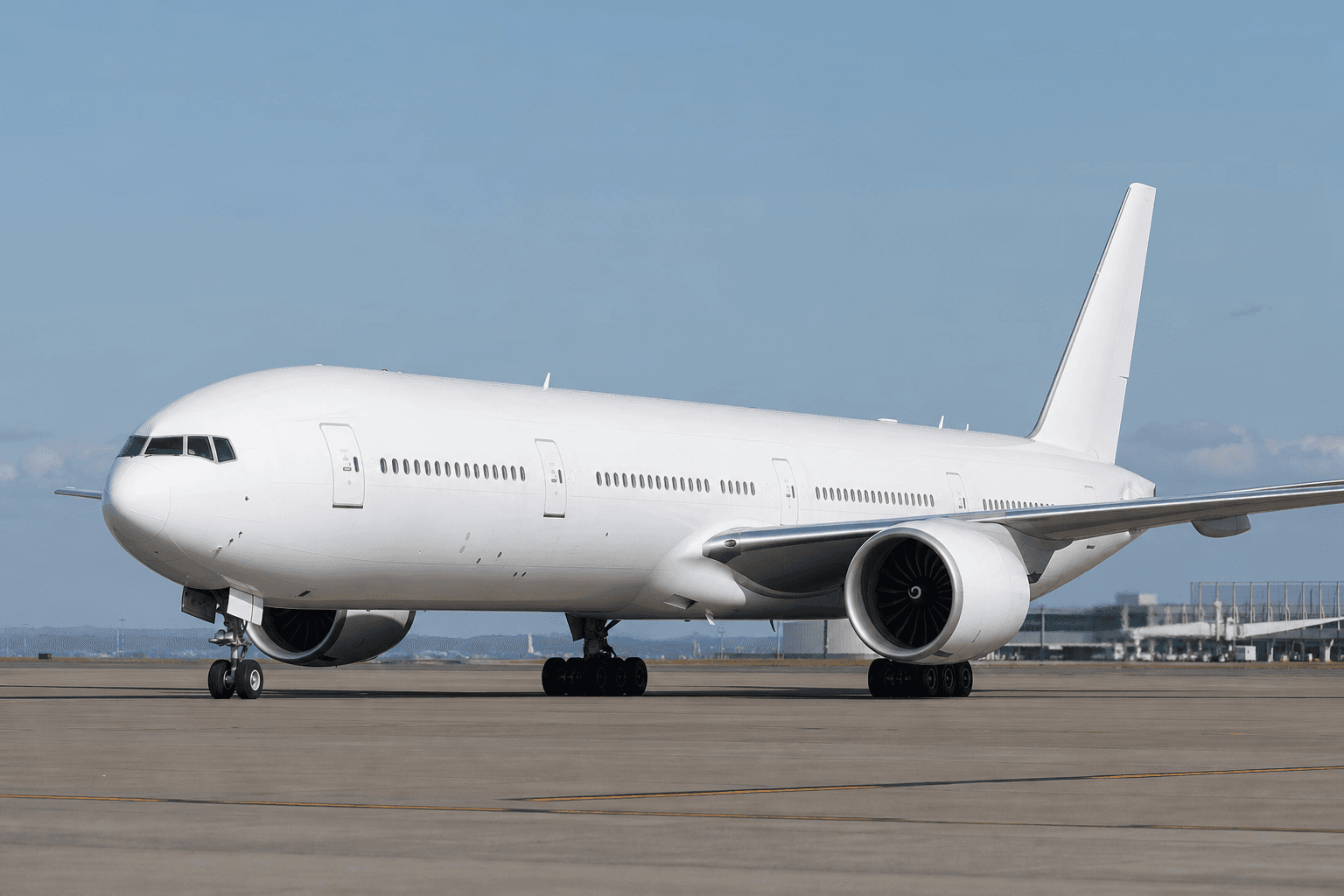
Operator to take IAI-modified twinjets under lease agreement with AerCap. China Southern Airlines has become the latest carrier to commit to introducing converted Boeing 777-300ER freighters. The airline's logistics division has signed a lease agreement for three of the type with Irish-based lessor AerCap. AerCap states that it will deliver the first of the modified twinjets to the Guangzhou-based company in October next year. The remaining two will be handed over in the first and second quarters of 2028 respectively. Designated the 777-300ERSF the aircraft are being converted under a programme partnership between Israel Aerospace Industries and AerCap. "These aircraft will provide strong support for our strategy to expand intercontinental routes, enabling us to deliver superior service to customers worldwide," says China Southern Air Logistics chair Li Xiao. "Introduction of the [777-300ERSF] marks a major milestone in the continued evolution of our fleet." China Southern has cargo hubs at Shanghai and Guangzhou and its cargo fleet includes a dozen Boeing 777Fs and a pair of 747-400Fs. AerCap chief Aengus Kelly says the 777-300ERSFs will "integrate seamlessly" into the Chinese carrier's 777 operation.
Cambodia and US Enhance Aviation Partnership with $3.2B Boeing Deal and Airport Investment
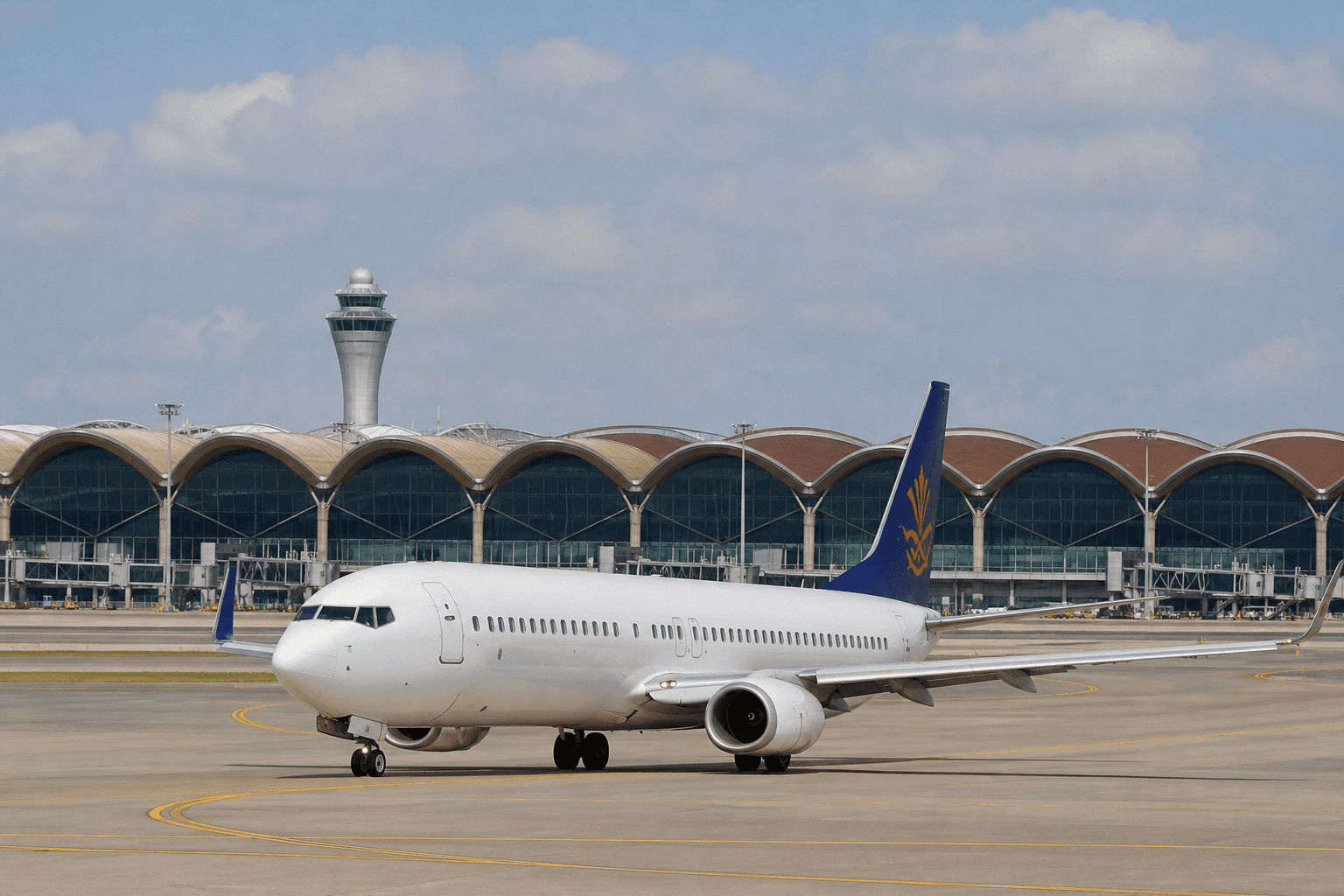
Cambodia and the United States are planning on further expanding their aviation partnership. The move builds on Air Cambodia’s plan to invest roughly US$3.2 billion in Boeing aircraft. ezstandalone.cmd.push(function () { ezstandalone.showAds(119); }); Officials from Cambodia’s civil aviation authorities recently met with representatives from the US Embassy to discuss the initiative. The talks focused on several key areas. These included aircraft procurement, airport investment, air cargo development, and logistics support. As a result, the partnership aims to boost connectivity and economic growth in the region. ezstandalone.cmd.push(function () { ezstandalone.showAds(127); }); Air Cambodia’s Boeing Fleet Expansion Air Cambodia previously announced an order for 10 Boeing 737-8 jets . The carrier also holds options for another 10 aircraft of the same type. First deliveries are expected in 2031. This marks the airline’s first order with Boeing and the first time a Cambodian carrier will operate Boeing aircraft. The 737-8 offers strong range and efficiency. It can carry up to 178 passengers in a two-class layout and fly about 3,500 nautical miles. Moreover, it uses around 20% less fuel than older models. ezstandalone.cmd.push(function () { ezstandalone.showAds(128); }); Air Cambodia plans to use the jets for fleet renewal and network growth. The airline currently flies a mix of Airbus A320-family aircraft and ATR 72 turboprops on routes across Southeast Asia, China, India, Japan, and beyond. CEO Dr. David Zhan has highlighted the benefits. The investment will support new direct services across North and Southeast Asia. It will also create jobs and training opportunities in Cambodia. ezstandalone.cmd.push(function () { ezstandalone.showAds(129); }); Investment in Techo International Airport Discussions also covered a proposed US$100 million investment from the US International Development Finance Corporation (DFC). The funding would support Techo International Airport, Cambodia’s new main gateway near Phnom Penh. The airport opened in 2025 and represents one of the country’s largest infrastructure projects. Furthermore, plans call for developing an air cargo and logistics hub at the site. This step should strengthen Cambodia’s role in regional trade. It will help handle rising demand for passenger and freight traffic while improving links to global markets. Photo Credit: Techno International Airport Progress on the Cape Town Convention Cambodia is also moving forward with approval of the Cape Town Convention. This international treaty creates a clear legal framework for aircraft financing and leasing. ezstandalone.cmd.push(function () { ezstandalone.showAds(130); }); Accession should lower costs for airlines and give greater confidence to lessors and investors. In addition, it aligns Cambodia with many other countries that have already joined the agreement. Broader Benefits for Cambodia and the Region These steps reflect closer US-Cambodia cooperation in aviation. The Boeing order supports American manufacturing jobs while modernising Cambodia’s flag carrier. At the same time, airport and cargo investments will drive tourism, trade, and local employment. Air Cambodia continues to expand its role as the national flag carrier. The airline, formerly known as Cambodia Angkor Air, focuses on both domestic and international services. With new aircraft and improved infrastructure, it is well positioned for future growth. ezstandalone.cmd.push(function () { ezstandalone.showAds(131); }); Overall, the partnership signals long-term commitment. Cambodia gains modern aircraft, stronger airport facilities, and better access to financing. The United States deepens commercial and diplomatic ties in Southeast Asia. As deliveries approach and projects advance, the aviation sector in Cambodia looks set for significant progress in the years ahead.
Airbus A330 Emerges as Quiet Successor to Boeing 767 on Cargo Routes
For decades, the Boeing 767 has been one of the defining aircraft of the global air cargo industry. It has become the backbone of fleets operated by dedicated cargo carriers, freight specialists, and airlines that found new life for aging passenger aircraft through passenger-to-freighter conversions. Its combination of payload, range, operating economics, and widespread availability made it the obvious solution for operators seeking a medium-capacity widebody freighter.
The Daily Touch & Go
The day's best aviation news in your inbox. Free, no spam.