

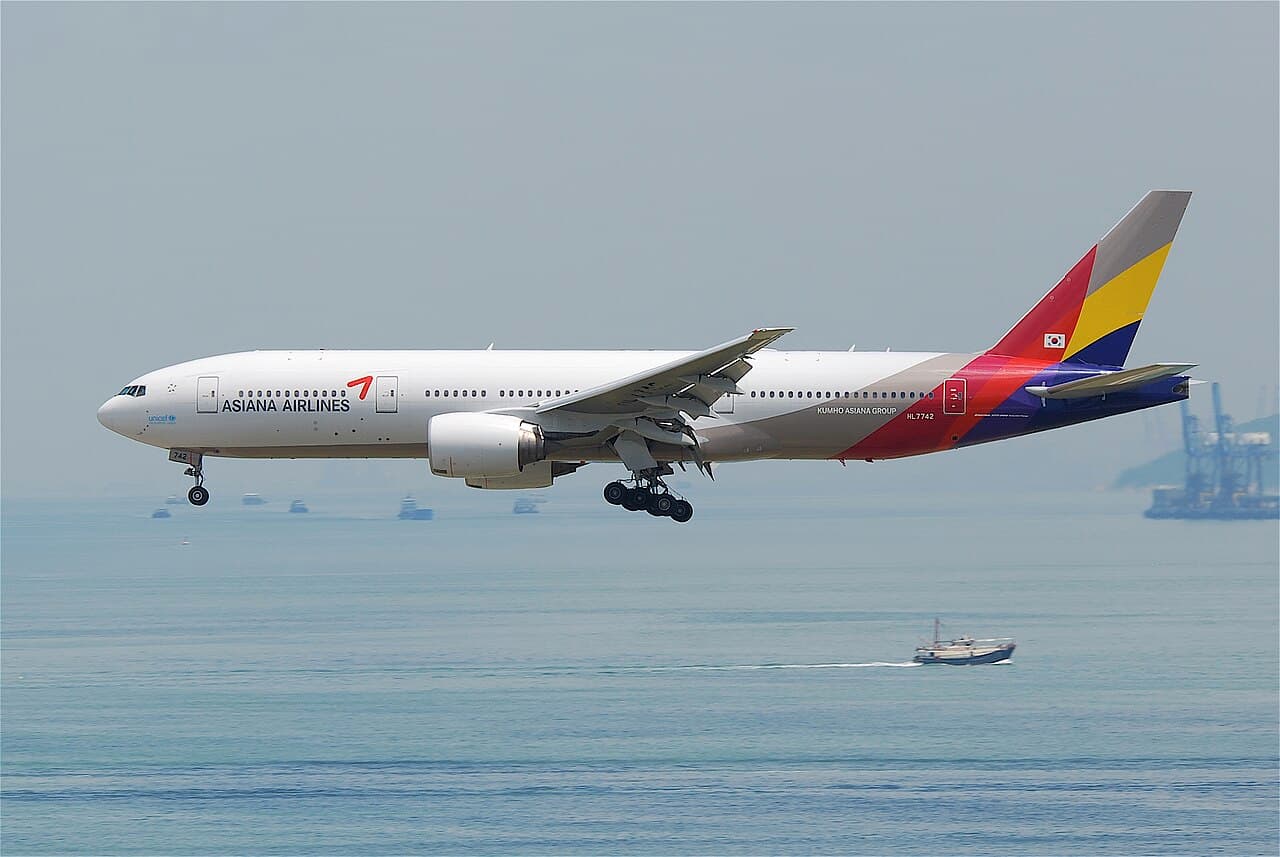
Image: Aero Icarus from Zürich, Switzerland · CC BY-SA 2.0 · via Wikimedia Commons
Mammoth Freighters Launches Boeing 777 Conversion Line in Qingdao to Meet Asia-Pacific Cargo Demand
Mammoth Freighters will start 777 freighter conversions at STAECO's new Qingdao facility in September 2026, expanding its global footprint to serve growing cargo markets in China and Asia-Pacific.
The gist
Mammoth Freighters opens new 777 conversion line in Qingdao, China, to boost widebody freighter capacity in the Asia-Pacific region.
Mammoth Freighters LLC is set to broaden its Boeing 777 passenger-to-freighter (P2F) conversion operations with a new facility in Qingdao, China. The company has selected STAECO, a maintenance, repair, and overhaul (MRO) provider, following a formal Request for Proposal process. This move responds directly to rising demand for widebody freighter aircraft throughout China and the broader Asia-Pacific market. Operations at the new location are slated to begin in September 2026 at STAECO's modernized Qingdao airport facility, the largest airport in Shandong Province and a key international transport hub.
The initial conversion line at this Qingdao site will complement Mammoth's existing production capabilities at Aspire MRO in Fort Worth, Texas, and STS Aviation Services UK Limited in Manchester, England. Mammoth will occupy a widebody hangar featuring two bays dedicated to the 777 freighter projects, emphasizing the scale and seriousness of the expansion. The first aircraft planned for conversion here is a Boeing 777-200LR owned by Jetran, with induction expected this fall. Mammoth anticipates opening a second conversion line at STAECO early in 2027 to further enhance their throughput capacity.
Earlier in April 2026, Mammoth received Federal Aviation Administration (FAA) certification for its 777-200LRMF (Long Range Mammoth Freighter), authorizing commercial operations of this converted freighter variant. The certification marks a critical regulatory milestone allowing Mammoth to deliver the first two 777-200LRMF aircraft to customers this fall. As announced, Qatar Airways and DHL will each commence commercial service using one of these converted aircraft, signaling strong market acceptance and operational readiness for this freighter platform.
STAECO brings extensive relevant experience to this partnership, backed by over 100 Boeing 737-800 conversions, which instills confidence in its ability to manage the complex 777 modifications. To smooth the startup process, HAECO Xiamen will provide supporting personnel and expertise specific to the Boeing 777 platform. This collaboration aims to ensure precision and efficiency as the conversion line ramps up in the new facility, serving local Chinese and wider Asia-Pacific cargo operators, as well as international customers requiring long-haul widebody freighter capabilities.
Mammoth’s proprietary conversion process transforms Boeing 777-200LR and 777-300ER passenger aircraft into the 777-200LRMF and 777-300ERMF freighter variants. These conversions deliver crucial operational benefits including payload capacity, range, and fuel efficiency tailored for long-haul cargo missions. Following the FAA certification of the 777-300ERMF, Mammoth is working closely with the Civil Aviation Administration of China (CAAC) to secure supplemental type certificate (STC) validation. This validation is anticipated to be complete before the 777-300ERMF enters commercial service within Chinese airspace, highlighting the importance of regulatory alignment for market entry.
Mammoth Freighters was founded in late 2020 to focus on the design, certification, and support of P2F conversions, initially targeting the Boeing 777 series. As a Boeing Licensee, the company leverages official channels and engineering resources to ensure its conversions meet stringent manufacturer and regulator standards. Its business model positions Mammoth to meet growing global demand by developing a coordinated production and conversion network with up to nine total production lines worldwide.
Currently, Mammoth operates five conversion lines at Aspire MRO in Fort Worth, two at STS Aviation Services in Manchester, and will soon inaugurate two more at STAECO's Qingdao site. This global footprint allows Mammoth to serve a geographically diverse clientele with narrow turnarounds and localized support. The company’s headquarters remain in Fort Worth, Texas, with engineering hubs also located in Rancho Bernardo, California, and Portland, Oregon, underscoring a multi-site approach to research, development, and operational control.
Backed by funding managed by affiliates of Fortress Investment Group, Mammoth Freighters is well-capitalized to support continued expansion in P2F conversions for the Boeing 777. The establishment of the Qingdao conversion line is a strategic investment to capture increased demand in a fast-growing segment of the air cargo market, particularly in Asia-Pacific where e-commerce and international shipping volumes have surged. Mammoth’s efforts address critical industry needs for efficient widebody freighter aircraft capable of long-haul operations.
Frequently asked questions
- What new facility has Mammoth Freighters selected for its 777 conversions?
- Mammoth Freighters has selected STAECO’s new facility at Qingdao airport in Shandong Province, China, for its Boeing 777 freighter conversion operations starting September 2026.
- Which 777 aircraft variant received FAA certification recently for conversion?
- Mammoth Freighters recently received FAA certification for its 777-200LRMF (Long Range Mammoth Freighter) variant, enabling its commercial operation.
- How many conversion lines does Mammoth plan to operate globally?
- Mammoth plans to operate up to nine conversion lines worldwide, including five at Aspire MRO in Texas, two in Manchester, England, and two at STAECO's Qingdao facility.
Read more
All Cargo →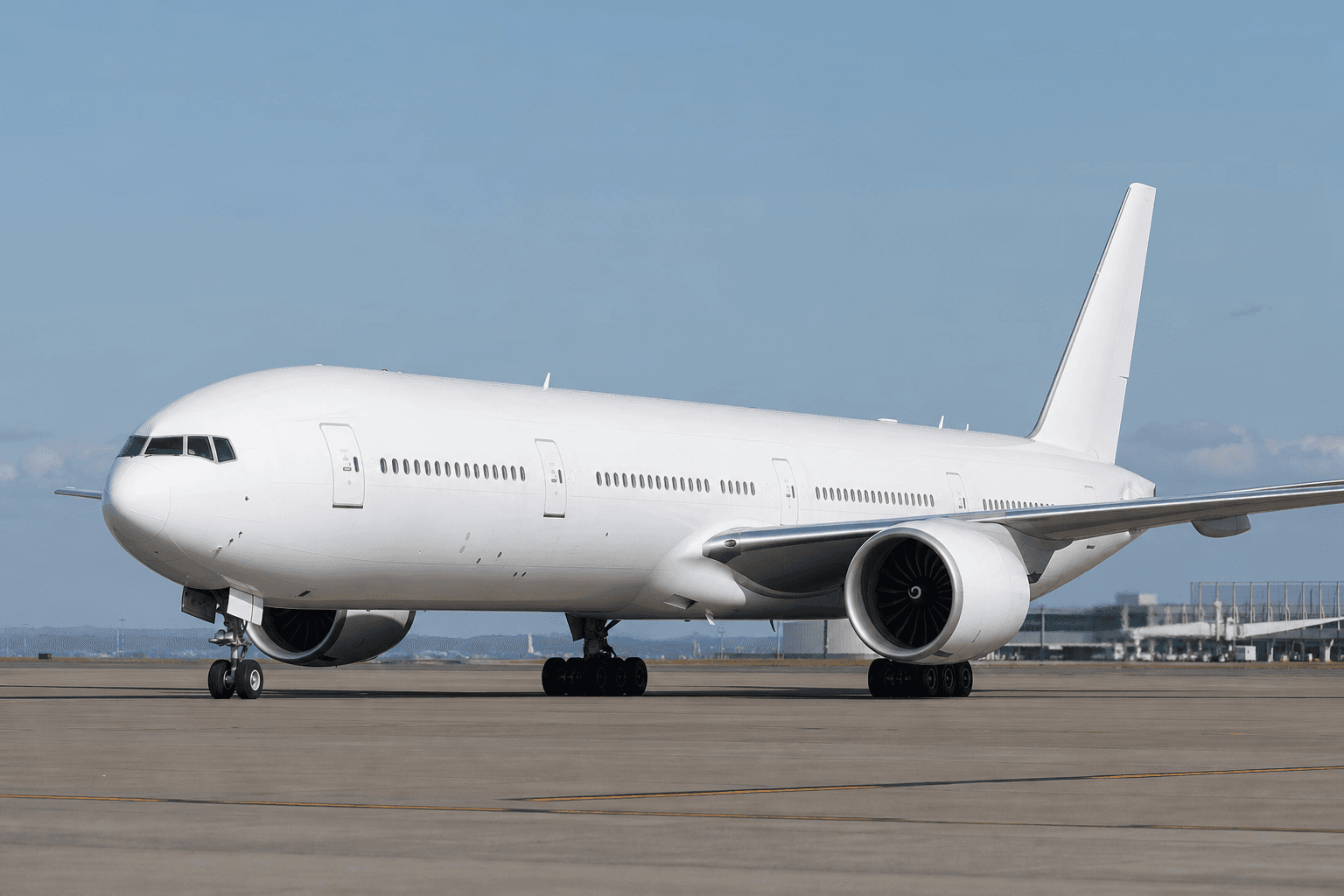
China Southern Air Logistics to Add Three Boeing 777-300ER Converted Freighters
Operator to take IAI-modified twinjets under lease agreement with AerCap. China Southern Airlines has become the latest carrier to commit to introducing converted Boeing 777-300ER freighters. The airline's logistics division has signed a lease agreement for three of the type with Irish-based lessor AerCap. AerCap states that it will deliver the first of the modified twinjets to the Guangzhou-based company in October next year. The remaining two will be handed over in the first and second quarters of 2028 respectively. Designated the 777-300ERSF the aircraft are being converted under a programme partnership between Israel Aerospace Industries and AerCap. "These aircraft will provide strong support for our strategy to expand intercontinental routes, enabling us to deliver superior service to customers worldwide," says China Southern Air Logistics chair Li Xiao. "Introduction of the [777-300ERSF] marks a major milestone in the continued evolution of our fleet." China Southern has cargo hubs at Shanghai and Guangzhou and its cargo fleet includes a dozen Boeing 777Fs and a pair of 747-400Fs. AerCap chief Aengus Kelly says the 777-300ERSFs will "integrate seamlessly" into the Chinese carrier's 777 operation.
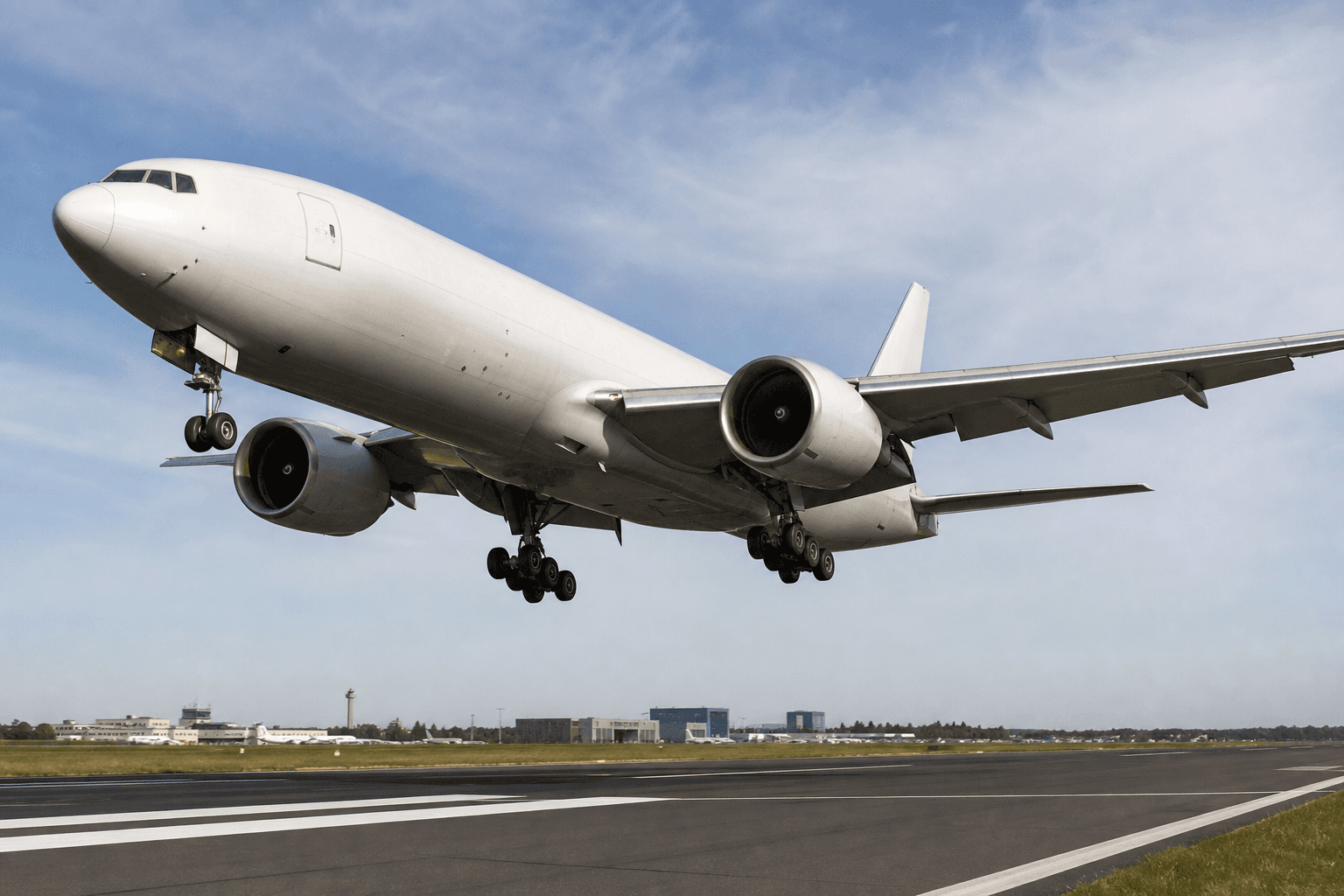
Boeing 777-200LRF Performs Perilously Close Low Pass, Sparking Safety Concerns
In this day and age it's easy to see how this video footage could be AI-generated, or part of a high-quality flight simulator program. But, no. This actually happened, and it's left the aviation world in shock as many know just how dangerous such a maneuver can be.

Brussels Airport Reports 11.7 Million Passengers and Strong Cargo Growth in H1 2026
Brussels Airport has reported solid results for the first six months of 2026. The airport welcomed 11.7 million passengers and handled nearly 420,000 tonnes of cargo, demonstrating resilience despite several operational challenges. ezstandalone.cmd.push(function () { ezstandalone.showAds(119); }); Passenger numbers rose 3.6% compared to the same period in 2025, while cargo volumes increased by a healthy 8.3%. These figures highlight the airport’s ability to grow its network and maintain momentum in a demanding environment. Brussels Airport continues to strengthen its position as a key European hub for both travellers and freight. ezstandalone.cmd.push(function () { ezstandalone.showAds(127); }); Passenger Traffic Shows Steady Growth In the first half of 2026, Brussels Airport served exactly 11,684,976 passengers. This 3.6% increase came despite external disruptions, including social actions and the ongoing conflict in the Middle East. The airport launched eight new destinations during this period, with five being long-haul routes. Notable additions included Air China’s services and a new route to Chengdu, which boosted connectivity with Asia. ezstandalone.cmd.push(function () { ezstandalone.showAds(128); }); LATAM began direct flights to São Paulo—the first such link between Belgium and South America in over 25 years. Brussels Airlines also introduced a route to Kilimanjaro in Tanzania. These expansions have significantly improved the airport’s international reach. Challenges affected operations throughout the period. The Middle East conflict led to the suspension of flights to Tel Aviv and reduced services to the Gulf region. ezstandalone.cmd.push(function () { ezstandalone.showAds(129); }); Additionally, industrial actions in March and May impacted around 55,000 passengers, while a strike by air traffic provider skeyes on 2 June affected another 25,000 travellers. Despite these hurdles, demand for air travel remained strong, supporting overall growth. Cargo Volumes Surge 8.3% Cargo performance stood out even more, with nearly 420,000 tonnes handled in the first half of the year—an 8.3% rise year-on-year. This growth reinforces Brussels Airport’s status as one of Europe’s leading cargo gateways. Different segments contributed to the increase. Full freighter volumes grew by 16.7%, trucked cargo rose 16.2%, and flown cargo increased by 7%. Belly cargo saw only a modest 0.1% gain, as it remained sensitive to disruptions in Middle East routes. The airport’s strategy of diversifying goods and markets has clearly paid off. ezstandalone.cmd.push(function () { ezstandalone.showAds(130); }); Brussels Airport is investing in modernising its cargo zone to support future expansion. These improvements will help meet the needs of logistics operators and sustain long-term growth in pharmaceutical products, perishables, e-commerce, and other specialised segments. Photo Credit: Brussels Airport Positive Results Continue in June June 2026 delivered encouraging figures as well. The airport welcomed over 2.2 million passengers, up 1.7% from June 2025. New routes to São Paulo, Kilimanjaro, and Halifax, along with resumed services to Doha and increased frequencies to other destinations, helped drive this performance. Cargo volumes in June reached 70,895 tonnes, marking a strong 12.2% increase. Full freighter traffic grew significantly, and trucked cargo surged by 42.4%. Commercial flight movements remained nearly stable, with passenger flights up slightly. ezstandalone.cmd.push(function () { ezstandalone.showAds(131); }); Popular destinations in June included Spain, Italy, Greece, and Germany. Outbound transfer passengers accounted for 15% of traffic, showing healthy hub activity toward Europe, Africa, and North America. Looking Ahead These first-half results demonstrate Brussels Airport’s strong foundation. With 205 direct destinations served by 83 airlines in 2026, the airport offers excellent connectivity for both leisure and business travellers. Its cargo operations remain a European leader, particularly in pharmaceuticals. The airport’s SHIFT 2027 strategy focuses on sustainability, innovation, and diversification. By addressing challenges head-on and investing in infrastructure, Brussels Airport is well positioned to build on this positive momentum in the second half of the year and beyond. ezstandalone.cmd.push(function () { ezstandalone.showAds(132); }); As one of Belgium’s major economic engines supporting around 64,000 jobs, the airport’s continued growth benefits the entire region. Travellers and businesses alike can expect even more opportunities from this dynamic European hub.
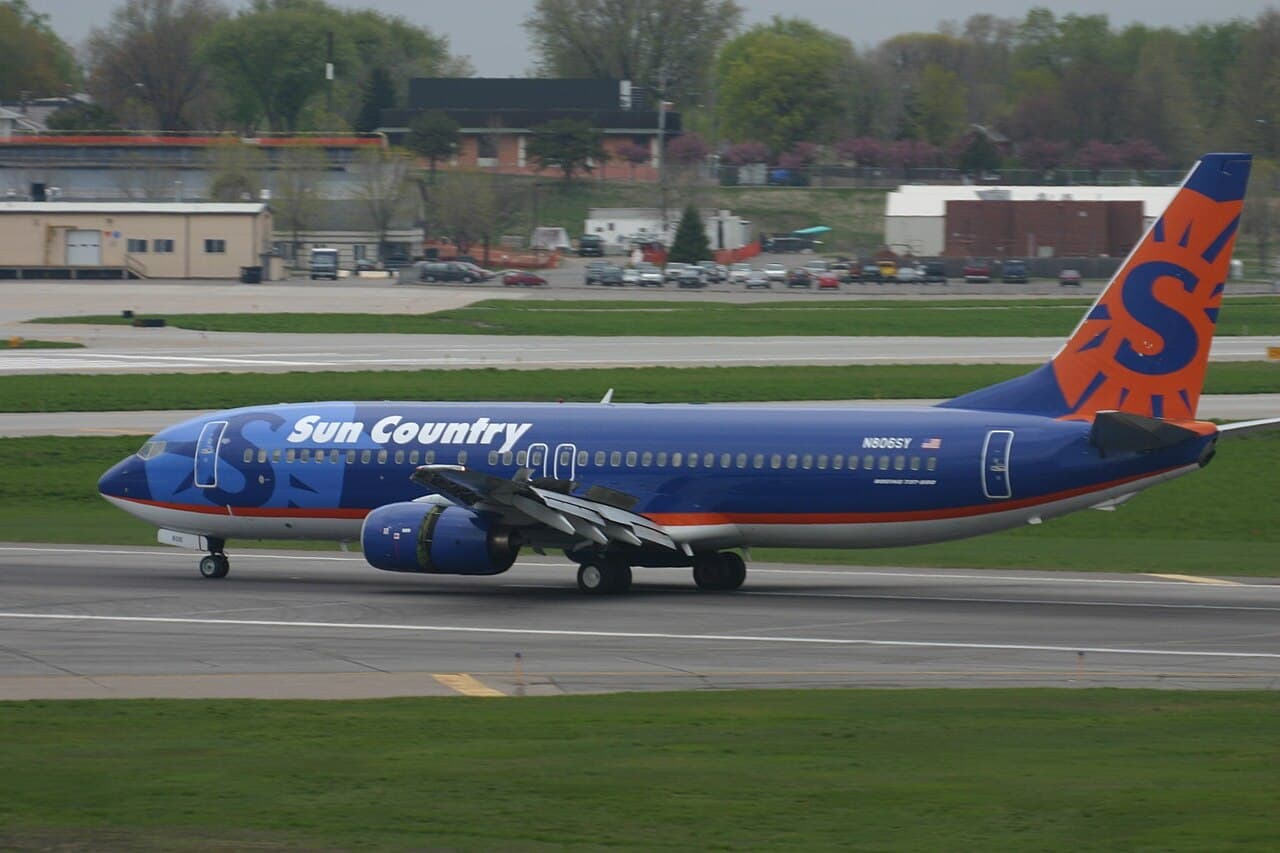
Sun Country Cuts September Flights Due to Crew Attrition and Cargo Growth
The carrier reduced roughly one-third of its September flying as it balances pilot staffing with increased cargo demand.
The Daily Touch & Go
The day's best aviation news in your inbox. Free, no spam.