

Illustration: The Touch & Go
American Airlines Flies US First with Electro Sustainable Aviation Fuel at Corpus Christi
American Airlines and Infinium combined synthetic SAF with conventional jet fuel for a commercial flight from Corpus Christi to Dallas-Fort Worth, marking the first U.S. airport delivery of non-biobased synthetic SAF.
The gist
American Airlines’ flight from Corpus Christi made history using synthetic sustainable aviation fuel blended with regular jet fuel, showcasing new low-carbon tech.
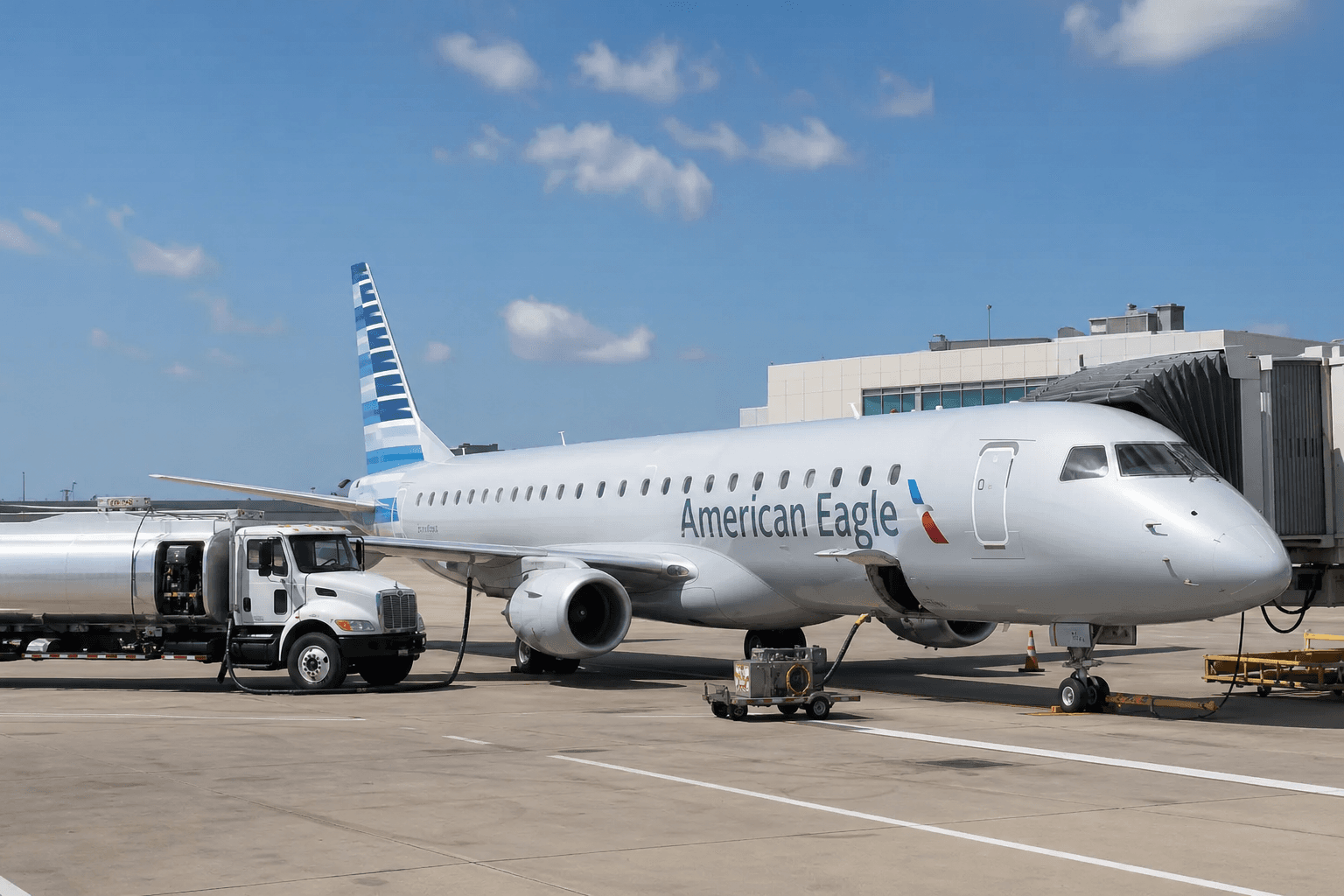
American Airlines operated a commercial passenger flight using electro sustainable aviation fuel (eSAF) blended with conventional jet fuel, marking a milestone for U.S. aviation fuel innovation. The flight originated from Corpus Christi International Airport (CRP) to Dallas Fort Worth International Airport (DFW) and utilized synthetic fuel produced by Infinium Technologies. This delivery was significant as it represented the first time non-biobased safe sustainable aviation fuel was supplied to a U.S. commercial airport and used on a passenger flight.
The synthetic fuel was produced at Infinium’s Pathfinder facility in Corpus Christi, Texas. Unlike traditional sustainable aviation fuels derived from biological feedstocks such as used cooking oil or plant material, Infinium’s eSAF is created by converting waste carbon dioxide and renewable electricity into fuel. This process enables a considerable reduction in lifecycle greenhouse gas emissions—more than 90% compared to conventional petroleum jet fuel—according to the company.
Infinium supplied the eSAF blended with conventional jet fuel into the airport’s common fuel tanks, allowing the fuel to integrate with existing fueling infrastructure and aircraft systems without any modifications. The blend used onboard the flight was tested and met ASTM specifications for Jet A, demonstrating compatibility with current aviation operations. The aircraft selected for the demonstration was an American Eagle Embraer E175 regional jet, highlighting practical application in commercial service.
This achievement follows earlier synthetic kerosene use by airlines abroad, with KLM having used synthetic SAF in a passenger flight in 2021. However, American and Infinium emphasize that their delivery through an established airport fueling system to a commercial passenger flight is a U.S. first. The integration within existing airport and aircraft infrastructure underscores the scalability potential for synthetic SAF in commercial aviation.
The partnership between American Airlines and Infinium is forward-looking, notably with American having signed an agreement to purchase commercial volumes of eSAF from Infinium’s upcoming Project Roadrunner plant in Texas. This facility, currently under construction, is expected to commence production and deliveries in 2027. Project Roadrunner aims to eventually produce in excess of 5 million gallons of eSAF annually, supporting the airline's sustainability commitments.
Despite this progress, the cost of synthetic sustainable aviation fuel remains a primary challenge to broader adoption across the industry. American Airlines CEO Robert Isom acknowledged that achieving competitive pricing for SAF is necessary for widespread integration into airline fuel supplies. Currently, sustainable aviation fuel accounts for less than 1% of the more than 100 billion gallons of jet fuel consumed globally each year, illustrating the scale needed for transition to cleaner fuels.
The use of eSAF in a commercial flight routed through an established U.S. airport illustrates a tangible advancement in deploying next-generation aviation fuels. Infinium CEO Robert Schuetzle highlighted the event as a key demonstration that practical, low-carbon fuel solutions can move from experimental status to real-world application. The demonstration validates the technical feasibility of synthetic fuels in regular airline operations.
This milestone also positions American Airlines alongside other industry leaders actively exploring sustainable fuels to meet increasingly stringent environmental targets. As regulatory and market pressures mount to decarbonize aviation, innovations like Infinium’s electrofuel could become critical components of the industry's strategy to reduce carbon emissions while maintaining global connectivity.
Overall, this development represents a concrete step toward diversifying aviation fuel sources and reducing the carbon footprint of commercial air travel. The ability to blend synthetic SAF into existing fuel systems without requiring aircraft modifications accelerates the pathway for adoption. American and Infinium’s collaboration may serve as a scalable model for other airports and airlines seeking to implement sustainable aviation technologies.
Frequently asked questions
- What is electro sustainable aviation fuel (eSAF) and how is it produced?
- Electro SAF is a synthetic aviation fuel produced by Infinium using waste carbon dioxide and renewable electricity, avoiding biological feedstocks like plants or used cooking oil.
- Why is the flight from Corpus Christi to Dallas significant for sustainable aviation fuel in the US?
- It marked the first time synthetic, non-biobased sustainable aviation fuel was delivered through a US commercial airport’s existing fueling system and used on a passenger flight.
- What are the environmental benefits of Infinium's synthetic jet fuel compared to conventional jet fuel?
- Infinium's eSAF can reduce lifecycle greenhouse gas emissions by more than 90% compared to conventional petroleum-based jet fuel.
Read more
All Sustainability →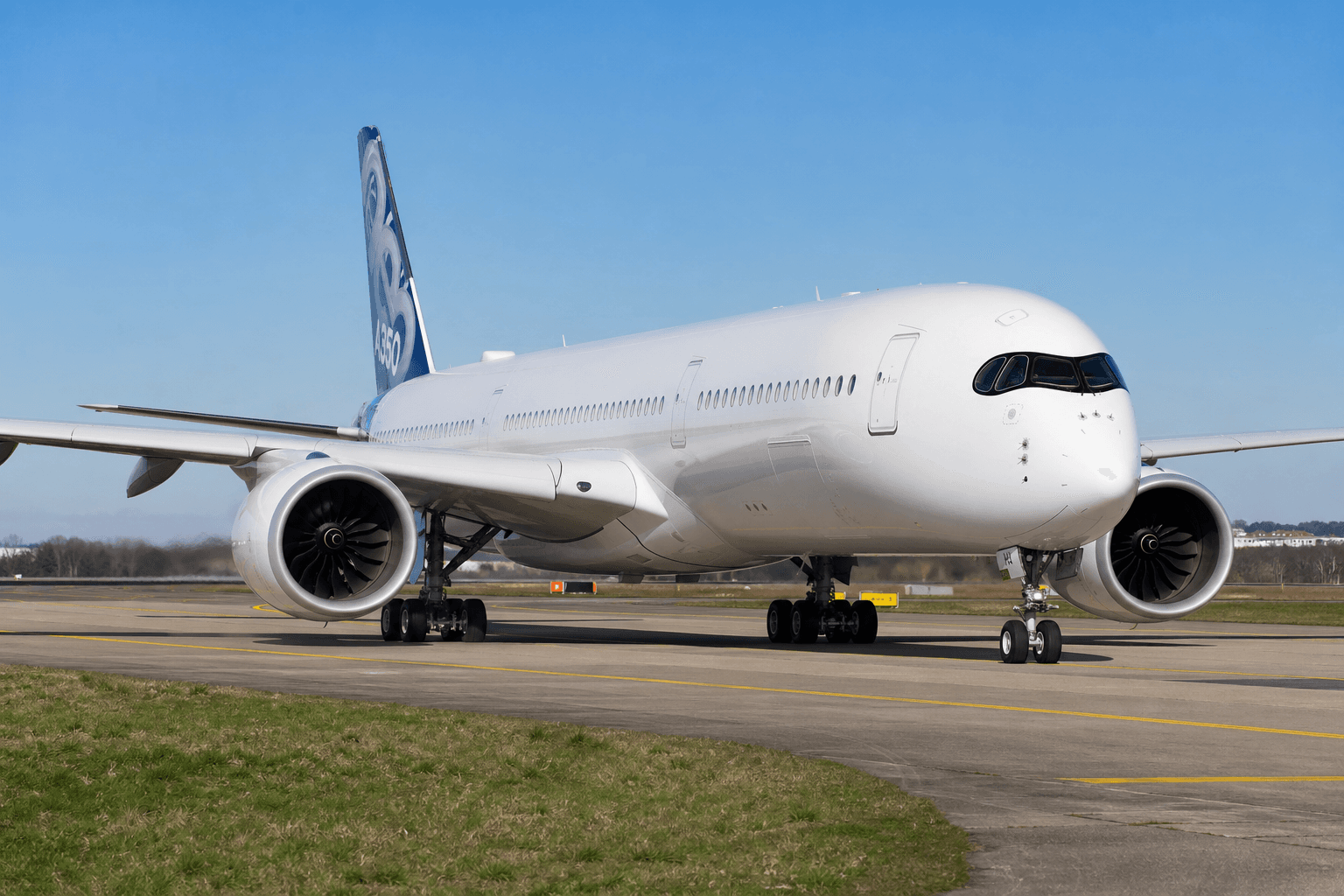
Rolls-Royce Trent XWB and GE GEnx Engines Burn 100% SAF but Lack Certification
Modern widebody jet engines have reached the pinnacle of thermodynamic engineering, capable of producing immense thrust while burning cleaner alternative fuels. Manufacturers like Rolls-Royce and GE Aerospace have repeatedly shown that their flagship powerplants, including the Trent XWB and the GEnx , can operate perfectly on 100% sustainable aviation fuel during controlled demonstrations. If an airline were to attempt to pump unblended synthetic fuel into a commercial passenger flight today, the aircraft would be legally grounded.
Gulfstream and Rolls-Royce Complete First High-Altitude Flights Using 100% Sustainable Aviation Fuel
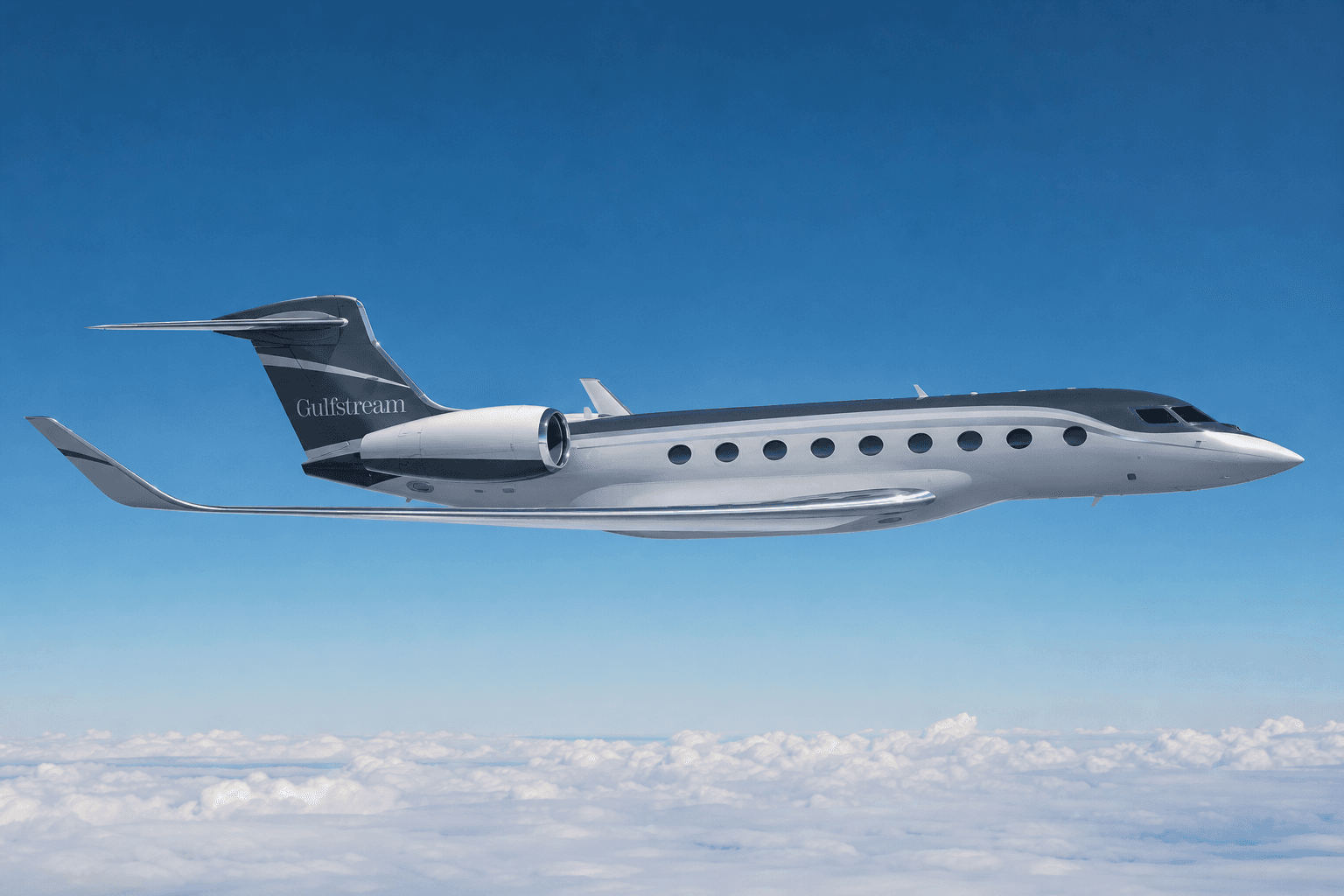
Gulfstream Aerospace and Rolls-Royce said this week that they completed a high-altitude flight-test campaign examining the emissions produced by 100% sustainable aviation fuel at altitudes up to 50,000 feet. A Gulfstream G800 powered by Rolls-Royce Pearl 700 engines conducted the flights alongside a modified G700. The G700 served as an airborne laboratory and measured particulate emissions and atmospheric conditions while flying in close formation. The campaign also marked the first G800 flight using 100% SAF. [Credit: Gulfstream] Researchers compared conventional Jet-A, low-sulfur Jet-A and 100% hydroprocessed esters and fatty acids SAF . Rolls-Royce said preliminary results showed a measurable reduction in particles that contribute to contrail formation. The FAA, NASA, German Aerospace Center and Missouri University of Science and Technology participated in the project. Although the test used unblended SAF, current fuel standards generally limit its commercial use to blends of up to 50% with conventional jet fuel, depending on the production pathway. Rolls-Royce said the campaign data will help inform future fuel standards and that demonstrating its current engines can operate on 100% SAF lays groundwork for certification.
Aviation's 65% Sustainable Fuel Goal by 2050 Faces Serious Doubts Amid Supply and Policy Challenges
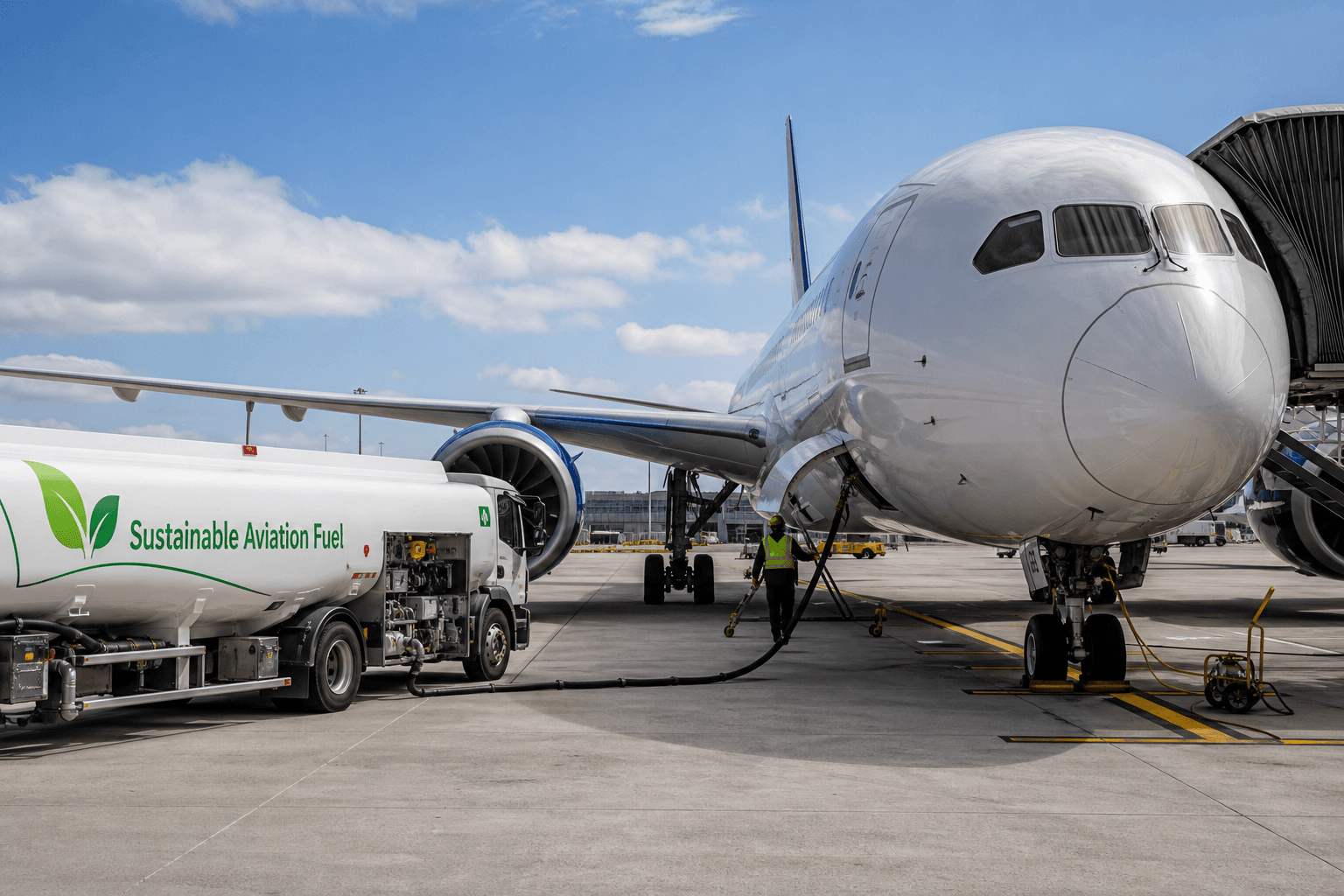
There are significant obstacles in the way for the airline industry to reach net-zero carbon emissions.
Brussels Airlines Pauses Long-Haul Fleet Growth Citing Profit and Geopolitical Strains
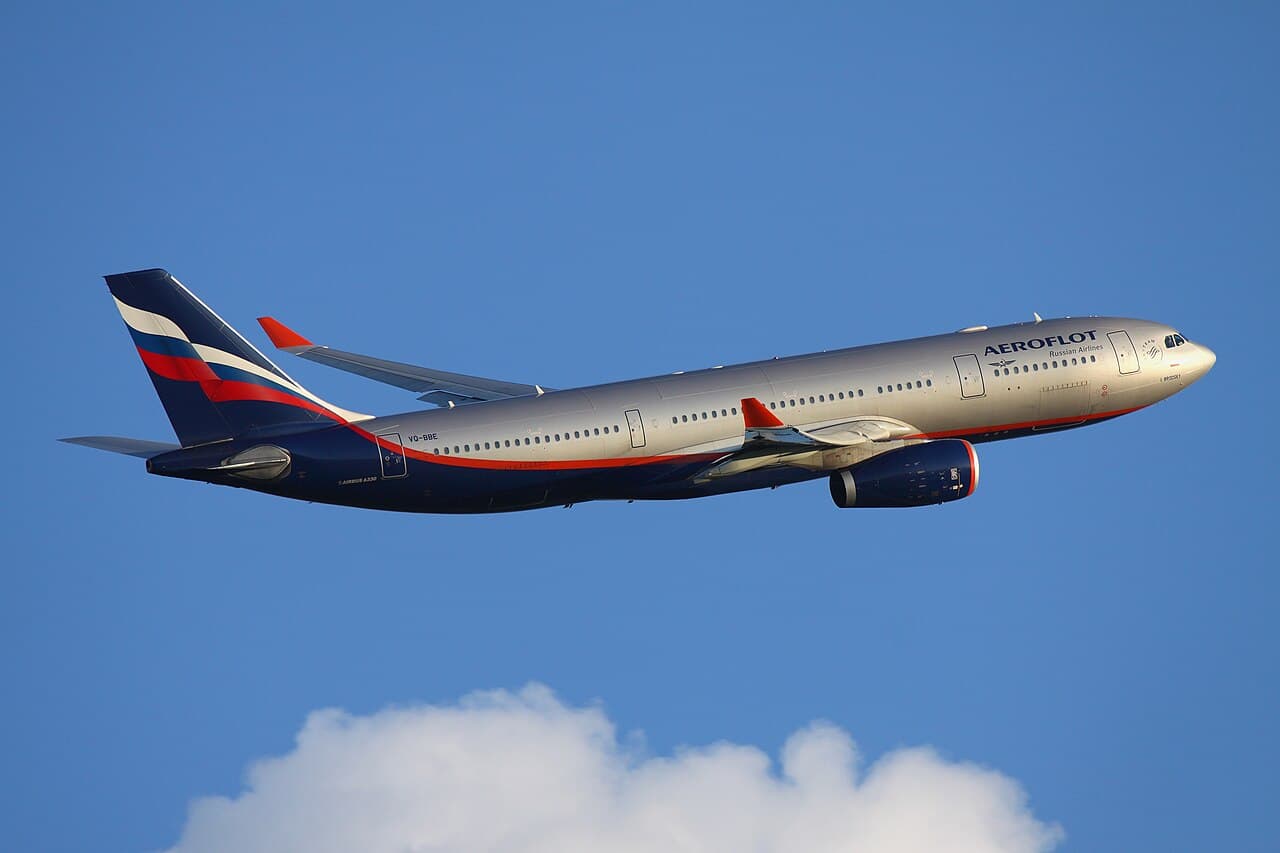
Brussels Airlines has decided to freeze its long-haul fleet expansion plans. The Belgian carrier, part of the Lufthansa Group, will not add two Airbus A330 aircraft in 2027. Its long-haul fleet will stay at 11 Airbus A330s. ezstandalone.cmd.push(function () { ezstandalone.showAds(119); }); The airline cited weaker-than-expected profitability, repeated strikes in Belgium, and ongoing geopolitical uncertainty as the main reasons. Discussions with the Lufthansa Group led to this cautious approach for the coming years. ezstandalone.cmd.push(function () { ezstandalone.showAds(127); }); Financial Pressures Drive the Decision In the first half of 2026, Brussels Airlines reported an adjusted operating loss of €70 million. This marked a 50% decline compared to the same period in 2025. Passenger numbers rose to 4.5 million, up 8%, while revenue grew about 9% to €821 million. Load factors also improved. However, external factors hit hard. Fuel costs jumped by €64 million due to higher oil prices linked to Middle East unrest. An Ebola outbreak in East Africa reduced demand on some routes and complicated crew scheduling. ezstandalone.cmd.push(function () { ezstandalone.showAds(128); }); Strikes at Brussels Airport and by air traffic controllers added further pressure, costing around €3 million. These challenges prompted the airline to scale back growth plans. Previously, Brussels Airlines aimed to expand its long-haul fleet to support stronger connections, especially to Sub-Saharan Africa, where it holds a key position within the Lufthansa Group. ezstandalone.cmd.push(function () { ezstandalone.showAds(129); }); Photo Credit: Brussels Airlines No Wet-Lease Capacity in Summer 2027 The airline will also end its use of wet-leased aircraft for the 2027 summer season. Four airBaltic planes currently operating for Brussels Airlines until the end of October 2026 will not return next year. This removes seasonal extra capacity that helped during peak periods. Despite these adjustments, the carrier continues to invest in passenger experience. New cabins for Business Class, Premium Economy, and Economy on its Airbus A330 fleet remain on track for introduction in 2027. These upgrades aim to improve comfort and competitiveness on intercontinental routes. ezstandalone.cmd.push(function () { ezstandalone.showAds(130); }); Focus on Existing Operations and Recovery Brussels Airlines is shifting emphasis toward optimizing its current fleet rather than rapid expansion. The airline hopes a strong summer 2026 season will help recover results for the full year. Higher production capacity compared to 2025 supports this goal, provided operations remain stable. The decision reflects broader industry pressures. Rising fuel costs, geopolitical risks, and labour disruptions have affected many European carriers. As a Lufthansa Group member, Brussels Airlines benefits from group support but must prioritize sustainable profitability. ezstandalone.cmd.push(function () { ezstandalone.showAds(131); }); Photo Credit: Brussels Airlines Looking Ahead Looking ahead, the freeze does not signal a complete halt to development. Short- and medium-haul fleet renewal with Airbus A320neo aircraft continues. The airline also maintains its role as a European hub for African routes. Leadership changes are underway, with a new CEO set to take over, focusing on integrated hub operations. This measured strategy aims to build resilience. By holding the long-haul fleet steady and ending temporary wet-lease arrangements, Brussels Airlines seeks to strengthen its core business. ezstandalone.cmd.push(function () { ezstandalone.showAds(132); }); Passengers can still expect product improvements through the new cabins. The coming months will show whether the summer recovery materializes and supports longer-term stability.
The Daily Touch & Go
The day's best aviation news in your inbox. Free, no spam.