

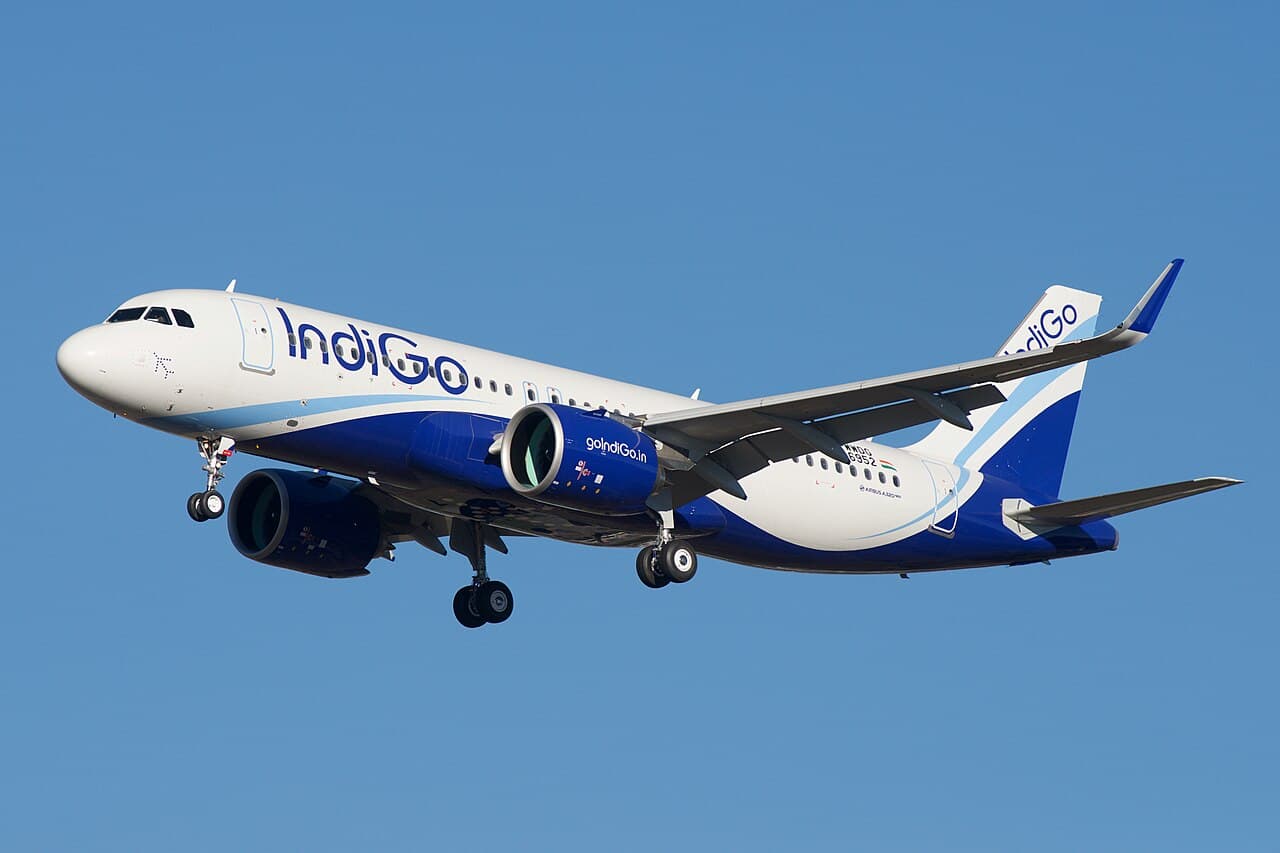
Image: BriYYZ from Toronto, Canada · CC BY-SA 2.0 · via Wikimedia Commons
Lufthansa Group debuts free high-speed Starlink Wi-Fi on A320neo starting August 19
Lufthansa Group launches Starlink-powered free internet for Miles & More members and Travel ID users across all cabin classes, beginning with an A320neo flight on August 19.
The gist
Lufthansa Group introduces free Starlink Wi-Fi on its A320neo, aiming to equip 850 aircraft with fast connectivity by 2029 across all airlines and classes.
Continuing coverage
All Starlink →- Frontier Airlines First US ULCC to Install Starlink WiFi Starting 2027
- Frontier Airlines to Launch Starlink Wifi Fleetwide, Surpassing Delta's Connectivity Offering
- Frontier Airlines to Install Starlink Wi-Fi Across Entire Fleet by Early 2027
- Frontier Airlines to Charge Passengers for Starlink Wi-Fi Starting 2027
- United Airlines surpasses Q2 earnings forecasts despite $6 billion fuel cost surge
Lufthansa Group is set to revolutionize in-flight internet by launching a new high-speed Wi-Fi service powered by Starlink, starting August 19 with their Airbus A320neo. This rollout represents a major upgrade, offering internet speeds that frequently outpace typical home or office broadband connections. Passengers will be able to stream video, use cloud applications, and perform other data-intensive tasks more seamlessly during flights.
The new service, branded as Lufthansa Group Wi-Fi, is offered free to all Miles & More loyalty program members and passengers registered with Travel ID, regardless of travel class. Lufthansa Group developed the usage policy based on passenger feedback, mandating headset use for audio or video streaming and prohibiting voice or video calls and live broadcasts from the aircraft. Mastercard continues its sponsorship role, evolving its previous partnership with FlyNet to support this latest connectivity advancement.
With plans to equip approximately 850 aircraft across the entire Lufthansa Group fleet by 2029, this initiative makes the group the largest European airline operator to adopt Starlink's low-earth orbit satellite internet system. This technology promises a significant leap in onboard internet performance, benefiting several airlines under the group umbrella, including Lufthansa, SWISS, Austrian Airlines, Brussels Airlines, ITA Airways, Edelweiss, Discover Airlines, Air Dolomiti, Lufthansa CityLine, and Eurowings.
Dieter Vranckx, the group’s Chief Commercial Officer, emphasized the strategic importance of integrating high-speed internet into the travel experience. He described it as a key aspect of delivering a premium service, highlighting that by 2029 every one of the group's approximately 850 aircraft will have Starlink connectivity. Vranckx sees connectivity as an extension of the onboard product beyond the physical seat and catering.
The technology rollout is part of broader Lufthansa Group investments in fleet modernization and customer experience enhancements. The first flight equipped with Starlink Wi-Fi on August 19 will set a new standard, with subsequent installations planned progressively across the group’s diverse fleet. Passengers can expect reliable, high-quality internet designed to meet contemporary travel demands for both work productivity and entertainment.
Lufthansa Group aims to position this connectivity upgrade as a vital element of its premium brand offering. Providing fast, free in-flight internet access to loyalty program members addresses one of the most common and persistent passenger frustrations with current onboard Wi-Fi services. As installations expand, this benefit will extend to more routes and destinations, enhancing connectivity across Europe and beyond.
The decision to partner with Starlink reflects an industry trend toward adopting modern satellite internet technologies, which offer lower latency and higher speeds than traditional geostationary systems. Lufthansa Group’s major commitment to this technology underscores its confidence in Starlink’s capacity to deliver consistent connectivity in flight.
This initiative responds to increasing passenger expectations for seamless online access throughout their journey, making high-speed internet a standard feature rather than an optional luxury. The August 19 launch flight on an Airbus A320neo will provide the first public test of this promising service, setting the stage for a sweeping technology upgrade across Lufthansa Group’s airlines over the next several years.
By embedding Starlink Wi-Fi across multiple carriers and aircraft types, Lufthansa Group is positioning itself at the forefront of in-flight connectivity innovation. The ongoing phased installation program will ensure that a fast and reliable internet experience becomes accessible to a growing number of passengers across the group's extensive network, transforming the landscape of European air travel.
Frequently asked questions
- Which Lufthansa Group aircraft will first offer the new Starlink Wi-Fi service?
- The first aircraft equipped with the new Starlink Wi-Fi service is an Airbus A320neo, beginning operations on August 19.
- Who can access the free Starlink Wi-Fi on Lufthansa Group flights?
- Free Wi-Fi is available to all Miles & More loyalty program members and Travel ID users across all travel classes.
- What is Lufthansa Group’s target for equipping their fleet with Starlink Wi-Fi?
- Lufthansa Group plans to install Starlink Wi-Fi on approximately 850 aircraft across their airlines by 2029.
Read more
All Airlines →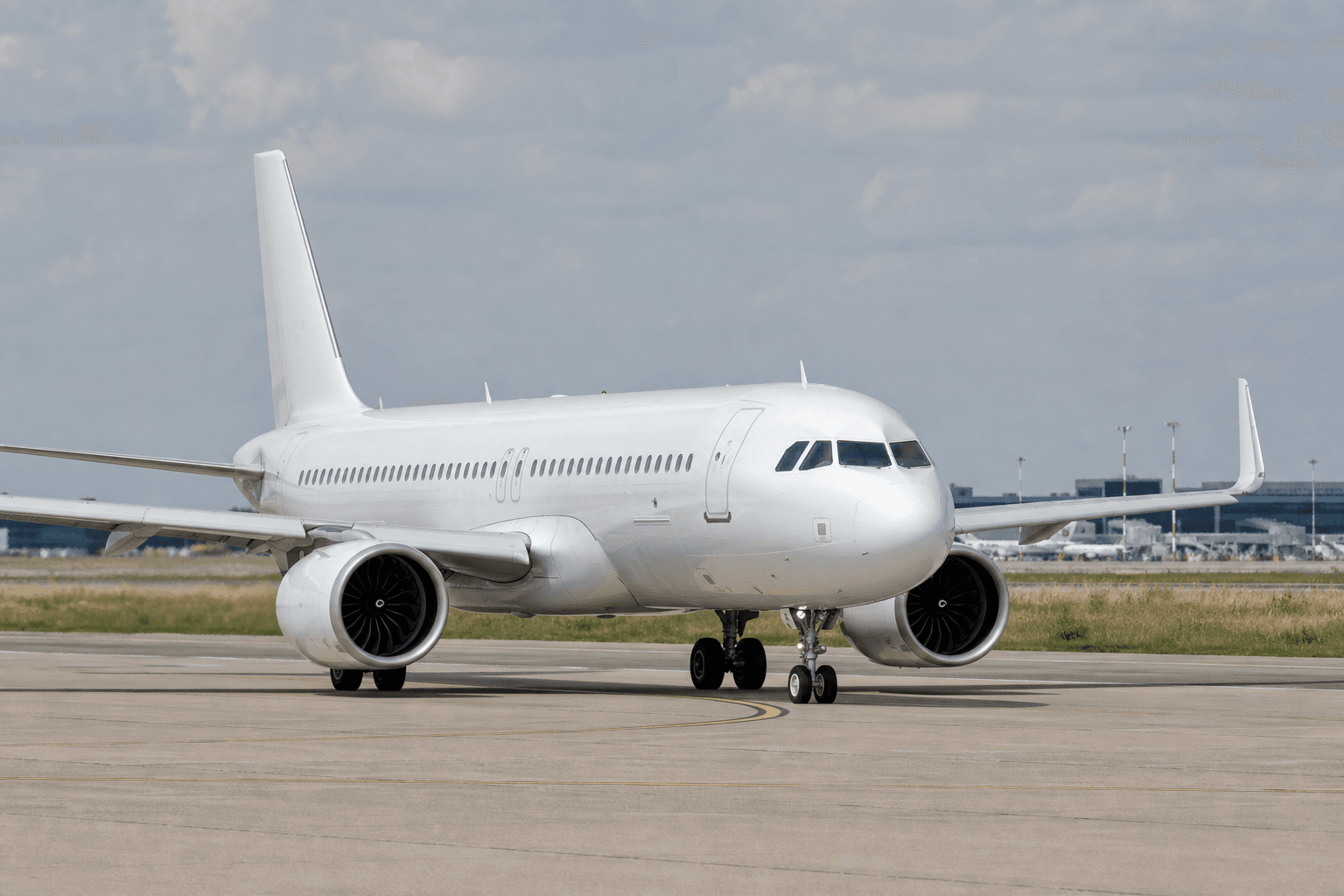
Airbus Surpasses 1,000 Net Orders in 2026 Following Strong July Demand
Airframer nearly halfway to delivery target after handing over 67 aircraft in July. Airbus's net orders for this year have surpassed 1,000 after the airframer added more than 200 to its total during July. It has confirmed China Eastern Airlines' order for 25 A330-900s and Hainan Airlines' agreement for 40 A320neo-family aircraft in the airframer's latest backlog figures. It has listed the Hainan deal as comprising 13 A321neos and 27 A320neos. Airbus's July backlog records the SMBC Aviation Capital order for 65 A321neos and 35 A320neos unveiled at the Farnborough air show . Orders from Saudi Arabian carriers Riyadh Air, for six A350-1000s, and Flynas for five A330-900s and 20 A321neos – both revealed during the show – have also been listed. Airbus's figures for the month show two agreements from undisclosed customers, one for six A321neos, and the other for a single A320neo and A319neo – the first for an A319neo since March 2024. Net orders to the end of July, as a result, reached 1,024. Airbus has also delivered 418 aircraft this year, including 32 A350s, 10 A330s and 326 A320neo-family aircraft, alongside 50 A220s. This total is just under half of the planned full-year target of 870.
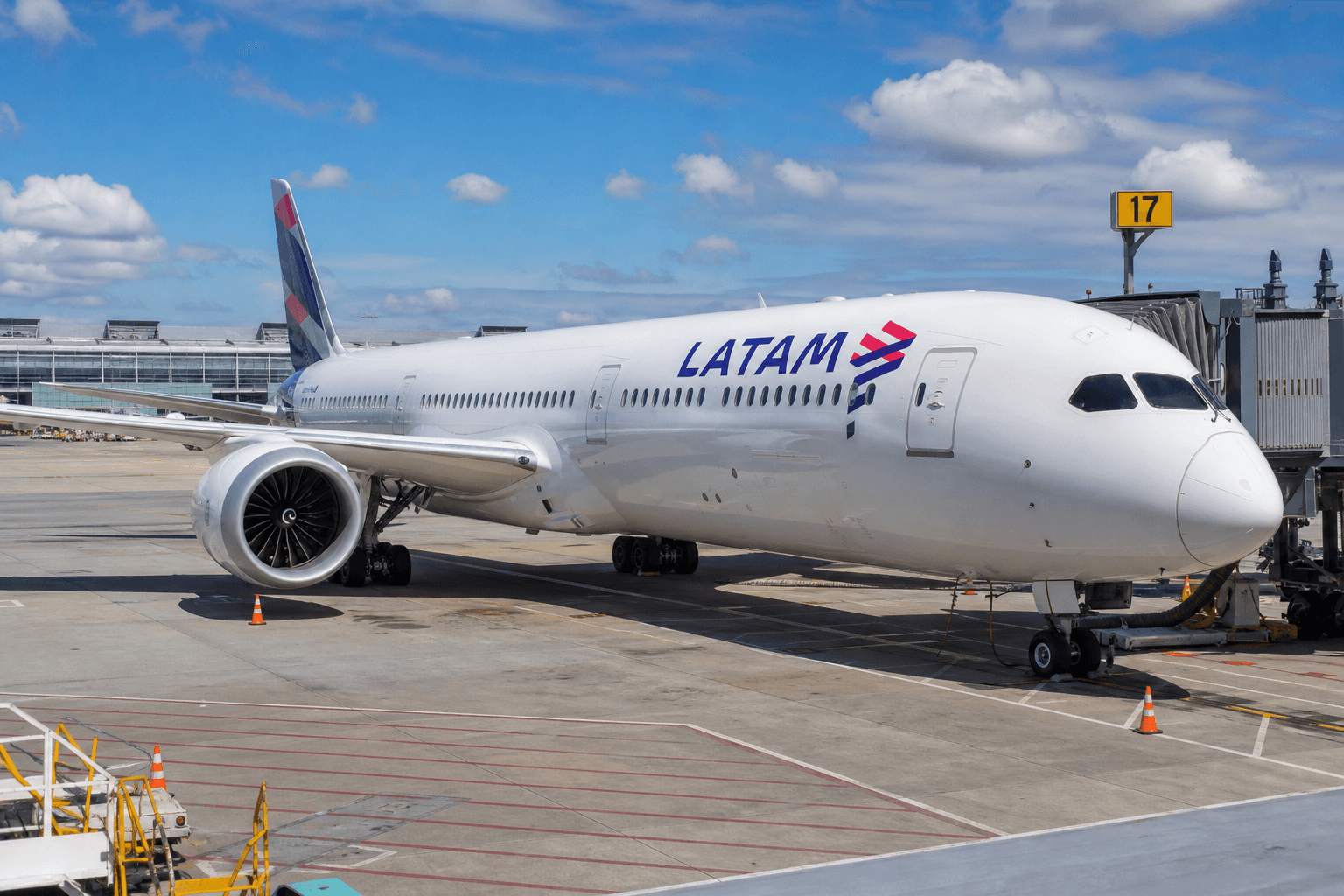
LATAM Airlines posts $227 million Q2 profit amid strong premium demand
Resilient demand for premium seats and from loyalty programme members kept LATAM in the black. LATAM Airlines Group was able to pass to customers much of the increase in fuel prices in the second quarter thanks to strong travel demand, especially for premium seats and from member of its loyalty programme. The company reported an adjusted operating profit of $227 million for an adjusted operating margin of 5.4% during the three months ending in June. Its revenue increased 28% year on year to $4.2 billion, driven by an 18% year-on-year increase in revenue per available seat kilometre, allowing LATAM to recapture much of the additional $700 million fuel expense it paid in the period. LATAM’s second-quarter expenses jumped 39% year on year to $4.0 billion. "The combination of effective execution, commercial flexibility and the resilience of LATAM's diversified business model allowed the group to increase unit revenues this quarter [and] successfully mitigate a substantial portion of that [fuel] impact," said Ricardo Dourado, the chief financial officer of LATAM, during an earnings call on 5 August. Premium-seat sales and demand from loyalty programme members showed "greater resilience" than overall demand in the second quarter, he adds. LATAM is investing in new business-class suites and premium-economy seats for its widebody Boeing 787s. Installations began in 2025 and continue across the fleet. It is also expanding the number of premium-economy seats on its narrowbody fleet of Airbus A320-family aircraft and plans to introduce the seats on Embraer 195-E2s scheduled to enter service in November. LATAM initially plans to fly E195-E2s to four new destinations and on eight new routes in Brazil. The aircraft will allow it to expand and tailor capacity on existing routes to better match demand at various times of day, chief executive Roberto Alvo says. Looking ahead, LATAM reinstated its guidance despite what Alvo says remains a "highly dynamic" market. The company expects to grow capacity, measured in available seat kilometres, 8-9% in 2026 and forecasts a 2026 adjusted operating margin of 12-13%. LATAM is scheduled to take delivery of 15 A320neo-family aircraft, one 787-9 and 12 E195-E2s in the second half of 2026, its latest fleet plan shows. It forecasts adding 27 aircraft to its fleet in 2026, bringing its fleet to 410 aircraft at year-end. LATAM can retire older Airbus A319s if the demand environment weakens, Alvo says.
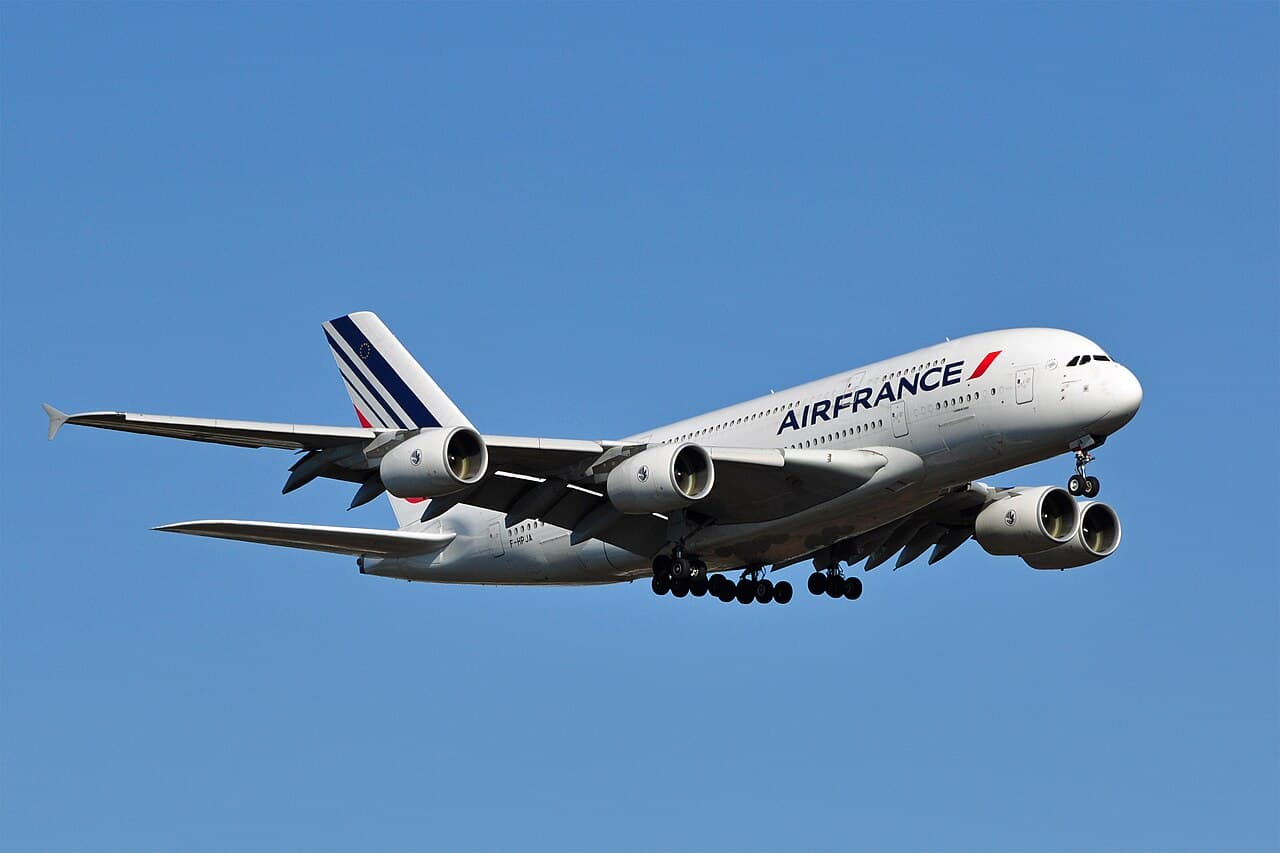
Qantas Operates 11 Ultra-Long Nonstop Flights with Melbourne-Dallas Route as Longest
August is the summer in the Northern Hemisphere but the winter Down Under. This month, Qantas is the world's 24th-largest operator by long-haul flights. It'll be a while until the carrier's Airbus A321XLRs fly long-haul . There is little need to mention the A350-1000ULR until the first route is scheduled .
Frontier Airlines Exploits Aircraft Swaps to Bypass Passenger Compensation
Frontier swapped a 186-seat aircraft for one with 180 seats and federal rules excused mandatory cash compensation. Frontier reported 4,327 passengers under that exception in 2025. Some analysts think they've discovered a 'loophole' to avoid paying.
The Daily Touch & Go
The day's best aviation news in your inbox. Free, no spam.