


Pilots Continue Weather-Related Errors Despite Improved Tools
Despite advancements in aviation tools, pilots frequently make the same mistakes linked to weather, highlighting ongoing gaps in training and information systems.
The gist
Improved tools haven't stopped pilots from repeating weather-related errors, revealing key training and info delivery weaknesses.
On February 3, 1959, a chartered Beechcraft Bonanza carrying prominent musicians Buddy Holly, Ritchie Valens, and J.P. 'The Big Bopper' Richardson crashed shortly after takeoff from Mason City Municipal Airport in Iowa. The accident, which resulted in the deaths of all onboard, has become a notorious moment in aviation history and music culture alike. Investigations reveal that pilot Roger Peterson encountered spatial disorientation when the flight entered a snowstorm during its initial climb. At the time of takeoff, weather conditions reported a 3,000-foot ceiling and visibility of six miles. However, these conditions rapidly worsened along the intended route, complicating the flight environment. Crucially, the deteriorating weather information was not allegedly communicated to Peterson. This lack of updated situational awareness may have contributed significantly to his disorientation and the subsequent loss of control of the aircraft. Despite decades of technological progress in aviation, including enhanced meteorological reporting and navigation systems, repeated incidents categorize pilot error and inadequate situational awareness as ongoing contributors to accidents. The 1959 tragedy exemplifies persistent vulnerabilities in pre-flight briefing and communication processes. Aviation journalist and certified flight instructor Meg Godlewski, with over 24 years in the industry and more than two decades as a CFI, notes that this accident remains a case study in how even improved tools cannot fully mitigate the human factors element inherent in flying. Godlewski co-founded the Pilot Proficiency Center at EAA AirVenture, where simulation technology is leveraged extensively to help pilots master critical decision-making and flying skills. She emphasizes that while simulators can flatten learning curves, real-world variables such as rapidly changing weather challenge even the most prepared pilots. The Beechcraft Bonanza involved was chartered for a music tour, reflecting the increased reliance on smaller private aircraft within the entertainment industry. This usage amplifies the importance of meticulous flight planning and weather awareness, especially under tight schedules and high-profile pressures. The Mason City crash serves as a somber reminder that exacting pilot training and systematic dissemination of weather data are vital. Modern aviation endeavors must continue addressing these lessons from history, ensuring that equipment advances are matched by procedural and human-factor improvements. The fate of pilot Roger Peterson and his passengers continues to resonate within aviation safety circles, underpinning efforts to scrutinize pre-flight weather briefings, communication protocols, and pilot decision-making frameworks. Enhanced focus on these areas aims to prevent the recurrence of such tragedies. Ultimately, the combination of evolving technology, rigorous training, and improved operational procedures seeks to reduce errors that have long complicated flight safety. While machines improve, the human element remains integral—and sometimes fallible—in the art and science of aviation.
Read more
All Aviation Safety →Family Sues UPS, Boeing Over 2025 Louisville Cargo Plane Crash Fatality
The accident killed 15 and resulted in the temporary grounding of the McDonnell Douglas MD-11.
Pilots Honor Time-Honored Rites of Passage from First Solo to Captain Upgrade
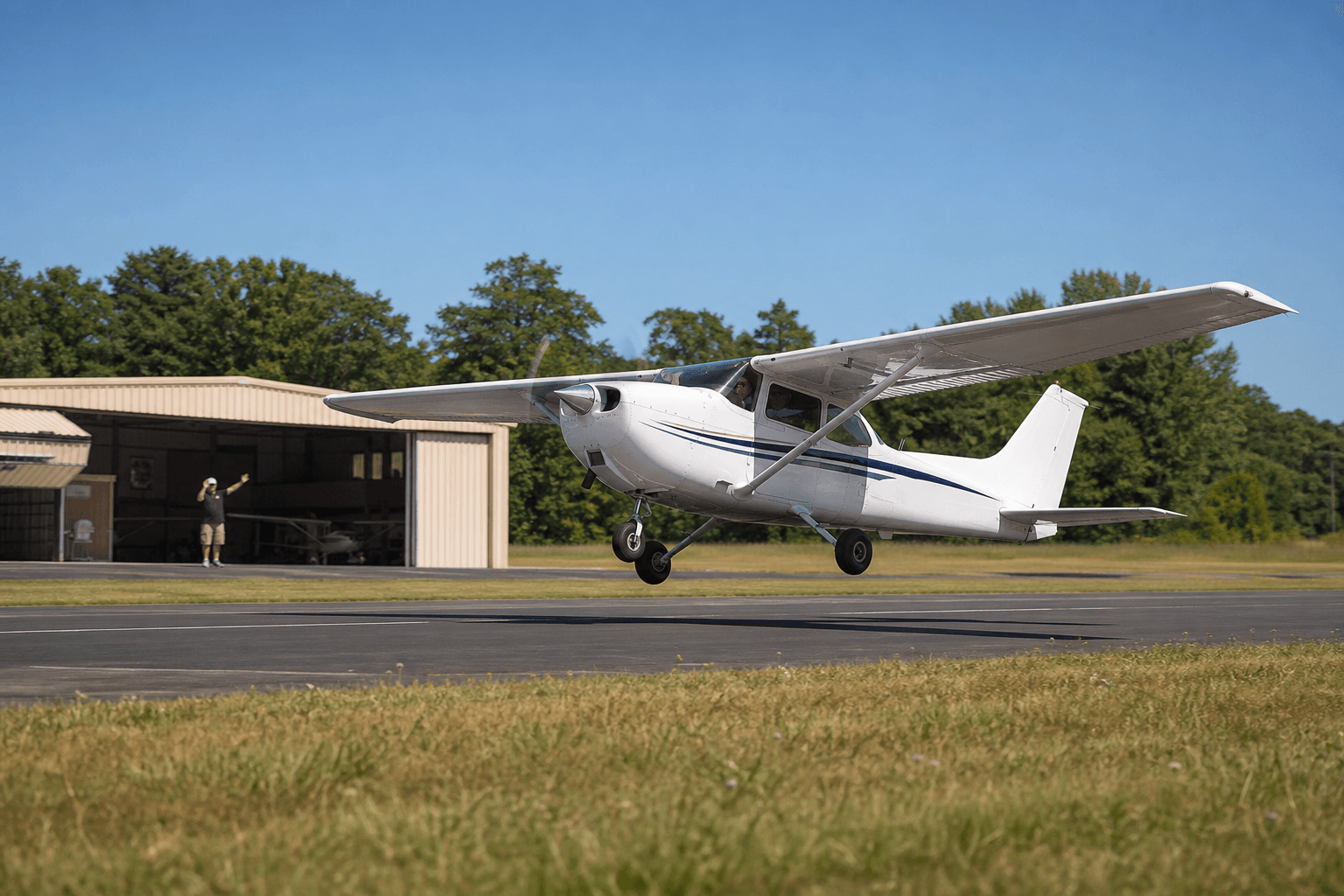
Milestones in our lives, such as weddings, graduations, religious ceremonies, and significant birthdays usually involve a celebration. But I'd say nearly every pilot looks at their first solo flight as a major rite of passage they never forget. It marks the first time a person realizes they're truly responsible for their own life. Brush it off or not. It demands a sense of pride. Considerable research ( asking my lunch buddies and checking at Sporty's ) confirms the tradition of the flight instructor cutting off a piece from the back of their student's shirt still happens, even in many of today's mega-flight schools. The practice supposedly began when instructors sat behind their students in tandem trainers like J-3 Cubs with no intercom. When the student did something dumb, the instructor would tug on their shirt and yell or demonstrate what was wrong. When the student began to consistently demonstrate they could fly the traffic pattern and land with no tugs on their shirt, the CFI climbed out and sent the learner around for three solo takeoffs and landings. On landing, the shirt was cut off and inscribed—usually kept forever. This Article First Appeared in FLYING Magazine If you're not already a subscriber, what are you waiting for? Subscribe today to get the issue as soon as it is released in either Print or Digital formats. Subscribe Now These days, students typically know in advance that they're scheduled to solo on a particular day—weather permitting and having passed all pre-solo requirements like licenses, medicals, and tests. They launch alone from the hangar or tie-down, announce (if it's a controlled field) that this is a first solo, make three takeoffs and landings, and return to the hangar. Well, I'm sorry but I hate that. Back in the day, I'd work with the student on all the flying basics until finally entering the traffic pattern for takeoff and landing practice. If things didn't progress well, we'd head back out in the practice area and review airspeed and altitude control, stalls, ground reference maneuvers, or whatever. Then back to the airport where we'd concentrate on flying a precise pattern with appropriate airspeeds and a flare-out…but no touchdown. Flying down the runway with reduced power but in level slow flight a few feet off the ground—focusing on the far end—and then going around was an effective way of handling ground shyness. Finally, we'd ease off the throttle, gently raise the nose above the end of the runway, and the main gear would touch. Seeing the delight in the student's eyes was marvelous. READ MORE: Aviation Fuel-ishness Can't Be Overlooked READ MORE: Memories of the Iconic 'Gooney Bird' Stirred After a successful hour or so, I'd slide my seat back and (nearly) close my eyes, pretending I was majorly bored. Finally, I'd announce, "I'm tired of riding around this pattern with you. Let me out at the intersection and make three takeoffs and landings by yourself." The tower was OK with our clearing the runway and letting me out in the grass in the middle of the field, where I would sit, making daisy chains or picking wildflowers, while my fledgling student made circuits and landings. More than once, afterward, they'd clear the student back to the hangar, stranding me in the grass. That involved my climbing up five flights in the tower, uttering a few choice words and calling somebody to pick me up. And, yes, I'd cut part of my student's shirt off in a celebratory ceremony at the hangar. Other past traditions I've heard of are dumping a pail of water over their head, cutting off the necktie (remember those?) or even mashing a cream pie in the face. But fledgling pilots aren't the only aviators who mark upgrades or being "kicked upstairs." The best story I know involved my friend Kevin Uppstrom, a longtime Kalitta Air pilot who hauled freight in DC-3s for years (and taught me so much). In—mostly—Kevin's words: "Upgrading to captain was a lengthy process involving the completion of ground school, 30-plus hours of confidence-destroying simulator training and a round-the-world ride with a check airman for Operational Experience (OE). You'd make all the calls, do all the planning, deal with any problems, and fly one segment from the right seat. Only then (when the check airman was satisfied or tired of riding with you) would an FAA inspector observe a line check within the United States—the final step in the upgrade procedure. Then you were on your own, a graduate from a three-striper to four. "I deadheaded on one of our planes to Liege, Belgium, and then downrange to Bahrain, where, after a rest period, I would be flying as aviator in charge with a great crew—a low-key first officer and plumber (flight engineer). Rather than announcing my presence with an 'I'm the captain and you will respect my authority' attitude [definitely NOT a Kevin mentality], I wanted to start off on the right foot. So I planned to meet my crew in the hotel lobby next morning sporting both my three-stripe shoulder boards AND my four-stripe boards—a total of seven boards—on each shoulder of my uniform shirt. The sewing was tedious, somewhat of a challenge, but I got it done. "Next morning, I left the room early to be the first to meet my crew downstairs but, striding across the hotel lobby, I met up with an Atlas [Air] crew who gave me some truly odd looks. I think they thought I was some kind of field marshal. Eventually, my guys showed up and, knowing my sense of humor, smiled as they took in my seven stripes. "Since we were in the Middle East, where they place an inordinate amount of importance on things like gold braids and stripes, I didn't want to create an international incident with customs. So I demoted myself to a mere four-striper once we boarded the van to the airport. But being the supreme leader was fun while it lasted." Maybe you can understand how much I value Kevin as a person and a pilot. I met him when he was chief pilot, accumulating 16,000-plus hours flying DC-3s, Beech 18s, and a Learjet for a Part 135 freight operation in Middletown, Ohio (KMWO). I was the FAA inspector doing check rides for the company. By the late 1990s that part of the airfreight business was dying, and he was left with a big decision. He made "starting over" with this large airfreight airline based in Detroit and flying worldwide the right one. Whether it's a first solo or a captain upgrade, these moments stand as hard-earned milestones that define a pilot's journey. This column first appeared in the June Ultimate Issue 971 of the FLYING print edition.
All Nippon Airways Captain Sentenced to Prison for Sexual Assault of Flight Attendant
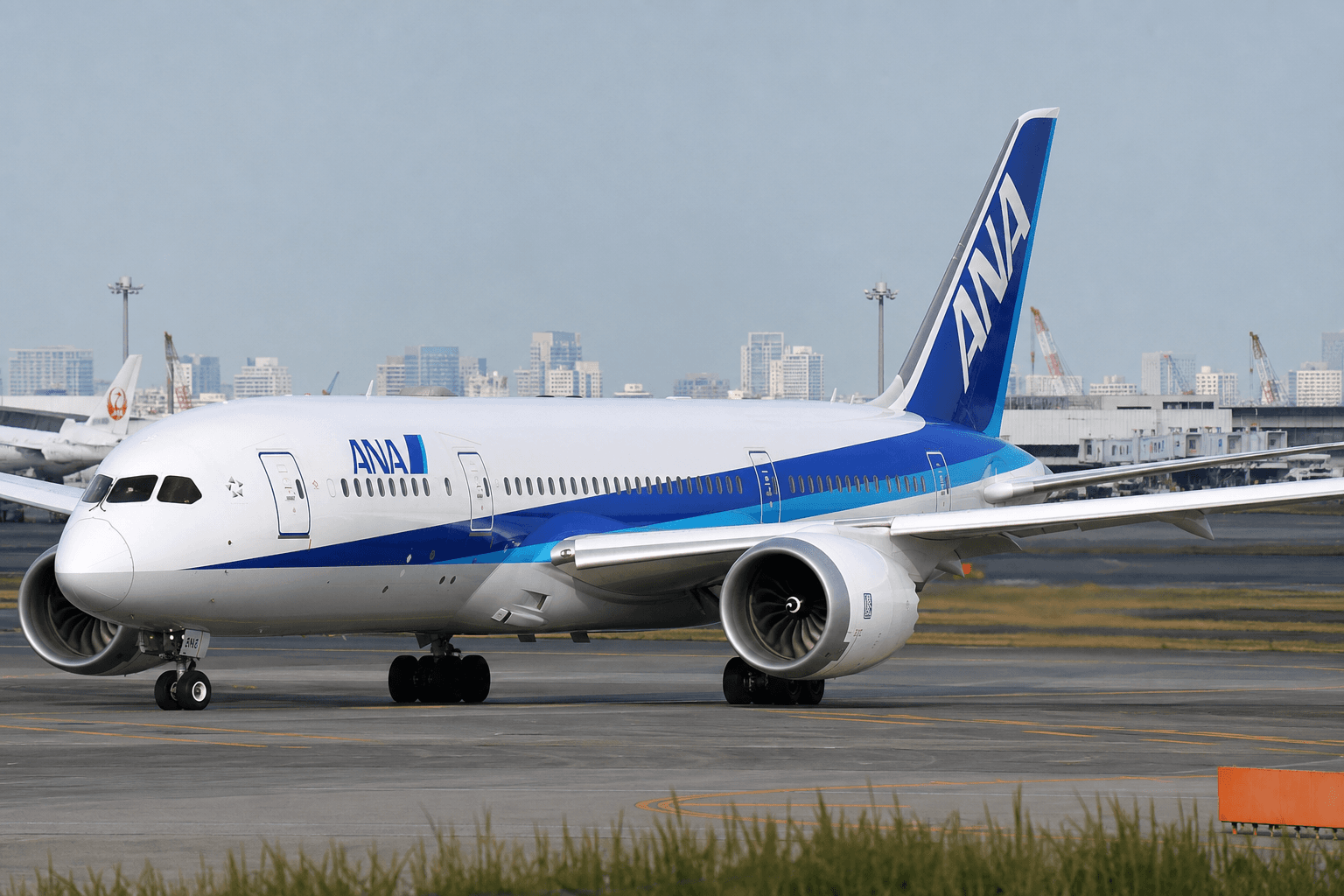
A Captain for All Nippon Airways, the largest airline in Japan, has been sentenced to 18 months’ imprisonment by a Tokyo court after he was found guilty of sexually assaulting a young female flight attendant during a layover. The suspect has been identified as Ryota Mise, a 44-year-old Captain who repeatedly grabbed the buttocks of his victim while they walked along a street together and inside a convenience store. The incident occurred during a domestic layover in Takamatsu, Kagawa Prefecture, while the pair was walking back to their hotel. The flight attendant said she felt like she had no option but to allow the Captain to assault her because she feared he would be able to hurt her career if she refused. The two crew members had met the previous day during a flight to Takamatsu and had gone out with a group of crew for dinner. On the return to the hotel, however, Mise repeatedly grabbed his colleague’s buttocks. He told the court that he thought he had permission to touch the victim, but that defense was dismissed by Judge Takao Okawa, who described the flight attendant’s testimony as “convincing and highly credible.” In the wake of the October 10, 2023, incident, the flight attendant reported her concerns to ANA, and the airline opened an internal investigation. The Captain admitted he had touched the flight attendant and, given his explanation of the events, ANA allowed him to continue working as a pilot. Following this internal investigation, the flight attendant then reported the incident to the police, who arrested Mise. The lengthy investigation culminated in Mise being sentenced to 20 months’ imprisonment on Tuesday – less than the two-and-a-half-year sentence that prosecutors had been seeking. There’s long been concern that workers in some Asian countries feel like they can’t challenge or say no to their superiors. This is a particular issue in the aviation industry, where safety can be compromised due to this culture of being afraid to speak out to someone of a higher rank. Japan Airlines was only recently engulfed in a scandal after it was revealed that a senior flight attendant was caught over the legal alcohol limit ahead of a domestic flight to Tokyo. Alcohol consumption had become such an issue for Japan Airlines that the carrier requires all of its pilots and flight attendants to carry out a pre-flight breath test using a personally issued device. Ahead of this flight, however, the senior flight attendant deliberately didn’t submit the results of her test. Her junior coworkers reminded her to submit the test result, but when she brushed off those concerns, no one pushed back or reported the issue to the company. The senior crew member was eventually caught when she completed a company-conducted test at the airport, causing a delay to the flight. Japan Airlines has now banned flight attendants from consuming any alcohol during layovers, and the carrier’s chief executive took a temporary pay cut over the scandal.
Deaf Man Sentenced to 18 Months for Targeting Delta Pilot with Laser Pointer Near Buffalo Airport
A deaf man from Cheektowaga, New York, has been sentenced to 18 months in a federal prison after he pleaded guilty to aiming a laser pointer at the pilot of a Delta Air Lines plane, which was on its final approach to land at Buffalo Niagara International Airport. 31-year-old Joseph L. Crapsi had been fighting the prosecution brought by the Assistant U.S. Attorneys Charles M. Kruly and Craig R. Gestring following an investigation by the Niagara Frontier Transportation Authority Police Department and the FBI. Crapsi’s attorneys had asked the court to suppress evidence that the laser pointer was found in his bedroom and objected to a finding that police had probable cause to arrest him. In the end, however, the court found that the police were within their rights to arrest him, and the laser pointer was used in evidence. The case stemmed from an incident on the night of March 2, 2024, when Delta flight DL-2334 was coming into land. The final approach path saw the jet fly close to Crapsi’s house in Cheektowaga, just a few miles from Buffalo Niagara Airport. Following the incident, the pilot reported the ‘laser strike’ to police, who started making enquiries in the area that the crew said the laser was coming from. One of Crapsi’s neighbors told officers that they saw a laser shining through his window on ‘multiple occasions.’ Given that the laser was seen shining into the sky, the court ruled that this was sufficient to meet the low standard of probable cause. Officers knocked at Crapsi’s address and were invited inside. They went with him to his bedroom, where they noticed a laser pointer ‘in plain sight.’ The laser pointer was seized as evidence, and Crapsi was arrested. Crapsi eventually pleaded guilty to aiming a laser pointer at an aircraft contrary to 18 U.S. Code § 39A, which carries a maximum sentence of five years imprisonment. Late last week, U.S. District Judge Lawrence J. Vilardo sentenced Crapsi to 18 months’ imprisonment. In 2023, there were a record 13,304 laser pointer incidents reported across the United States – an increase of nearly 80% compared to 2016. The number of incidents have, however, slightly decreased in recent years. In 2024, there were 12,840 reported laser incidents, and 10,993 were reported in 2025. So far this year, there have been 3,325 incidents up to the end of June. It was made illegal to aim a laser pointer at aircraft in 2012, following a dramatic rise in the number of incidents being reported by pilots. The Federal Aviation Administration (FAA) reports that the vast majority of laser strikes occur on Fridays and Saturdays, with a noticeable increase in reports during the months of October and November. Laser incidents can temporarily blind and injure pilots. In one incident involving a Virgin Atlantic flight from London to Tel Aviv, Israel, the pilots had to return to London because the pilot’s vision got progressively worse and he was only able to see out of one eye.
The Daily Touch & Go
The day's best aviation news in your inbox. Free, no spam.