

Illustration: The Touch & Go
Pilots Honor Time-Honored Rites of Passage from First Solo to Captain Upgrade
From the landmark first solo flight to the step up as captain, traditional ceremonies and milestones define a pilot's journey through aviation training and career progression.
The gist
Pilots cherish personal milestones like the first solo flight and captain upgrade, each marked by unique, enduring traditions that embody responsibility and pride.
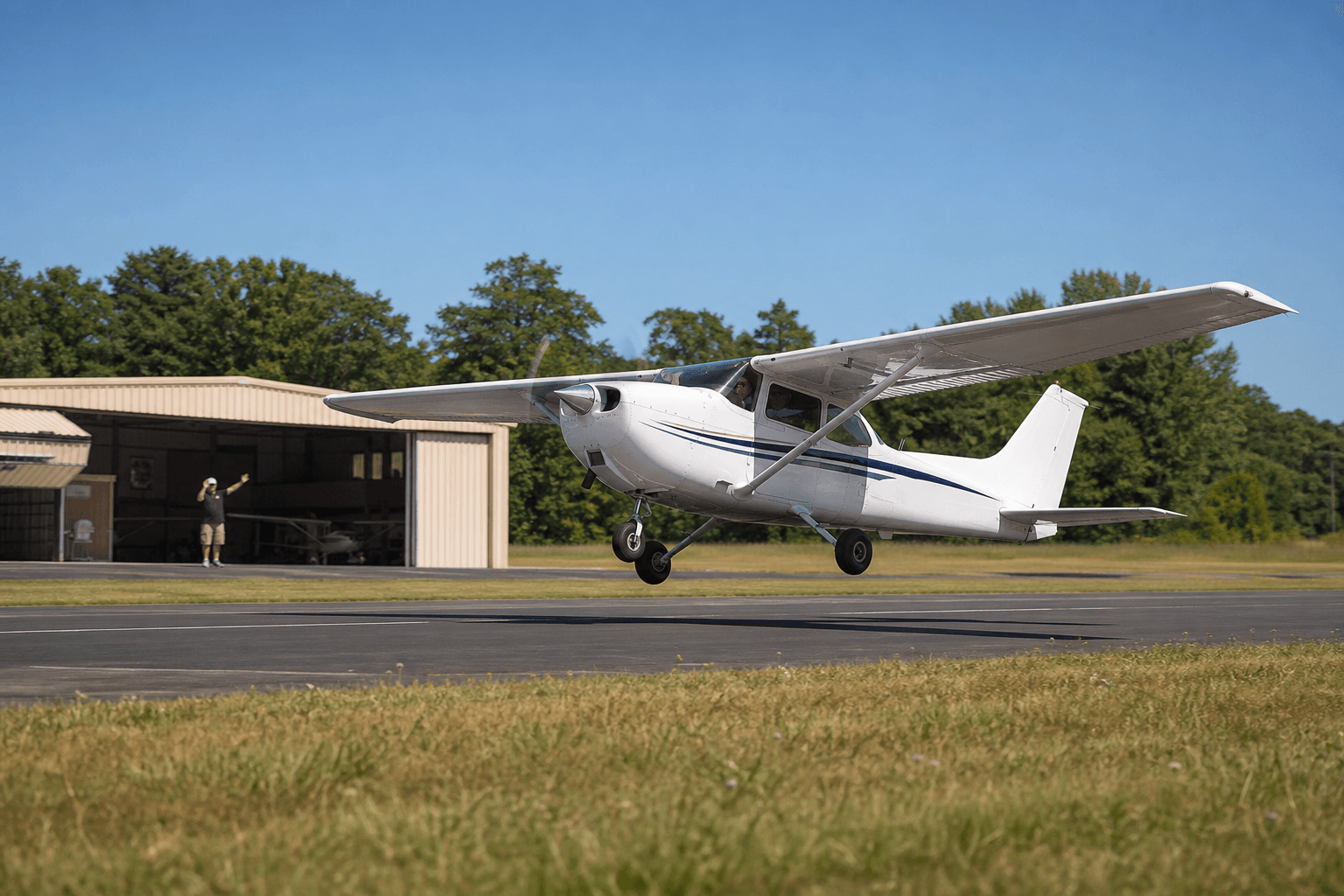
The moment a student pilot takes to the skies alone for the first time is widely regarded as an unforgettable rite of passage. It represents the pilot’s initial experience of true responsibility for the aircraft and their own life, a transformative step in aviation training. While the ceremonial cutting of a strip from the student’s shirt by the instructor remains common, the tradition originally began in the era of tandem-seat trainers like the J-3 Cub, when instructors physically tugged on a student’s shirt to correct errors due to lack of intercoms. Once the student could complete traffic patterns and landings without these tugs, the instructor would exit the aircraft, signalling the pilot’s solo flight, then ceremonially cut the shirt as a keepsake.
Modern first solos are often prearranged, weather permitting, following successful completion of all regulatory requirements including paperwork, medicals, and theoretical tests. The student pilot then conducts the solo circuit, typically comprising three takeoffs and landings, before returning to the hangar. However, some flight instructors prefer a more organic, on-the-spot approach: practicing takeoffs and landings progressively until the student demonstrates readiness without prior notice. One teaching method involves multiple pattern circuits at reduced power and slow flight just above the runway to overcome ground shyness before easing into actual touchdowns.
These solo milestones are not the only traditions marking a pilot’s progress. Anecdotes include celebratory showers of water over the soloing pilot, cutting off their necktie, or even the playful application of a cream pie to the face. Such customs help bond flight communities and commemorate the transition from student to pilot. These rituals convey pride and accomplishment with a tangible memento or lighthearted acknowledgment.
Beyond initial training, pilots reach further milestones through career upgrades such as becoming a captain. One example is the upgrade process for Kalitta Air pilots flying legacy aircraft like the DC-3. This intensive progression includes ground school, extensive simulator training aimed at instilling confidence, completion of a multi-leg Operational Experience trip with a check airman, and finally, an FAA line check. Each step rigorously tests a pilot’s technical skill, decision making, and leadership readiness to command an aircraft and crew.
A memorable personal tale from a longtime Kalitta Air pilot illustrates the symbolic importance of uniform insignia in these career steps. Upon promotion to captain, he humorously sewed four stripes over his existing three-stripe epaulets to sport seven stripes at once—a nod to his new authority and a lighthearted jab at aviator rank culture. The stunt, played out in an international airport hotel lobby, reflected both the pride and levity present in the aviation profession’s traditions. He tactfully returned to a standard four-stripe insignia before departing to avoid diplomatic confusion.
The broader significance of these rites of passage lies in acknowledging the leap in responsibility and maturity each milestone signifies. First solos mark the transition from supervised learning to independent flight, a moment some instructors refer to as ‘letting go.’ Upgrades to captain status signal mastery of flying skills as well as leadership and operational command, requiring a holistic competence far beyond stick-and-rudder ability. These benchmarks frame a pilot’s personal and professional evolution within the aviation community.
Historic practices such as cutting a piece of the student’s shirt serve more than ceremonial roles. They are physical tokens symbolizing the student’s growth and the instructor’s confidence. These relics are often treasured for decades as reminders of accomplishment and perseverance. In an era of increased regulation and formalized training programs, such cornerstones of aviation culture maintain the human element and foster camaraderie among aviators.
The enduring presence of these customs — from the hands-on corrections during early training to the symbolic epaulets worn by captains — illustrates the layered nature of pilot identity. Each milestone is a formative event, embedding confidence and responsibility while connecting individuals to a shared heritage. The blend of solemnity and humor surrounding these passages highlights the unique culture and traditions that continue to define pilot life across generations.
In sum, the journey from first solo flight to captaincy encompasses technical milestones and ceremonial acknowledgments that are deeply meaningful to aviators. These rites encapsulate the blend of skill, responsibility, and esprit de corps intrinsic to aviation. They ensure that each pilot’s progress is celebrated with personal and collective recognition, reinforcing the profession’s rich traditions and values.
Frequently asked questions
- What is the traditional ceremony marking a student pilot's first solo flight?
- Traditionally, the flight instructor cuts a piece from the back of the student's shirt after their successful first solo flight, a practice originating from instructors tugging a student's shirt in tandem trainers.
- What steps are involved in a pilot upgrading to captain in freight operations like Kalitta Air?
- Upgrading involves completing ground school, extensive simulator training, an Operational Experience trip with a check airman, and a final FAA line check before officially becoming captain.
- Why do pilots value milestones such as the first solo and captain upgrade?
- These milestones symbolize major accomplishments involving responsibility, skill development, and leadership, forming personal and professional rites of passage within pilot culture.
Read more
All Aviation Safety →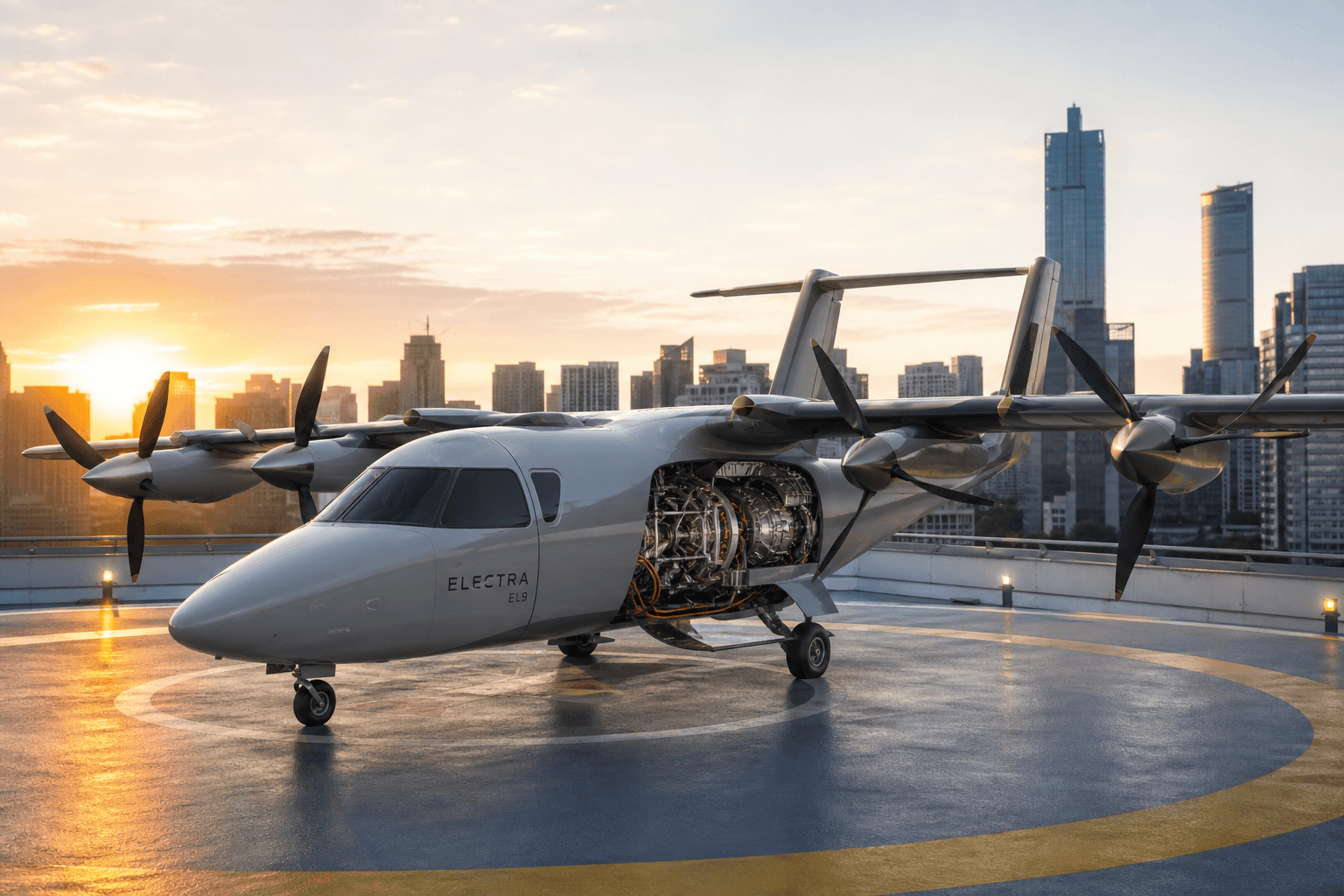
Safran's TG600 Turbogenerator Powering Electra EL9 Hybrid-Electric Aircraft
Hybrid-electric aircraft developer Electra on Wednesday announced a "life-of-program" agreement covering the production of turbogenerators for its flagship EL9 Ultra Short. The EL9, designed for operations with only a 150-foot ground roll, will be powered by Safran Helicopter Engines' TG600, which is built around the latter's Arrano gas turboshaft engine. Electra said it placed an initial order for 250 turbogenerators. The companies previously signed a deal for Safran, which is also an investor, to develop the 600-kilowatt electric turbogenerator propulsion system for EL9 prototype aircraft. Now, the TG600 is set to power the real deal. "We've closely evaluated the advanced air mobility market, and we believe the Electra eSTOL [electric short takeoff and landing] aircraft offers groundbreaking capability in a practical design that meets market needs of both today and tomorrow," said Florent Chauvancy, the former executive vice president of OEM sales for Safran Helicopter Engines, in a 2023 news release . On Wednesday, Electra CEO Marc Allen in a statement called the new deal a "defining step forward for Electra and for the future of advanced air mobility." The nine-passenger EL9 is expected to make its debut flight in 2027 or '28, with certification and entry into service by '30. Electra claims to have about 2,200 provisional orders from more than 60 operators. This is not Safran's first foray into electrification. The manufacturer in February 2025 achieved the first type certification for an electric motor for civil aircraft, after the European Union Aviation Safety Agency (EASA) declared its ENGINeUS 100 system airworthy. The engine is designed to provide 100 percent electric power for two-to-four-seat aircraft—such as Diamond Aircraft's eDA40, an early candidate—or hybrid propulsion for 19-seat regional models. Other ENGINeUS 100 customers include Swiss propulsion specialist H55, French manufacturer Aura Aero, and Aura's recently acquired VoltAero subsidiary. BRM Aero and Bye Aerospace intend to install the engine on their respective electric trainers, the Bristell B23 Energic and eFlyer family. At the 2025 Paris Air Show, Safran joined forces with Collins Aerospace and French firms Daher and Ascendance to research hybrid-electric propulsion for six-to-ten-seat aircraft. The consortium is targeting a platform "in the category" of Daher's Kodiak family of single-engine turboprops. The Integration Electra said the TG600 will be the "heart" of the EL9's hybrid-electric propulsion system, which also comprises eight electric engines from supplier Evolito. The Arrano engine around which it is built burns 18 percent less fuel versus "other in-service engines," the company said. The turboshaft will be complemented by two GENeUS electric generators provided by Safran Electrical & Power. In March, AviationWeek reported that Safran Helicopter Engines began assembling the first TG600 unit for Electra's prototype aircraft. Cédric Goubet, the company's president, said in a late 2025 LinkedIn post that it is "ready to launch development and gear up for flight testing." Goubet in a statement Wednesday said the new contract "signifies the official launch of our turbogenerator activities, a promising new chapter that complements our leadership in turboshaft technology." "We believe we have the most advanced and efficient hybrid-electric product in its class, a perfect fit for the EL9 to achieve revolutionary capabilities in new air mobility," he said. According to Electra, the EL9 is designed to move air travel away from airports. Instead, the aircraft will use ultra-short "access points" located on rooftops, parking lots, fields, barges, malls, casinos, or even ski resorts, cutting out unnecessary connections and ground transfers. The manufacturer believes it could save travelers hours on more than 2,600 routes spanning 50 to 265 miles that are suboptimal for driving, but lack routine commercial air service. It estimates 12,000 to 16,000 aircraft will be required to meet demand within the first decade of operation. EL9 access points will require just 150 feet of space for takeoff and landing, an unlock from the aircraft's blown-lift propulsion system. By redirecting airflows toward the ground, the EL9 is designed to take off at a leisurely 35 knots. Electra has already proven the capability on the EL2 Goldfinch, a demonstrator. But Safran's TG600 will be key to validating it with EL9 prototypes and, eventually, the real deal. Like many young aerospace startups, Electra is largely tight-lipped on suppliers, but it has said that Honeywell will provide the EL9's flight control computers and electromechanical actuation systems. Lockheed Martin's Skunk Works is helping design and commercialize the model. Many of the EL9's components and systems, however, are built in house. Electra has obtained several patents for novel portions of the blown-lift propulsion system.
Frontier to Launch Starlink High-Speed WiFi Across Fleet in Early 2027
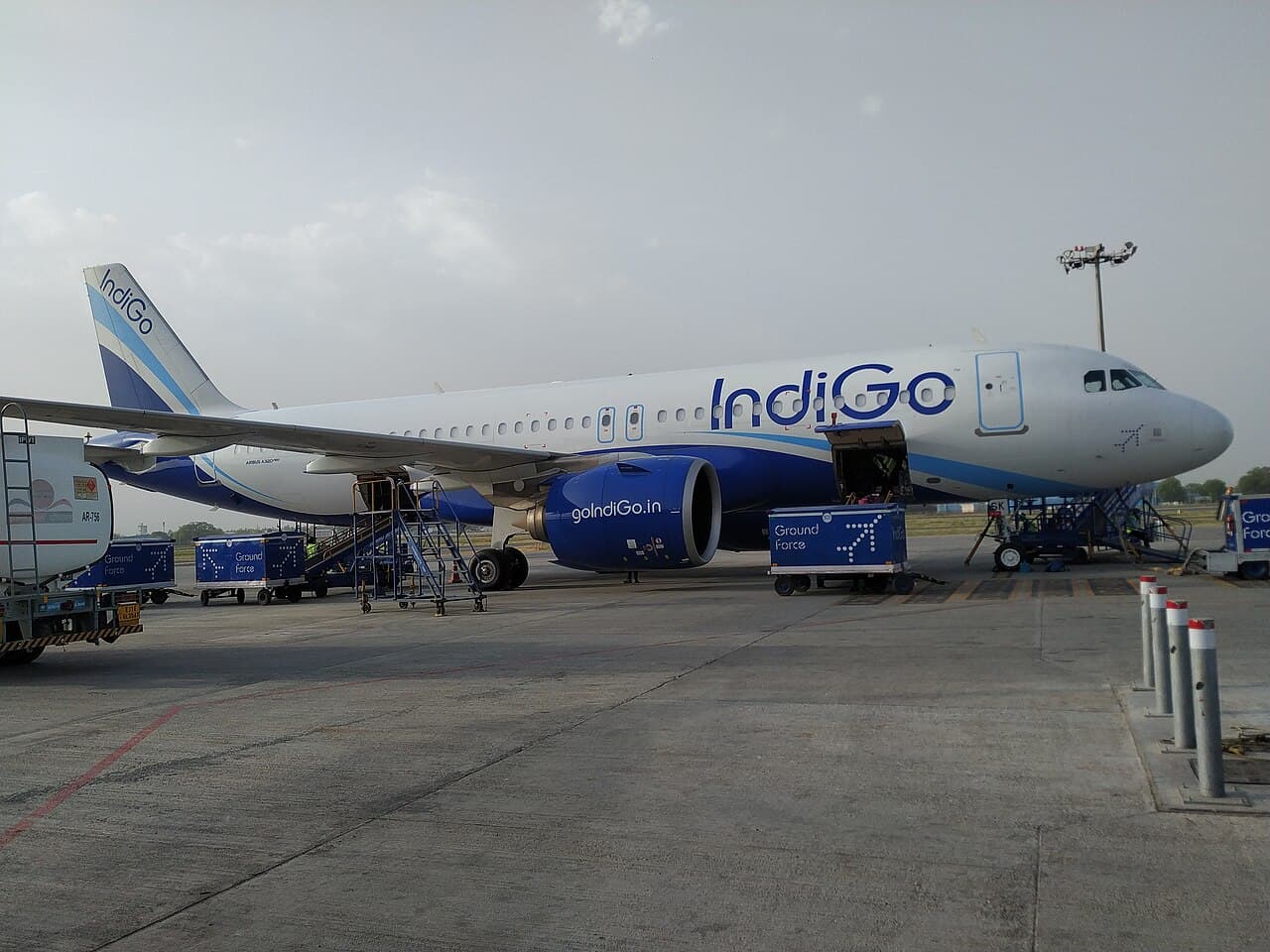
Frontier Airlines is set to revolutionize in-flight connectivity. The Denver-based low-cost carrier announced on July 14, 2026, that it will introduce Starlink, delivering high-speed, low-latency WiFi across its fleet. ezstandalone.cmd.push(function () { ezstandalone.showAds(119); }); Frontier will be the first US airline to offer passengers access to Starlink’s high-speed internet through a new system managed directly by Starlink.news.flyfrontier.com The first Starlink-equipped aircraft is scheduled for early 2027. Passengers can soon enjoy seamless HD streaming, online gaming, video calls, web browsing, and productivity tools at 35,000 feet. ezstandalone.cmd.push(function () { ezstandalone.showAds(127); }); Unlike traditional airline WiFi, which often suffers from slow speeds and dropped connections, Starlink promises reliable performance from gate to gate. Transforming the Passenger Experience Frontier’s partnership with SpaceX’s Starlink goes beyond entertainment. The system will also support crew operations, giving pilots, flight attendants, and ground teams better real-time tools for safety, maintenance, and customer service. ezstandalone.cmd.push(function () { ezstandalone.showAds(128); }); This upgrade aligns with Frontier’s broader efforts to enhance comfort while maintaining its signature low fares. Chief Executive Officer Jimmy Dempsey highlighted the strategic importance of the investment. “We’re continuing to invest in the products and services that matter most to our customers,” he said. ezstandalone.cmd.push(function () { ezstandalone.showAds(129); }); “Starlink transforms the onboard experience, giving customers the flexibility to work, stream, browse, and stay connected throughout their journey.” The announcement comes alongside other improvements, including the introduction of First Class seating and enhancements to Frontier’s loyalty program. These changes show how the airline is evolving its ultra-low-cost model to offer more value without raising base fares significantly. Acroterion, CC BY-SA 4.0, via Wikimedia Commons A Massive Global Rollout Frontier is part of a larger initiative by Indigo Partners, which includes Wizz Air in Europe, Volaris in Mexico, JetSMART in South America, and Cebu Pacific in the Philippines. Together, these carriers plan to equip more than 1,000 aircraft with Starlink. This represents one of the largest commitments to next-generation inflight connectivity worldwide. ezstandalone.cmd.push(function () { ezstandalone.showAds(130); }); Bill Franke, Managing Partner of Indigo Partners , emphasized the shared benefits. “Starlink will provide our portfolio airlines with reliable, high-speed connectivity, further enhancing the customer experience,” he noted. Starlink’s low-Earth orbit satellite constellation enables the impressive performance. Engineered by SpaceX, the system supports demanding applications like multiplayer gaming and high-quality video streaming that older satellite or air-to-ground systems often struggle to deliver. Why This Matters for Travelers For budget-conscious flyers, reliable WiFi can make a big difference. Whether catching up on work during a business trip, entertaining children on long flights, or staying in touch with family, consistent connectivity turns travel time into productive or enjoyable time. ezstandalone.cmd.push(function () { ezstandalone.showAds(131); }); Early feedback from other Starlink-equipped flights worldwide has been overwhelmingly positive, with passengers reporting speeds and reliability far superior to traditional options. Frontier operates one of the youngest and most fuel-efficient fleets in the United States. Adding premium connectivity supports its goal of delivering more comfort and flexibility while keeping fares low. As demand for seamless digital experiences grows, airlines that fail to upgrade risk falling behind. Photo Credit: Tony Webster, CC BY 2.0, via Wikimedia Commons Looking Ahead Installation will begin soon, with the first passenger flights featuring Starlink expected in early 2027. Frontier has not yet detailed exact pricing or how passengers will connect, but the system will likely include options for free or paid access, similar to other carriers testing Starlink. ezstandalone.cmd.push(function () { ezstandalone.showAds(132); }); This partnership signals a new era for low-cost carriers. By teaming up with SpaceX, Frontier is proving that affordable travel and high-tech amenities can go hand in hand. Frequent flyers on Frontier routes should look forward to faster, more reliable internet that keeps them connected from takeoff to landing. As the rollout progresses, travelers can expect clearer details on availability, device compatibility, and service tiers. ezstandalone.cmd.push(function () { ezstandalone.showAds(133); });
All Nippon Airways Captain Sentenced to Prison for Sexual Assault of Flight Attendant
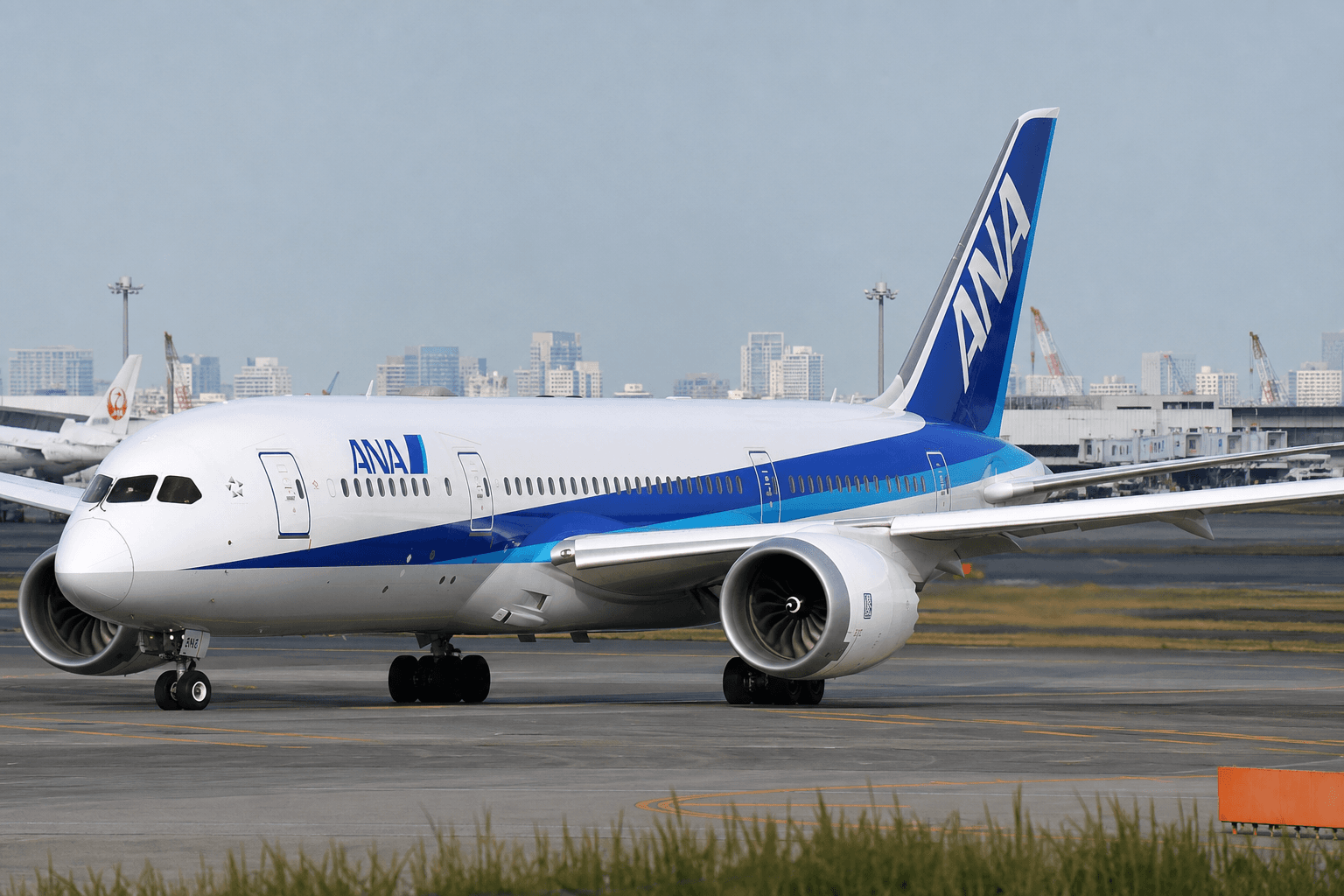
A Captain for All Nippon Airways, the largest airline in Japan, has been sentenced to 18 months’ imprisonment by a Tokyo court after he was found guilty of sexually assaulting a young female flight attendant during a layover. The suspect has been identified as Ryota Mise, a 44-year-old Captain who repeatedly grabbed the buttocks of his victim while they walked along a street together and inside a convenience store. The incident occurred during a domestic layover in Takamatsu, Kagawa Prefecture, while the pair was walking back to their hotel. The flight attendant said she felt like she had no option but to allow the Captain to assault her because she feared he would be able to hurt her career if she refused. The two crew members had met the previous day during a flight to Takamatsu and had gone out with a group of crew for dinner. On the return to the hotel, however, Mise repeatedly grabbed his colleague’s buttocks. He told the court that he thought he had permission to touch the victim, but that defense was dismissed by Judge Takao Okawa, who described the flight attendant’s testimony as “convincing and highly credible.” In the wake of the October 10, 2023, incident, the flight attendant reported her concerns to ANA, and the airline opened an internal investigation. The Captain admitted he had touched the flight attendant and, given his explanation of the events, ANA allowed him to continue working as a pilot. Following this internal investigation, the flight attendant then reported the incident to the police, who arrested Mise. The lengthy investigation culminated in Mise being sentenced to 20 months’ imprisonment on Tuesday – less than the two-and-a-half-year sentence that prosecutors had been seeking. There’s long been concern that workers in some Asian countries feel like they can’t challenge or say no to their superiors. This is a particular issue in the aviation industry, where safety can be compromised due to this culture of being afraid to speak out to someone of a higher rank. Japan Airlines was only recently engulfed in a scandal after it was revealed that a senior flight attendant was caught over the legal alcohol limit ahead of a domestic flight to Tokyo. Alcohol consumption had become such an issue for Japan Airlines that the carrier requires all of its pilots and flight attendants to carry out a pre-flight breath test using a personally issued device. Ahead of this flight, however, the senior flight attendant deliberately didn’t submit the results of her test. Her junior coworkers reminded her to submit the test result, but when she brushed off those concerns, no one pushed back or reported the issue to the company. The senior crew member was eventually caught when she completed a company-conducted test at the airport, causing a delay to the flight. Japan Airlines has now banned flight attendants from consuming any alcohol during layovers, and the carrier’s chief executive took a temporary pay cut over the scandal.

Pilots urged to use updated airmets and sigmets for safer flights in changing weather
Most pilots can tell at least one story about a flight that did not go as planned because of unpredicted weather along the route. We all know that weather forecasts aren’t perfect, but that can lead to concerns regarding the safety of the flight.
The Daily Touch & Go
The day's best aviation news in your inbox. Free, no spam.