

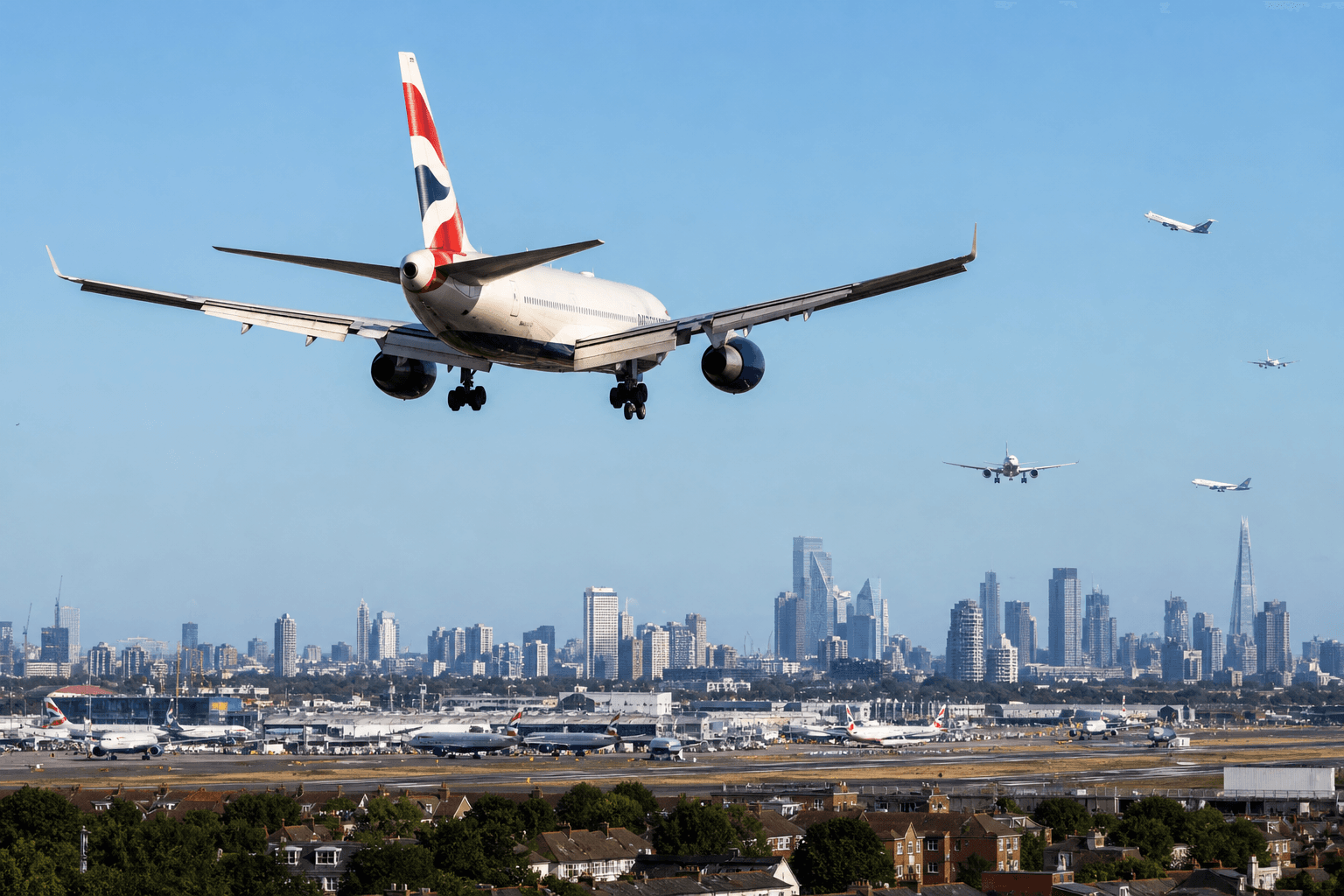
Illustration: The Touch & Go
Tokyo, Ganja, Gulf Among World's Most Congested Airspaces Impacting Global Aviation
Critical air corridors including Tokyo's metropolitan airspace, the Ganja Gap, and the Persian Gulf serve as pivotal hubs that spread delays globally when disrupted.
The gist
Congested airspaces in Tokyo, the Caucasus, and the Middle East form key bottlenecks whose disruptions ripple across global airline networks.
The world's busiest airports often overshadow the critical role that congested airspace corridors play in global aviation. Rather than the ground facilities alone, it is often narrow aerial routes packed with flights from every continent where delay chains originate and multiply. These critical air corridors are central to linking major metropolitan areas and have grown even more indispensable due to recent geopolitical shifts that have reshaped airline routing priorities. Among the top examples are Tokyo's metropolitan airspace, the Ganja Gap in the Caucasus, and the Persian Gulf corridor — all hotspots where single disruptions can cascade through the airline networks of multiple continents.
Tokyo, served by Haneda and Narita airports, represents one of the most complex and congested airspaces worldwide. The city's limited geography, surrounding military zones, and strict noise regulations pose challenges for growing domestic and international air traffic demands. While air traffic control modernization and refined arrival procedures have increased capacity, the city's simultaneous handling of domestic flights across Japan and international routes to Asia, Europe, Oceania, and North America concentrates a high volume of traffic in a constrained area. This congestion, especially during Tokyo's intense morning arrival periods, causes delays that frequently affect airlines' tightly coordinated multi-leg schedules extending throughout Asia and beyond.
Disruptions in Tokyo's airspace reverberate globally due to the hub's intercontinental connections and the high utilization rates of Japanese carriers’ aircraft. Late arrivals from Europe or North America often connect to onward flights across Asia or return to long-haul routes within hours, driving knock-on delay effects. Such tightly synchronized operations leave little room for recovery when issues arise, often necessitating network-wide schedule adjustments to mitigate the ripple effects throughout the day.
The Ganja Gap, a narrow aerial corridor over western Azerbaijan, emerged as a vital transit route linking Europe to Asia after the 2022 closure of Russian airspace to most European and North American carriers. This channel now funnels substantial long-haul traffic that formerly crossed Siberia, rerouted through Türkiye, Georgia, and Azerbaijan. Flight volumes ballooned from about 78,100 in the first half of 2023 to roughly 125,600 in the same period in 2025, reflecting the corridor's rapid ascension as a strategic global airspace hub.
Unlike established airspaces with multiple parallel routes, the Ganja Gap offers limited alternatives due to geographic and geopolitical constraints, including avoidance of restricted Iranian and Russian airspace. This lack of redundancy causes any disruption—whether from weather, military exercises, or temporary flight restrictions—to disproportionately affect dozens of long-haul flights diverted simultaneously. The resulting delays extend well beyond the Caucasus region, impacting arrivals at key hubs across Europe and Asia and causing cascading delays on subsequent legs.
In the Persian Gulf region, airspace over the United Arab Emirates, Qatar, and Saudi Arabia acts as a crossroads for flights bridging Europe with South Asia, Southeast Asia, East Africa, Australia, and the Indian Ocean. Major connecting hubs like Dubai, Doha, and Abu Dhabi underpin the global airline networks relying on this corridor. However, the concentration of dense long-haul traffic means that even localized airspace closures or restrictions—such as those triggered by Middle Eastern military tensions in 2025 and 2026—force airlines to reroute via longer, less efficient paths, aggravating network-wide delays.
Temporary airspace closures in the Gulf demonstrate the fragility of global air traffic flows dependent on this corridor. Airlines were compelled to avoid restricted zones, diverting through Central Asia, the Caucasus, or southern Arabia. These reroutes not only protract flight times by hours but also congest alternative airspaces, creating new bottlenecks and further amplifying delay propagation across European, Asian, and African carriers who routinely share these routing patterns.
This interplay between the Tokyo metropolitan area, the Ganja Gap, and the Persian Gulf corridor exemplifies how critical airspace congestion points reverberate through global aviation. They highlight the strategic importance of air traffic management modernization, geopolitical stability, and diversified routing options. Airline schedule integrity increasingly depends on navigating these bottlenecks, where even minor disruptions can multiply into widespread operational challenges affecting connectivity across continents.
Frequently asked questions
- Why is Tokyo's airspace considered one of the most congested globally?
- Tokyo's airspace handles dense domestic and international traffic through two main airports in a limited geographical area with strict noise and military restrictions, requiring sophisticated air traffic procedures.
- What caused the Ganja Gap to become a major air traffic corridor?
- The closure of Russian airspace to most Western airlines after 2022 redirected Europe-to-Asia flights through the narrow Ganja Gap corridor, significantly increasing flight volumes there.
- How do disruptions in the Persian Gulf corridor affect global aviation?
- Disruptions due to regional tensions force airlines to reroute flights through longer paths, causing cascading delays across multiple continents and congesting alternative air routes.
Read more
All Airlines →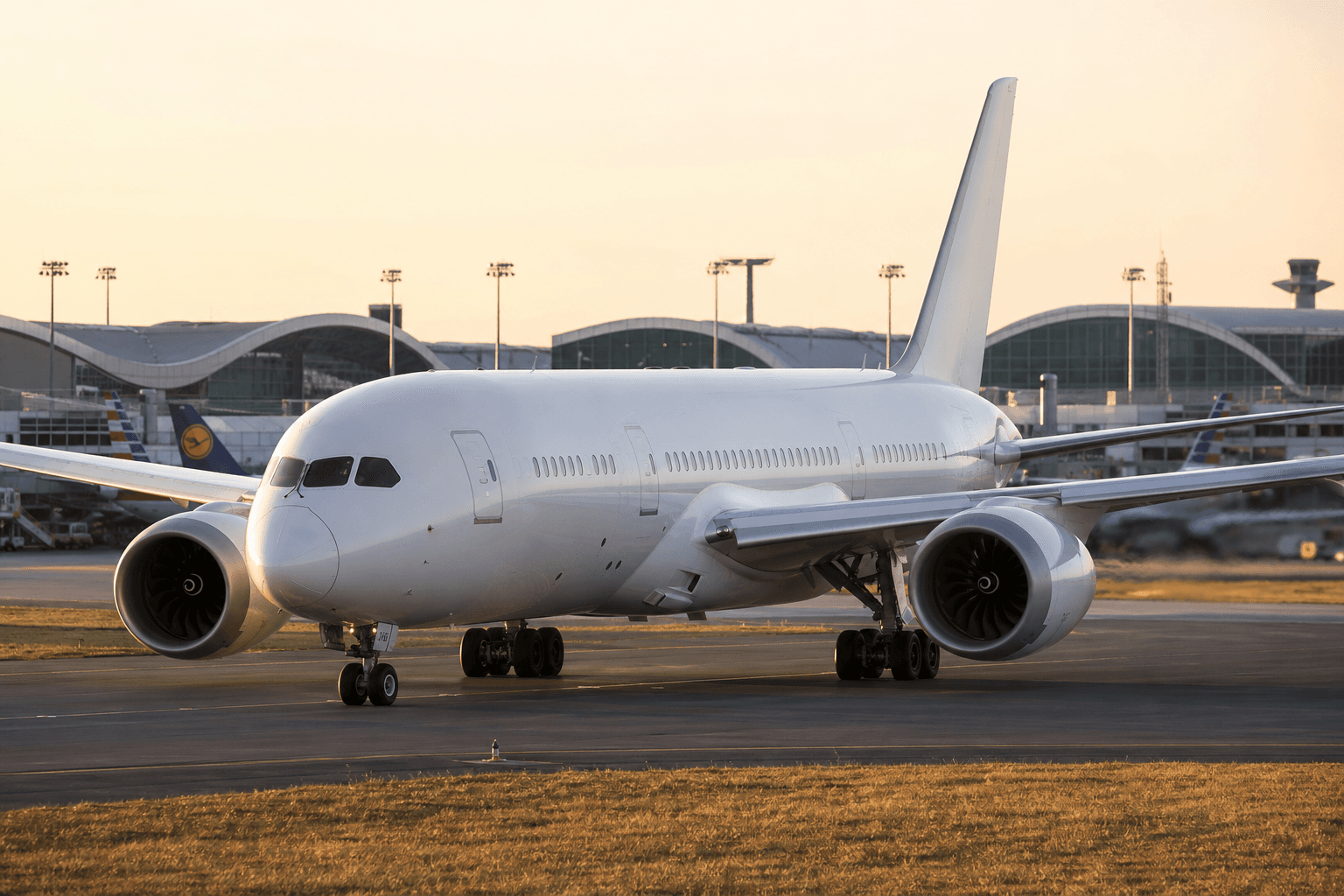
Boeing 787 Surpasses One Billion Passengers, Maintaining Lead Over Airbus A350
The Boeing 787 has proved to be an immense commercial success for the US manufacturer since it entered commercial service in 2011. Today, some 15 years later, more than one billion people worldwide have flown on a 787, with the aircraft operating over 2,100 flights per day. With such impressive statistics, Airbus may well be asking itself what it needs to do to make its rival aircraft, the A350, as successful.

Air Canada Deploys Airbus A220 on Multiple Nearly Seven-Hour Flights Across North America
The Airbus A220 is typically associated with short and medium haul flying, but Air Canada is increasingly deploying the aircraft on routes approaching seven hours of scheduled flight time. Schedule data from Cirium for the second half of 2026 shows the carrier assigning its A220-300 fleet to several of its longest domestic and transborder services. The expanded utilization reflects the aircraft's growing role across Air Canada's network, where it now serves everything from regional markets to coast-to-coast and long-distance US destinations.
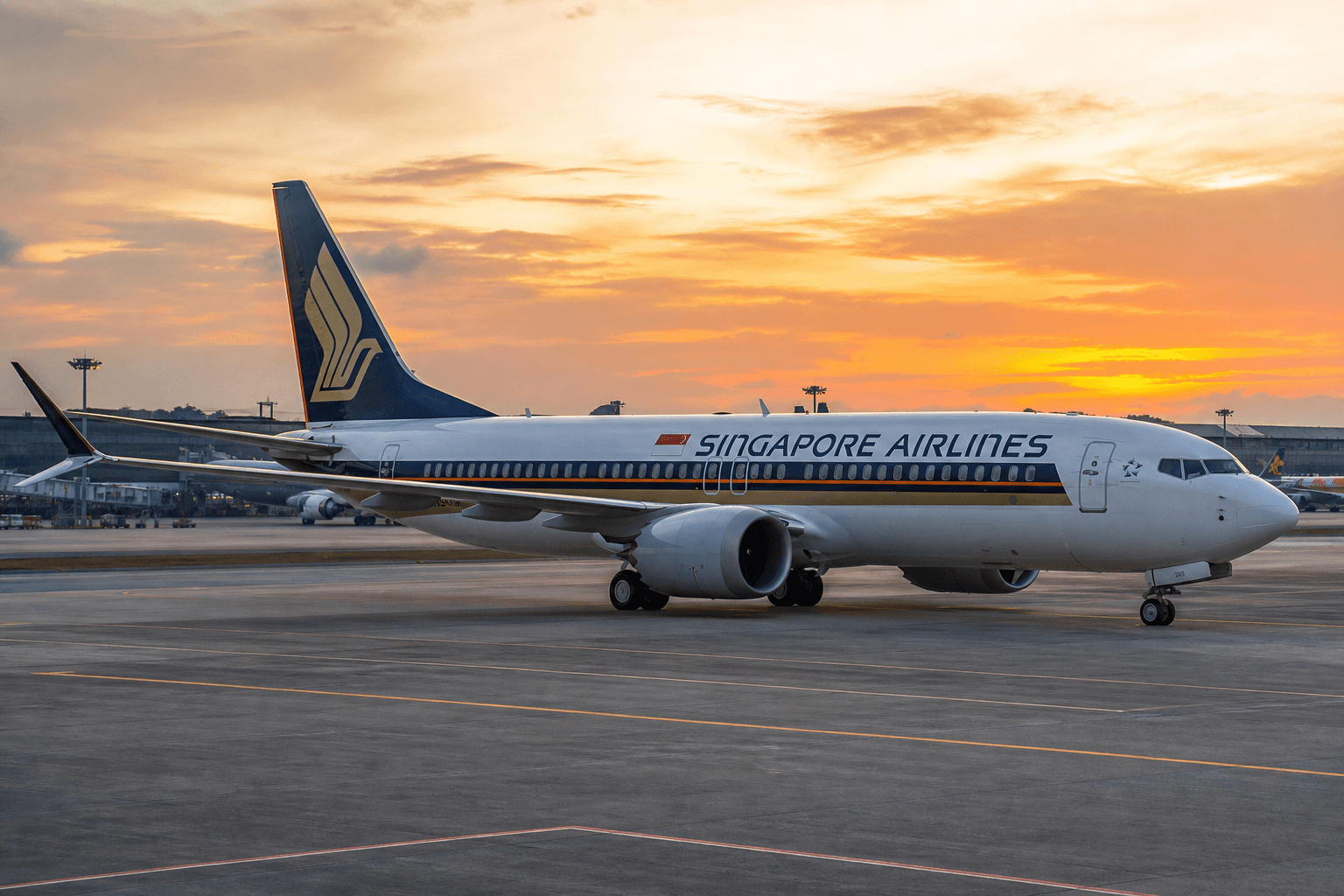
Singapore Airlines Operates 11 Boeing 737 MAX Routes Up to Nearly 7 Hours
The Boeing 737 MAX is the latest generation derivative of one of the world's most popular short-haul aircraft types. While this still remains the case, modern technology has allowed narrowbody aircraft to fly for longer distances, unlocking an interesting market segment of long-range narrowbody services.
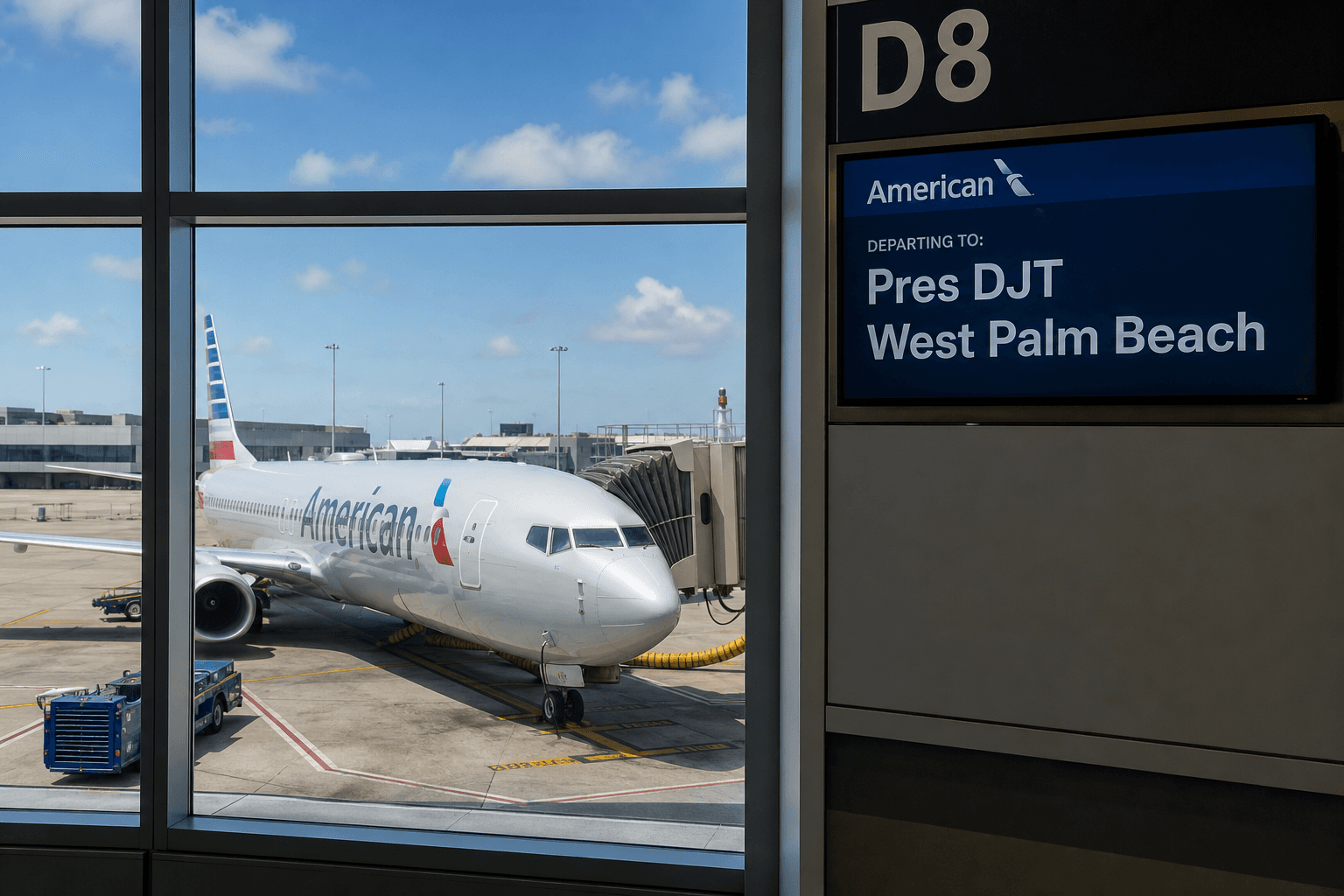
American Airlines Lists West Palm Beach as 'Pres DJT' on Gate Screens, Breaking Usual Naming Pattern
American Airlines now labels West Palm Beach "Pres DJT" on gate screens, departing from its usual practice of naming airports only when distinguishing between multiple airports serving one city. Clinton and Ford airports receive no such treatment.
The Daily Touch & Go
The day's best aviation news in your inbox. Free, no spam.