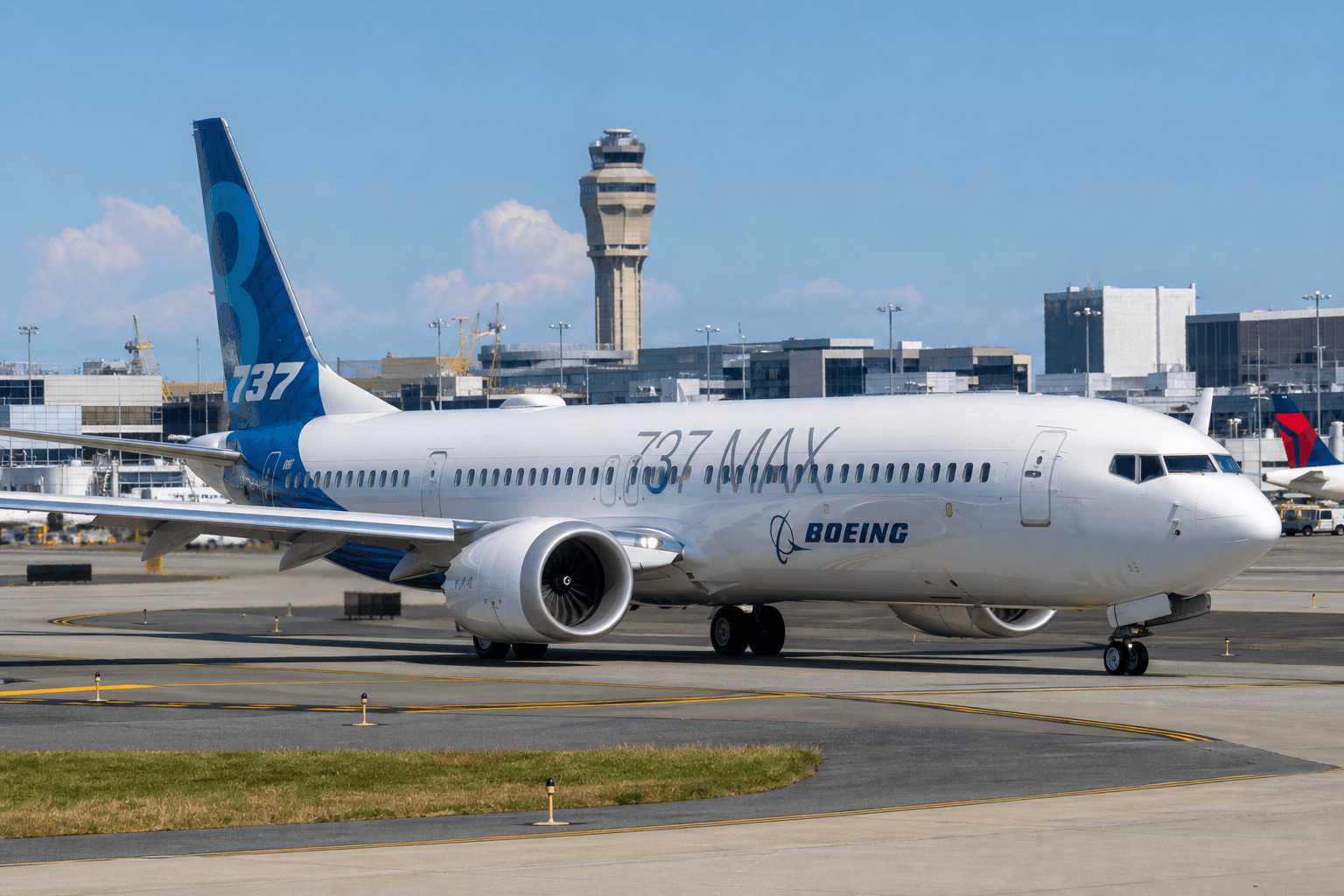
Illustration: The Touch & Go
FAA Lets Boeing Self-Certify 737 MAX Deliveries on Alternating Weeks Under Limited ODA
Since September 2025, Boeing self-issues airworthiness certificates for its 737 MAX every other week under restored FAA delegation, while inspectors focus on broader production oversight.
The gist
Boeing alternates with FAA in certifying 737 MAX deliveries via limited delegation, balancing self-certification with federal manufacturing audits.
Continuing coverage
All Boeing →- FAA Orders $2.66M Seat Inspections on 453 Boeing 737 MAX Jets Amid Certification Oversight
- Archer Aviation Acquires Boeing's Wisk, Insitu, and SkyGrid to Expand Aerospace AI Platform
- Boeing's July Orders Highlight Significant Deals with Uganda and AerCap
- Boeing Delivers 53 Jets in July Amid Airbus Lead in 2026 Production Race
- Boeing's VC-25B Air Force One Replacements Delayed to 2028-29 Completion
The Boeing 737 MAX continues to be a key aircraft for global carriers despite its troubled past, but how each plane is cleared for delivery has evolved significantly. Since late 2025, the Federal Aviation Administration (FAA) restored a limited Organization Designation Authorization (ODA) to Boeing, allowing the manufacturer to self-certify the airworthiness of new 737 MAX aircraft on alternating weeks. This arrangement delegates final unit-level certification to Boeing employees known as unit members while FAA inspectors concentrate on systemic monitoring of the production line.
This limited ODA reinstatement came after the FAA had completely removed Boeing’s certification privileges in 2019 following the 737 MAX’s well-documented flight control failures. The new arrangement, authorized for three years starting on September 29, 2025, is designed to balance regulatory oversight with production efficiencies. Boeing remains capped at 47 MAX deliveries per month and continues to face financial penalties, including a $1.14 billion non-prosecution payment made in November 2025.
The ODA framework is a legally formalized delegation mechanism whereby specific certification tasks are handed off from government to approved corporate entities under strict criteria. Instead of FAA personnel issuing every airworthiness certificate, Boeing’s authorized unit members—who are employees embedded in the manufacturing process—sign off on individual aircraft’s compliance. The alternating week system creates a distinct regulatory cadence: FAA inspectors verify and sign off every other week, with Boeing’s certification activities filling the intervening periods.
This structure responds to an operational reality that inspecting every detail of hundreds of aircraft directly by FAA personnel would require immense resources and expansion beyond feasible or approved levels. Delegating unit-level inspection frees federal inspectors to perform detailed audits of production processes and quality systems, looking beyond individual aircraft to factory-wide conformance. Such systemic oversight aims to detect and correct manufacturing deficiencies that could impact multiple aircraft, rather than focusing solely on the final product inspection.
By separating the responsibility for individual aircraft certification and overall factory health assessment, the regulatory model accommodates ongoing factory improvement programs. An individual jet can be certified as airworthy even when the production environment is undergoing mandated corrective actions. This dual-track oversight relies heavily on robust quality plans tracking key performance indicators such as traveled work—out-of-sequence manufacturing rework that reflects production strain—and total rework hours, to maintain vigilance on manufacturing stability and safety integrity.
However, maintaining independence and objectivity within Boeing’s embedded unit members poses cultural and operational challenges. The pressure of production targets and delivery commitments can conflict with the absolute rigor required for safety sign-offs. Recent reports revealed that 737 MAX production lines have had to dismantle and reconstruct partially finished aircraft to correct quality issues, indicating significant friction between production pace and adherence to engineering standards.
To enforce compliance and deter regulatory breaches, the FAA supplemented the restored ODA with aggressive financial and legal incentives. Boeing’s substantial $1.14 billion payment underscores the high stakes involved in maintaining certification integrity. Additionally, FAA is expanding scrutiny into the upcoming 737 MAX 7 and MAX 10 variants, demanding comprehensive redesigns of critical cockpit safety and anti-icing systems to reinforce confidence in certification outcomes and engineering fixes.
Historically, FAA imposed a hard cap of 38 airframes per month on Boeing's 737 MAX assembly following early structural failures in 2024. The current oversight model shifts from rigid production limits toward dynamic, data-driven monitoring of manufacturing health and Safety Management System maturity. Production increases are now contingent on stable, multi-month performance indicators free from significant quality escapes or increased traveled work, evidencing real improvements across the supply chain.
A milestone enabler for increased production was Boeing’s reacquisition of fuselage fabricator Spirit AeroSystems, which supplies approximately 70% of the MAX’s narrowbody components. This brought vital component production back under Boeing’s direct oversight, helping streamline manufacturing control and supply chain coordination. Together with revamped FAA oversight, these measures enable achieving the stability necessary for gradual, controlled output expansion while maintaining strict airworthiness standards.
Read more
All Regulatory →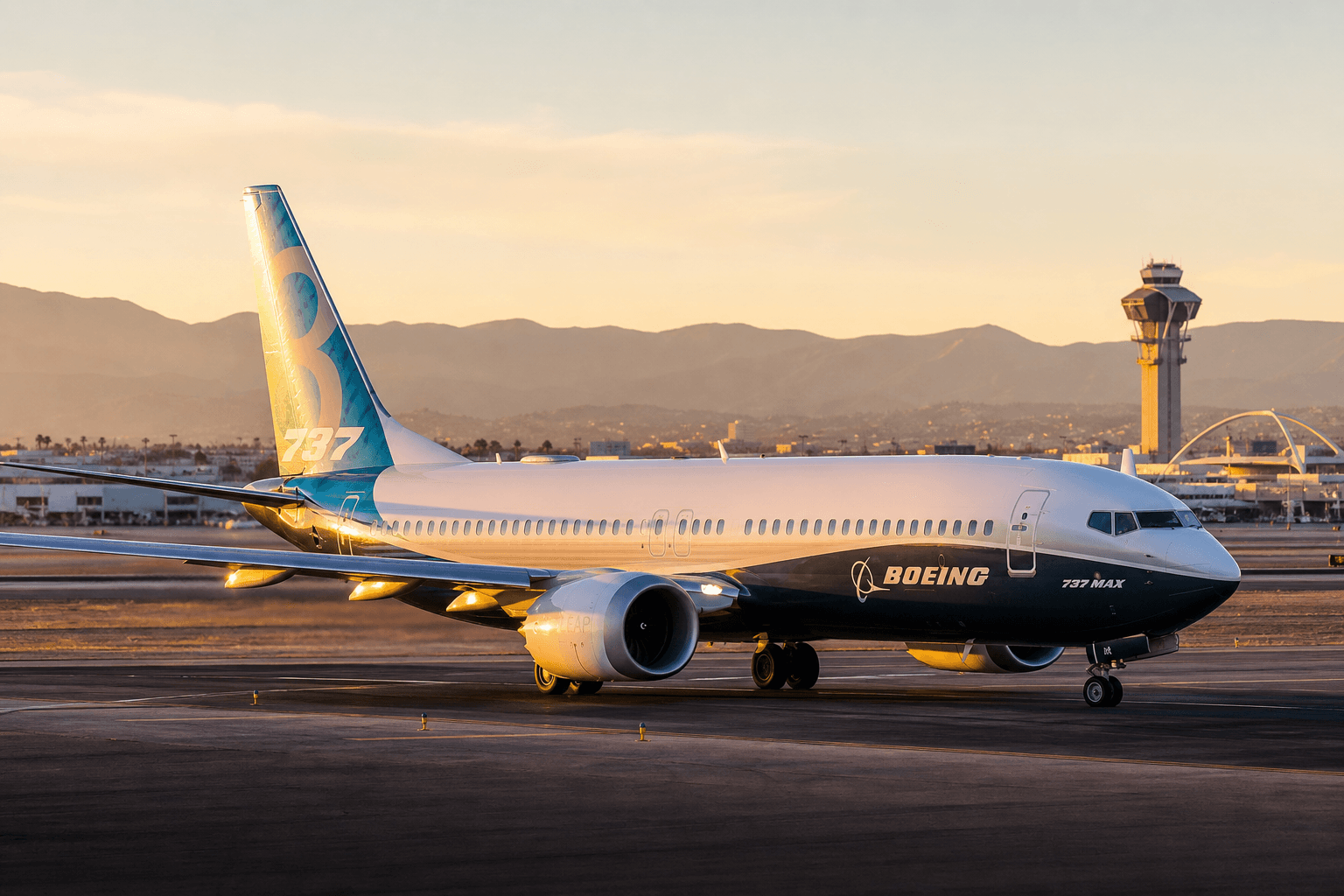
FAA Restores Boeing's Authority to Certify New 737 MAX and 787 Jets
Starting July 20, Boeing will again issue final airworthiness certificates for newly built 737 MAX and 787 aircraft—authority the FAA reserved after fatal crashes and production failures. The agency says eight months of alternating inspections produced comparable quality findings, while federal audits and production oversight will continue.
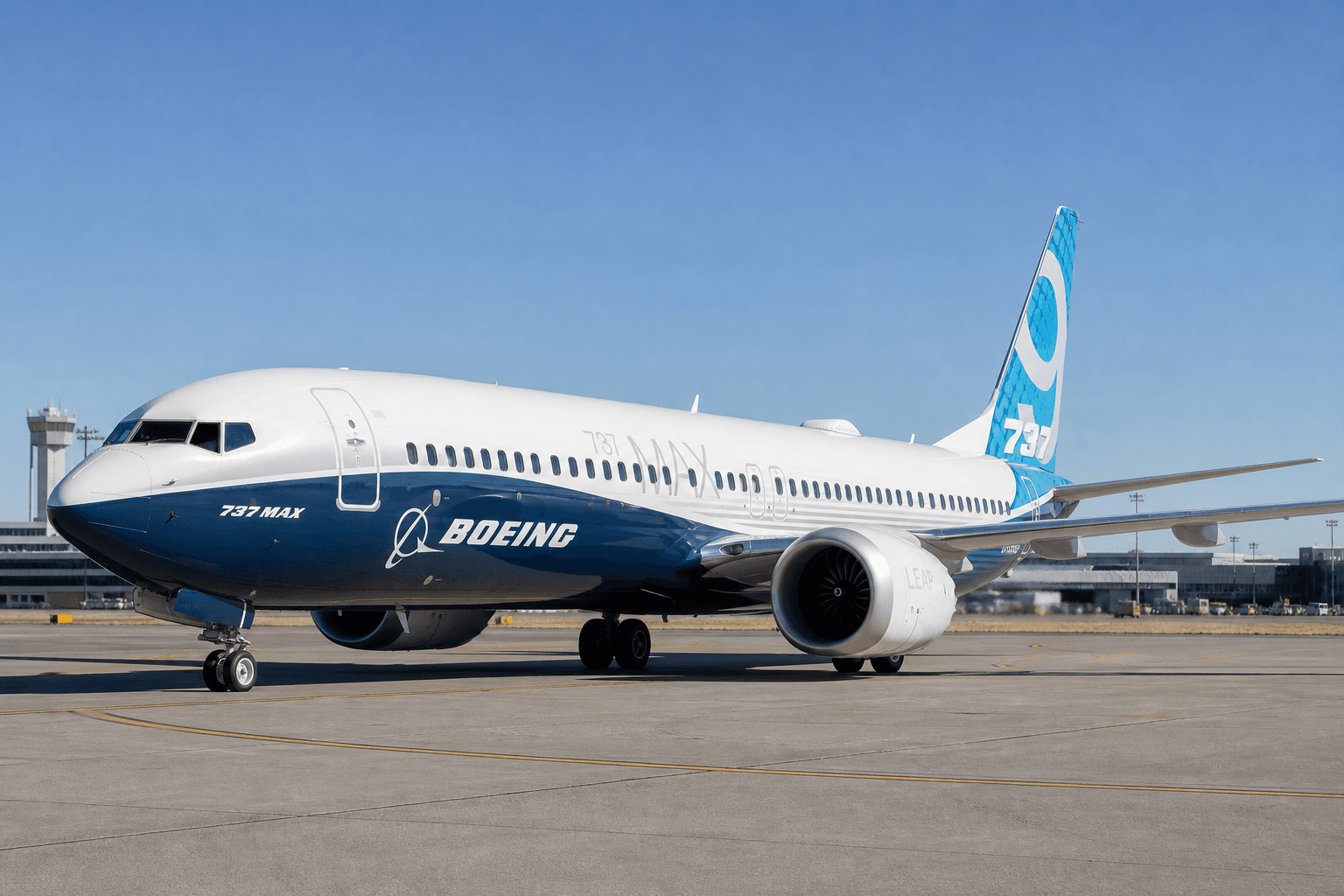
FAA prioritizes certifying Boeing 737 MAX 7 and MAX 10 before 777-9 amid extensive delays
Boeing currently has three aircraft models that have been stuck in certification hell for years: the 737 MAX 7, the MAX 10, and the 777-9. All three of these were supposed to be certified between 2019 and 2020 when initially launched, but over six years later, Boeing has not delivered a single example to an airline. Certification and entry-into-service for all three have been continuously delayed, but earlier in 2026, Boeing provided a more concise timeline. The 737 MAX 7 and MAX 10 will be certified by the end of the 2026 summer season, while the 777-9 will come in 2027.
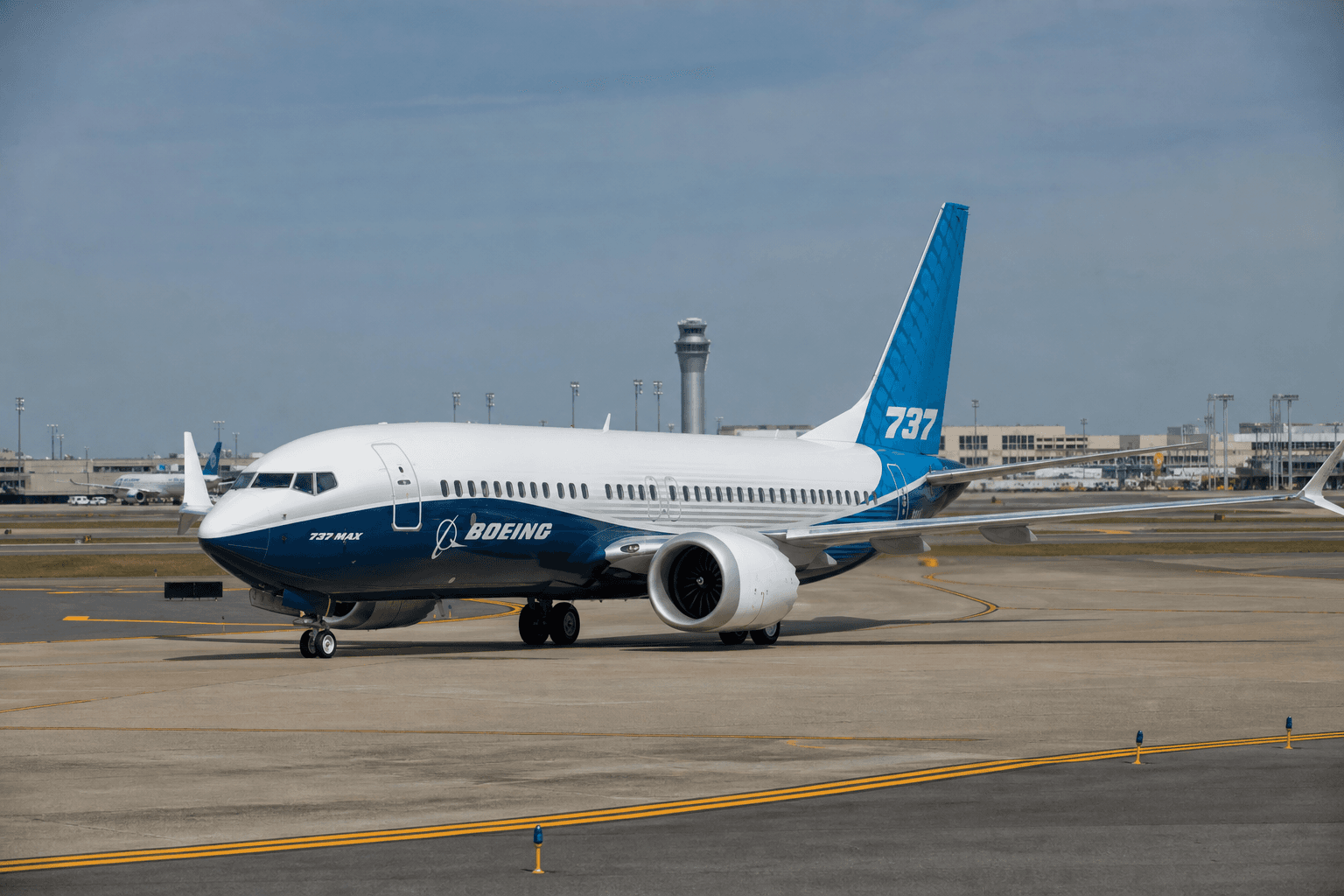
FAA Signals Imminent Certification for Boeing 737 MAX 7, MAX 10, and 777X Jets
Reuters spoke with the Deputy Administrator of the Federal Aviation Administration, Chris Rocheleau, on the opening day of the Farnborough Airshow, about the expected certification of Boeing's single-aisle 737 MAX 7, MAX 10, and widebody 777X . He commented that the agency expects all three to be certified in the near future.
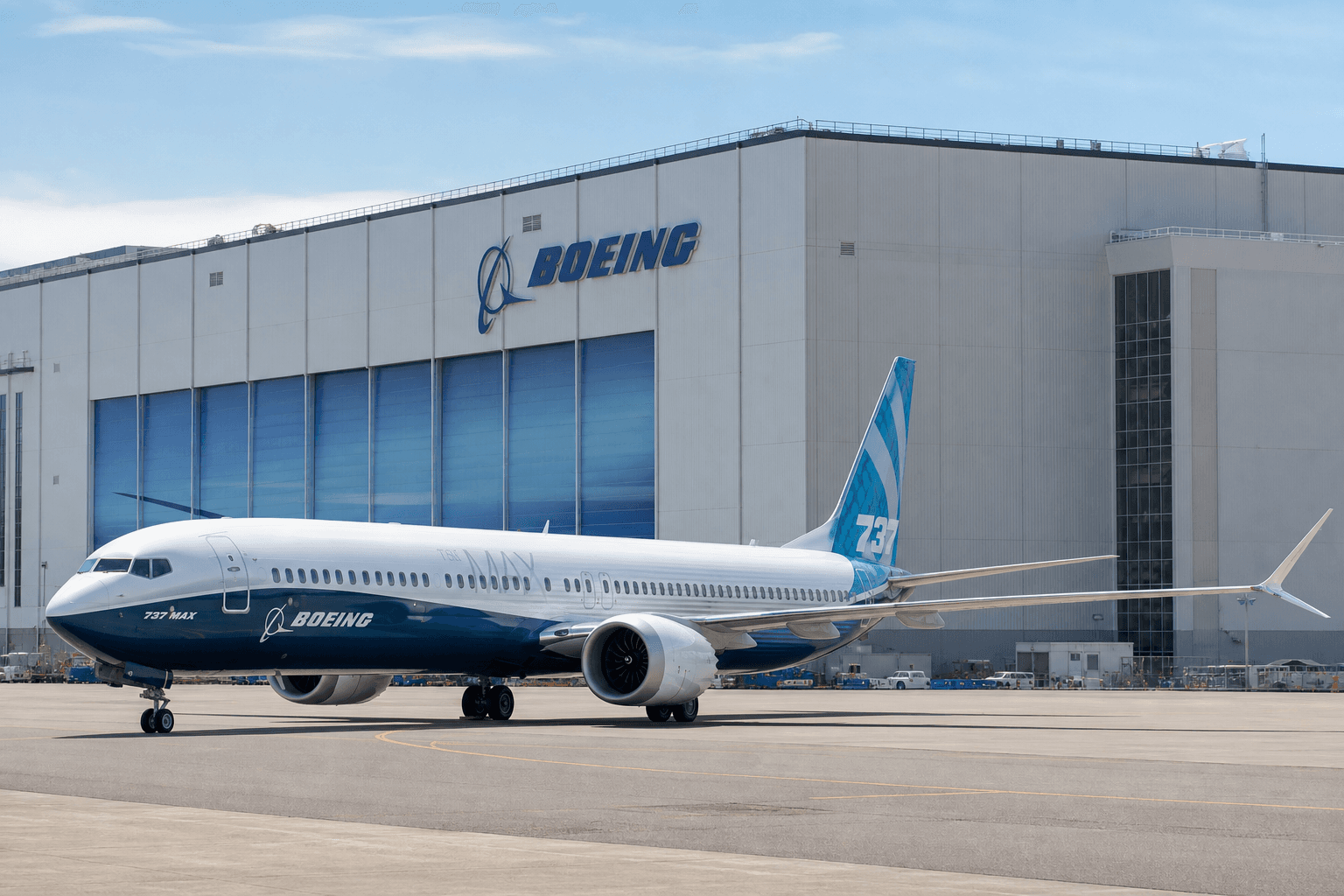
Boeing Plans New Clean-Sheet Jet After Completing 737 MAX and 777X Certification
Boeing Chief Executive Officer Kelly Ortberg told the Financial Times that his company will be ready to fund its first 'clean sheet' plane program in two decades by 2030. He expressed confidence that the final certification of the remaining 737 MAX variants and 777X widebody will bring the financial stability to launch its next all-new airliner design program.
The Daily Touch & Go
The day's best aviation news in your inbox. Free, no spam.