

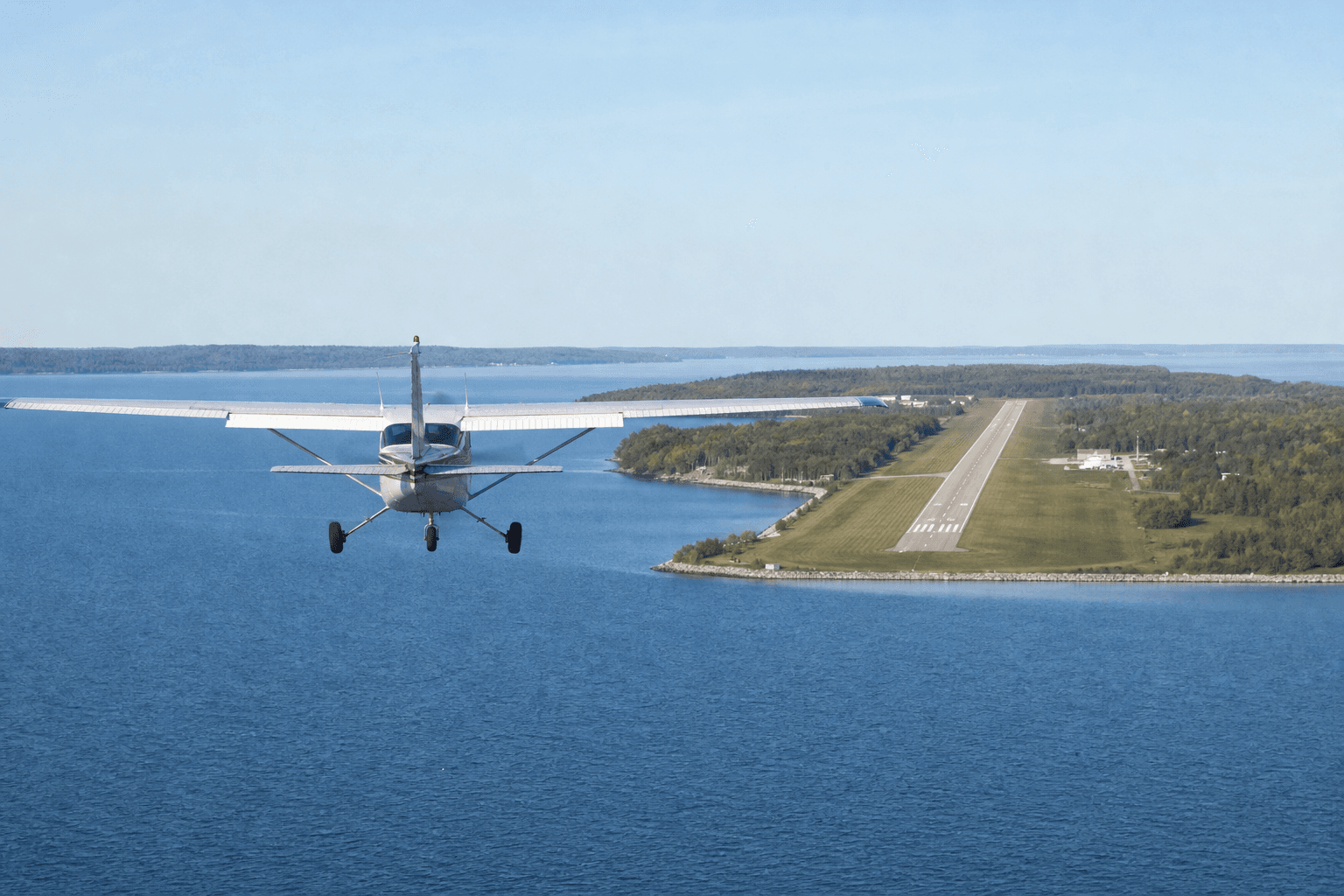
Illustration: The Touch & Go
Navigating the Distinctive Approaches to Mackinac Island Airport in Michigan
Pilots flying into Michigan's historic Mackinac Island Airport must master its unique approach challenges while enjoying access to a car-free island destination.
The gist
Mackinac Island Airport offers a challenging approach and access to a charming car-free destination pilots should master.
Mackinac Island Airport, located in Michigan’s Great Lakes region, offers pilots a distinctive flying experience marked by its unique approach patterns and scenic surroundings. This airport serves as the gateway to the island’s vehicle-free environment, where visitors can explore without cars, adding a special appeal for general aviation enthusiasts. Pilots must carefully plan their arrival due to the airport’s challenging terrain and wind conditions.
The airport runway is surrounded by water and wooded areas, requiring precise navigation and approach techniques. Pilots often face crosswinds and varying turbulence, demanding attentive handling of their aircraft. Familiarity with the airport’s layout and approach protocols is essential to ensure safety and efficiency when landing here.
Mackinac Island itself is steeped in history, renowned for its preservation of 19th-century structures and the prohibition of motor vehicles. This creates a unique draw for travelers arriving by air, as pilots provide not just transportation but the first impression of the island’s peaceful and nostalgic atmosphere. The airport supports mainly small aircraft operations, catering to private pilots and charter services.
The approach to Mackinac Island Airport requires respect for both natural and manmade factors. Pilots must account for lake-effect weather patterns and be prepared for the island’s limited emergency services infrastructure. Thorough pre-flight planning, including current weather and NOTAMs, is vital for a successful trip.
This airport exemplifies how aviation can connect remote or special destinations, offering pilots a tailored experience differing from larger, conventional airports. As aviation enthusiasts seek out unique locations, mastering the peculiarities of places like Mackinac Island strengthens pilot skills and enriches flying adventures.
Looking ahead, further awareness and pilot education about Mackinac Island Airport’s specific challenges will be crucial as traffic potentially grows. Safety briefings and community engagement can also enhance the flying experience for those drawn to this remarkable, car-free Michigan destination.
Read more
All Airports →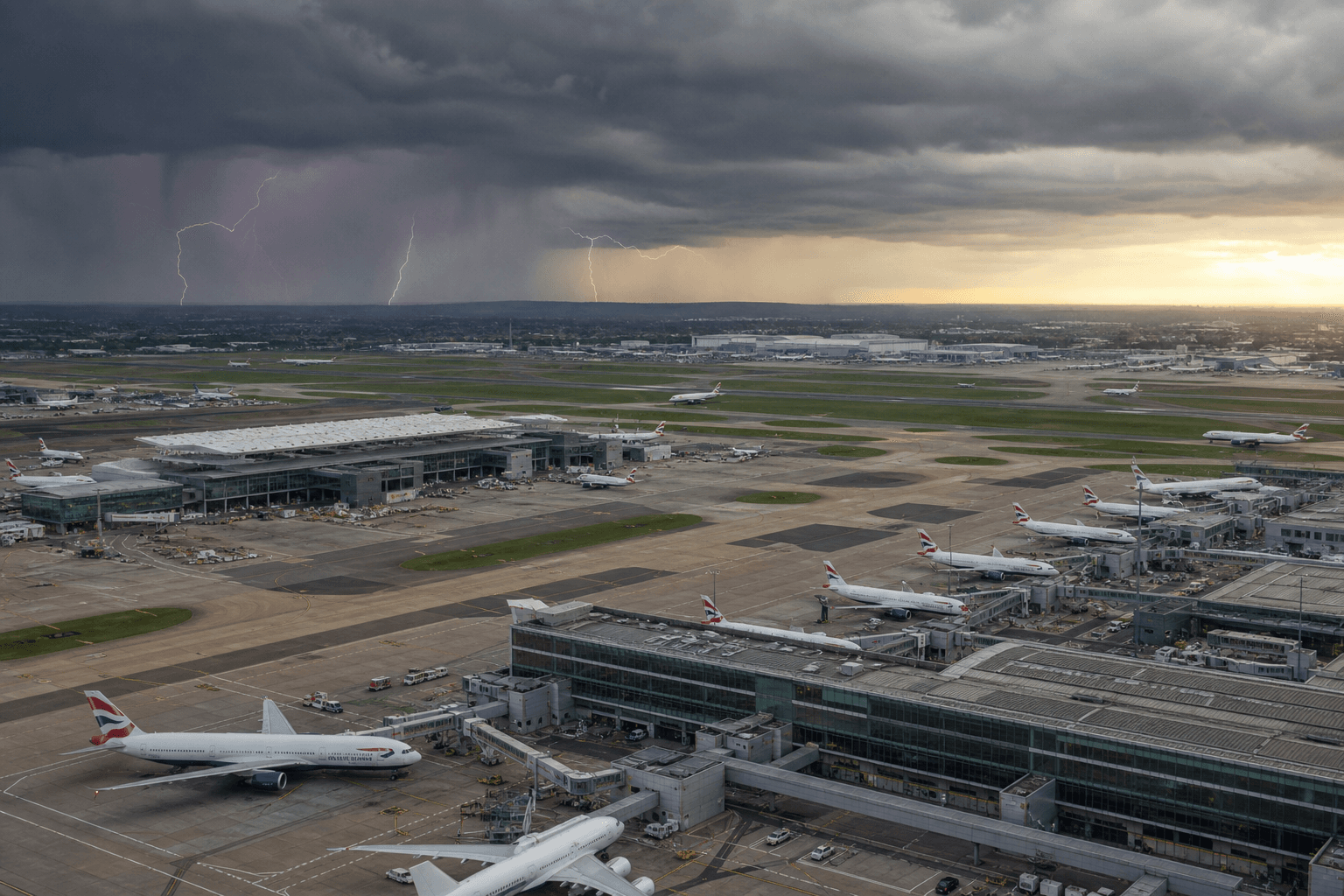
Severe Storms Disrupt Over 900 Flights at Heathrow and Gatwick
Heathrow and Gatwick faced severe thunderstorms, resulting in hundreds of flights being canceled or delayed, causing chaos for travelers.
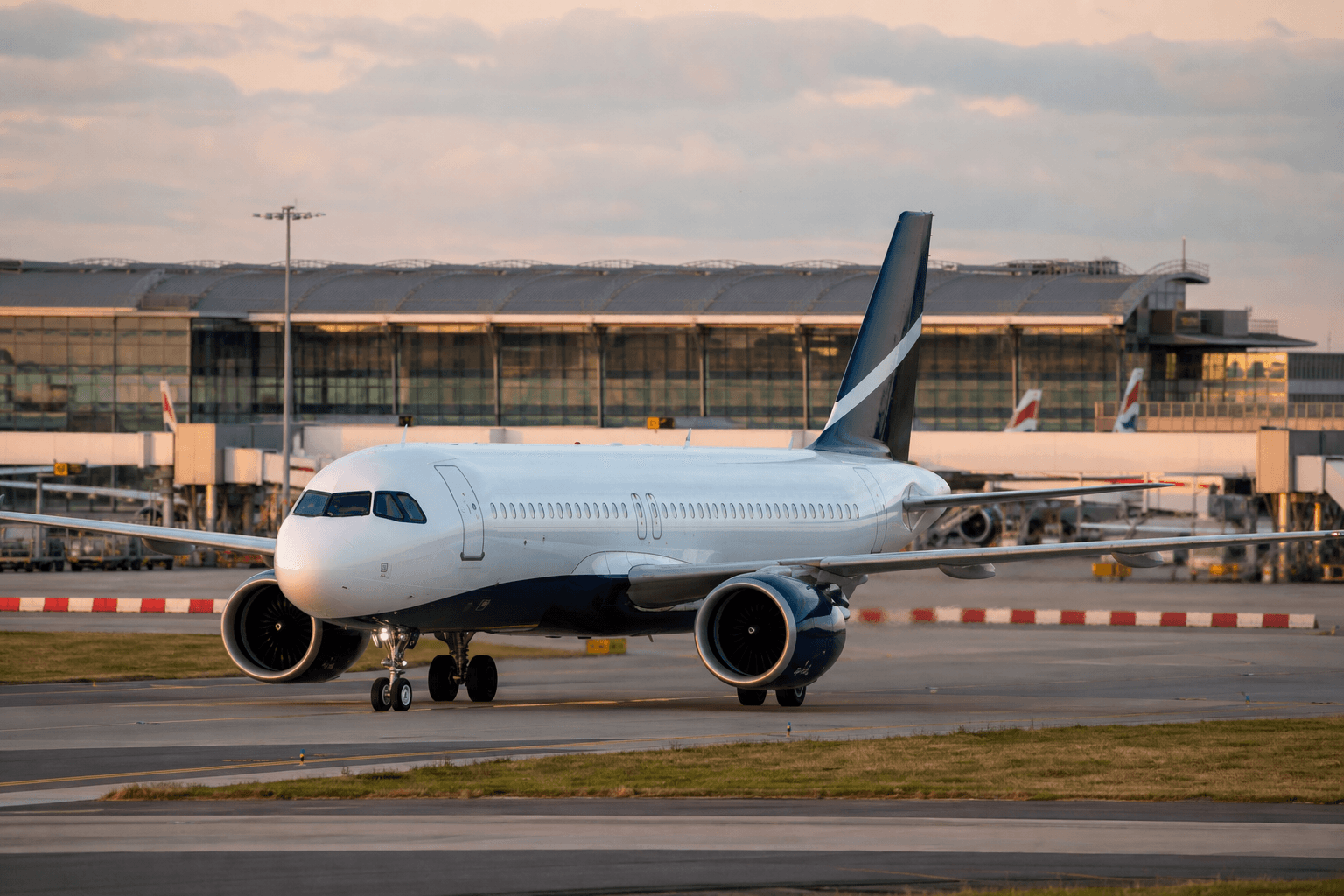
Star Alliance CEO urges Heathrow to maintain co-location of member airlines in Terminal 2
The grouping's member airlines have all operated from Heathrow's Terminal 2 since 2014. Any proposal from London Heathrow to break up co-located Star Alliance airlines as part of the airport's terminal occupancy review would be met with strong opposition from the grouping, the alliance's chief executive Theo Panagiotoulias told attendees at an Aviation Club event…
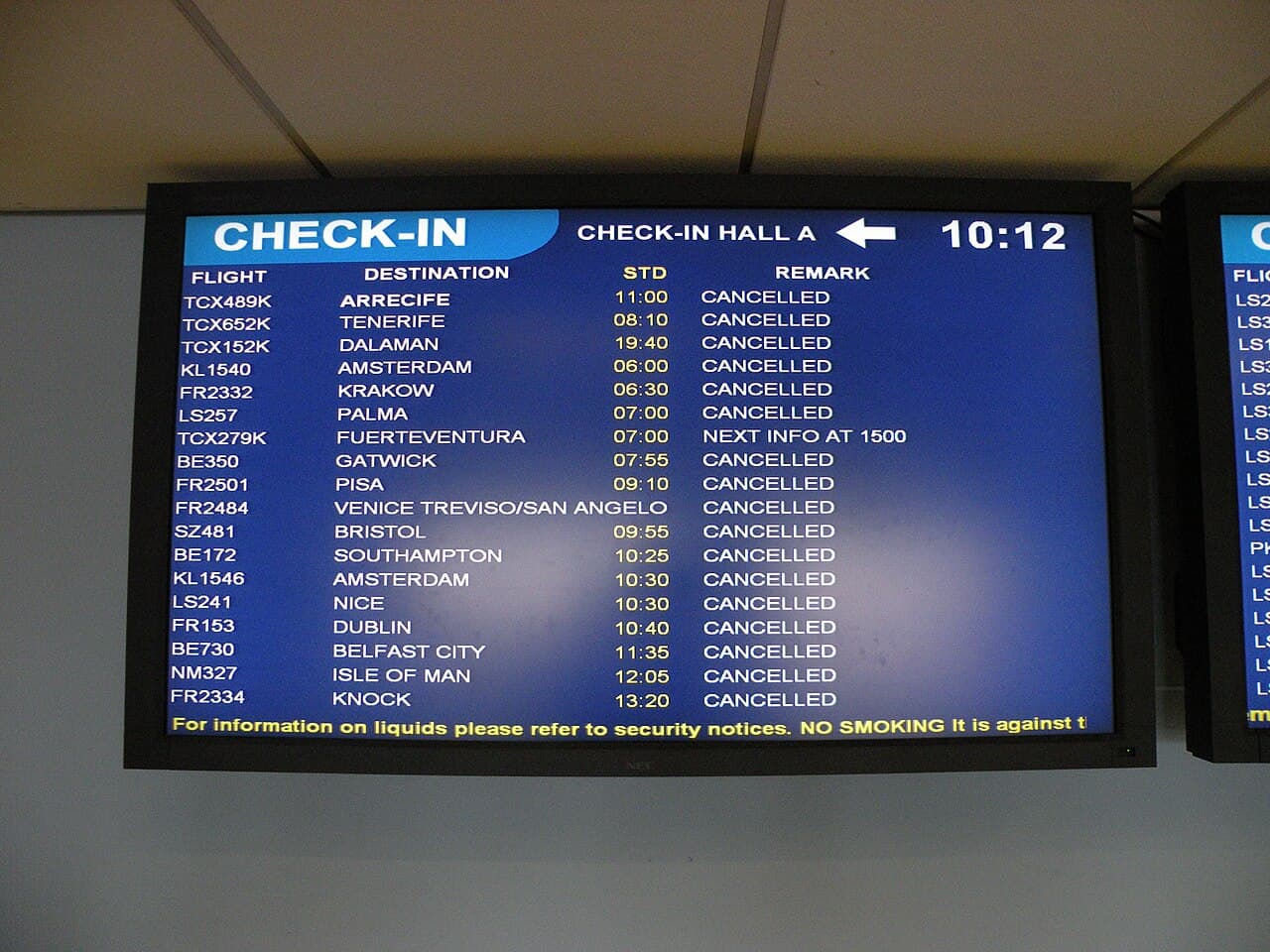
Venezuela Earthquakes Disrupt Flights at Simon Bolivar International Airport
Venezuela has been struck by two devastating earthquakes which saw terrified passengers at Simon Bolivar International Airport (CCS)… Venezuela earthquake ravages Caracas airport as travelers run for cover: video appeared first on AeroTime.
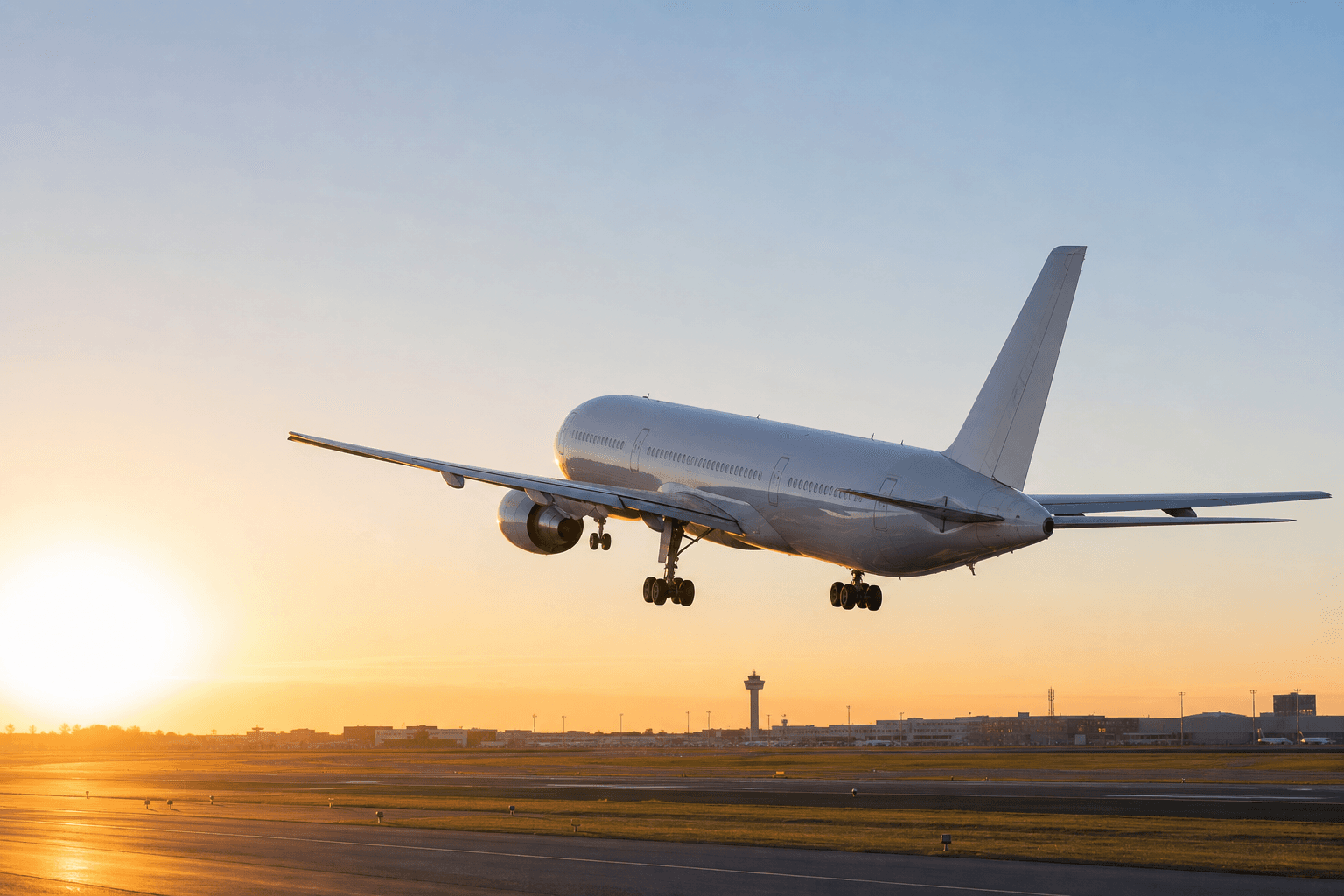
Why Pilots Reduce Engine Thrust Immediately After Takeoff to Enhance Safety and Efficiency
Anyone who regularly flies on commercial aircraft has likely noticed the same curious sensation shortly after take-off. The engines roar at full intensity during the take-off roll, the aircraft rotates, and within moments of becoming airborne, the sound suddenly softens as the thrust appears to decrease. For nervous passengers, that brief reduction in power can feel unsettling, especially because it happens at a stage of flight when the aircraft is still climbing away from the runway and remains relatively close to the ground. So in this video, we take a look at why pilots deliberately pull back thrust shortly after lifting off the runway, how modern aircraft rarely need maximum power in the first place, and why this procedure actually improves efficiency, reduces engine wear, and helps keep flights safe.
The Daily Touch & Go
The day's best aviation news in your inbox. Free, no spam.