

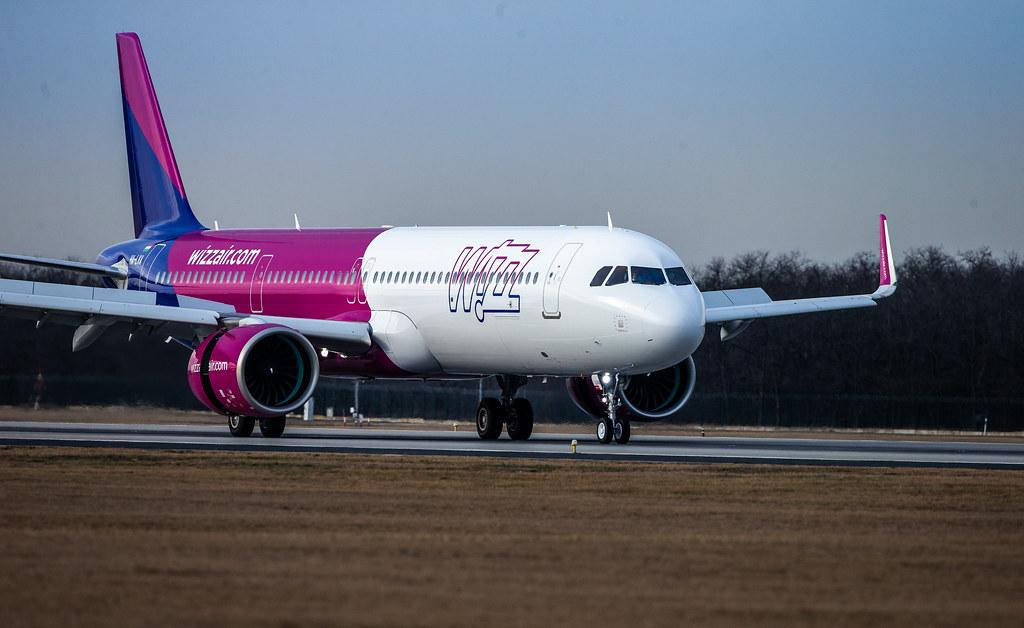
Image: BreakingTravelNews · CC BY-ND 2.0 · via Wikimedia Commons
Fuel Shock From Iran War Topples Norse Atlantic and Plus Ultra as Hedges Thin Out for 2027
Jet fuel near $2,000 per ton has pushed unhedged carriers into bankruptcy and restructuring, while even profitable airlines such as Wizz Air face shrinking fuel protection next year.
The gist
Norse Atlantic's bankruptcy and Plus Ultra's shutdown show unhedged airlines buckling under war-driven jet fuel prices, with more exposure coming in 2027.
Continuing coverage
All Norse Atlantic →- Norse Atlantic 787s Turn Toward Shannon Mid-Flight as Norwegian Unit Files for Bankruptcy
- Norse Atlantic Contests Lessors' Termination Notices for All 12 Boeing 787-9s
- Norse Atlantic Grounds All 12 Boeing 787s and Threatens Bankruptcy as Jet Fuel Costs Bite
- PIA Puts Its Own 777s Back on UK Routes After Norse 787 Wet-Lease Flights Halt
- Norse Atlantic Says Its Survival Depends on Securing Short-Term Funding
Norse Atlantic Airways has gone bankrupt and Plus Ultra has stopped flying its last scheduled route, the latest airlines to fall to the jet fuel price surge that followed the outbreak of war with Iran in late February. The damage is uneven. Larger carriers have mostly absorbed the higher costs or passed them to passengers, while airlines carrying heavy debt, thin margins and little fuel protection are struggling to stay in business.
Norse, the Norwegian long-haul low-cost carrier, suspended all flights on November 26 and said the next day that its main operating subsidiary would enter bankruptcy proceedings. Chief executive Eivind Roald acknowledged the company could not absorb the extra fuel costs. Norse had not hedged its fuel purchases, leaving it fully exposed when prices rose. The airline had already struggled to make low-cost long-haul flying profitable and had looked for a buyer or merger partner before it collapsed. Lessors have since terminated the leases on all 12 of its Boeing 787 Dreamliners.
In Spain, Plus Ultra suspended its remaining scheduled service, between Madrid and Caracas, on November 23. The carrier had earlier pulled out of routes to Peru, Argentina and Colombia and is pursuing a financial restructuring that includes large job cuts. Higher operating expenses, fuel above all, sped up problems that existed before the conflict. Fellow Spanish carrier Volotea is still flying but is negotiating with creditors and investors after estimating that the fuel shock has added about 150 million euros ($165 million) to its costs since March. The Airbus A319 and A320 operator plans to cut its fleet from 44 aircraft to roughly 30 to 35.
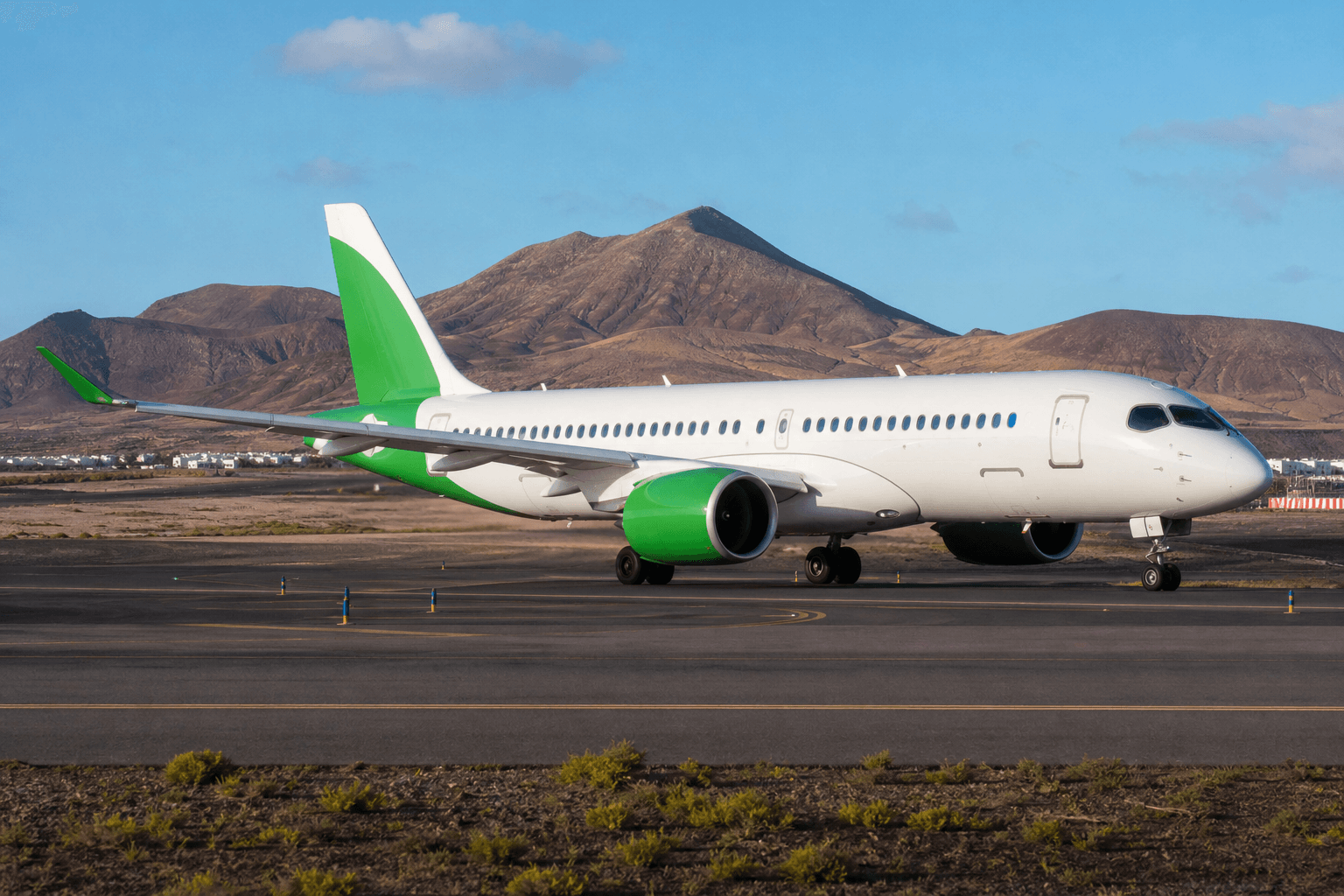
Latvia's airBaltic, which flies an all-Airbus A220-300 fleet, shows how quickly the numbers turned. It began 2026 budgeting jet fuel at about $685 per metric ton; after the war started, prices approached $2,000 per ton, and roughly 90% of its needs were unhedged. The airline entered Chapter 11 proceedings in the United States in September and later announced plans to cut hundreds of jobs. The Latvian government has approved guarantees of up to 175 million euros ($192 million) to help it secure private financing and continue restructuring, though the carrier still faces a risk of grounding in December.
Industry-wide figures from the International Air Transport Association point the same way. IATA expects net profit to fall from $45 billion in 2025 to $23 billion in 2026, with net margins dropping from 4.2% to 2%. Fuel is forecast to make up 31.4% of operating expenses this year, up from 25.4% in 2025. Jet fuel averaged $162 per barrel in the third quarter of 2026, IATA said, against about $97 for crude oil, as refining constraints and competition from diesel production kept aviation fuel unusually expensive relative to crude.
Airlines that locked in prices before the conflict have so far delayed much of the hit, while those buying at market rates felt it immediately in cash flow. That cushion is wearing away. Scope Ratings, the European credit rating agency, warned in November that the fuel shock is widening the gap between stronger and weaker airlines as protection arranged before the war gradually runs out.
Wizz Air is an example of a carrier that remains profitable but carries heavy commitments. The European low-cost airline reported net profit down 66.6% to 108.1 million euros ($119 million) for the six months ended September. Net debt stood at 5.16 billion euros ($5.67 billion), and 22 aircraft were grounded for Pratt & Whitney GTF engine inspections. It held 2.39 billion euros ($2.63 billion) in cash and deposits, but its fuel hedge coverage falls from 82% for the second half of its current fiscal year to 41% for the following one.
For stronger airlines, the effect is more likely to show up as higher fares, reduced capacity and lower earnings than as insolvency. Some carriers have held back from new hedges at today's prices, fearing they would be locked into expensive contracts if the conflict eases. Even if oil prices rise no further, airlines whose current protection expires could pay considerably more to operate the same flights in 2027.
Originally reported by Air Data News
Read more
All Airlines →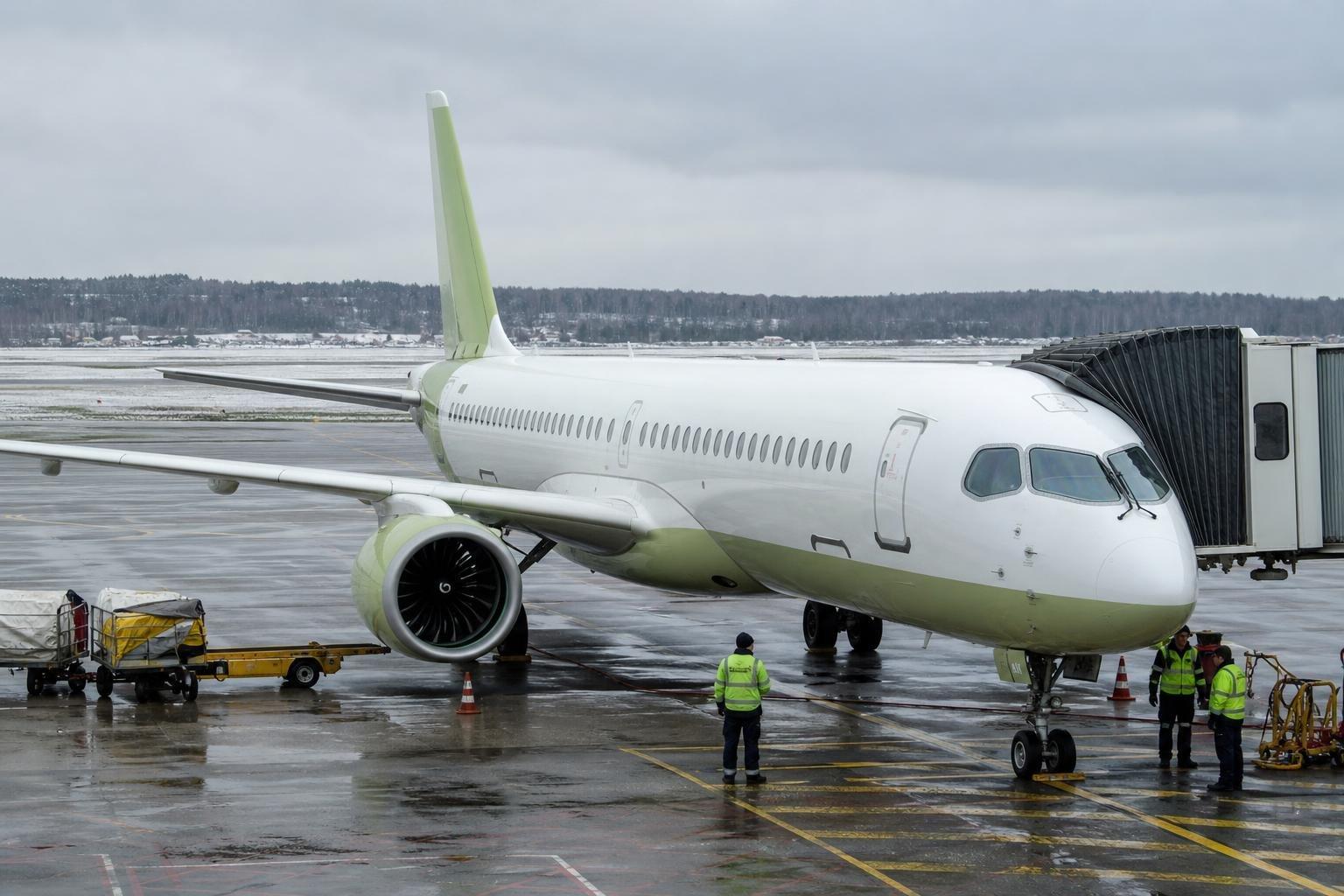
airBaltic Puts Demotion, Exit or Air Niugini Secondment to Pilots and Cabin Crew
The Latvian carrier has emailed staff with options ranging from demotion and voluntary departure to a posting with Air Niugini, drawing objections from the Latvian Aviation Union.
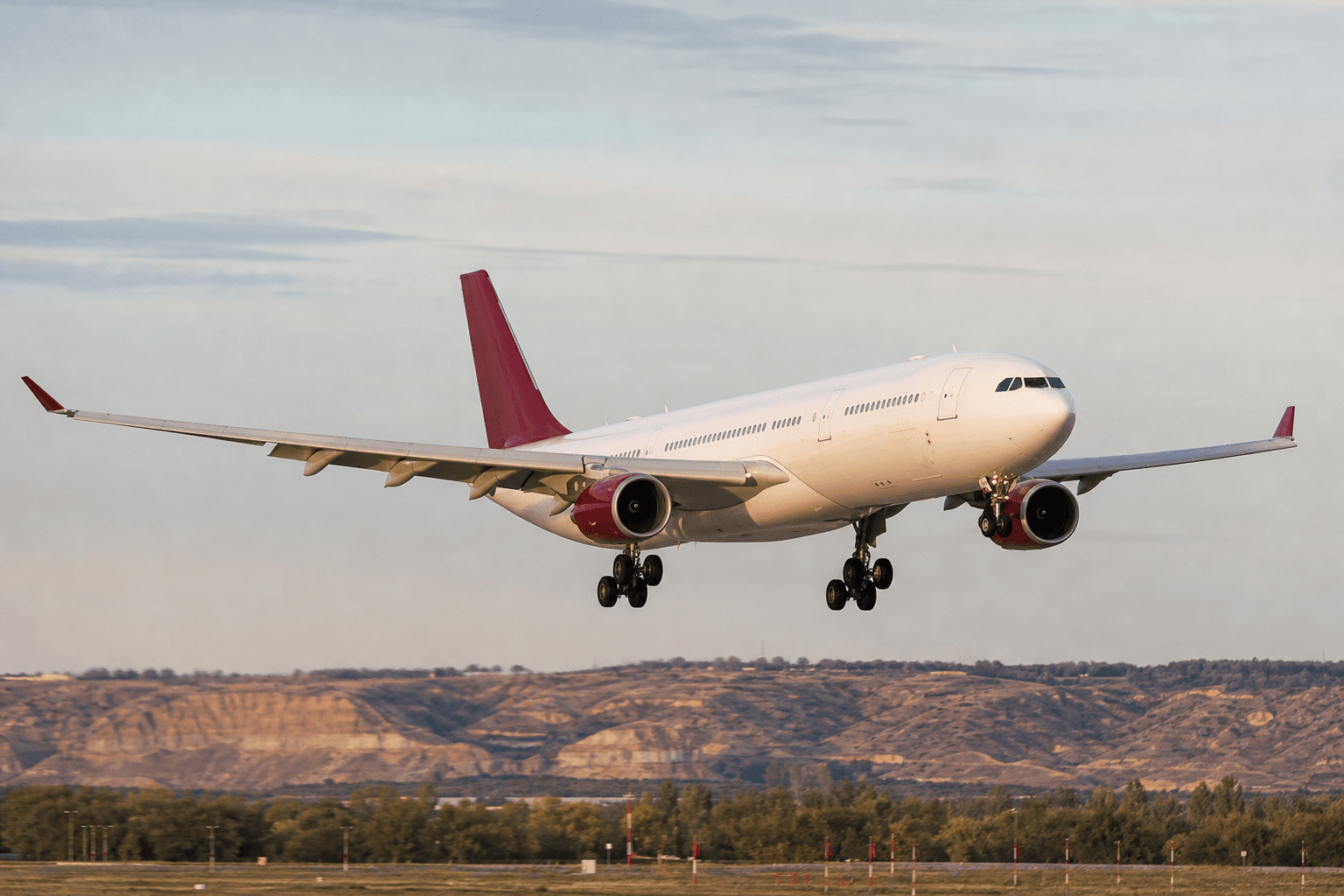
Plus Ultra Halts All Ticket Sales After Dropping Lima and Buenos Aires to Focus on Caracas
The Spanish long-haul carrier has stopped selling seats across its network, including Madrid and Canary Islands flights, as Spanish media report a fuel bill 51% over budget and a possible final A330 arrival from Venezuela.
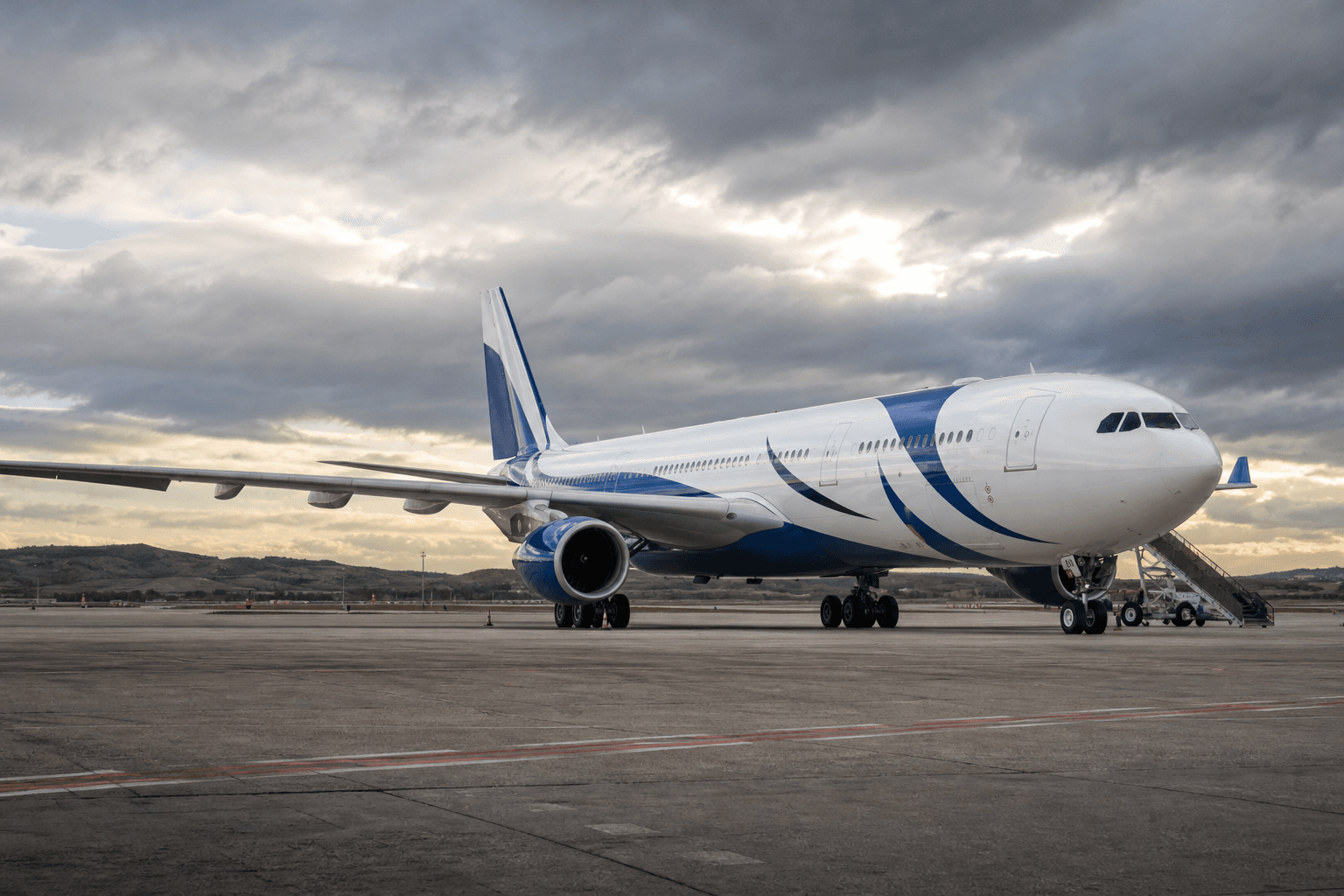
Plus Ultra Drops Lima and Buenos Aires, Enters Pre-Insolvency Talks with Creditors
The Spanish long-haul carrier plans to cut scheduled flight hours by more than 61%, shrink its fleet and open a redundancy process covering 679 Madrid staff.
airBaltic Shuts Gran Canaria Base, Cutting Direct Nordic and Baltic Links to Maspalomas
The Latvian carrier is closing every base outside Riga after a €115 million loss in 2025, ending point-to-point service that fed northern European visitors to southern Gran Canaria.
The Daily Touch & Go
Launching soon: the day's best aviation news in your inbox. Join the list, free.