

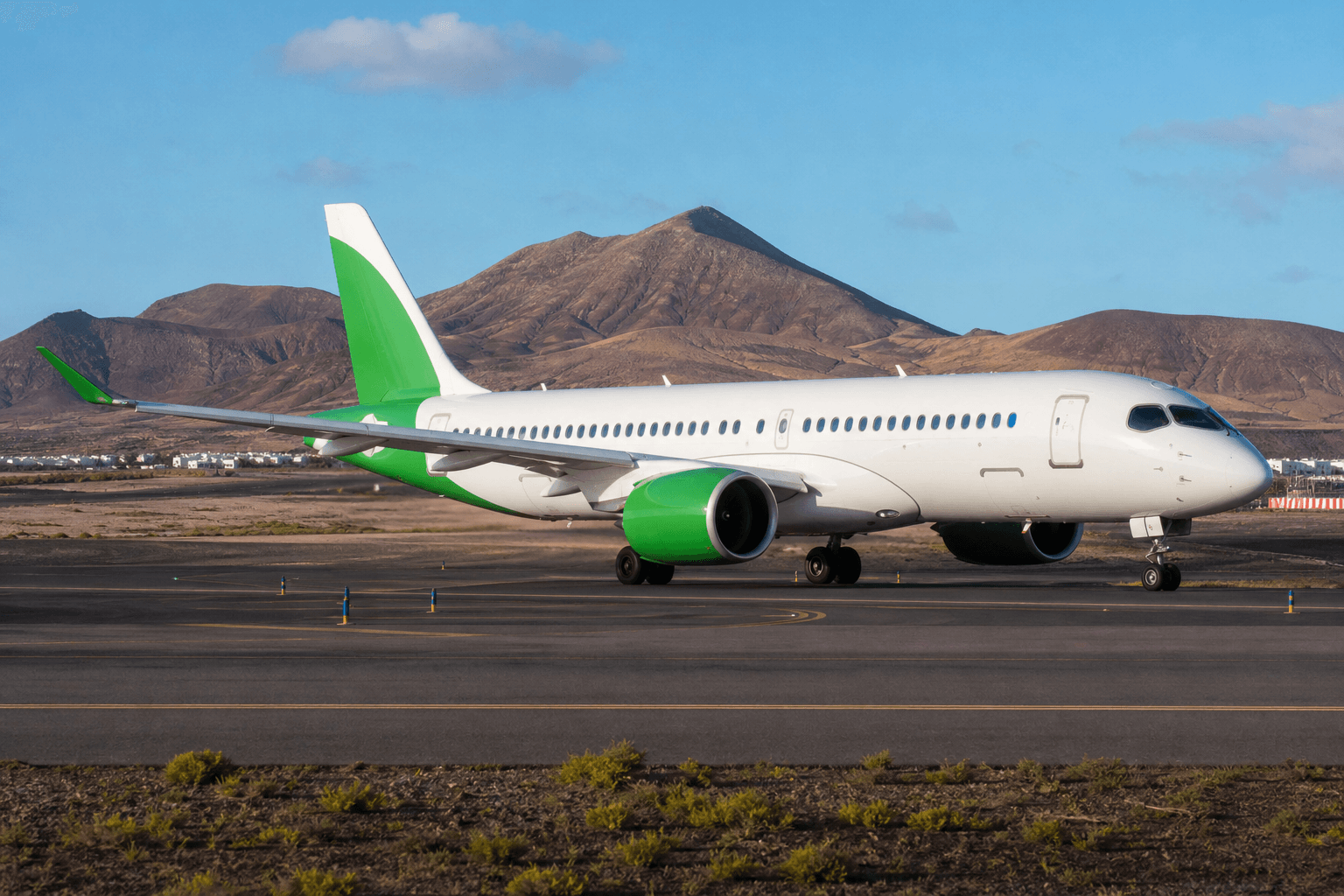
AI-generated illustration
airBaltic Shuts Gran Canaria Base, Cutting Direct Nordic and Baltic Links to Maspalomas
The Latvian carrier is closing every base outside Riga after a €115 million loss in 2025, ending point-to-point service that fed northern European visitors to southern Gran Canaria.
The gist
airBaltic is closing its Gran Canaria base as part of a retreat to Riga, cutting direct links that brought Nordic and Baltic tourists to Maspalomas.
Continuing coverage
All Airbus A220 →airBaltic is closing its base at Gran Canaria airport as part of a wider withdrawal from every international base it operates outside Riga. The move ends the direct point-to-point flying that linked the island with Riga, the Baltic states and northern Europe. For the resort areas of Maspalomas in southern Gran Canaria, it removes a source of visitors who tended to stay longer and spend more than the average tourist.
The Latvian airline's retreat follows accumulated losses of €115 million in 2025. The carrier has also dismissed its chief executive, Martin Gauss. Its Airbus A220 fleet has suffered persistent technical problems with Pratt & Whitney GTF engines, which have kept aircraft on the ground and strained operations.
The company's survival plan depends on a financial bailout built on a bond issue and a conversion of capital. The airline's board is scheduled to vote on the plan on August 17. Under the plan, airBaltic would shed about a third of its fleet, leaving roughly 36 to 40 operational aircraft. Closing bases away from Riga is part of that contraction.
In Gran Canaria, the base supported a direct air corridor between northern Europe and the hotel complexes of Maspalomas, in the municipality of San Bartolomé de Tirajana. The passengers who used it included Nordic, Polish and Belgian travelers. That group typically stayed longer and recorded higher average daily spending than British or German visitors, the island's two largest traditional markets. Local tourism had counted on these flows to spread demand across the year and to reduce dependence on traditional tour operators.
The effects of airBaltic's cutbacks reach beyond the Canary Islands. The Lufthansa Group holds a 10 percent stake in the airline and is the main customer for its ACMI business, in which airBaltic leases aircraft with crew, maintenance and insurance to other carriers. Up to 21 airBaltic aircraft have flown daily for Lufthansa Group brands such as Brussels Airlines and Swiss. Lufthansa is absorbing part of the operational losses while it reorganizes its own network.
The end of the Gran Canaria flights breaks the direct connection between the island and Riga and the wider Baltic region. Other airlines serving the island are expected to need months to reorganize capacity and fill the gap. That timeline runs into the run-up to the winter high season, the busiest period for northern European travel to the Canary Islands.
Originally reported by Maspalomas 24h
Read more
All Airlines →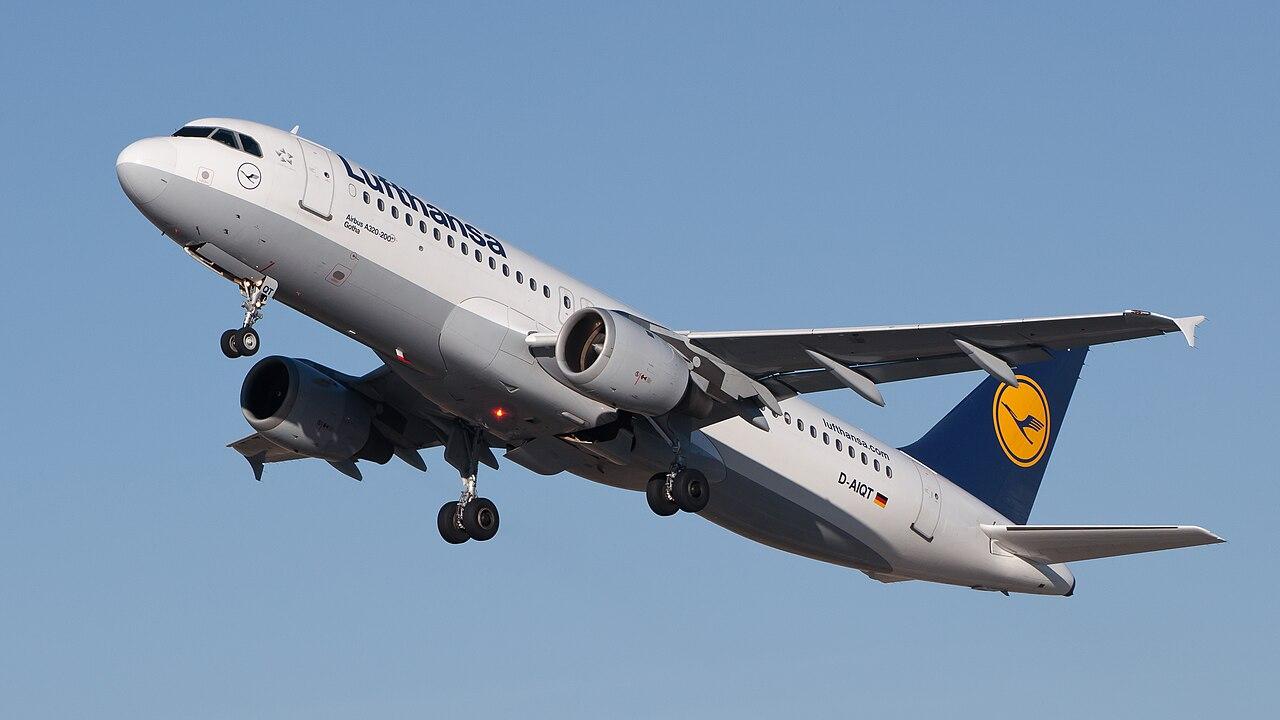
Lufthansa Plans 1,000 Job Cuts at Mainline Airline and Shrinks A320 Fleet in Favor of A220s
A board letter to employees says the Frankfurt and Munich hubs will lose 1,000 full-time positions as Lufthansa Airlines tries to reverse a €180 million nine-month operating loss.
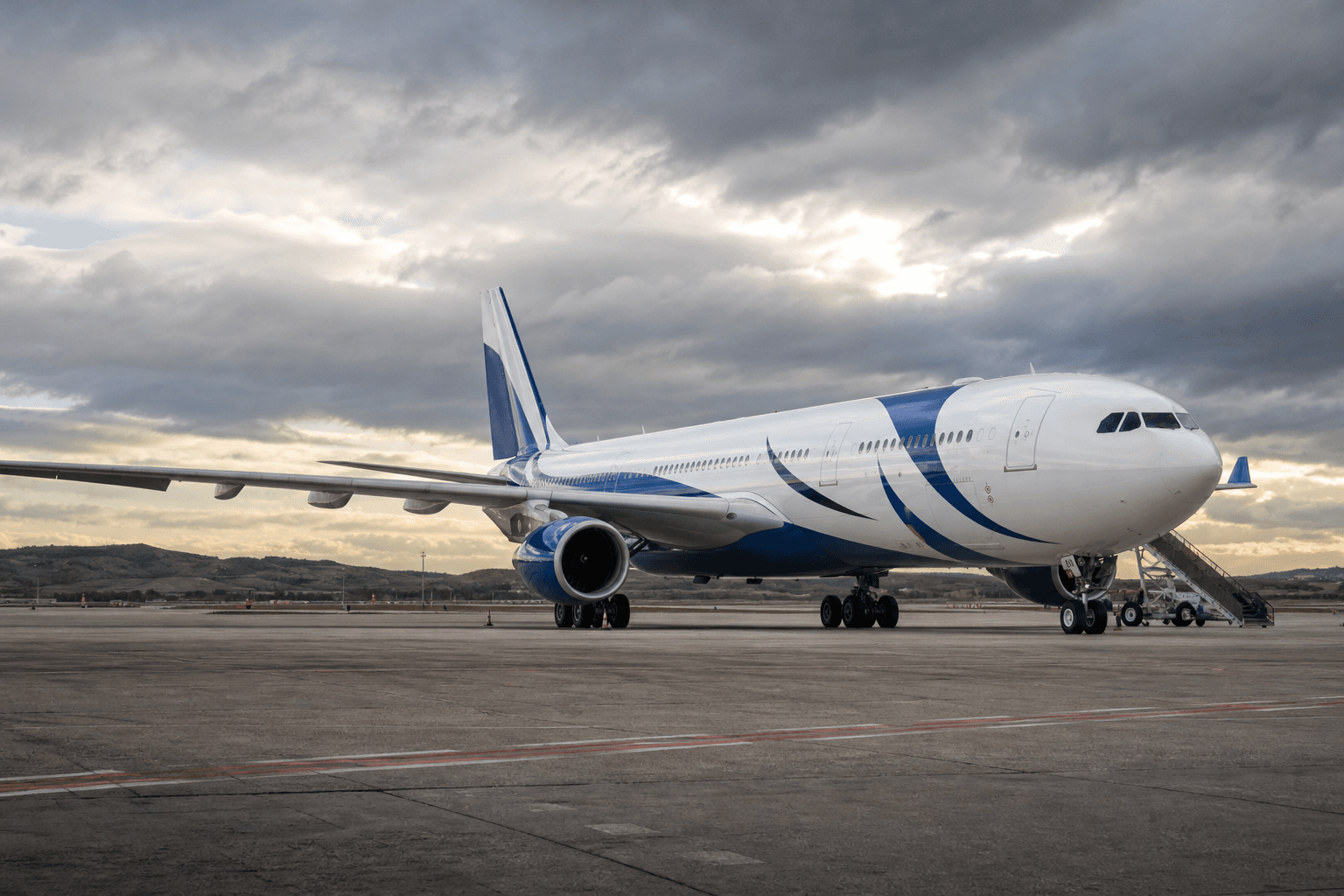
Plus Ultra Drops Lima and Buenos Aires, Enters Pre-Insolvency Talks with Creditors
The Spanish long-haul carrier plans to cut scheduled flight hours by more than 61%, shrink its fleet and open a redundancy process covering 679 Madrid staff.
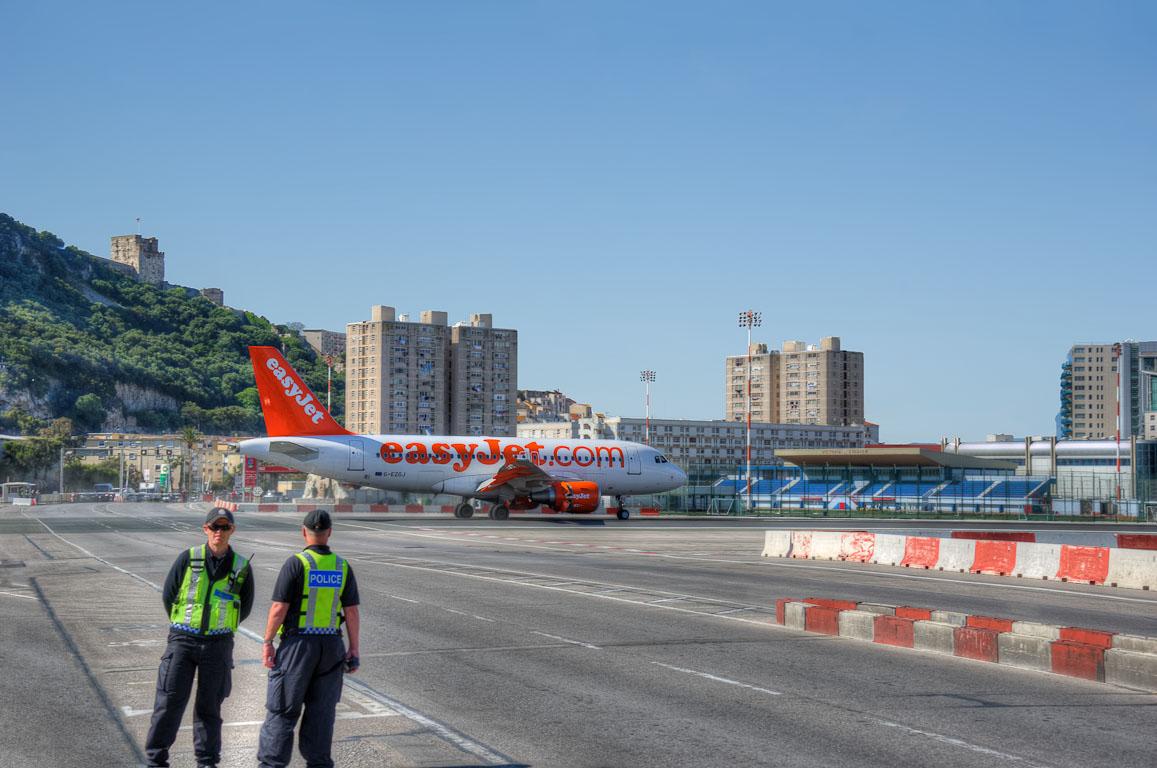
Apollo's £5.7 Billion easyJet Deal Caps Its Funds at 49.9% to Keep EU Operating Rights
The US asset manager will hold no more than 49.9% of easyJet's new parent, with rollover shareholders and an EU trust holding the rest so the airline stays compliant with European and UK ownership rules.

Aer Lingus Reveals Refitted A330 Cabins with Its First Premium Economy, Debuting on Dublin-New York in 2027
The Irish carrier will refurbish 10 Airbus A330s with Business Class suites, a new 28-seat Premium Economy cabin and redesigned Economy, starting with JFK flights on 1 October 2027.
The Daily Touch & Go
The day's best aviation news in your inbox. Free, no spam.