
Image: Brazilian Air Force (FAB) official · CC BY-SA 4.0 · via Wikimedia Commons
South Korea Receives Its First C-390 Millennium, Becoming Asia's First Operator of the Embraer Airlifter
The first of three Embraer C-390s for the Republic of Korea Air Force landed at Seoul Air Base on Nov. 23 after a ferry flight from Portugal, with formal handover reportedly set for December.
The gist
The ROKAF's first Embraer C-390 has landed in Seoul, giving the service its first jet-powered transport and Embraer its first Asian operator.
Continuing coverage
All South Korea →The Republic of Korea Air Force's first Embraer C-390 Millennium touched down at Seoul Air Base on Nov. 23, 2026, ending a delivery flight that began in Portugal. It is the first of three C-390s South Korea is buying under its Large Transport Aircraft II (LTA-II) program. With its arrival, South Korea becomes the first country in Asia to operate the type. The aircraft now faces acceptance procedures before a formal handover to the air force, which is reportedly scheduled for December.
Although the airlifter already wears ROKAF markings, it still carries the Brazilian test registration PT-ZNA on its fuselage. The jet first flew in March 2026 from Embraer's facility in Gavião Peixoto, São Paulo, Brazil. Embraer said at the time that the aircraft would enter a period of testing and integration of specific systems to meet the requirements of its first Asian operator. That work took place in Alverca, Portugal, at the European MRO facility managed by OGMA under an agreement with Embraer.
The aircraft left Alverca on Nov. 12 bound for South Korea. Its routing included stops in Muscat, Oman; Chennai, India; and Clark International Airport in the Philippines before the final leg to Seoul. Once accepted, the C-390 will reportedly be assigned to the ROKAF's 15th Special Missions Wing, a unit that already flies C-130 and CN-235 transports.
The arrival coincided with a diplomatic and industrial meeting between the two countries. According to South Korean media, the aircraft landed on the same day that South Korea's Defense Acquisition Program Administration (DAPA) and Brazil's Ministry of Defense held their first joint defense industry committee meeting, in Brazil. DAPA said the two sides signed a Letter of Intent to expand defense industry cooperation and pointed to the C-390 program as an example. Chung Jae-joon, a senior DAPA official, told The Korea Times that the transport program showed Korea and Brazil could move past a buyer-seller relationship and build defense industry ties benefiting both nations.
South Korea picked the C-390 in December 2023 after an LTA-II competition in which Embraer beat proposals including the Lockheed Martin C-130J Super Hercules and the Airbus A400M Atlas. The outcome was unexpected given the ROKAF's long reliance on the Hercules family: the service operates C-130H, C-130H-30, C-130J-30 and MC-130K aircraft. The C-390 will also be the air force's first jet-powered military transport. A DAPA official said the decision came down to Embraer offering the most favorable trade terms, including a consortium of local subcontractors, Kencoa, AST and Shinhwa Pretech, for the operation of the aircraft.
The acquisition contract covers three aircraft and is valued at about 710 billion won, roughly $544 million at the exchange rate when the selection was made. The two remaining aircraft are expected to be delivered by the end of 2027. Beyond South Korea, Embraer counts orders for the C-390 from seven European operators, one South American and three Asian, and is in discussions with eight more.
The C-390 has a 169 cubic meter cargo compartment able to carry vehicles, palletized cargo, troops, medical patients and auxiliary fuel tanks. Fitted with two Cobham-built wing aerial refueling pods, it becomes the KC-390 tanker, and its cargo bay accepts up to three roll-on/roll-off palletized tanks holding 4,000 kg of fuel each. The aircraft can operate from semi-prepared and damaged runways and has a long cargo ramp, hydraulic stabilizer struts and a cargo winch. It can also receive fuel in flight through a removable probe mounted on the upper-forward fuselage.
Originally reported by The Aviationist
Read more
All Military/Defense →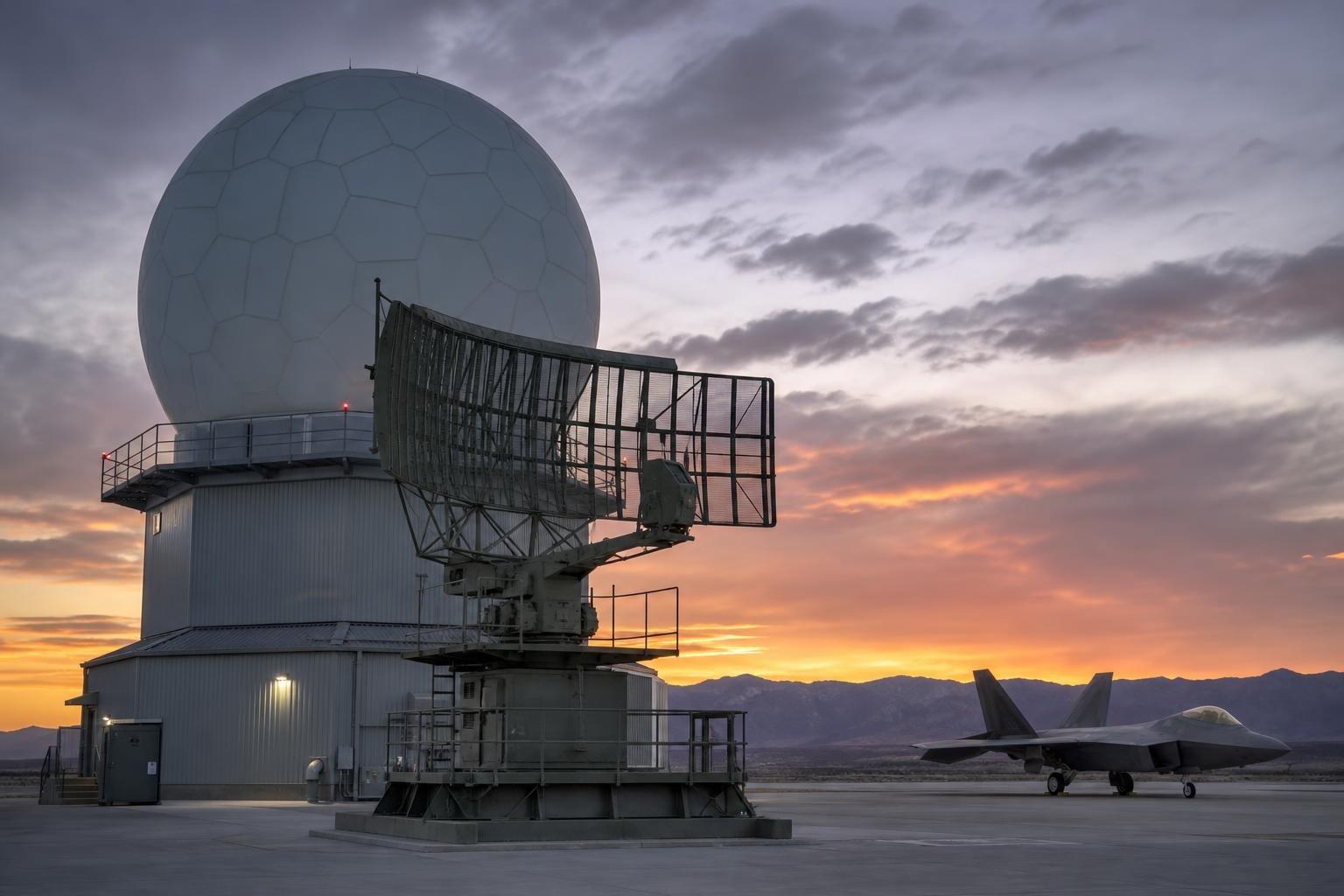
Hackers Breach Air Force Cloud One Platform Supporting North American Air Defense Command System
An intrusion found during an upgrade led the US Air Force to pause migrations to Cloud One and freeze updates to apps on it, including a radar-fed command and control system, Reuters reported.
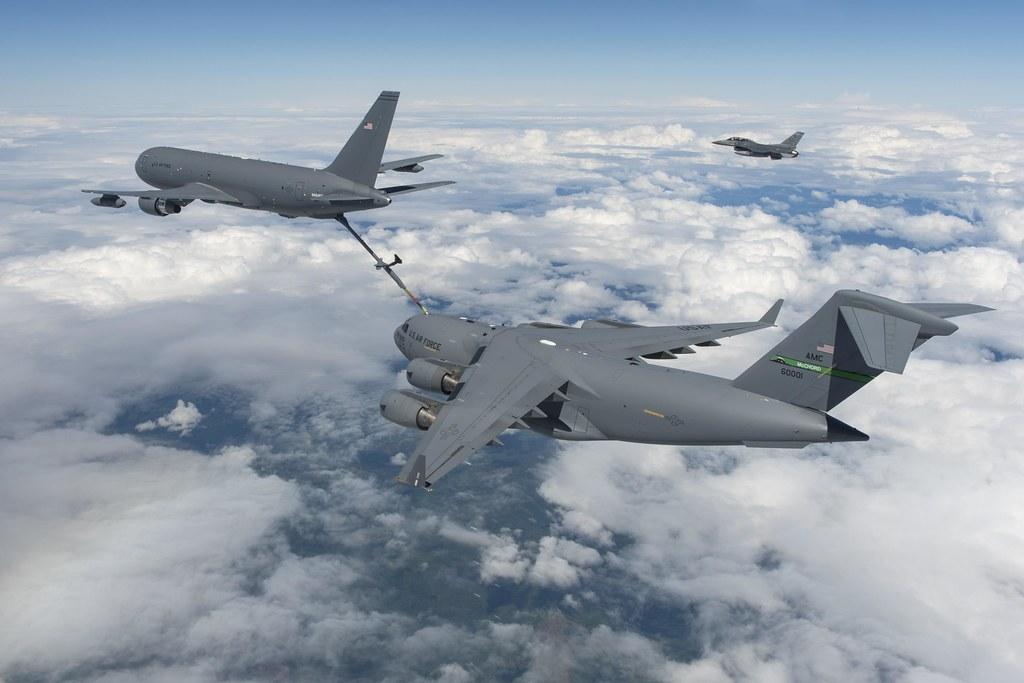
Boeing Wins $2.82 Billion Lot 13 Order for 15 KC-46A Tankers, Closing Out Original Buy
The Pentagon's November 24 award for 15 more KC-46A Pegasus tankers completes the Air Force's original procurement plan, with any follow-on order tied to fixes for the boom vision system.
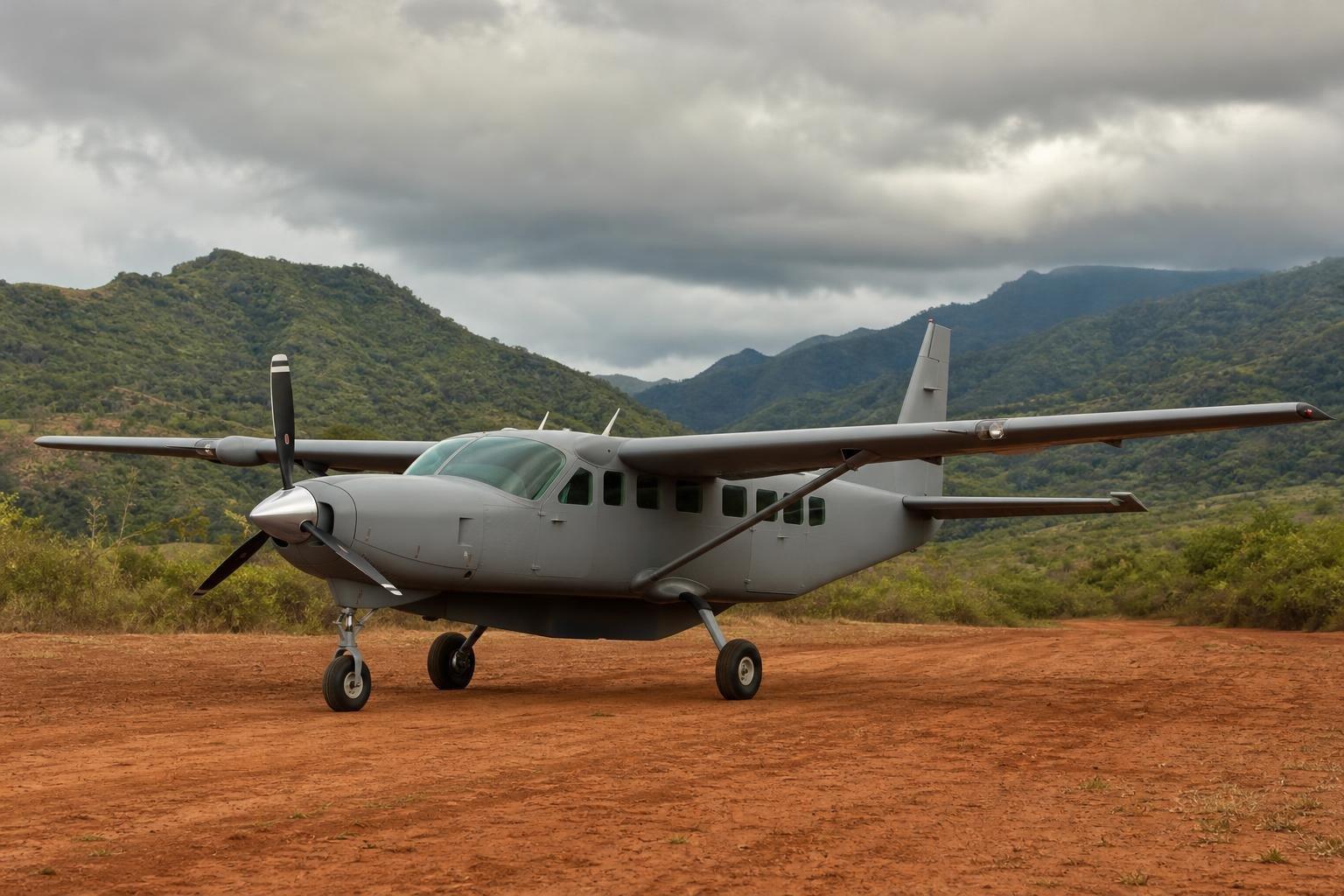
DR Congo Army Searches for Missing Cessna 208 as FRN Rebels Claim to Have Shot Down a Warplane
Congolese forces lost contact with a Cessna 208 on Sunday, the same day FRN rebels said they downed a converted attack aircraft of that type near Minembwe and captured two foreign crew.
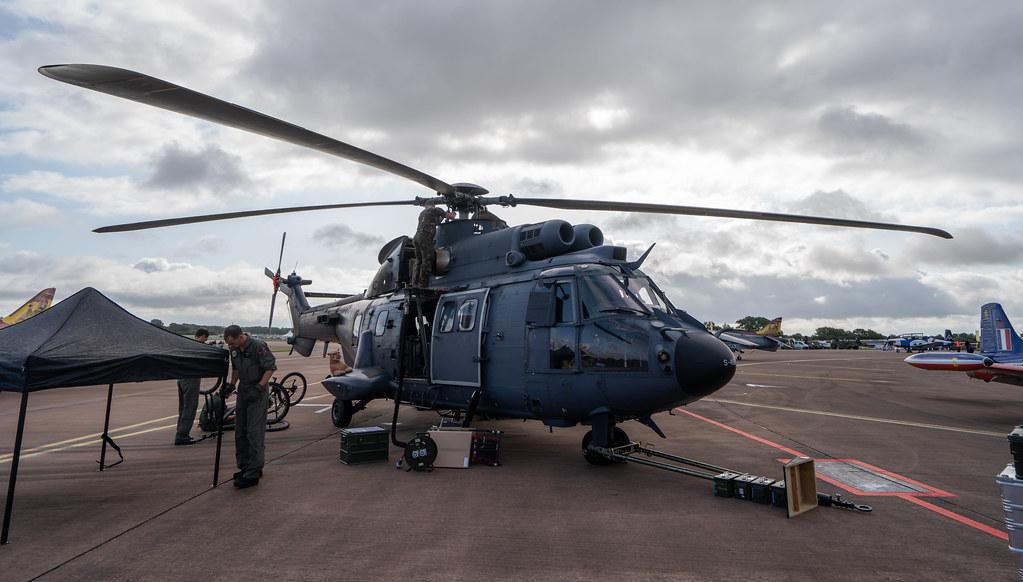
Five Crew Killed as Turkish Air Force AS532 Cougar Crashes on Training Flight Near Eskişehir
A Turkish Air Force AS532 Cougar helicopter crashed west of Eskişehir on the evening of 24 November, killing all five crew members, the Turkish Defence Ministry said.
The Daily Touch & Go
Launching soon: the day's best aviation news in your inbox. Join the list, free.