

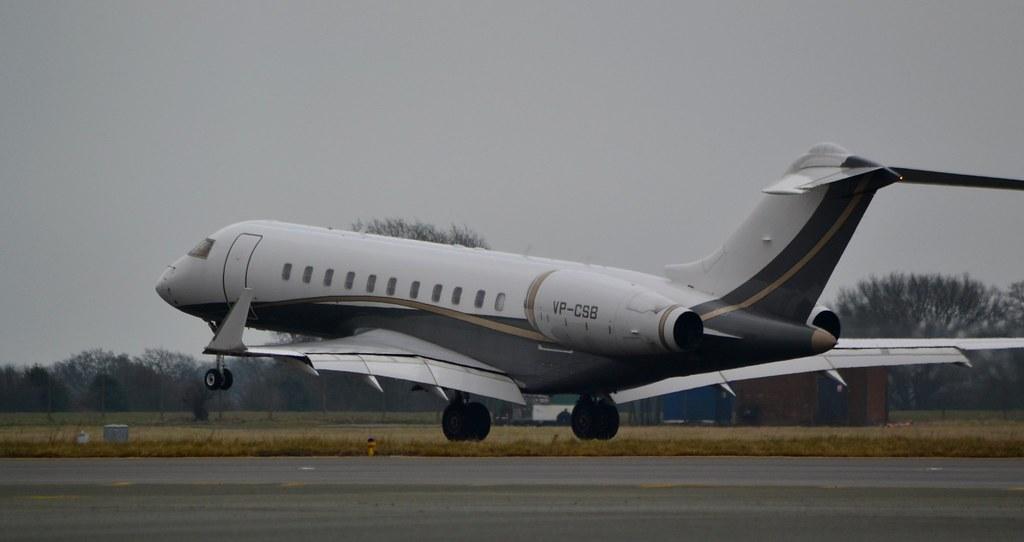
Image: bigpresh · CC BY 2.0 · via Wikimedia Commons
FAA Proposes Head-Up Display Software Fix for 734 U.S.-Registered Bombardier Global Jets
A proposed airworthiness directive would require Bombardier Global-series operators to replace avionics software version 5.8, which can let the head-up display show misleading flight data.
The gist
The FAA wants 734 U.S. Bombardier Global jets upgraded to avionics software 5.9 or later to stop their head-up displays from showing misleading data.
Continuing coverage
All Faa →- Hackers Breach Air Force Cloud One Platform Supporting North American Air Defense Command System
- Mexico Asks US for Talks on SpaceX Airspace Use as FAA Weighs Up to 456 Starbase Launches a Year
- Two American Airlines 737-800s Touch Wingtips While Queued for Departure at Reagan National
- House Democrats Say FAA Took AI Traffic Tool SMART Nationwide Before Finishing 90-Day Validation
- Duffy to Face Senate Panel Over Nov. 13 Nationwide Ground Stop That Canceled 18,000 Flights
The FAA on Friday proposed an airworthiness directive covering 734 U.S.-registered Bombardier business jets, targeting a software flaw that can cause the head-up display to present misleading primary flight information. The agency said the unsafe condition could result in spatial disorientation, loss of control, and flight into terrain. The notice of proposed rulemaking follows a Transport Canada directive on the same problem that took effect in April. The public has until January 11 to comment on the proposal.
The proposed rule applies to Bombardier Model BD-700-1A10 and BD-700-1A11 aircraft. Those type designations cover the Global Express, Global Express XRS, Global 6000 and 6500, and the Global 5000, 5500 and 5000 GVFD. The FAA said it acted after determining that the unsafe condition is likely to exist or develop in other products of the same type design.
The Canadian action was prompted by a report of problems with the head-up display application, or HDA, on certain models. Transport Canada traced the condition to the HDA software on aircraft running avionics software version 5.8. With that version installed, the HDA may be unable to read errors in the memory of the Graphical Engine 5 avionics chips, known as GE5, when the aircraft powers up.
That gap matters because of what the HDA is supposed to do when something goes wrong. According to Transport Canada, the flaw can inhibit the application's ability to blank the head-up display when faults exist within the GE5 memory. In other words, a display that should go dark when its underlying data is corrupted may instead keep presenting that data to the crew.
If left uncorrected, the head-up display could show misleading altitude, flight path vector on approach, airspeed on takeoff, radio altitude, and lateral and vertical guidance, along with other primary flight information. Transport Canada said the problem is limited to the head-up display. Information shown by other systems, including the enhanced vision system and synthetic vision system, is not affected, and neither is the primary flight display on the head-down display.
The corrective action in the FAA proposal is a software change. Operators would have to install avionics software version 5.9, or a later approved version, on affected aircraft within 60 months of the rule's effective date. That compliance window would begin only once the directive is finalized, after the comment period that closes January 11.
The FAA estimated the total cost of compliance for U.S. operators at $26,143,612 across the 734 affected airframes. Bombardier said some or all of those costs may be covered under warranty, which could reduce the amount owners ultimately pay for the upgrade.
Originally reported by Aviation Safety Magazine
Read more
All Regulatory →
FAA Orders Checks on 300 Boeing 737NGs Over Thrust Split Monitor Spoiler Data Flaw
An emergency airworthiness directive requires repeated tests of digital flight control systems on older 737NGs whose autothrottle safety monitor may fail to activate.
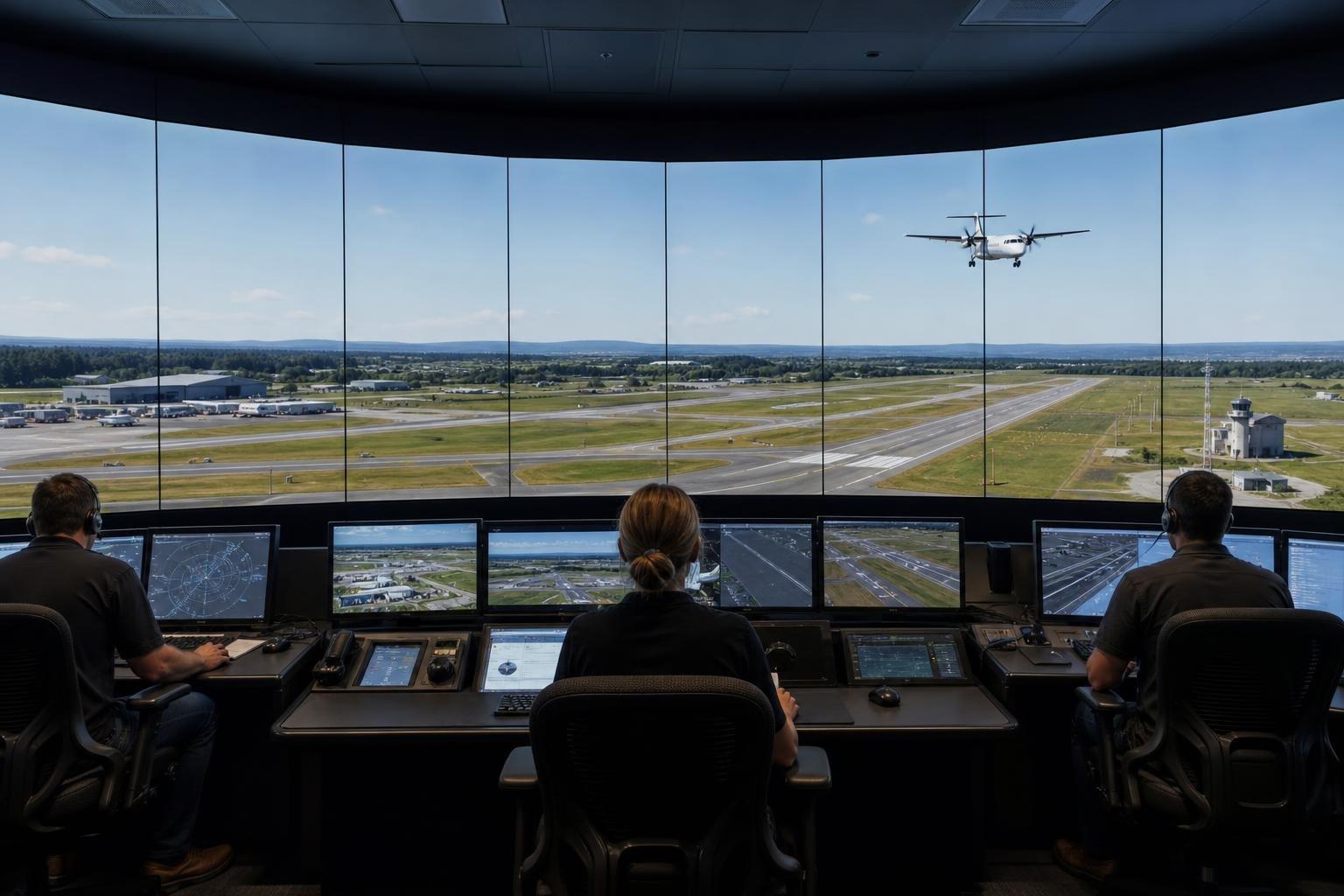
FAA Grants First U.S. Digital Tower System Design Approval to Frequentis
The Federal Aviation Administration has approved the design of the Frequentis Digital Tower system, setting the first FAA baseline for remote, camera-based tower operations in the National Airspace System.
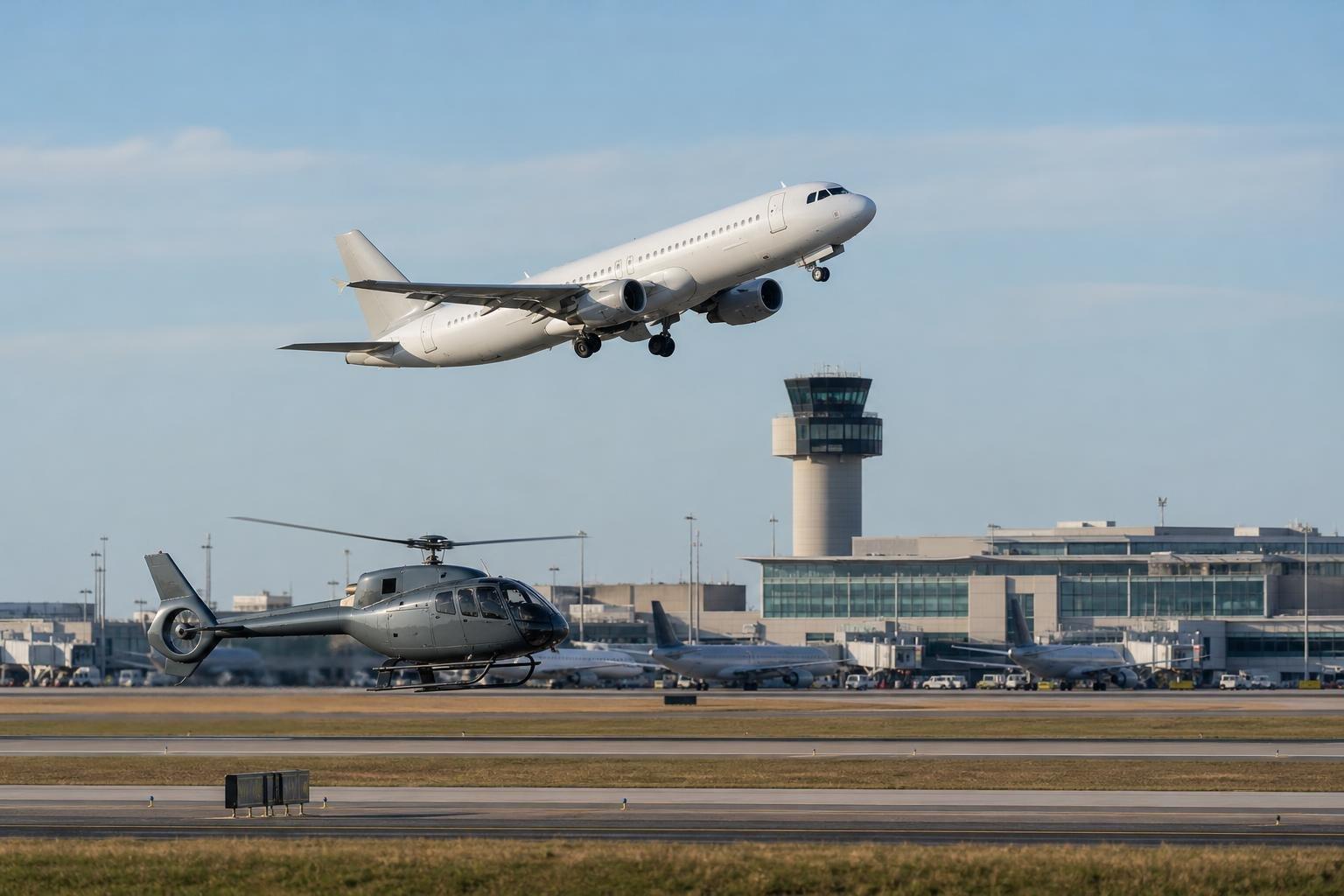
FAA Makes Permanent Ban on Visual Separation for Helicopters Crossing Busy Terminal Traffic
Two FAA notices issued Nov. 24 lock in a March interim restriction on helicopter and powered-lift crossings and revise controller guidance on VFR traffic advisories, effective Dec. 24.

FAA Requires Stand-Alone Tower Supervisors for Line Up and Wait as Thanksgiving Rush Begins
A new FAA staffing rule bars towers from using Line Up and Wait unless a dedicated supervisor is on duty, and controllers are already warning pilots of possible departure delays.
The Daily Touch & Go
Launching soon: the day's best aviation news in your inbox. Join the list, free.