


Air Space Intelligence Awarded $875M FAA Contract for SMART Predictive Traffic System
The FAA has selected startup Air Space Intelligence to develop the SMART system, enhancing traffic flow management with predictive capabilities for months in advance.
The gist
Startup Air Space Intelligence wins $875M FAA contract to build SMART, a predictive air traffic management system covering over 40% of U.S. flights.
Air Space Intelligence (ASI), a startup recognized for its Flyways AI platform currently managing over 40% of U.S. air traffic, has secured a significant contract from the U.S. Department of Transportation. The award, valued at $875 million over 12 years, positions ASI to develop the Strategic Management of Airspace, Routes, and Trajectories (SMART) system, an enhancement intended for the Federal Aviation Administration’s Flow Management Data and Services (FMDS) platform. The FMDS itself is set to replace the aging Traffic Flow Management System (TFMS), aiming to modernize the nation’s approach to managing airspace traffic.
The SMART system represents a strategic effort to advance the FAA’s capability by integrating predictive analytics into traffic flow management. ASI’s Flyways AI platform uses extensive data to anticipate airspace conditions months ahead, enabling better resource planning and route optimization for controllers and airlines alike. Winning this contract over industry heavyweights such as Palantir and Thales underscores ASI’s specialized expertise and innovative approach in artificial intelligence applications for aviation.
The significance of the FMDS platform, and its enhancement through SMART, lies in the complexity of managing the U.S. National Airspace System, one of the world’s busiest and most congested. The legacy TFMS has been the backbone of traffic management for years but faces challenges adapting to new demands including growing traffic volumes, the integration of unmanned aerial systems, and increasingly dynamic weather conditions. FMDS aims to provide greater real-time responsiveness, data connectivity, and analytical depth.
ASI’s role involves building predictive models that extend beyond immediate controller-focused decision-making. By forecasting traffic patterns and potential bottlenecks well in advance, SMART empowers stakeholders across aviation—from airlines adjusting flight plans early to reduce delays and fuel burn, to ATC supervisors allocating sector capacities effectively. This predictive dimension aligns with broader aviation goals around efficiency, environmental impact reductions, and operational safety.
The FAA’s choice of a startup for this critical contract reflects evolving priorities in aviation technology procurement, favoring adaptable, AI-driven solutions. ASI’s prior involvement in managing substantial portions of U.S. air traffic gave it a foundation of operational insight and demonstrated performance. Meanwhile, the contract’s 12-year duration ensures a long-term partnership allowing iterative improvements and scalability aligned with future airspace modernization initiatives.
Technically, the SMART system will form a key component within FMDS, which is designed to integrate multiple sources of traffic and weather data into a cohesive, automated system. This will assist flow managers in maintaining optimal traffic throughput during peak periods and in managing disruptions like weather events or airport closures. ASI’s predictive AI models will feed into FMDS’s frameworks, enhancing the ability to foresee challenges weeks or months ahead rather than reacting only to near-term conditions.
This award represents one of the largest FAA contracts in recent years focused on predictive traffic flow management innovation. As U.S. aviation rebounds and grows post-pandemic, with traffic expected to rise substantially, the capability improvements SMART promises are critical to preventing gridlock and maintaining safety. Advanced predictive tools also support integrating emerging aviation segments such as urban air mobility, where airspace usage will be more complex and varied.
Given the scale and duration of the contract, ASI will be closely involved with the FAA through multiple development phases to refine SMART’s capacities and ensure regulatory compliance. The company’s approach balances AI-driven automation with maintaining human-in-the-loop controls in traffic management decisions. This contract win also signals growing confidence in agile startups disrupting traditional aerospace technology providers.
With FMDS and its SMART enhancement, the FAA is stepping into a new era of data-driven air traffic management, where machine learning models anticipate and guide operations months in advance. ASI’s expertise and innovative platform will help the U.S. manage the increasing complexity of its national airspace safely, efficiently, and proactively as aviation demand continues to grow.
Read more
All Regulatory →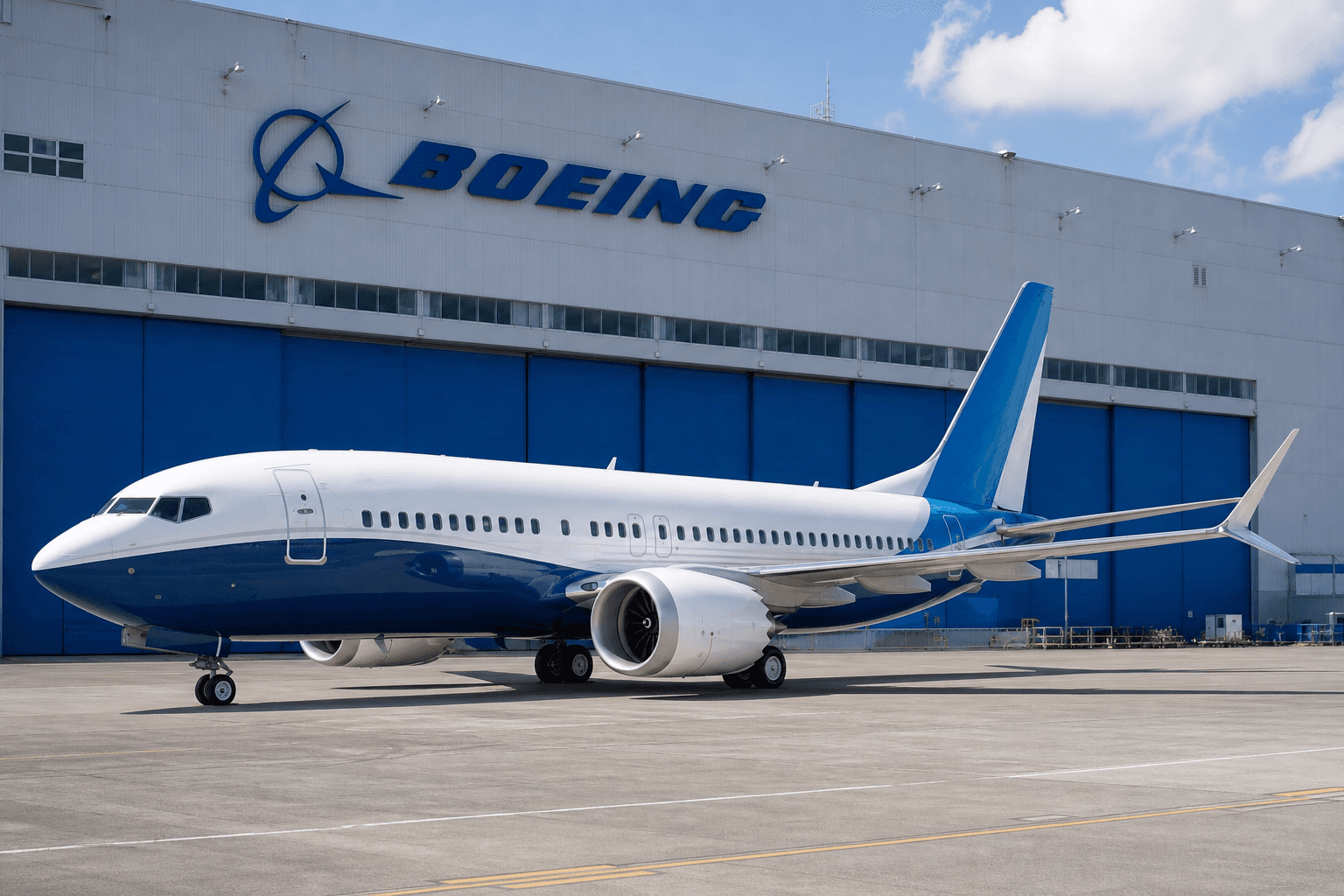
Boeing 737 MAX Surpasses 7,200 Orders, Becoming Company's Best-Selling Aircraft
As the Boeing 737 MAX series nears the final stages of certification for its highly anticipated MAX 10 and MAX 7 variants, the order book has filled up to epic proportions. With the backlog that accumulated after the first quarter of 2026, Boeing is slated to deliver 7,206 airframes of all variants, which makes it the best-selling aircraft in the historic plane maker's history.
FAA Seeks Members for Aircraft Noise Advisory Committee Over Six Months Late
The FAA published a notice July 10 seeking members for an aircraft noise committee more than six months after the panel's recommendations were due under a congressional timetable. Nominations for the Aircraft Noise Advisory Committee must be submitted by Aug. 10. Committee Created By Congress Congress directed the FAA to establish the committee within 180 days of the FAA Reauthorization Act's May 16, 2024 , enactment. The FAA chartered the panel Jan. 14, 2025. The law required the committee to recommend changes to federal aviation noise policy within one year of establishment, placing that deadline on Jan. 14, 2026, based on the FAA's stated establishment date. The delay also affects the FAA's broader review of aircraft noise policy. The agency said it will wait for the committee's recommendations before completing its Noise Policy Review or updating Part 150 airport-noise regulations. The FAA began the review in 2023 and received 4,857 public comments. Noise Standard Under Review The committee will evaluate the FAA's 65-decibel Day-Night Average Sound Level threshold, alternative noise metrics and existing mitigation strategies. The threshold originated in federal policy adopted in 1976 and was incorporated into Part 150 land-use guidelines in 1981. It helps determine residential land-use compatibility, eligibility for federally funded sound insulation and whether noise effects are considered significant during environmental reviews. Membership will include representatives from engine and aircraft manufacturers, airlines, airports, advanced air mobility companies, higher education and airport-adjacent communities. Those categories were established by Congress and do not include a dedicated seat for general aviation pilots, aircraft owners or GA organizations. Members will serve two-year terms and are expected to meet at least twice annually.
FAA Unveils Proposal to Revamp Mechanics' Inspection Authorization Renewals
The proposal would replace the current inspection authorization renewal process.
FAA Contracts L3Harris to Modernize ADS-B Ground Network Through 2045
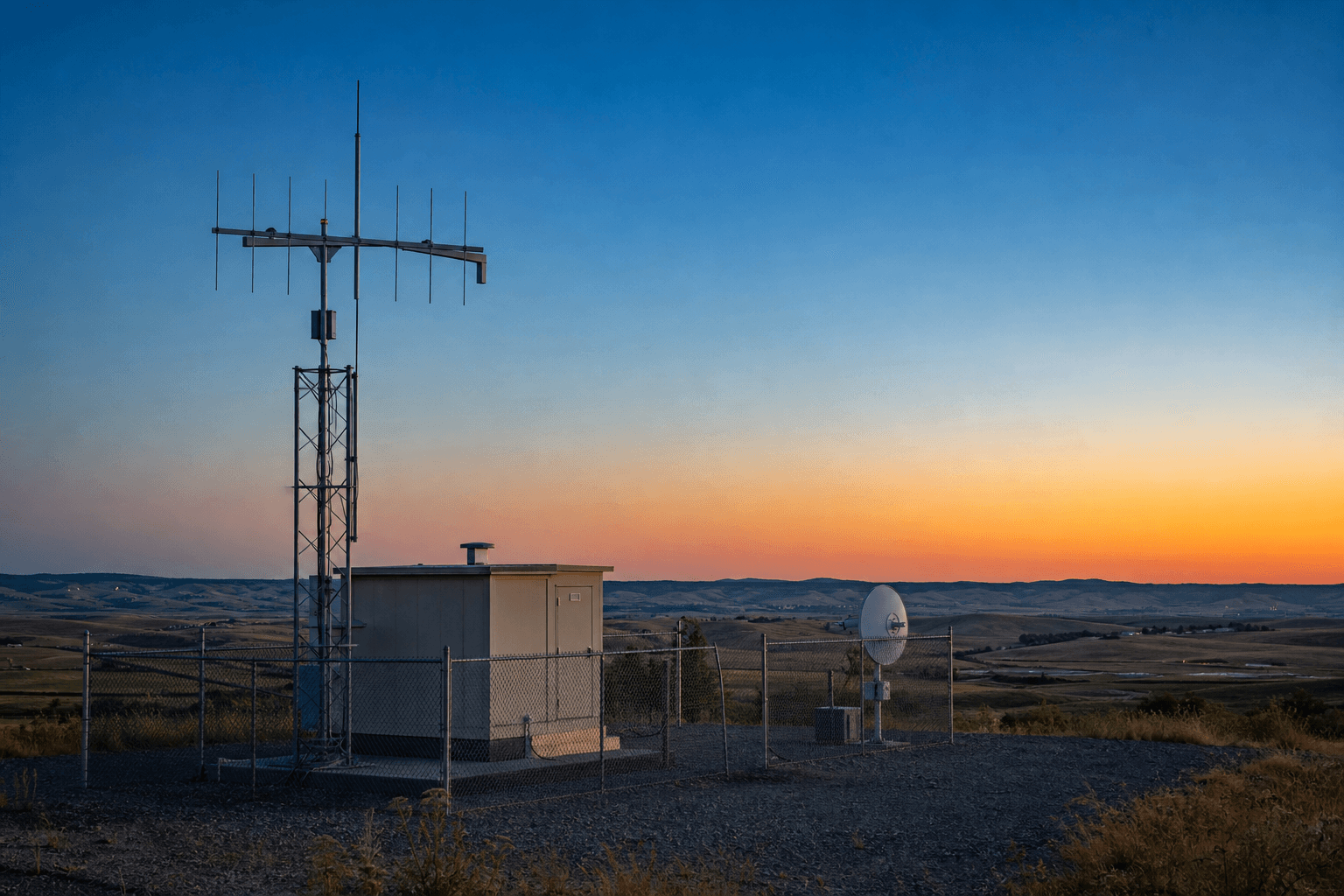
L3Harris will modernize more than 700 FAA ground stations used for aircraft position reporting.
The Daily Touch & Go
The day's best aviation news in your inbox. Free, no spam.