

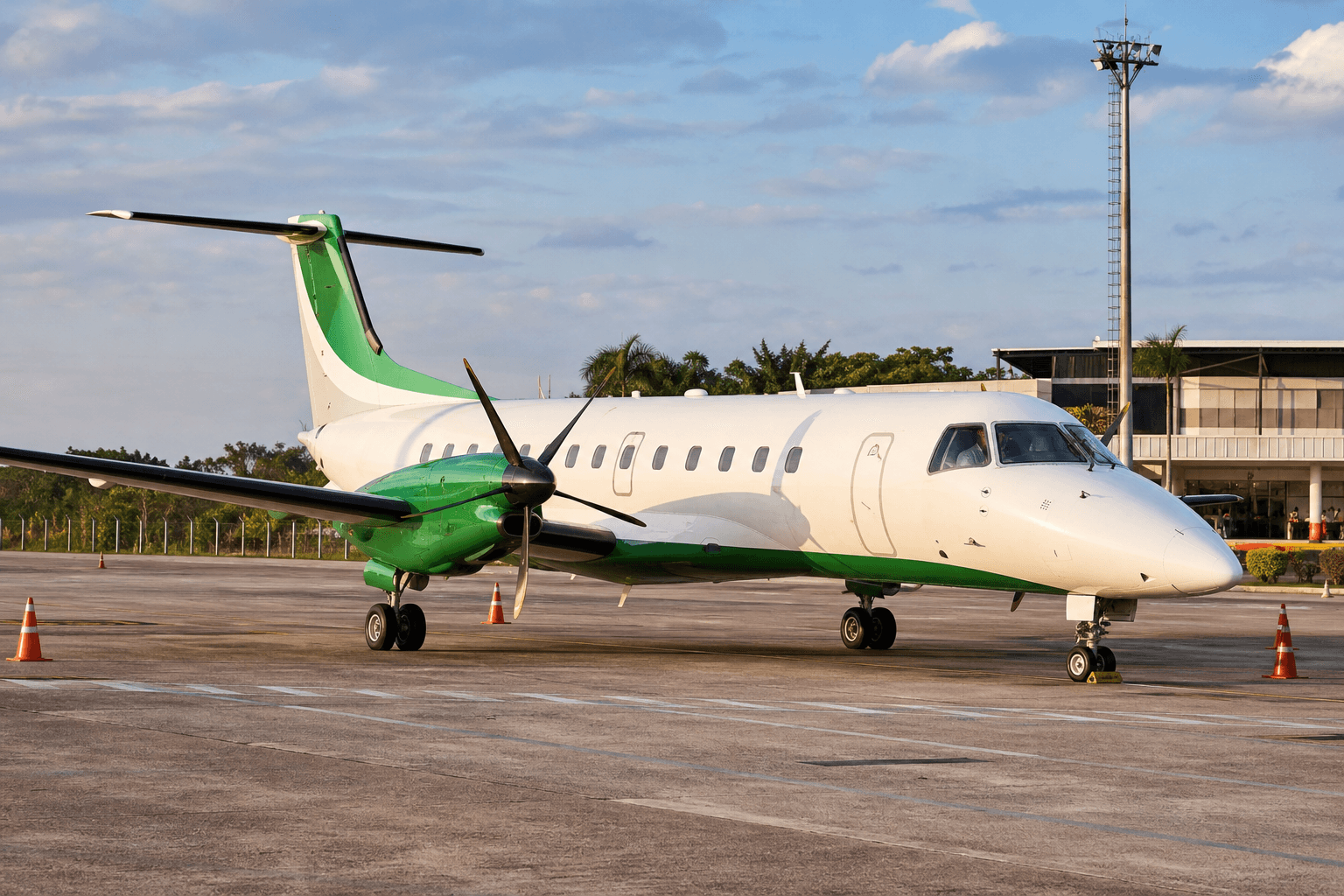
AI-generated illustration
Brazil's AmpliAR Program Lines Up R$1.5 Billion in Private Money for 23 Regional Airports
The Ministry of Ports and Airports is folding regional terminals into existing concessions, with a second round of ten airports set for auction on December 17, 2026.
The gist
Brazil is upgrading 23 regional airports with over R$1.5 billion in private investment and no direct federal funding.
Brazil's Ministry of Ports and Airports (MPor) expects more than R$1.5 billion, roughly USD 250 million, in private investment to expand and modernize 23 regional airports under its AmpliAR program. None of the money comes directly from the federal budget. A first batch of 13 airports secured R$731.6 million in commitments at an auction in November 2025. A second batch of ten airports, carrying R$857.8 million in planned investment, goes to auction on December 17, 2026.
AmpliAR skips the standard route of running a fresh public tender for each small terminal. Instead, it uses simplified competitive procedures to add regional airports to concession contracts that private operators already hold at larger, profitable airports. In return for taking on the management and infrastructure costs of the smaller sites, operators receive contractual adjustments such as revised concession fees or longer contract terms. The ministry has described the approach as the only practical way to clear decades of deferred infrastructure work at regional airports.
The first round focused on the North and Northeast, regions that have historically drawn little private aviation investment. The auction, held at the B3 stock exchange in São Paulo, covered Barreirinhas in Maranhão; Paulo Afonso and Lençóis in Bahia; Jericoacoara and Canoa Quebrada in Ceará; São Raimundo Nonato in Piauí; Serra Talhada, Garanhuns and Araripina in Pernambuco; Vilhena and Cacoal in Rondônia; Araguaína in Tocantins; and Porto Alegre do Norte in Mato Grosso. GRU Airport, the São Paulo-Guarulhos concessionaire, took 12 of the 13 airports without facing a rival bid. Fraport Brasil won Jericoacoara, the only airport in the round that drew competition.
The second phase is linked to a restructuring of the Brasília International Airport concession, which Inframerica operates. That proposal calls for R$1.2 billion of investment at Brasília itself, including a new international terminal, a parking structure and better road access. Alongside it sits the R$857.8 million package for ten regional airports across five states, which will be settled through the December 17 auction.
The second-round list includes Juína, Cáceres and Tangará da Serra in Mato Grosso; Alto Paraíso de Goiás and São Miguel do Araguaia in Goiás; Bonito, Dourados and Três Lagoas in Mato Grosso do Sul; Ponta Grossa in Paraná; and Barreiras in Bahia. Across both phases, planned work includes runway repaving, extensions to aircraft aprons and upgrades to passenger terminals.
The program arrives as Brazilian air traffic hits record levels. The country handled 99.6 million air passengers between January and September 2026, up 4.3% from the same period of 2025, according to the National Civil Aviation Agency (ANAC). Domestic routes accounted for 76.8 million of those travelers and international flights for 22.7 million. September alone carried about 10.9 million passengers, the highest September figure in a data series that begins in 2000.
Much of that traffic concentrates in São Paulo and Rio de Janeiro, which handle the bulk of international flights. The regional network, largely built in the 1970s and 1980s, links tens of millions of Brazilians to jobs, healthcare and logistics hubs, and its aging facilities have not kept pace with passenger growth. By tying regional upgrades to renegotiated large-airport contracts, the government shifts commercial value from busy hubs to smaller terminals without a federal budget line.
The 23 airports in the current plan are only a portion of the government's wider target. MPor aims to modernize or requalify more than 100 regional airports over five years.
Originally reported by Latin Times
Read more
All Airports →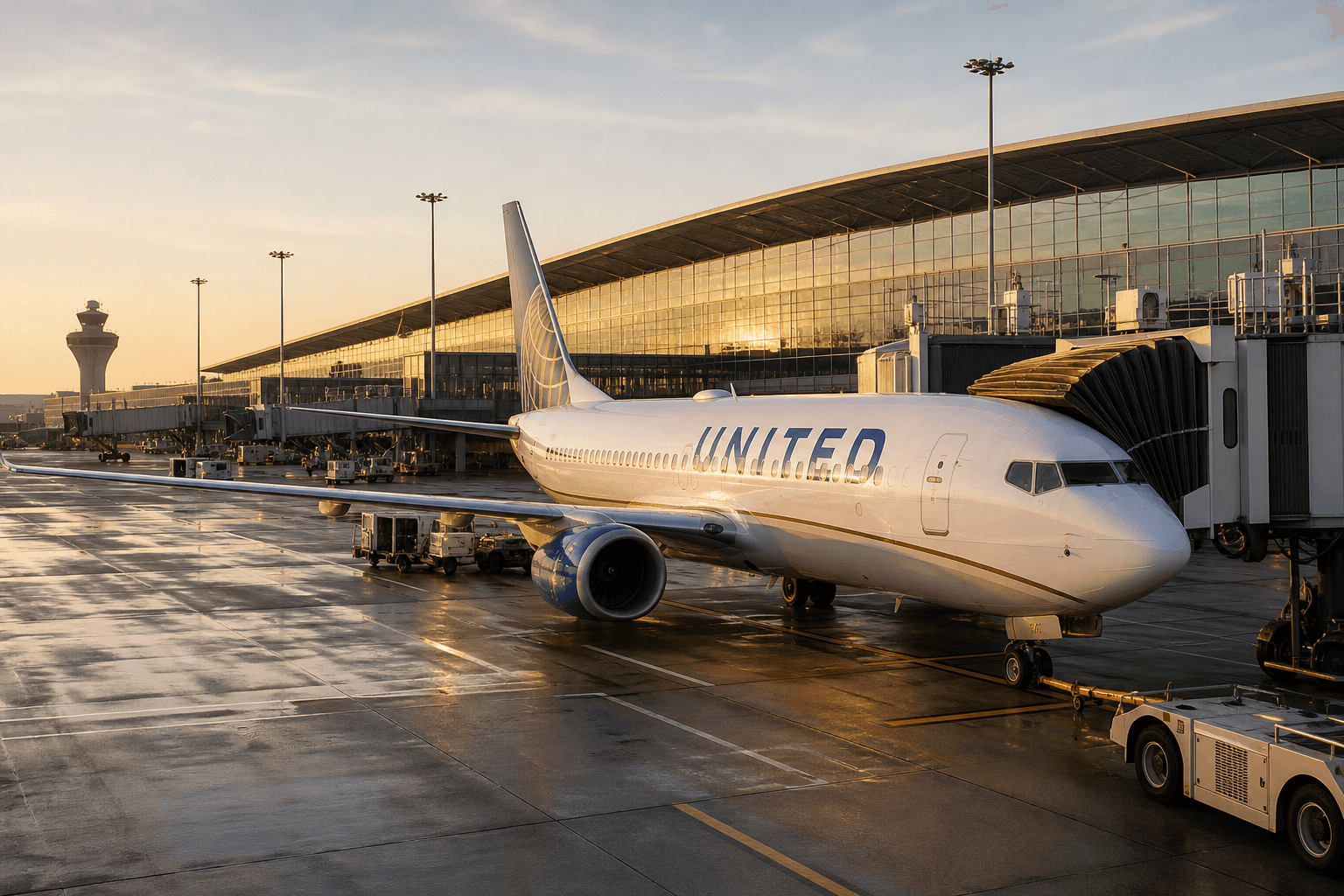
Dulles Opens Concourse E with 14 United Gates as $20 Billion Overhaul Gets Underway
Washington Dulles has opened its first new concourse in nearly two decades, a 435,000-square-foot United Airlines facility that launches the decade-long Dulles Global Gateway redevelopment.
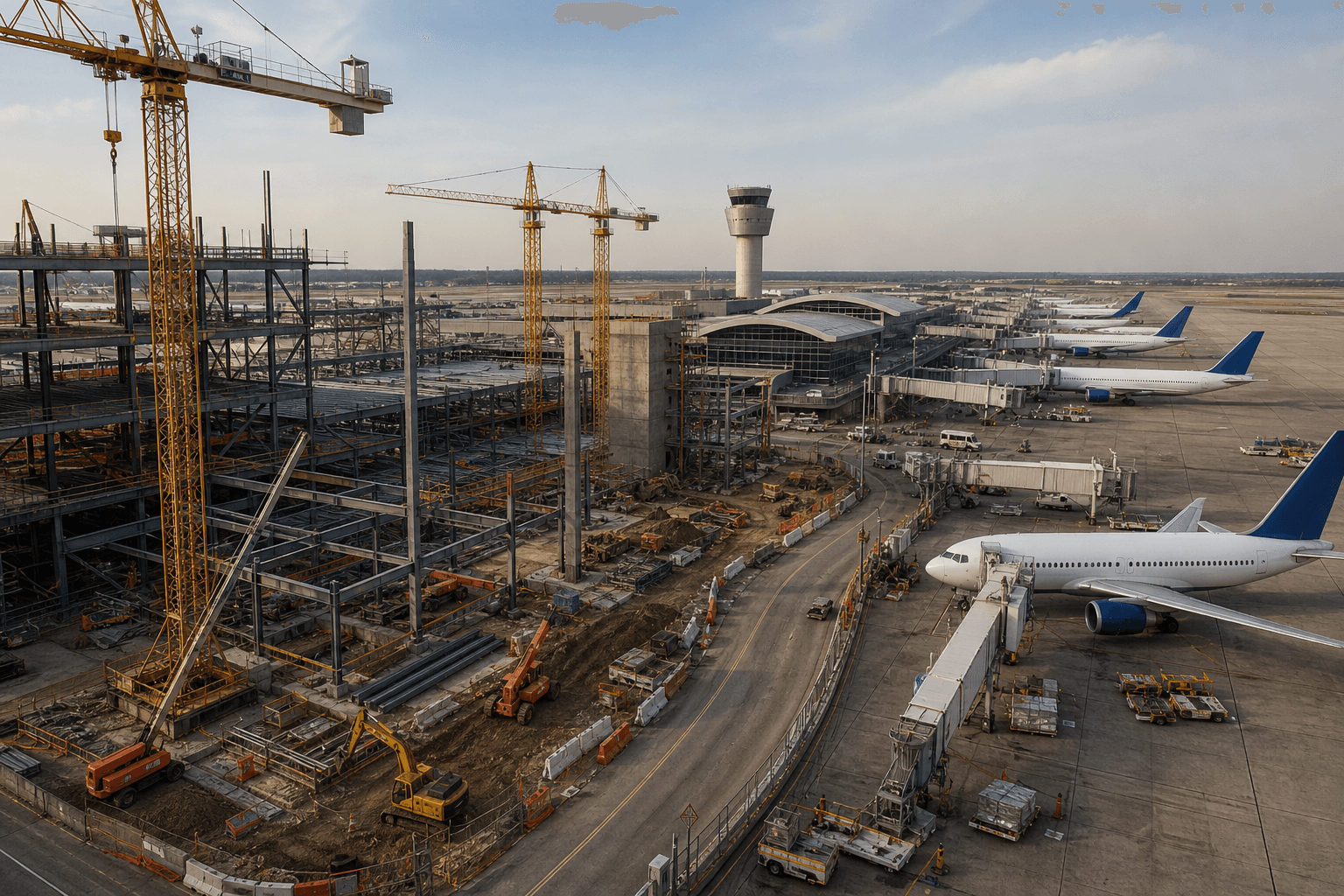
O'Hare Breaks Ground on $917 Million Concourse E, Adding 24 Gates at Terminal 2
Chicago began work on a two-phase concourse that will add international gates, link to the new Concourse D by tunnel and finish in 2034 alongside the $8.7 billion Global Terminal.

Resurfaced Honolulu Airport Footage Shows Japanese Traveler Handcuffed and Put on Flight Back to Nagoya
A clip from a reality TV episode shows border officers at Honolulu restraining a Japanese visitor who refused secondary inspection, then rushing her onto a Nagoya flight departing within 30 minutes.
Flair Airlines Secures Slots at Dublin, Edinburgh and London Stansted as It Weighs Europe Launch
The Kelowna-based low-cost carrier, cleared by Canadian regulators in September to fly to the UK and EU, has reportedly obtained weekly slots at three European airports but has not announced any routes.
The Daily Touch & Go
The day's best aviation news in your inbox. Free, no spam.