

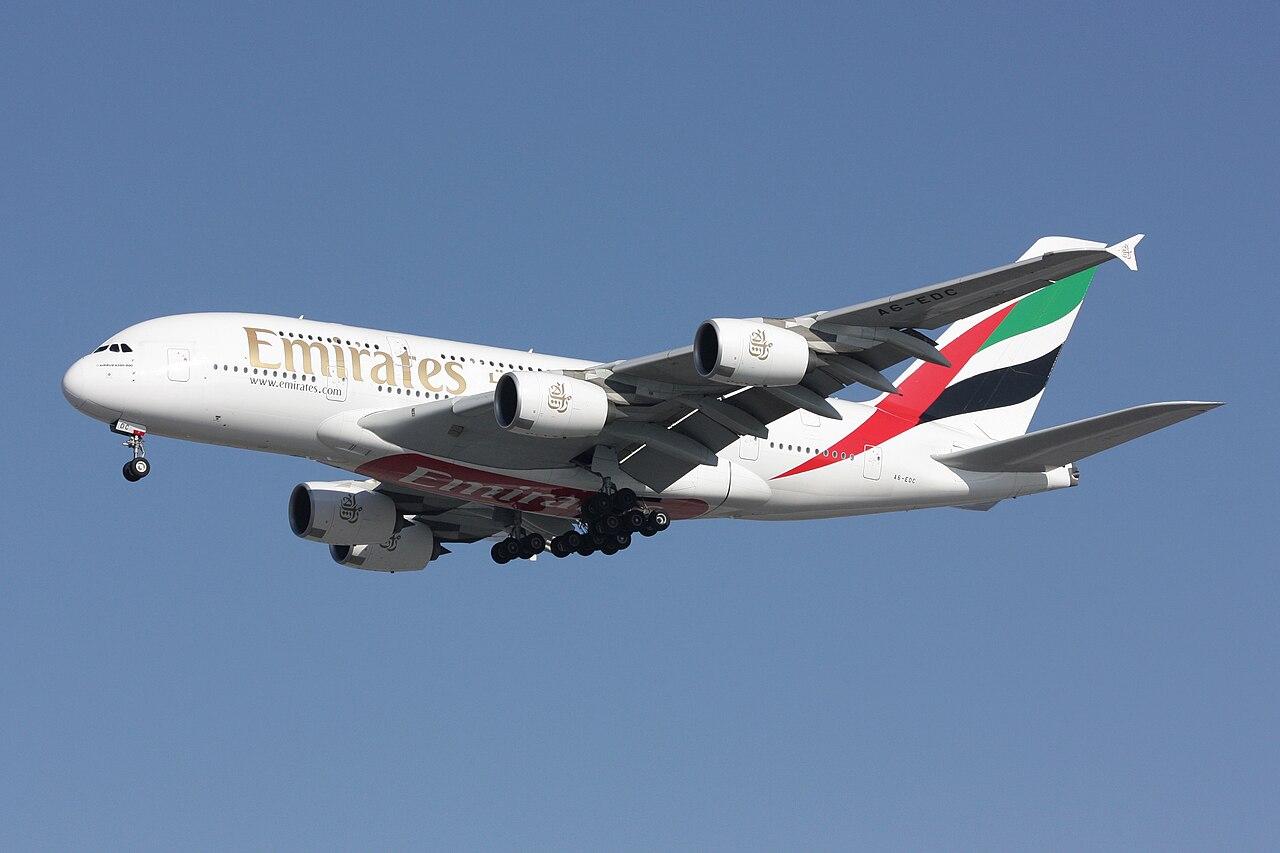
Image: Quentin Douchet · CC BY-SA 3.0 · via Wikimedia Commons
EASA Expands Urgent A380 Wing Spar Crack Checks to 24 Jets, Adding Eight More
A new airworthiness directive brings eight more Airbus A380s into accelerated mid spar inspections, with 22 of the 24 affected jets flown by Emirates.
The gist
EASA has added eight A380s to its urgent wing crack inspection list, now 24 jets across Emirates, Qantas and Etihad, with a January 31, 2027 deadline.
Continuing coverage
All Airbus →- House China Committee Urges FAA to Refuse Certification of COMAC C919 and Scrutinizes Airbus
- Airbus Sets 2027 as Decision Year for Stretched A220 and A350 Variants
- Airbus Eager to Launch A320neo Successor as Boeing Says Market Is Not Ready for a New Narrowbody
- Airbus Banks on 250 Year-End Handovers as A350 Directive, Cathay Order and Buyback Land at Once
- French A321XLR Maritime Patrol Program Cost Estimate Jumps 65% to EUR 4.57 Billion
The European Union Aviation Safety Agency has widened its accelerated inspection regime for cracking in Airbus A380 wing structures, adding eight more aircraft to the group that must be checked on a compressed schedule. The expansion brings the total number of A380s under the more urgent requirements to 24. The eight newly added aircraft must complete the required inspections no later than January 31, 2027.
Emirates, the largest A380 operator, accounts for 22 of the 24 aircraft now covered. Qantas and Etihad Airways each operate one. When EASA first imposed the accelerated checks in June, the list stood at 16 aircraft, 15 of them belonging to Emirates and one to Qantas. Etihad's appearance on the list is new with this round.
The problem centers on the A380's wing mid spars, where cracking has been linked to hydrogen embrittlement. EASA said the condition, if left undetected and uncorrected, could reduce the structural integrity of the wing. The agency said further analysis carried out since the June action showed that additional A380s could be affected by the same condition.
The new rule, Airworthiness Directive 2026-0216, was issued on November 11 and took effect on November 18. It supersedes the Emergency Airworthiness Directive released in June while keeping that measure's requirements intact. Under the June order, the original 16 aircraft were split by urgency: five had to be inspected before their next flight, and the remaining 11 within 25 flight cycles. The November directive layers the group of eight additional aircraft on top of those obligations.
The June emergency action followed inspections on a single A380 that turned up more mid spar cracks than expected. That finding prompted EASA to single out a specific set of jets for accelerated checks rather than leave them on the normal inspection timeline. The latest directive is the result of continued analysis of which other airframes share the relevant risk factors.
EASA has not said the issue affects every A380 in the same way. The directive sorts aircraft into groups based on each airframe's individual history, including prior inspections and time spent in storage. Earlier directives had already dealt with hydrogen embrittlement cracking in the A380 wing, including on aircraft that had been parked for extended periods.
The agency describes the current requirements as interim measures. That designation leaves room for further action as the investigation and the inspection program continue.
Originally reported by Air Data News
Read more
All Aviation Safety →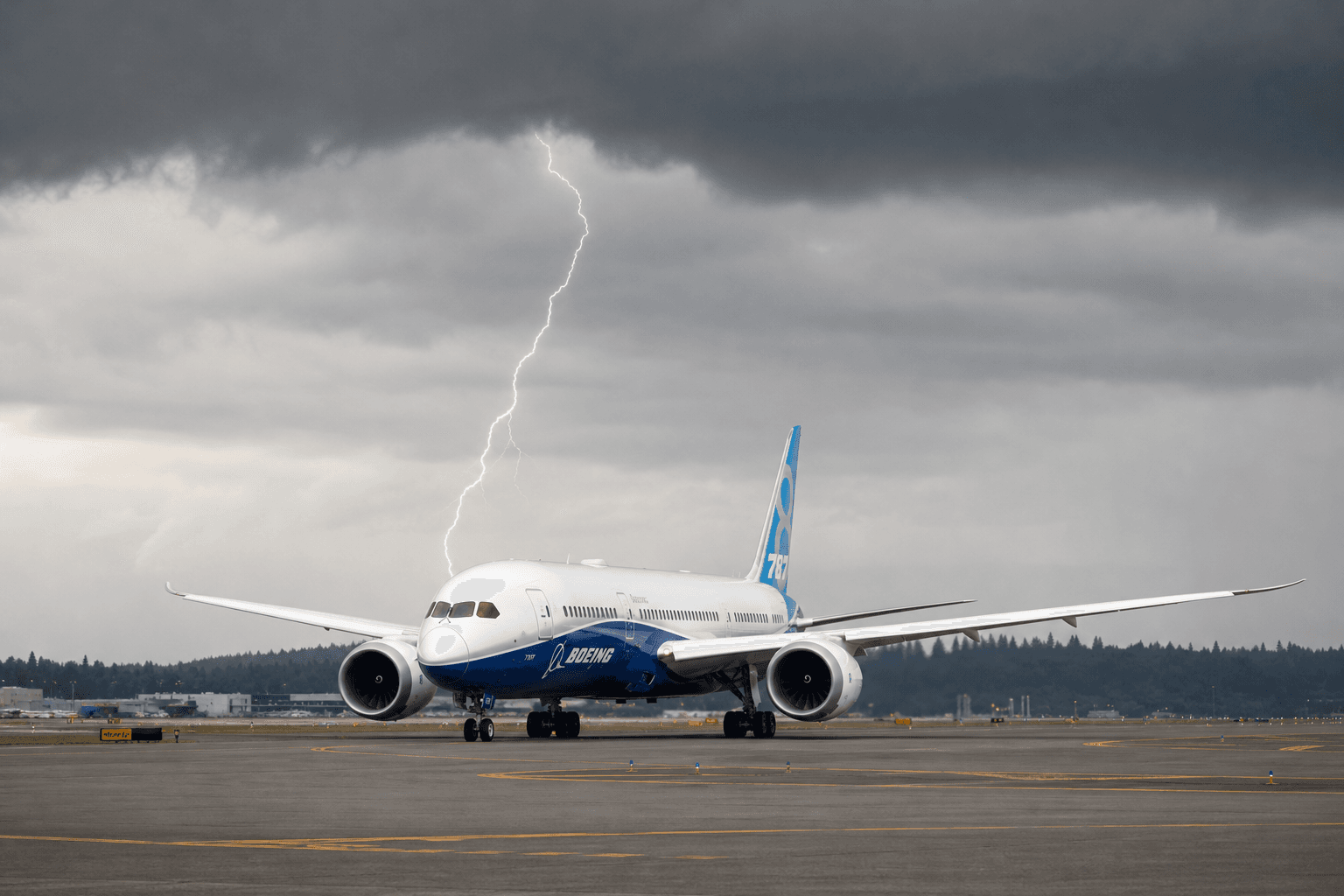
FAA Orders Inspections of 60 US Boeing 787s Over Fuel Tank Sealant Defects Linked to Lightning Risk
A new airworthiness directive targets specific 787-8, 787-9 and 787-10 Dreamliners whose fuel tank sealant flaws could let a lightning strike produce an ignition spark.

Air France A350 and American A321 Pass Within 400 Feet After Wrong Turn Departing LAX
Two departing jets, an Air France Airbus A350 and an American Airlines Airbus A321, came within 400 feet of vertical separation after leaving Los Angeles International on November 7.

Minneapolis Air Traffic Control Outage Grounds and Diverts Flights Across 10 Midwest States
A radar and air traffic control system failure at a Minneapolis facility covering 330,000 square miles forced ground holds and diversions Thursday, and the FAA is investigating the cause.
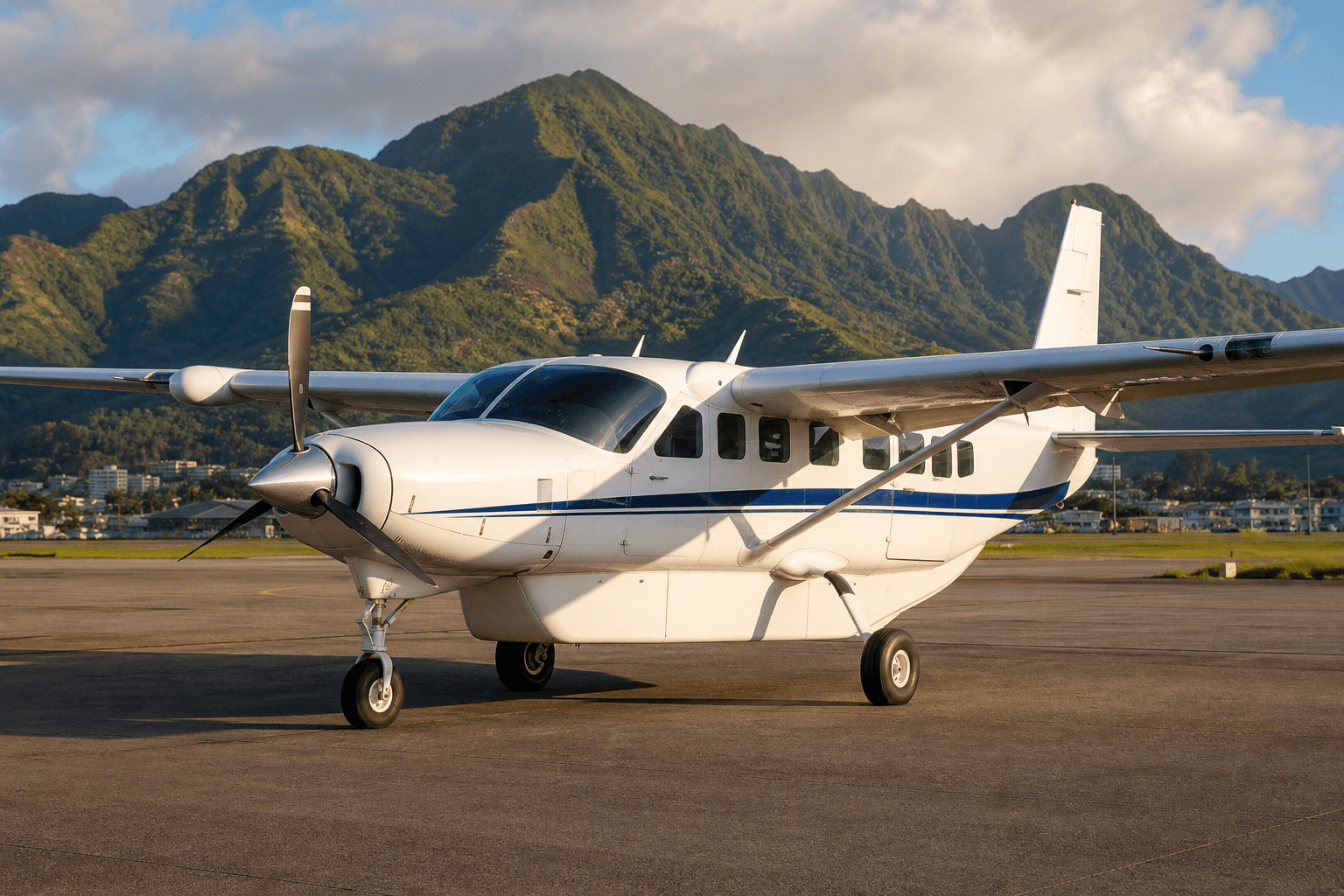
NTSB Blames Improper Maintenance for Left Flap Failure in Fatal 2024 Kamaka Air Crash in Honolulu
The safety board's final report finds a Cessna 208B's left flap system failed in flight and rolled the aircraft into an abandoned building near Daniel K. Inouye International Airport, killing both pilots.
The Daily Touch & Go
The day's best aviation news in your inbox. Free, no spam.