

Illustration: The Touch & Go
United Polaris Round-Trip Newark-London Tickets Face High UK Tax, Dynamic Upgrade Costs in 2026
A round-trip United Airlines Polaris business class ticket between Newark and London Heathrow carries significant hidden costs due to UK Air Passenger Duty and varying upgrade fees in 2026.
The gist
United Polaris business class round-trips on Newark-London routes include hefty UK taxes and dynamic upgrade prices that reshape the ticket's true cost.
Continuing coverage
All Newark Airport →United Airlines’ Polaris business class service on the transatlantic route between Newark Liberty International Airport (EWR) and London Heathrow Airport (LHR) offers travelers a premium experience but with unexpectedly complex pricing structures in 2026. While booking a one-way award ticket eastbound can seem economical, the round-trip equivalent reveals substantial extra expenses that challenge conventional assumptions about transatlantic award costs. Passengers often discover a pronounced disparity between the eastbound and westbound leg fees due to external taxes and fees that are not mirrored on the outbound flight.
The critical factor inflating the cost on the return flight from London to Newark is the United Kingdom’s Air Passenger Duty (APD). This tax is compulsory for flights departing the UK that cover distances over 2,000 miles, applied per passenger and weighted heavily by cabin class. For premium classes such as business, the APD reaches approximately £244 (around $310), a substantial levy that airlines must collect directly when tickets are purchased. As a result, even MileagePlus award bookings for the return leg incur a baseline cash component exceeding $315, eroding the otherwise good value of miles redemption on this route.
For cash-paying customers, the APD is intrinsically embedded within published fares, which can fluctuate widely between $4,500 and $6,500. Award travelers, contrariwise, face this mandatory charge as a separate out-of-pocket expense, complicating the decision-making process when considering whether to pay entirely with miles or a combination of cash and points. This tax-driven price asymmetry disrupts typical symmetry expectations regarding the cost balance of round-trip transatlantic business class travel.
Despite the relatively short duration of flights from Newark to London—often less than seven hours thanks to favorable jet stream winds—the route remains highly competitive for business travelers. United Airlines maximizes value for these passengers by offering extensive ground services to augment the limited flight time. At Newark, Polaris customers can enjoy full à la carte dining in the Polaris Lounge, bypassing in-flight meals to prioritize rest. Upon arrival at Heathrow Terminal 2, they gain access to an arrivals lounge featuring private showers, hot breakfast, and clothing pressing, allowing a seamless transition to professional commitments without hotel stopovers.
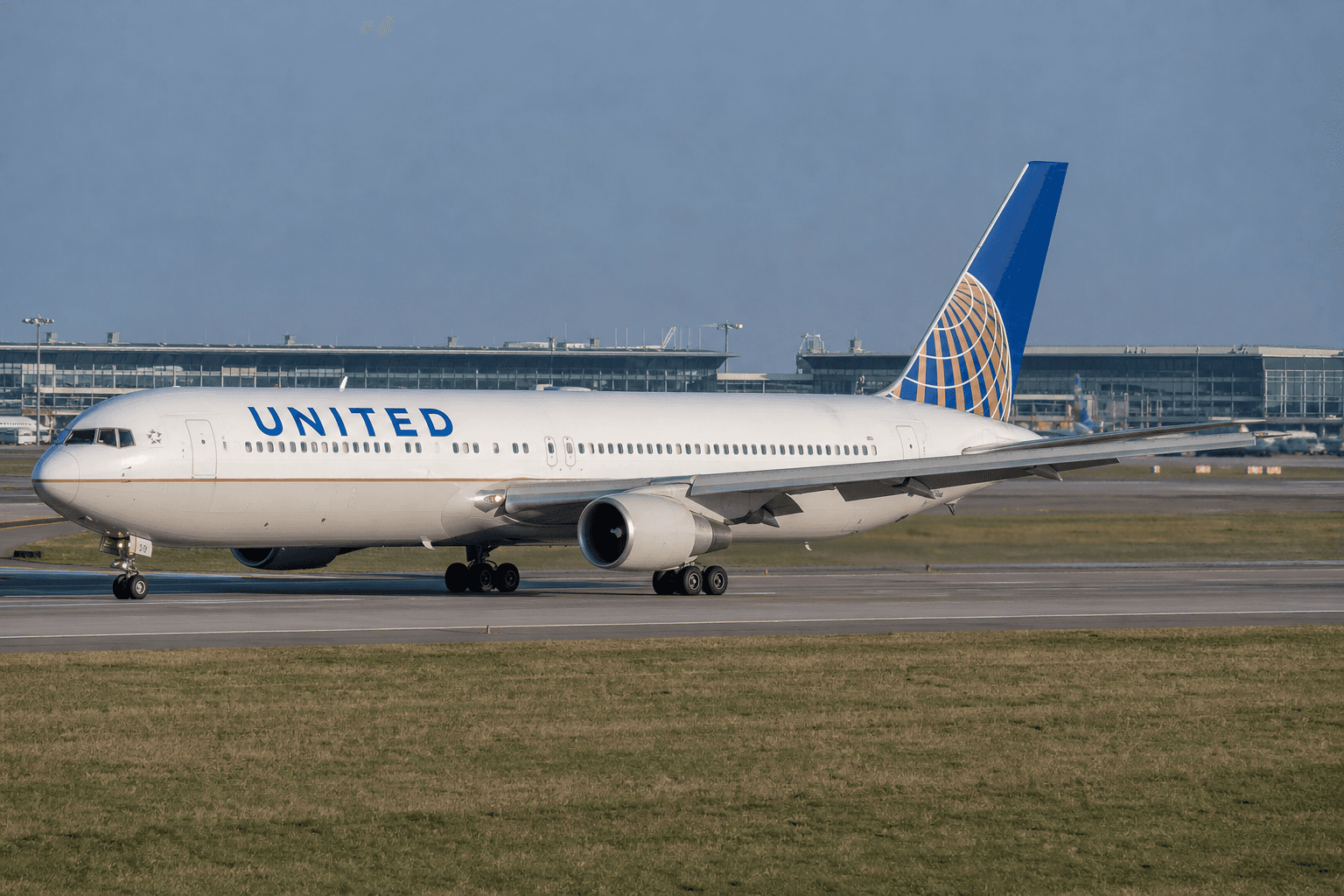
Fleet deployment plays a pivotal role in United’s strategy on this premium route. The airline operates its Boeing 767-300ER High-J configuration here, a special variant designed to meet heavy premium demand by including 46 lie-flat Polaris seats—a number significantly higher than the 20-30 business seats typical for aircraft of similar size. This substantial business class capacity creates a unique market dynamic, influencing seat availability and upgrade opportunities, and allowing United to maintain frequent flights with robust premium inventories.
Dynamic pricing extends beyond tickets to the upgrade process itself. Traditional fixed-mileage charts for upgrades have been replaced by real-time, revenue management-driven models that adjust upgrade costs based on factors like cabin load and passenger status. Upgrading from economy to Polaris with MileagePlus miles requires both a variable miles spend and a cash co-pay that can reach up to $600 each way. These fluctuating costs reflect the airline’s need to optimize revenue while trying to fill the large business cabin.
Due to the high business class seat count and fluctuating demand, upgrade inventory on the Newark-London route tends to open up with greater frequency than on many other transatlantic corridors. This environment benefits travelers with flexible travel plans and substantial MileagePlus balances, encouraging strategic booking and upgrade timing. The route has become a proving ground of sorts for United’s modernized upgrade and revenue management practices, illustrating evolving approaches within premium cabin travel.
Ultimately, United’s Polaris product on the Newark to London route in 2026 presents a complex cost-benefit scenario. Prospective passengers must consider the unavoidable UK departure taxes, the dynamic nature of upgrade pricing, and the curated ground experience that compensates for the short hop across the Atlantic. These factors collectively shape the ultimate value proposition of a Polaris round-trip ticket, driving nuanced purchasing strategies among a discerning business traveler cohort.
Frequently asked questions
- Why is the return leg from London to Newark more expensive in Polaris business class?
- The return leg includes the UK Air Passenger Duty, a mandatory tax of about £244 per passenger for premium cabins, which adds roughly $310 to the ticket cost, increasing the overall price distinctly from the outbound flight.
- How does United’s Boeing 767-300ER High-J configuration affect Polaris capacity on Newark-London flights?
- This specially configured aircraft seats 46 business class passengers, nearly doubling typical business class capacity on similar planes, increasing premium seat supply and affecting availability and upgrade frequency on the route.
- What factors influence the cost of upgrading to Polaris business class on this route?
- Upgrade pricing is dynamic, based on real-time demand and passenger status, requiring variable MileagePlus miles plus a cash co-pay that may reach $600 each way, replacing traditional fixed-cost upgrade models.
Read more
All Airports →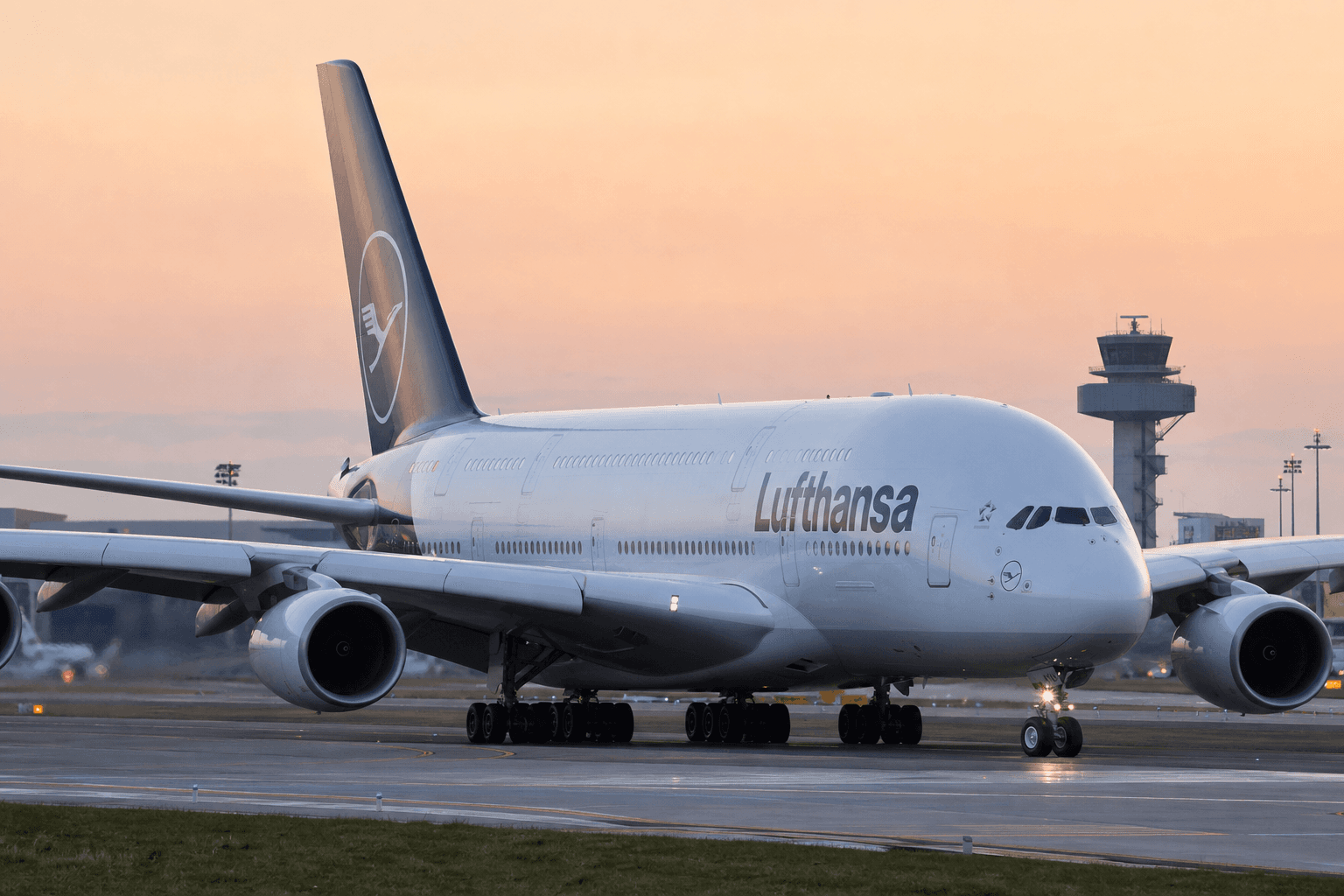
Qantas Nears Full Airbus A380 Fleet Return After London Engine Repair
Qantas is on the verge of having its entire Airbus A380 fleet back in commercial service after a rare ferry flight sent one of the grounded superjumbos directly from London Heathrow Airport (LHR) to Los Angeles International Airport (LAX) over the weekend. VH-OQG, which had been stuck at Heathrow since early July awaiting an engine change, flew as flight QF6007 from London to Los Angeles on July 11, an unusual routing for an aircraft that typically shuttles between Sydney, London, and Singapore rather than crossing the Atlantic and Pacific in one movement.
British Airways Leverages Airbus A380 to Maximize Capacity at Slot-Limited Heathrow
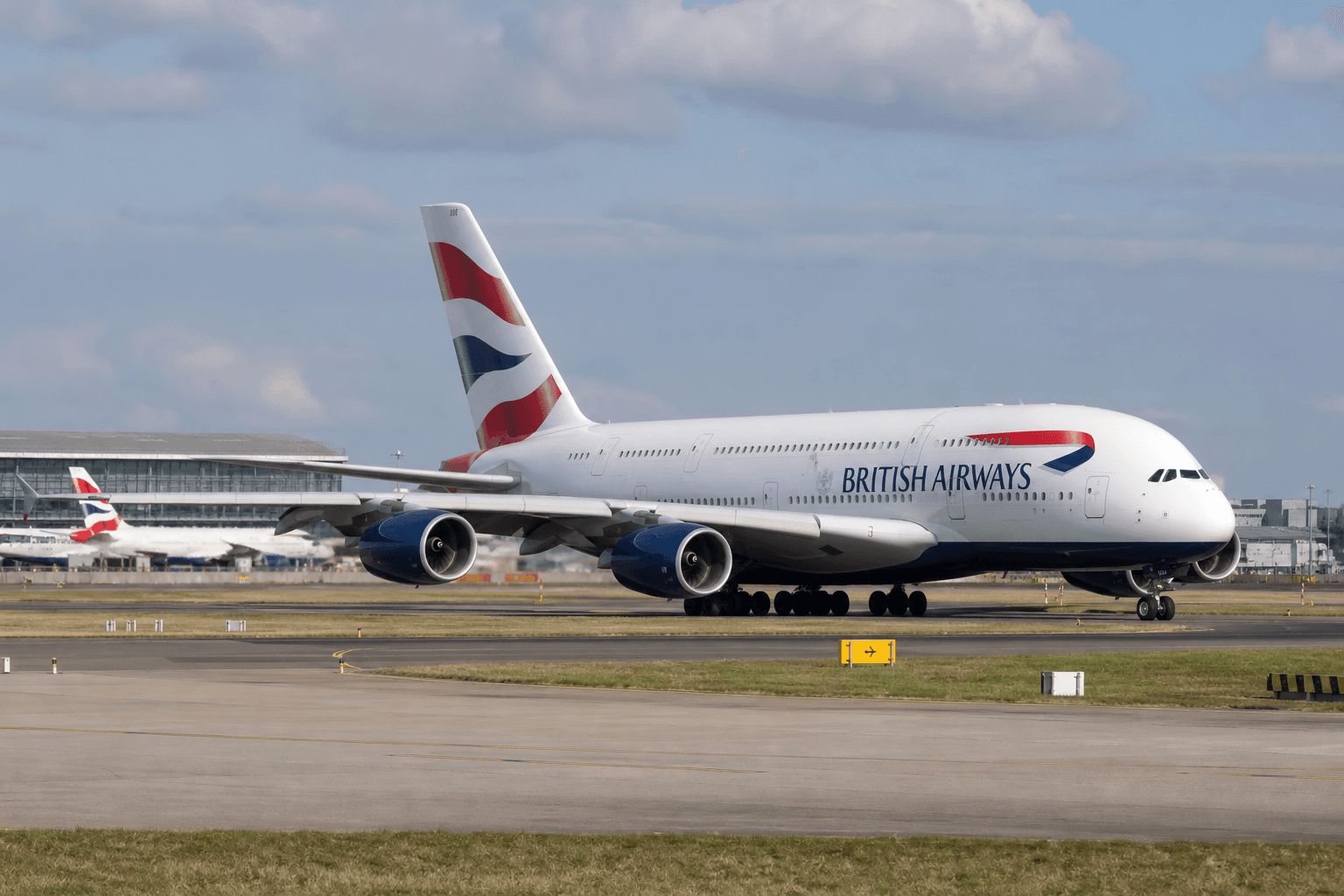
The Airbus A380 is the current icon of the British Airways fleet, serving as a critical tool in the airline's strategy at London Heathrow . In an era where many carriers have pivoted toward smaller, more fuel-efficient twin-engine jets, British Airways has doubled down on the world's largest airliner.

How Much Time Should You Leave Between Separate Flights on Different Tickets?
OMAAT reader Peter asked me a question that I think is worth addressing more broadly — if you book an itinerary that involves two or more separate tickets, how much of a buffer should you leave between flights on those two tickets? There's not going to be a "one size fits all" answer, but I'd like to share my thought process, and hear how others approach this. First let's talk about why you might want to book tickets this way, the things I'd factor into deciding on a buffer, and the approach I take (admittedly I don't always get this right!). Why you might book an itinerary on separate tickets Typically, most people will book an itinerary between their origin and destination on a single ticket, even if multiple airlines are involved (which is possible thanks to partnerships and interline agreements ). However, there are definitely situations — especially in the miles & points world — where you might want to book separate tickets: Maybe you only found reasonably priced award tickets out of a long haul gateway city, and then you need to position there on a separate ticket Maybe you're being savvy and are trying to avoid the UK Air Passenger Duty , so you book your first flight out of the UK separately as a short haul ticket, and then pick up your long haul ticket elsewhere Maybe an itinerary just ends up being cheaper if booked as two separate tickets, whether you paid with cash or points Maybe you booked a ticket far in advance, but then your plans change, though the most economical option is to just book a separate positioning flight, but still take your originally booked ticket Anyway, I do end up booking itineraries as separate tickets with some frequency, and the most common reason is because I'm redeeming points out of another gateway city, and that ends up being the most economical option. I sometimes book itineraries on two separate tickets The considerations with deciding on what buffer to leave To state the obvious, there are many factors that would impact my decision of how much of a buffer to leave between flights on separate tickets. For example, if you're flying a once daily flight to board a cruise or to attend a very important business meeting, I'd take a different approach than if you're connecting to a ticket in a market that has 50 daily flights. So to expand on that a bit, here are the things that I'd take into consideration: How important is it to actually make the flights on your second itinerary, and to arrive at your destination on-time? How flexible are your tickets? If you miss your second itinerary, is it a "use it or lose it" situation, or could you easily rebook? Are you checking bags? Obviously you'll want to add to your buffer if you are, especially since bags often can't be checked through on separate tickets What time of day is your first flight? The earlier you fly, the better the odds of things going smoothly What are the weather conditions to consider? On summer afternoons you have to be worried about thunderstorms, and in winter, consider how likely a snowstorm could be How many other flights are there that could get you to your destination within a reasonable timeframe, assuming you miss the originally booked one? How skilled are you at managing your own travels? If you're very resourceful and not stressed out by a potential misconnect, you can handle this differently than someone who gets really stressed in these situations Consider how much flexibility your ticket has How I decide on how much of a buffer to leave It goes without saying that if you want to maximize your odds of not having any major disruptions, you should leave a massive buffer between separate flights on itineraries. It's definitely a best practice to maybe even leave a day between separate itineraries, or at least to leave an unpleasantly large number of hours. That being said, I want to be realistic here: Often people have limited vacation, so adding an extra day enroute might not be practical, might significantly add to the expense of the trip, etc. Of course leaving a really long layover sounds smart, but most people don't want to spend 10 hours at an airport waiting for their connecting flight Let me share my approach, acknowledging of course that I don't always get this right (including recently!) . As I view it, I take a calculated risk, trying to find the middle ground between minimizing risk and being efficient. Obviously it depends on the circumstances, but assuming that I don't 100% have to be at the destination exactly at my planned arrival time, my most common approach is to typically leave a buffer of four hours, and/or to have at least another flight between my original flight and subsequent one that I can be rebooked on, in the event that it cancels. Admittedly this isn't a perfect system, and a lot can still go wrong. After all, "when it rains, it pours" also applies to aviation. Sometimes there's just a very bad weather system, and you have flights for an entire afternoon delayed by hours. In those situations, there's nothing you can do. To get a bit more specific, personally I generally hope for a bit bigger of a buffer if I'm checking bags, and if my second ticket is non-refundable or non-changeable. Meanwhile if I'm traveling alone, I'm on separate tickets, or it's in a high frequency market, I've certainly booked connections way shorter than that. Just to give an example, maybe I have an award ticket booked from Frankfurt to Chicago on Lufthansa, and then I book a connecting flight to Miami on American. There I'd gladly book a short connection, and worst case scenario, I can just rebook on another flight. That's an example of a low risk situation, as I see it. I generally view things as lower risk if they're at the end of my trip, and if I'm headed home, especially flying a US carrier, since they tend to be more flexible if you miss a flight (compared to Asia, Europe, etc.). I'll often leave a shorter buffer when returning home Bottom line Especially in the miles & points world, it's common to see people book flights across multiple tickets. This is often necessary if redeeming miles for a long haul flight out of a gateway, and then needing to position. It can be hard to decide on the right buffer. Obviously the bigger the buffer, the better the odds of everything going smoothly. At the same time, adding an overnight layover can add a lot of time and expense to a trip. My general rule of thumb is that I try to leave a buffer of at least four hours between separate tickets, with at least one flight between the two that would still get me to that destination in time to make the flight. Admittedly there are many other considerations as well, so that's not some hard and fast rule. What approach do you take when it comes to leaving a buffer between separate itineraries?
Heathrow Sees 1.2% Rise in North America Flights Amid 2026 World Cup Surge
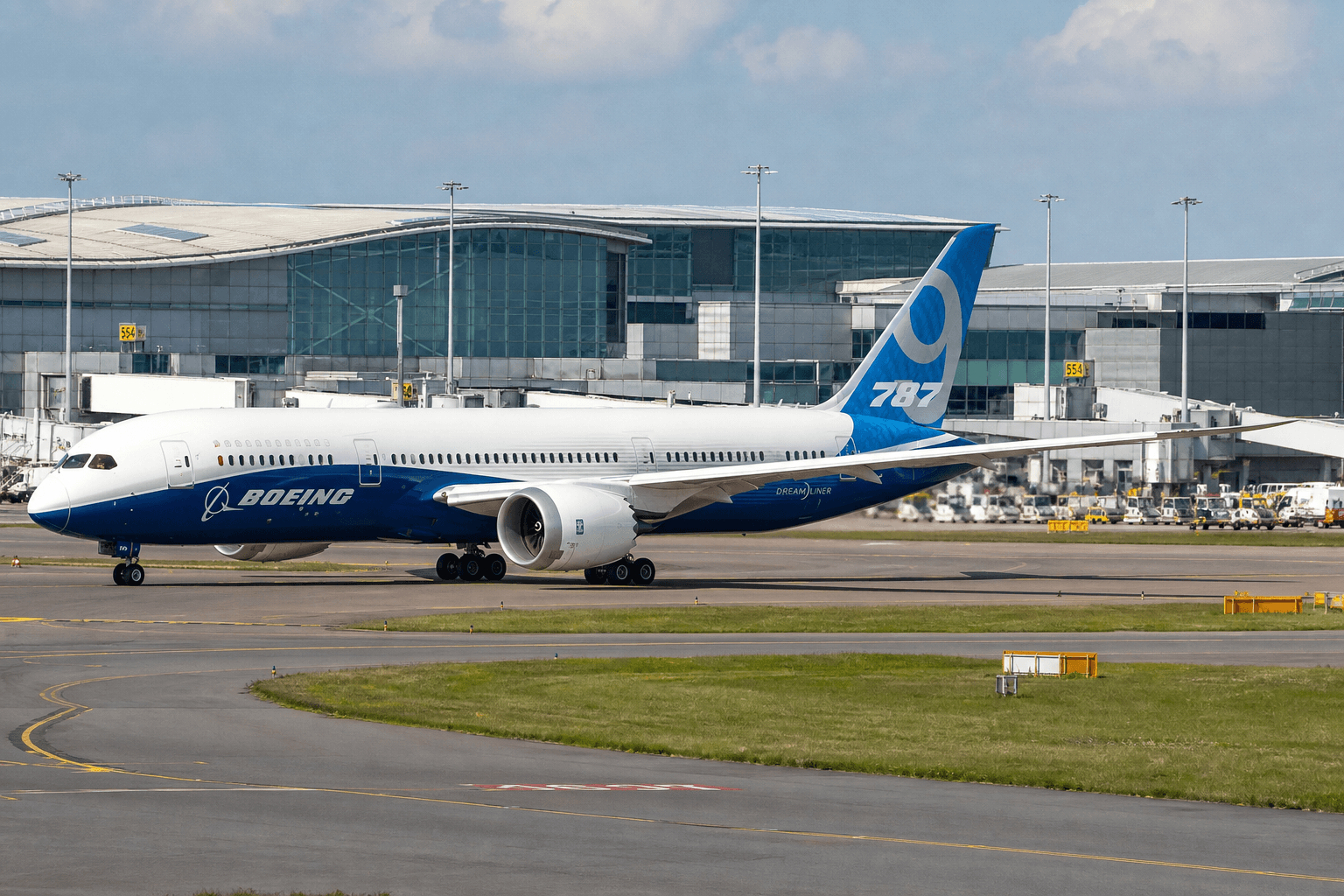
London Heathrow Airport (LHR) enjoyed a fruitful June, with the facility's latest figures showing that long-haul demand from football fans jetting off to watch the 2026 FIFA World Cup in Canada, Mexico, and the US made a difference to its traffic levels. Most notably, the West London hub handled almost two million passengers on flights to and from North America, representing a year-on-year increase.
The Daily Touch & Go
The day's best aviation news in your inbox. Free, no spam.