

Illustration: The Touch & Go
US Air Force Adapts 19 B-2 Stealth Bombers with Long-Range Anti-Ship Missiles in Pacific
The USAF equips its B-2 stealth bombers with AGM-158C LRASM missiles to counter China's naval expansion near Taiwan, enhancing regional strike capabilities.
The gist
The US Air Force arms B-2 bombers with LRASMs to boost long-range anti-ship strike options against China's growing Pacific navy.
Continuing coverage
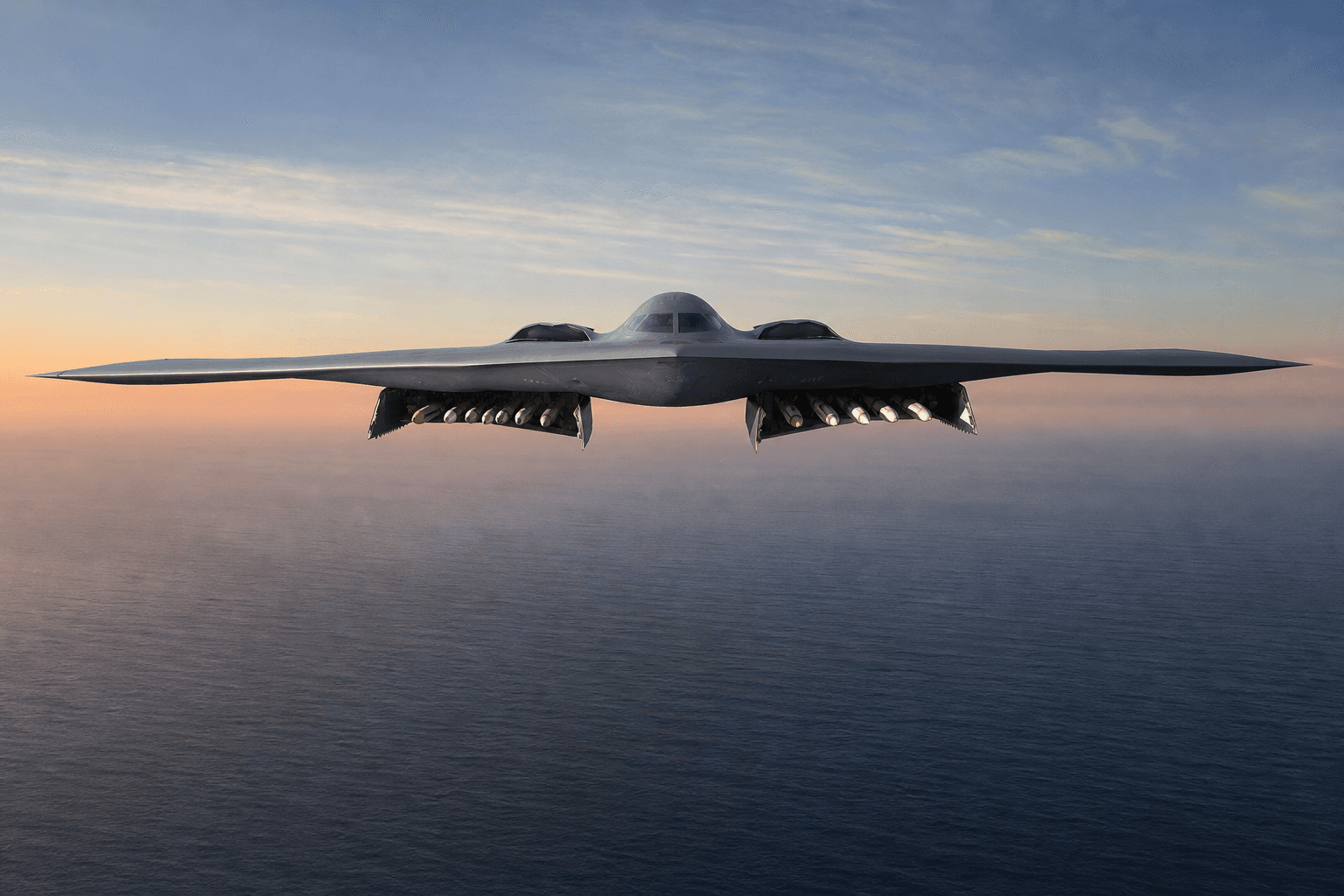
All B-2 Spirit →The United States Air Force (USAF) has quietly adapted its fleet of 19 B-2 Spirit stealth bombers with the AGM-158C Long Range Anti-Ship Missile (LRASM) to enhance its strike capabilities in the Indo-Pacific region. This upgrade represents a strategic move in response to China's expanding naval strength and assertive claims over Taiwan. The LRASM-armed B-2s were notably demonstrated during the recent biennial RIMPAC exercise, where a B-2 launched the missile to successfully strike the decommissioned USS Juneau, signaling a new maritime strike vector for US forces.
The Indo-Pacific theater has surged in strategic importance due to the People's Liberation Army Navy's (PLAN) rapid expansion, which now comprises over 400 warships and is projected to grow to approximately 435 by 2030. Central to US defense concerns is PLAN's ability to threaten Taiwan through amphibious assault, supported by next-generation amphibious assault ships like the Type 075 and upcoming Type 076 classes, alongside modern aircraft carriers. The USAF's integration of LRASM onto the B-2 directly counters this evolving threat by providing a stealthy, long-range maritime strike option.
Previously, the AGM-158C LRASM had been publicly certified only for the Rockwell B-1B Lancer bomber and select fighter platforms such as the Boeing F/A-18 Super Hornet and the Lockheed Martin F-35 Lightning II. The B-2's stealth characteristics now allow it to penetrate contested airspace at substantial ranges, launching precision strikes against naval targets with minimal risk of detection and engagement. This multi-platform missile integration diversifies the USAF's ability to engage surface combatants and amphibious invasion forces beyond the reach of traditional naval assets.
The LRASM itself is an advanced weapon designed for highly contested environments, featuring autonomous target detection through a combination of passive radar emissions, imaging infrared seekers, electronic support measures, and AI-assisted target recognition. Capable of independent target search and engagement without reliance on GPS or external data links, the missile incorporates low-observable design and countermeasures to evade modern naval air defenses. Its range is publicly stated as over 200 nautical miles, but insiders suggest it could be significantly greater.
Operationally, the LRASM's capability to share targeting data mid-flight allows multiple missiles to coordinate strikes, distinguishing legitimate targets from civilian or auxiliary vessels that may be employed as decoys in a conflict scenario such as a Taiwan contingency. This elevates the missile from a single-shot weapon to an integrated component of comprehensive maritime strike tactics against large and dispersed naval formations.
The USAF is investing approximately $1.35 billion in modernizing and maintaining its B-2 fleet, recognizing that these bombers will continue to serve as a key element of America's long-range strike capability across the Pacific until the B-21 Raider stealth bomber achieves operational maturity, which is not expected until the early to mid-2030s. Supported by aerial refueling, B-2s based at Whiteman Air Force Base in Missouri can reach launch positions near contested waters in roughly 14 to 16 hours.
With a payload capacity allowing each B-2 to carry up to 16 LRASMs, the combined force of the active 19 bombers could theoretically deploy a sizable salvo of critical anti-ship missiles in a major maritime conflict. This capacity adds a potent layer of deterrence and complexity against any potential invasion efforts by China, supplementing conventional naval and air forces with stealthy, stand-off precision strike options.
Given the region's dense maritime traffic and the likelihood of decoys employed by Chinese forces, the integration of LRASM on stealth platforms like the B-2 ensures rapid, flexible response options for the USAF. The convergence of stealth bomber reach with intelligent, long-range anti-ship missiles marks a significant evolution in the US military's approach to maintaining influence and security in the Indo-Pacific amid growing great-power competition.
Frequently asked questions
- What new role has the US Air Force assigned to its B-2 stealth bombers?
- The USAF has equipped its 19 B-2 stealth bombers to carry and launch the AGM-158C Long Range Anti-Ship Missile (LRASM), enabling them to conduct long-range maritime strike missions especially in the Indo-Pacific region.
- Why is arming the B-2 with the LRASM significant in the context of the Indo-Pacific strategic environment?
- This capability provides the US military with a stealthy, long-range strike option against China's expanding and increasingly capable naval forces, which is critical for countering amphibious threats to Taiwan and maintaining regional security.
- What investment is the USAF making to maintain the B-2 fleet before the B-21 Raider is fully operational?
- The USAF is investing $1.35 billion to modernize and sustain the 19 B-2 Spirits, recognizing their importance as a long-range strike platform until the B-21 Raider enters service in significant numbers in the 2030s.
Read more
All Military/Defense →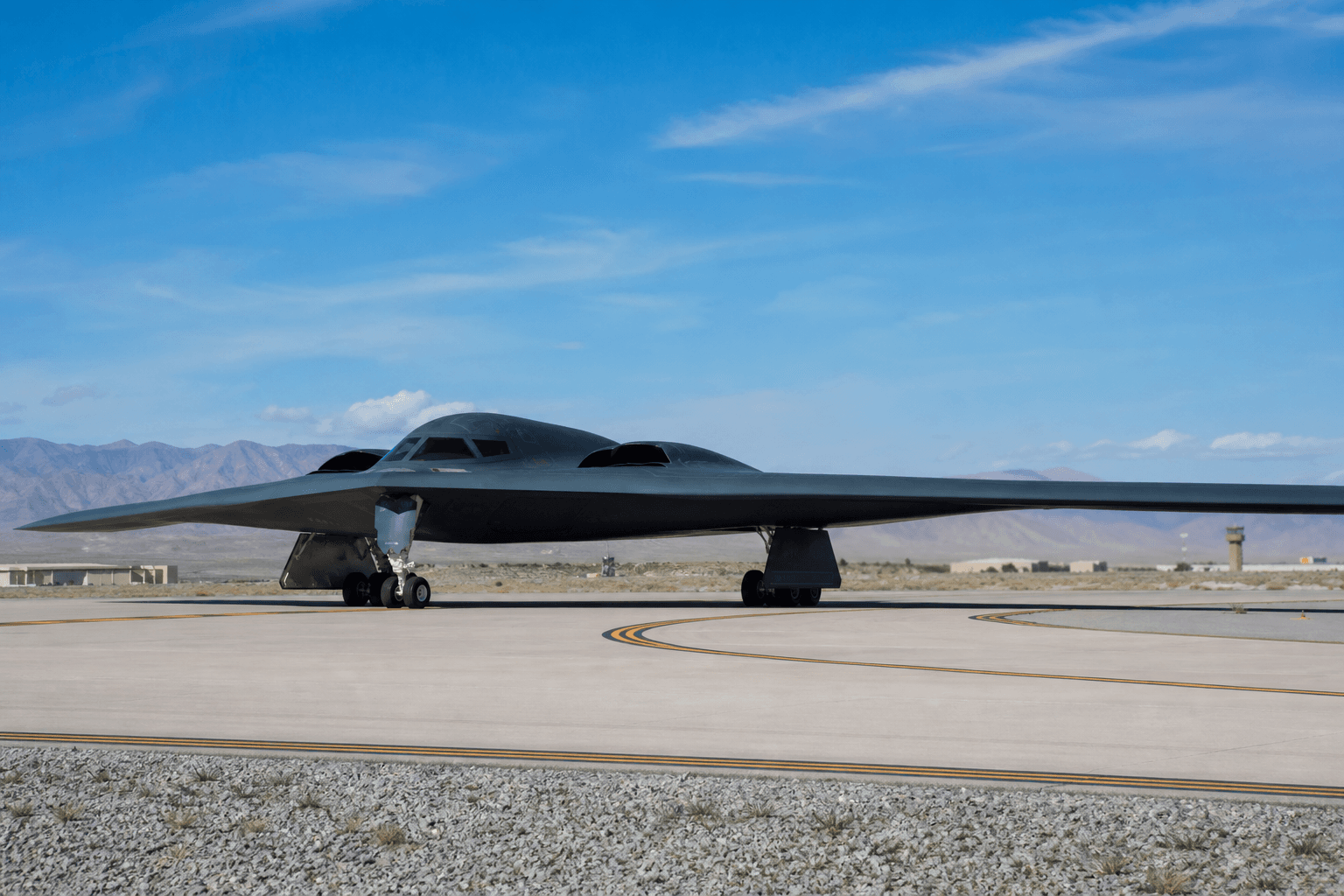
USAF Requests $1.7B to Upgrade B-1 and B-2 as B-21 Raider Production Ramps Up
The Northrop Grumman B-21 Raider program is already underway, and the aircraft is the future of the US military's long-range strike capability. The Raider is set to replace legacy aircraft , such as the B-2 Spirit and the Rockwell International B-1B Lancer. While the B-21 is set for operational service as soon as 2027, it will take time for the United States Air Force (USAF) to receive enough of the aircraft to finally and permanently retire both older bombers.
US F-47 Sixth-Gen Fighter Faces $300M Price Tag and Limited Fleet Size
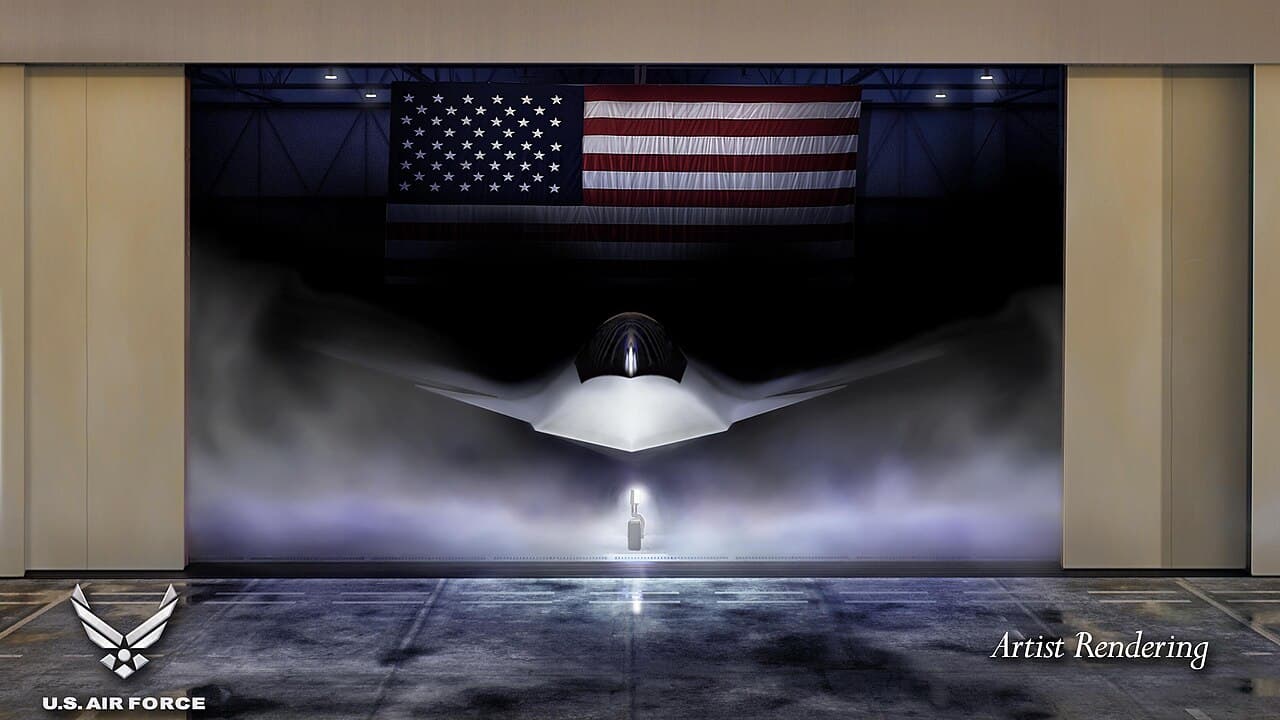
The race to build the first sixth-generation fighter jet is well underway, with the United States and the People's Republic of China competing to be the first to produce a fully combat-capable example. While the People's Liberation Army Air Force made headlines in late 2024 by test-flying two different prototypes, the US program has been quietly testing new designs since 2019. When Boeing was awarded the contract for the F-47 Next Generation Air Dominance in early 2025, the program jumped into the spotlight.
US Air Force Fighter Pilots Earn Base Salary Plus Bonuses Amid Pilot Shortage
All US military pilots are commissioned officers, and their basic salary follows the same pay scale regardless of whether they are fighter jet pilots or transportation aircraft pilots. It also doesn't matter if they serve the US Air Force, the US Navy, the US Coast Guard, or the US Army. Compared with commercial pilots, US military pilot salaries are quite low, but they are only the beginning , with bonuses, allowances, and various other benefits and incentives significantly increasing the pay.
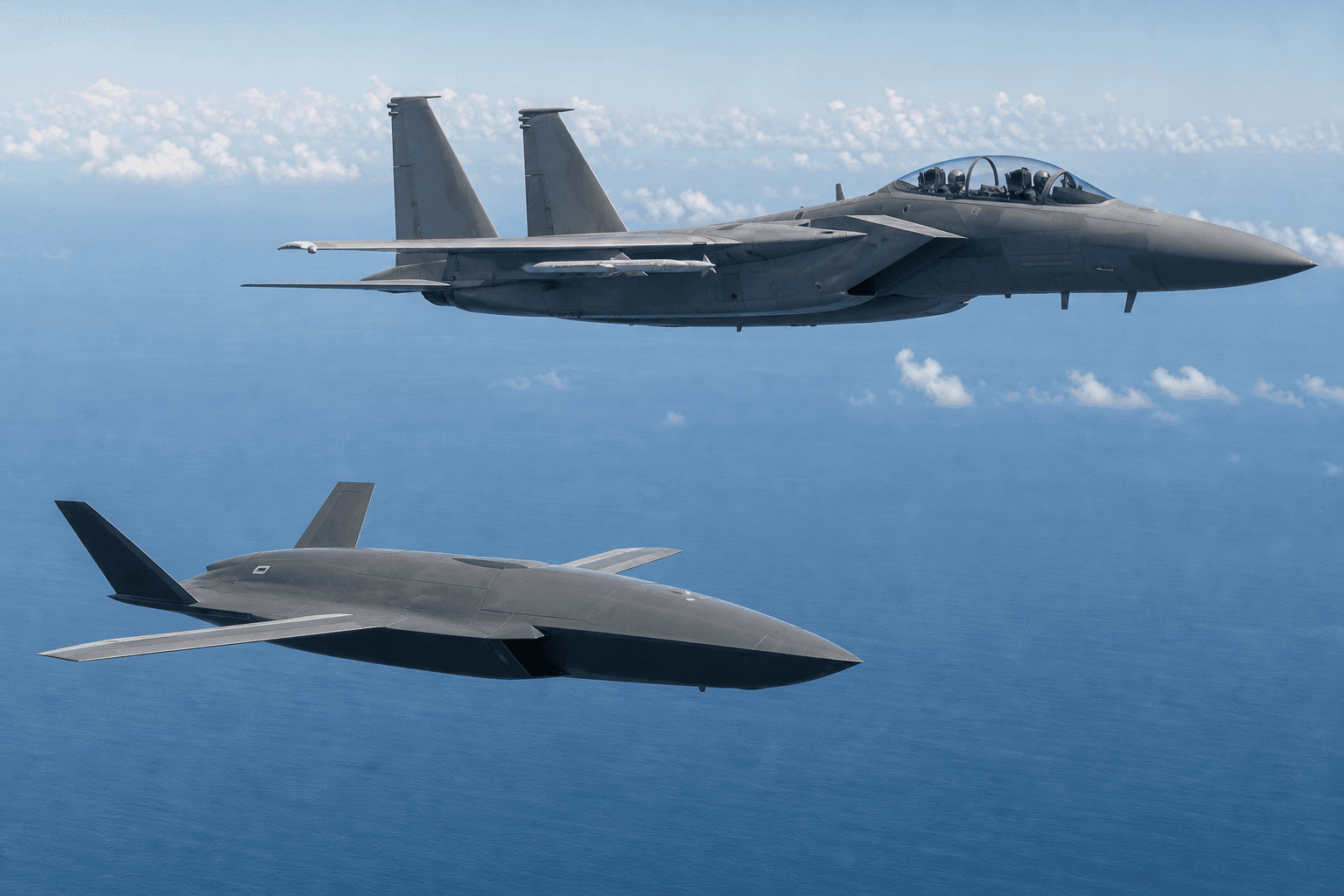
Boeing's MQ-28 Ghost Bat Joins US Air Force in Landmark Indo-Pacific Exercise
- MQ-28 Ghost Bat is first collaborative combat aircraft (CCA) to be integrated into multinational, joint force Exercise Valiant Shield 2026
The Daily Touch & Go
The day's best aviation news in your inbox. Free, no spam.